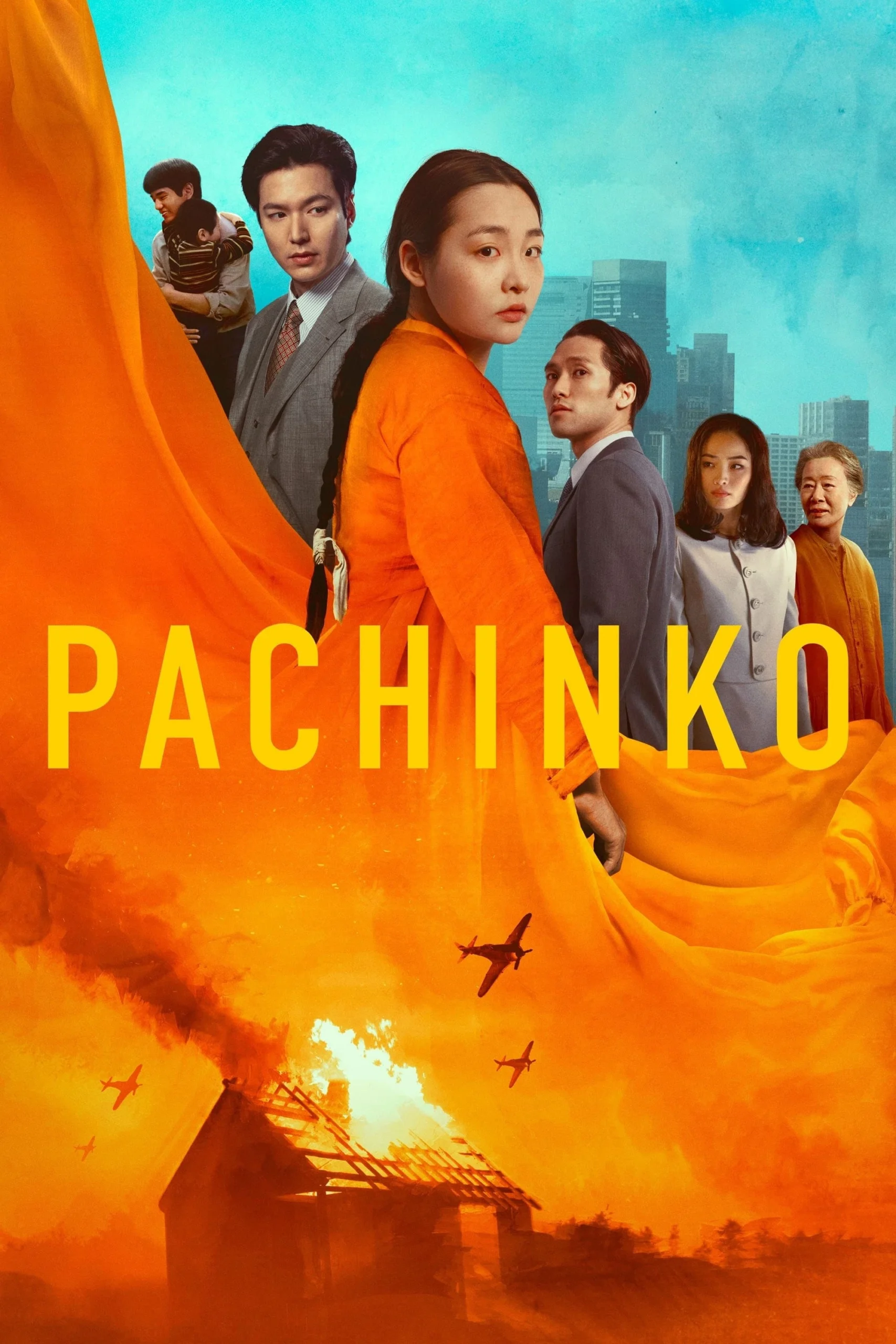
Pachinko (Season 2)
🎬 Apple TV+
⭐ 8.5 / 10 MDL 🔞 15+
📋 Drama Overview
The setup, the stakes, and where to watch — all in one place.
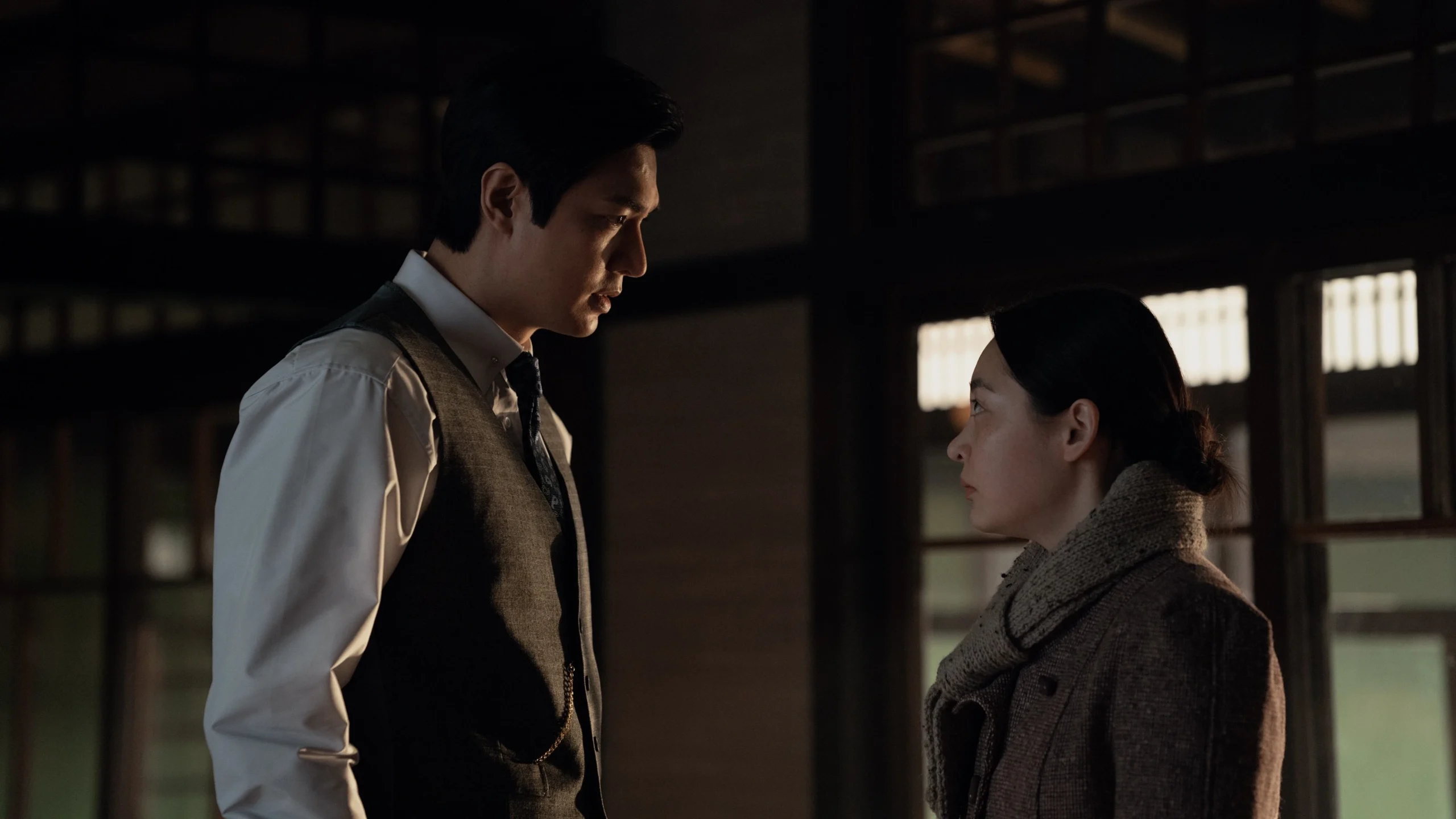
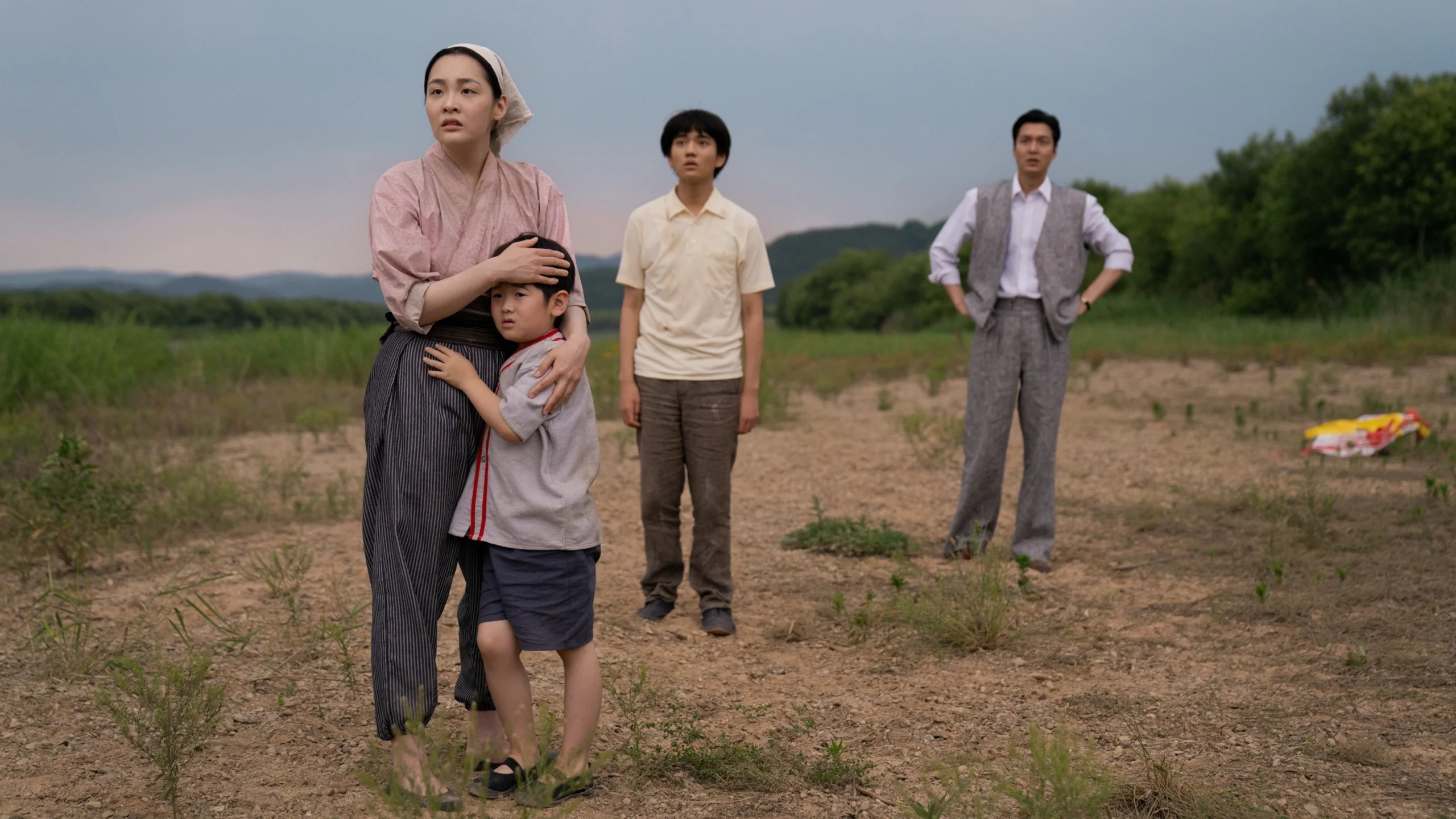
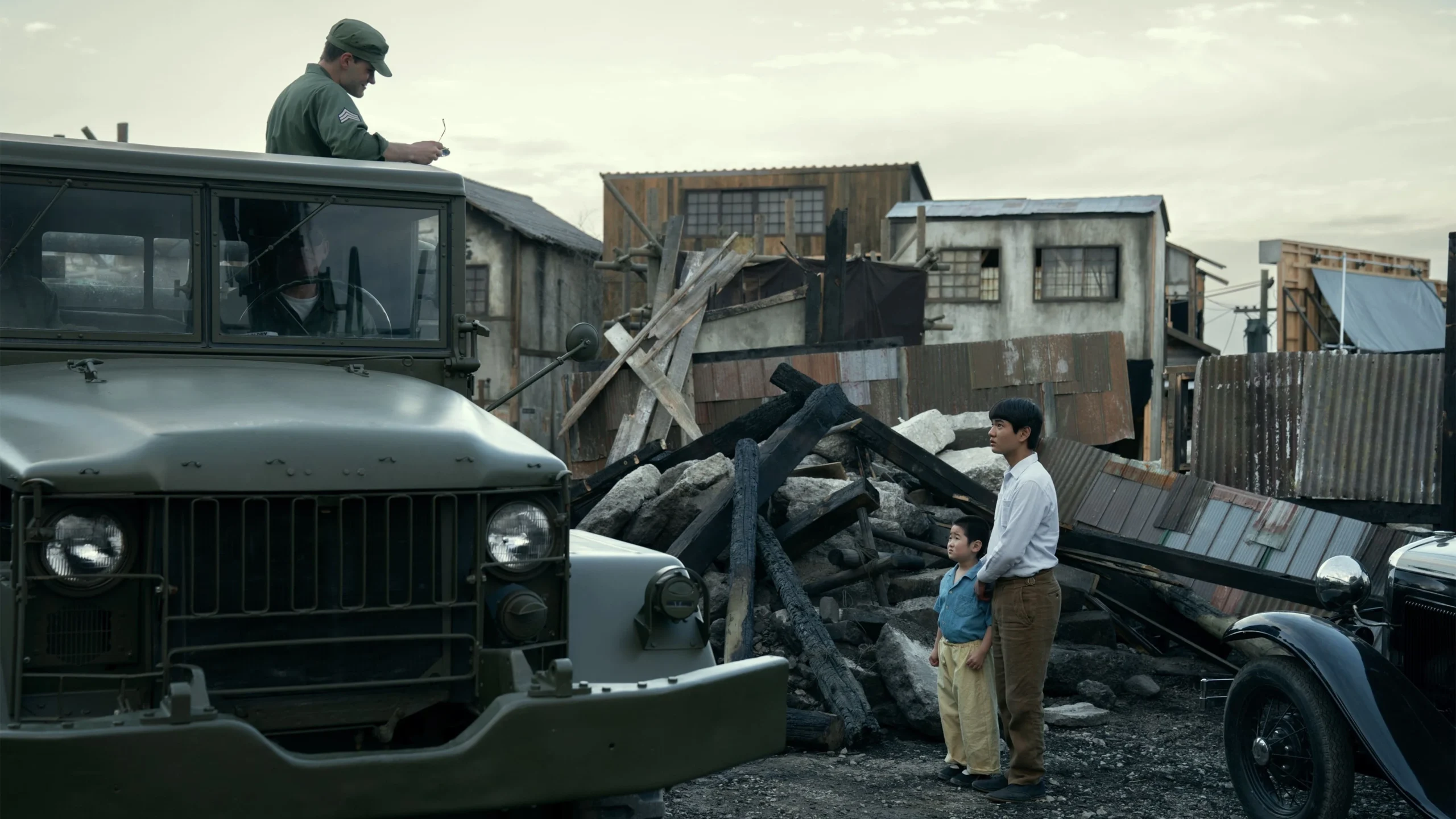
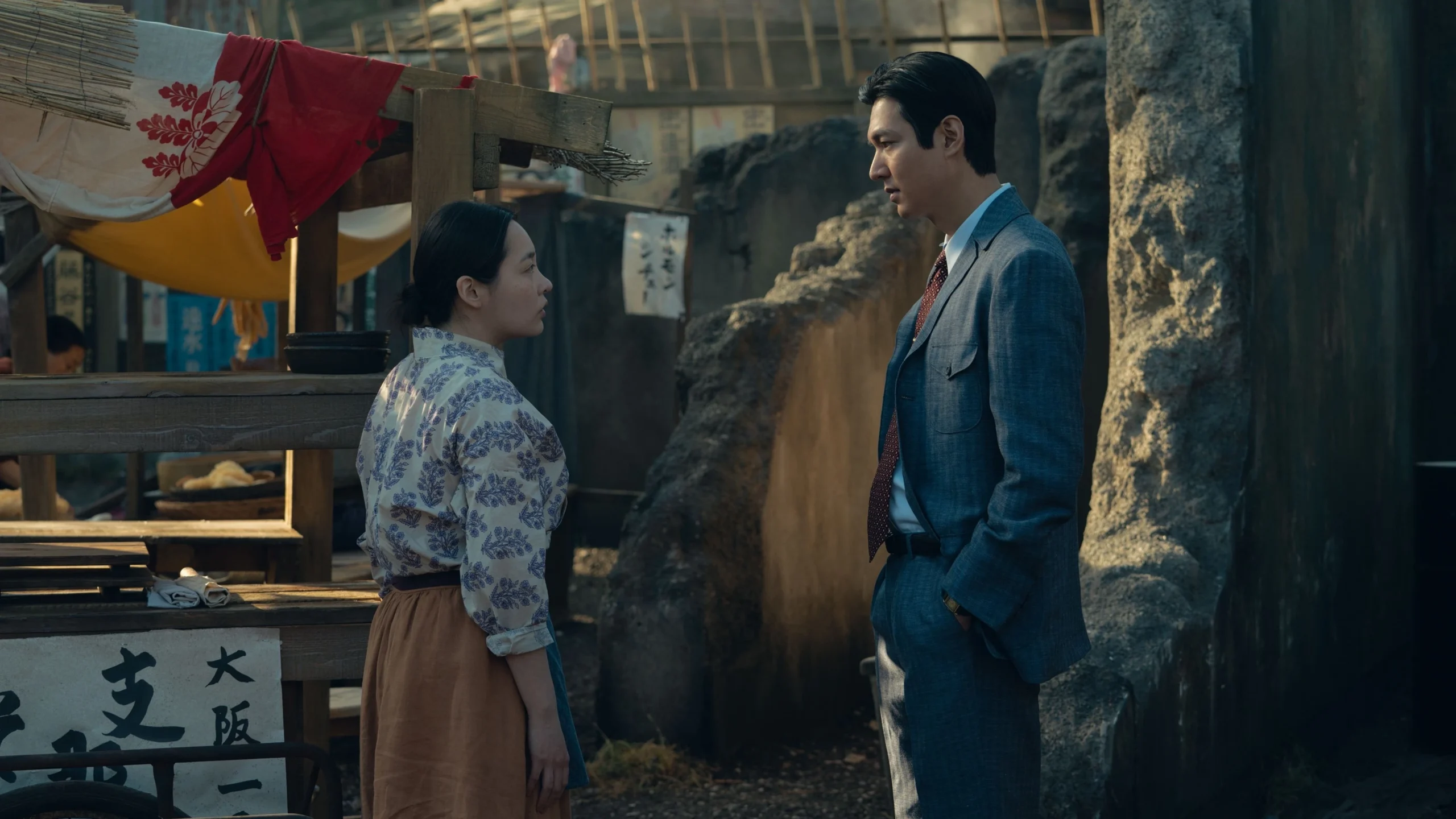
Pachinko’s second season drops the Baek family into the middle of the war its first season only gestured toward. In 1945 Osaka, Sunja is no longer just adapting to a hard life — she’s making the kind of choices that only exist when survival and morality stop lining up, selling illegal rice wine, fleeing to the countryside, watching Hansu’s quiet, unasked-for protection become the family’s only safety net. Nothing about this timeline is comfortable, and the show doesn’t try to make it otherwise.
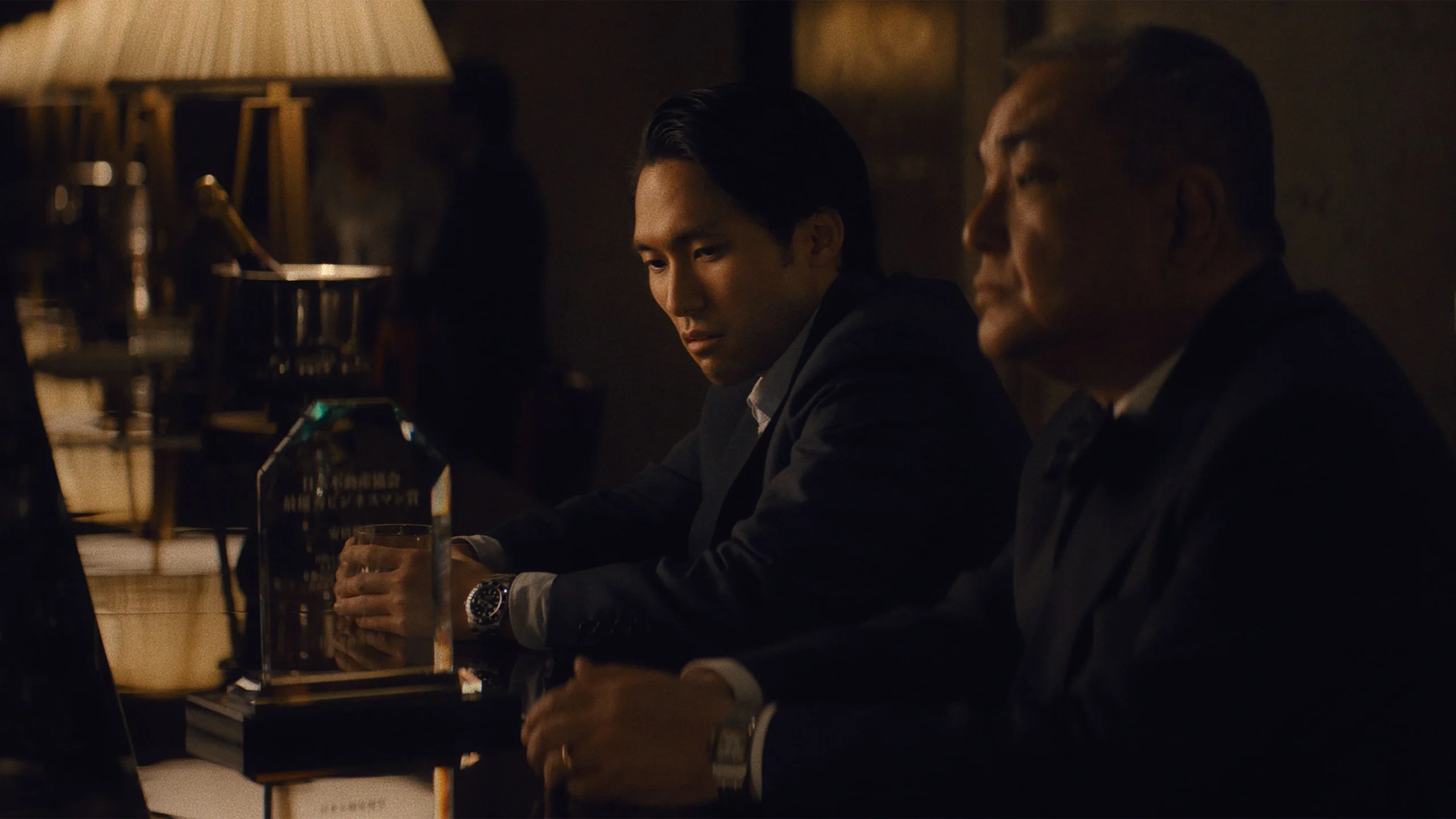
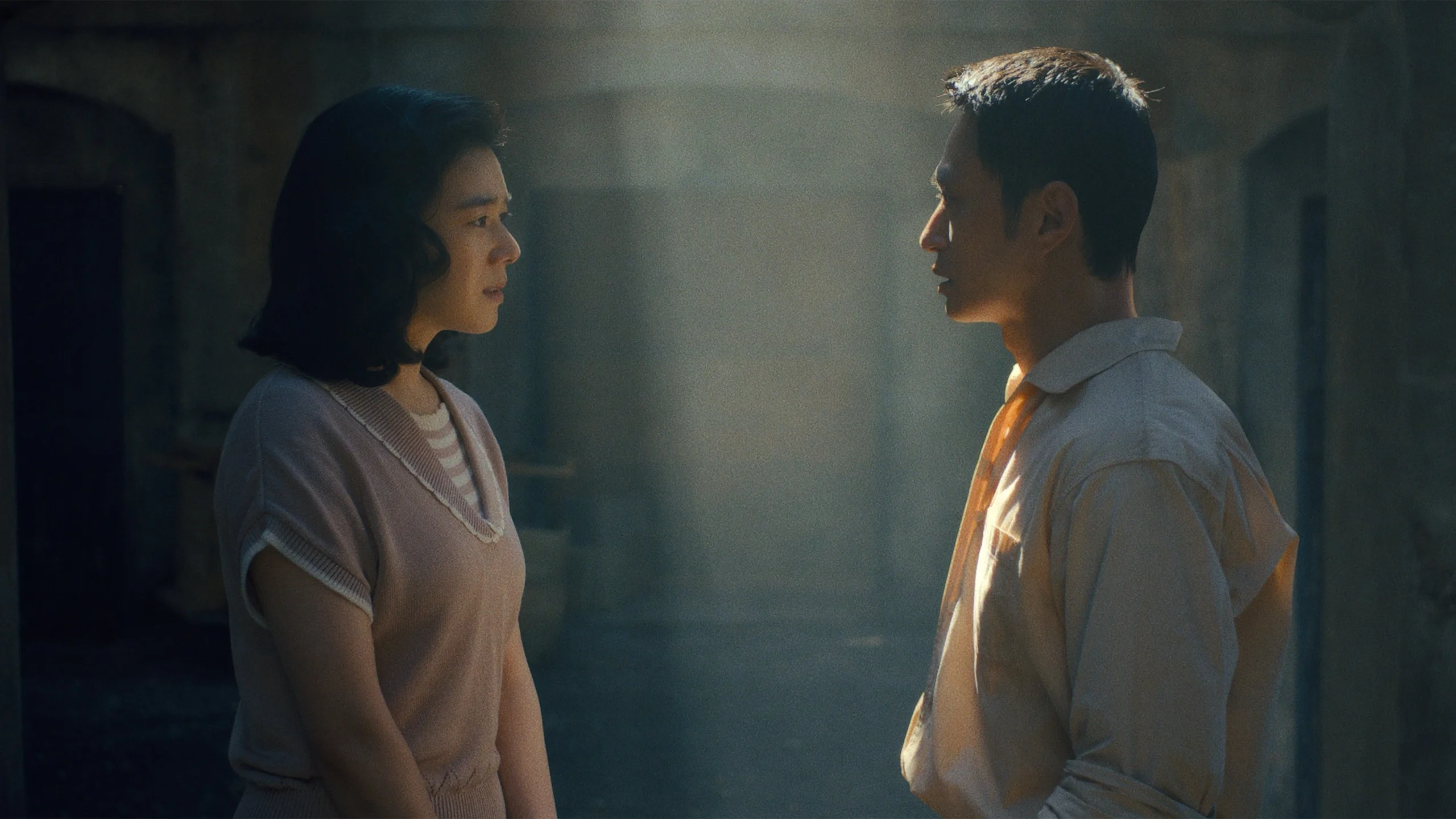
Running alongside it, 1989 Tokyo gives Solomon a corporate redemption arc that’s smaller in scale but just as loaded with the same inherited stakes — proving himself in rooms that were never built to let a Korean-Japanese man win clean. The two timelines meet at Noa, whose slow march toward a devastating discovery about his own parentage becomes the season’s emotional core, and by the finale, Pachinko has widened its lens from one woman’s survival to an entire family’s reckoning with what that survival cost.
8 / 8 ✅ Completed
⚡ Quick Verdict
Everything you need to decide, in one place.
· MDL Score · 3,163 ratings
▶ Official Trailer
🎭 Cast & Characters
Four generations of the Baek family, back for a season that costs them more than the first.

Lead
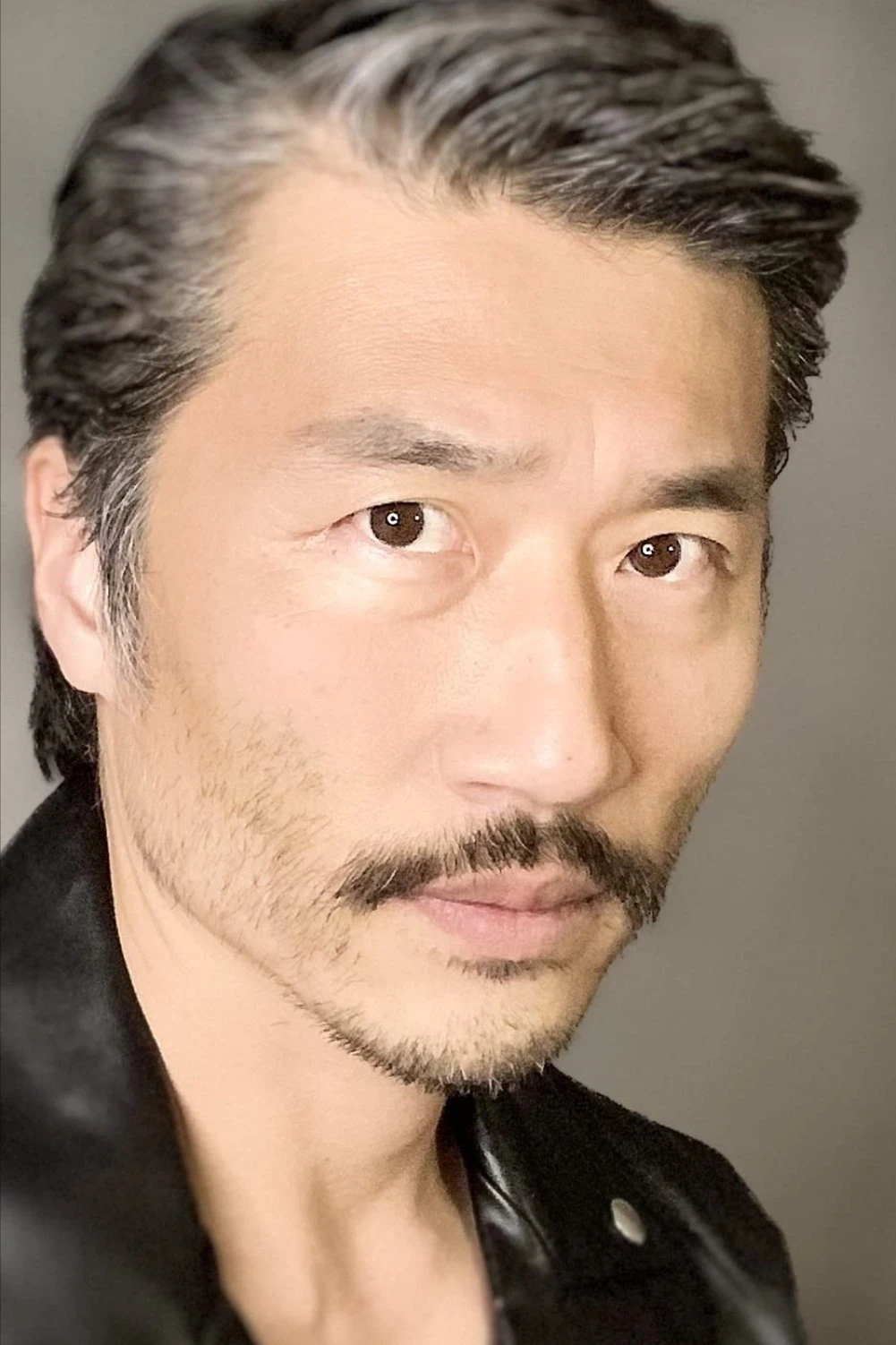
Lead
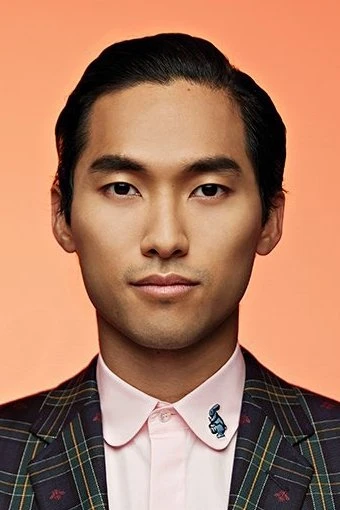
Supporting

Supporting

Supporting

Supporting

Supporting

Supporting

Supporting

Supporting

Supporting
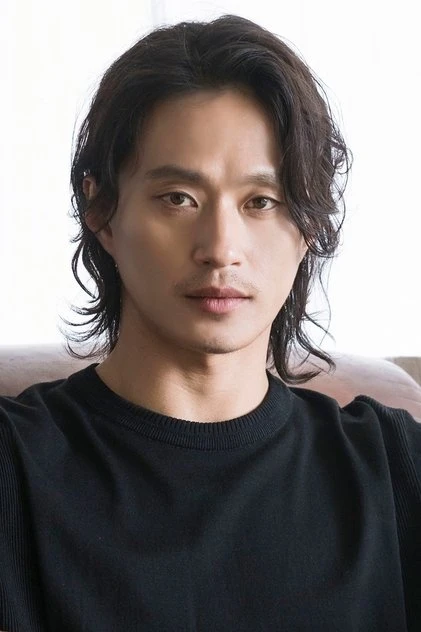
Supporting
📺 Episode Guide
Just enough to stay oriented, episode by episode.
🏁 Ending Explained
Spoilers ahead — the finale, broken down in full.
Spoiler Warning — This section covers the full finale of Pachinko (Season 2). Stop here if you haven’t finished the series.
What actually happened Noa discovers that Hansu — not Isak — is his biological father, a truth Sunja has protected him from his entire life. The revelation lands right as Noa is building an identity for himself away from the family’s past, and it undoes that in one stroke. Elsewhere, Solomon learns the fate of the old enemy he’d been chasing, closing that revenge arc quietly rather than triumphantly, and Sunja is left facing a choice about her own future that has no clean answer.
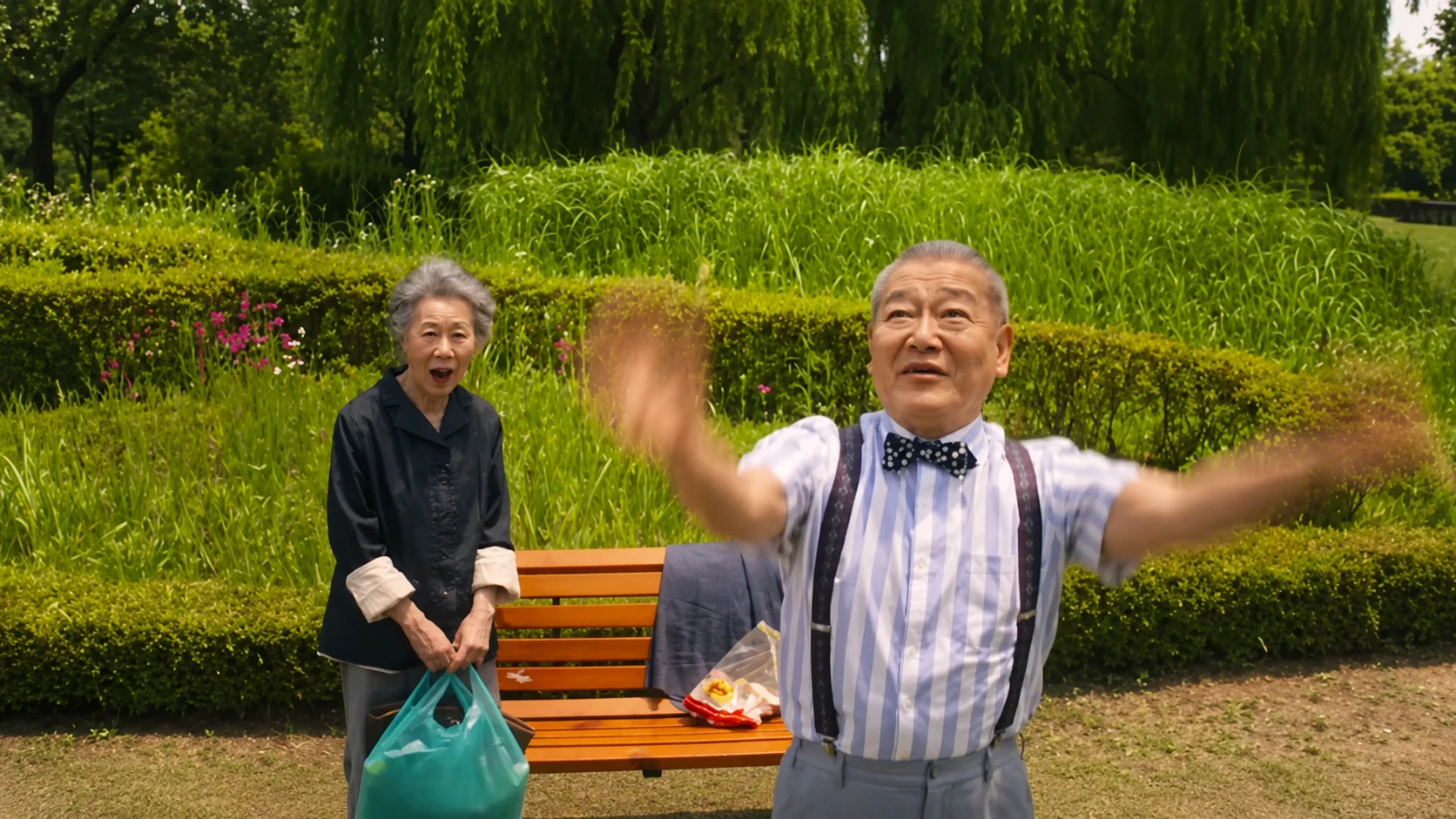
Why the parentage reveal is the season’s real ending Every other plotline in season two — Solomon’s ambition, Mozasu’s ruthlessness, Mr. Kim’s impossible choice — is really circling the same question Noa gets hit with directly: what do you do when your inheritance is a secret you never agreed to carry? Sunja spent a lifetime protecting Noa from exactly this knowledge, and the season’s cruelty is that protecting him for so long is what makes the truth land so much harder now.
Solomon’s ending closes just as quietly Solomon spends the whole season chasing a win that will finally prove he belongs in rooms built to keep him out, and the season gives him exactly that — a resolution to his revenge plot with none of the triumph he was chasing it for. It’s the same lesson Noa gets handed more brutally: what this family inherits from surviving isn’t a victory. It’s the bill.
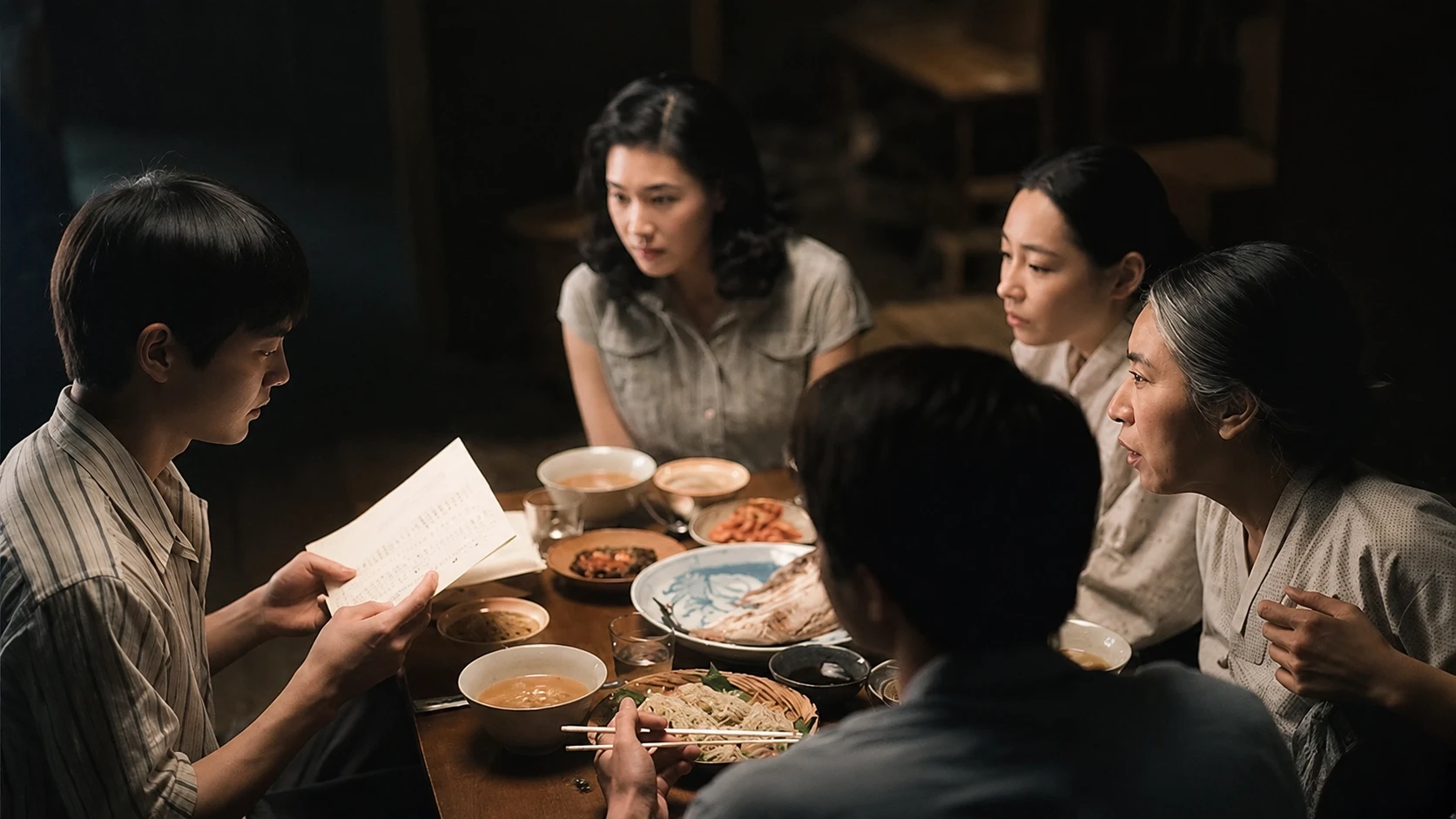
Sunja is the throughline connecting both endings She built a life protecting her sons from truths she decided they couldn’t carry, and season two is largely about what happens once those truths get out anyway — on their own terms, on the worst possible timeline, with no say left for her in how.
The KDW verdict Pachinko has always argued that survival has a cost that gets passed down whether the next generation asks for it or not, and season two finally makes someone pay that cost in full. Noa’s ending doesn’t resolve into triumph or even peace — it just sits there, honest about what four generations of hiding the truth to survive eventually does to the person at the end of the line.
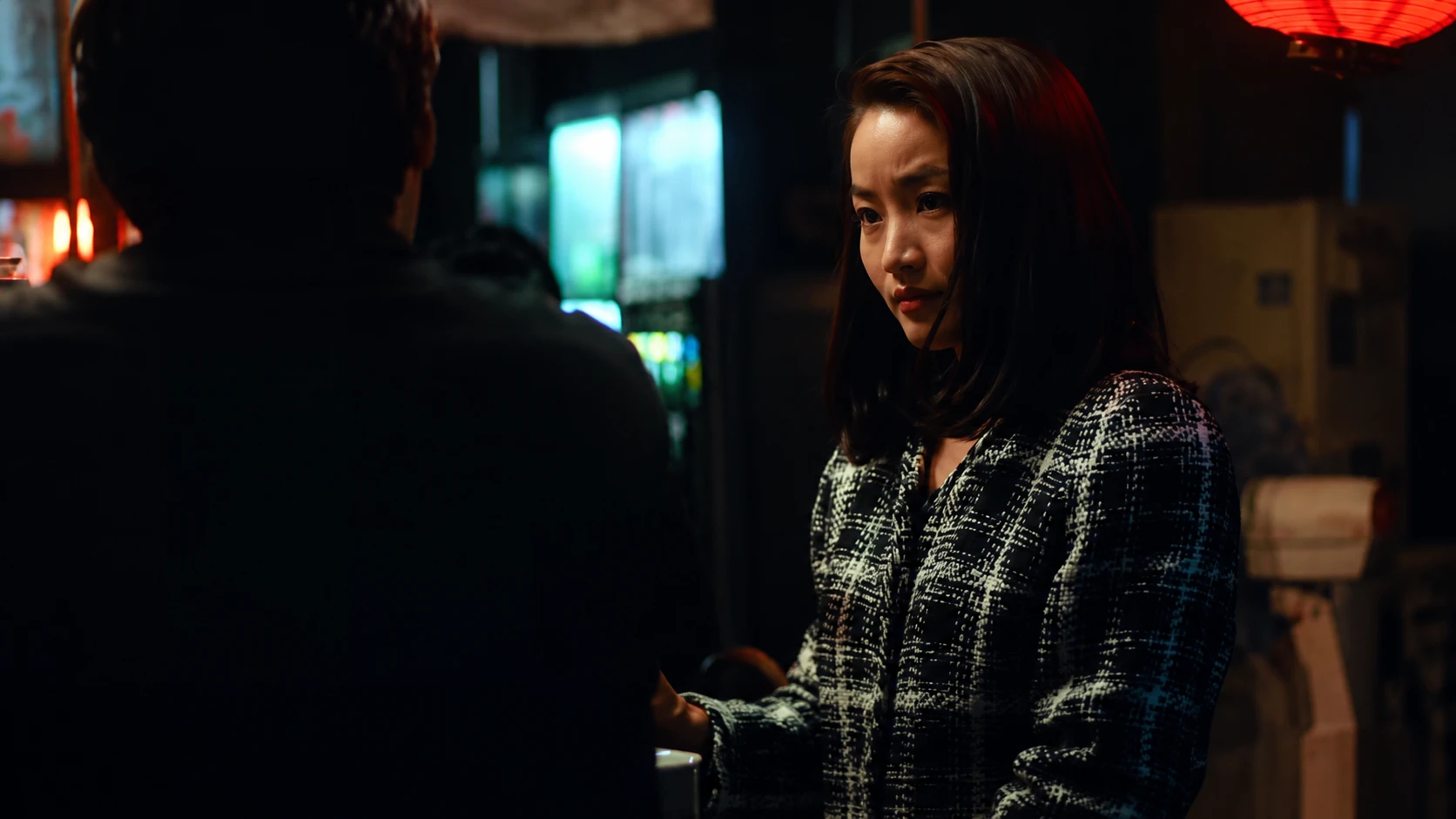
✍️ KDramaWorlds Editor’s Take
Worth watching or not — our honest read, and who it’s for.
🏢 1989 Ambition
🕊️ Inherited Secrets
💔 Noa’s Reckoning
The first season of Pachinko spent most of its runtime establishing why Sunja’s survival mattered. The second season is interested in what that survival actually cost the people who came after her — and it’s a harder, sadder show for it. Pachinko Season 1 was patient because it had a whole family history to lay out; season two is patient because it knows exactly which scene it’s building toward, and it’s willing to let the dread sit.

It belongs in the same company as Mr. Sunshine as one of the few K-dramas willing to treat Korea’s colonial-era history as the actual engine of its story rather than scenery behind a romance. Where that show used a doomed love story to carry its history, Pachinko uses a family that keeps surviving anyway — and season two is the point where surviving stops feeling like enough.
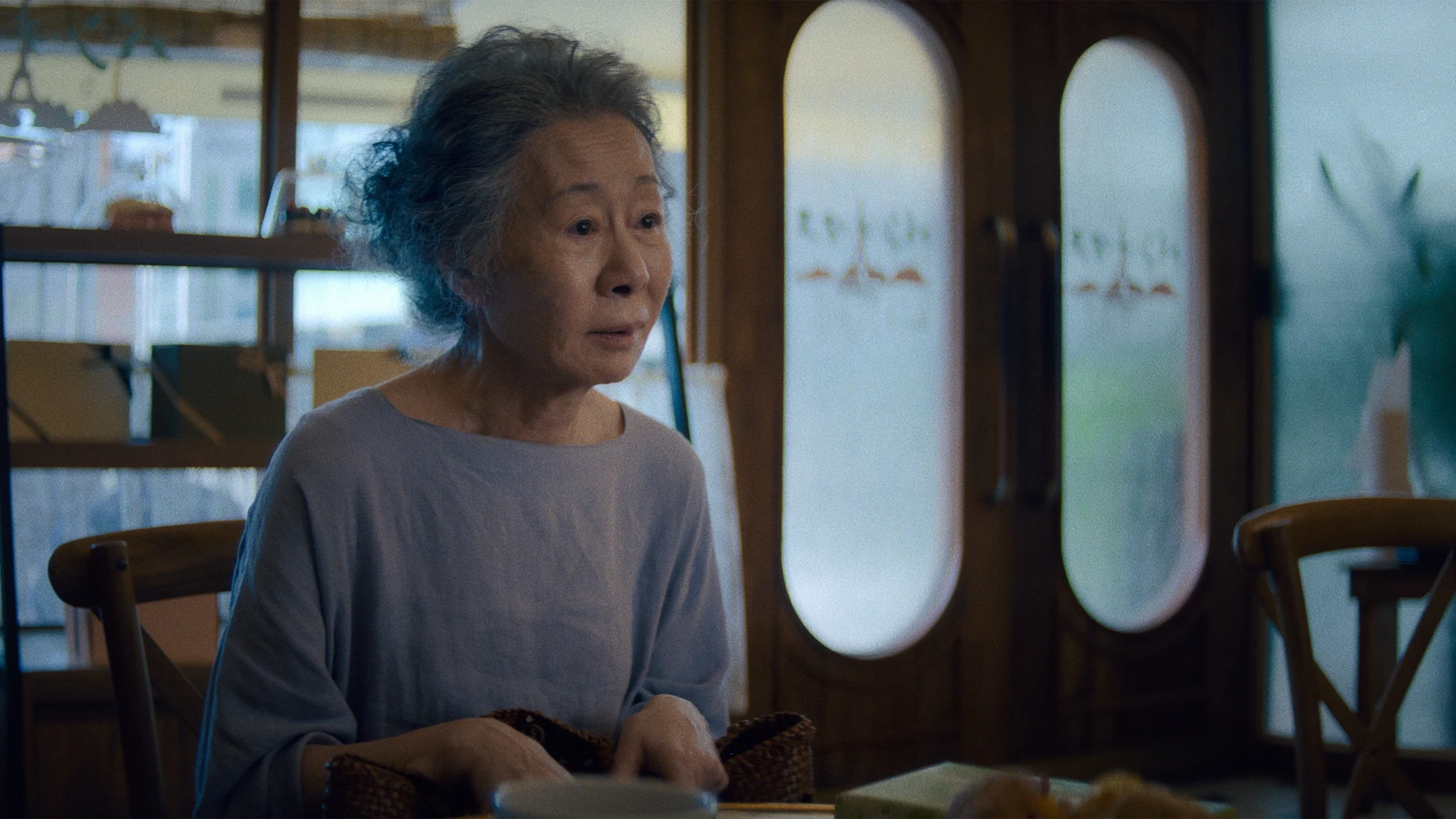
Youn Yuh-jung barely raises her voice all season and still finds the show’s most devastating notes, while Kim Min-ha makes young Sunja’s wartime decisions feel like someone improvising a life in real time rather than following a script. Lee Min-ho, for his part, plays Hansu’s devotion as something closer to obsession than romance, and the show is smart enough to never quite let him off the hook for it.
Viewers who want colonial-era Korean history treated as more than backdrop
Anyone invested in Noa’s arc since the first season’s early episodes
🎬 You Might Also Like
If you liked Pachinko (Season 2), these are your next three watches.
 Perfect Crown
Alternate HistoryChaebol
Read Full Review →
|
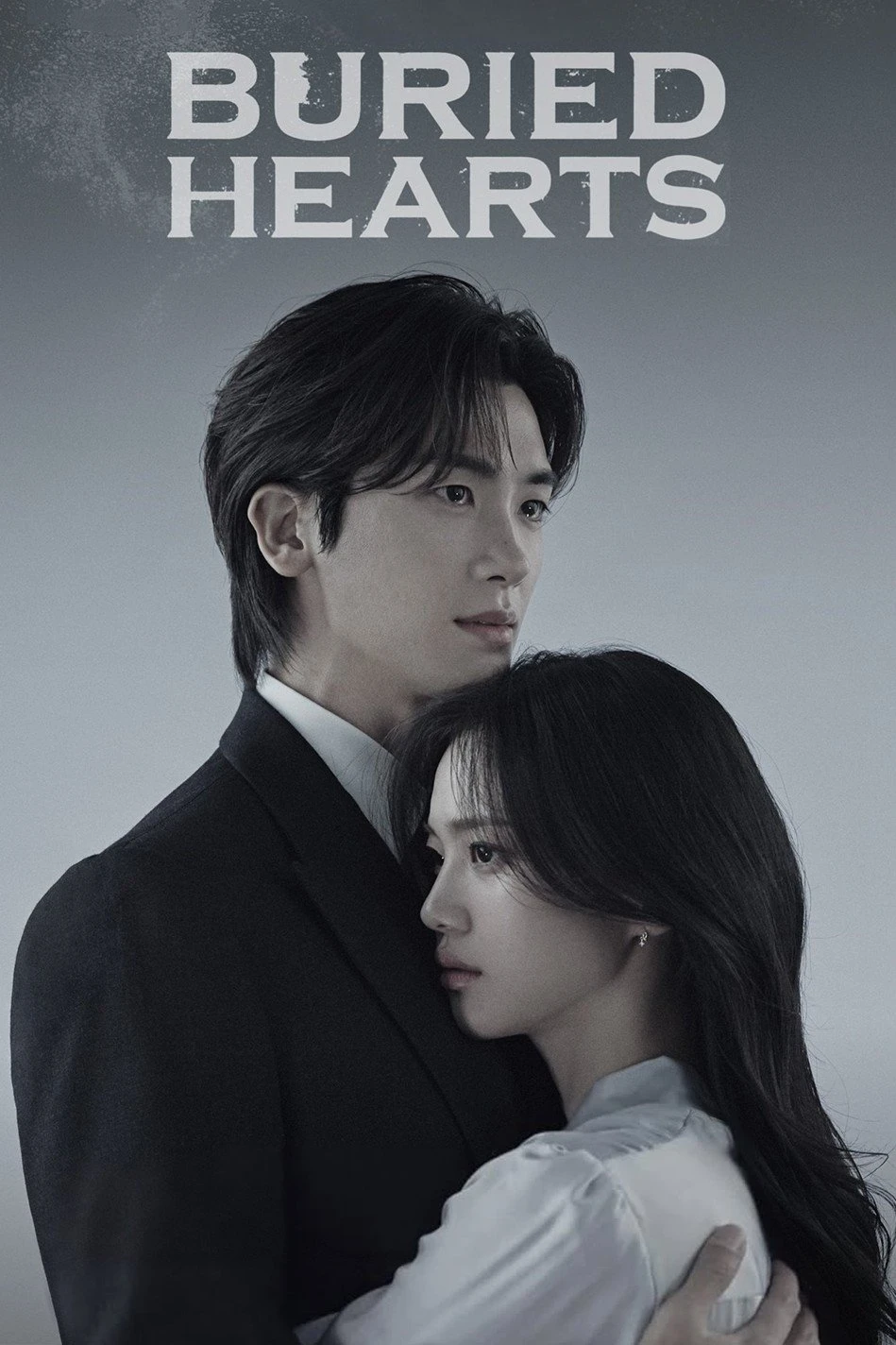 Buried Hearts
Betrayalbirth secret
Read Full Review →
|
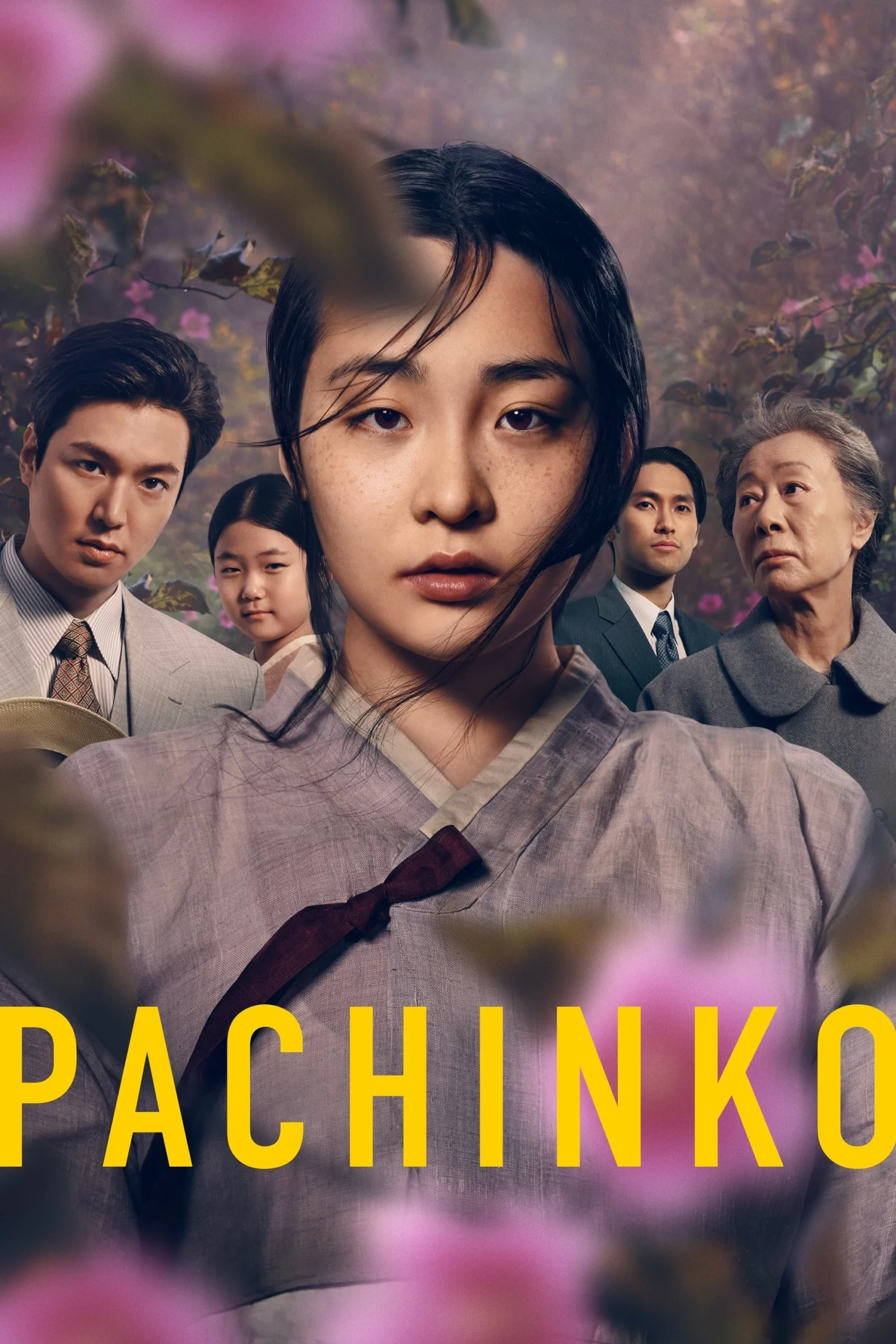 Pachinko (Season 1)
Colonial KoreaFamily Saga
Read Full Review →
|








Keep it kind, skip the harsh language, and please — no spoilers. Everyone's taste is different, and that's perfectly fine.
This space is for real reactions and discussion from other viewers. Help keep it comfortable for everyone by not giving away major plot details.
What do you think of this drama?
Login to share your review or leave a comment.
No email needed — just pick a username & password.