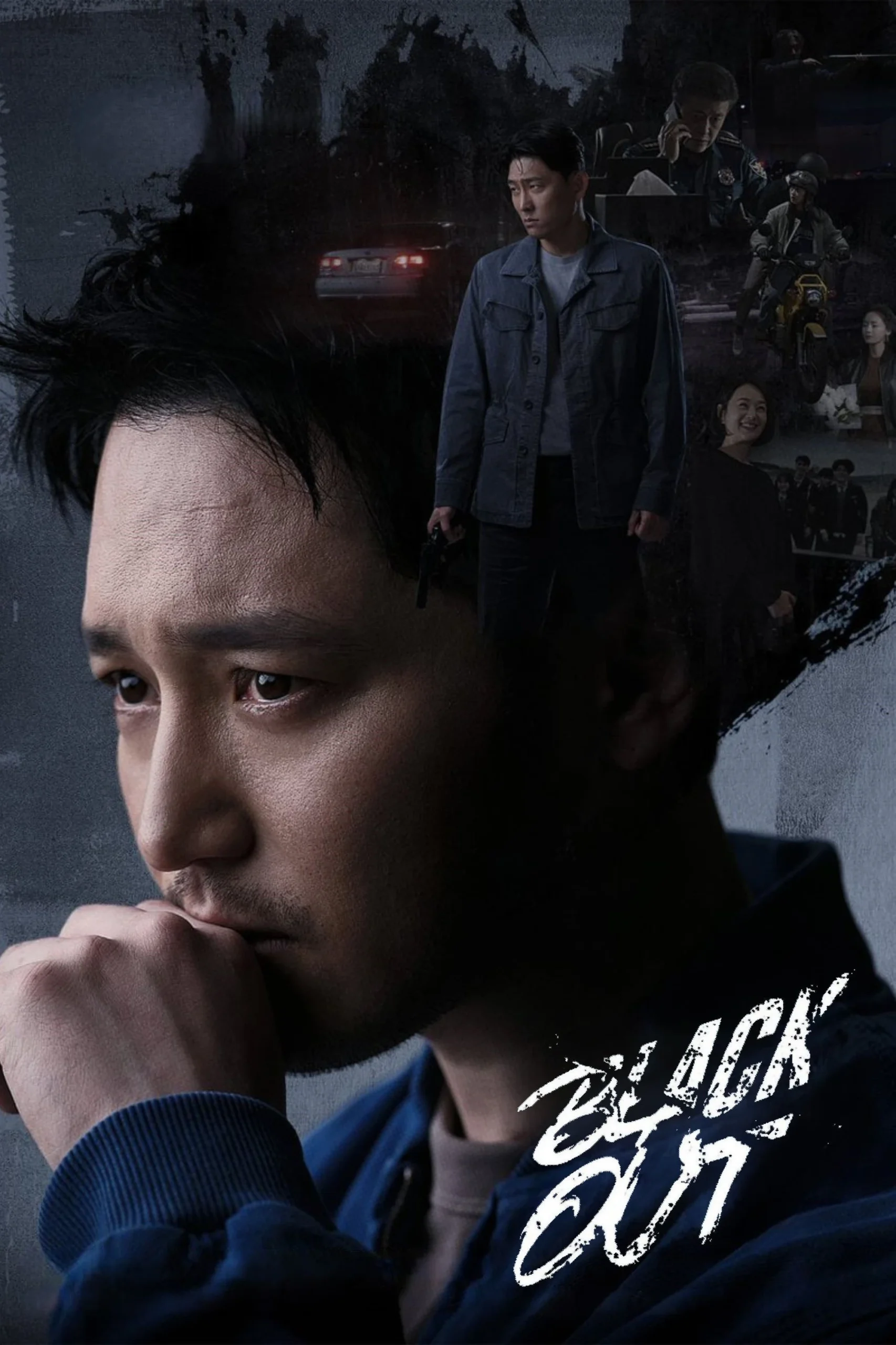
Black Out
📋 Drama Overview
A fast rundown of what this one’s about.
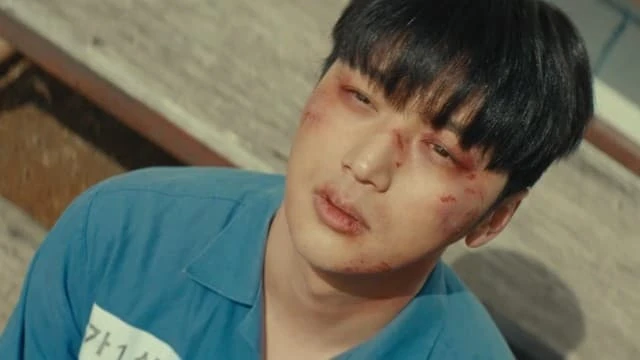
Ten years is a long time to carry a memory you don’t have. Go Jung-woo was a promising med-school hopeful in the quiet town of Mucheon when his two closest classmates vanished and were presumed murdered — and when the evidence, the town, and his own blackout-addled confession all pointed at him, nobody argued too hard. Black Out picks up the day he walks out of prison a free man who still doesn’t know if he did it, back in the one place that’s spent a decade deciding he did.
What waits for him isn’t closure — it’s a second body, a detective willing to reopen the case, and a town full of people who’d rather Jung-woo stay guilty than let anyone look too closely at what they did to keep it that way. Byun Yo-han carries the show’s central discomfort without overplaying it: this could easily be a wrongful-conviction weepie, but Black Out is more interested in watching an entire community choose a story over the truth, one lie at a time.
⚡ Quick Verdict
The whole verdict, boiled down to one box.
▶ Official Trailer
🎭 Cast & Characters
A small town that’s spent ten years agreeing on a lie — and the ensemble that has to unravel it.

Lead
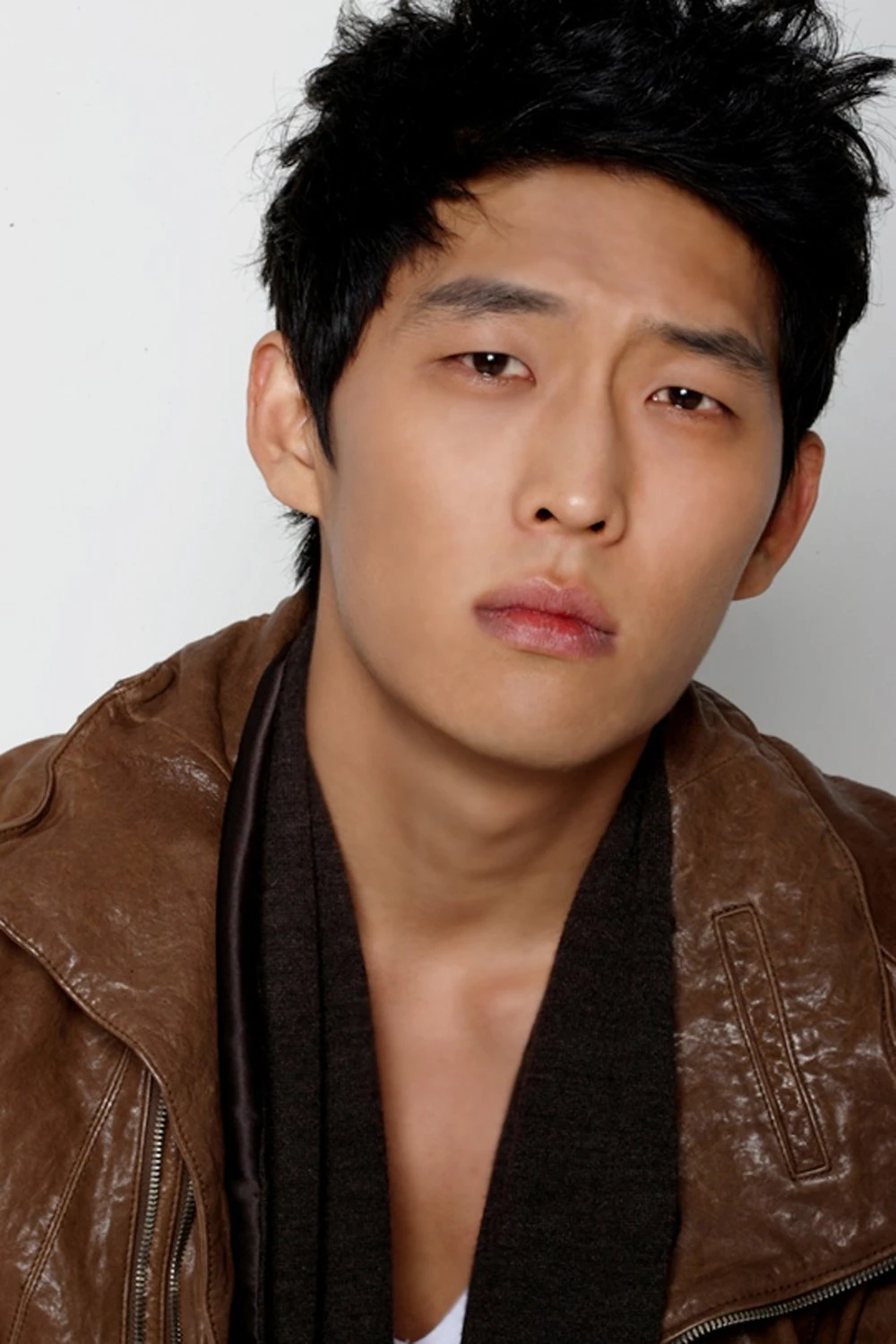
Lead

Supporting

Supporting

Supporting
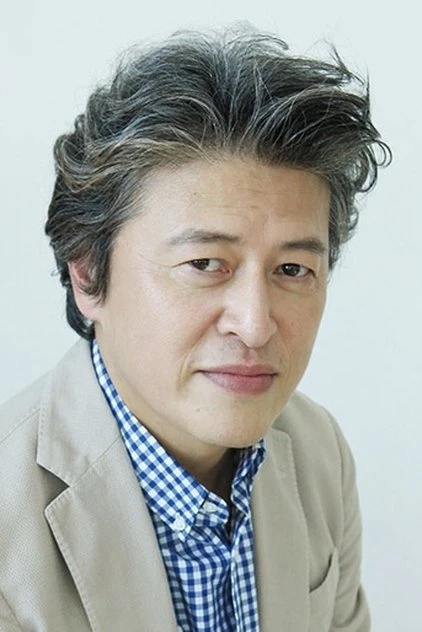
Supporting
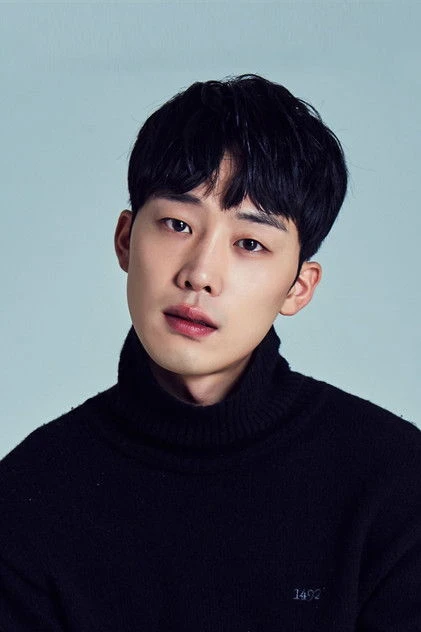
Supporting
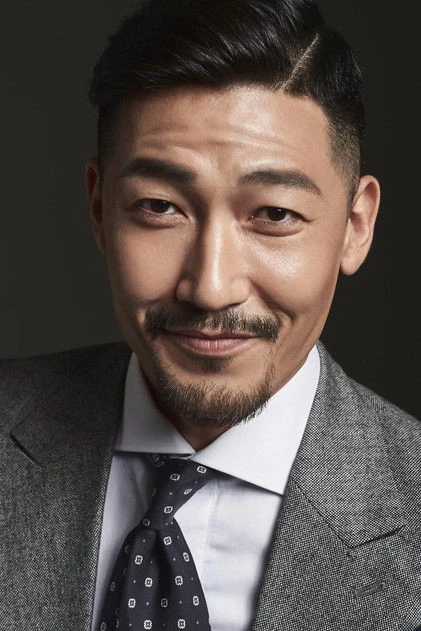
Supporting

Supporting
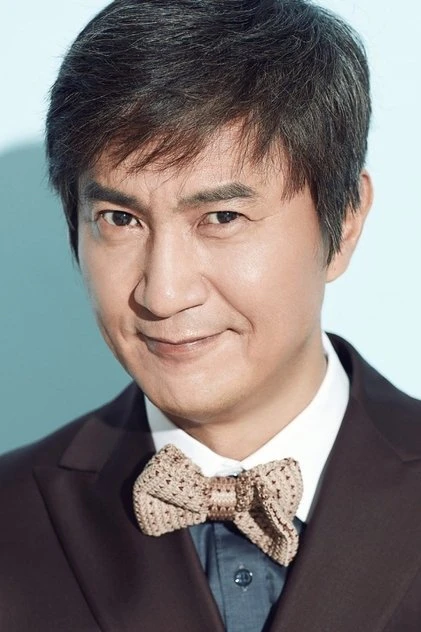
Supporting
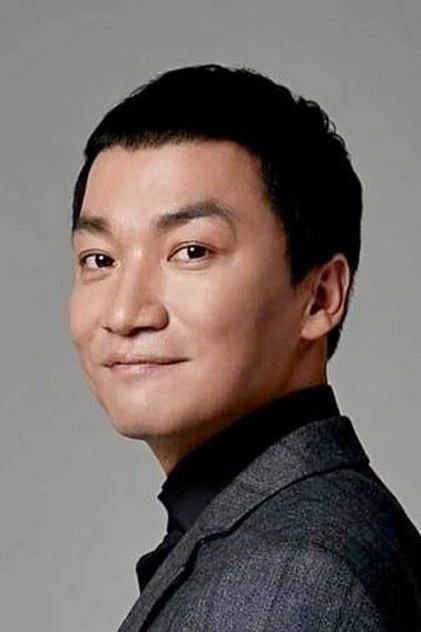
Supporting

Supporting
📺 Episode Guide
Just enough to stay oriented, episode by episode.
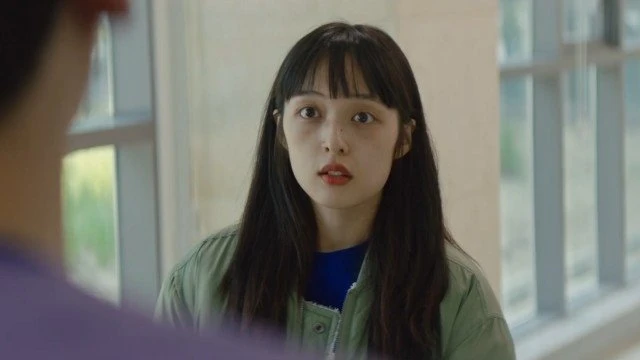

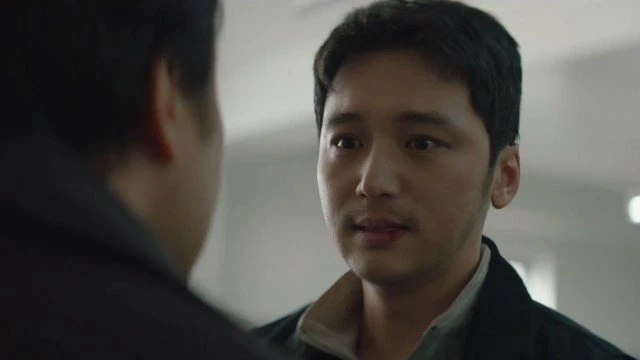
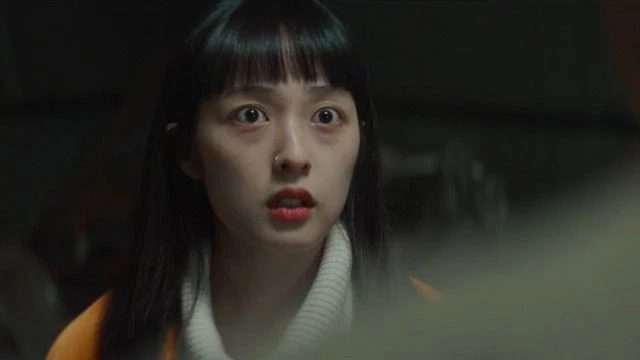
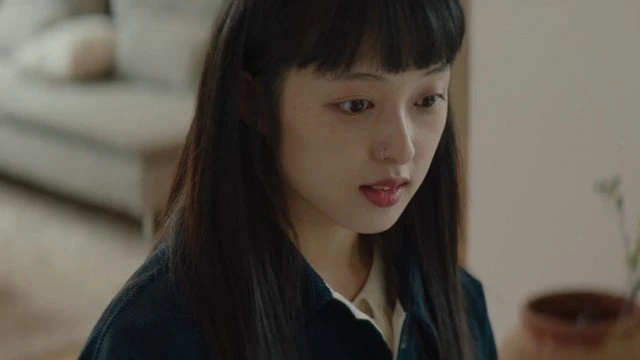
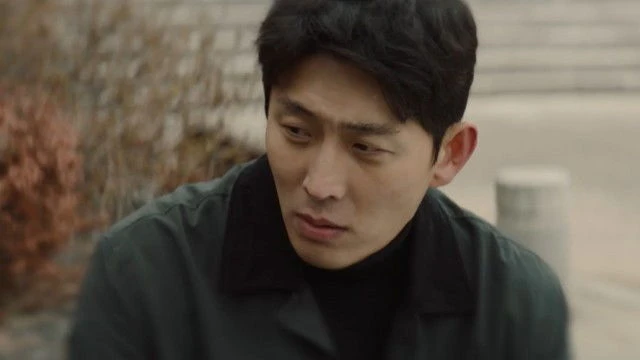
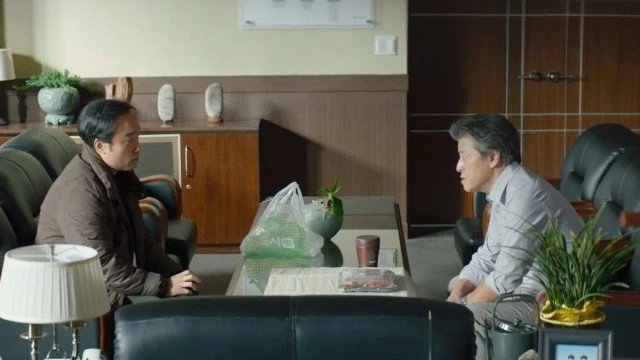
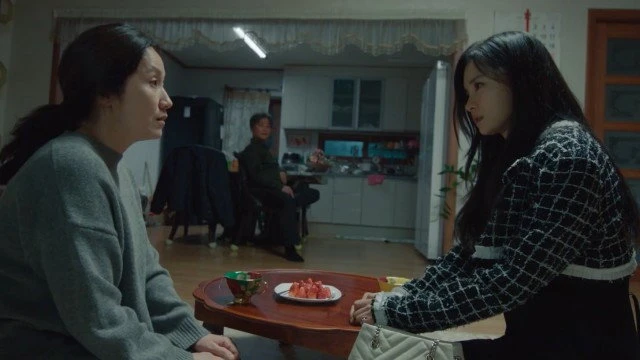


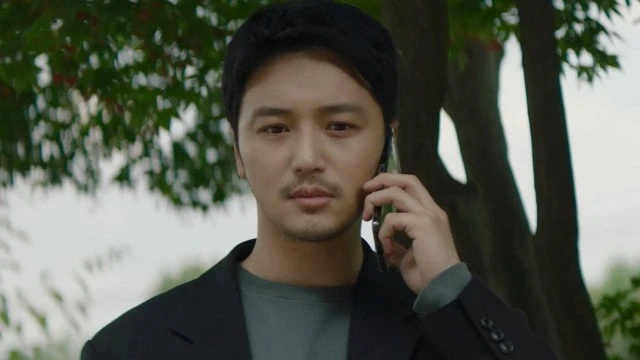
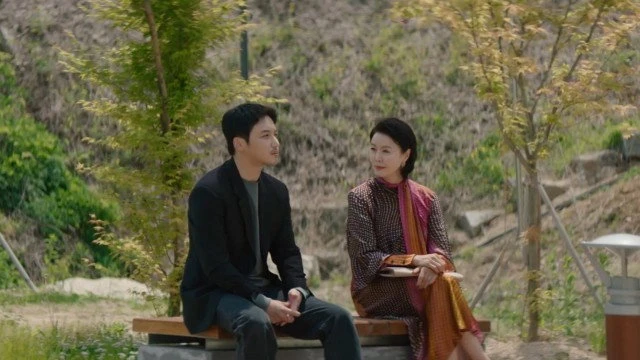
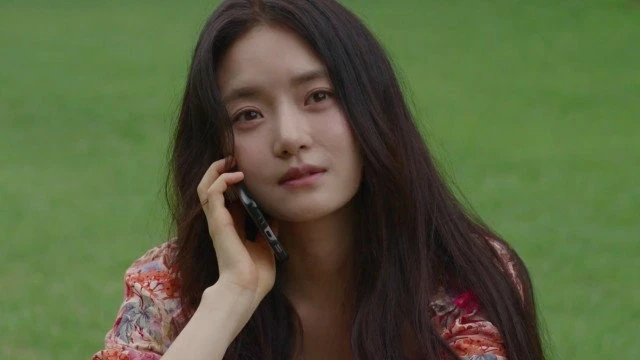
🏁 Ending Explained
Full spoilers — what happened, and why it hits the way it does.
Who actually killed Da-eun — and who really framed Jung-woo The season’s two mysteries turn out to be one mystery wearing two decades of separate lies. Da-eun was killed by Park Hyeong-sik, the hospital director having a secret affair with her, who panicked when she threatened to expose it and end his career and marriage in one move. The original case — the one that put Jung-woo away for ten years — belongs to Byeong-moo and Minsu, whose DNA finally surfaces on evidence that should have convicted them from the start; Jung-woo and Gun-oh were never anything more than two teenagers their own families found easier to sacrifice than confront.
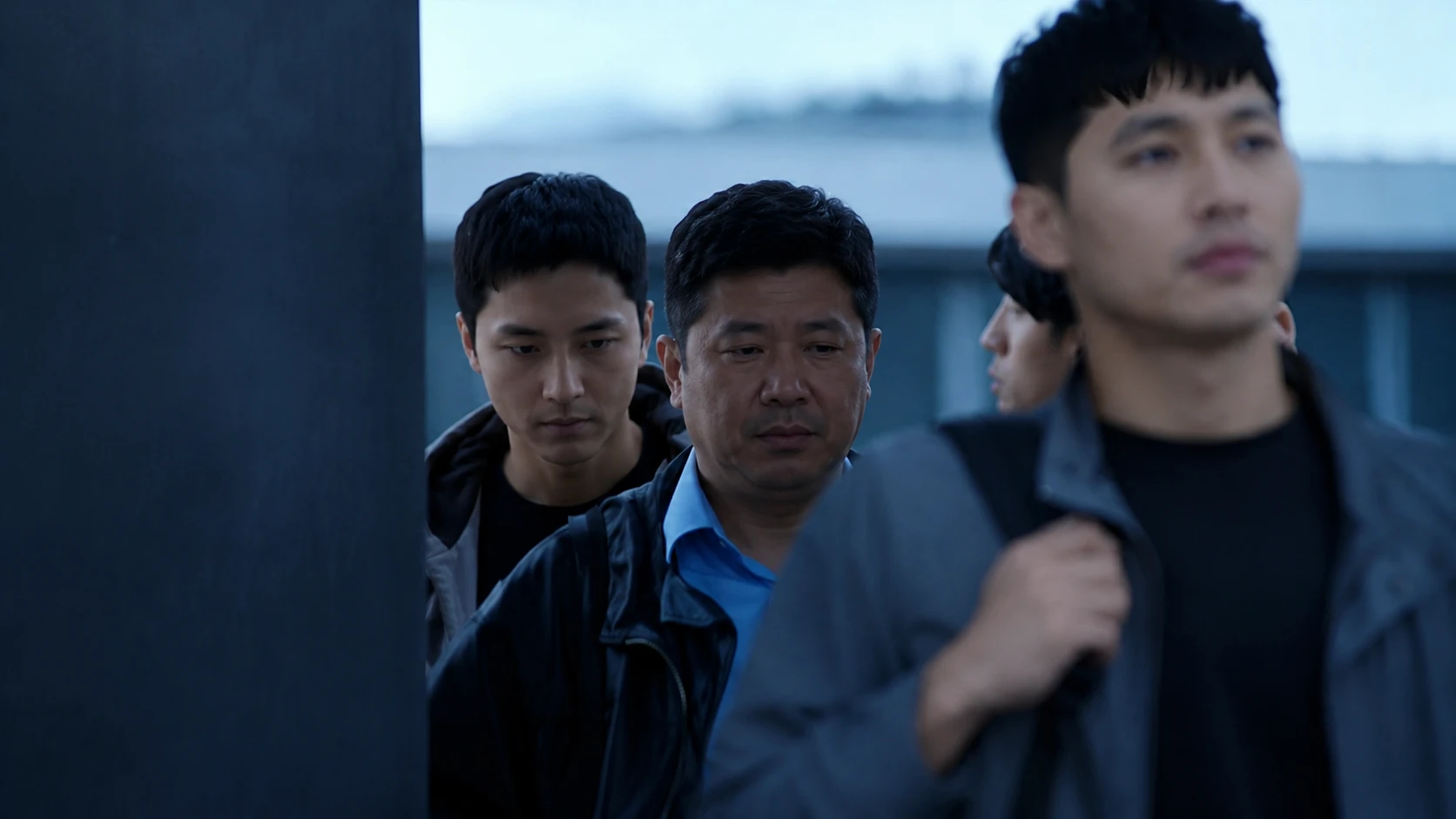
Na-gyeom’s decade-long lie Na-gyeom isn’t an innocent bystander who happened to love Jung-woo from a distance — she watched Hyeong-sik kill Da-eun and sat on that knowledge for years, using it to quietly blackmail him while keeping Jung-woo emotionally dependent on her as the one person who never left. It’s the show’s ugliest reveal precisely because it wears the costume of devotion for thirteen episodes first. She’s arrested for concealing evidence and, by the finale, still isn’t fully able to admit what she did was never love.
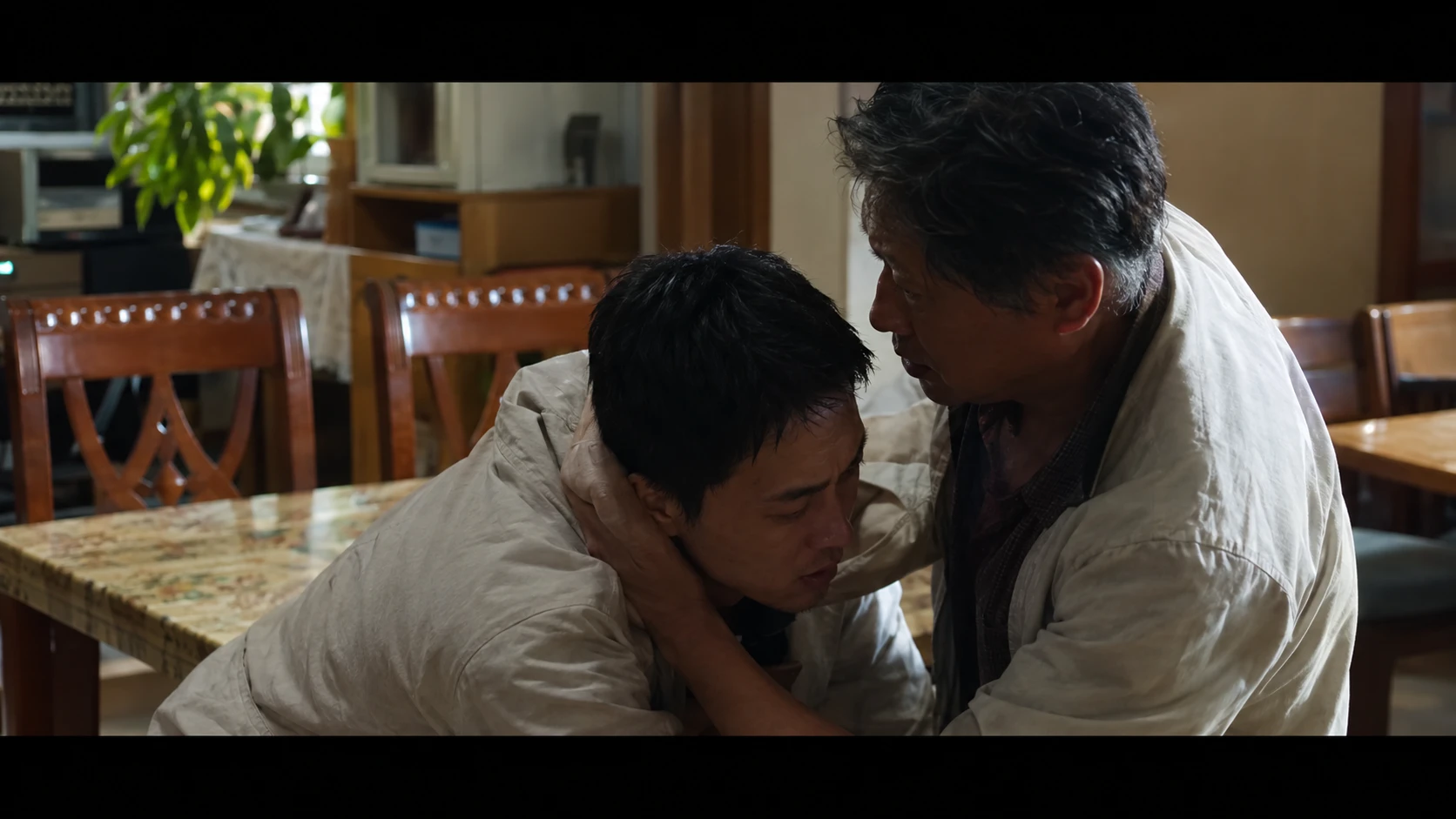
Goo-tak, the mastermind nobody suspected first Jung-woo’s own uncle, Goo-tak, built and maintained the cover-up that kept the real story buried — not out of loyalty to Byeong-moo or Minsu’s families specifically, but to protect his own name and position in a town where reputation is the only currency that matters. When the walls finally close in, he turns on Jung-woo directly rather than confess, which tells you everything about which relationship he actually valued less. He’s arrested by the finale, and Mucheon loses the one man who’d spent a decade making sure it never had to look at itself honestly.
The election that almost got away with it Ye Yeong-sil’s gubernatorial campaign runs on exactly the kind of manufactured sympathy the whole show has been warning about — she killed her own husband and destroyed evidence tied to the case, then used a victim’s narrative to chase re-election. The truth catches up with her before the votes do, which is as close to a clean win as Black Out allows itself. Ha-seol, for her part, chooses to report Hyeong-sik’s role in a patient’s death rather than let one more Mucheon secret slide, closing her own arc on the note the rest of the show never quite reaches: doing the right thing costs something, and she pays it anyway.
The KDW verdict Jung-woo is acquitted and returns to medical school alongside Ha-seol — a genuinely earned ending for a character the show never let off easy, even after clearing his name. What makes Black Out work isn’t the size of its conspiracy; it’s how ordinary the reasons behind it turn out to be — an affair, a reputation, a family’s comfort — stacked on top of each other until they buried two decades of the truth. Ten episodes in, you’re guessing who did it; by the finale, the better question is how many people let it happen.
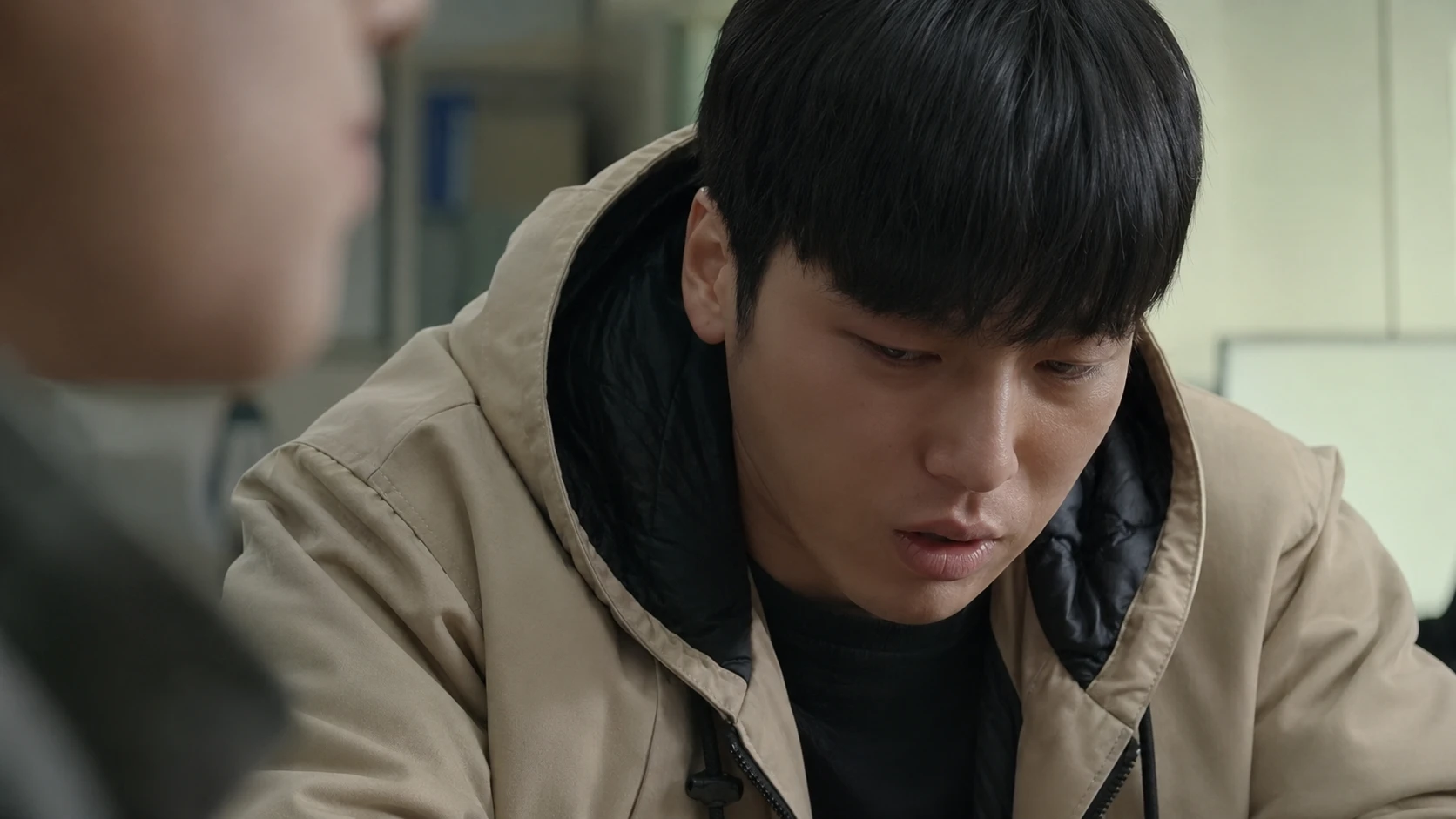
✍️ KDramaWorlds Editor’s Take
Straight talk on whether this one’s worth watching, and for who.
Small towns keep score differently than cities do, and Black Out understands that better than most Korean thrillers that try it. Mucheon isn’t hiding one secret — it’s hiding a decade’s worth of them, each family quietly protecting its own at the cost of a man who spent ten years paying for a crime built entirely out of other people’s convenience. It’s the same rot that makes Beyond Evil such a good comparison — both shows treat a small town’s collective silence as its own kind of villain, more dangerous than whoever actually swung the weapon.
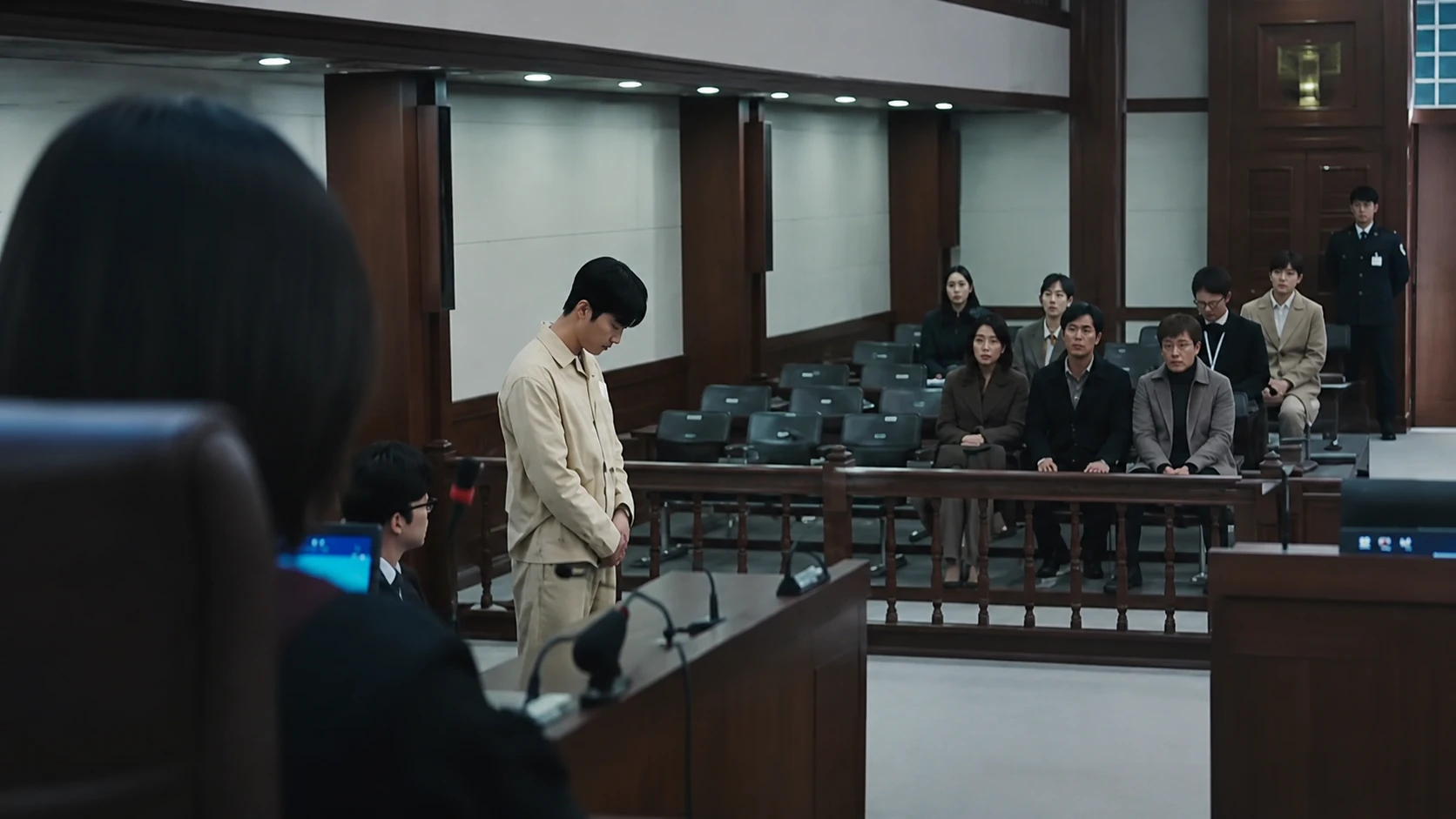
Byun Yo-han doesn’t play Jung-woo as a wrongfully-convicted saint, and that restraint is most of why the performance works — there’s real bitterness under the calm, and it surfaces exactly when the show needs it to. The blackout itself becomes a clever structural device rather than a gimmick, letting the show ask a genuinely uncomfortable question: how much of what you believe about yourself is just the story everyone around you agreed to tell. It’s the same unreliable-memory territory Flower of Evil mined so well, minus the romance softening the edges.
The back half leans harder into plot mechanics than character work, and a couple of the late-episode reveals land more efficiently than they do emotionally. That’s a minor complaint for a show that otherwise commits fully to its bleakest instincts — not every mystery needs a villain twirling a mustache when the truth is just a town full of ordinary people choosing silence over justice.
🎬 You Might Also Like
If you liked Black Out, these are your next three watches.
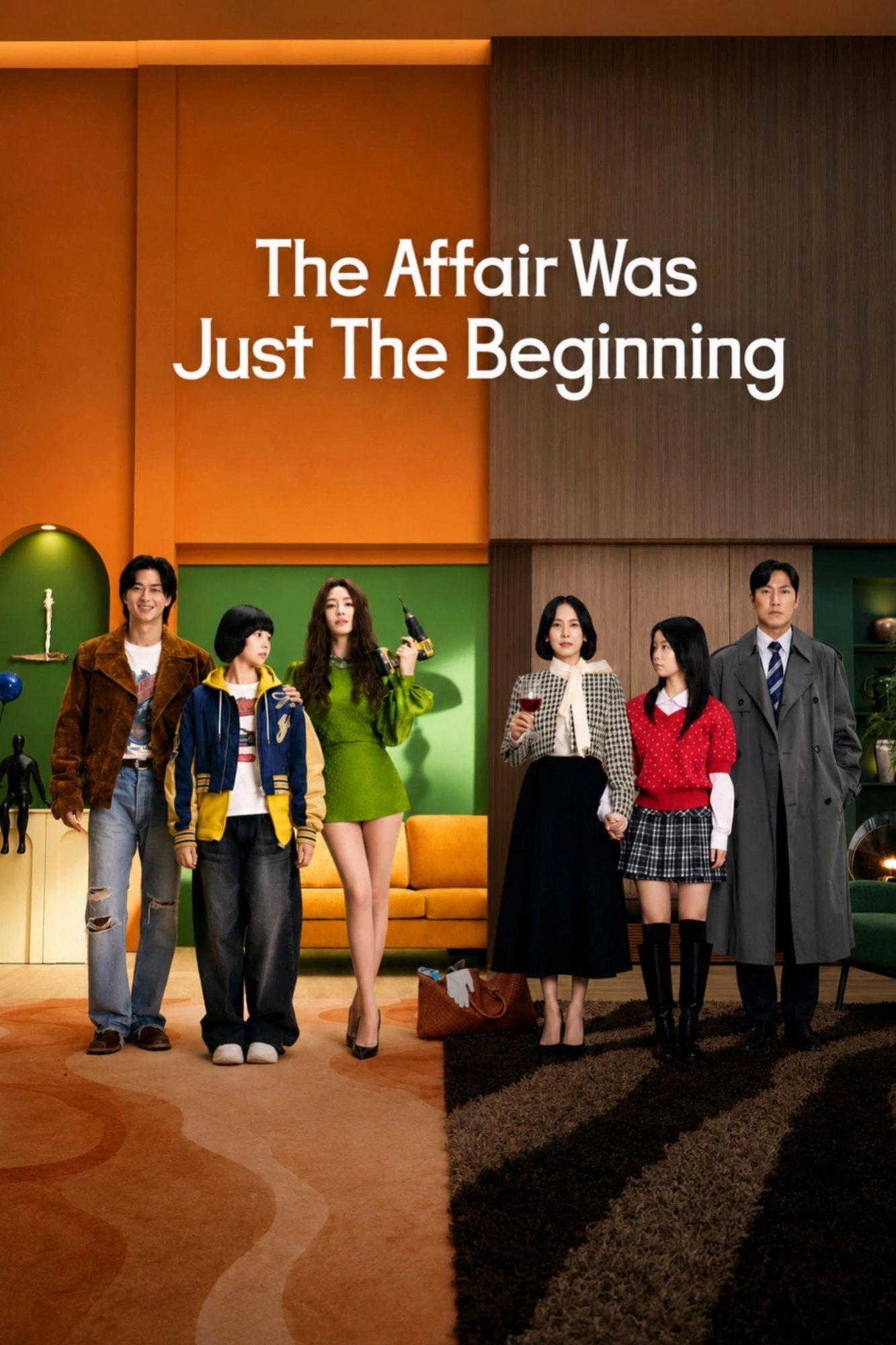 The Affair Was Just The Beginning
Black Comedyblackmail
Read Full Review →
|
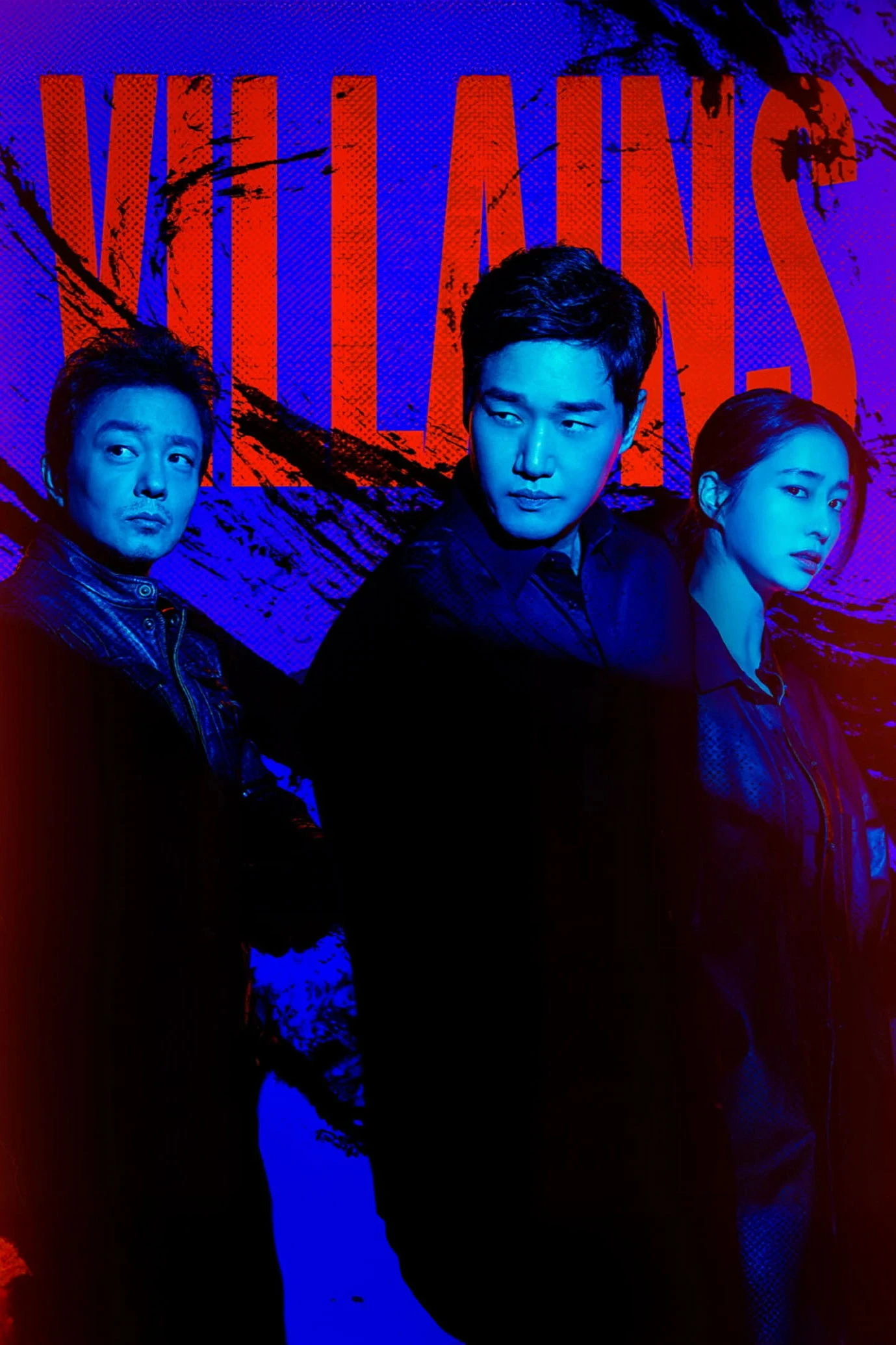 Villains
Corrupt Detectivecrime
Read Full Review →
|
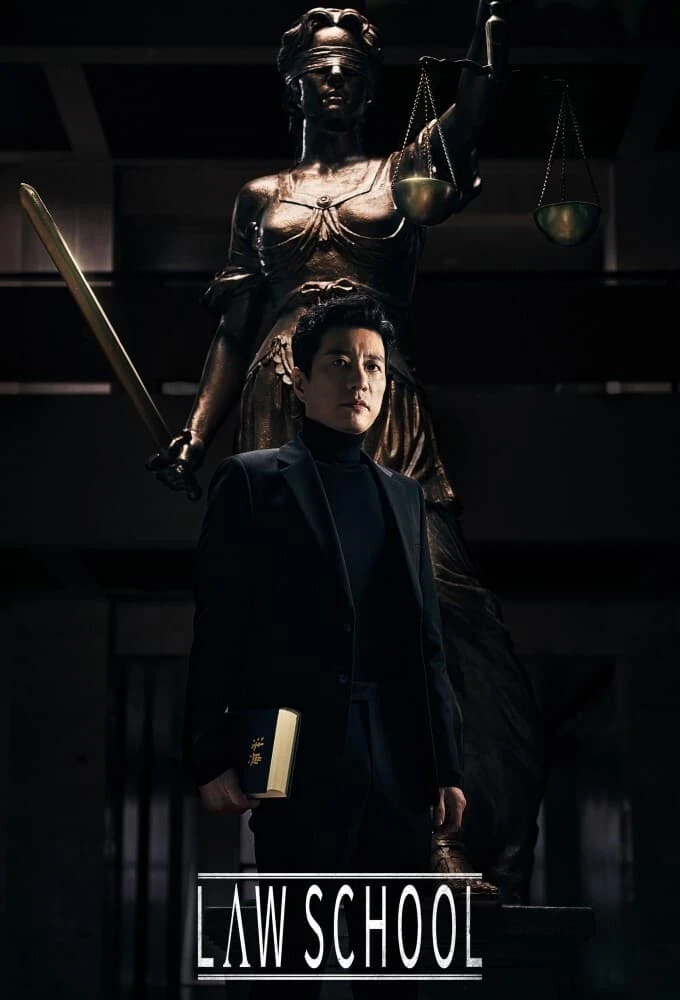 Law School
Courtroom Dramacrime
Read Full Review →
|








Keep it kind, skip the harsh language, and please — no spoilers. Everyone's taste is different, and that's perfectly fine.
This space is for real reactions and discussion from other viewers. Help keep it comfortable for everyone by not giving away major plot details.
What do you think of this drama?
Login to share your review or leave a comment.
No email needed — just pick a username & password.