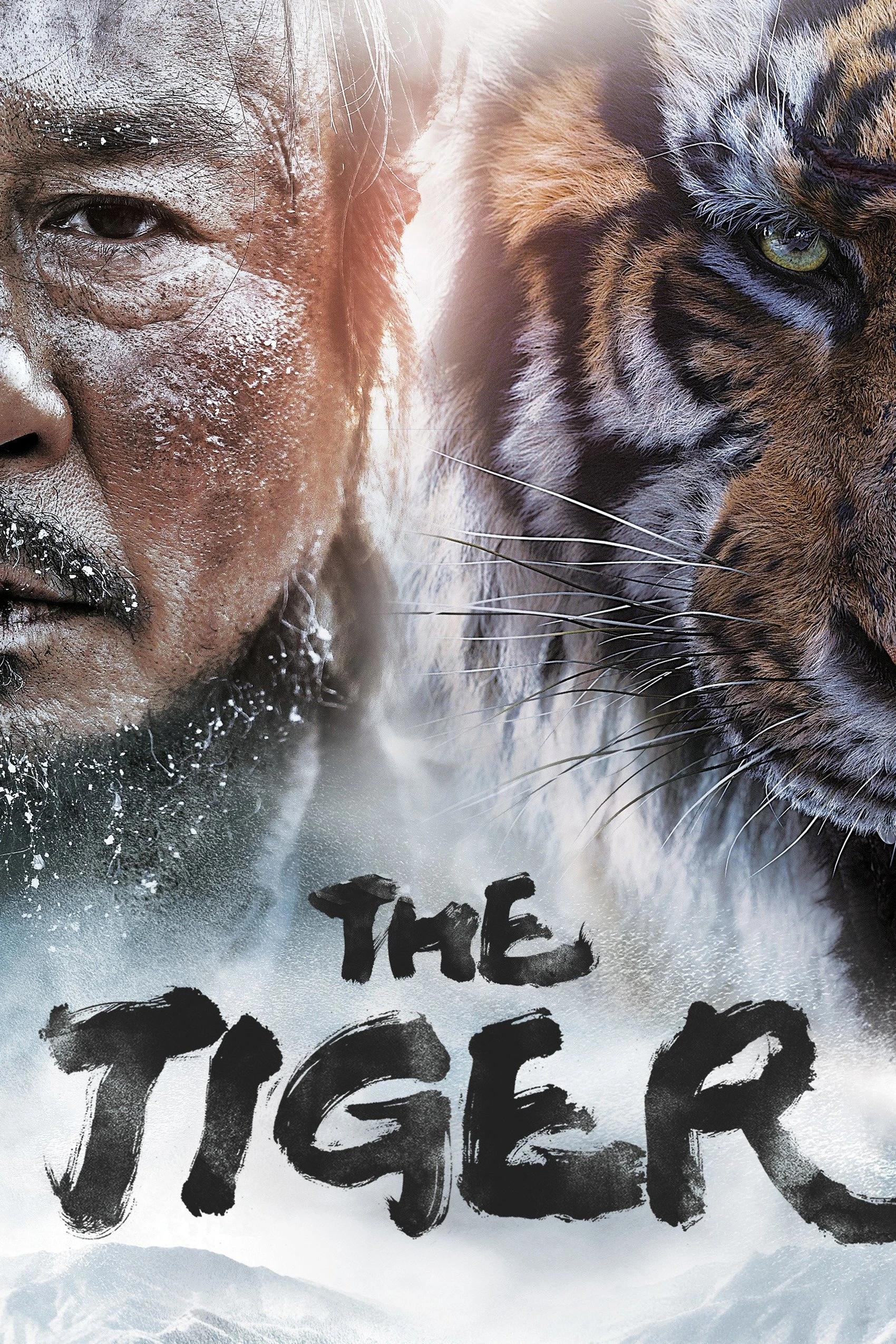
The Tiger
🎬 Film Overview
A famous hunter has put his rifle away, and then the Japanese colonial government decides that Jirisan’s last great tiger belongs on a wall. In 1925, Chun Man-duk (Choi Min-sik) lives on the mountain with his son Seok, gathering herbs and refusing every request from the army and from his old partner Gu-kyung to hunt again. The tiger, a one-eyed giant the locals call the Mountain Lord, has already killed many of the men sent after him, and a Japanese official named Maezono will not leave Korea without his pelt. Park Hoon-jung wrote and directed this slow, wintry epic after the gangster thriller New World, and it was released in Korea on December 16, 2015. It grossed only about 1.76 million admissions against a reported budget of 17 billion won, but Wikipedia lists a 100% Rotten Tomatoes score on seven reviews and a Korea Gold Awards Grand Prize. Two sources read for this post disagree on small details of the plot, and where they do, the text says so.
⚡ Quick Verdict
The short version — everything that matters, boxed up.
Watch The Tiger Free (US Only)
Free to watch - US only. Its owner makes this movie available only in the United States. If it doesn't play in your country, you may need a VPN with a server in an allowed country to watch it.
Region limits are set by the video owner, not by KDramaWorlds. Please make sure VPN use is allowed where you live and by YouTube's terms.
This film is free with ads, but the stream is currently available only in certain regions, mainly the United States. If the player shows “not available in your country,” the film can’t be played from your location.
Official Videos
 TRAILER
🎭 Cast & Characters
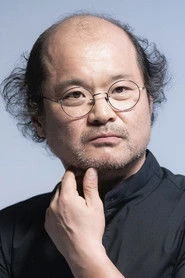
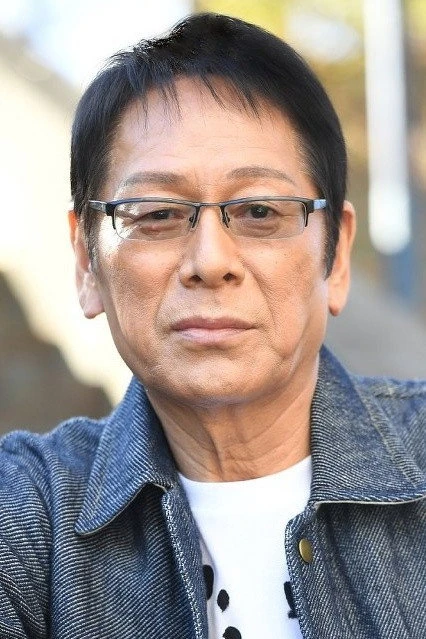
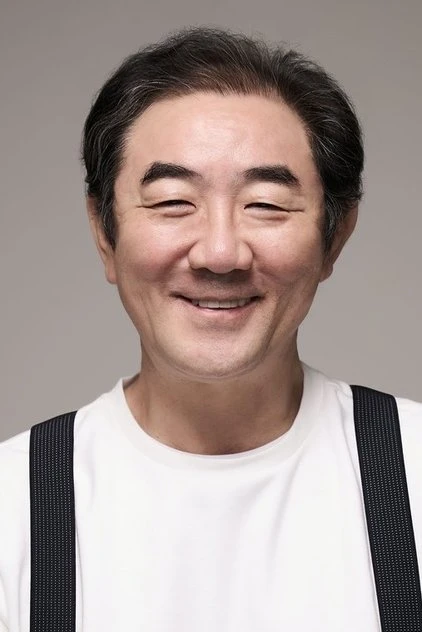
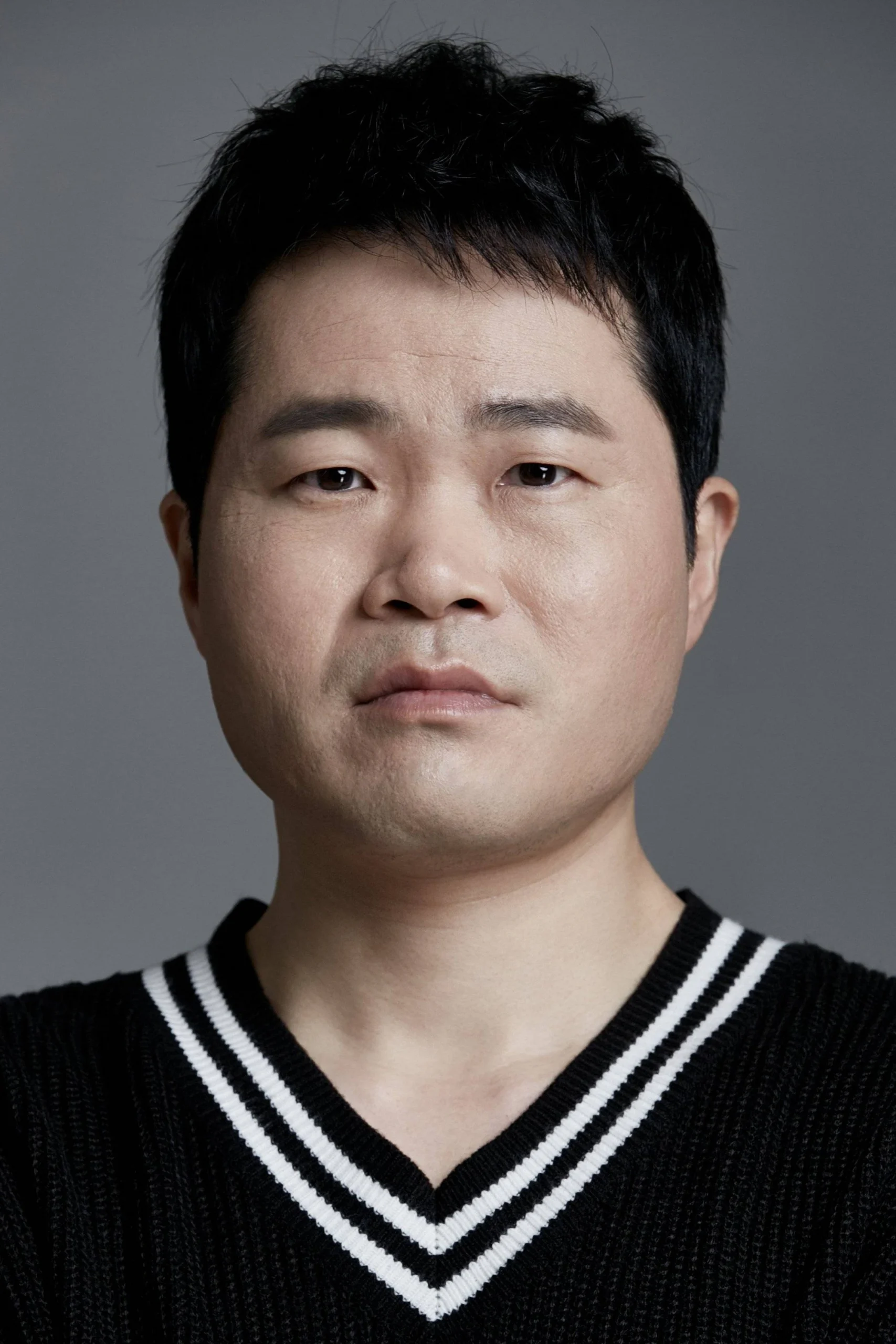
Choi Min-sik, Jeong Man-sik and the hunters, soldiers and villagers of Jirisan.
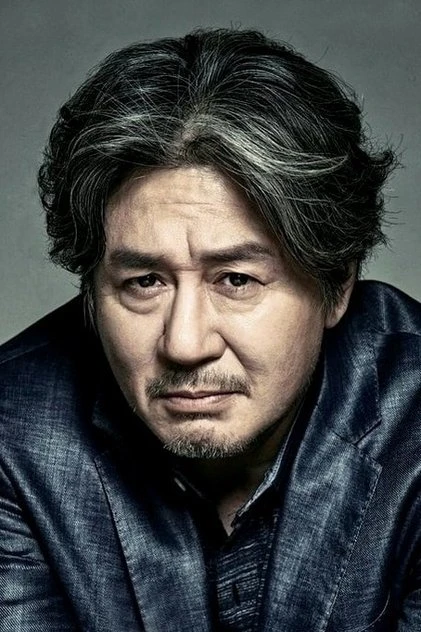
Lead
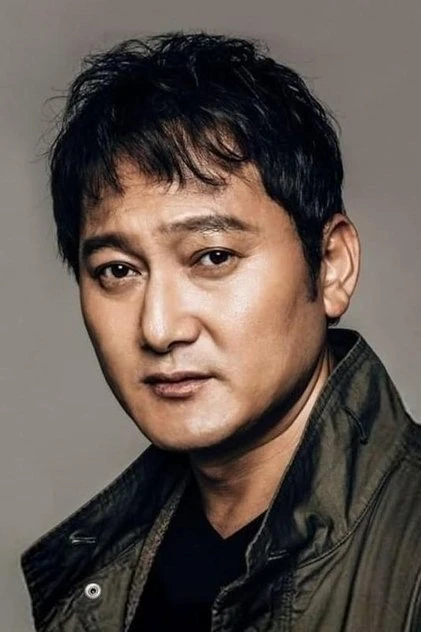
Lead
Supporting

Supporting
Supporting

Supporting
Supporting

Supporting

Supporting

Supporting
Supporting
Supporting
📖 The Story
No spoilers — just enough to know if this is your film.
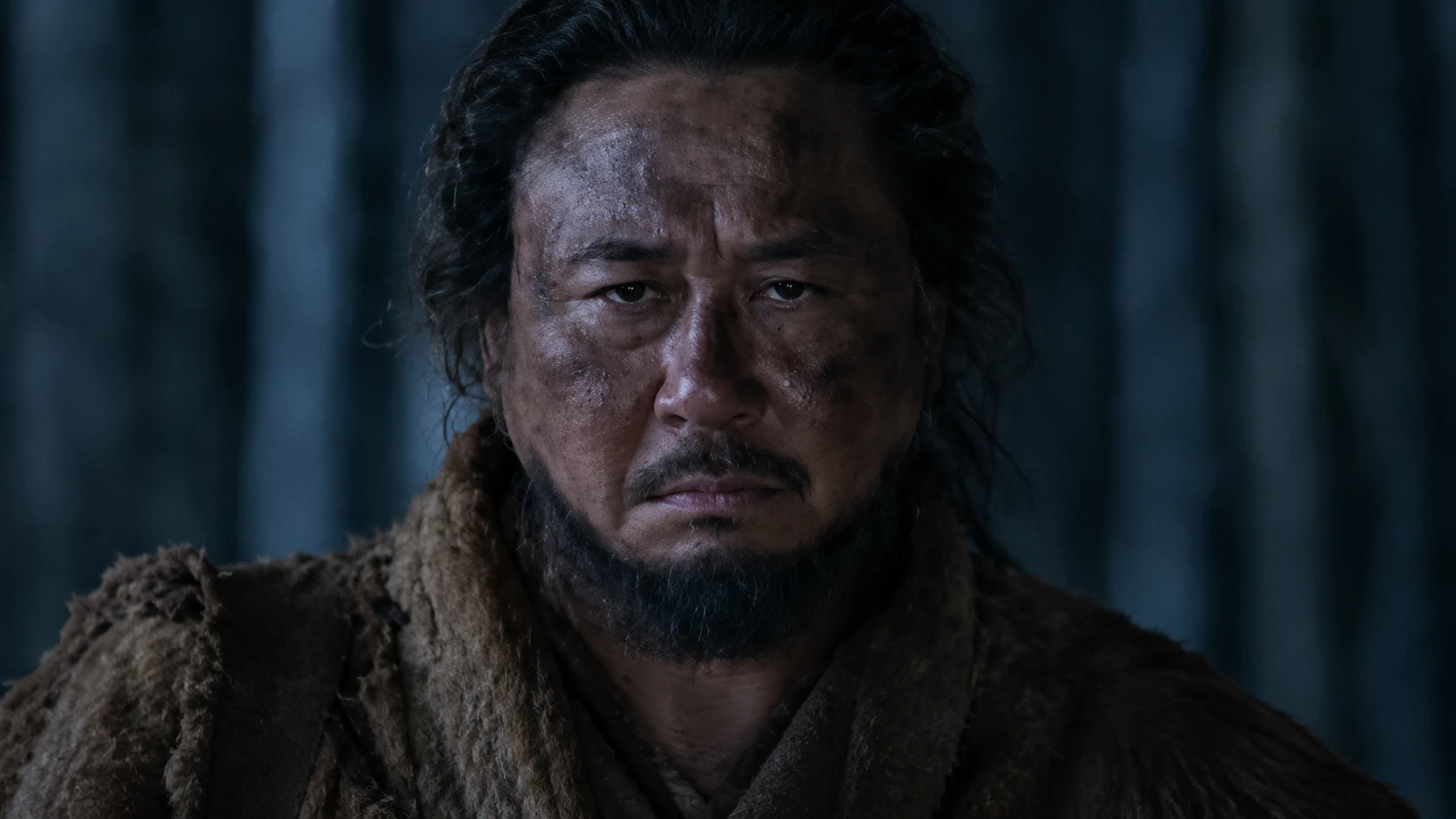
In 1925, with Korea under Japanese rule, Chun Man-duk lives in a hut on Mount Jirisan with his teenage son Seok. He was once counted the best hunter in the country, and he has stopped. He gathers herbs, sells them at the herbal shop in town, and keeps his rifle out of sight. The sources tell the reason a little differently. Wikipedia says he killed his own wife by accident while hunting a large tiger to feed his family, and Namu Wiki has villagers tell Seok that his mother died because of the great tiger. In both versions the loss is tied to a tiger hunt, and it explains why a famous marksman now refuses to touch a gun. Seok, a late-born child, reads that refusal as weakness and resents it.
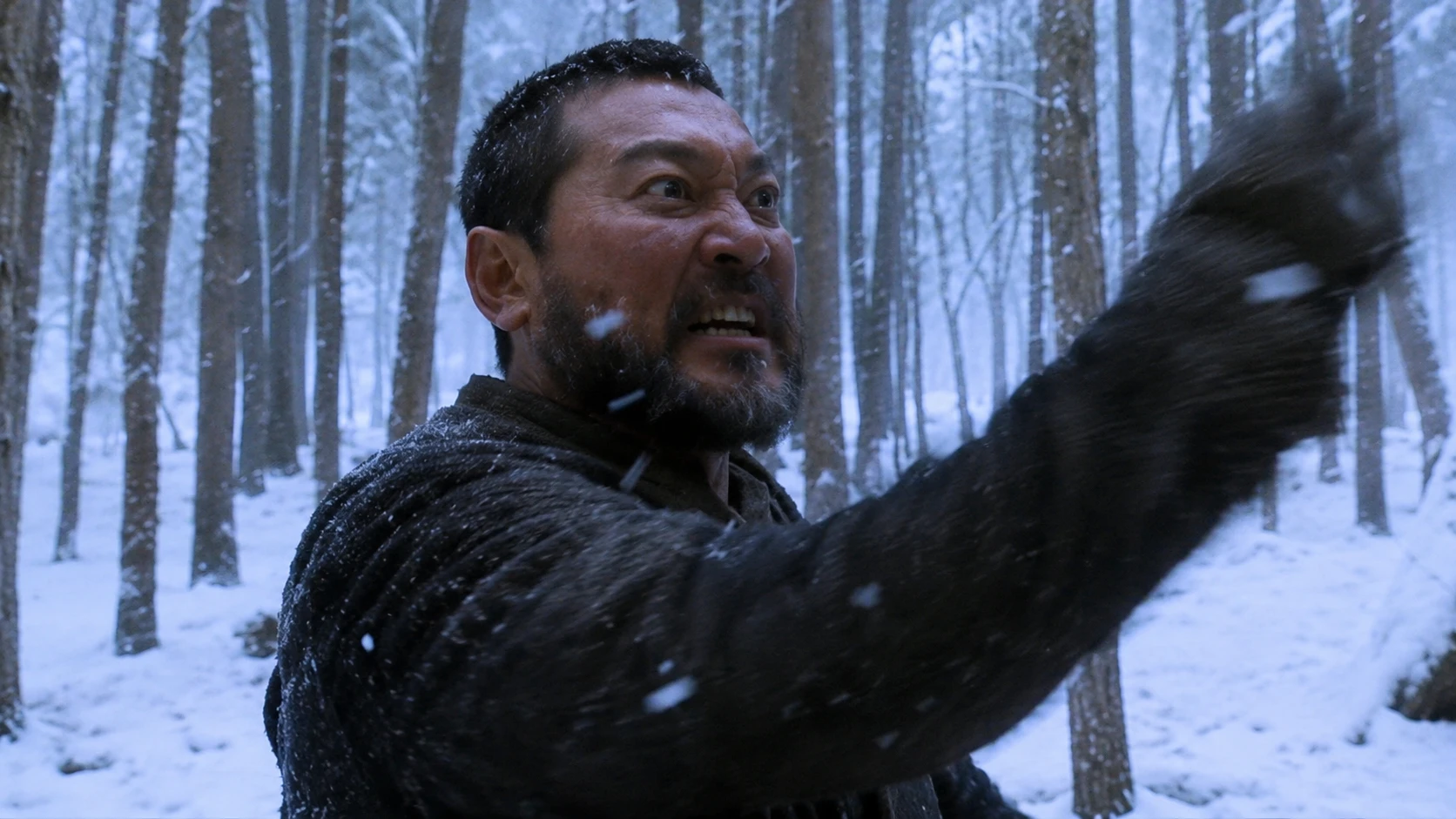
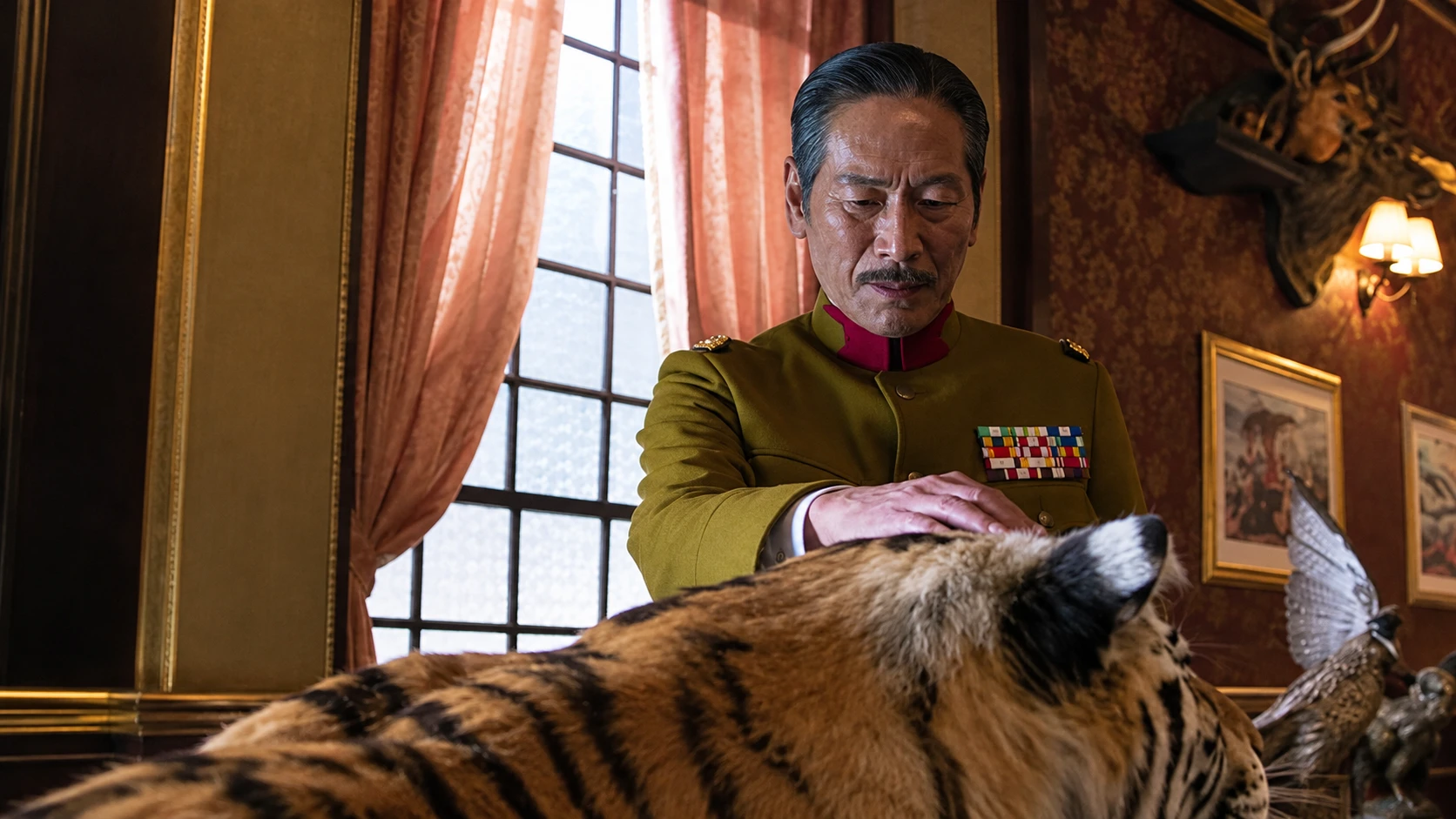
The mountain has a bigger problem than one retired hunter. Locals call Jirisan’s tiger the Mountain Lord, a huge one-eyed male of about 400 kilograms who has already killed scores of men. A Japanese high official named Maezono collects tiger pelts as a trophy of conquest, and he wants this one before he goes home. The army and a Korean hunting party led by Gu-kyung, Man-duk’s former partner, are ordered to deliver it. Gu-kyung is ruthless and patient. He kills the tiger’s mate and her two cubs, then uses a cub’s body as bait. The tiger walks away with the body and leaves a wolf in the trap. An officer named Ryu, who is Korean-born and serves the Japanese army, goes looking for the one man who might do better and finds him gathering roots. Man-duk will not guide anyone and will not shoot.
Seok has his own reason to go up the mountain. He loves Seon-yi, the daughter of his father’s friend Chil-goo, and he hears that her parents are about to marry her to a rice merchant. A bounty on the tiger could buy him a future. Without telling his father, he asks Ryu to let him join the hunt, and Ryu, who likes the boy, gives him a Japanese Arisaka rifle. Chil-goo, who loves Seok like family, makes him promise to stay with the beaters, the safest place in the line. A flashback then explains why Man-duk has a stake in the tiger. Years earlier he mortally wounded a tigress that leaped at him as he approached her kill, protecting her two cubs. Gu-kyung wanted to finish the cubs too, and Man-duk talked him out of it, saying the mountain should decide.
The hunt itself is the film’s first great set piece. Gu-kyung’s men set out the second cub’s body as bait on a path the tiger uses, with dozens of beaters and Japanese soldiers in the field. The tiger reads the trap and turns it around, attacking the beaters and soldiers instead and leaving the ground covered with bodies. Seok freezes behind a tree, then sees a dying soldier raise a rifle, fires in panic, and wounds the tiger. In the confusion he is fatally wounded himself. Gu-kyung finds him alive and ignores his plea to fetch his father. The hunter would rather get back to the tiger’s blood trail, and the film does not excuse it. Chil-goo works out what happened later and nearly beats Gu-kyung to death for it, and only Man-duk’s arrival stops him.
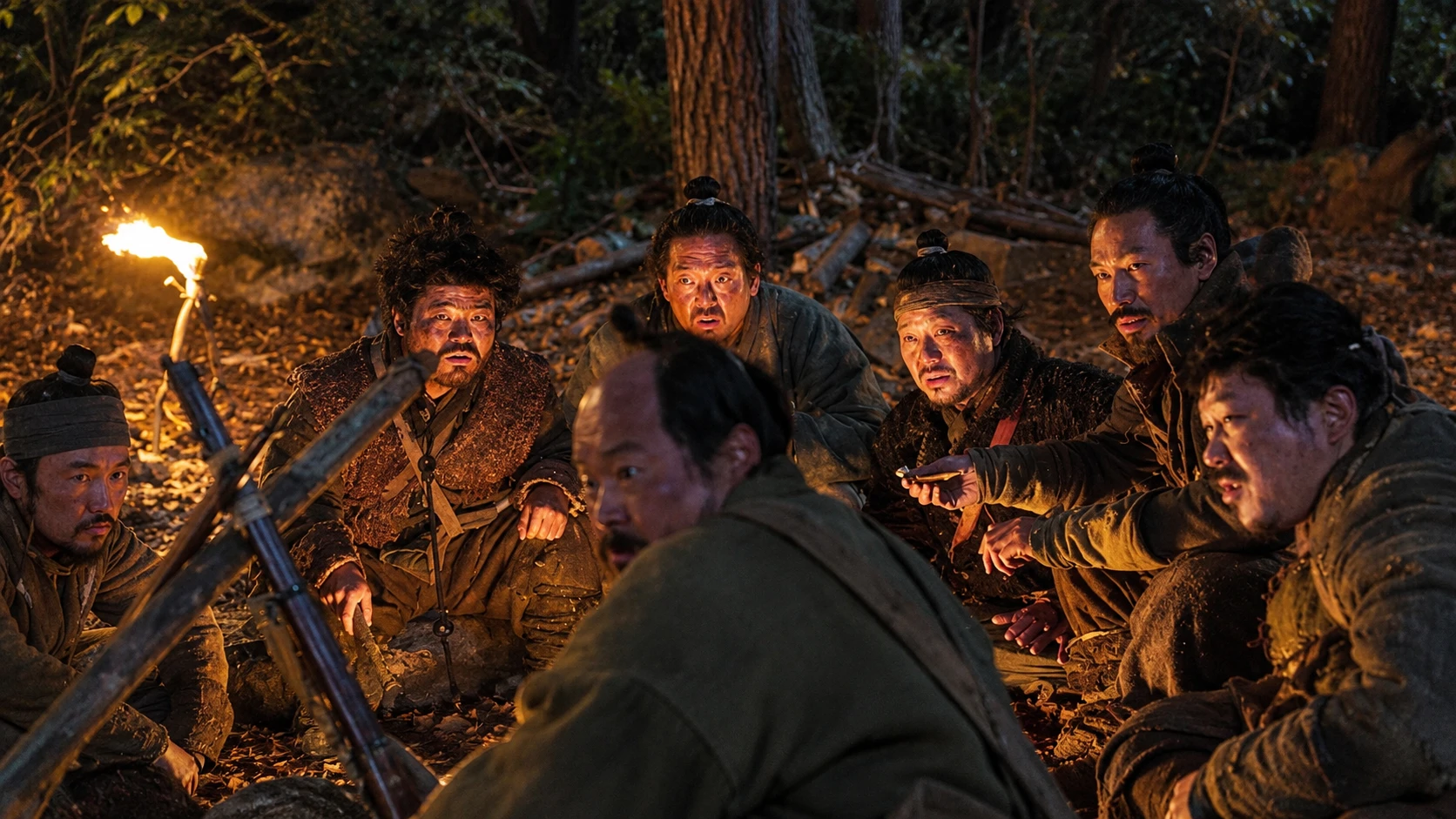
Wolves drag Seok’s body toward their den. The tiger arrives, kills the pack leader, scatters the rest and lies beside the boy, licking him. Then he carries the body to Man-duk’s hut. Man-duk, who has been searching for his son all night, sits slumped in the yard and cannot take in what he is seeing. When the tiger leaves, he gathers Seok in his arms and weeps. The second flashback closes the loop, and it is the hinge of the film: the tiger is the one-eyed cub Man-duk spared and hid in a cave. Namu Wiki adds that he fed the cubs from time to time, and credits that care for the fact that the cub survived despite being born one-eyed. The animal that has been killing hunters for years owes its life to the man who is now grieving over the boy it brought home.
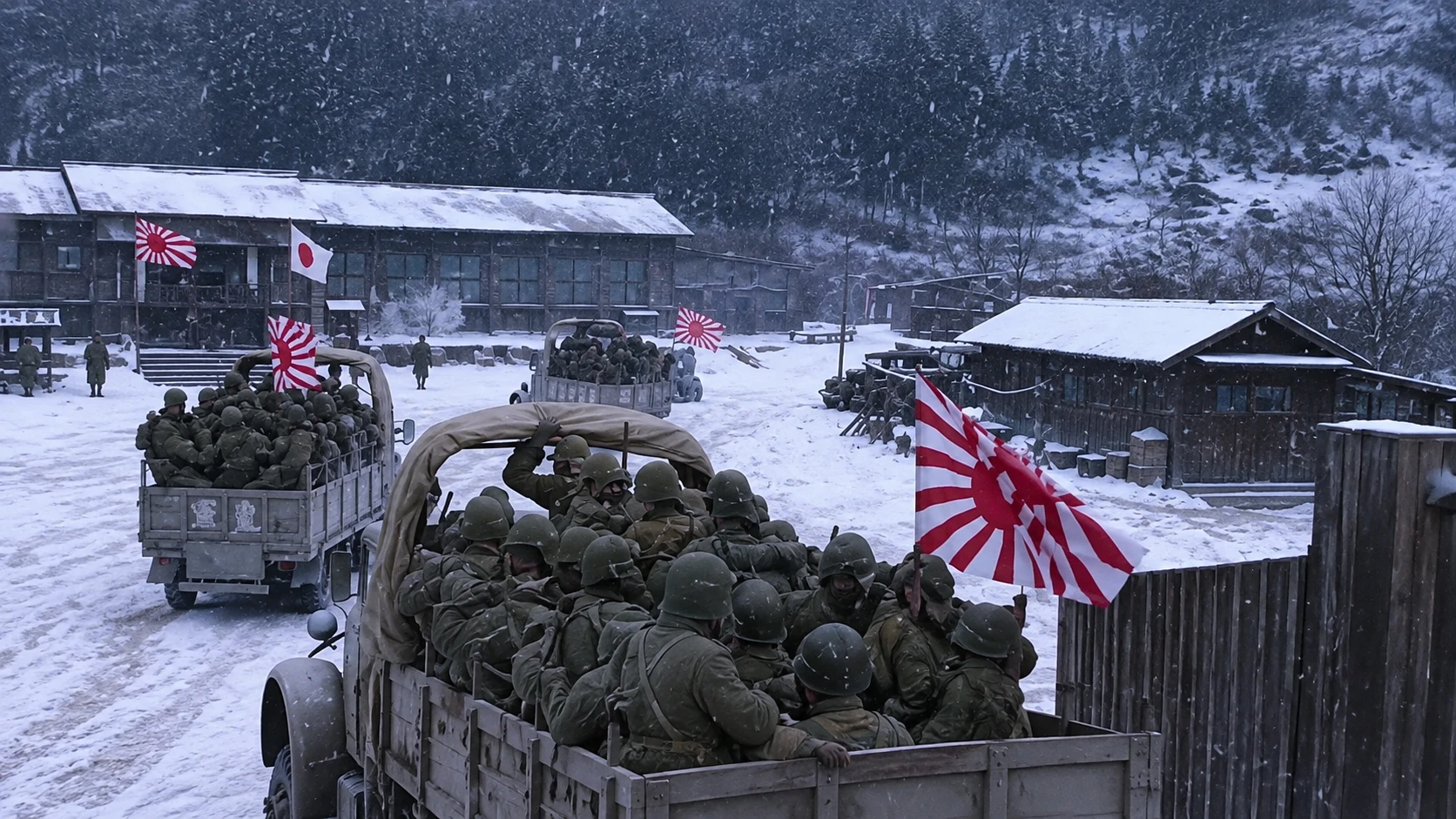
Maezono does not accept the failure. On Gu-kyung’s suggestion he sends in an anti-insurgent special unit, in winter gear with helmets and grenades, and the operation looks more like a war than a hunt. The soldiers dynamite sections of Jirisan and shoot whatever flees. Chil-goo, watching, says out loud that this is a battle, not hunting. The tiger still kills them in the smoke. But Gu-kyung planned for that, according to Namu Wiki: he uses the soldiers as a shield, and a bullet finally hits the tiger’s blind eye. The hunters rope the wounded animal and Gu-kyung steps up to take the last shot himself. The tiger breaks the snare, tears into a nearby hunter, knocks Gu-kyung down and kills only him, as if to answer the cubs. With his dying words Gu-kyung tells Chil-goo to leave his body on the mountain.
Man-duk now understands why the tiger came back to his house. He retrieves the rifle he hid, burns the hut with Seok’s body inside it, and climbs toward the summit. The tiger, according to Namu Wiki, first lays the bodies of his own cubs in order in his cave and then goes up too. Chil-goo finds only ash where the house stood and hurries after him. Ryu’s army tightens its ring around the mountain and the soldiers cross the cliffs in pursuit. The hunter and the tiger, both with no family left, are walking toward the same place in a mountain storm, and for the first time in the film the army and the other hunters are far enough behind that this feels like a private appointment.
🏁 Ending Explained
Full spoilers from this point — what happened, and why.
The short answer Both Man-duk and the tiger die, together, at the top of Jirisan. Man-duk reaches the summit first and waits. When the tiger appears he bows to it, takes aim and shoots it in the chest as it charges. The tiger keeps coming but stops short of pouncing, and Namu Wiki reads that hesitation as an animal unwilling to kill the man who raised it. Man-duk throws his rifle over the cliff, draws a hunting knife, stands at the edge and asks why it stopped. The tiger roars, leaps, wraps itself around him, and the two go over the edge. Chil-goo reaches the summit seconds too late and sees nothing but the dark drop and wind. In the film’s closing minutes, snow covers both bodies as they lie together.
Why the tiger stops, and why Man-duk shoots anyway The hesitation is the emotional answer to the whole film. The tiger has killed dozens of men in its defense, and it has never stopped for any of them. It stops for the one human who spared its life when it was a one-eyed cub. Man-duk’s side is equally clear. He bows before he fires. He does not shoot to claim the tiger, since the Japanese army and Gu-kyung’s men are close behind and any of them would be happy to take the pelt. A reasonable reading is that he shoots because a tiger left alone on the mountain will end up skinned by the soldiers. When the tiger falters, he puts the gun aside and takes the knife, so that nothing in the last exchange belongs to the soldiers. His question, why did you stop, is not a complaint. It tells the animal that it still has to finish this properly.
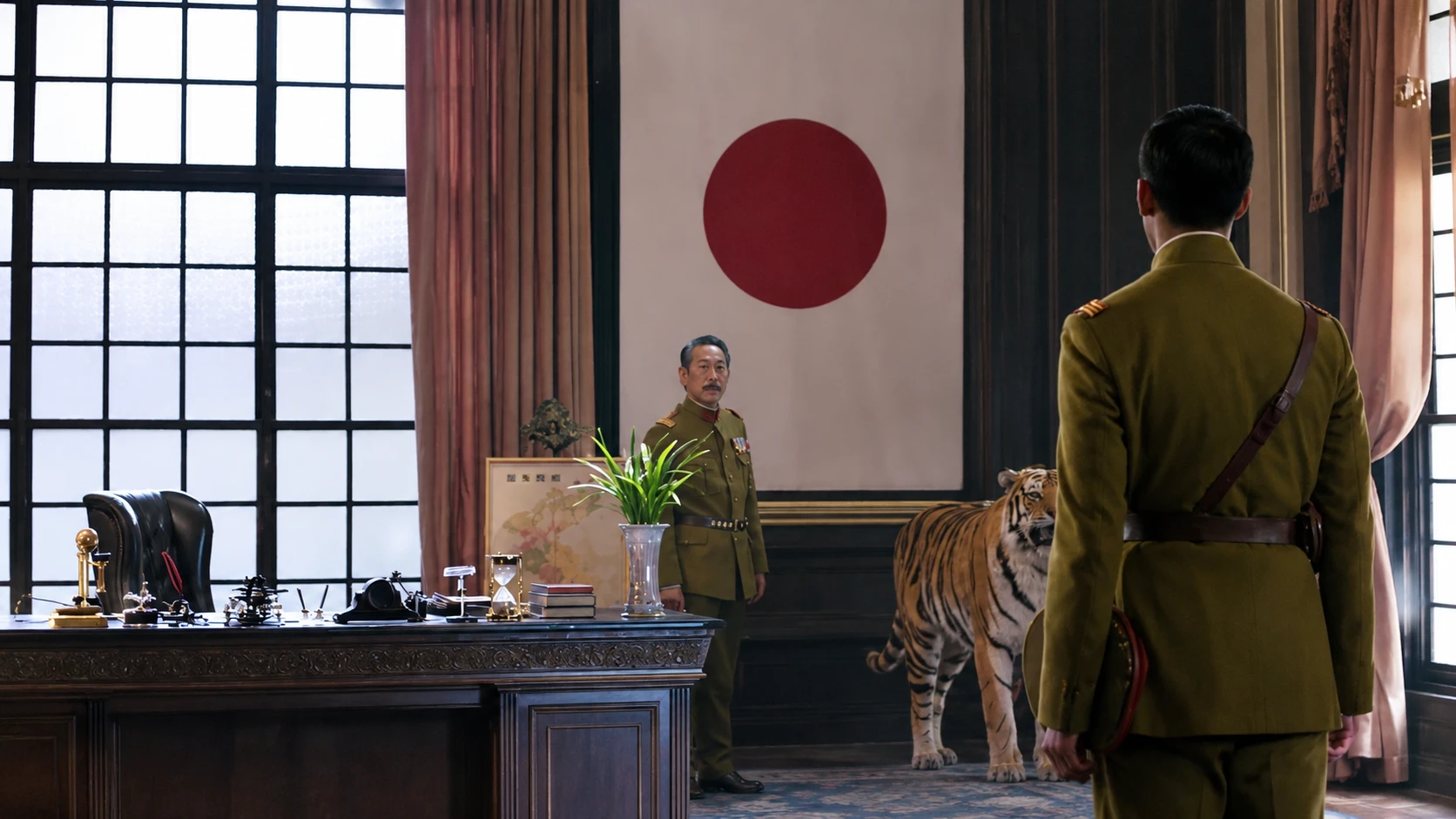
What the Japanese take away The ending does not give the occupiers their trophy. Maezono is told that the Mountain Lord has disappeared. Namu Wiki has him explode in anger, then accept that nothing can be done, and he withdraws the army with the line that Jirisan’s winter cannot be beaten and they will return in spring. Wikipedia describes the same retreat and adds that the surviving hunters tell the governor-general a story in which the Mountain Lord becomes a god. The film does not show whether the army ever comes back. The sources do not report any scene about Ryu’s fate either, so it is left open. What the film does settle is that no pelt leaves the mountain, and that the only thing the soldiers carry home is a legend, which is the one thing they cannot hang on a wall.
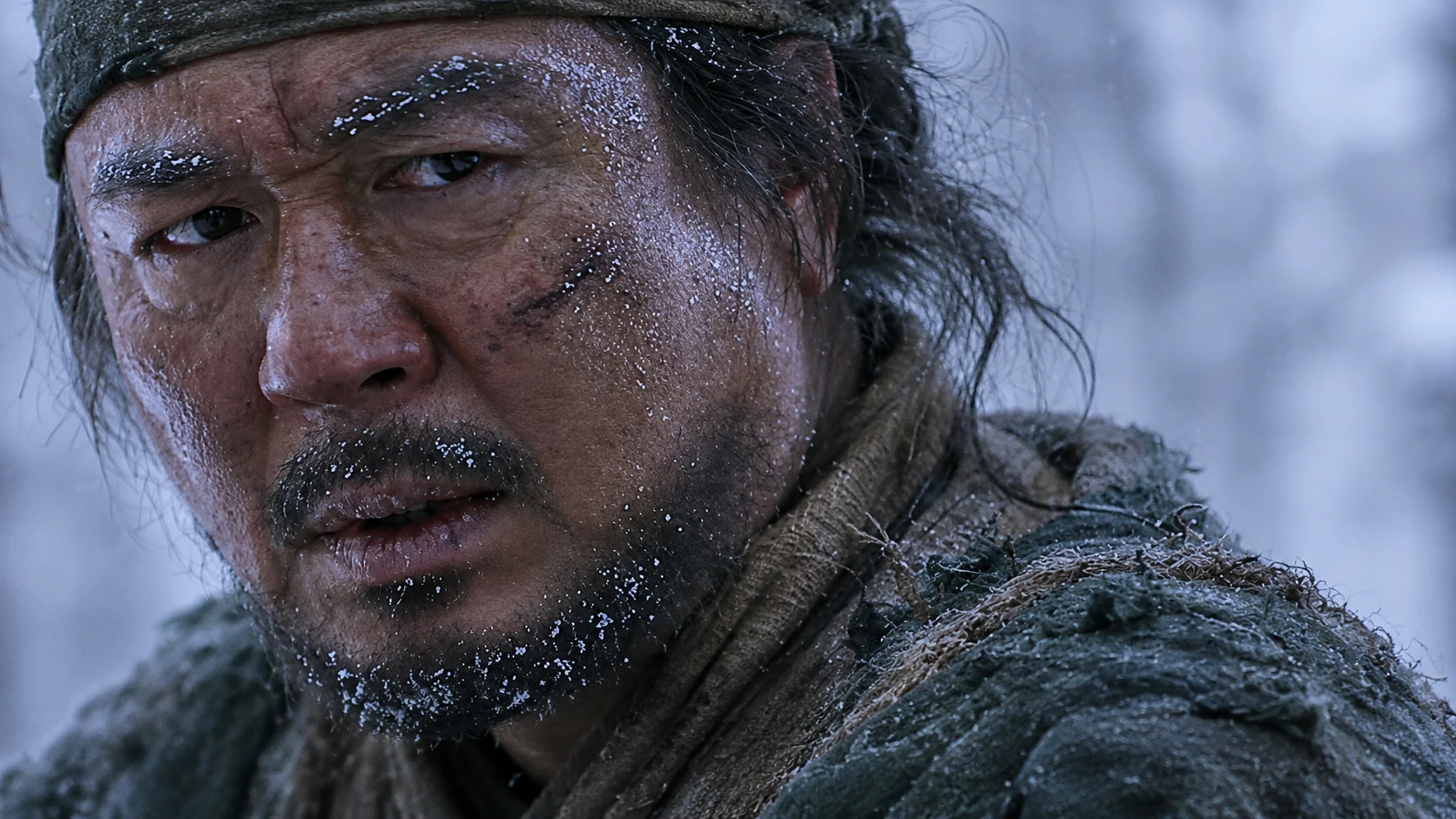
Gu-kyung, Chil-goo and the people who are left Some endings are settled before the summit. Gu-kyung is already dead, killed by the tiger in the snare scene after he sent the soldiers in as a shield, and his last request is to be left on the mountain. Seok is dead and cremated with the house. Chil-goo, the one person who loved both Man-duk and Seok and was willing to say so, survives and is the only person who reaches the summit in time to see the fall, so the story of how the hunter and the tiger died is told by a man who was standing at the edge. Seon-yi’s marriage plans are not followed up in the sources. The film’s justice is not distributed by plot logic, since the cruelest hunter dies in the first big confrontation and the kindest dies at the summit, but by the same instinct that decides who the tiger kills.
What the closing montage and the credits are saying The film closes on flashbacks. We see Man-duk at his marriage and at Seok’s birth, and the tiger as a cub with its mother and sibling, before the camera returns to the present and the snow settles over both bodies. The cut puts the hunter’s family and the tiger’s family side by side, as if they had the same kind of home and the same kind of loss. The credits, according to Namu Wiki, cite a novel by Baikov, The Great Wang, as inspiration. Namu Wiki also notes that the poster line about the last Joseon tiger was a marketing claim. The film never says it, and tigers survived in the north after the 1920s, so the story works as an elegy for something that disappeared, not as a record of a last animal.
✍️ KDramaWorlds Editor’s Take
Here’s our honest verdict, and who’s going to love it.
The best case for The Tiger is that its first hour looks like a hunting film and its second turns into a story about debts. Man-duk’s retirement is not shown as laziness. It is a man who has already done the thing a hunter dreads, and the film gives Choi Min-sik room to play that with very little. If you came to the film from Harbin, this is a different kind of occupation-era story: no resistance fighters or spy plot, just a colonial government that treats a mountain animal the way it treats the country. James Mudge of Eastern Kicks, quoted on Wikipedia, called it one of the best Korean films of its year and a winning marriage of the breathtakingly grand and the quietly philosophical. That balance is the reason to watch, and the reason a viewer expecting only a chase may feel the middle stretch drifting.
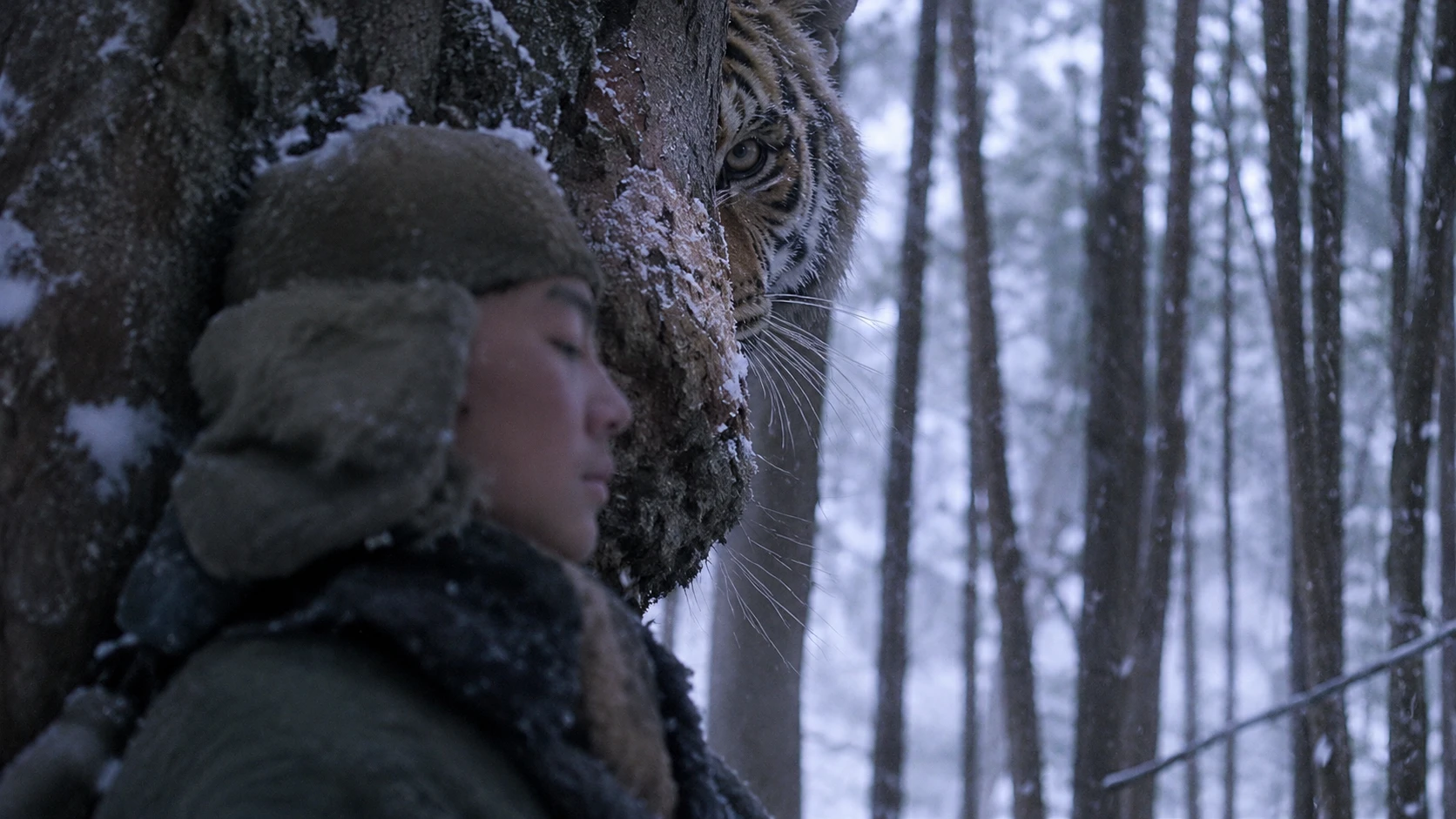
Park Hoon-jung came to the film from crime thrillers, and you can feel him trying to keep his usual violence under control. If you know The Childe or New World, the contrast is obvious. Here the violence belongs to the tiger, and the tiger’s rampage through the beaters and soldiers is the film’s loudest scene. Namu Wiki notes that some viewers felt a real thrill watching the tiger take on the Japanese soldiers, while others who had come for a hunt-and-chase thriller found the film sentimental. The effects were a sore point for others, but Namu’s own summary argues the CG was good for a Korean production of that period and was often compared unfairly to Life of Pi, a film with several times the budget. Jeong Man-sik, who won the Special Jury Prize at the Korea Gold Awards for Gu-kyung, plays Gu-kyung as a hunter who is competent and patient, and the film shows him leaving a wounded boy behind because the blood trail matters more. That makes his own death in the snare scene land harder than the tiger’s rampage does.
The film’s weakness is also the thing critics kept coming back to. The Korean critics collected by Namu Wiki split between four-star admiration and two-star impatience: Lee Dong-jin calls it a slow but deep persuasion, while Park Pyeong-sik describes an awkward cohabitation of legend and fairy tale. Naver’s critics average came to 7.08, and audiences gave it higher marks than that, but Namu Wiki is skeptical about why, noting that many high ratings were really anger at the Japanese occupation rather than a verdict on the film. It did not find an audience in Korea. It opened second behind Himalayas, dropped to third after Star Wars: The Force Awakens arrived, and ended with about 1.76 million admissions against a budget the same source puts at 17 billion won. Seen now, away from the Christmas box office race, it plays better as a mood piece than as a blockbuster. Go in for the hush, the winter light and Choi Min-sik’s face when the tiger reaches his door.
🎬 You Might Also Like
If you liked The Tiger, these are your next three watches.
 Voice (Season 4)
Crime Thrillercult
Read Full Review →
|
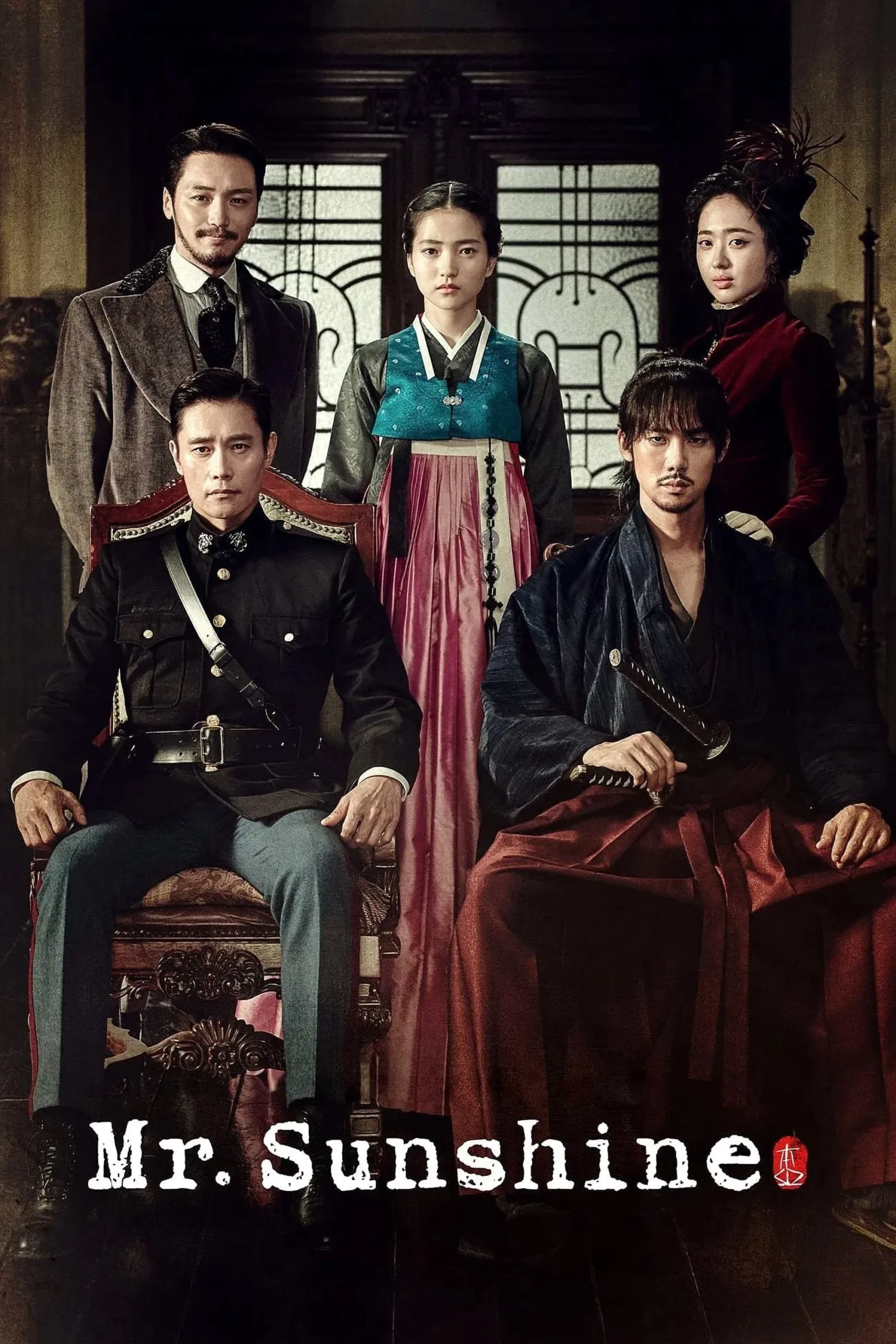 Mr. Sunshine
Byun Yo-hanJoseon era
Read Full Review →
|
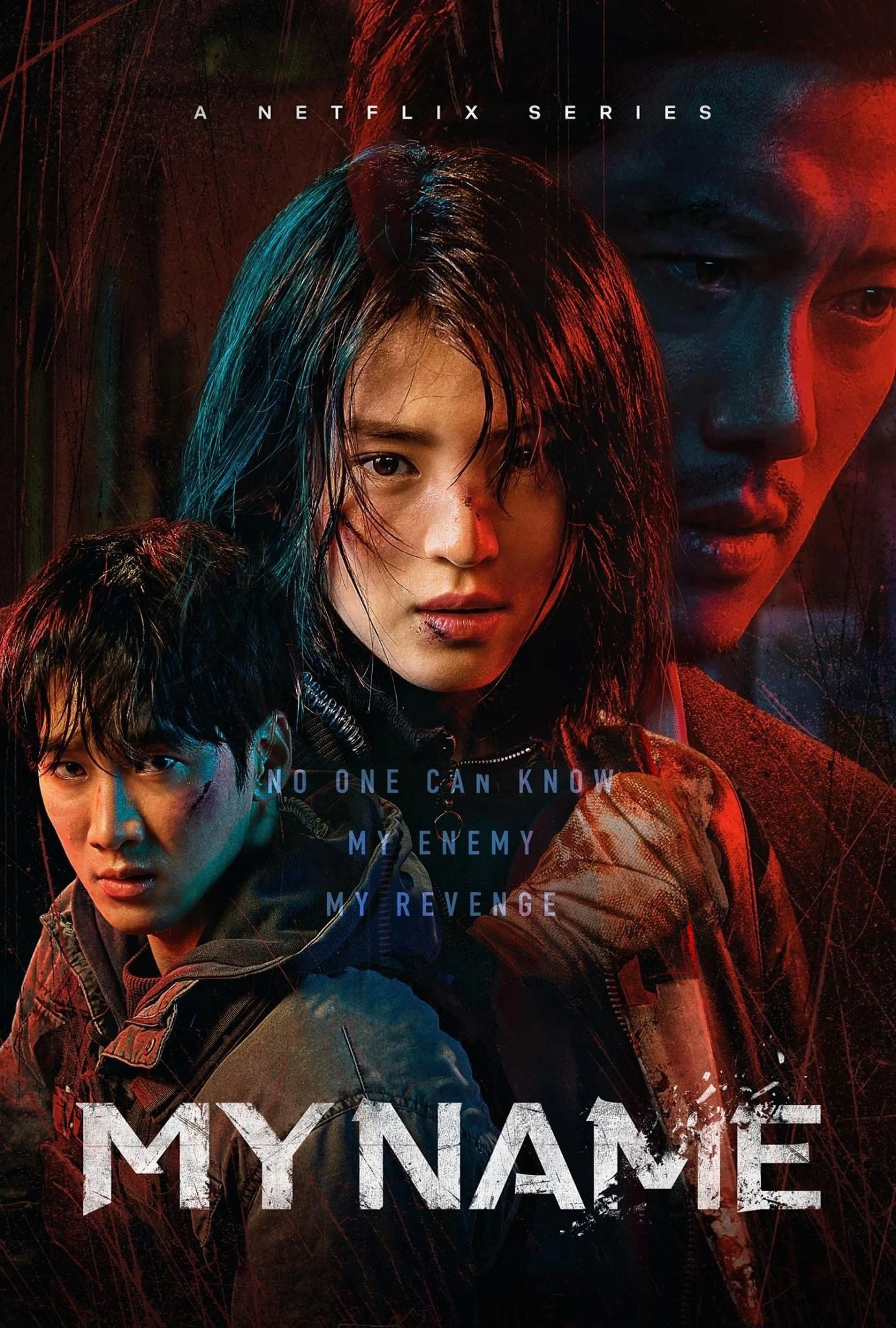 My Name
Crime OrganizationHan So-hee
Read Full Review →
|








Keep it kind, skip the harsh language, and please — no spoilers. Everyone's taste is different, and that's perfectly fine.
This space is for real reactions and discussion from other viewers. Help keep it comfortable for everyone by not giving away major plot details.
What do you think of this drama?
Login to share your review or leave a comment.
No email needed — just pick a username & password.