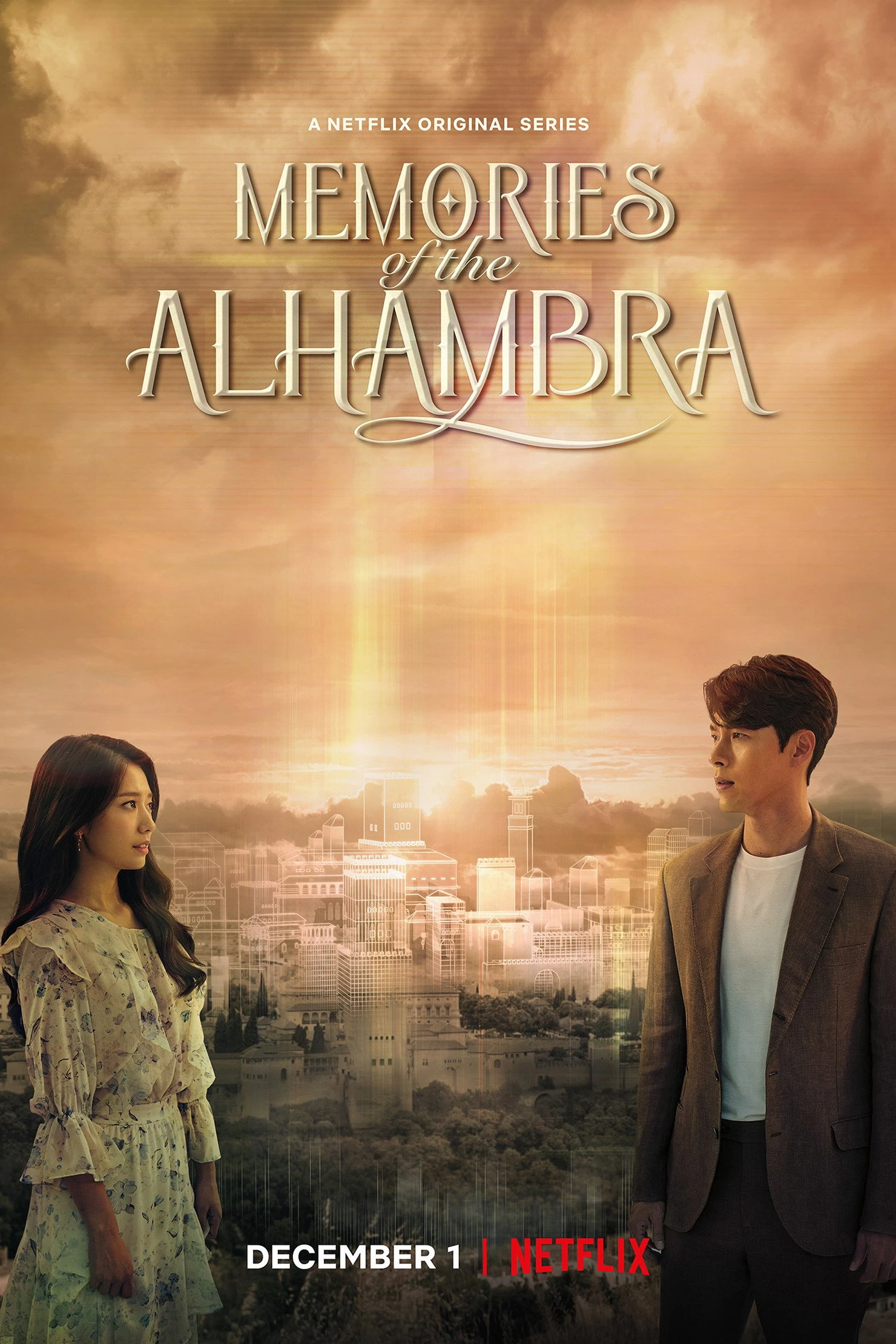
Memories of the Alhambra
🎬 Netflix
⭐ 8.3 MDL
📺 16+
📋 Drama Overview
The essentials — before you press play.
🎮 AR Mystery Pick
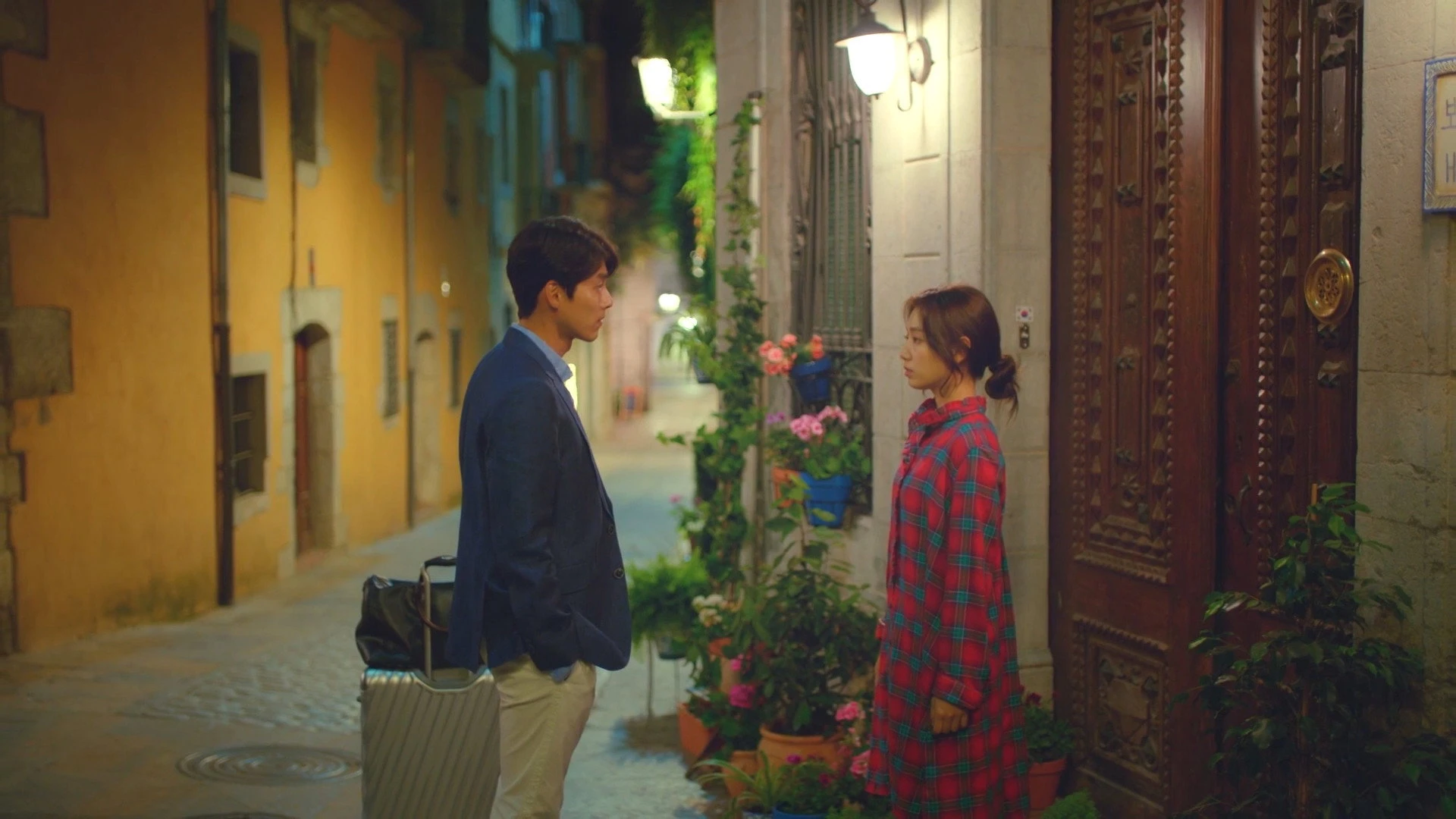
The drama doesn’t start with a game. It starts with a man who has already decided that everything is negotiable — and then puts him in a city that doesn’t cooperate with that worldview. Yoo Jin-woo arrives in Granada as a CEO tracking a tech asset, operating on the assumption that whoever built the AR game will sell it, because everyone sells eventually. What he finds instead is a missing developer, a hostel owner who keeps her cards close, and a game that stops behaving like something he can acquire.
The business trip becomes something else entirely. The longer Jin-woo stays in the system, the more the AR world starts producing consequences that can’t be explained away — and the more Jung Hee-joo, the developer’s sister, becomes the only person who refuses to look away from what’s happening to him. Memories of the Alhambra is a drama about what happens when someone who has always been rewarded for total commitment encounters something that has been designed to demand it without end.
16 / 16 ✅ Completed
⚡ Quick Verdict
The TL;DR, boxed and ready.
MDL Score · Check MyDramaList for updated community rating
▶ Official Trailer
🎭 Cast & Characters
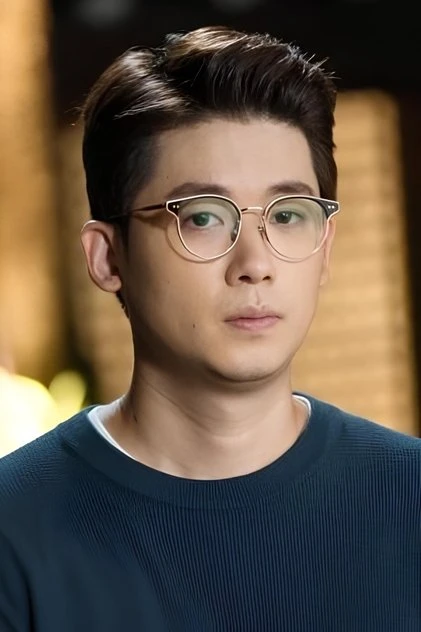
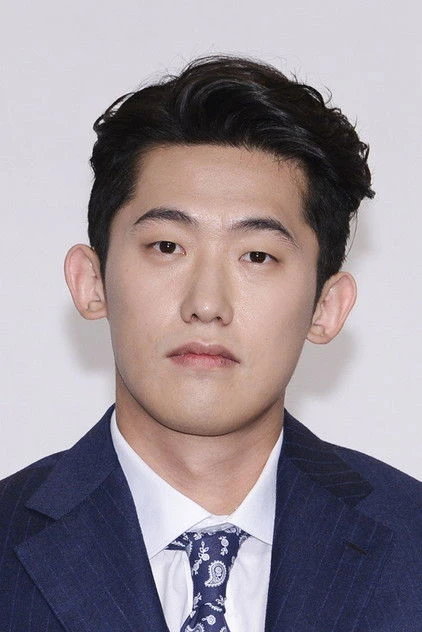
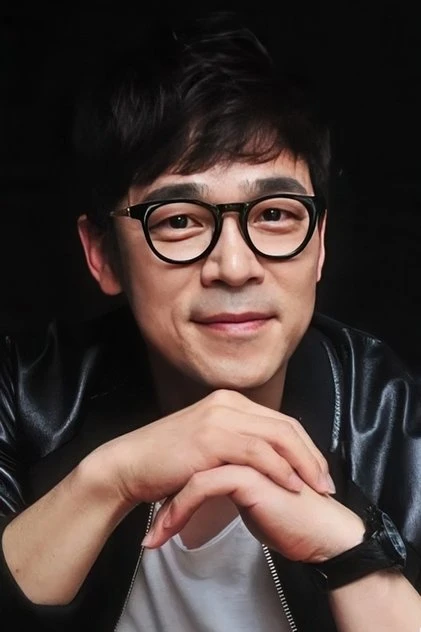
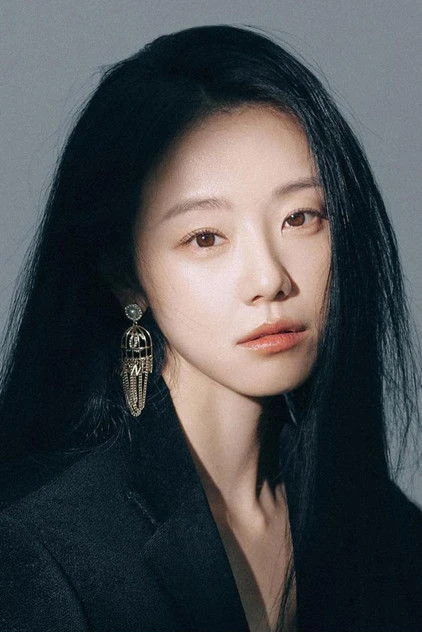
Hyun Bin and Park Shin-hye lead a drama where two people are caught inside someone else’s creation.

Lead

Lead
Supporting

Supporting
Supporting
Supporting
Supporting
Supporting

Villain

Supporting
Supporting
Supporting
📺 Episode Guide
Recaps that jog the memory, not spoil the ride.
EP 2
EP 3
EP 4
EP 5
EP 6
EP 7
EP 8
EP 9
EP 10
EP 11
EP 12
EP 13
EP 14
EP 15
EP 16 · Final
🏁 Ending


🏁 Ending Explained
The finale, unpacked in full. Consider yourself warned.
Spoiler Warning — This section covers the full finale of Memories of the Alhambra. Stop here if you haven’t finished the series.
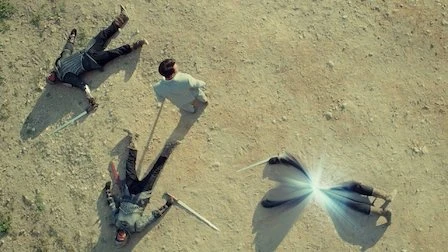
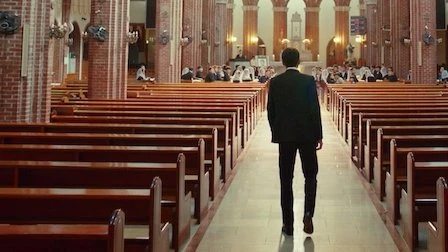
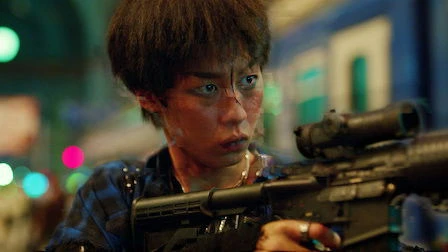
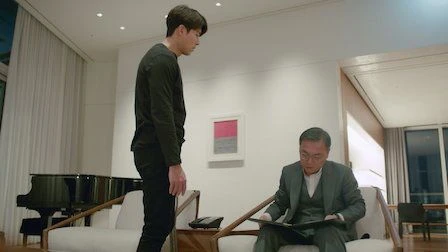
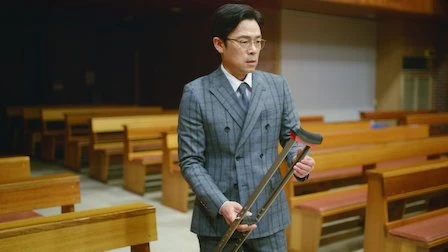
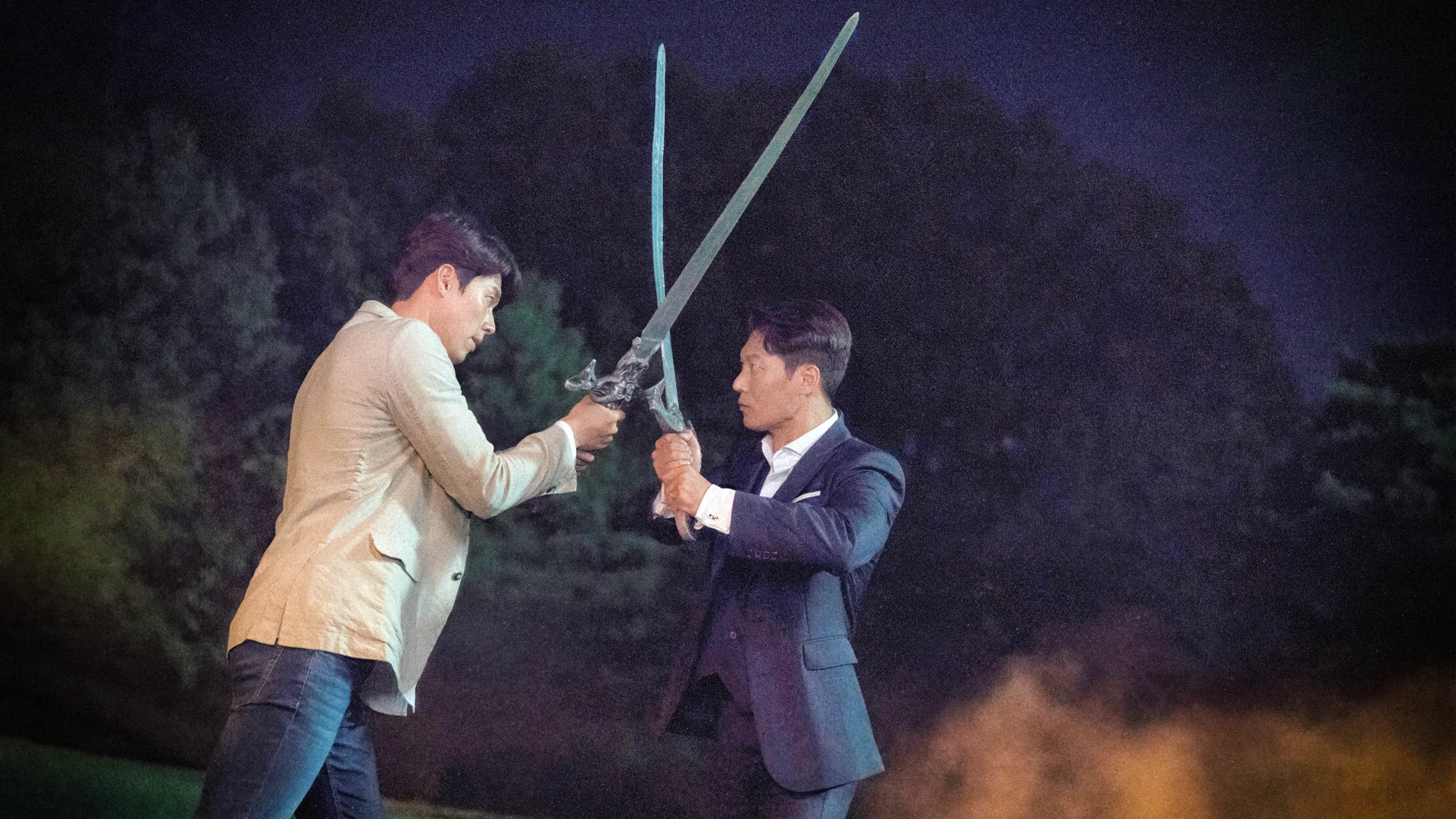
What Actually Happens. Jin-woo enters the Alhambra palace grounds for the game’s final confrontation — the battle the entire drama has been building toward. He defeats the enemy that has been hunting him through the AR world, wins the fight, and then disappears. His body is never recovered. The authorities cannot explain the disappearance. Jung Hee-joo waits a full year with no confirmation of whether he is alive or dead. Then, in the final scene, she puts on the AR lens herself for the first time — and she can see him.
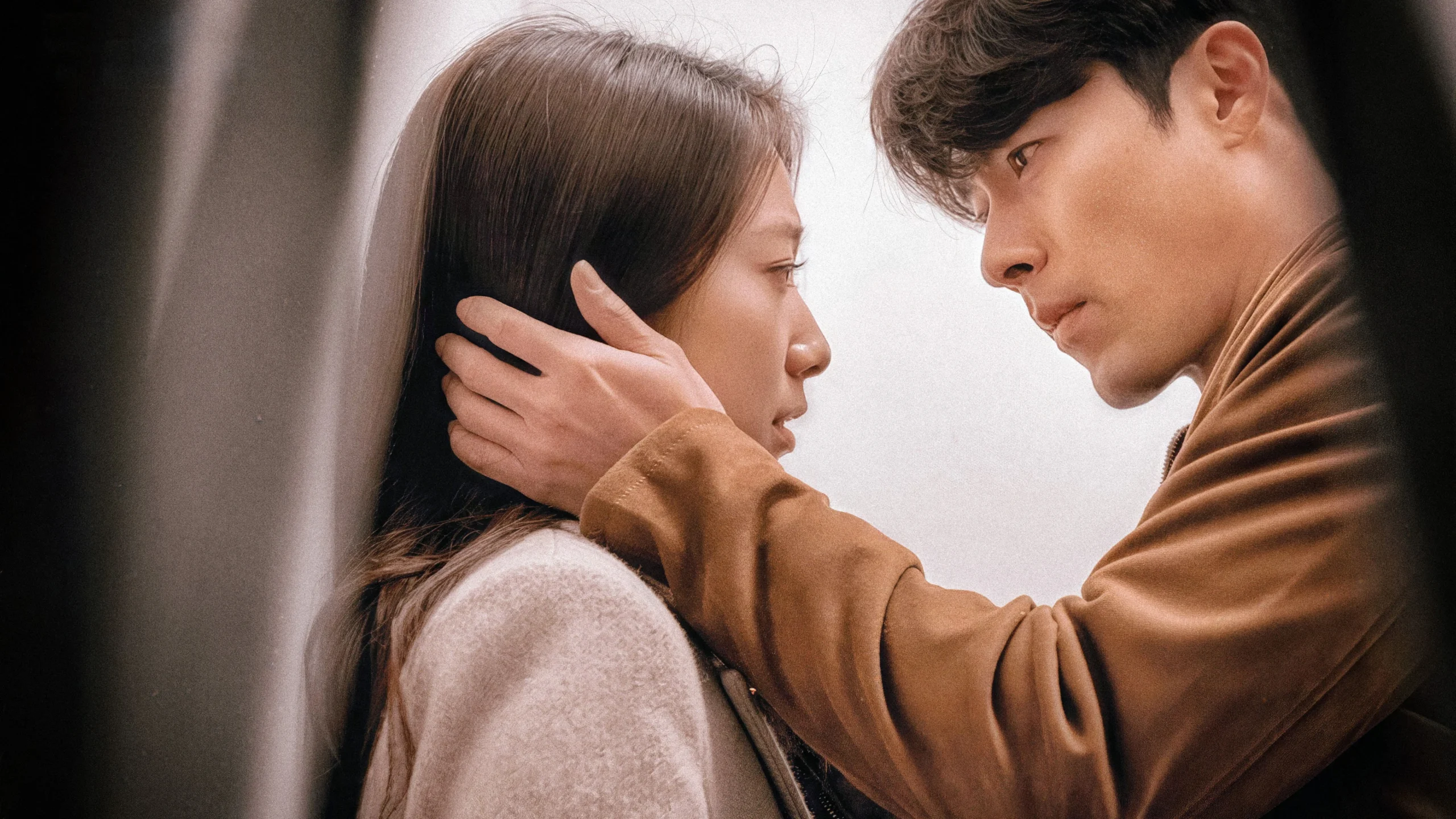
Is Jin-woo Dead or Alive? The drama’s answer is deliberately ambiguous — and that ambiguity is the point. Jin-woo exists inside the game world as something between an NPC and a presence the system has absorbed: visible to Hee-joo through the AR lens, but unreachable through any conventional means. He didn’t die in the traditional sense. He didn’t survive in the traditional sense either. He became part of the system he tried to master, which turns out to be the only form of permanence the game offers its most committed player. He didn’t lose the game. The game kept him.
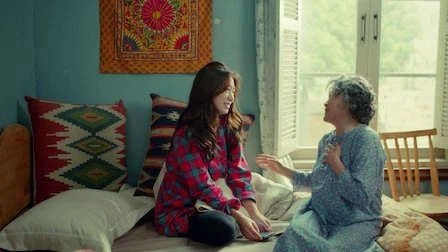
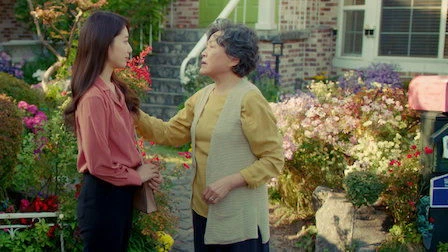
What Happens to Hee-joo. Hee-joo spends a year running the hostel, looking after her family, and not moving on — no body, no funeral, no answer. Then the final scene: she puts on the AR lens, enters the game, and she can see Jin-woo. That moment is the drama’s closest thing to resolution, and it is also its most honest refusal of one. She kept reaching after every rational reason to stop disappeared — not because the narrative required it but because she decided to stay. Her love was real. Her grief is permanent. Those two facts sit together without canceling each other out.
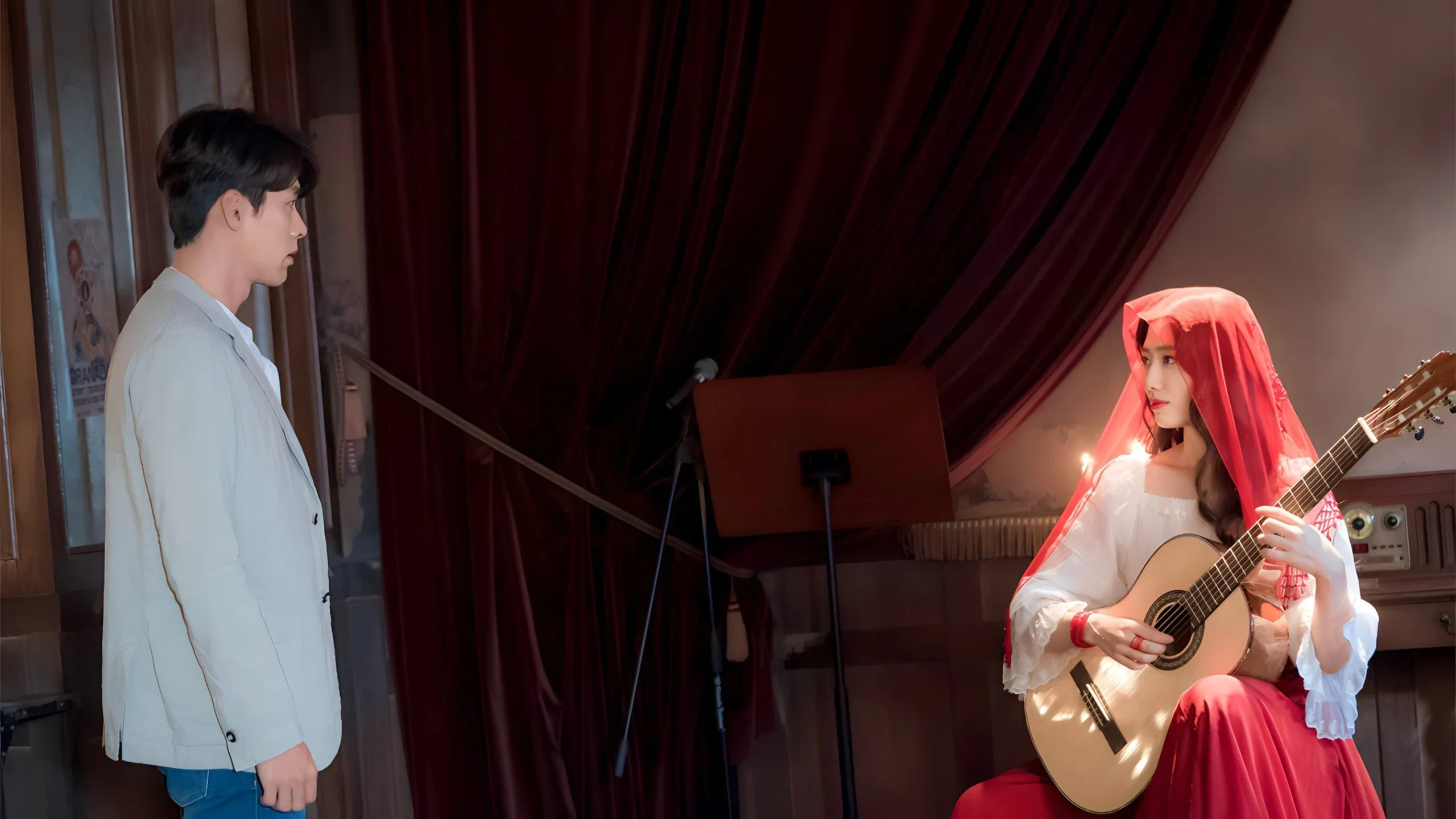
What Happens to Se-joo. Jung Se-joo’s whereabouts remain unresolved in the finale — he does not appear in any meaningful way, and the drama deliberately refuses to close his arc. He is alive somewhere, but offscreen, which turns out to be the show’s most structurally honest choice: the person who built the system with no exit clause is the one person the finale cannot bring back to fix it. His absence doesn’t resolve. It accounts for everything that happened to everyone else.
Is It an Open Ending? Yes — intentionally. Jin-woo’s existence inside the game is confirmed by the final scene, but what that existence means practically (can he come back? is he conscious? is this permanent?) is left unanswered. The drama is not being evasive: it is arguing that the AR world has its own logic that the real world’s categories — alive, dead, present, gone — cannot fully contain. If that answer frustrates you, the frustration is the point. If it lands, it’s because the show spent sixteen episodes making you believe the game was real enough for that question to matter.
✍️ KDramaWorlds Editor’s Take
Our honest opinion — and the kind of viewer who’ll love it most.
🧩 Puzzle Mystery
💼 Corporate Obsession
💜 Tragic Romance
🇪🇸 Spain-Set
Hyun Bin has spent a career playing men who use composure as both armor and weapon, and Memories of the Alhambra is where that skill set encounters a character whose composure is the mechanism of his own undoing. The performance that makes this drama worth watching isn’t the action sequences or the AR spectacle — it’s the quieter stretch across episodes eight through thirteen, where he plays a man maintaining full professional function while something fundamental dismantles itself underneath. He doesn’t signal the breakdown. He lets it accumulate in the body: in the way Jin-woo stops making direct eye contact before he stops making sense, in the increasingly effortful stillness of a person who used to be still naturally. Viewers familiar with W: Two Worlds Apart (2016) will recognize the emotional territory — that specific Korean drama mode of a man consumed by a world he helped bring into existence — but Hyun Bin plays the entrapment without leaning on audience sympathy as a shortcut.
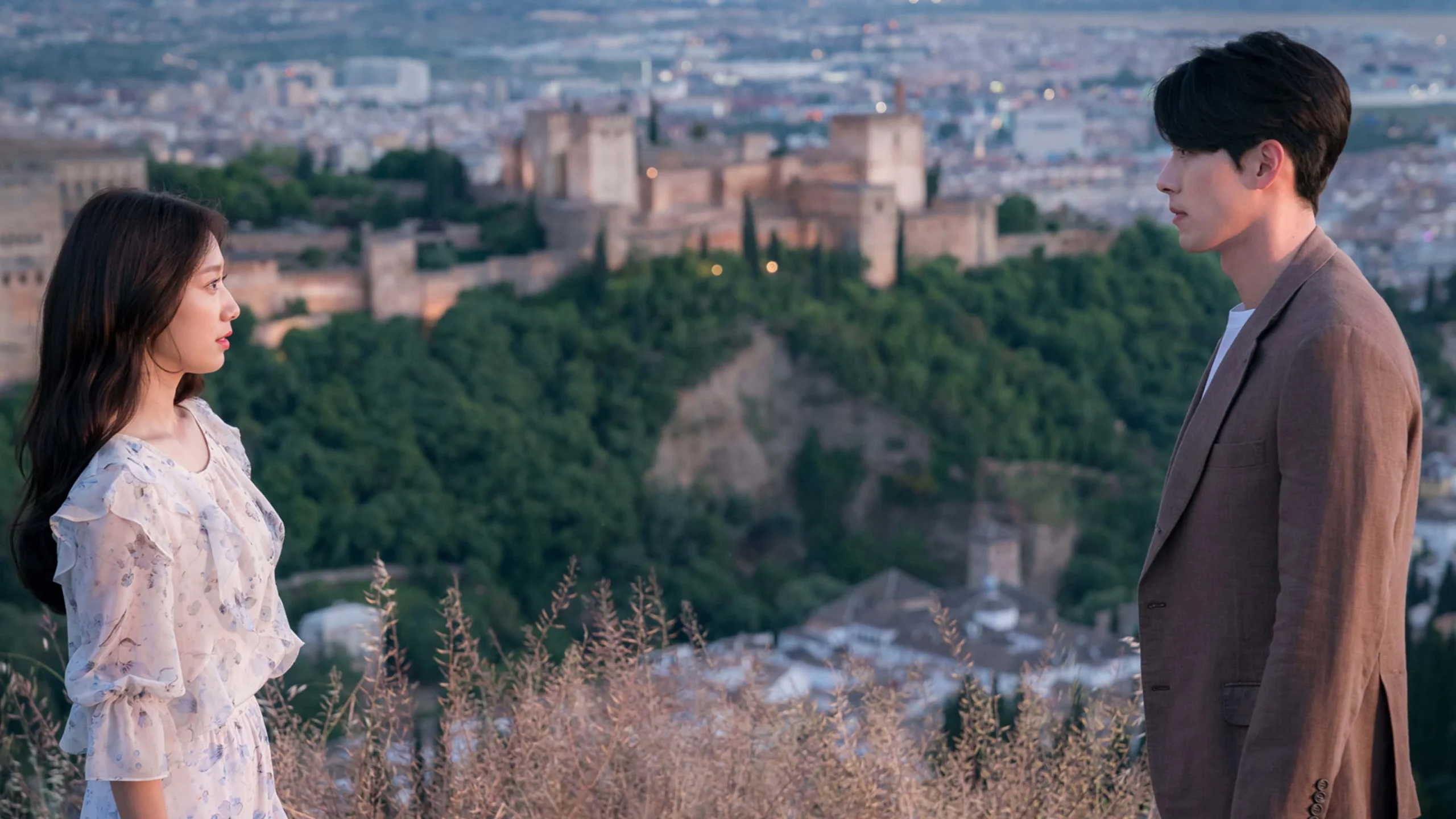
Park Shin-hye is given less structural space than the premise initially suggests, and she makes the most honest choice available: plays Hee-joo’s love as sustained witness rather than active participation. She’s not inside the game; she’s watching someone disappear into it, episode by episode, choosing not to look away. That’s a quieter kind of performance than a second lead usually gets to play, and in the drama’s final third — particularly the scene where she stops trying to explain what’s happening and simply stays — it carries more weight than any of the AR sequences do. If Goblin (2016) gave Korean drama its most celebrated example of supernatural love as impossible grief, Memories of the Alhambra gives it something slightly less romantic and more precise: love as the decision to remain present for someone who can’t always tell you’re there.
The drama’s structural problem is that the same precision driving the first half starts working against it around episode twelve, when the show has established more threads than it can resolve cleanly. The middle section adds complications when it needs to be building toward payment — and the finale carries real weight but arrives after a stretch that asks for patience the premise doesn’t fully earn. What holds throughout: Hyun Bin’s accumulated disintegration, the visual inventiveness of the AR sequences (genuinely ahead of its time for 2018), and a final ten minutes that commits to its own logic without flinching. If ambiguous endings make you angry, this won’t change your mind. If you can sit with a drama that chose honesty over comfort, Memories of the Alhambra is one of the more formally interesting choices Korean drama produced in its era.
Viewers who like Hyun Bin in controlled-disintegration mode
Anyone who can live with questions that don’t close
A high-concept drama that earns its ambition in the first half and asks you to extend faith for the second — Hyun Bin’s controlled disintegration makes that faith worth extending.
🎬 You Might Also Like
If you liked Memories of the Alhambra, these are your next three watches.
 Summer Vacation
Cho Yi-hyunfantasy
Read Full Review →
|
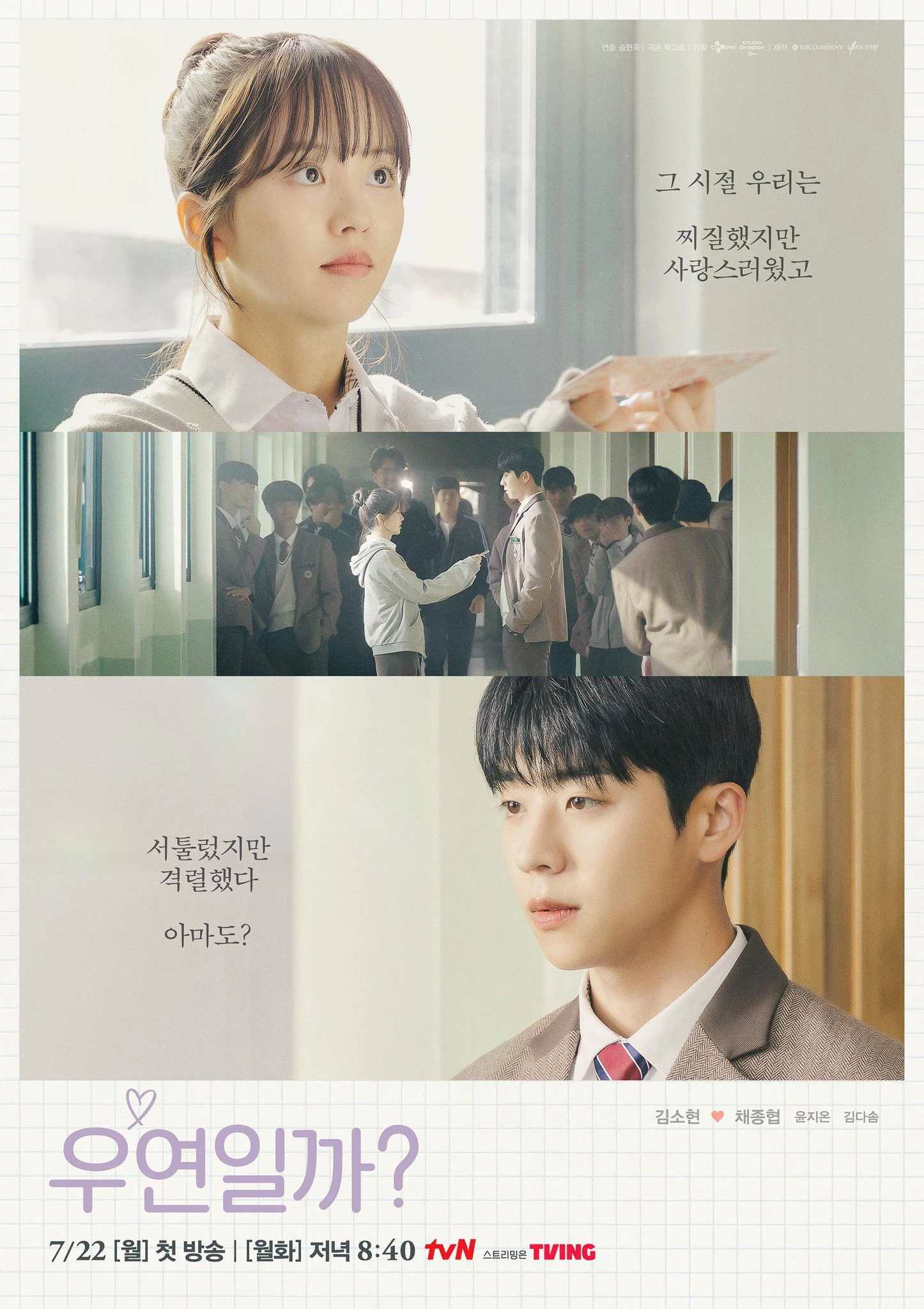
 Take Charge of My Heart
Artificial HeartChae Soo-bin
Read Full Review →
|
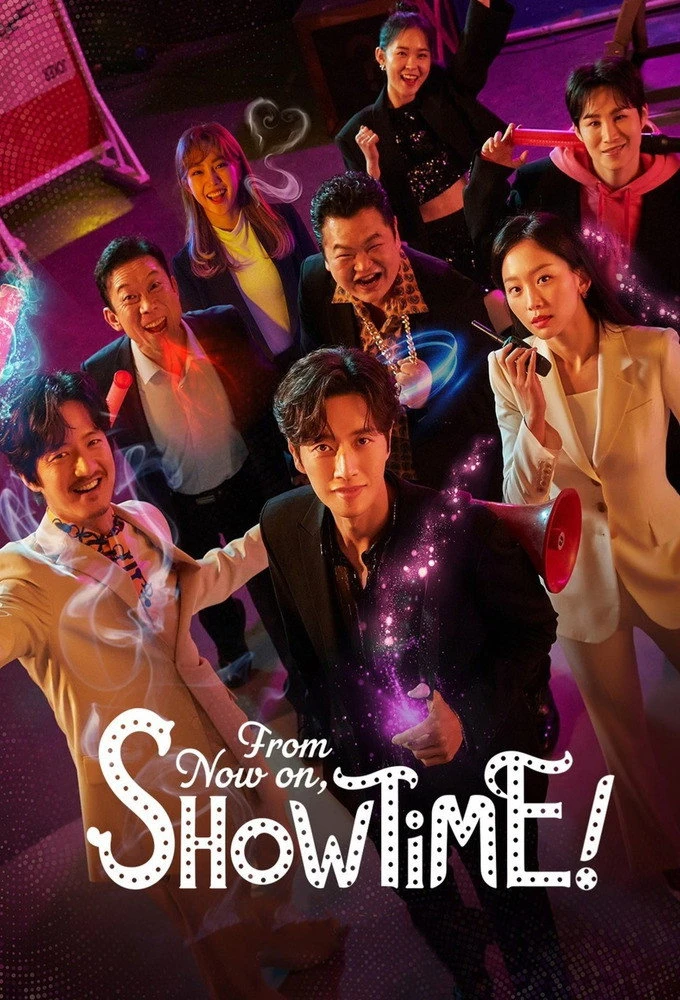 From Now On, Showtime!
comedyEnemies to Lovers
Read Full Review →
|







Keep it kind, skip the harsh language, and please — no spoilers. Everyone's taste is different, and that's perfectly fine.
This space is for real reactions and discussion from other viewers. Help keep it comfortable for everyone by not giving away major plot details.
1 Comment
A CEO who assumes literally everyone and everything is negotiable running into an AR game that refuses to behave like an asset he can acquire is such a satisfying way to break a character open 🕶️ — Hee-joo being the one person who won’t look away from what’s happening to Jin-woo gives the sci-fi premise real emotional stakes instead of just tech-thriller mechanics. Curious what everyone made of how far the show took that idea of total commitment.
What do you think of this drama?
Login to share your review or leave a comment.
No email needed — just pick a username & password.