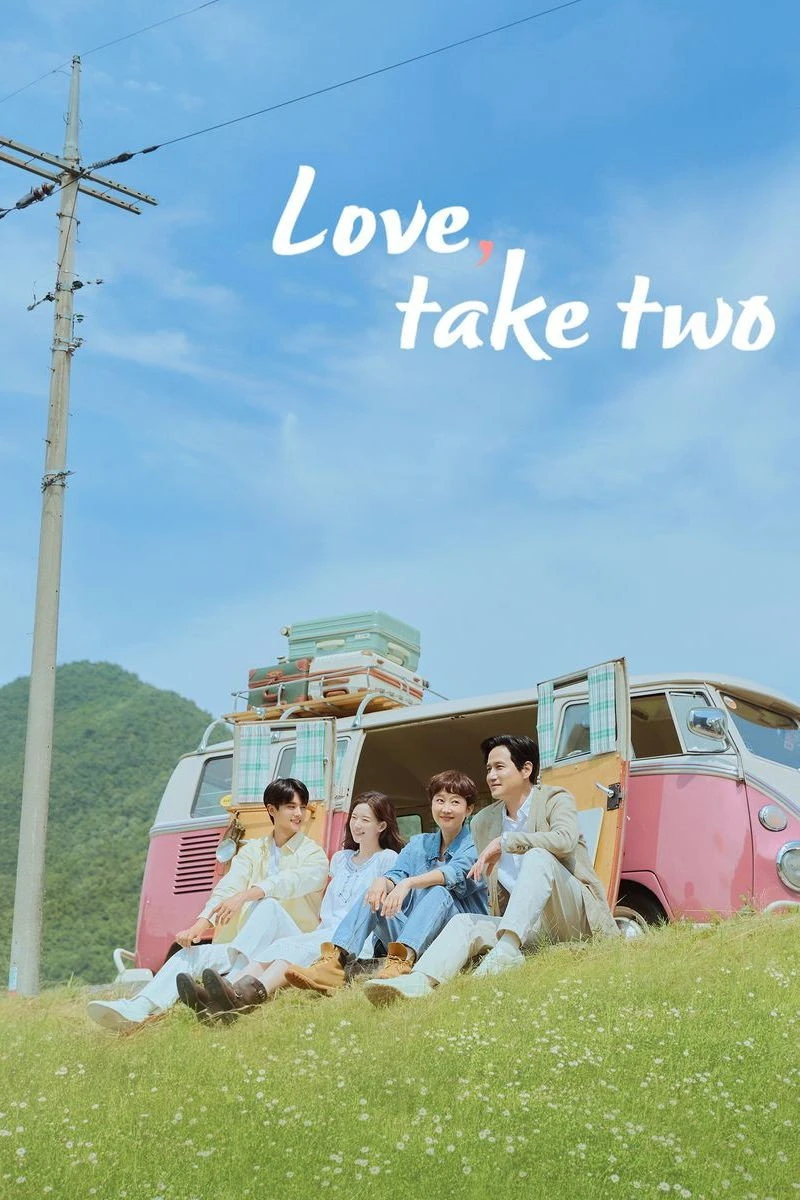
Love, Take Two
📋 Drama Overview
Everything you need to know before you hit play.
Lee Ji-an has spent her whole adult life being the parent her own mother never was — a construction site manager who built her daughter’s future one shift at a time. Then Hyo-ri, her brilliant med-student daughter, gets a brain tumor diagnosis, quits school, and disappears into a quiet seaside village without telling her why.
Ji-an follows her there to fix what’s broken, and finds two things she didn’t expect: a shot at actually understanding her daughter instead of just providing for her, and Ryu Jeong-seok, the first love she left behind decades ago, now a single father raising a son of his own in the same small town. Love, Take Two spends twelve unhurried episodes proving that healing a family and falling in love again aren’t two different stories — they’re the same one.
⚡ Quick Verdict
Here’s the verdict — no scrolling, no guesswork.
▶ Official Trailer
🎭 Cast & Characters
A mother, a daughter, and the first love waiting for both of them in the same small town.
Lead
Lead
Supporting

Supporting
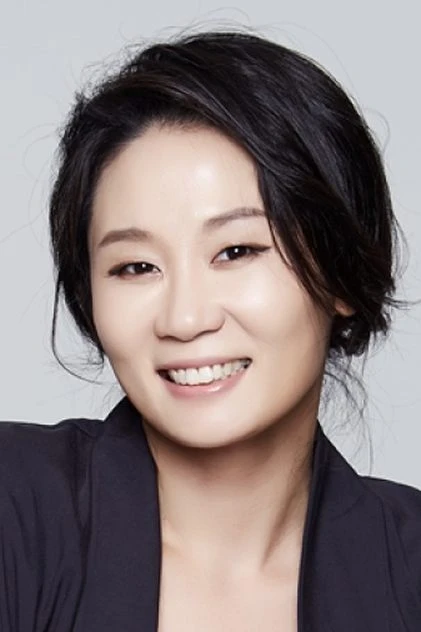
Supporting
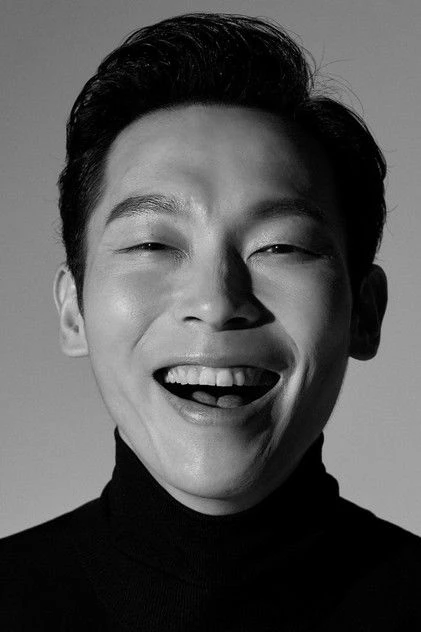
Supporting
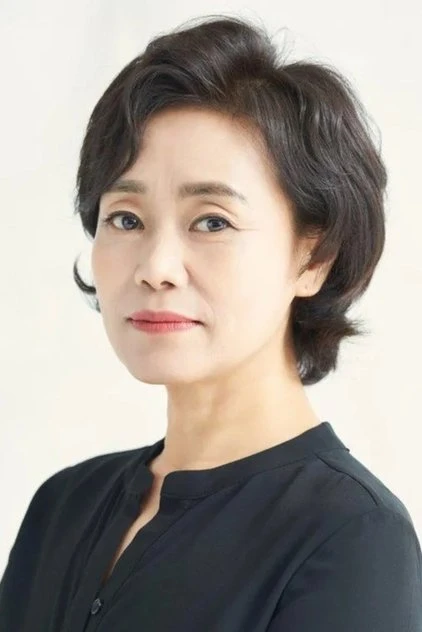
Supporting
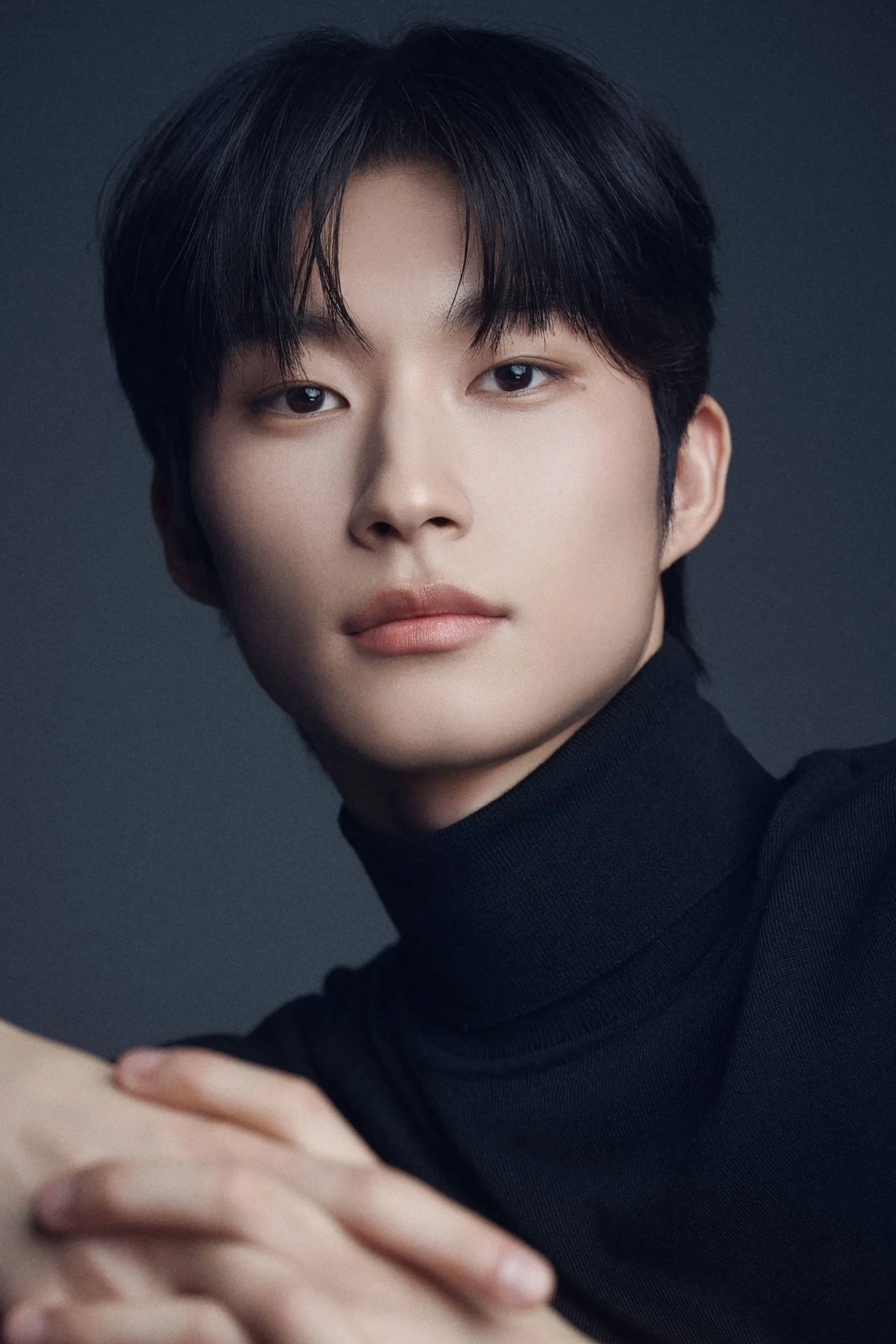
Supporting
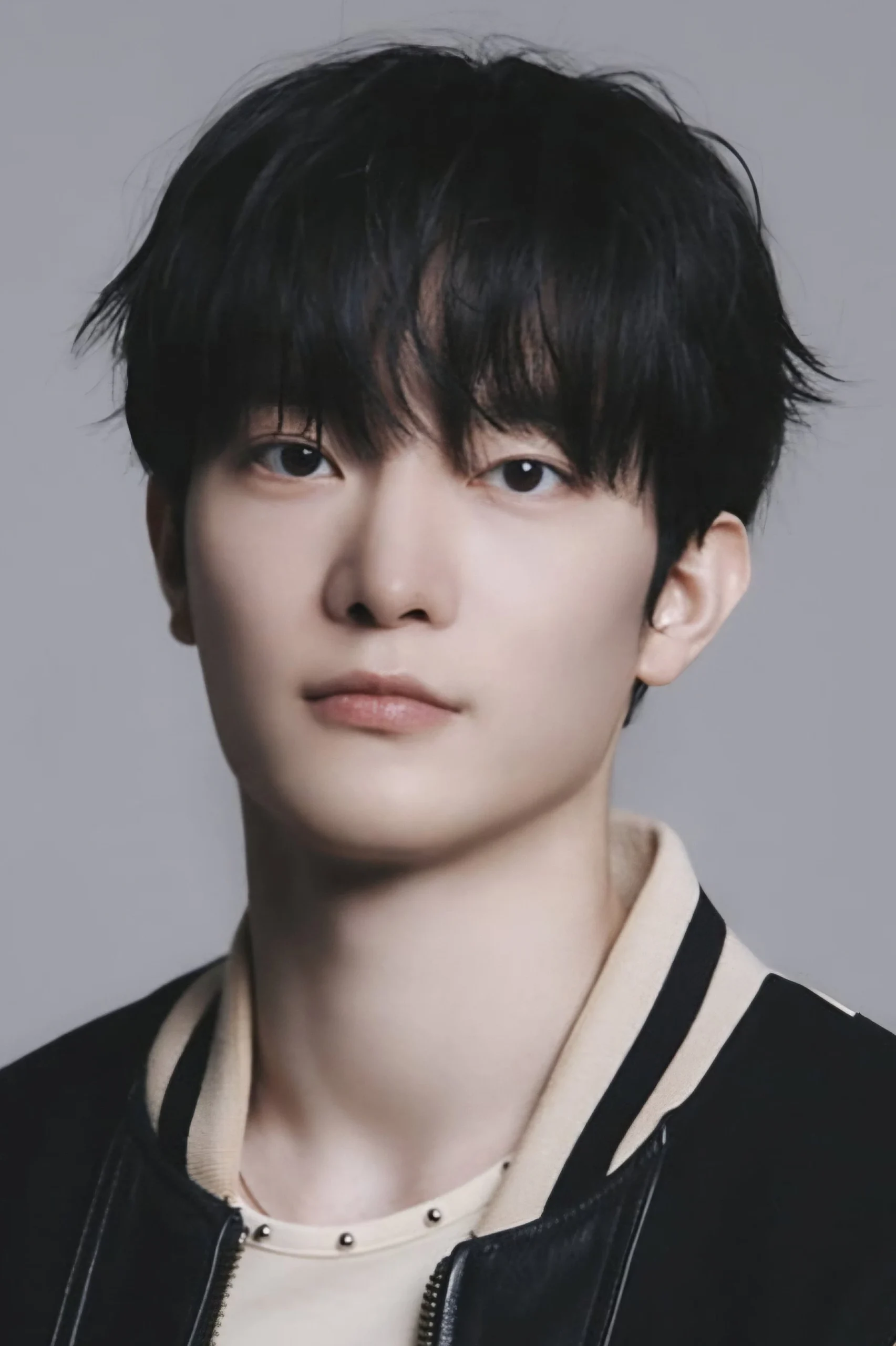
Supporting
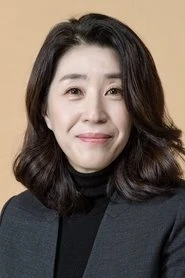
Supporting
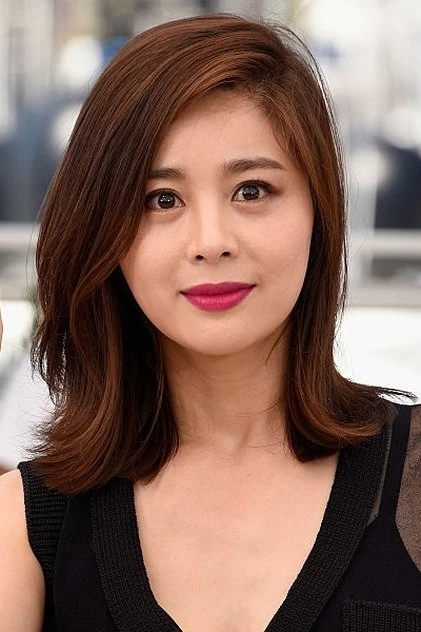
Supporting
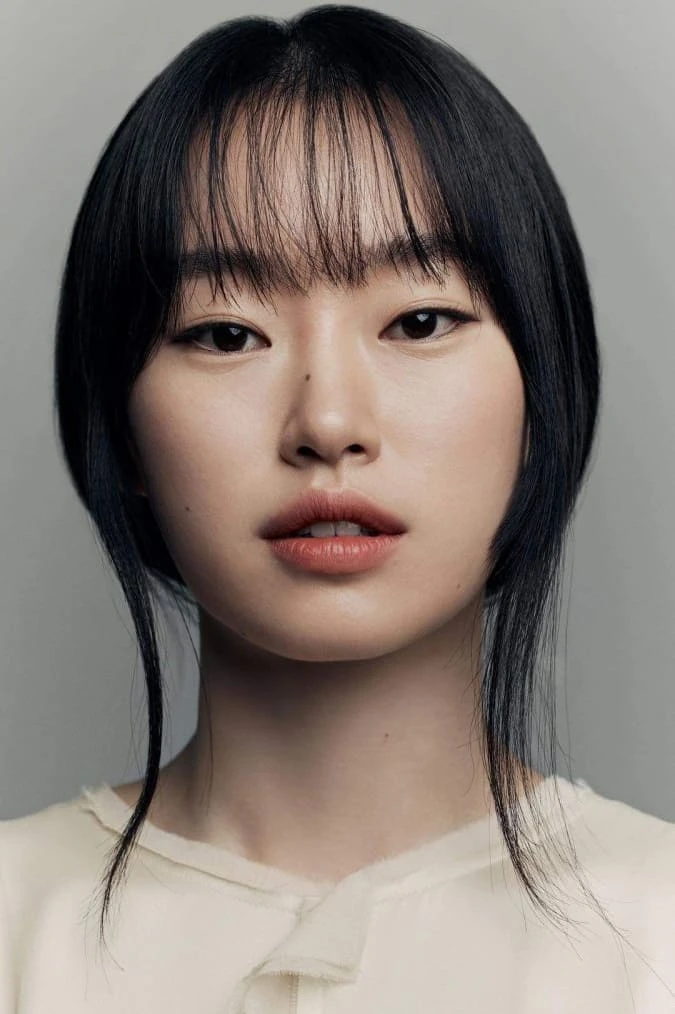
Supporting
📺 Episode Guide
Light-touch recaps to keep you oriented, episode by episode.
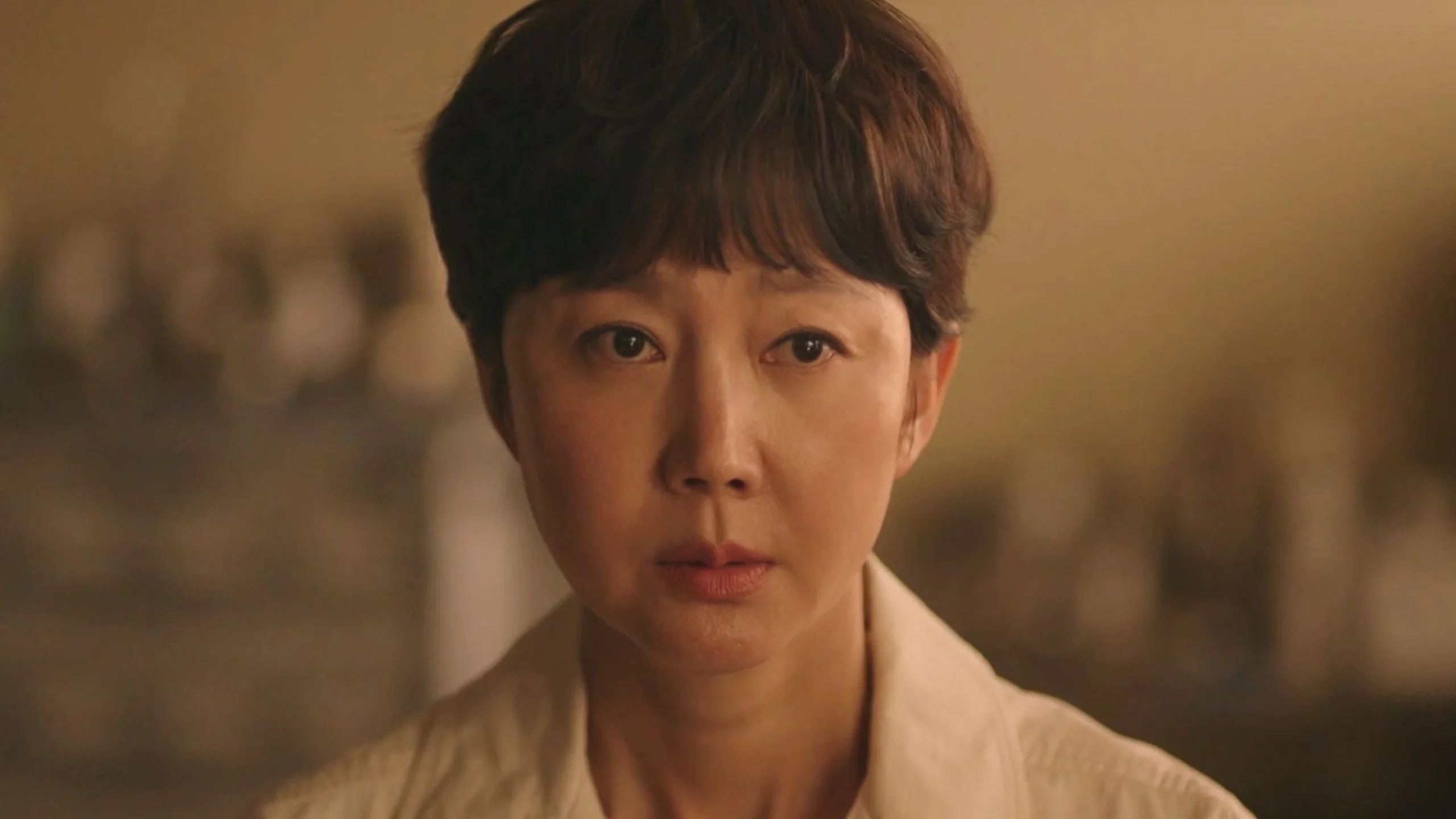
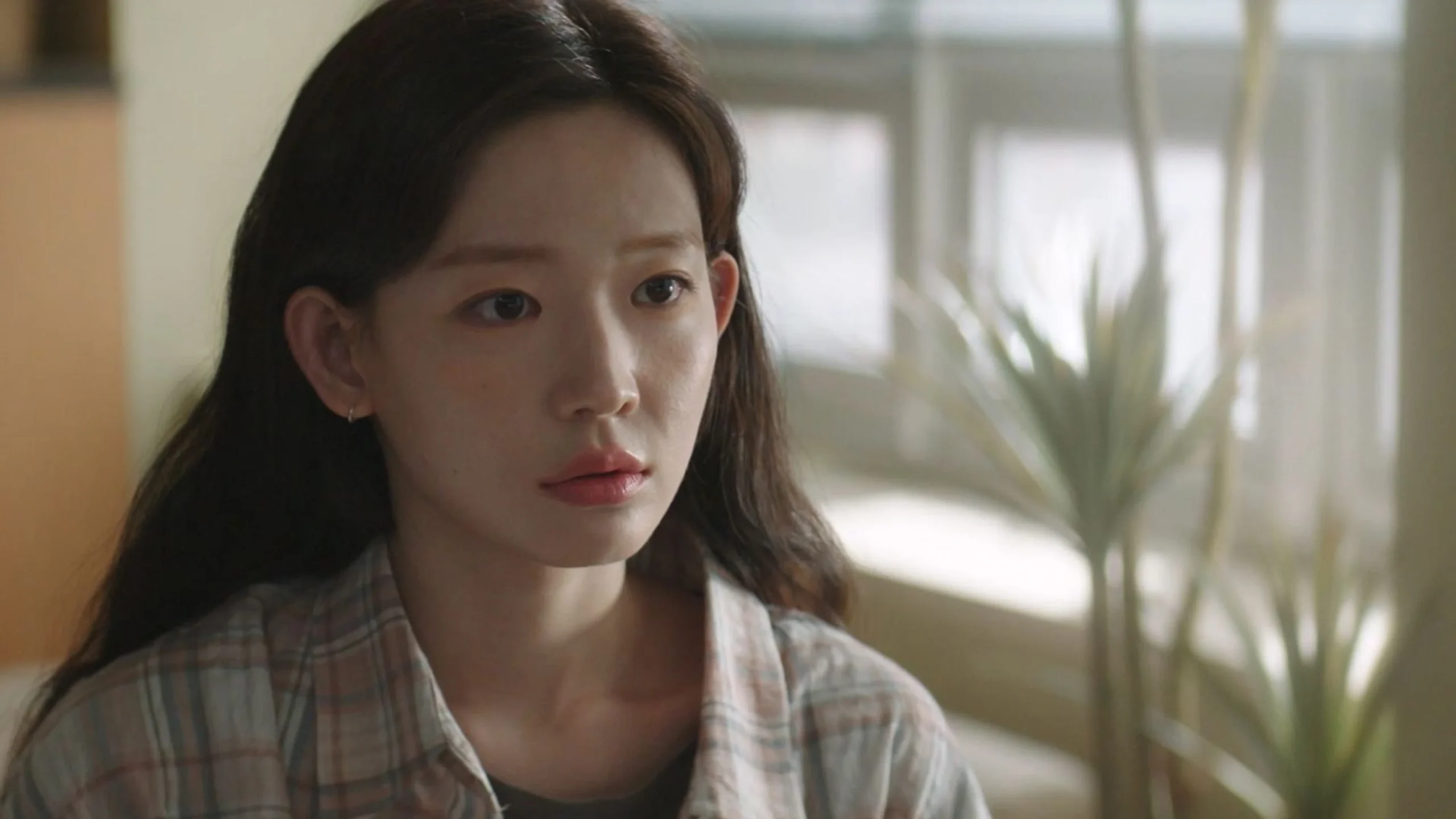

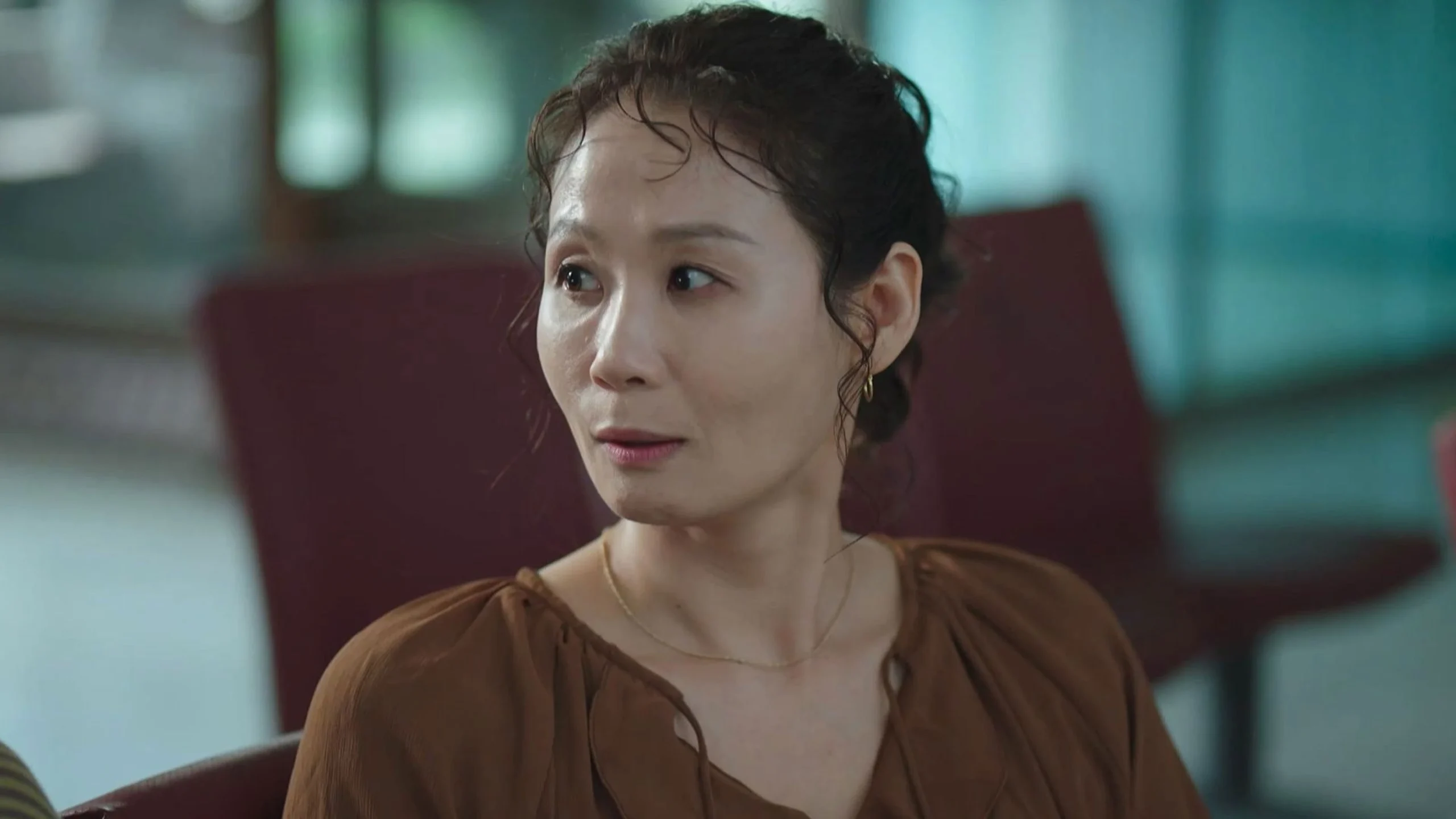
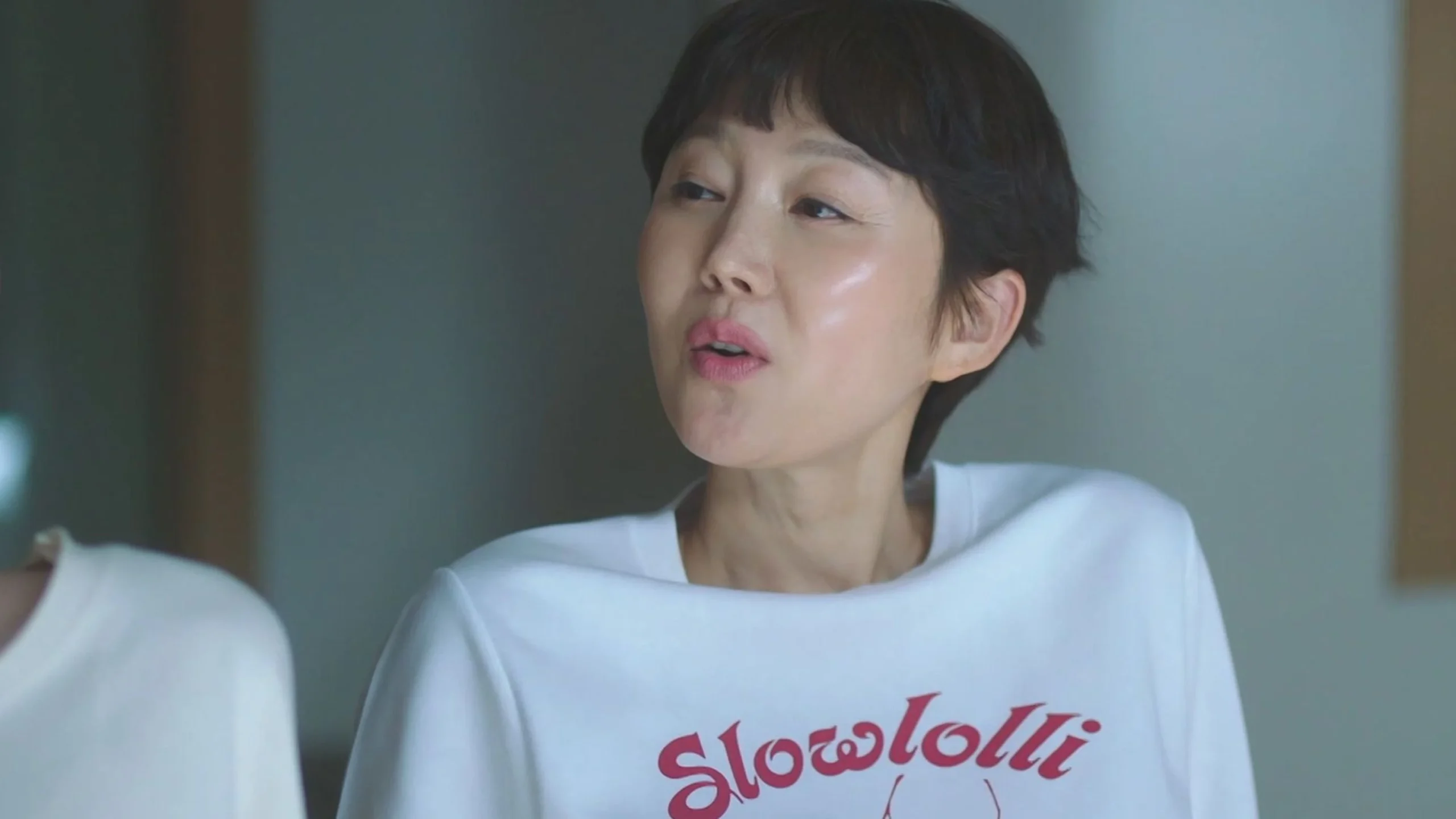
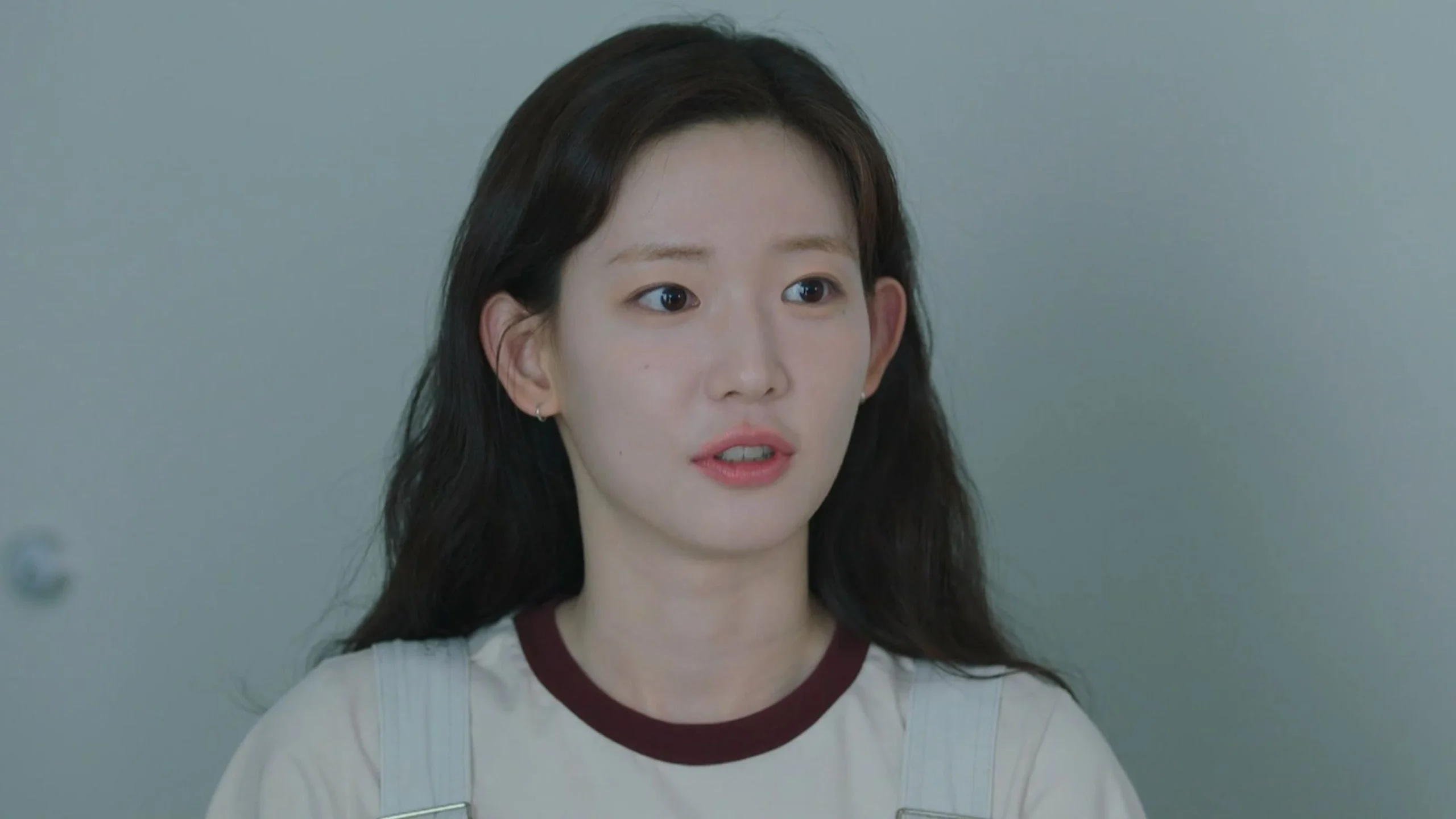
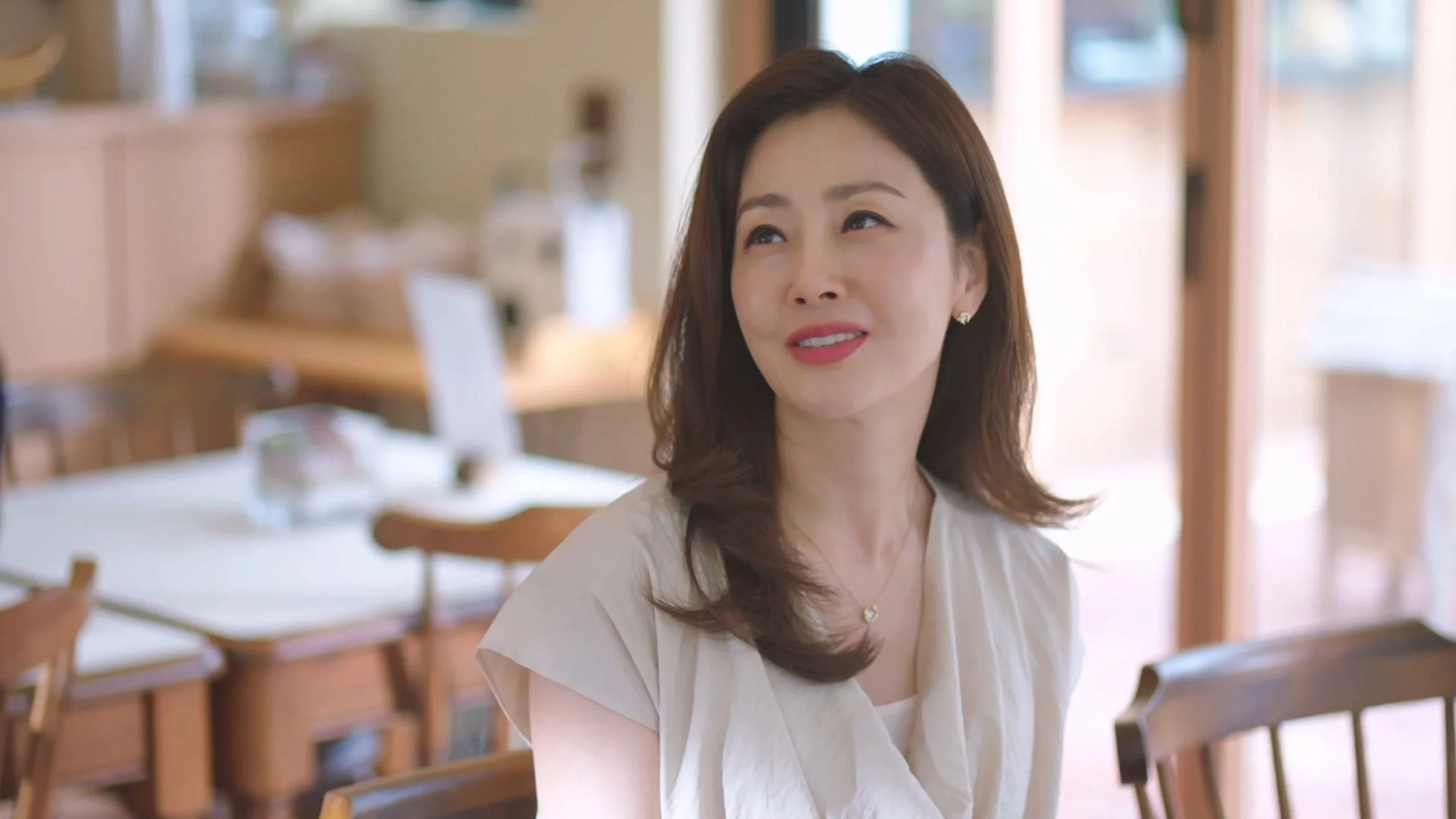

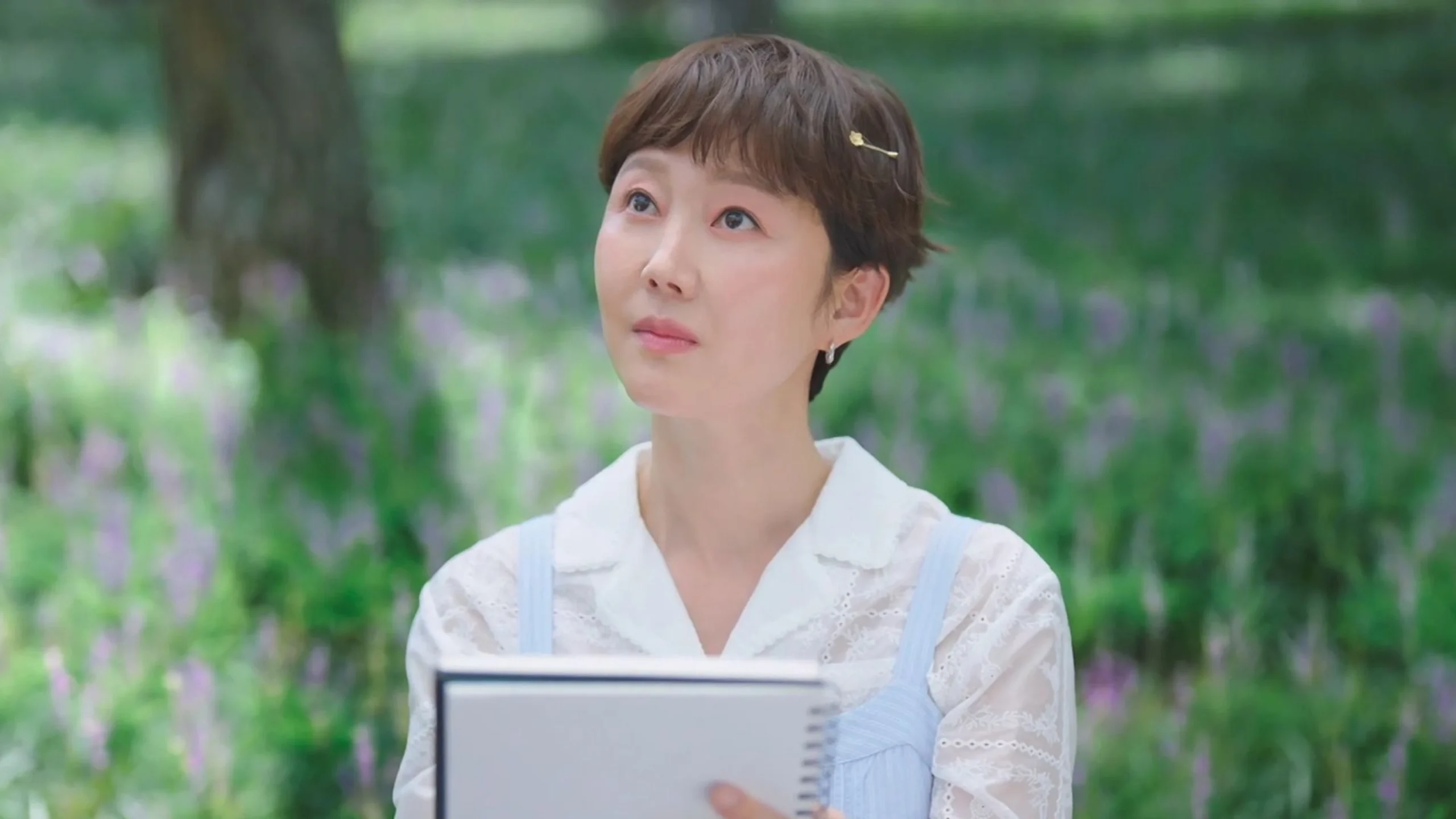
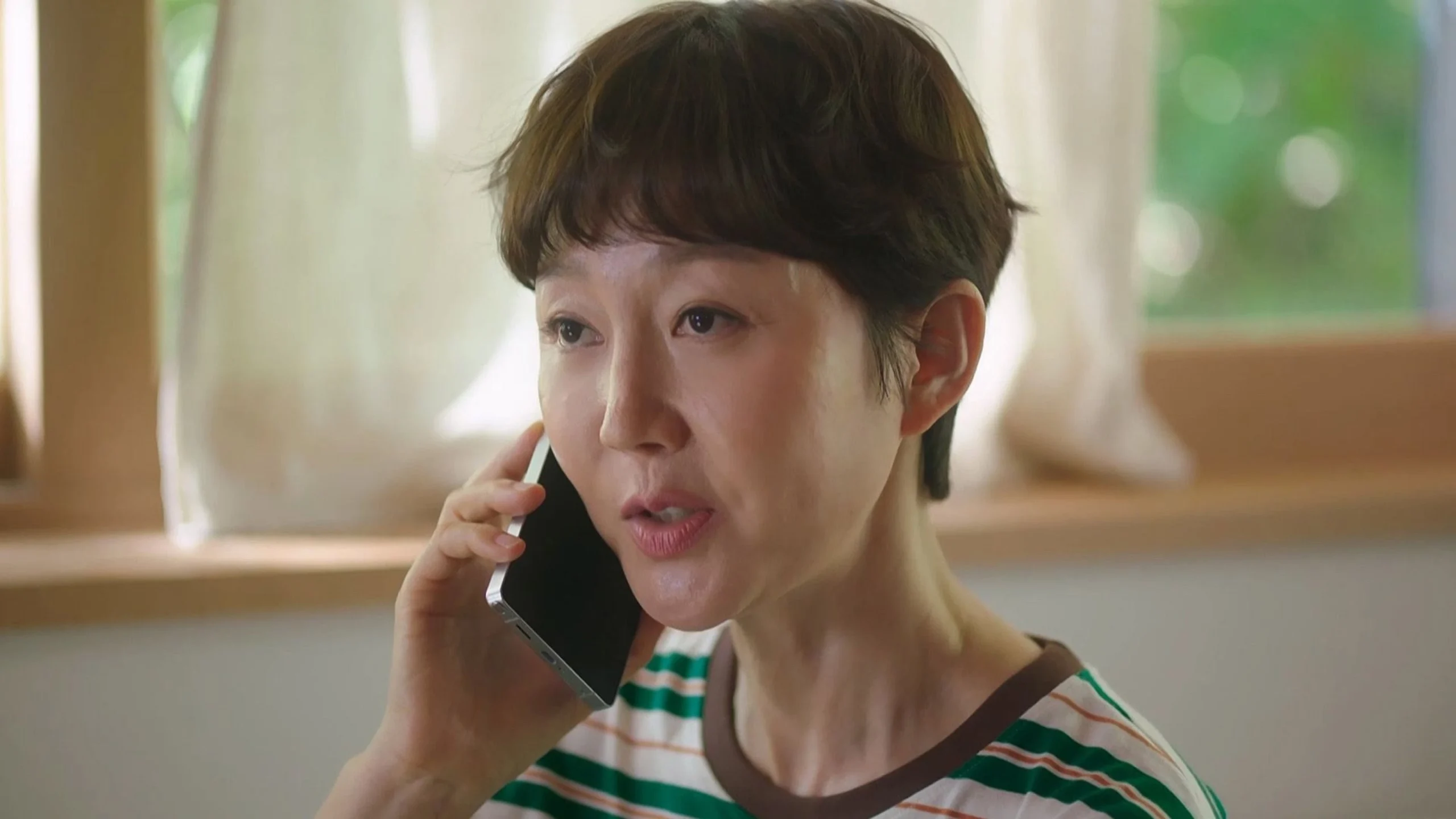
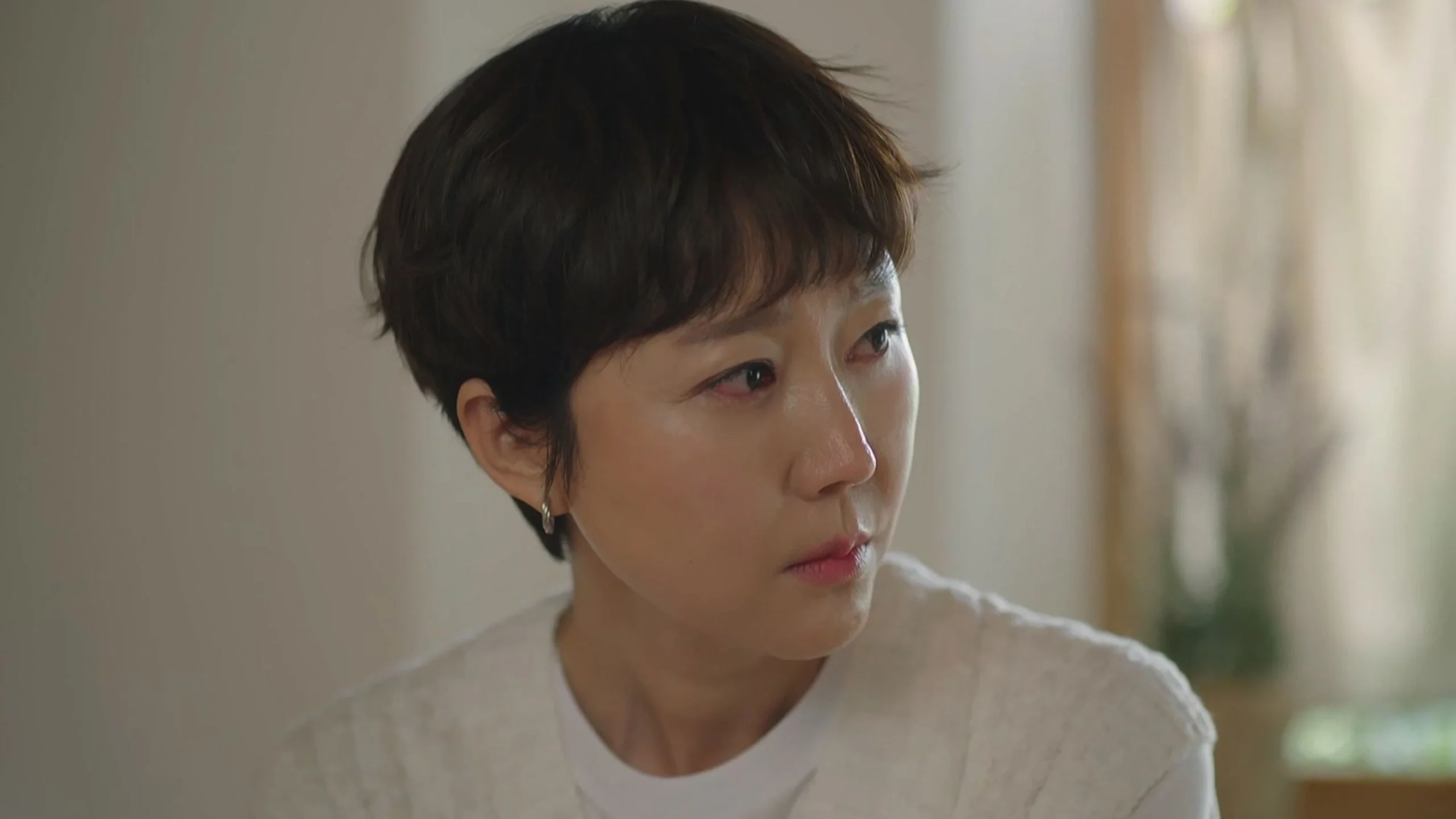
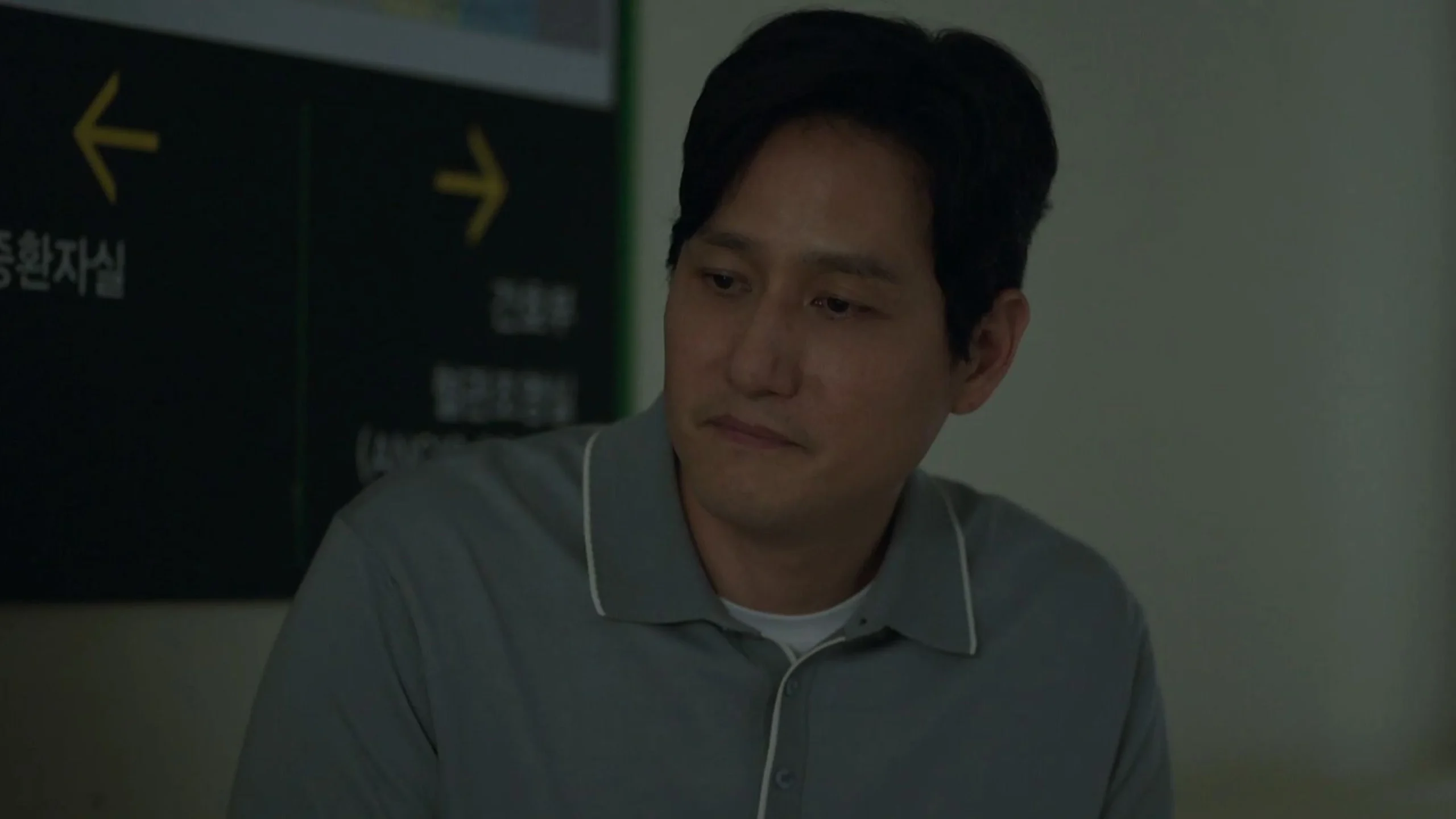
🏁 Ending Explained
The finale, explained in full. Spoilers ahead.
What actually happened Hyo-ri’s surgery succeeds, resolving the season’s central medical crisis, but recovery isn’t instant — she deals with temporary language and memory impairment that makes her withdraw before her mother, Bo-hyeon, and the found family Cheonghae built around her bring her back. Ji-an and Jeong-seok end the season together, her second chance at love intact. Mun-hui, the woman who once claimed to be Ji-an’s mother, finds real healing in the family she’s adopted instead of biologically joined. Seon-yeong’s restaurant thrives, a small but concrete symbol that everyone in this story ends up building something that lasts. The finale closes with Ji-an and Hyo-ri traveling abroad together.
Why “my mother is my first love” matters The line Hyo-ri says mid-surgery instead of the one she’s asked to say is the whole show in miniature. Love, Take Two spends twelve episodes arguing that the romantic kind of first love and the maternal kind aren’t actually different categories — they’re both about someone choosing you before you can choose them back. Hyo-ri saying it under anesthesia, without the filter of performing it for anyone, is the show’s way of proving the theme instead of just stating it.
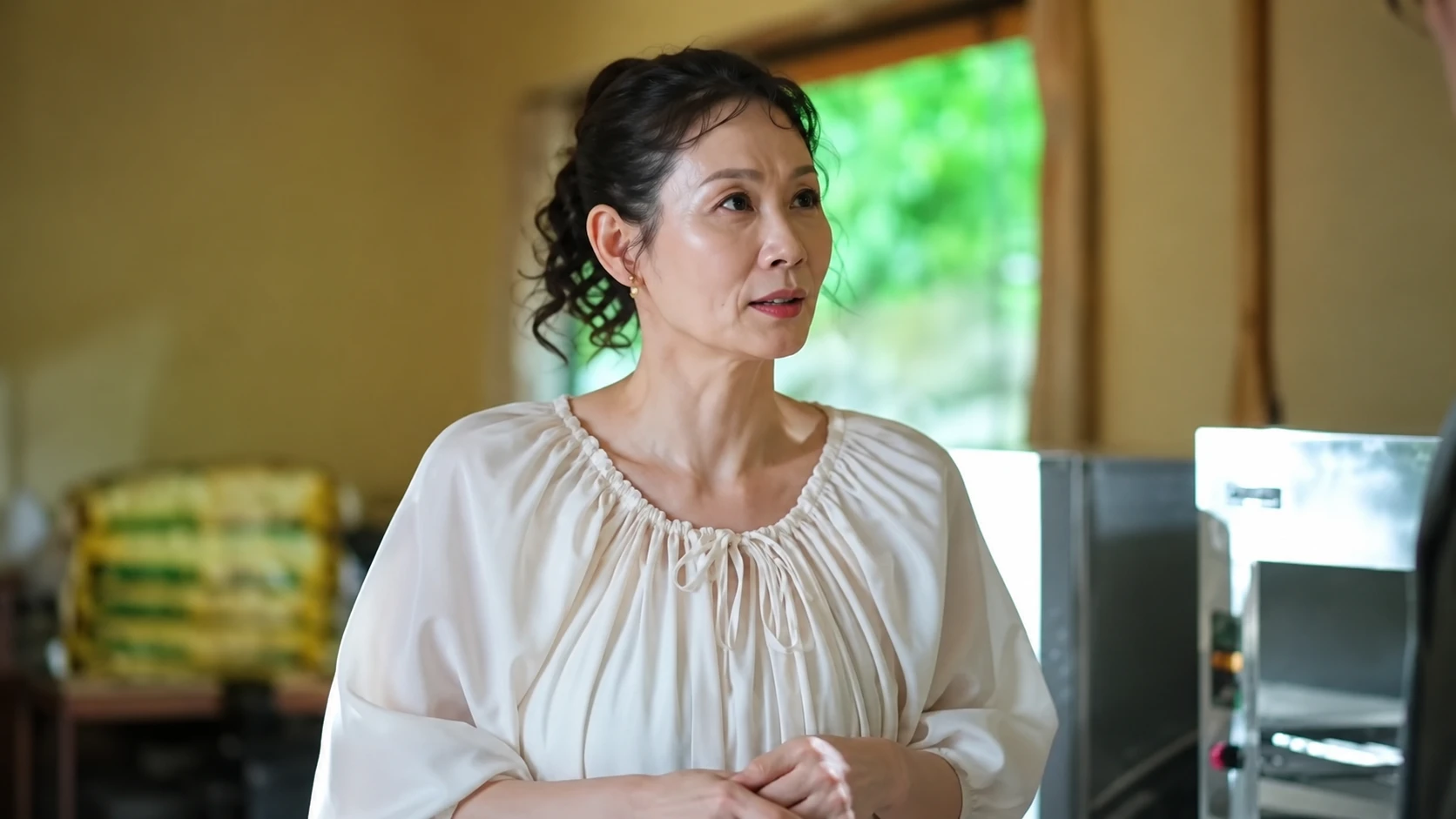
What Mun-hui’s story was really about Mun-hui was never actually Ji-an’s mother — she’s a retired doctor whose grief over her own lost daughter curdled into a delusion she clung to. The show could have played that as a cruel twist, a false hope dangled and yanked away. Instead it lets Ji-an and Hyo-ri choose her as family anyway, delusion and all, which reframes the whole season’s argument about what family actually requires. Blood was never really the qualifying test — showing up consistently was.
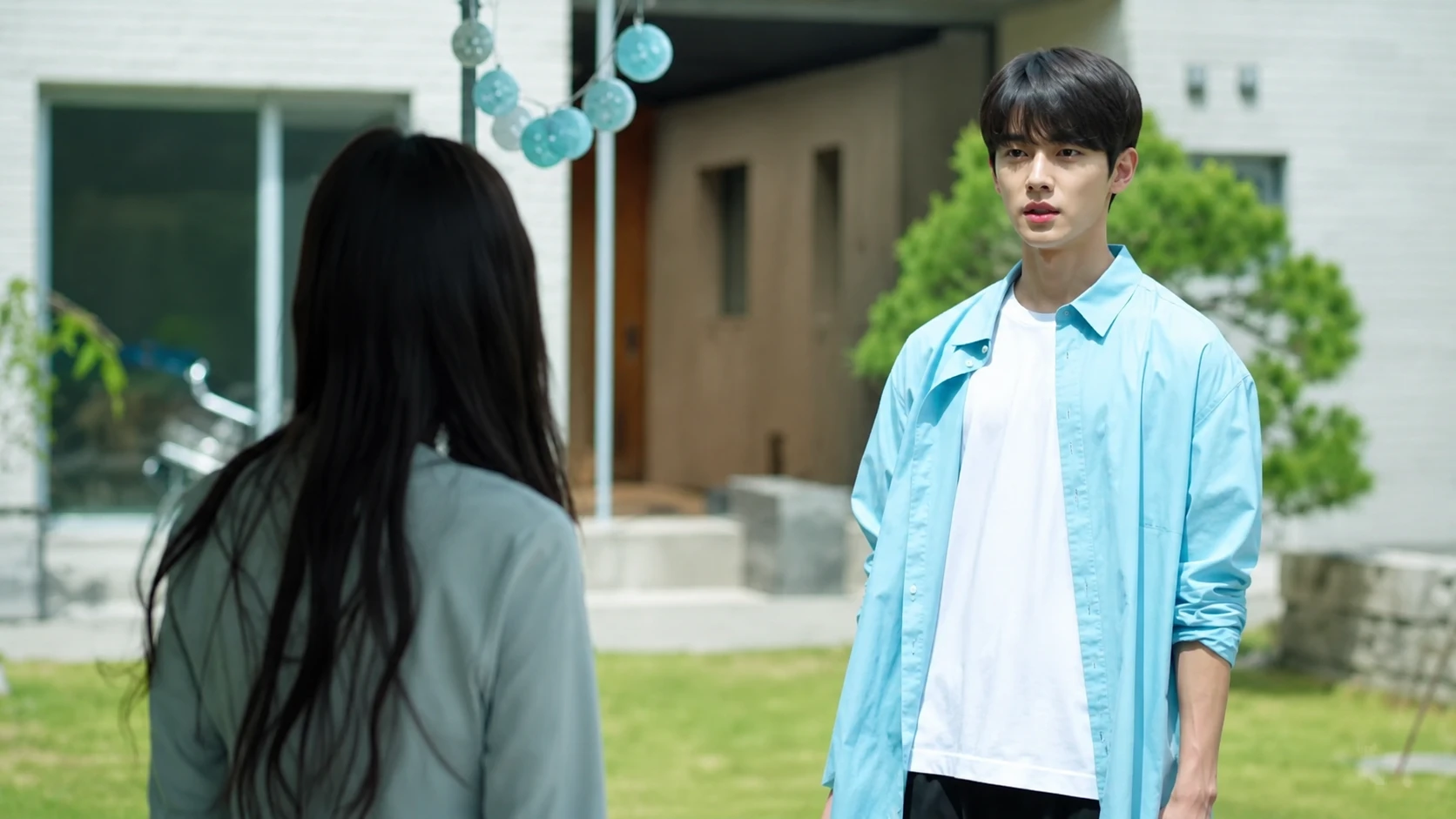
Why Jeong-seok’s promise landed Jeong-seok telling Hyo-ri he’ll never let her mother feel alone — then following through on it in real time with Ji-an — is a smaller beat than the surgery, but it’s the one that actually earns the finale’s romance. Nothing about Ji-an and Jeong-seok’s reunion depended on rescuing her from anything; it depended on him showing up for the parts of her life that had nothing to do with him. That’s a quieter kind of second chance than most K-dramas bother writing.
The KDW verdict Love, Take Two never asks its ending to do more than it’s earned across twelve unhurried episodes, and that restraint is exactly why it works. Nobody gets a miracle; Hyo-ri’s recovery is hard, Mun-hui’s grief doesn’t vanish, and Ji-an’s second chance with Jeong-seok is built on months of small, deliberate choices rather than one big gesture. It’s a finale that trusts healing to look like what it actually looks like — slow, uneven, and worth it anyway.
✍️ KDramaWorlds Editor’s Take
Here’s our honest verdict, and who’s going to love it.
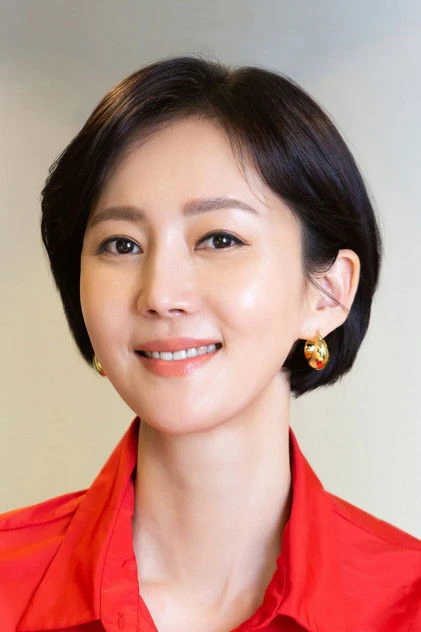
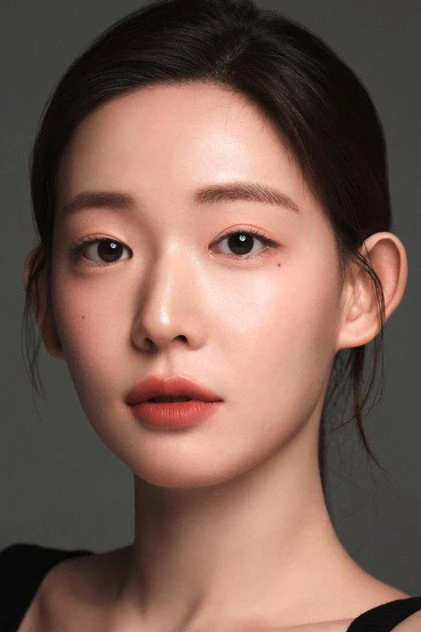
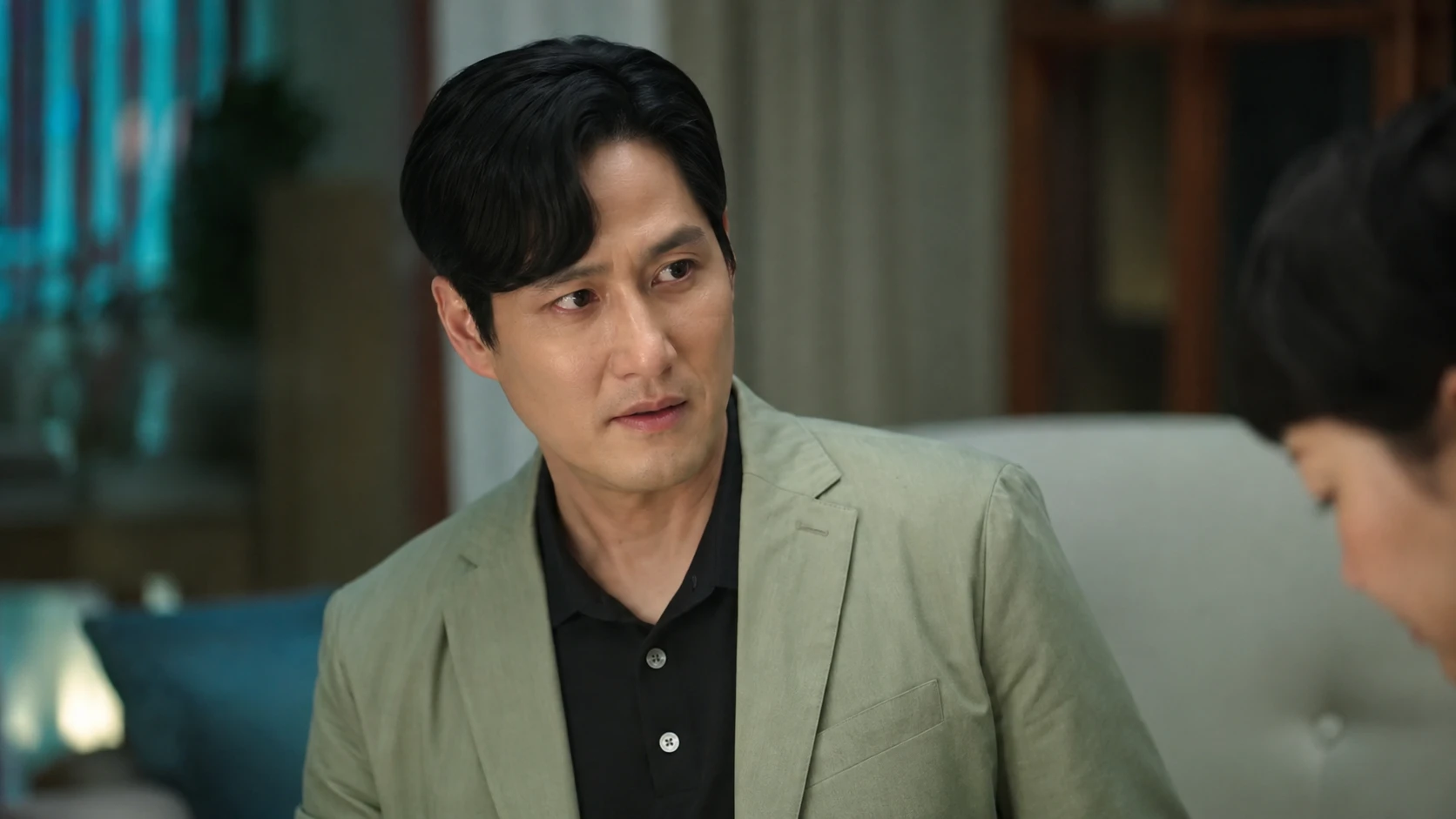
Yum Jung-ah and Choi Yoon-ji do the quiet, hardest work of the show — playing a mother and daughter who genuinely don’t know how to talk to each other without it turning into an argument, then slowly relearning how. It’s the kind of small-town healing romance that shares real DNA with Hometown Cha-Cha-Cha, except here the healing runs through a mother-daughter relationship first and a romance second.

The Mun-hui subplot could have been the show’s weakest link — a grieving stranger who shows up claiming to be a lost relative is a soap-opera device in most other dramas — but Kim Mi-kyeong plays her with enough restraint that the reveal lands as tragic instead of manipulative. It’s the same instinct that made The Good Bad Mother work: motherhood in these stories is never really about biology, it’s about who actually shows up.
Twelve episodes is a tight, disciplined runtime for a show carrying this many relationships — a central mother-daughter arc, two separate romances, a found-family subplot, and a medical crisis — and Love, Take Two mostly earns the balance by never rushing any one thread just to check in on another. It’s slow television in the best sense: nothing here feels skipped.
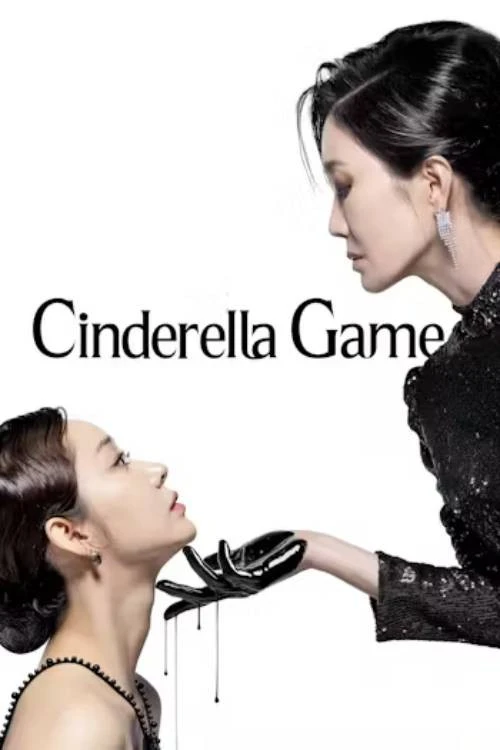
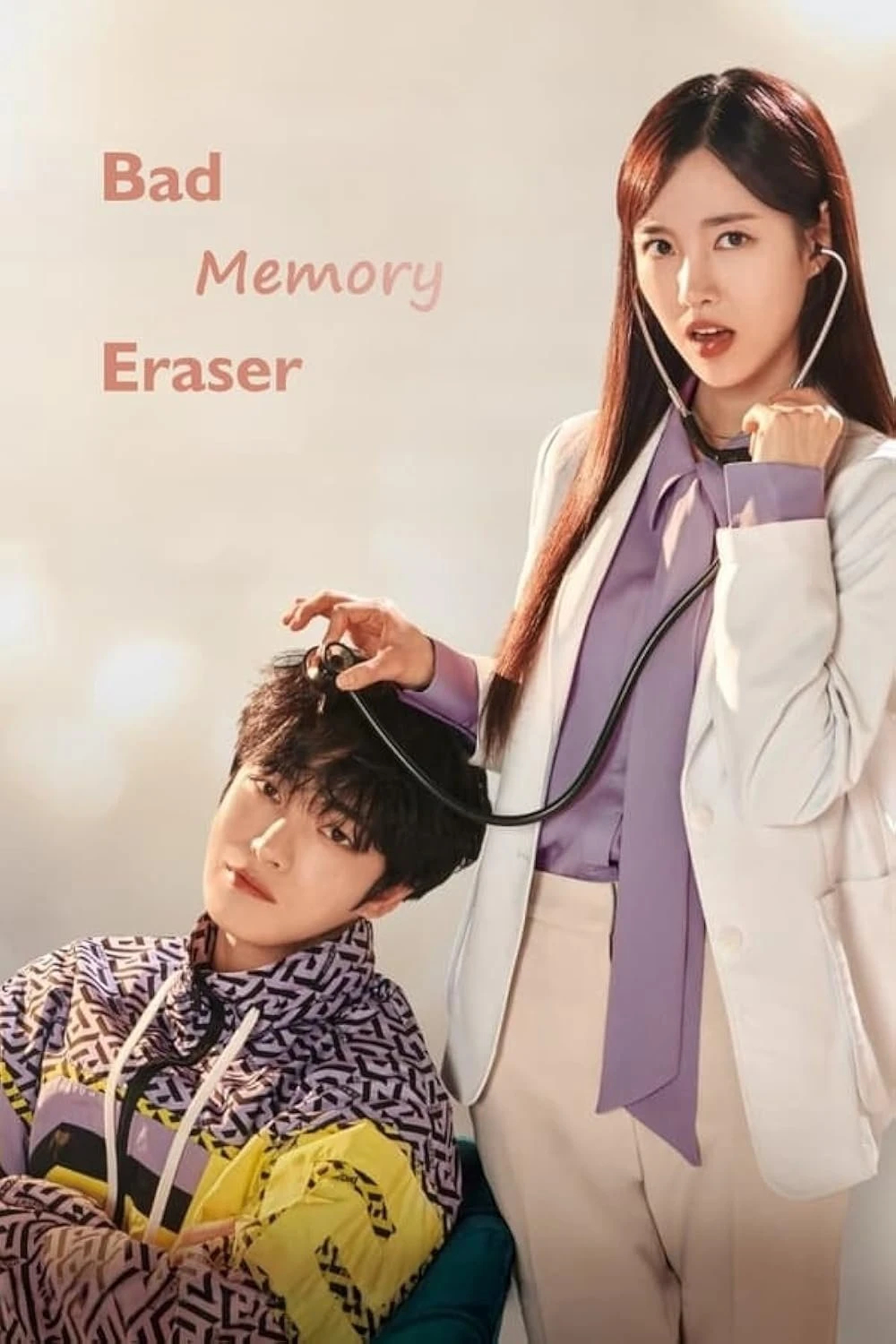
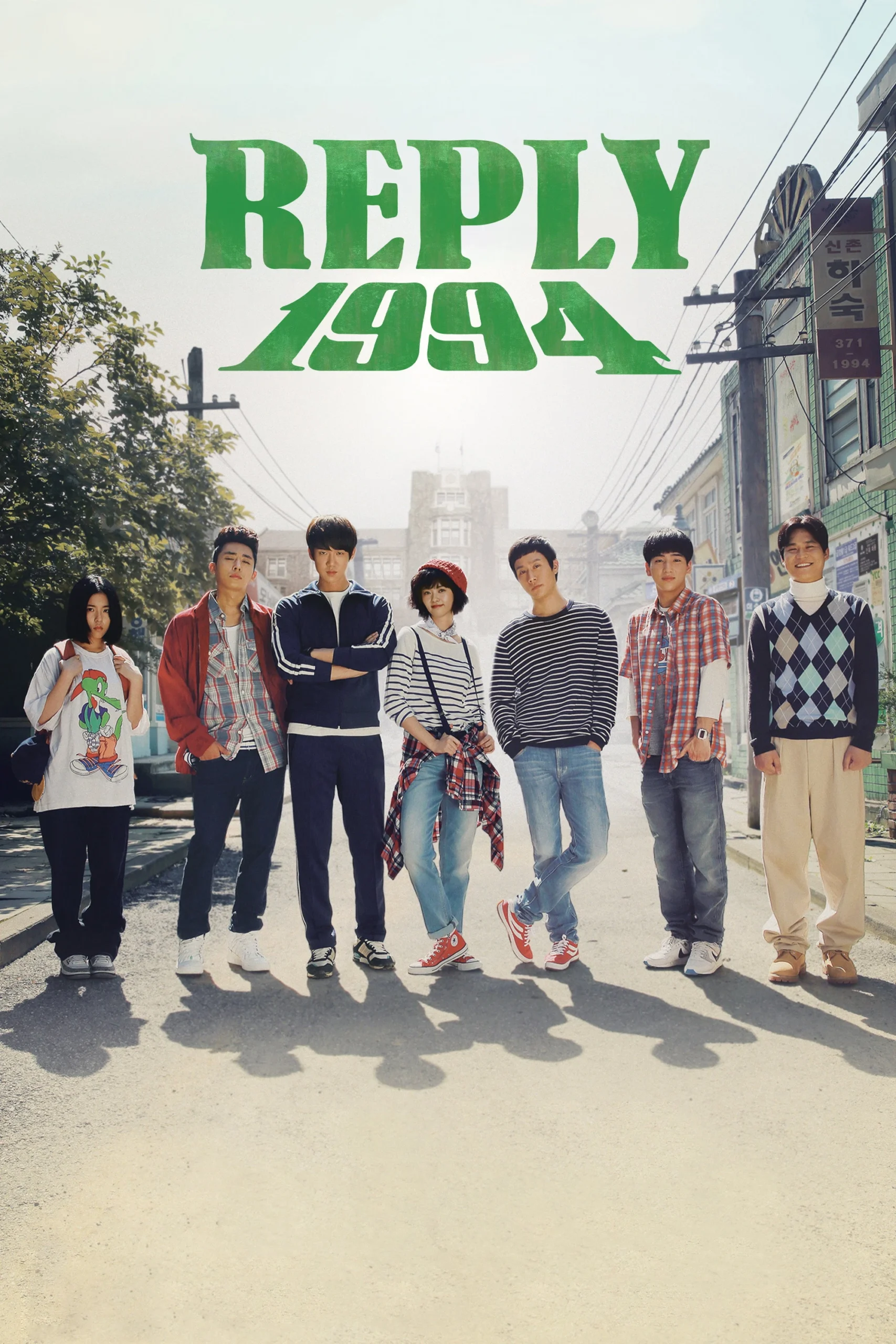
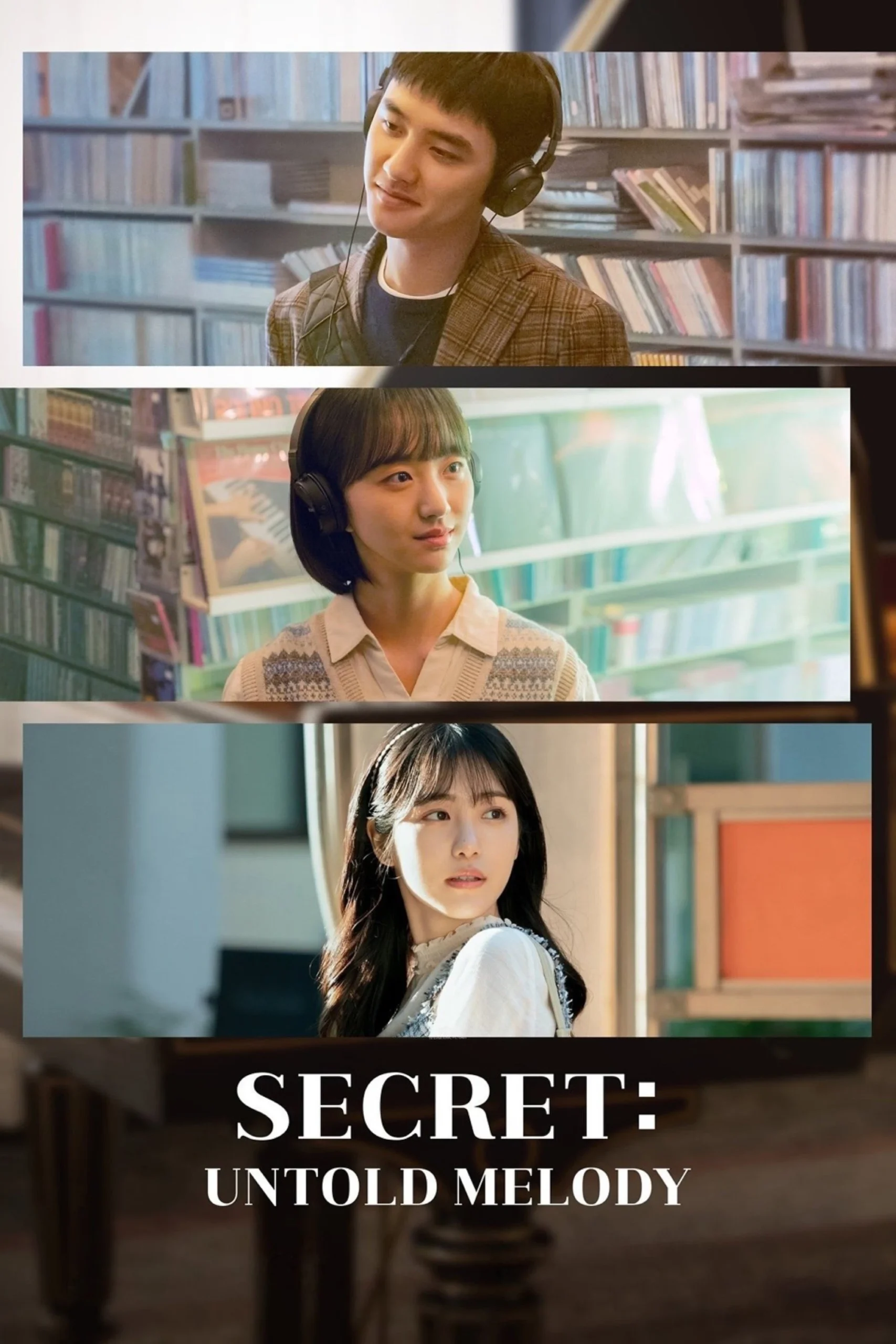
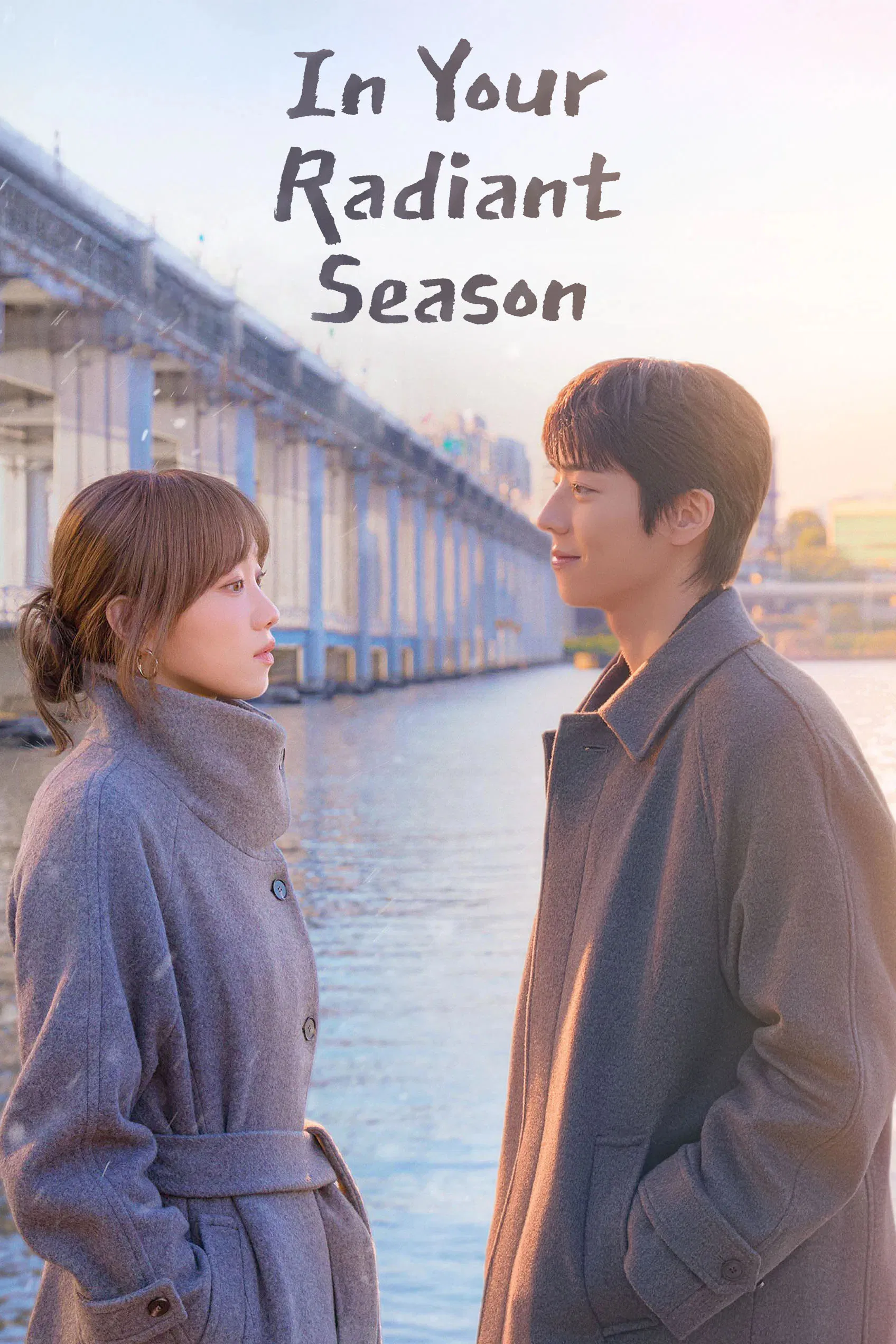
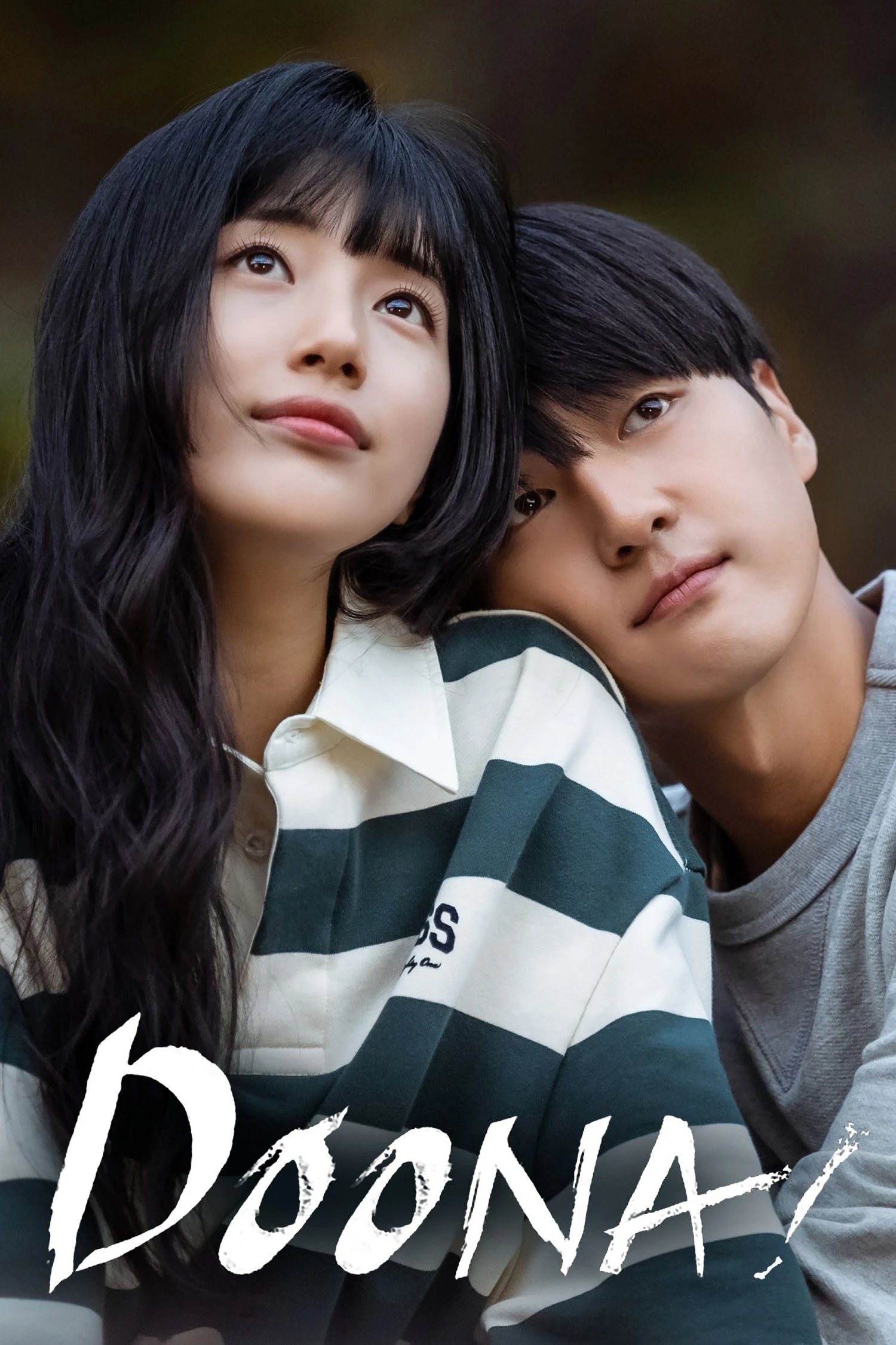
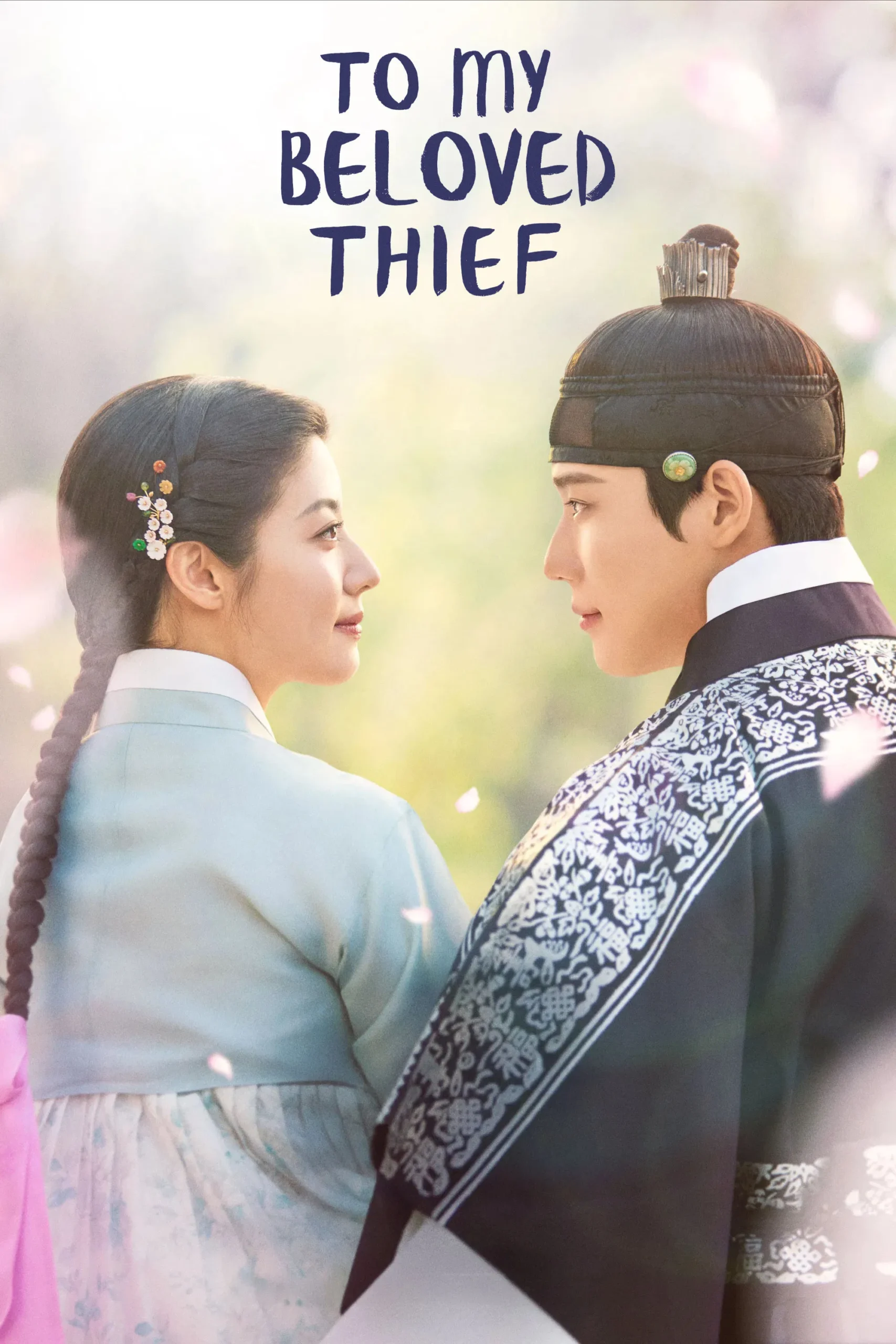
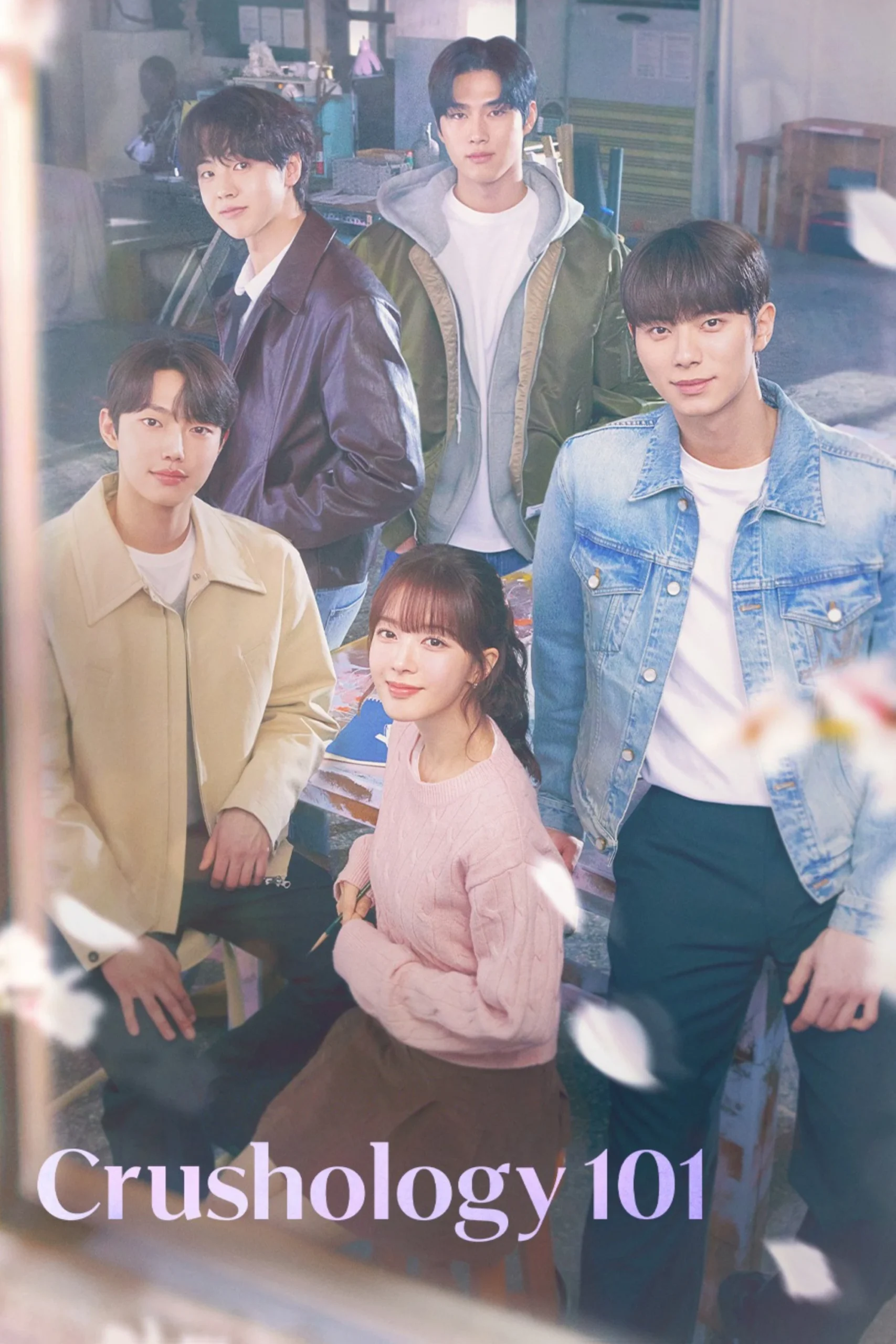
🎬 You Might Also Like
If you liked Love, Take Two, these are your next three watches.
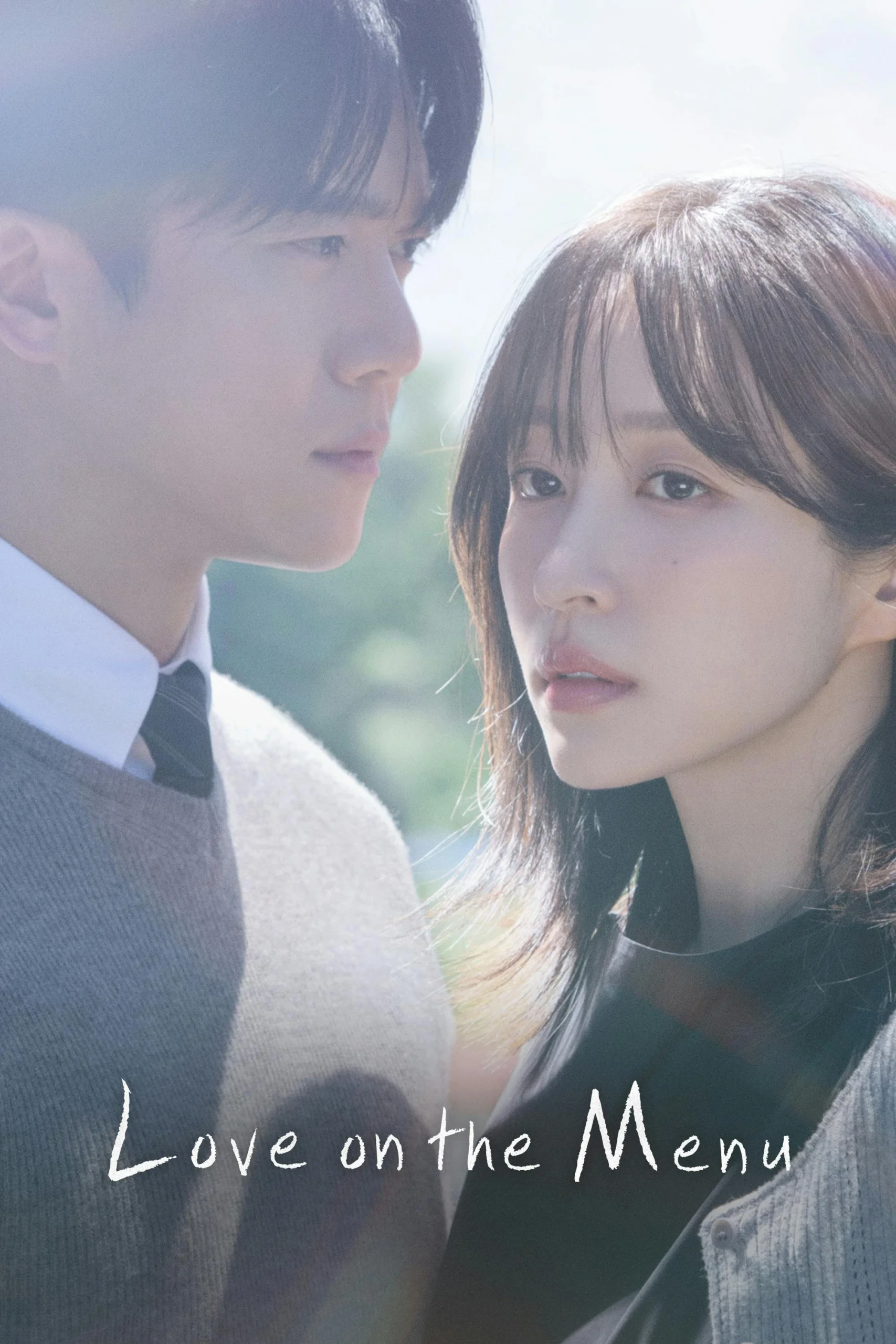 Love on the Menu
ChefClass Differences
Read Full Review →
|
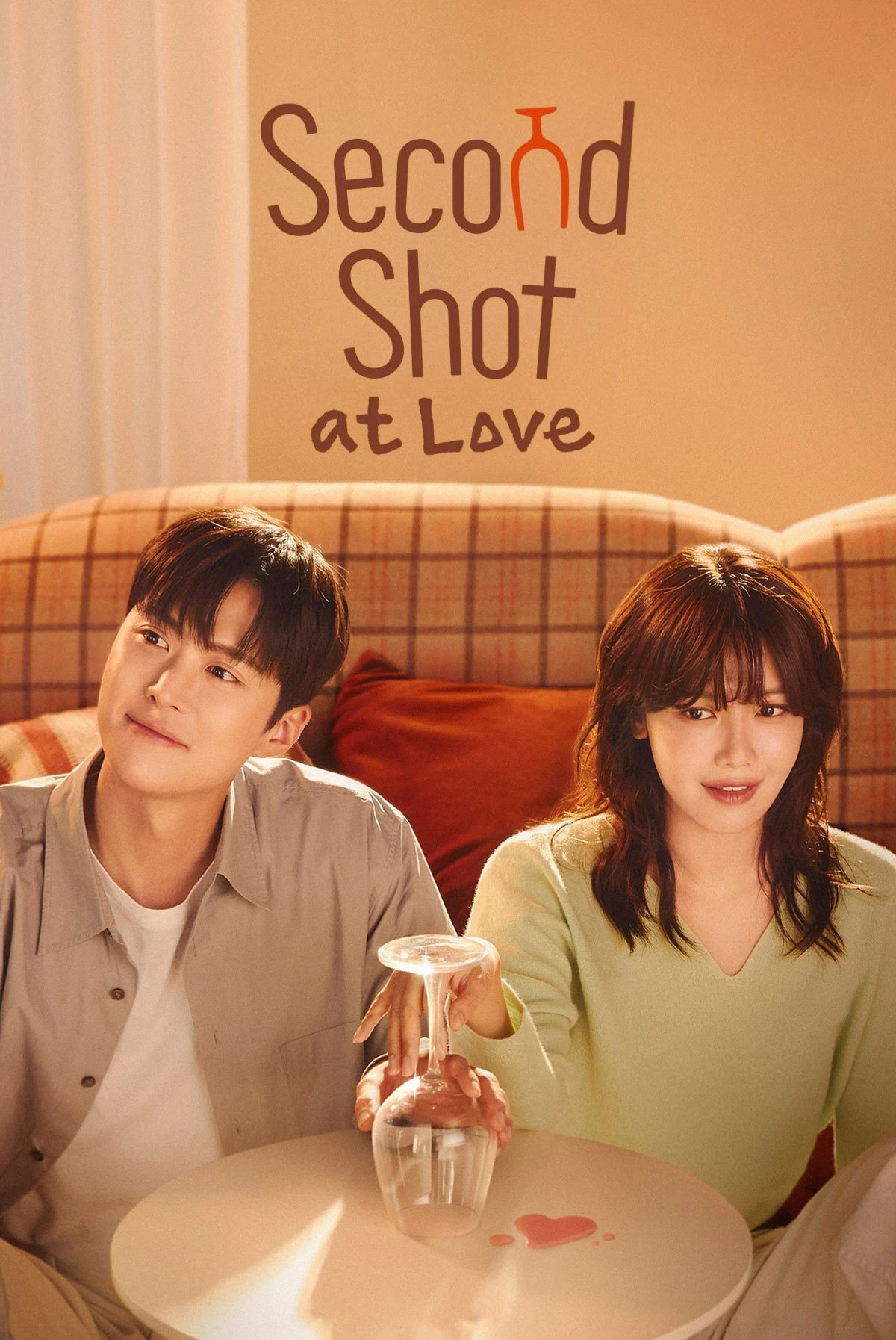 Second Shot at Love
Alcoholism RecoveryHealing
Read Full Review →
|
 Forest
Amnesiachildhood trauma
Read Full Review →
|









Keep it kind, skip the harsh language, and please — no spoilers. Everyone's taste is different, and that's perfectly fine.
This space is for real reactions and discussion from other viewers. Help keep it comfortable for everyone by not giving away major plot details.
What do you think of this drama?
Login to share your review or leave a comment.
No email needed — just pick a username & password.