
The Scarecrow
🎬 Viki · TVING
⭐ 8.1 / 10 MDL
🔞 15+
📋 Drama Overview
Everything you need to know before you hit play.
TVING
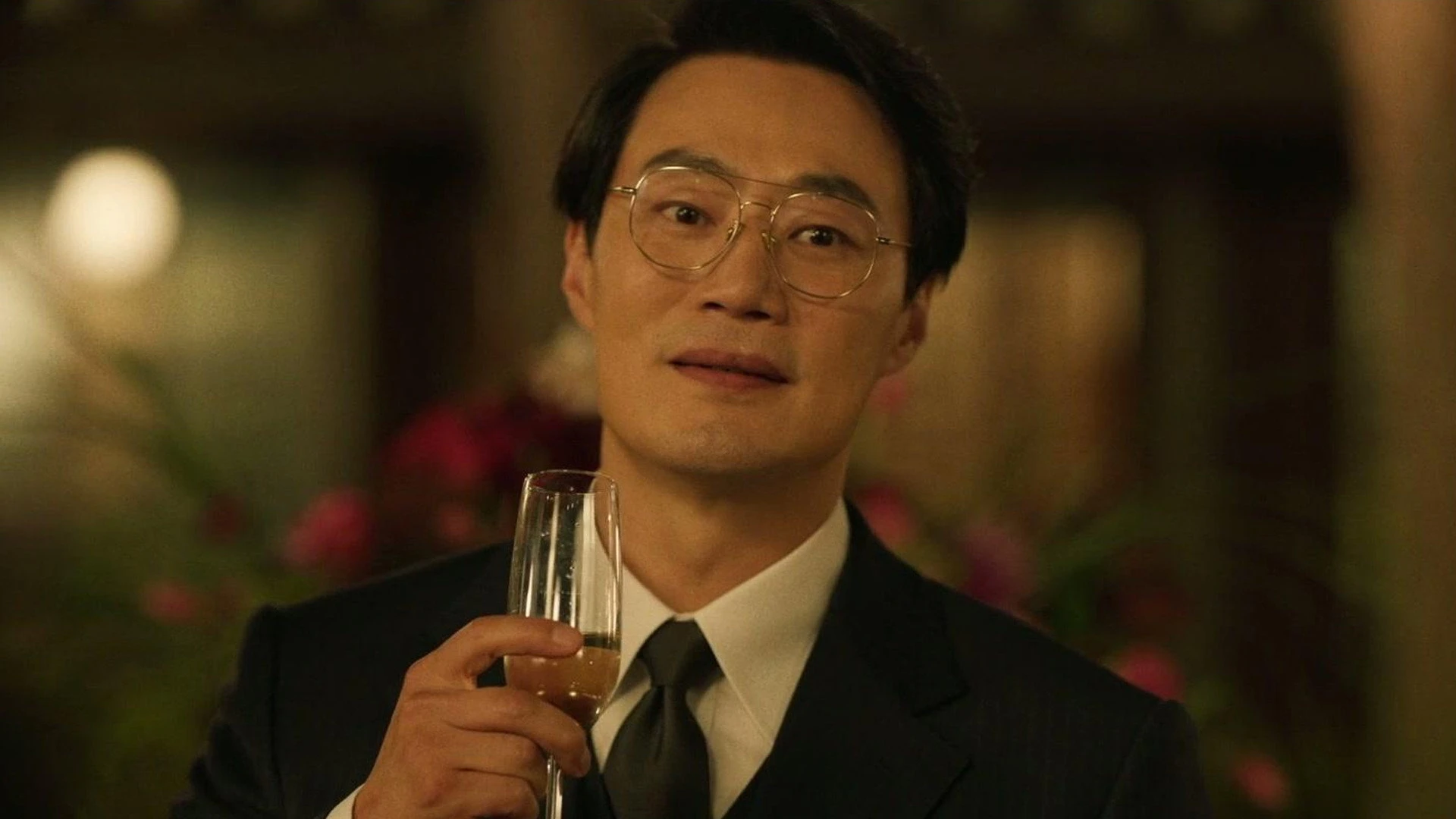
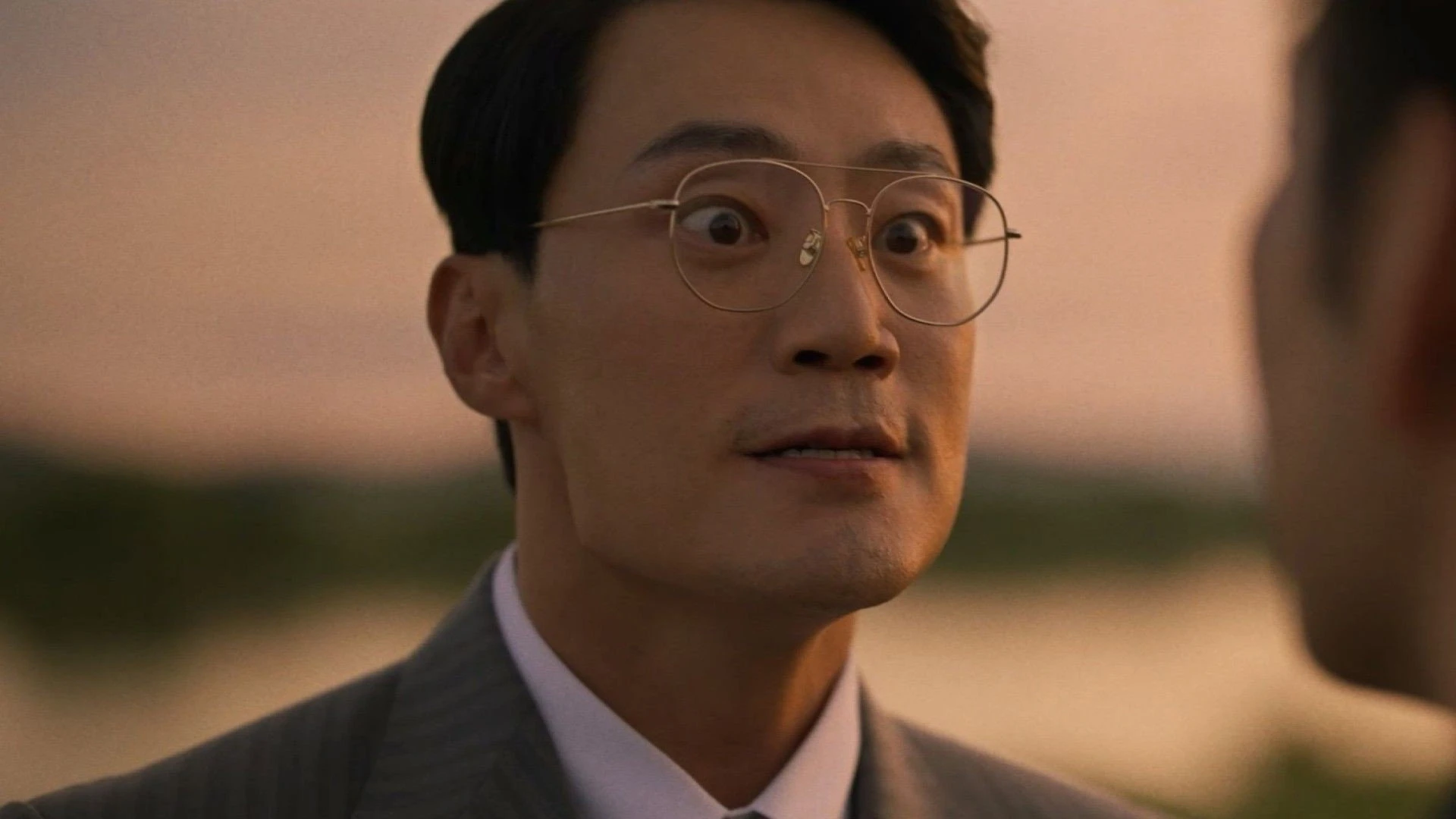
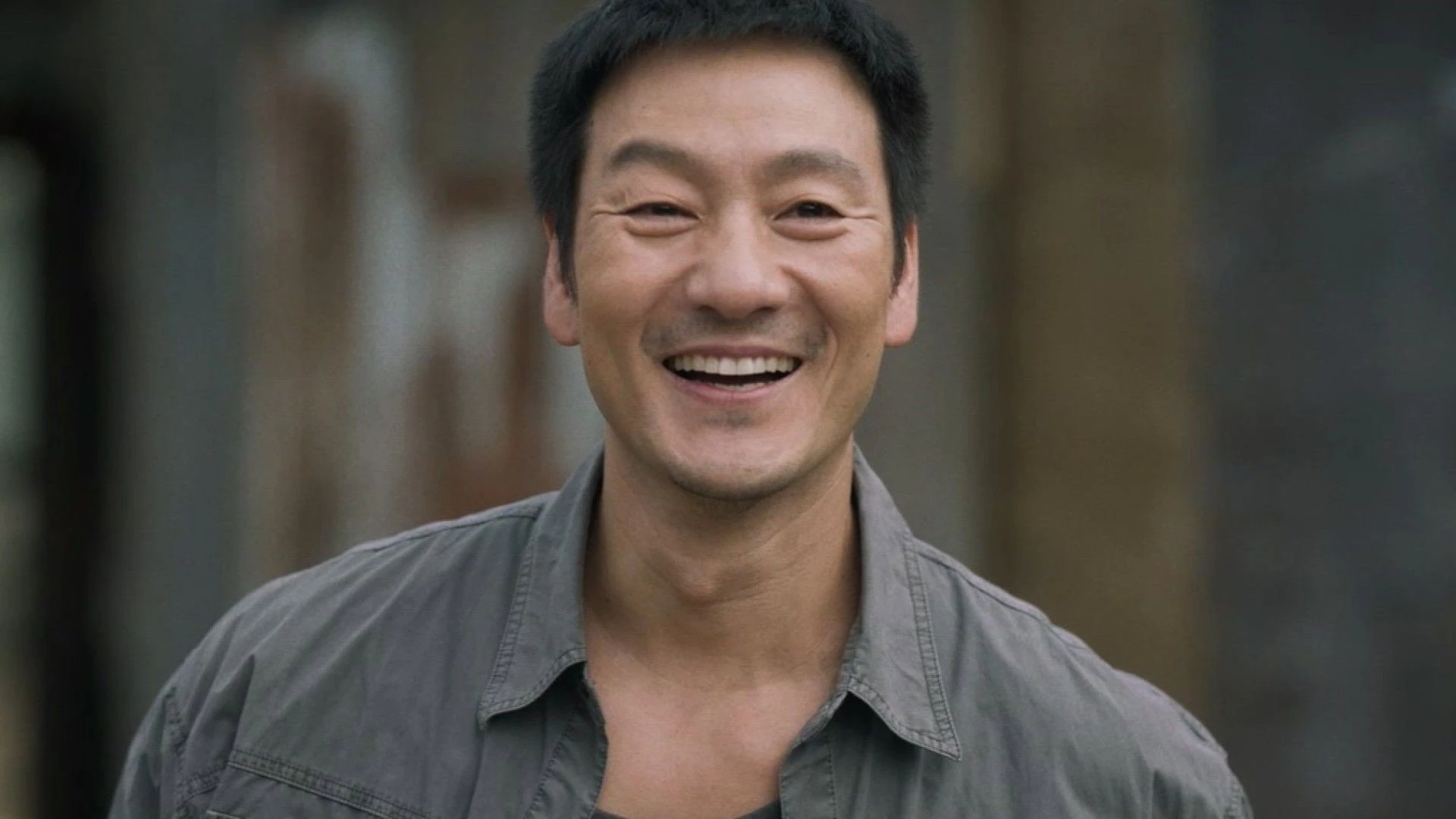
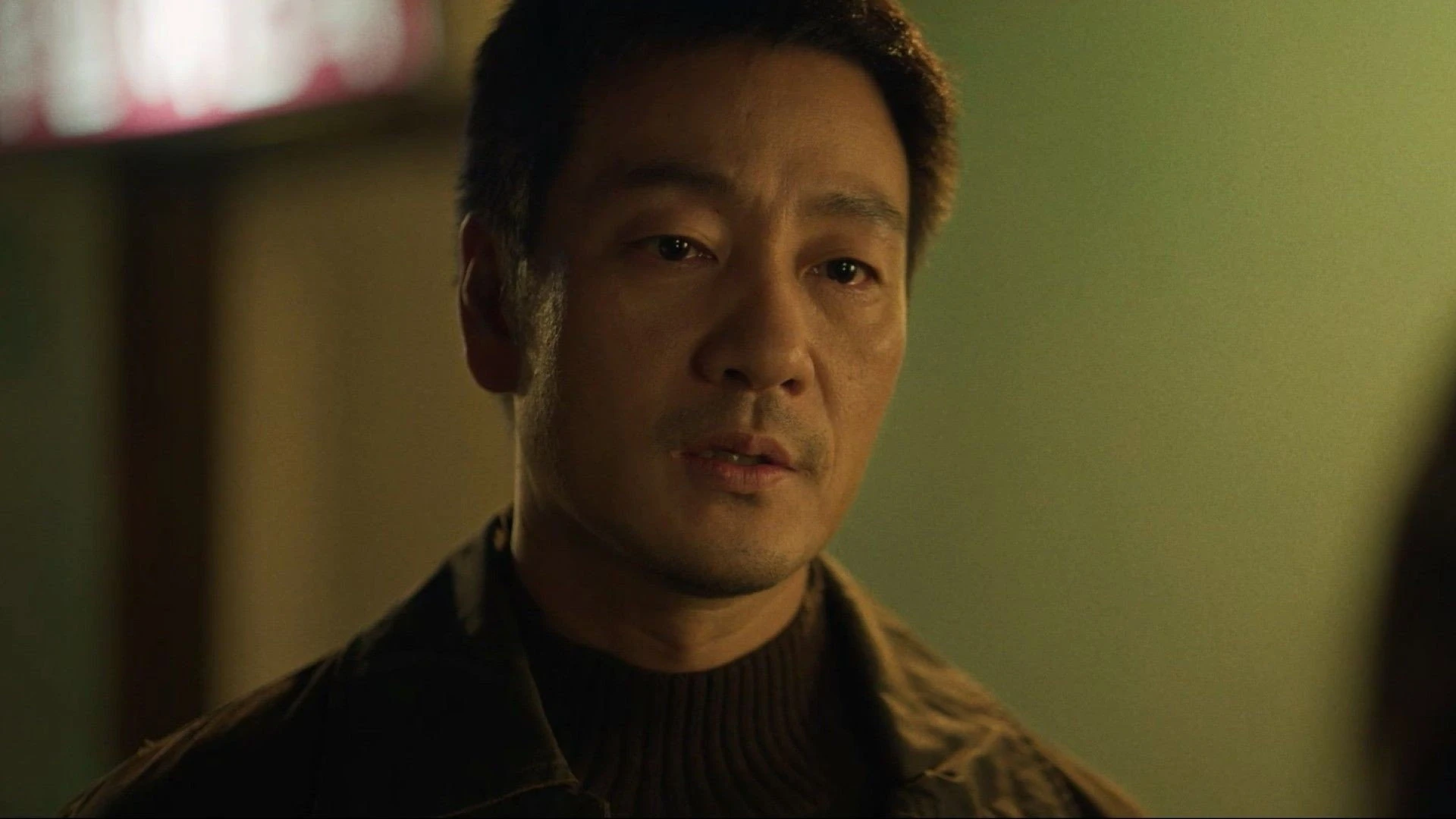
Criminal profiler Kang Tae-ju (Park Hae-soo) has spent three decades trying to leave behind the case that defined — and nearly destroyed — him. The “Scarecrow” serial murders of 1988 left bodies in the quiet town of Gangseong and a convicted man behind bars. When that imprisoned man resurfaces with new evidence claiming his innocence, Tae-ju is pulled back in — this time forced to work alongside Cha Si-yeong (Lee Hee-jun), an ambitious prosecutor with ties to the original case and an agenda of his own.
Two timelines — 1988 and 2019 — run in parallel as the investigation dismantles everything the original conviction claimed to prove. What looked like a solved murder series turns out to be a decades-long cover-up built on institutional pressure and deliberate misdirection. The real question shifts from who the killer is to why the truth was buried — and who had the most to lose if it ever surfaced. As the case deepens over 12 episodes, every answer uncovers a new layer of guilt, power, and the cost of uncovering what was buried for 33 years.
12 / 12 ✅ Completed
⚡ Quick Verdict
One box. Everything you need to decide.
· MDL Score · 1,489 ratings
▶ Official Trailer
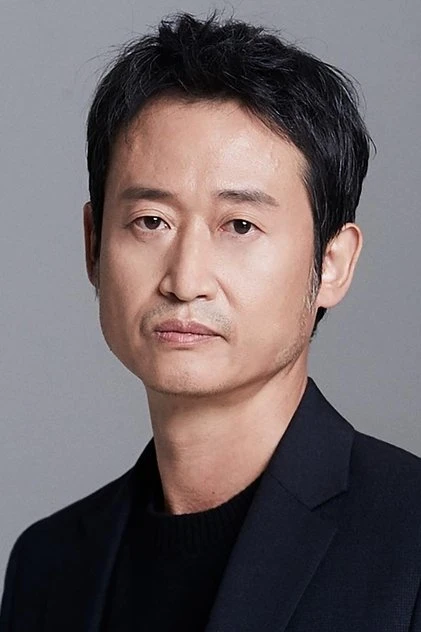
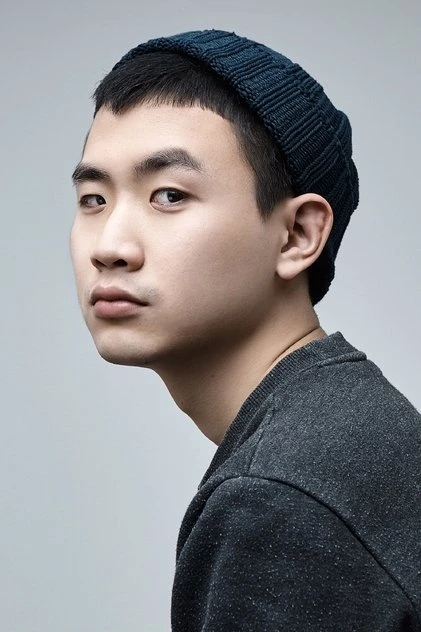
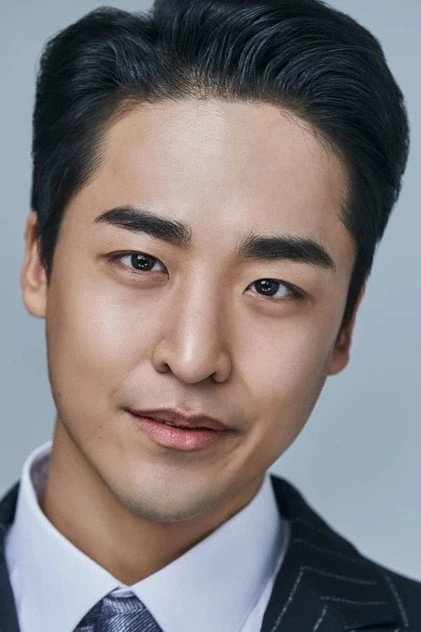
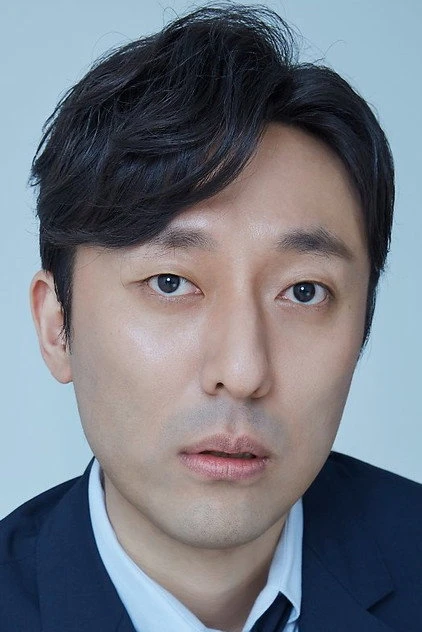
🎭 Cast & Characters
Twelve performers caught between a buried truth and the system that buried it.
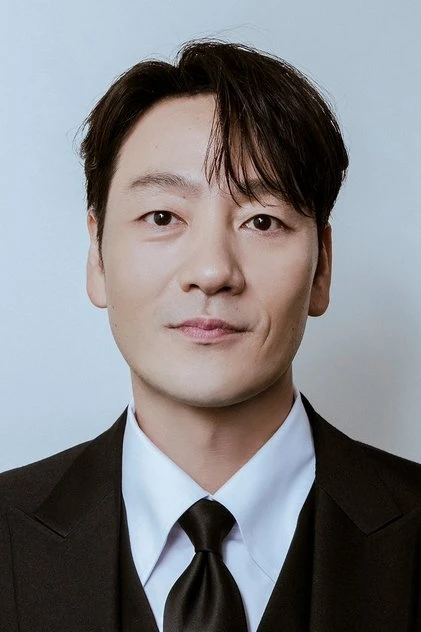
Lead
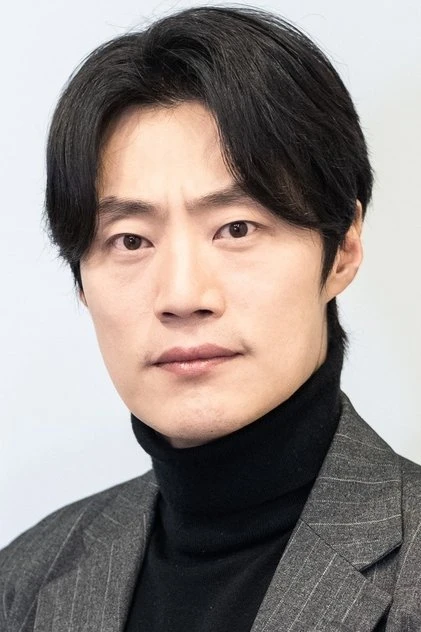
Lead

Supporting

Supporting

Supporting
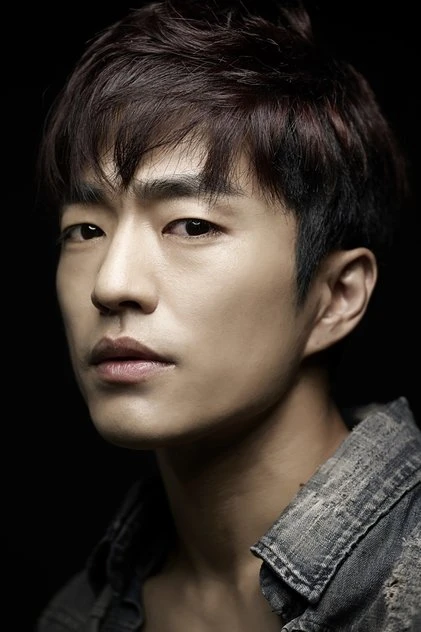
Supporting
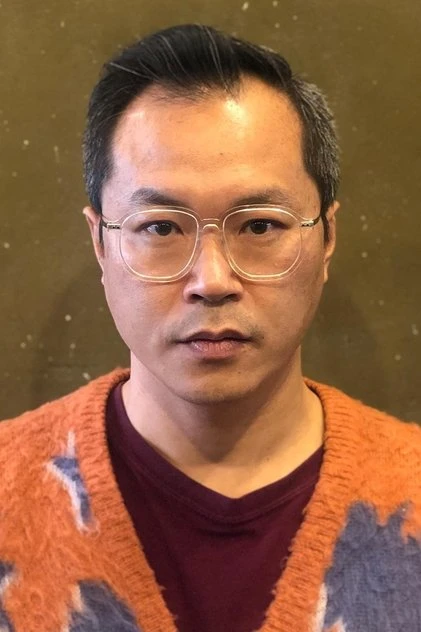
Supporting
Supporting
Supporting

Supporting
Supporting
Supporting
📺 Episode Guide
All 12 episodes — spoiler-light recaps with what matters and what to watch for.


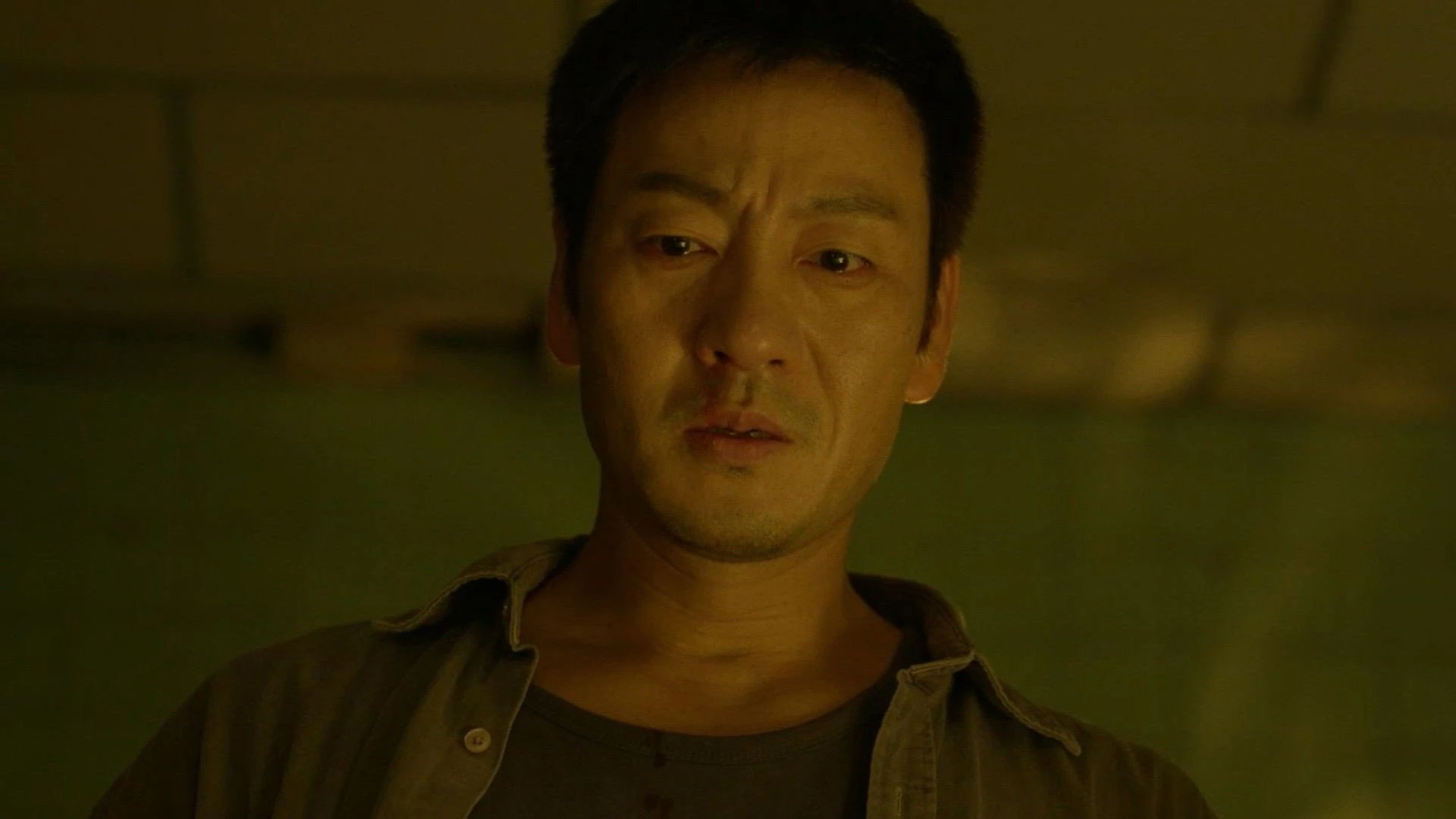
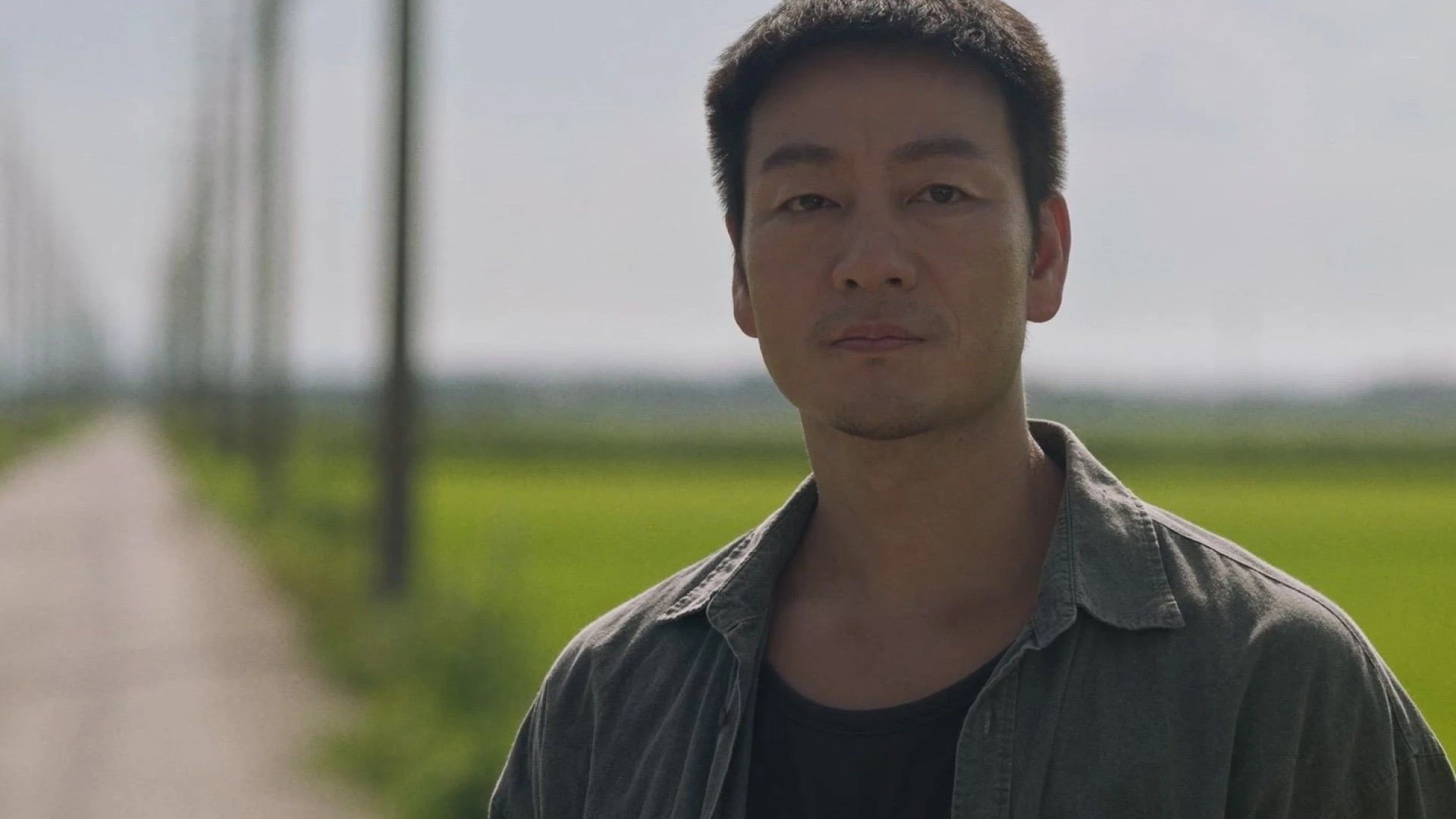
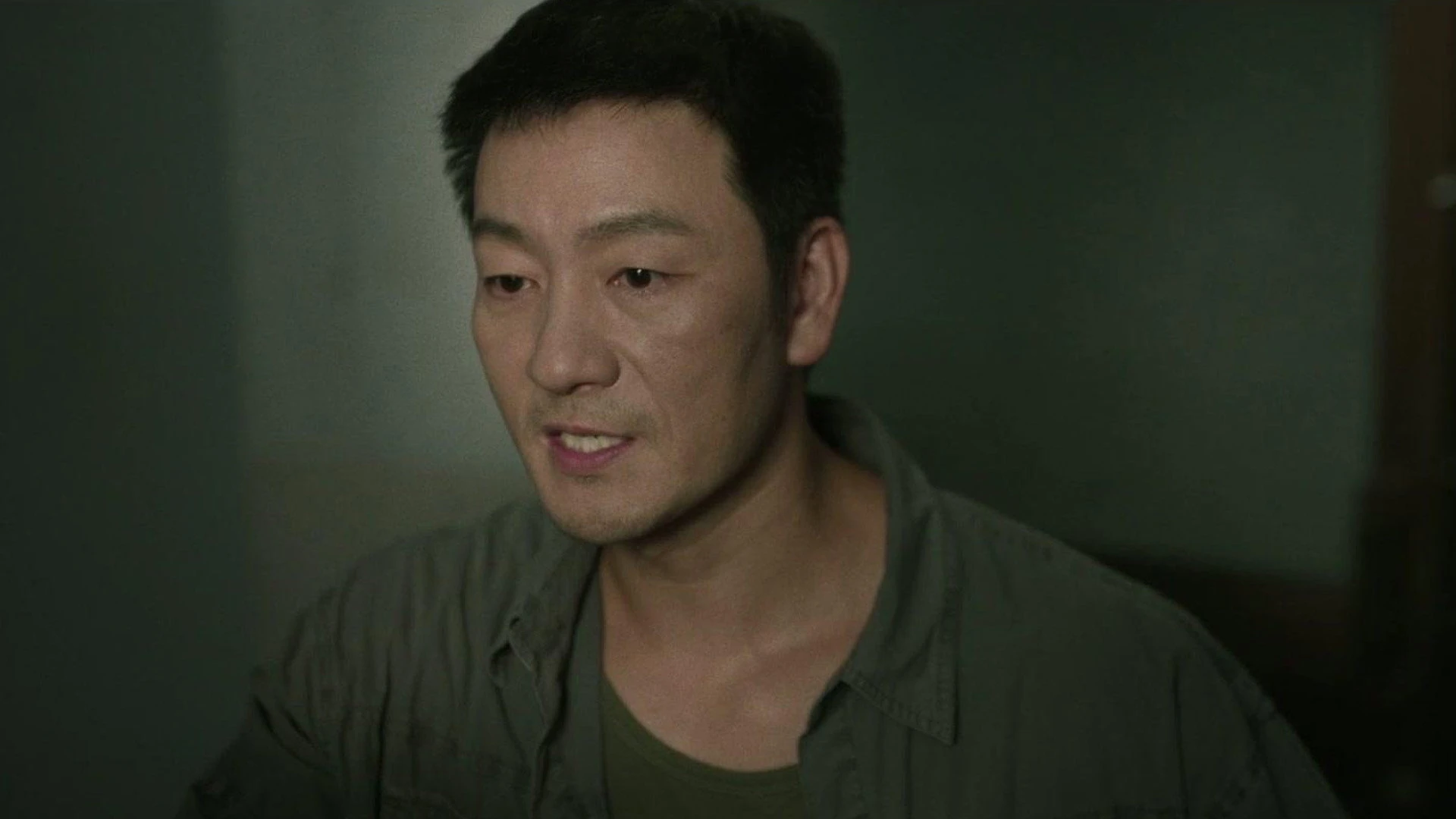
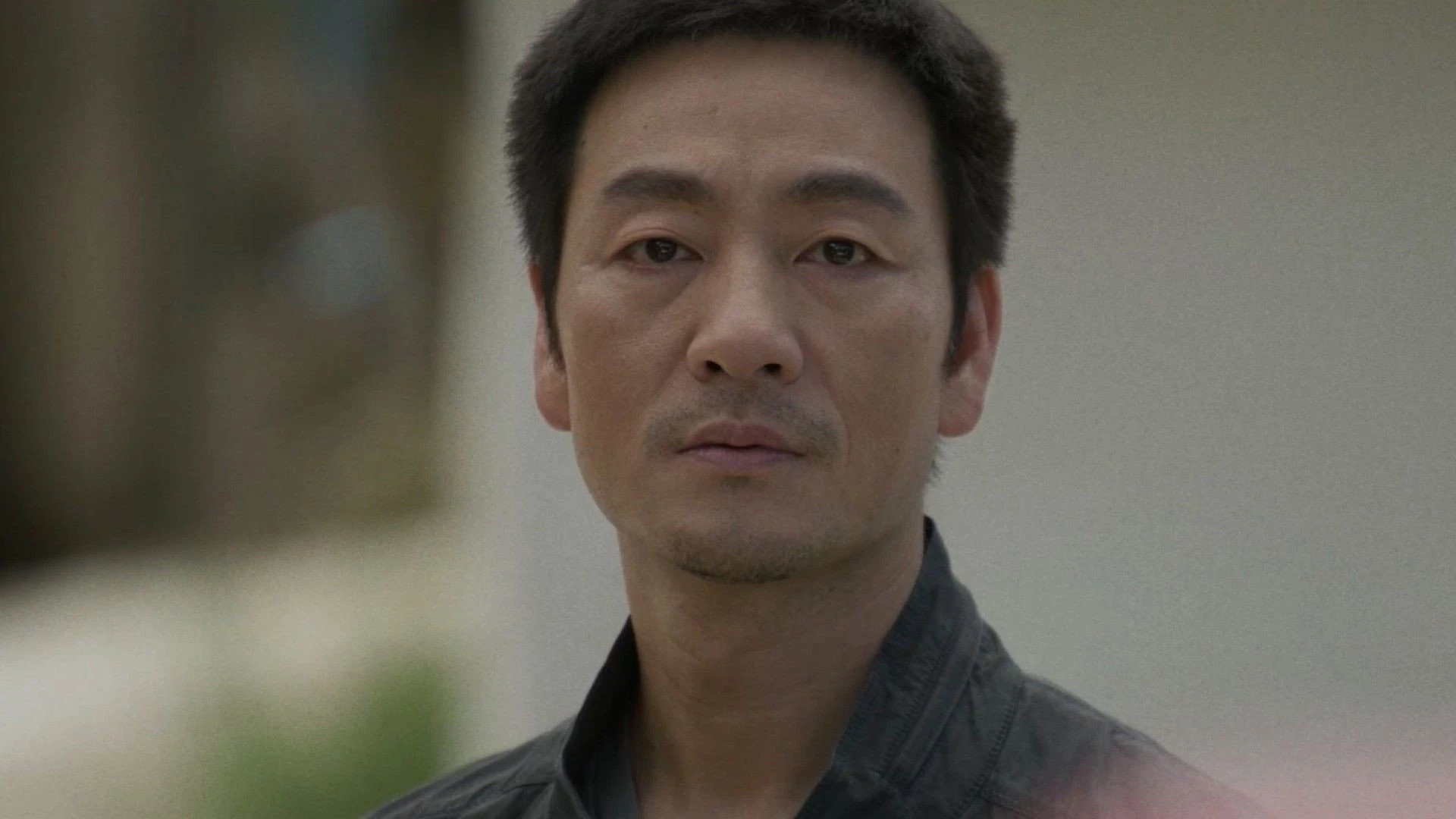
🏁 Ending Explained
Full spoilers ahead — everything that happens in the finale and what it all means.
Spoiler Warning — This section covers the full finale of The Scarecrow. Stop here if you haven’t finished the series.
The truth behind the Scarecrow murders was never a mystery of identity — it was a mystery of access. Episode 12 opens with Tae-ju in possession of the one piece of evidence that connects both timelines: proof that the real killer operated not from the margins of Gangseong society but from inside the network of people trusted to investigate the crimes. The 1988 murders weren’t solved incorrectly because the system failed — they were buried because specific people within the system made a series of deliberate choices to ensure a convenient suspect stayed convicted and the actual perpetrator stayed protected.
The killer’s identity, when it lands, recontextualizes every procedural detail laid out across the previous eleven episodes. The “Scarecrow” methodology — waiting, watching, selecting targets who would not be easily missed — was never the work of an outsider. The murders required patience, local knowledge, and the certainty of not being seriously investigated. The finale confirms that the killer understood the investigative process not because they studied it from the outside but because they were part of it. The confession scene, handled without melodrama, is one of the most quietly devastating sequences of the year — two people in a room, one of them having spent 33 years constructing a version of events that almost held.
Cha Si-yeong’s arc resolves in a way the drama has been earning since the first episode. His ambition — the quality the show positioned as his defining flaw — turns out to be the thing that finally breaks the case open, not because he became a better person but because his self-interest and the truth happened to align. He doesn’t get redeemed in any comfortable sense. What the drama offers instead is something more honest: a man who did the right thing for complicated reasons, and who will have to live with what those reasons say about him. Lee Hee-jun plays the final scenes with a stillness that says more than the dialogue around him.
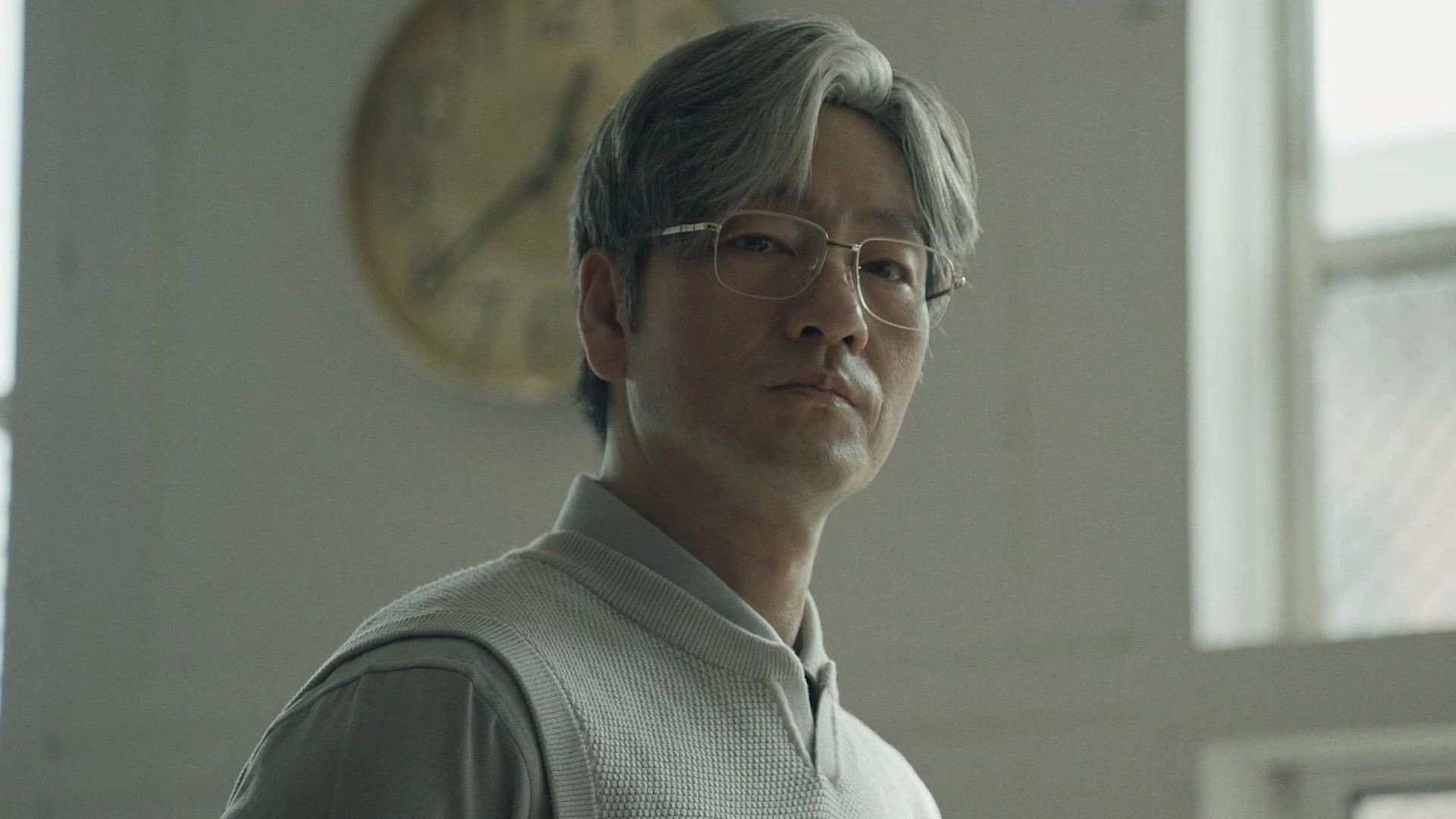
The wrongfully convicted man — the thread that started everything — receives closure that the drama handles with restraint rather than sentiment. There is no triumphant exoneration scene, no courtroom catharsis. What there is: a man who lost 33 years watching the people responsible finally be named, in public, on the record. The show understands that the absence of spectacle in this moment is the point. Justice delayed this long does not feel like justice — it feels like a bill that can’t be fully paid, settled in the only currency available.
The final images of The Scarecrow return to where the story began — the town of Gangseong, the field where the first body was found, and Tae-ju standing in it. It’s a full-circle structure that could easily feel formulaic but doesn’t, because the show has been careful to make the place itself feel haunted rather than scenic. Tae-ju doesn’t look like a man who solved a case. He looks like a man who survived one. The thing the drama ultimately argues — through its dual timelines, its procedural patience, and its refusal to let institutions off the hook — is that the cost of suppressed truth is not paid once but continuously, by everyone who had to live inside the distortion it created. Some cases don’t close; they just stop bleeding openly.

✍️ KDramaWorlds Editor’s Take
Our honest read on why this drama is worth your time — and who it’s for.
The Scarecrow is the kind of thriller that doesn’t announce itself. It doesn’t open with a body in a dramatic location or a ticking clock that the score tells you to feel urgency about. It opens with a man who has spent 33 years trying to stop thinking about something — and the careful, almost reluctant way Park Hae-soo plays Kang Tae-ju in those early episodes sets the tone for everything that follows. This is procedural television that trusts its architecture. The dual 1988/2019 timeline isn’t a gimmick deployed for shock value; it’s the show’s central argument, that a lie introduced into a system doesn’t stay contained to its point of origin. It spreads. It persists. It makes victims of people who had nothing to do with the original crime.
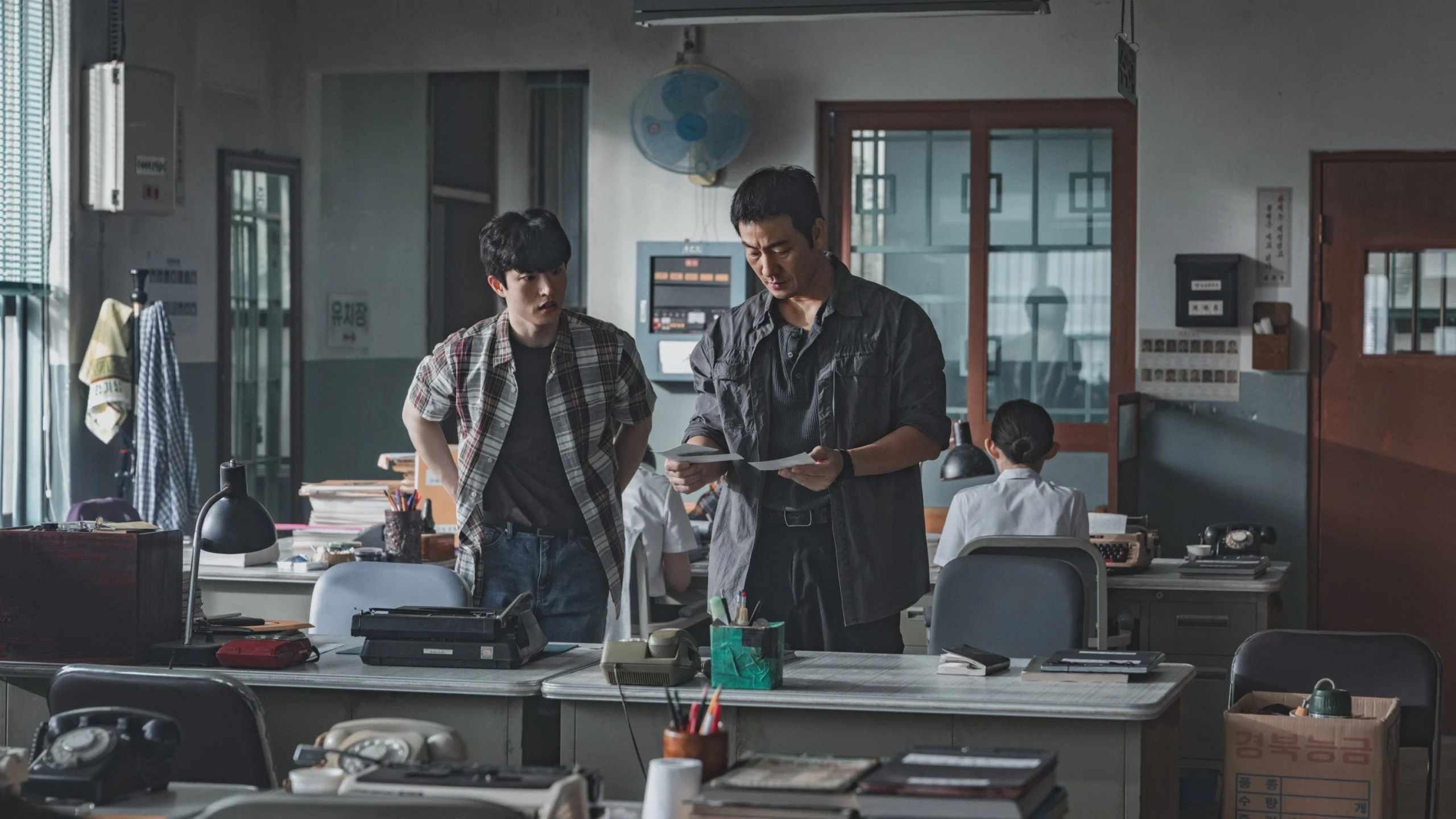
Where The Scarecrow earns its distinction from other crime procedurals on the board right now — and there are several worth your time, including Beyond Evil and Through the Darkness — is in its insistence on institutional culpability. Most Korean crime dramas ultimately locate guilt in a person: one corrupt cop, one ambitious lawyer, one obsessive killer. The Scarecrow is more interested in the system that enabled all of them. Lee Hee-jun’s Si-yeong is the show’s most interesting creation precisely because he’s not a villain and not a hero — he’s a product, shaped by the same machinery that originally buried the truth, now trying to use that machinery for something useful before it can be used against him again. It’s genuinely uncomfortable, which is where the best dramas live. The middle stretch of episodes 5 through 7 tests patience, but viewers who stay with it will find that the apparent drag was actually load-bearing.
What you’ll walk away with is a series that’s harder to describe than to experience — one that doesn’t give you catharsis so much as clarity, and treats that as the better gift. Park Hae-soo’s career has plenty of crowd-pleasing work, but this is something quieter and more durable. The Scarecrow isn’t designed to trend. It’s designed to stay with you. In a landscape crowded with dramas that move fast and mean little, twelve slow, considered hours about what truth costs and who pays for it is something worth clearing a week for.
Anyone who enjoys dual-timeline storytelling done with discipline
Viewers who want their thrillers to say something about institutions, not just individuals
🎬 You Might Also Like
If you liked The Scarecrow, these are your next three watches.
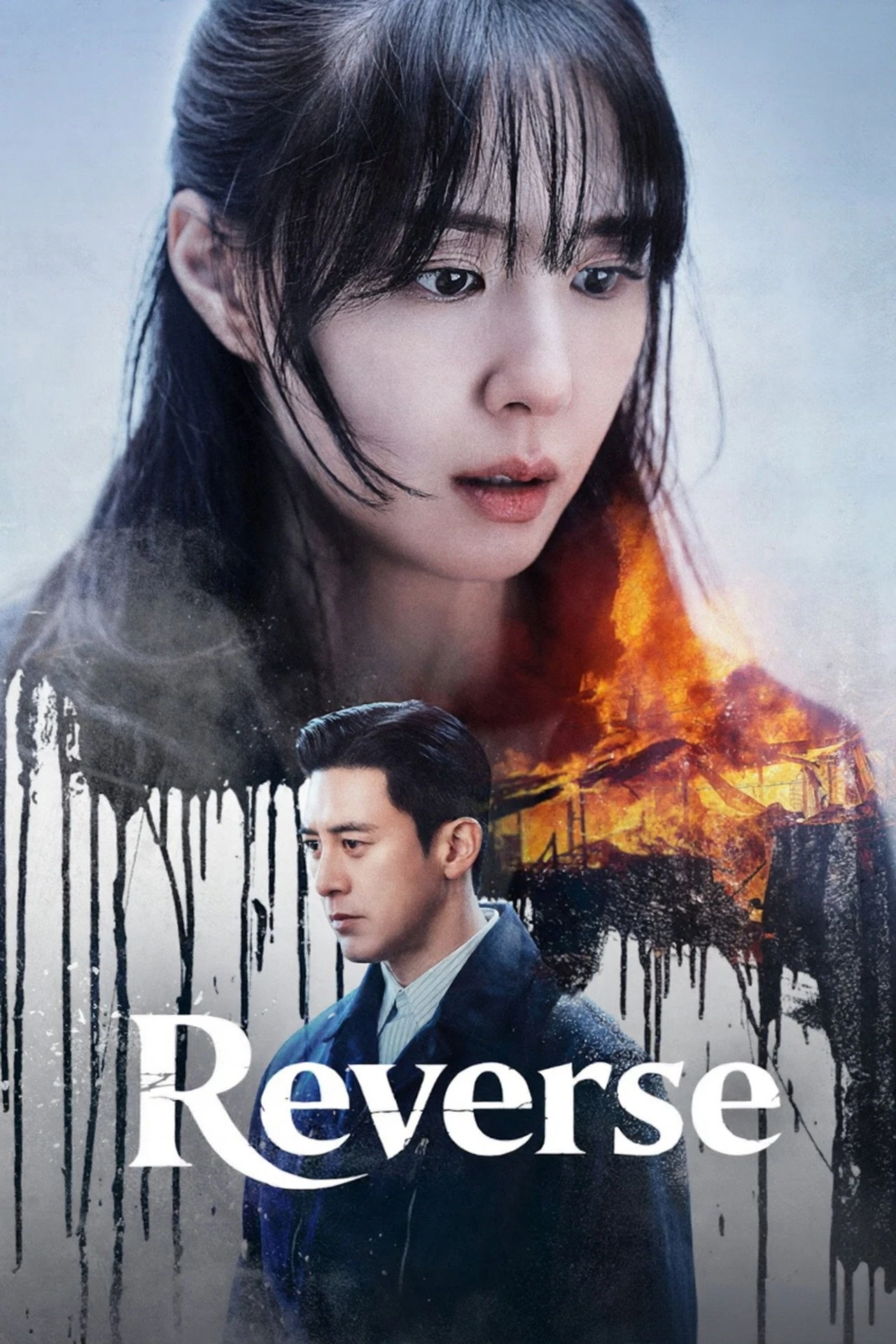 Reverse
AmnesiaChaebol
Read Full Review →
|
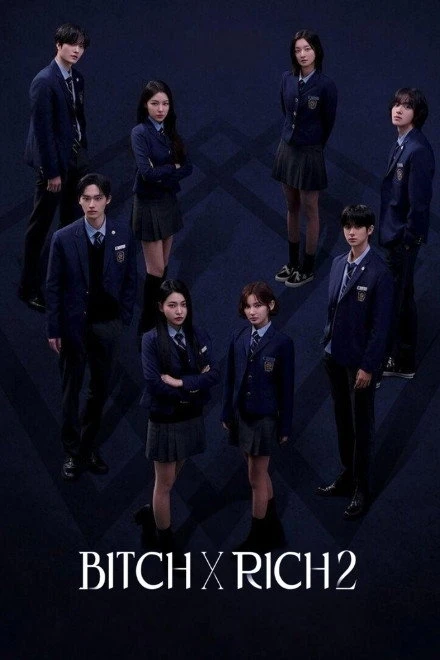 Bitch X Rich (Season 2)
blackmailChaebol
Read Full Review →
|
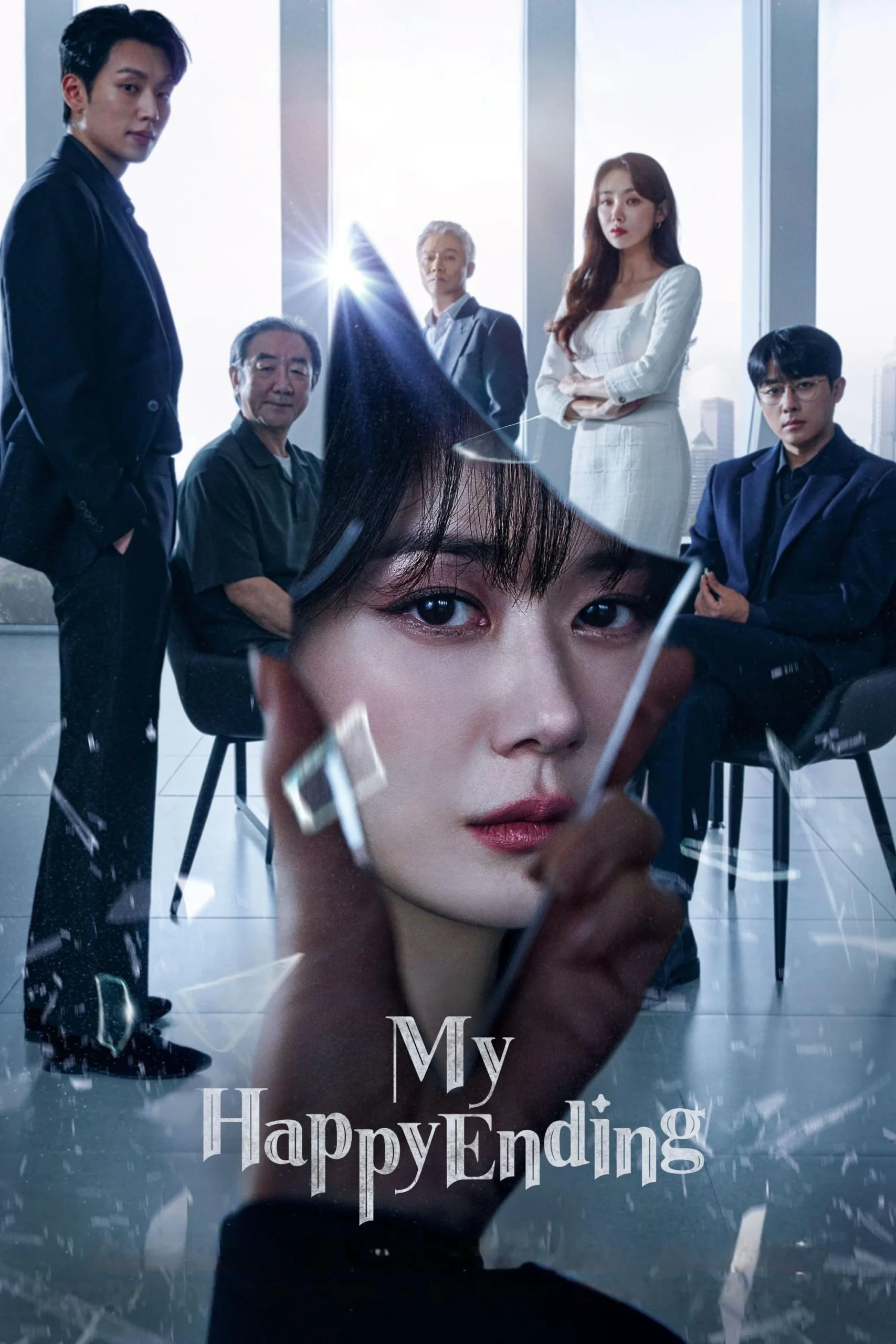 My Happy Ending
ChaebolJang Na-ra
Read Full Review →
|




Keep it kind, skip the harsh language, and please — no spoilers. Everyone's taste is different, and that's perfectly fine.
This space is for real reactions and discussion from other viewers. Help keep it comfortable for everyone by not giving away major plot details.
1 Comment
Running two timelines — the original 1988 murders and the 2019 reinvestigation — side by side so the show can dismantle a decades-old conviction piece by piece is a genuinely satisfying structure 🌾 — and shifting the real question from who did it to who benefited from burying the truth is what elevates it past a standard cold-case thriller. Curious what everyone made of Tae-ju and Si-yeong’s alliance by the end.
What do you think of this drama?
Login to share your review or leave a comment.
No email needed — just pick a username & password.