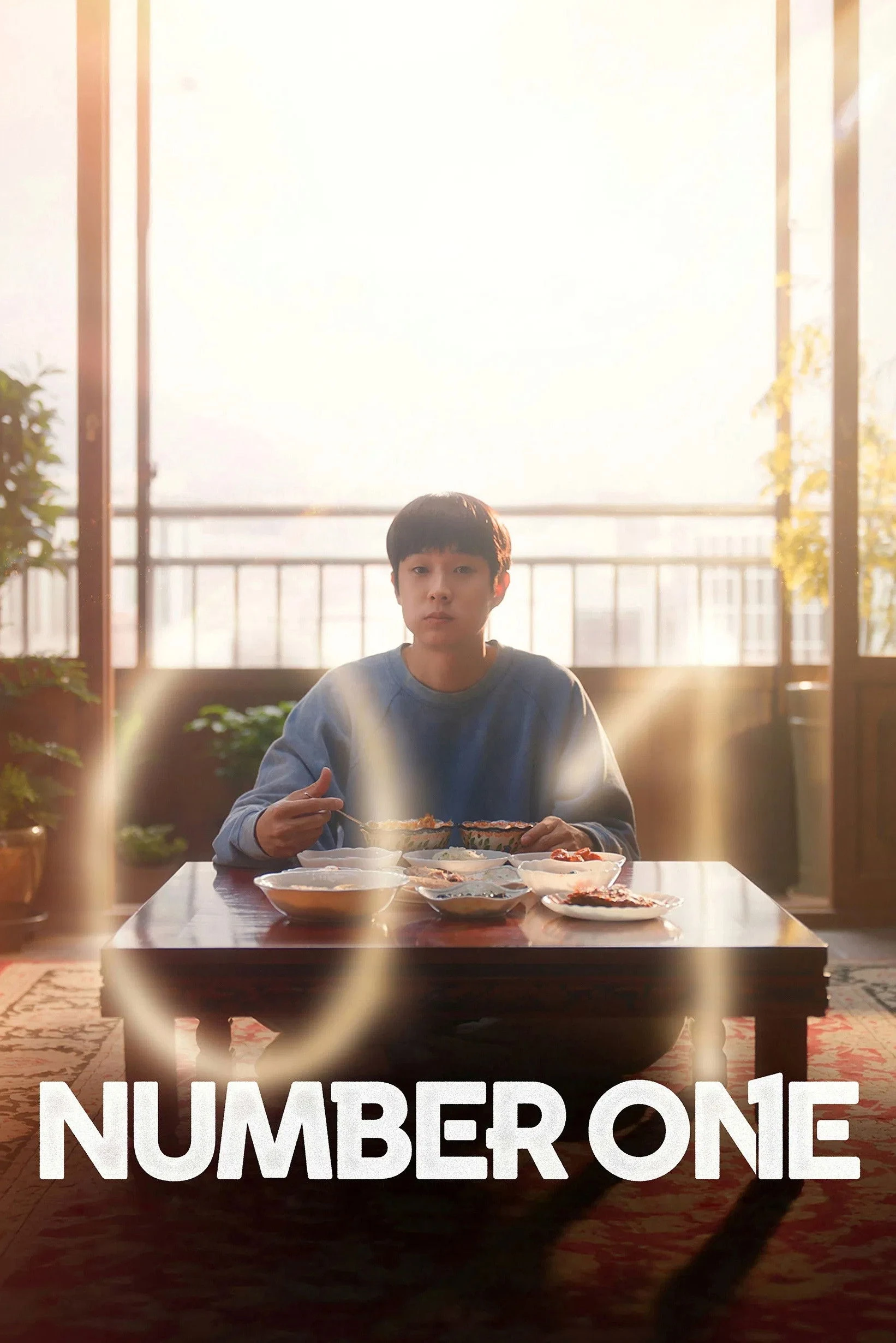
Number One
🎬 Film Overview
Jung Ha-min’s ordinary life ends the day a glowing number starts appearing over every meal his mother cooks for him. It first shows up not long after his older brother dies in a car accident — grief still raw, and a stranger dread arriving to sit right on top of it. Once Ha-min realizes the number ticks down with every bite and reads it as a countdown to his mother Eun-sil’s death, he does the only thing his logic allows: he stops eating what she makes, inventing excuses to protect a woman who keeps cooking anyway, because it’s the only language of love she’s ever spoken fluently. Number One spends most of its runtime on what that avoidance costs rather than on the mechanics of the countdown itself — the quiet distance it manufactures in a house that used to run on shared meals, and the girlfriend, Ryeo-eun, whose own hunger for the family warmth Ha-min is fleeing keeps pulling him back toward the table. It’s a fantasy premise in service of a much more grounded question: what does trying to protect someone by disappearing on them actually do to the time you have left with them.
⚡ Quick Verdict
Here’s the verdict — no scrolling, no guesswork.
▶ Official Trailer
🎭 Cast & Characters
The family at the center of a countdown no one reads correctly until it’s almost too late.

Lead

Lead

Lead

Supporting

Supporting

Supporting
Supporting

Supporting

Supporting

Supporting

Supporting

Supporting
📖 The Story
Spoiler-free — enough to know if this one’s your speed.
Jung Ha-min’s ordinary life ends the day he starts seeing a number no one else can. It first appears at the dinner table, hovering over a bowl of his mother’s cooking, not long after his older brother is killed in a car accident — grief still raw, and a fresh dread arriving to sit right on top of it. Ha-min doesn’t understand what the glowing digits mean at first. He just knows they only show up when his mother, Eun-sil, is the one who made the meal.
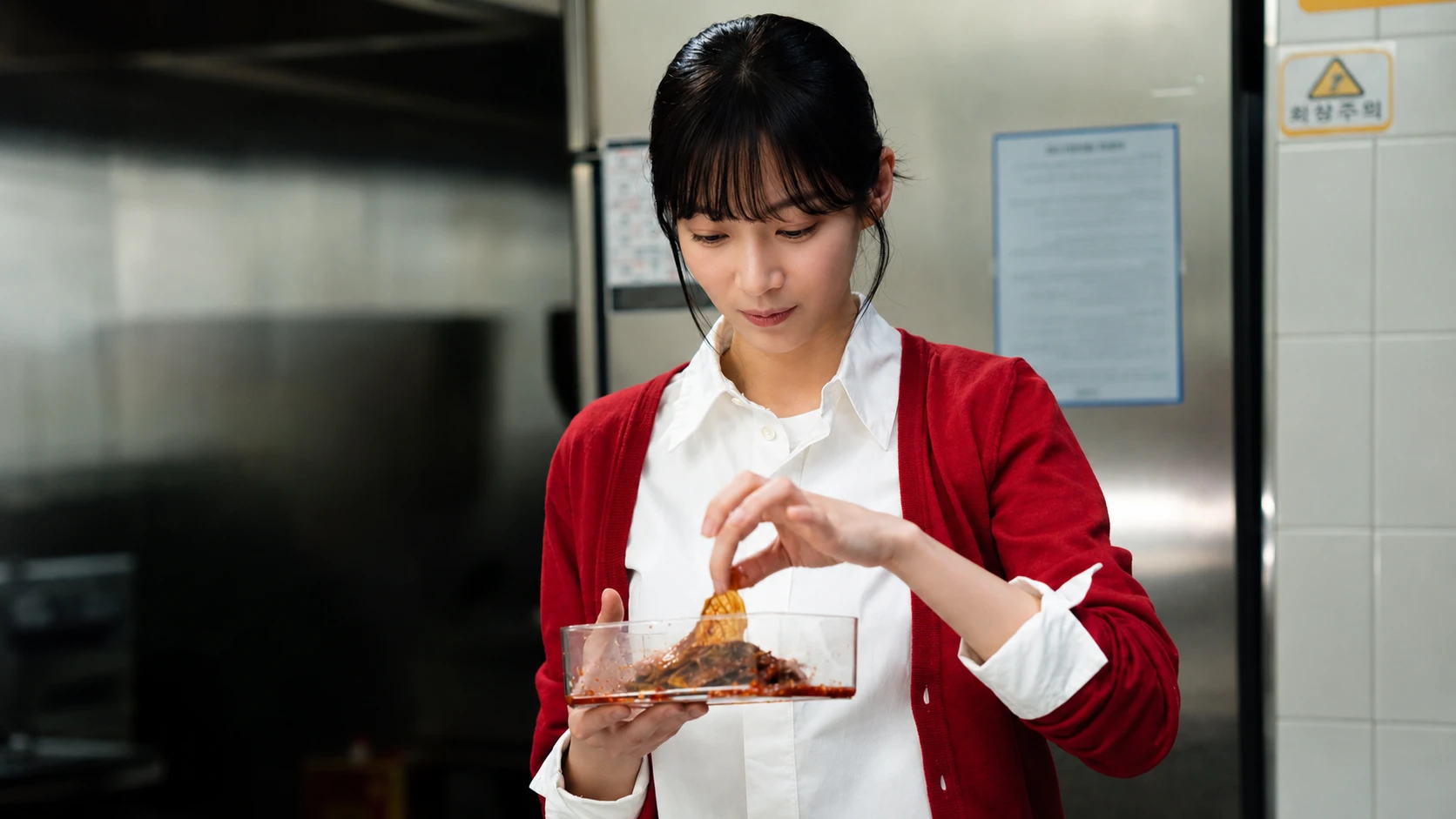
The realization, when it comes, is worse than the confusion. Every bite lowers the number by one, and Ha-min becomes convinced that when it hits zero, his mother dies. It’s the kind of premise that could tip into gimmick fast, but the film treats it as exactly what it would feel like in practice — a countdown clock bolted onto the one relationship he can’t imagine losing.
So Ha-min does the only thing his logic allows: he stops eating what she makes. He invents excuses, skips meals, and distances himself from the ritual that’s defined their relationship since childhood, all while Eun-sil — grieving her own son, confused by the surviving one pulling away — keeps cooking anyway, because it’s the only language of love she’s ever really spoken fluently.
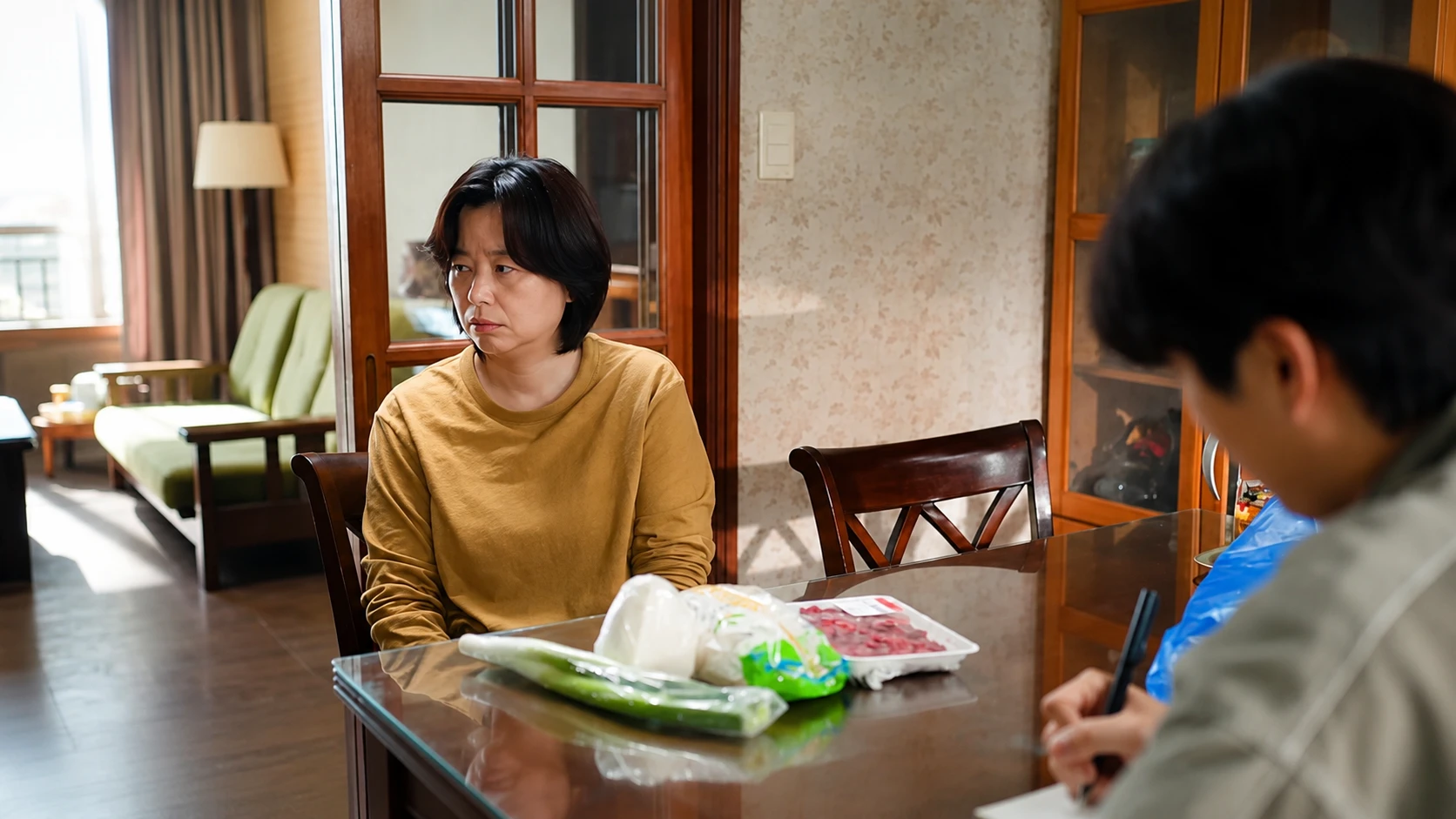
That avoidance costs him more than it protects her. The film is less interested in the mechanics of the countdown than in what trying to ‘save’ someone by disappearing on them actually does to a relationship — the misunderstandings it manufactures, the warmth it drains out of a house that used to run on shared meals.
Ryeo-eun, Ha-min’s girlfriend, complicates the avoidance further. She grew up an orphan, without anyone’s home cooking to take for granted, and her hunger for exactly the family warmth Ha-min is actively fleeing keeps pulling him back toward his mother’s table — not as a countdown, but as something she’s never had and wants badly.
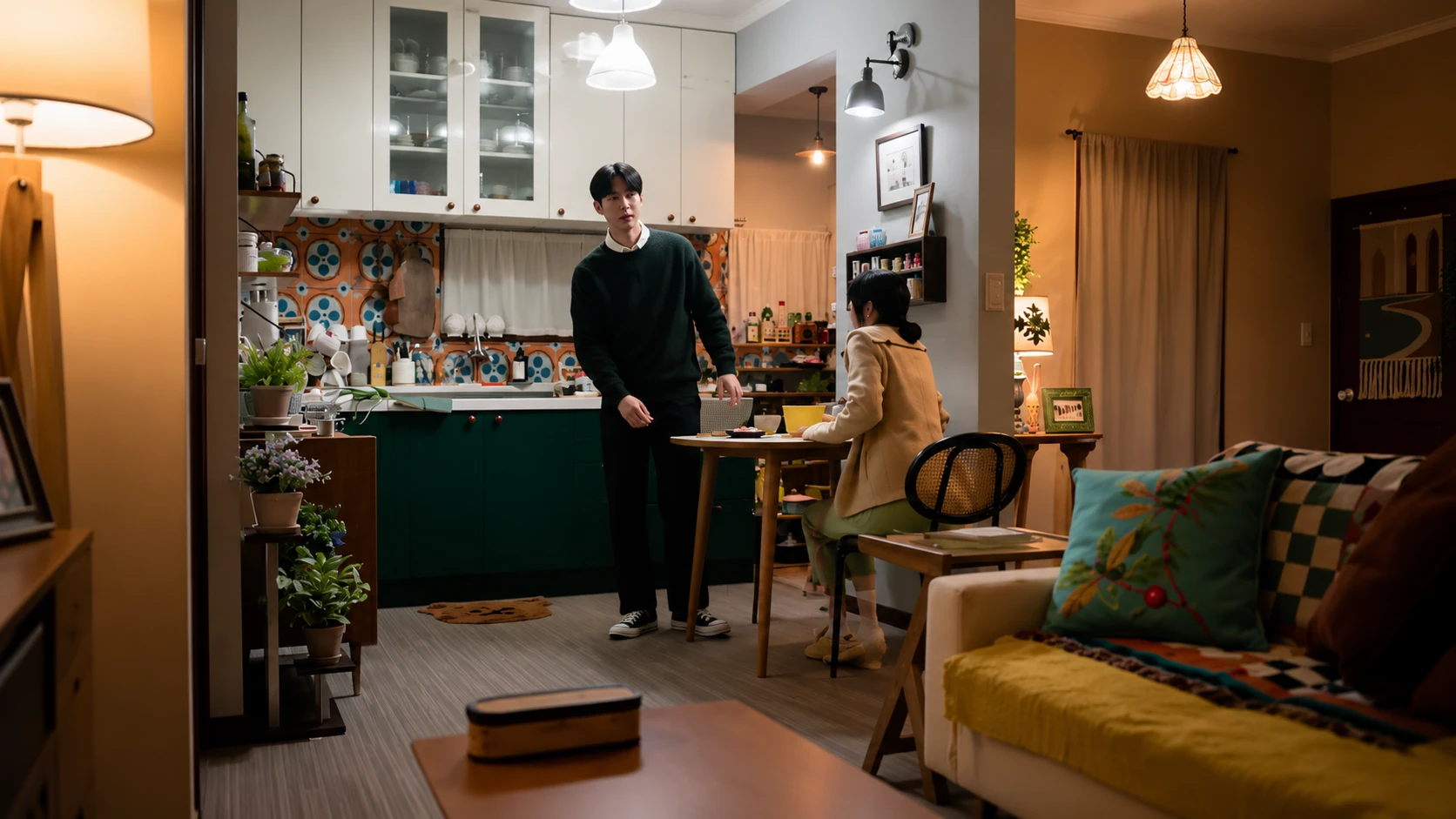
Director Kim Tae-yong doesn’t rush any of this. The film sits inside small domestic moments — a glance across a kitchen, a plate left untouched — and lets them carry weight a louder script would spell out. It’s an adaptation of the Japanese novel The Number of Times You Can Eat Your Mother’s Cooking Is 328, reworked around a distinctly Korean sense of what a shared meal actually means inside a family.
By the time Ha-min’s avoidance has fully hollowed out his relationship with his mother, the film has already made its real argument: that trying to outrun loss by withholding love doesn’t prevent grief, it just front-loads it — and whatever the number actually means, spending it on distance instead of dinner is the one guaranteed way to lose the time he has left.

🏁 Ending Explained
Everything that happens, explained in full — spoilers ahead.
The twist the whole film was hiding Every theory Ha-min built his life around turns out to be backwards. The cancer diagnosis that finally catches up with him recontextualizes the countdown completely — the number was never counting down to his mother’s death. It was counting the meals he had left to share with her before his own time ran out.
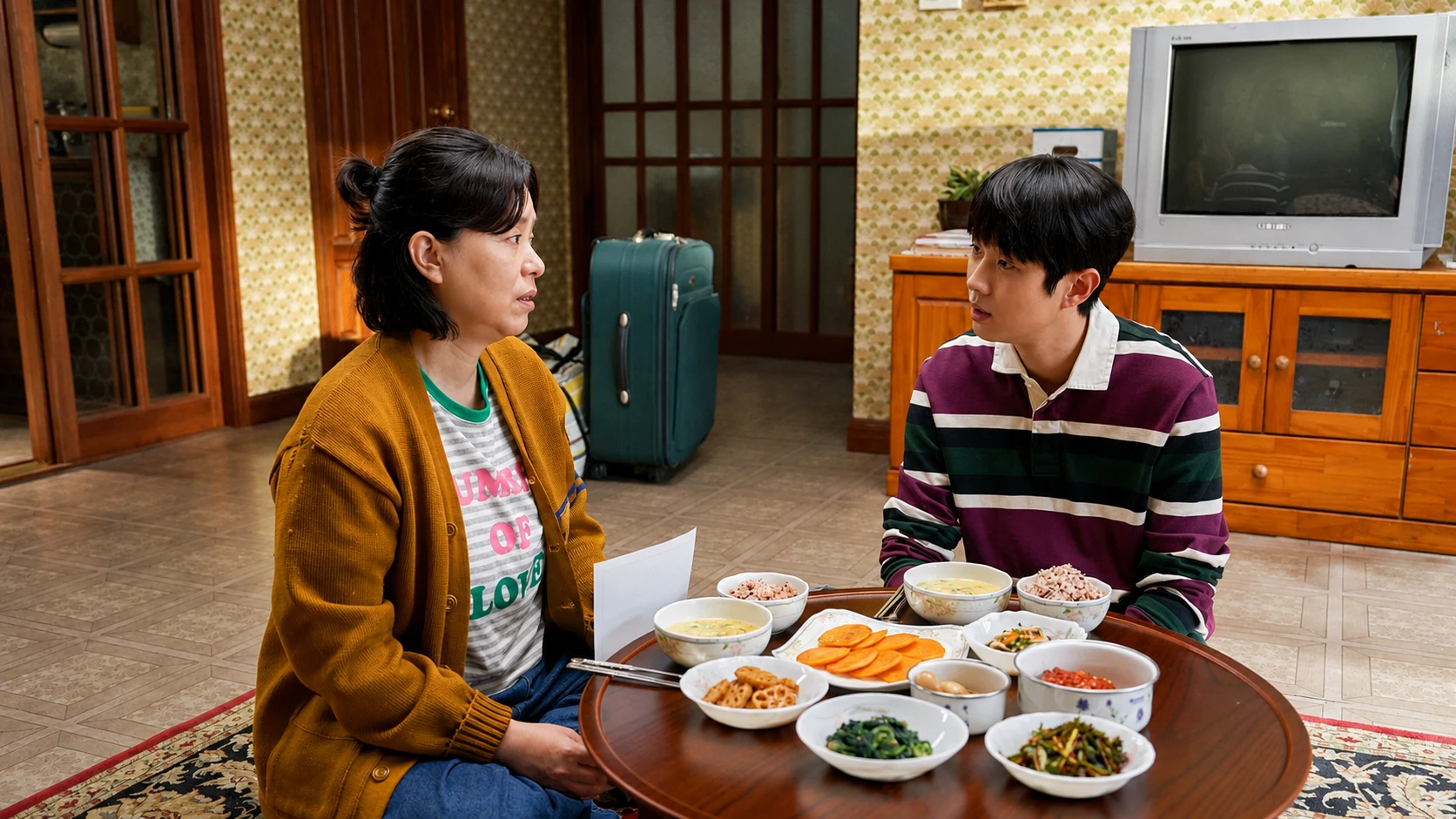
That reversal is the film’s real gut-punch, because it means every meal Ha-min skipped to ‘protect’ Eun-sil was never a sacrifice for her sake — it was time stolen from himself, spent running from a fear that had the wrong name attached to it the entire time.
What the ending actually resolves Once Ha-min understands what the number was really counting, he stops avoiding his mother’s cooking and starts showing up for it. The film doesn’t dwell on his prognosis as tragedy — it uses the diagnosis to force the one correction his fear-driven avoidance could never make on its own: sit down, eat the meal, stay in the room.
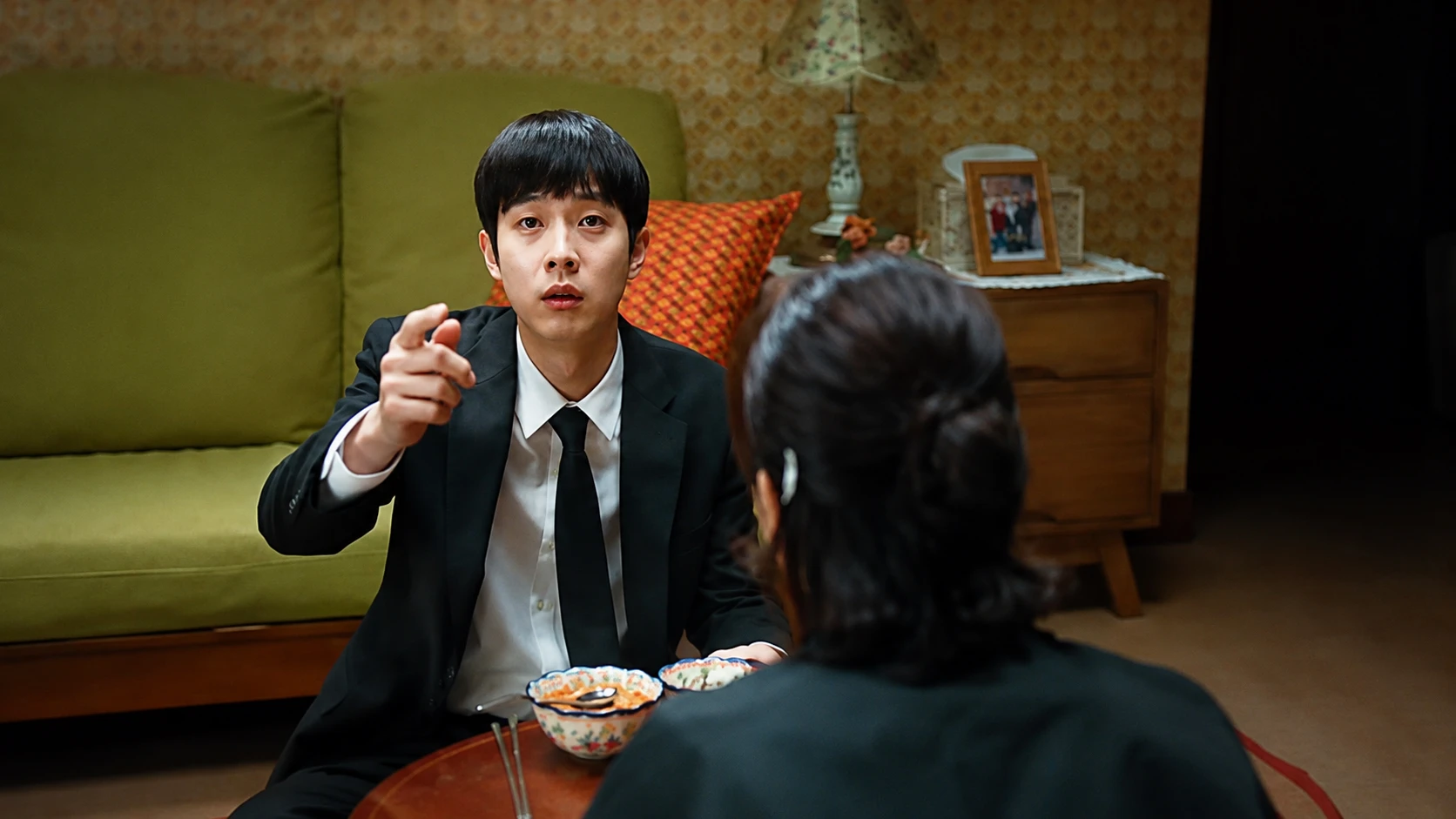
The film closes on reconciliation rather than a cliffhanger — Ha-min living out his remaining time with Eun-sil and Ryeo-eun, no longer managing his emotions from a safe distance. It’s a deliberately soft landing for a premise that spent most of its runtime in dread.
The KDW verdict Number One never fully explains where the numbers come from, and it doesn’t need to — the mechanism was always a stand-in for something plainer: how much of the time we’re given gets spent flinching away from the people we love instead of sitting down with them. The ending earns its warmth by making that cost concrete instead of abstract, which is why the healing lands as sincere rather than as a bow tied on a sad premise.

✍️ KDramaWorlds Editor’s Take
Straight talk on whether this one’s worth watching, and for who.
Number One’s central trick is treating a fantastical premise as an excuse to sit in a family’s grief rather than an excuse to avoid it. That’s the same instinct that made Broker land as more than its plot mechanics suggested — an unconventional setup used to ask a plain question about what people owe the ones they love.
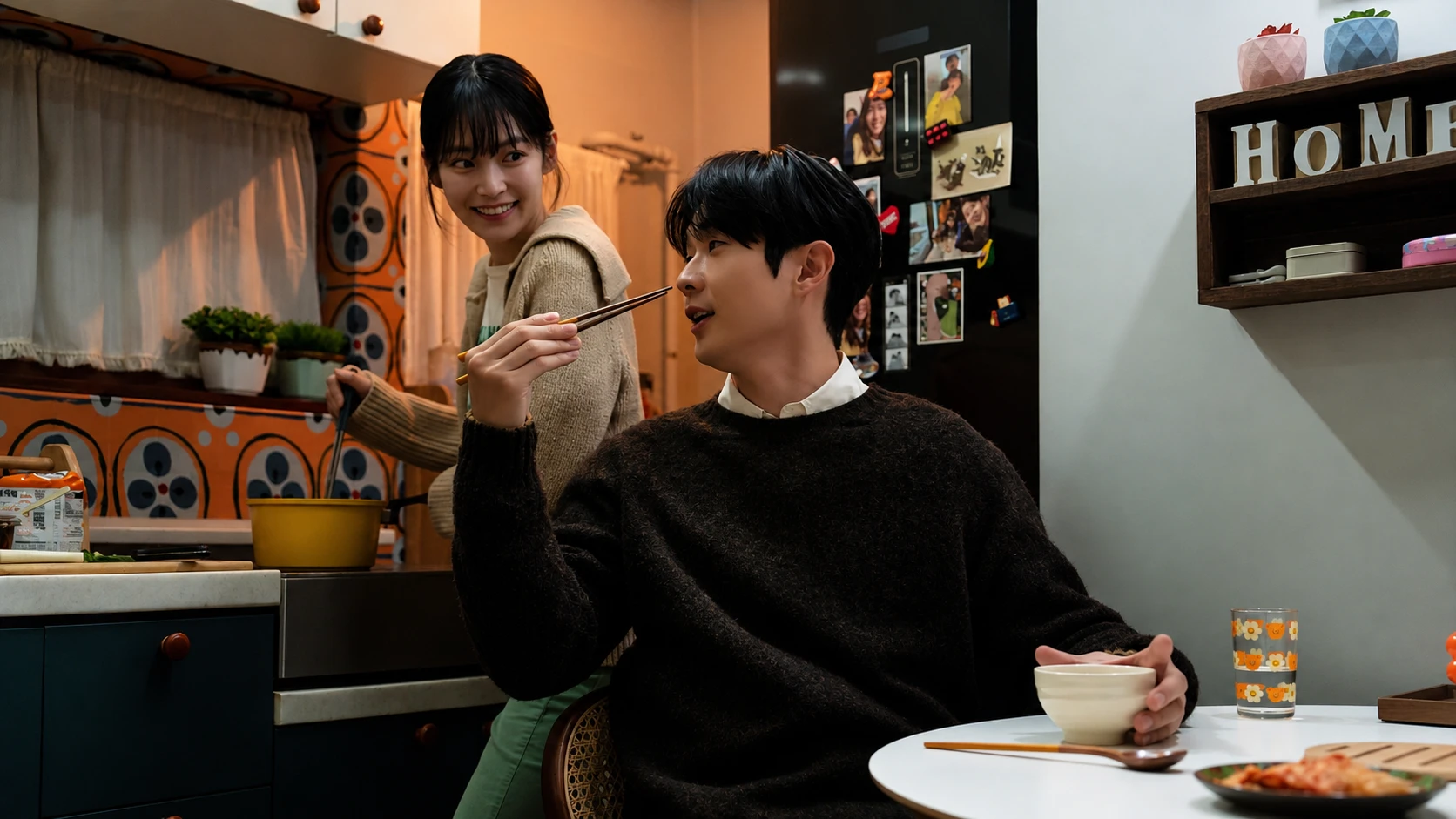
Choi Woo-shik plays Ha-min’s avoidance without making him unlikeable, which is a harder needle to thread than it sounds — his fear reads as fear, not as coldness. Jang Hye-jin, as his mother, does more with a plate of food than most performances do with a monologue, in the same tradition of understated tearjerker parenting that made Miracle in Cell No. 7 resonate the way it did.
The film asks you to accept a supernatural premise it never bothers explaining, and mostly earns that ask — the mechanics matter less than what the countdown makes Ha-min do. Where it thins out is anyone standing outside the central mother-son relationship; Ryeo-eun gets an emotional function more than a fully lived-in character.
🎬 You Might Also Like
If you liked Number One, these are your next three watches.
 Your Personal Taxi
AnthologyCha Tae-hyun
Read Full Review →
|
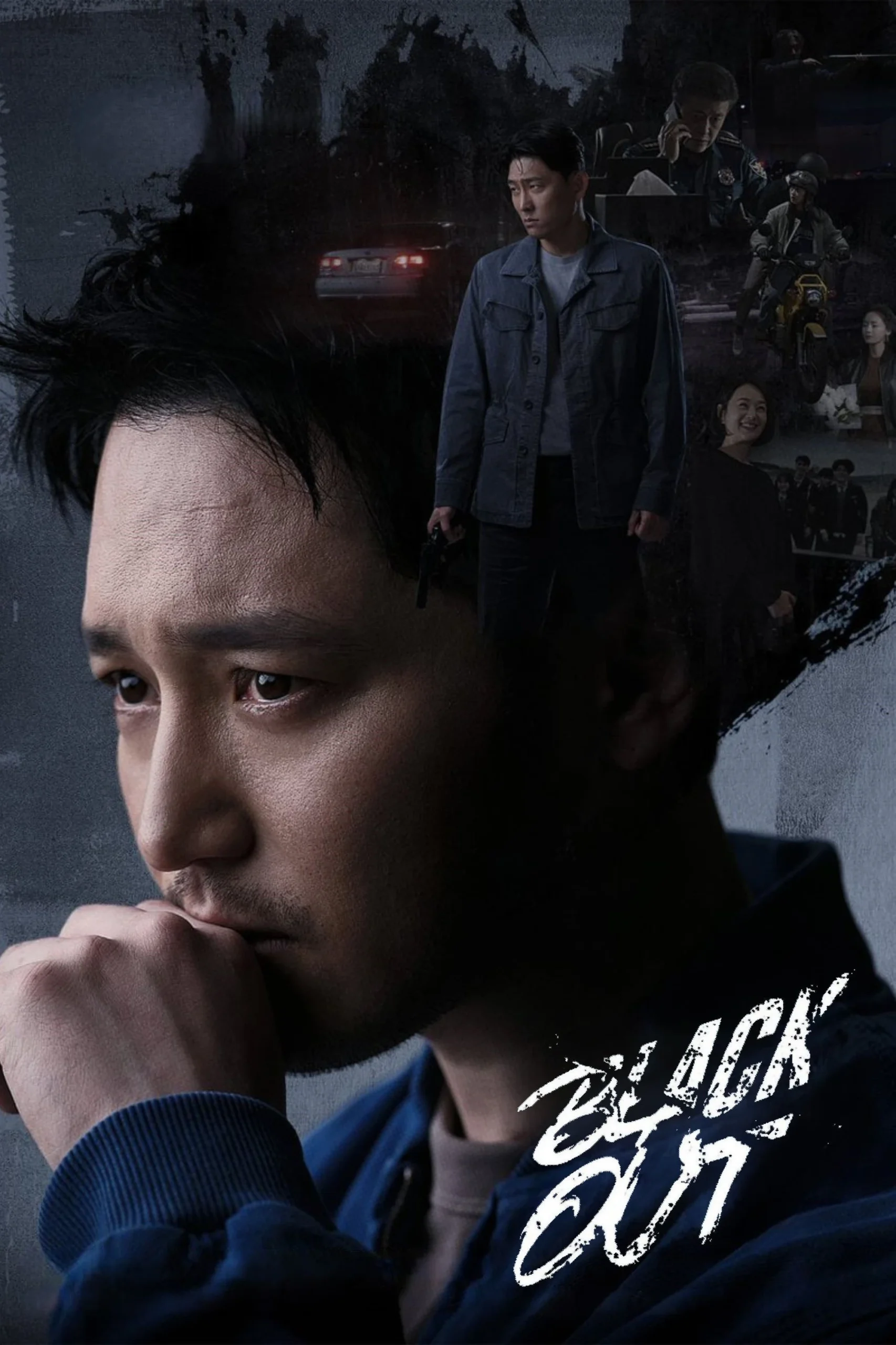 Black Out
Byun Yo-hancrime
Read Full Review →
|
 Clean with Passion for Now
Age Gapfamily drama
Read Full Review →
|

















Keep it kind, skip the harsh language, and please — no spoilers. Everyone's taste is different, and that's perfectly fine.
This space is for real reactions and discussion from other viewers. Help keep it comfortable for everyone by not giving away major plot details.
What do you think of this drama?
Login to share your review or leave a comment.
No email needed — just pick a username & password.