
Dear Hyeri
🎬 Viki
⭐ 8.1 MDL
📺 15+
🎬 Drama Overview
🪞 Psychological Romance Pick
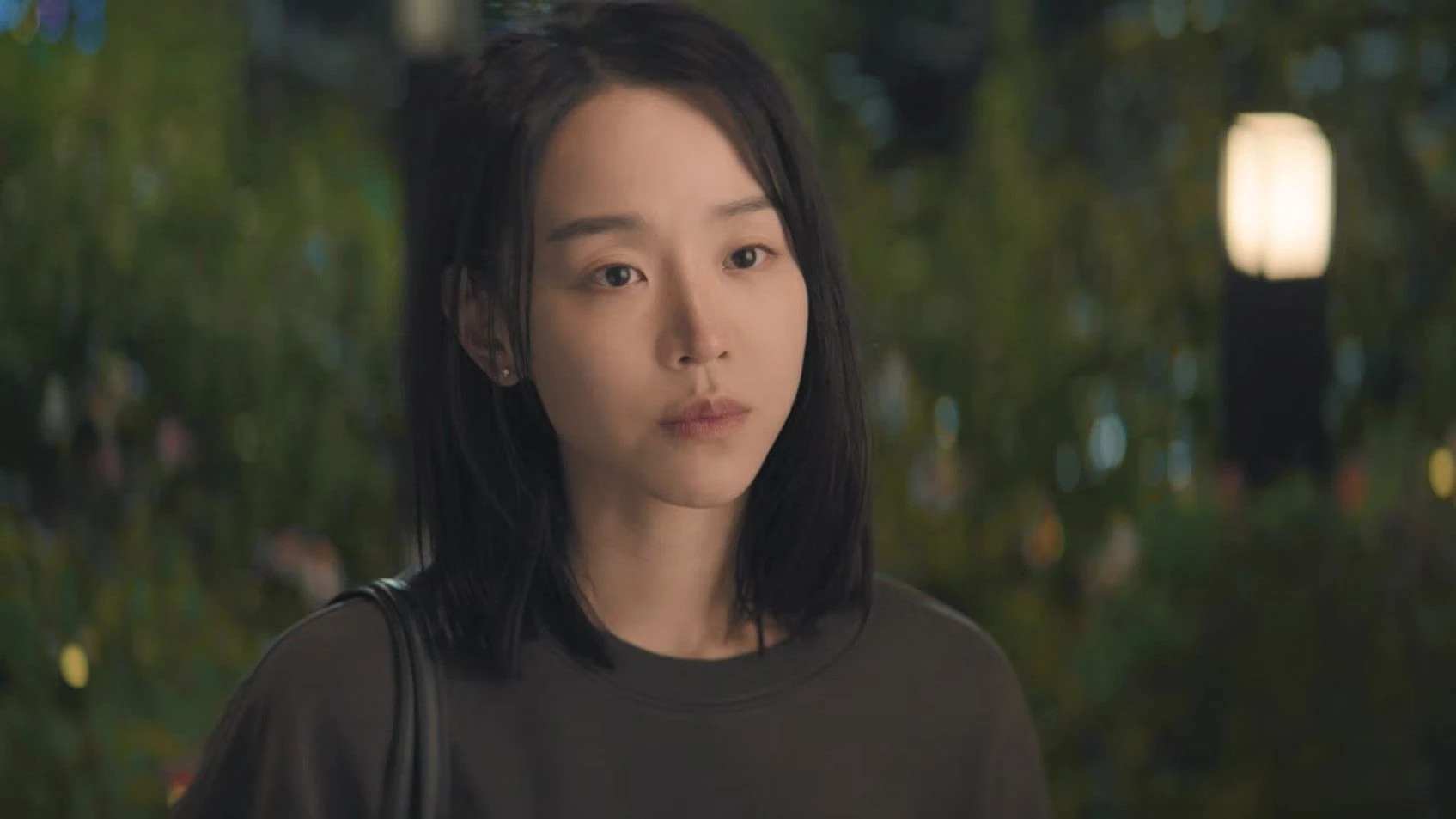
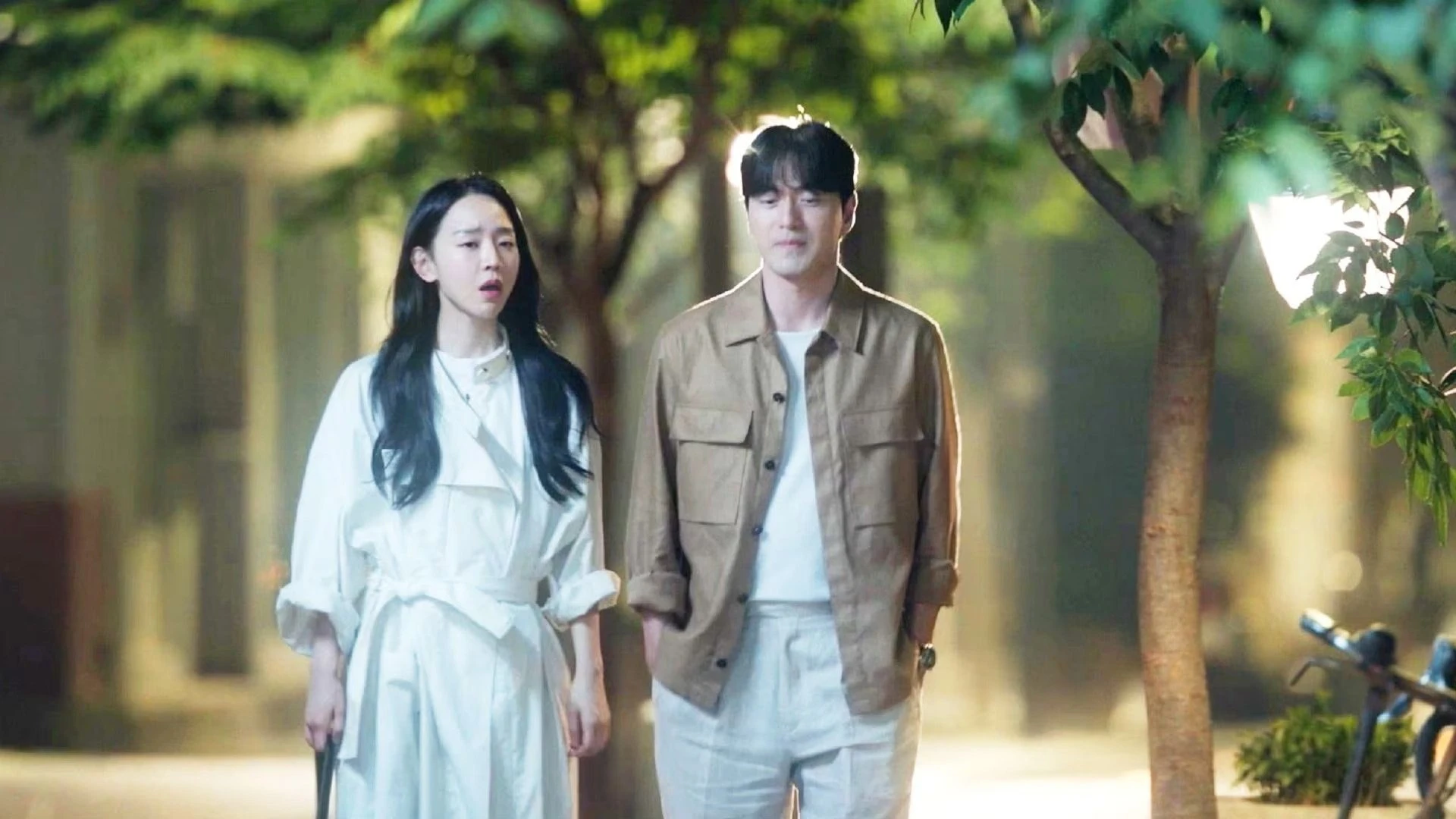
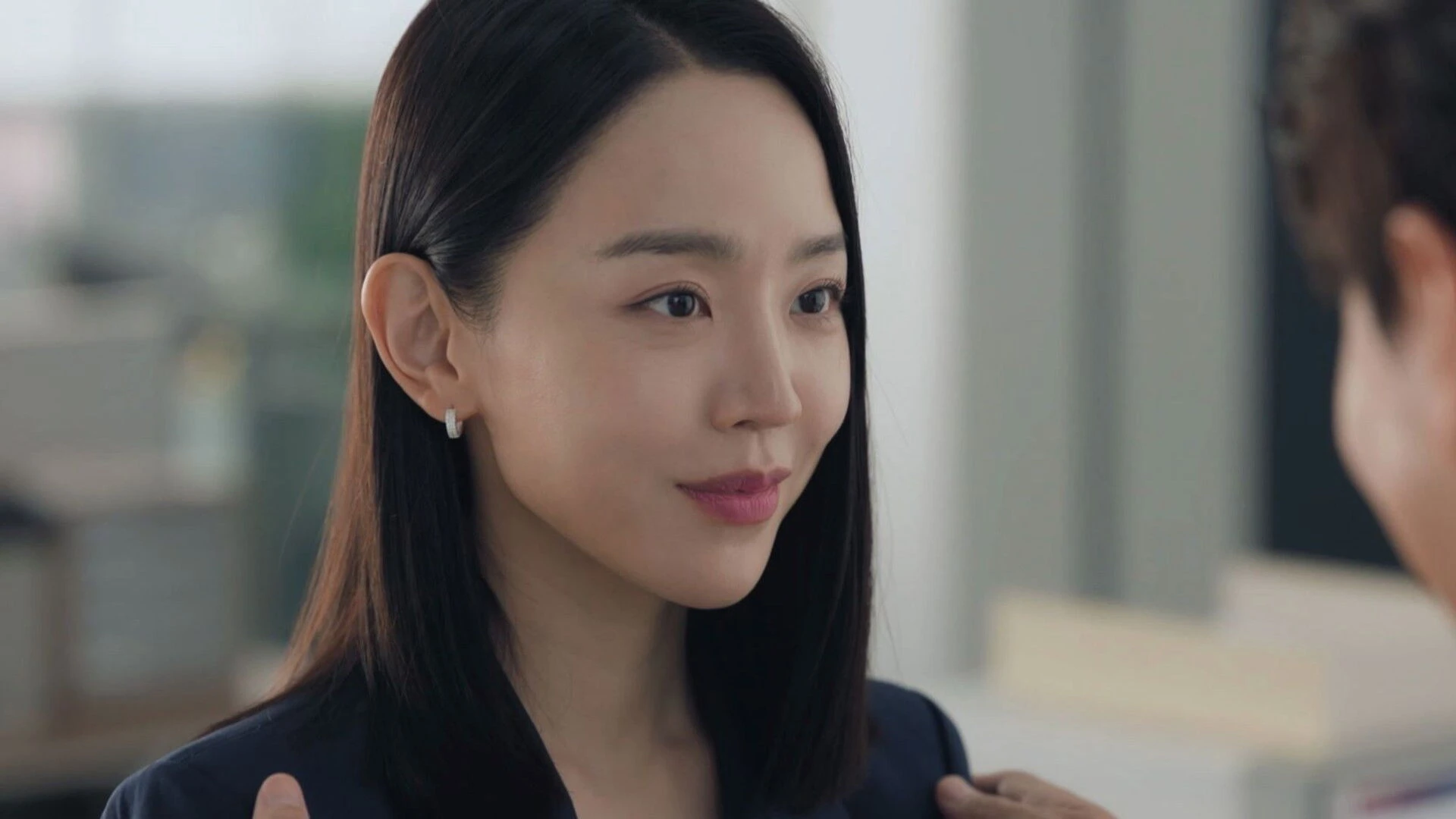
Joo Eun-ho has been a news announcer for fourteen years and has almost nothing to show for it — not because she lacks talent, but because the man who became the station’s star anchor is also her ex-boyfriend of eight years. The wound is professional and personal at the same time, which means she can’t escape either one by going to work. When her younger sister disappeared, something in Eun-ho fractured. What emerged was Hye-ri: warm, carefree, a parking attendant with no complicated history and none of the weight.
What Dear Hyeri is actually doing is asking what happens when someone is so good at surviving grief that they build a whole other person out of it. Hye-ri isn’t a symptom of something broken. She’s the version of Eun-ho that grief made room for — warmer, freer, and more capable of love than Eun-ho has let herself be. The drama’s real problem isn’t whether the two identities can coexist. It’s whether Eun-ho can want to live as herself again.
12 / 12 ✅ Completed
⚡ Quick Verdict
One glance, one verdict — everything you need is right here.
MDL Score · Check MyDramaList for updated community rating
▶ Official Trailer
🎭 Cast & Characters
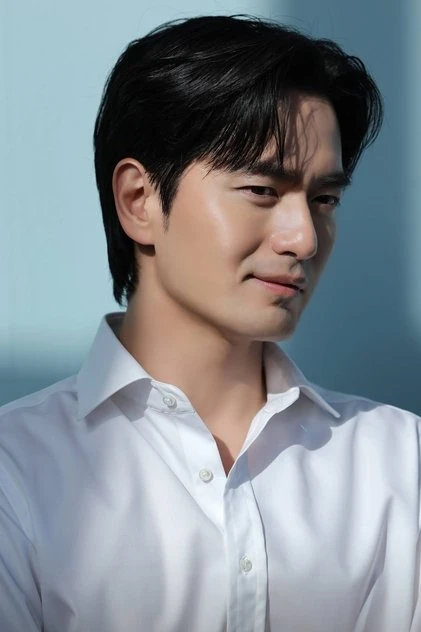
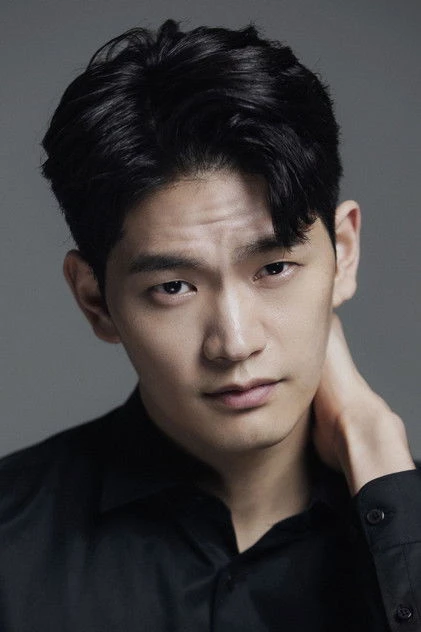
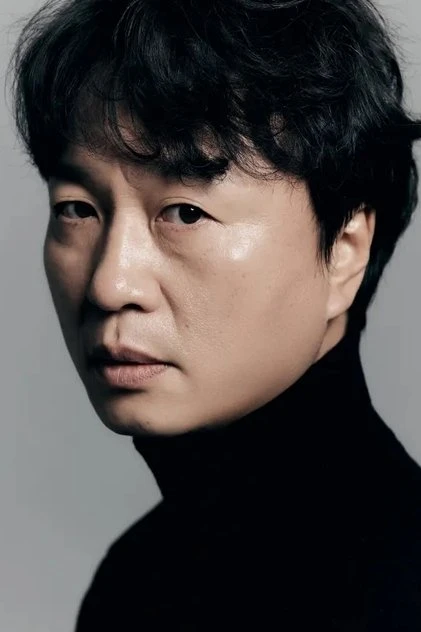
Shin Hae-sun plays two characters in one body — the rest of the cast exists in the gap between them.

Lead
Lead

Lead

Supporting
Supporting

Supporting
Supporting

Supporting

Supporting

Supporting

Supporting

Supporting
📺 Episode Guide
Just enough to stay oriented, episode by episode.
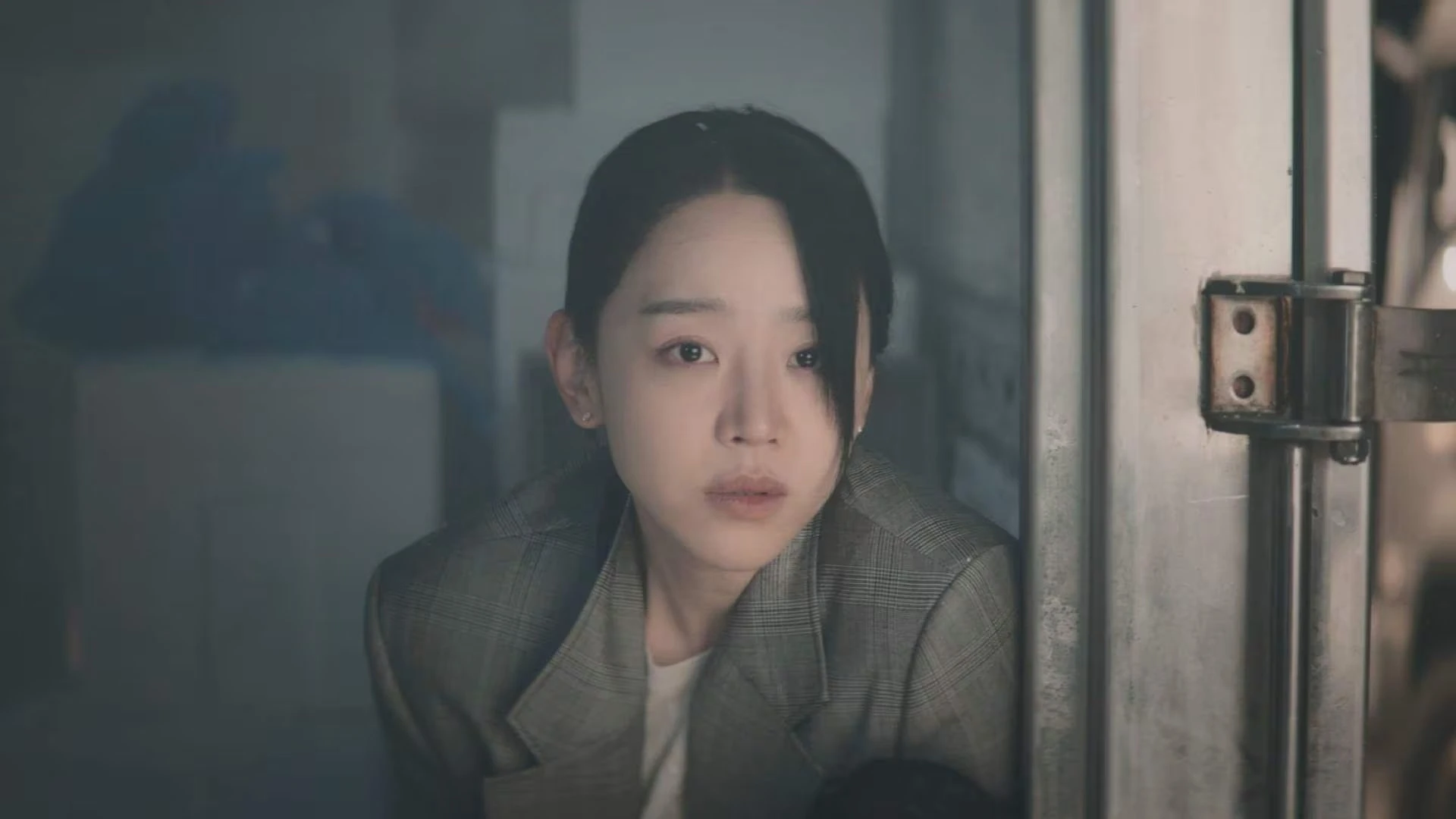
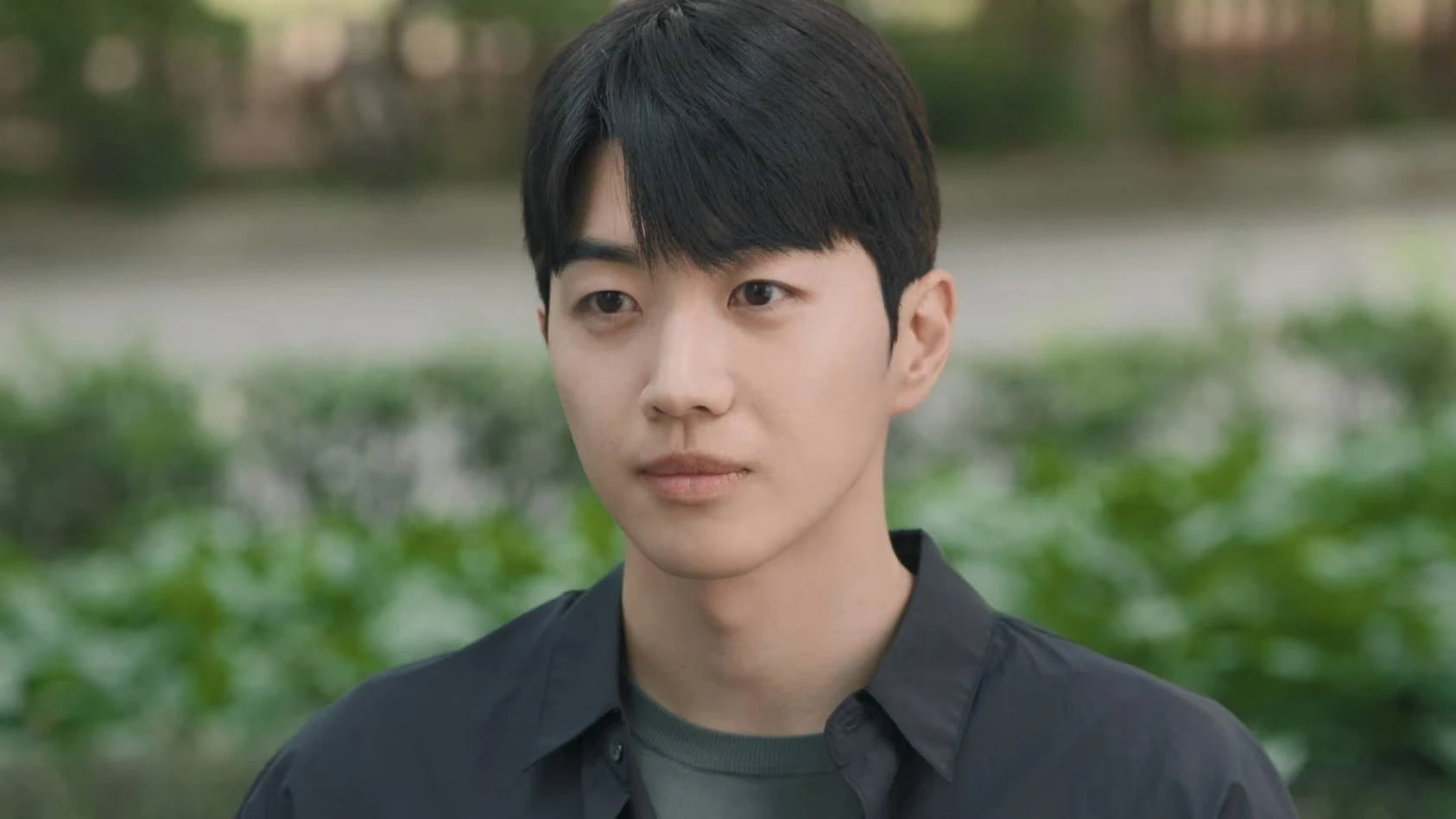
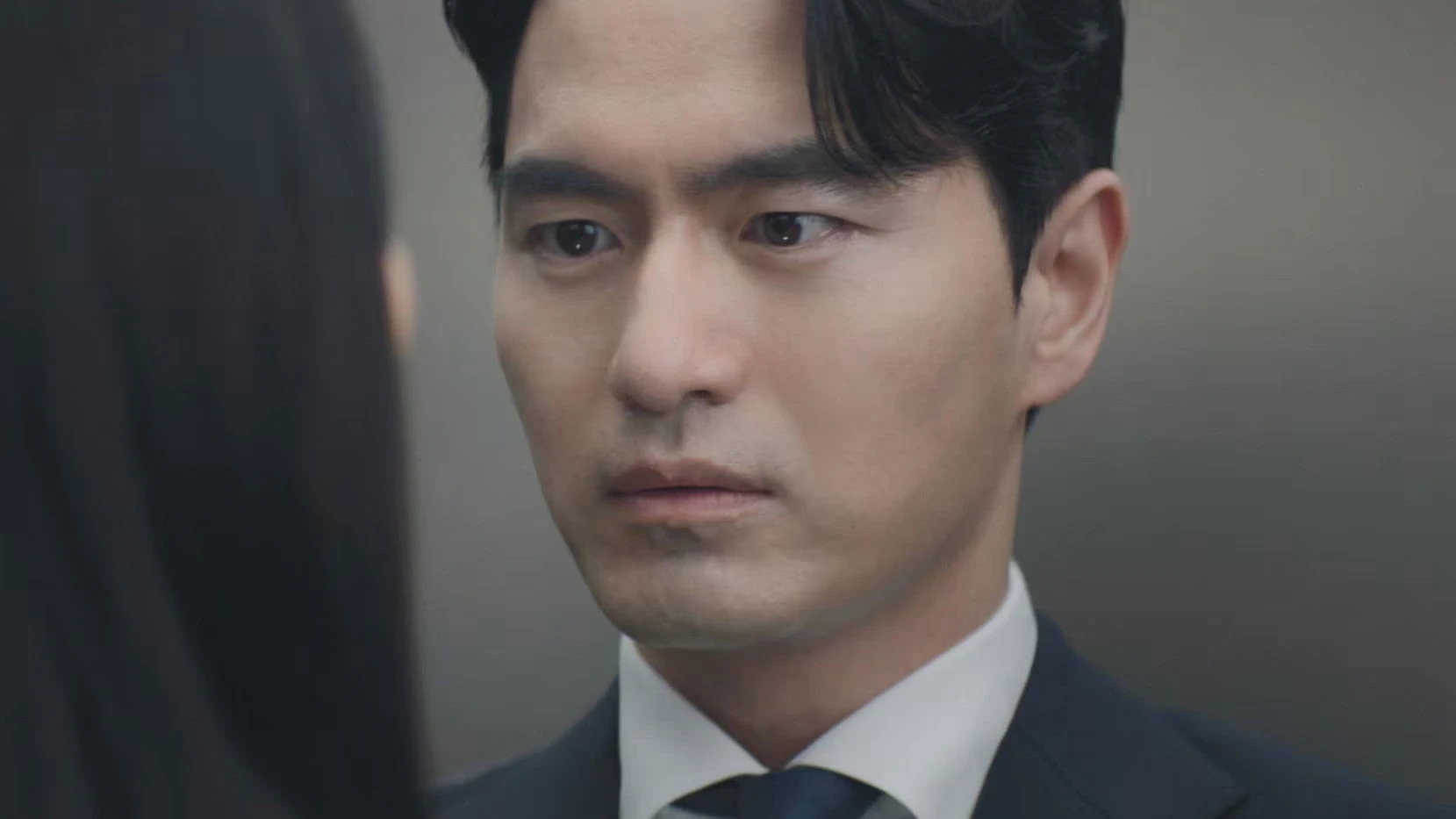
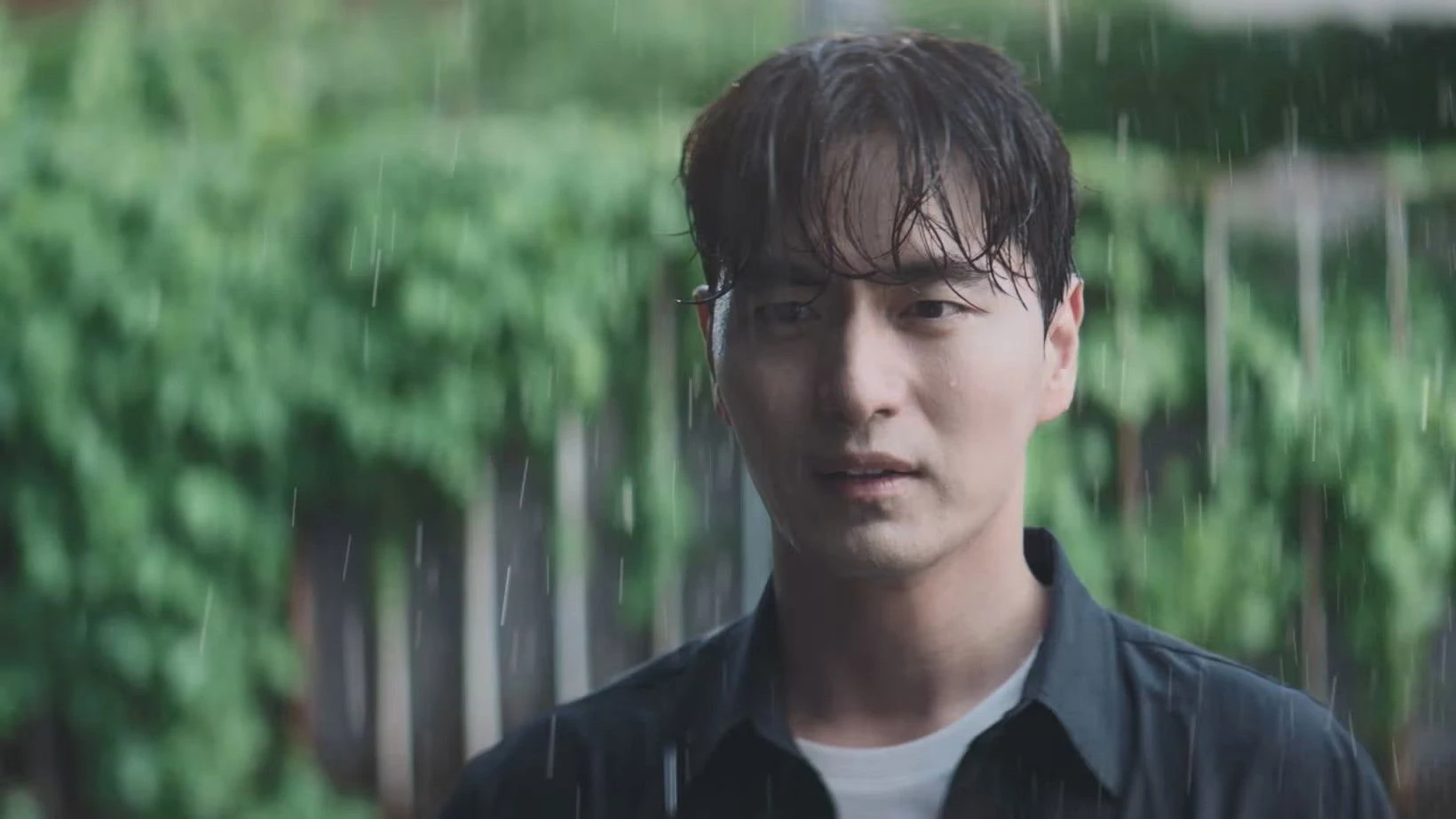

🏁 Ending Explained
Full spoilers — what happened, and why it hits the way it does.
Spoiler Warning — This section covers the full finale of Dear Hyeri. Stop here if you haven’t finished the series.
The goodbye that wasn’t an erasure. Eun-ho’s psychiatrist confirms what the audience has been watching across twelve episodes: Hye-ri is no longer emerging. The disorder is integrated. But where a lesser drama would frame this as victory — the person cured, the story resolved — Dear Hyeri frames it as loss. Eun-ho throws a farewell party. She invites everyone who knew Hye-ri. She gives the alter a proper send-off, because Hye-ri was never just a symptom. She was the part of Eun-ho that survived by becoming someone who didn’t know how much she was hurting.

Showing up as its own form of love. With Jae-yong in the ICU after shielding Hyun-oh from the car meant for him, the 9 PM news broadcast is in crisis. Hyun-oh breaks down in his office — the vulnerability underneath everything finally surfacing, visible in a way it hasn’t been across the whole series. Eun-ho steadies him. She tells him that anchoring the broadcast is how he protects what Jae-yong built. He does it. Jae-yong recovers. The two resolutions are bound together in the episode’s emotional logic: showing up, in this drama, is its own kind of declaration.
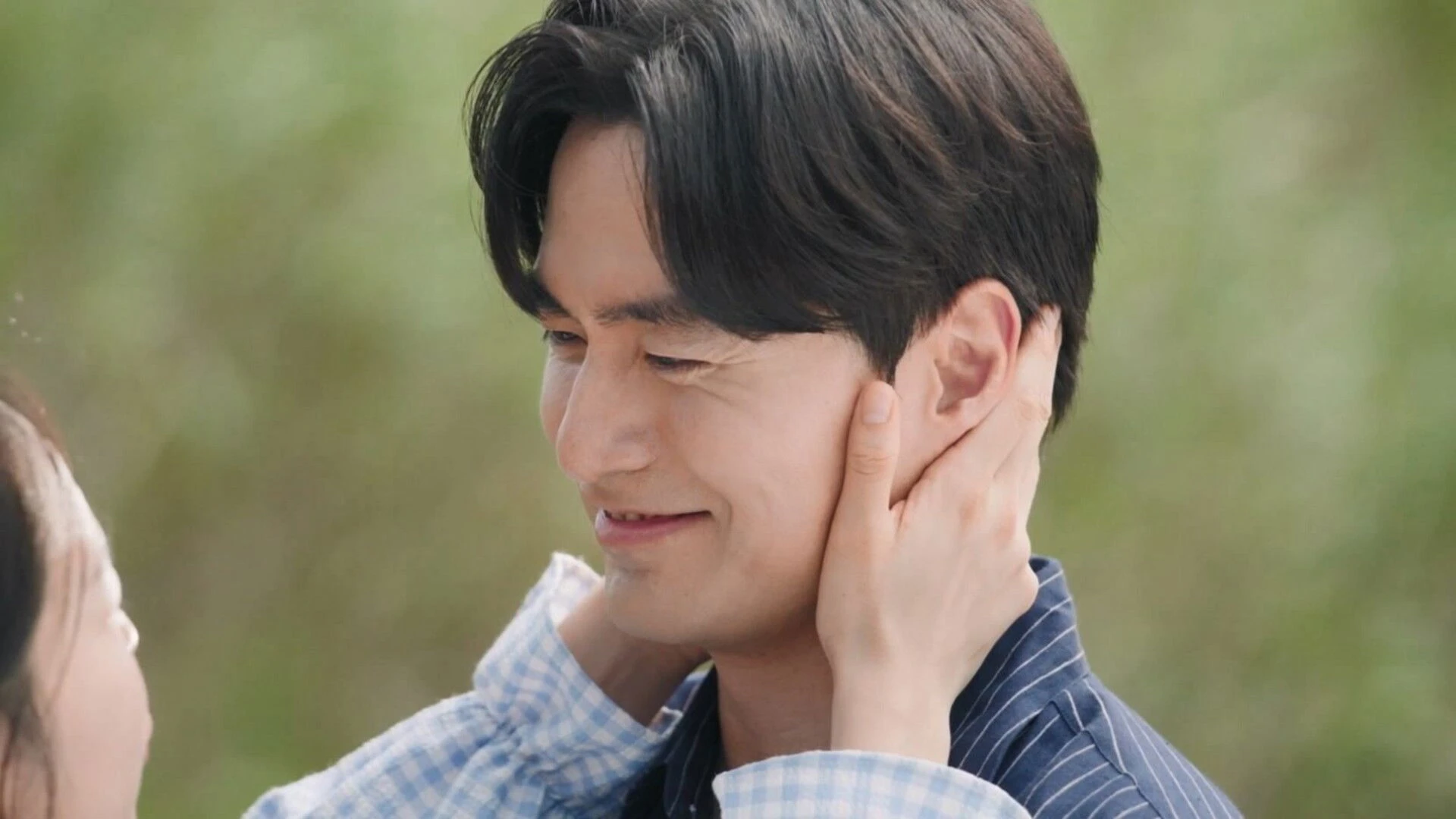
The meadow that changed meaning. Hyun-oh proposes in the meadow where Eun-ho’s sister Joo Hye-ri once disappeared — the place that started everything. The drama never explains directly why Eun-ho created an alter who shared her sister’s name, but it doesn’t need to. We already understand: Hye-ri was how Eun-ho kept her sister alive without having to acknowledge that she was gone. Choosing to stand in that meadow again, this time as herself, and accept something new — that’s the fullest version of what “healing” looks like here. Not a return to before. An inhabiting of after.

The thank-you that sounds like grief. Joo-yeon’s farewell to Hye-ri is the finale’s most quietly devastating beat. He thanks her for teaching him to value the time he has beside his hospitalized mother. What he’s actually saying is that Hye-ri — a person who technically never existed — changed who he is. That’s the drama’s strangest achievement: the alter accumulated real emotional meaning while never being real. The goodbye lands because the relationship was genuine, even if the identity wasn’t.
She doesn’t become who she was. She becomes who she is. The final understanding Dear Hyeri arrives at is not that Eun-ho has recovered and can resume the life she had before the dissociation. The farewell party for Hye-ri is also a farewell to the grief that created her. Eun-ho doesn’t erase Hye-ri; she acknowledges everything the alter carried on her behalf — joy, openness, the capacity to love without armor. The question the drama leaves with isn’t whether she can get those things back. It’s whether she can learn to hold them herself, in her own name.
✍️ KDramaWorlds Editor’s Take
Worth watching or not — our honest read, and who it’s for.
🪞 Two Selves, One Life
💌 Letters to the Missing
📰 Media World Pressure
🌿 The Work of Becoming
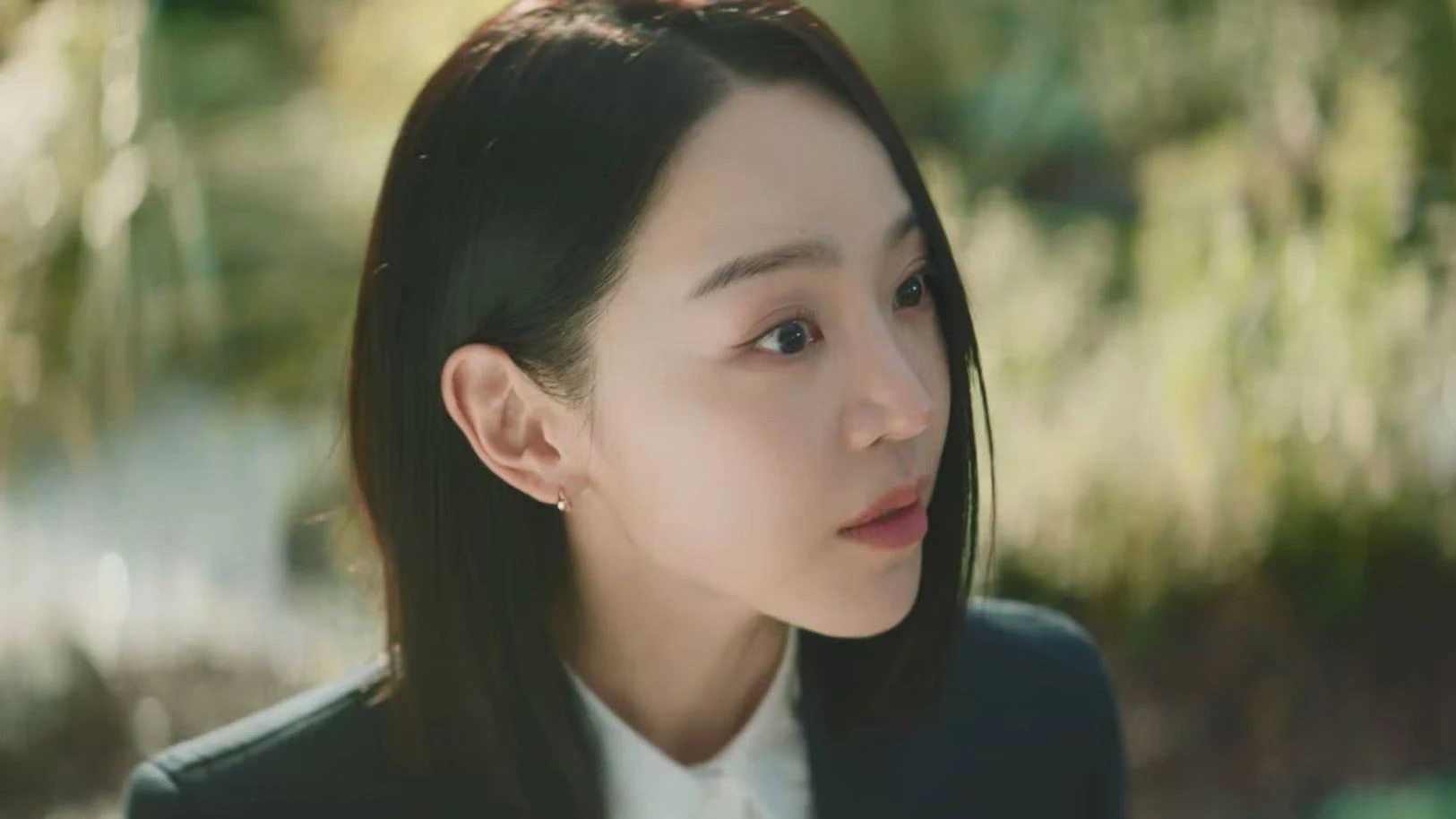
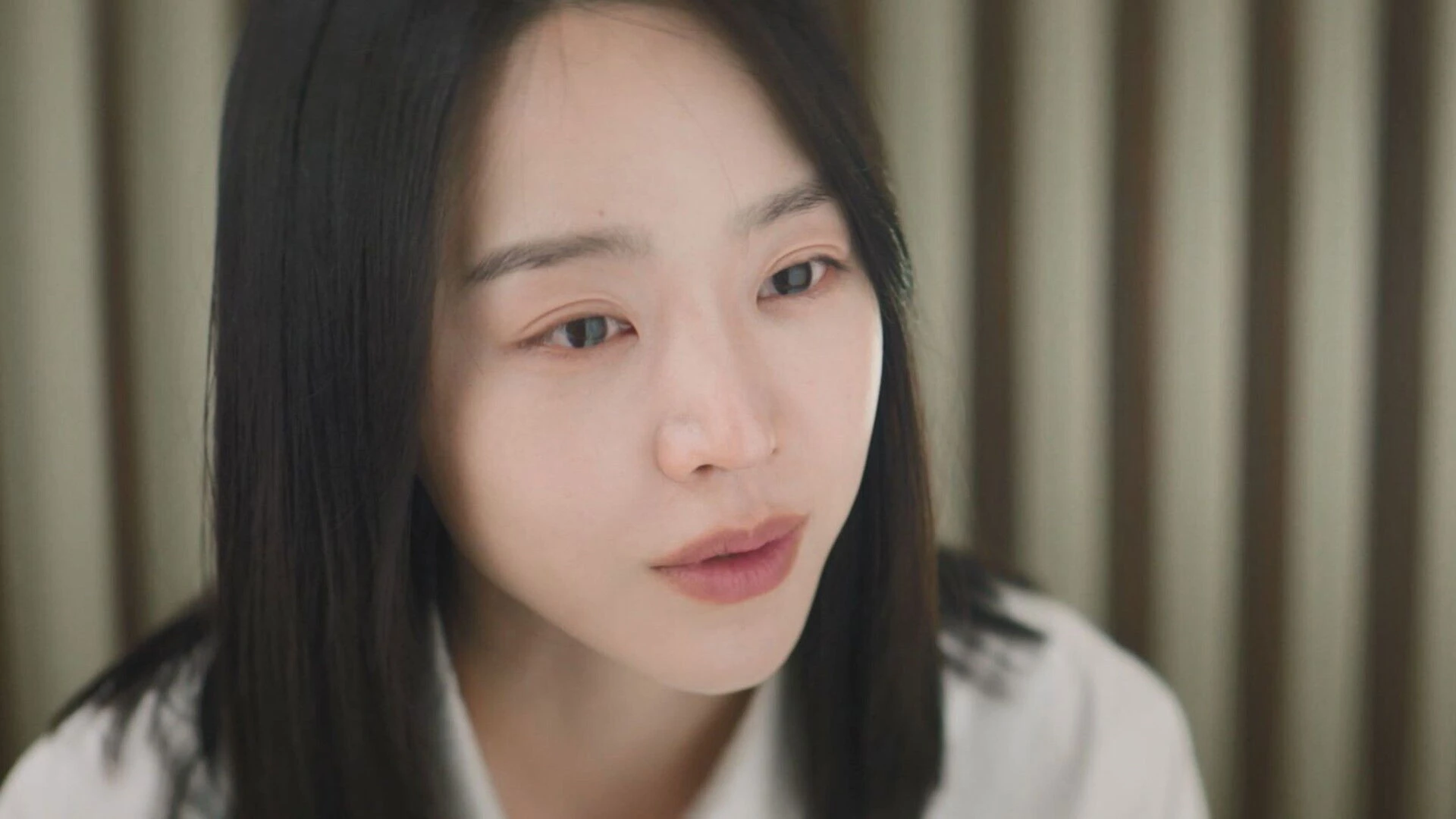
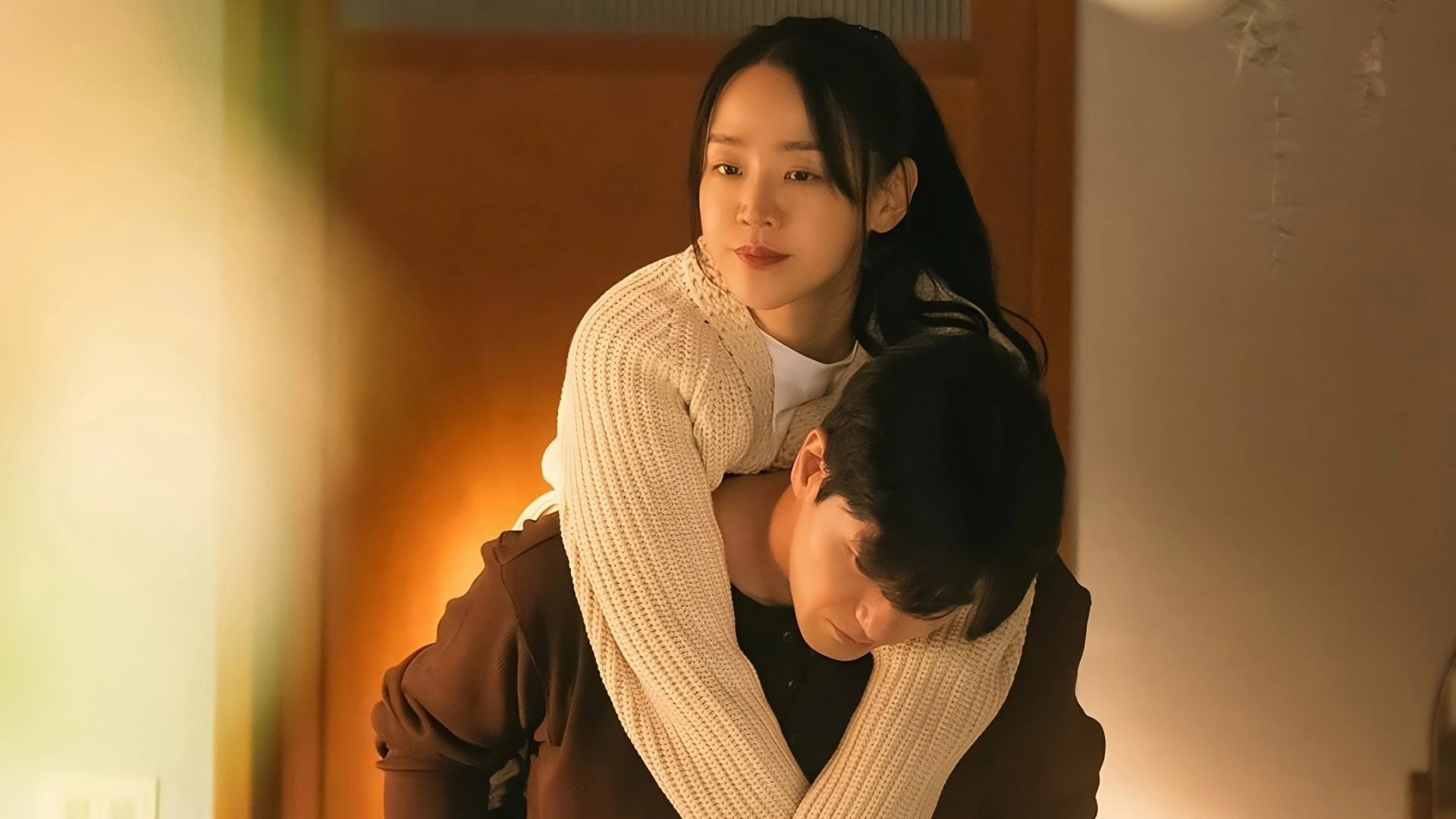
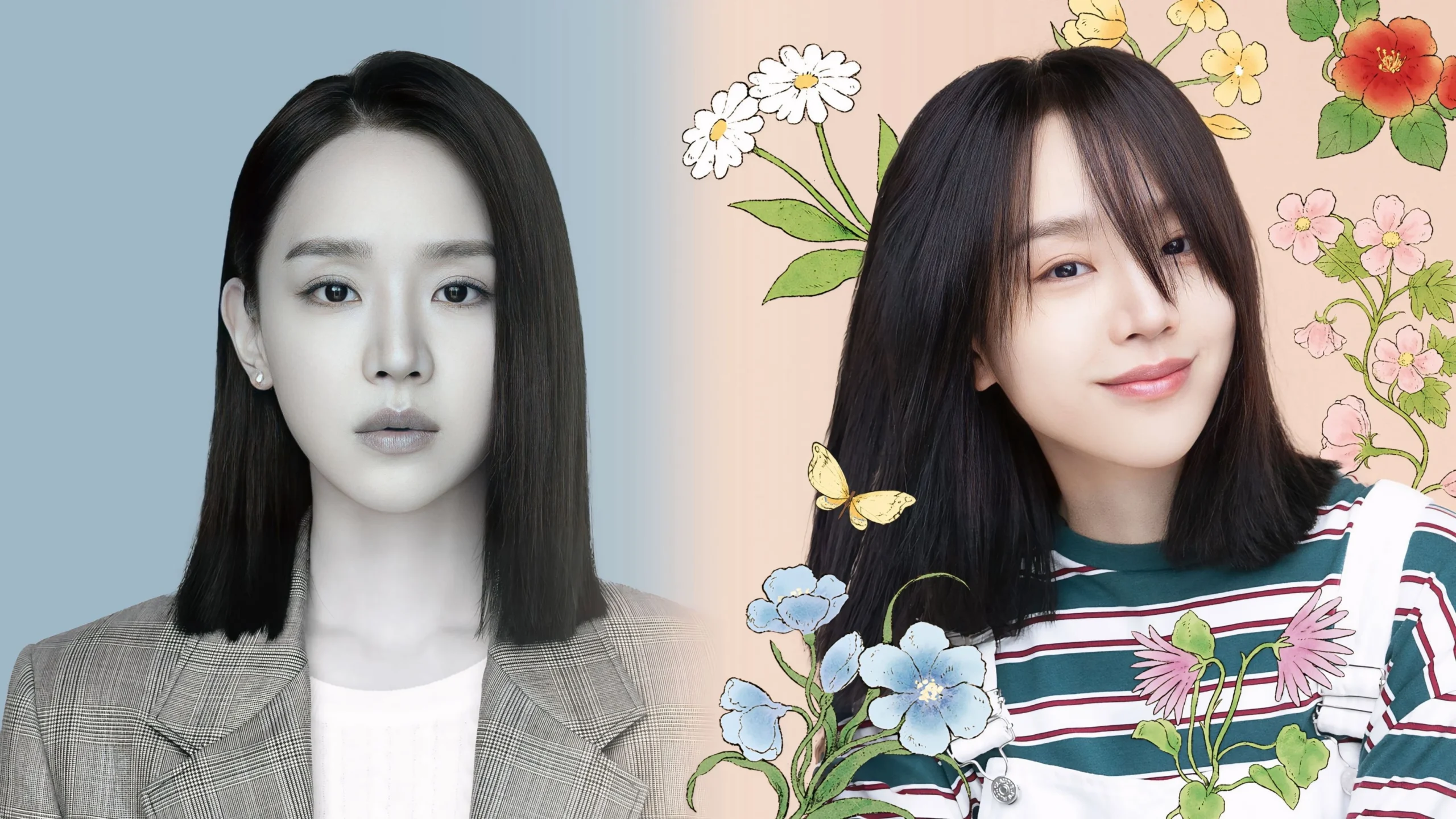
Shin Hae-sun has made a career playing women who are sharper than the room expects — Angel’s Last Mission: Love, Mr. Queen, Tale of Nok-du — but Dear Hyeri asks her to do something more technically unusual: play two characters who share a body at different temperatures. What she does in the transition between Eun-ho and Hye-ri isn’t accent or affect. It’s posture. Eun-ho holds herself as if the next professional insult is already incoming. Hye-ri stands like she’s never had to brace for one. That physical distinction is load-bearing — the drama’s entire credibility rests on whether you believe the two identities are separate, and Shin Hae-sun makes it effortless to believe they are. She also adds a third register that appears in the episode where Eun-ho deliberately performs Hye-ri: something caught between the two, a woman playing the version of herself she wishes she were. If you’ve followed her in the emotional excavation register of Call It Love (2023), you know she can do this. Dear Hyeri is where she makes it look effortless.
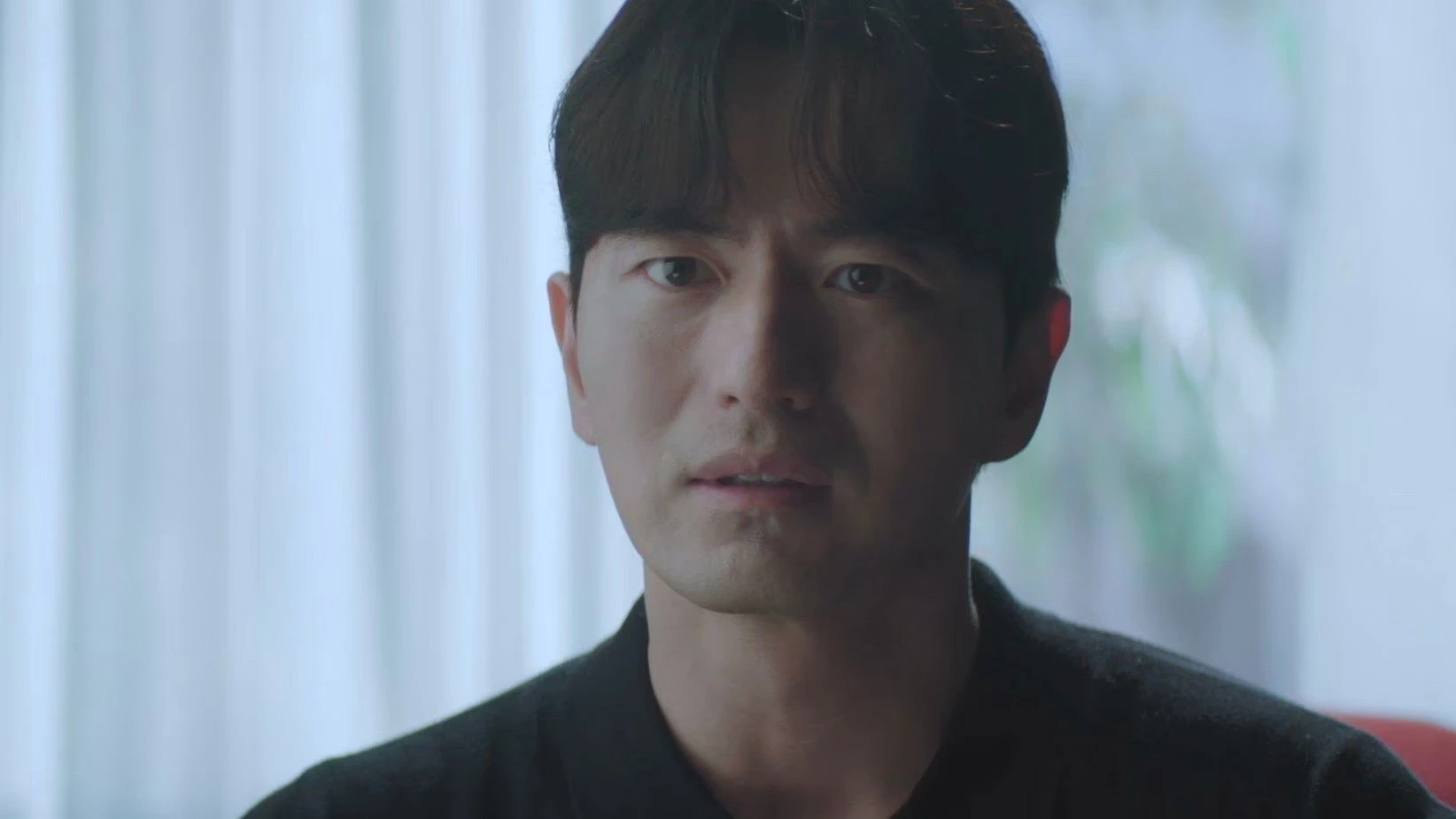
Lee Jin-uk plays Hyun-oh as someone who learned to be capable at everything except staying. The performance is most interesting in the backstory episode — the orphaned kid who survived by making himself useful to dangerous people, and who built his career on the same logic. That history doesn’t excuse the patterns, but it makes them legible in a way that the first five episodes don’t quite earn on their own. Kang Hoon, opposite him as Joo-yeon, plays a man who falls in love with genuine honesty, not knowing he’s falling for a fiction. The sadness of his arc is that the love was real even if the person wasn’t. Summer Strike (2022) navigates a similar emotional topology — two people meeting in spaces they built to avoid their real lives — and Dear Hyeri is in the same register, if a few degrees heavier.
Where Dear Hyeri loses you is in the convenience of its plotting. Eun-ho disappears for a month and barely anyone notices until Joo-yeon goes looking. The sister mystery gets resolved more quickly than the drama earns. And the romantic resolution leans on Hyun-oh’s backstory more than on demonstrated change — the show explains him in Episode 6, but doesn’t fully show him doing the work of becoming different. These are structural problems, and they keep a drama with a genuinely unusual central performance from reaching the heights it occasionally glimpses. Still: the farewell party in the finale is worth the journey. The DID premise is handled with more emotional care than most dramas would give it, and Shin Hae-sun’s dual performance is the most technically demanding thing she’s done on screen.
Fans of messy ex-lover storylines with actual emotional logic
Shin Hae-sun completionists who want to see her full range
A drama about a woman who built someone else out of her grief — and the long, difficult work of deciding to be herself again.
🎬 You Might Also Like
If you liked Dear Hyeri, these are your next three watches.
 Still Shining
Coming-of-AgeFirst Love
Read Full Review →
|
 Your Honor
Corruptioncrime
Read Full Review →
|
 The Dream Life of Mr. Kim
car wash businessJo Hyun-tak
Read Full Review →
|














Keep it kind, skip the harsh language, and please — no spoilers. Everyone's taste is different, and that's perfectly fine.
This space is for real reactions and discussion from other viewers. Help keep it comfortable for everyone by not giving away major plot details.
What do you think of this drama?
Login to share your review or leave a comment.
No email needed — just pick a username & password.