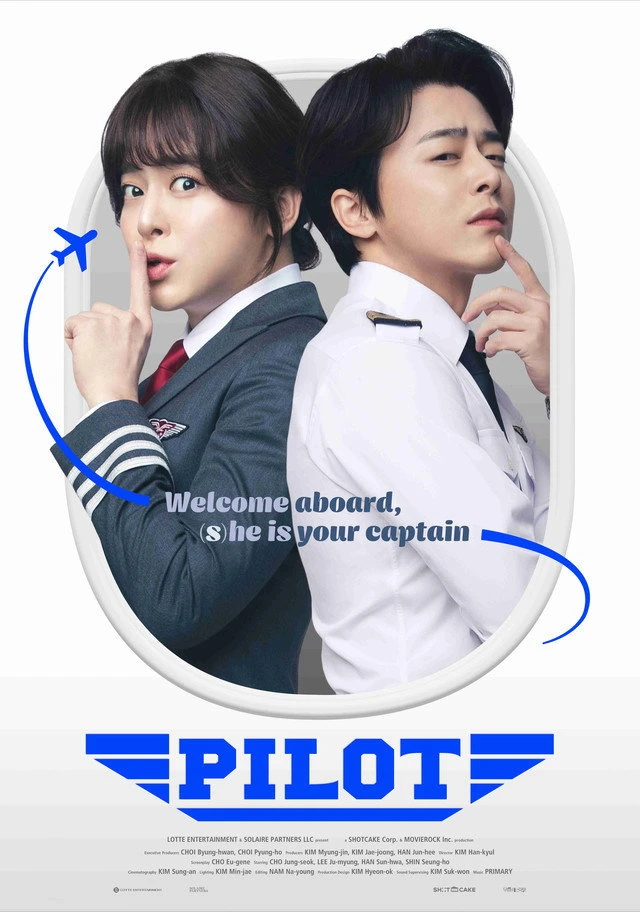
Pilot
🎬 Film Overview
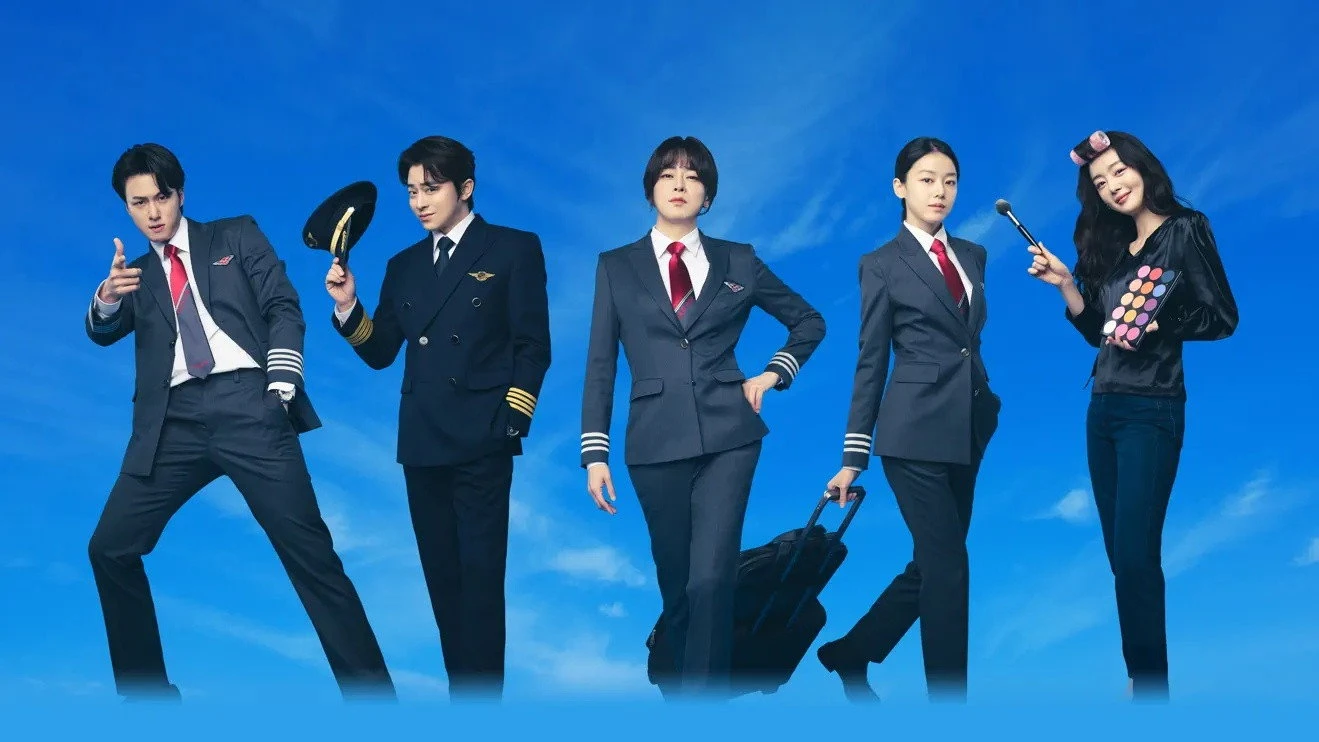
Han Jung-woo is a celebrated star pilot at the peak of his career — a familiar face on television talk shows and the promotional face of his airline. One unguarded remark at a corporate event triggers a swift and absolute media backlash that ends his career overnight. Blacklisted from every major airline and facing the collapse of his personal life, he discovers that a new progressive carrier is actively hiring female pilots. In a desperate gamble, he borrows his younger sister’s legal identity, undergoes a physical transformation, and re-enters the cockpit under a name that is not his own — navigating a double life at altitude while the people around him begin to notice the inconsistencies.
⚡ Quick Verdict
The short version — everything that matters, boxed up.
IMDb 6.2 · Letterboxd 3.1/5
▶ Official Trailer
🎭 Cast & Characters
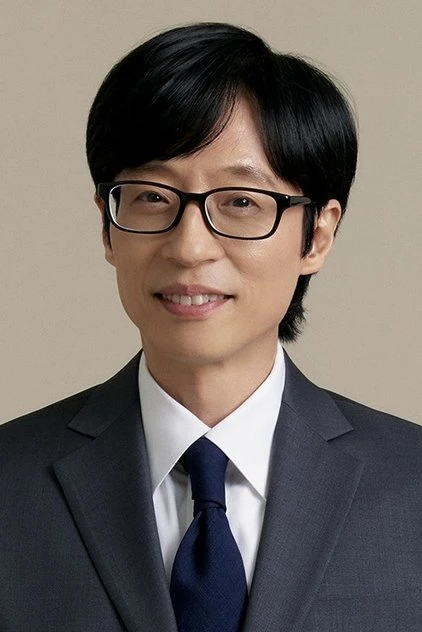
Cho Jung-seok carries the identity transformation at the center, supported by a cast that includes Korea’s most recognizable variety host playing himself.

Lead

Lead

Lead

Supporting

Supporting

Supporting

Supporting
Supporting

Supporting
Supporting
Supporting

Supporting
📖 The Story
Spoiler-light — enough to feel the film before you press play.
Han Jung-woo occupies a category of celebrity that Korean culture reserves for the intersection of professional excellence and media appeal: a senior commercial airline captain who also happens to be good-looking, articulate on television, and reliable enough that his airline uses his face for promotional campaigns. His life operates on parallel tracks — the cockpit and the talk show green room — and he has never had reason to choose between them because both have always held. The film opens with a man who has built his entire identity around the confidence that his position is unassailable, which is precisely the kind of setup that requires the next scene to prove him wrong.
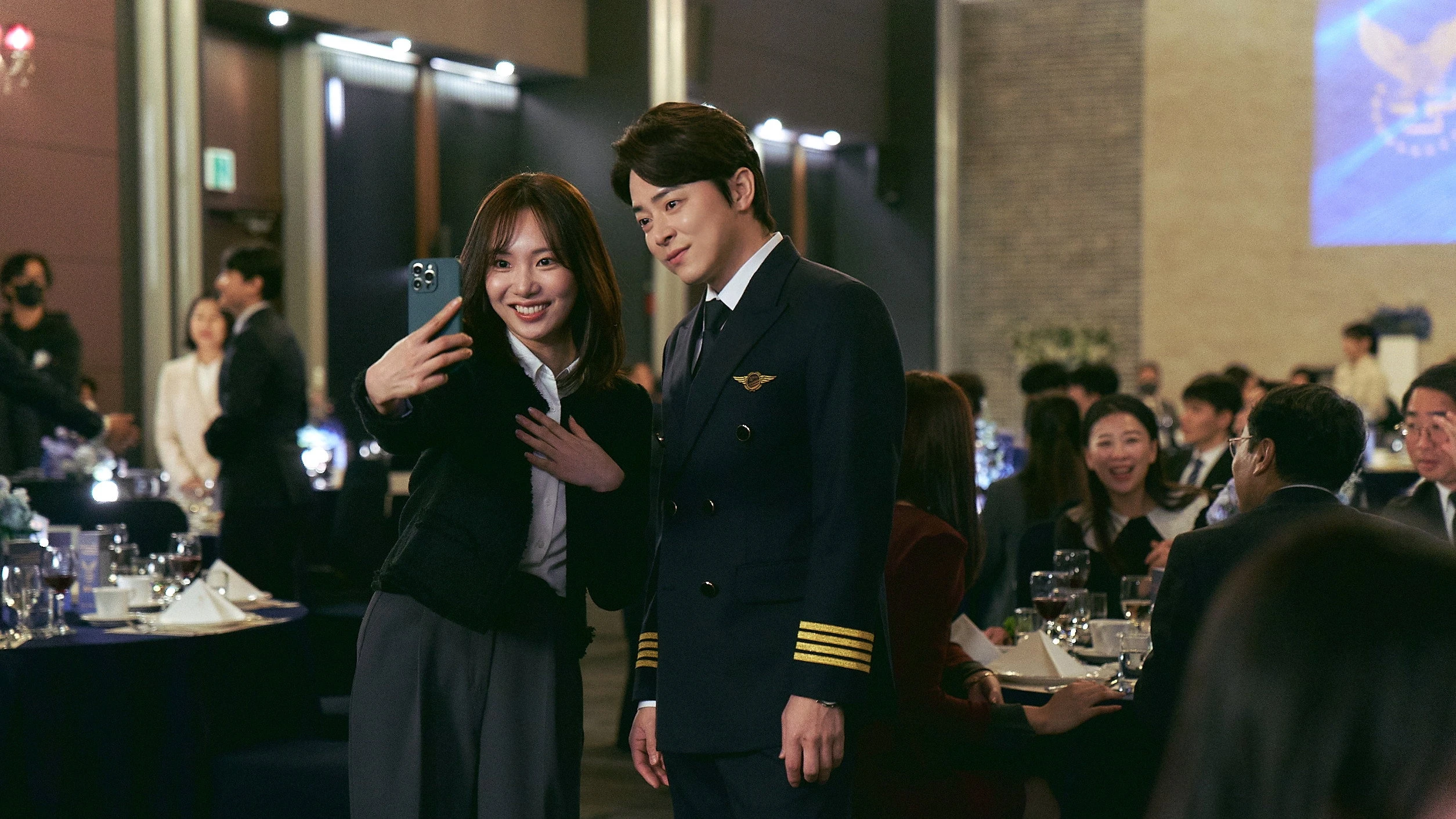
The unraveling takes one night and approximately forty seconds of unguarded honesty at a corporate event. A remark that would have faded quietly in a smaller room goes public, and the media backlash converts a beloved public figure into an industry liability with the speed that Korean cancel culture has made its signature move. He is terminated, blacklisted across every major airline, and socially abandoned by people who were there for the career rather than the person. What he thought was a life turns out to have been a position, and the position is gone.
The desperation that follows is not performed — the film is careful about this. His family holds, barely, but the threat of divorce and financial collapse is real enough that the comedy’s absurdity has to coexist with genuine urgency. The conventional professional options are exhausted before the premise arrives: no airline will touch him, no amount of appeals changes the industry’s position, and the memory is long. The film earns its cross-dressing premise not by playing it for quick laughs but by building the situation to a point where the audience understands exactly why a man of this particular pride would consider something this humiliating.
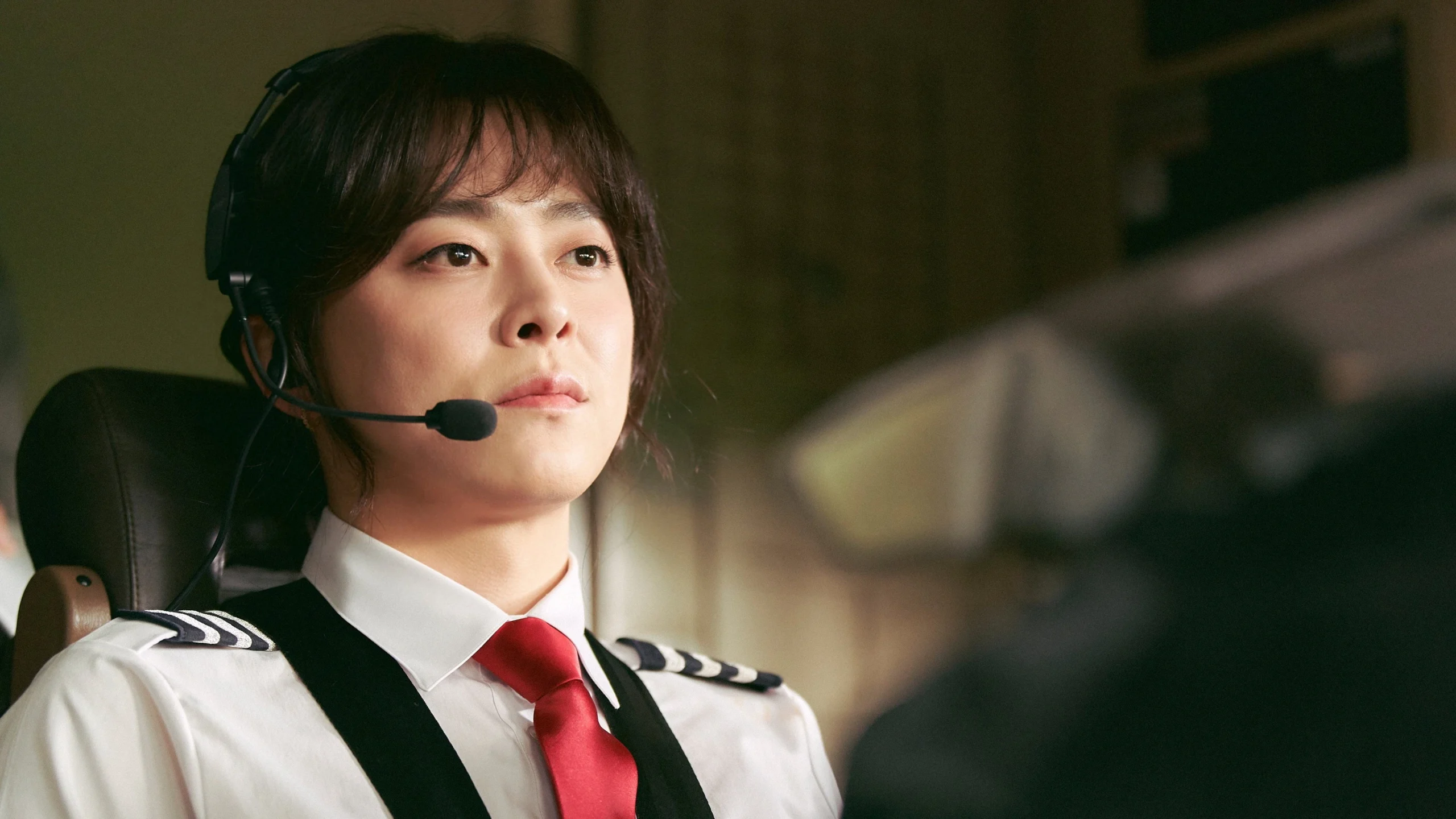
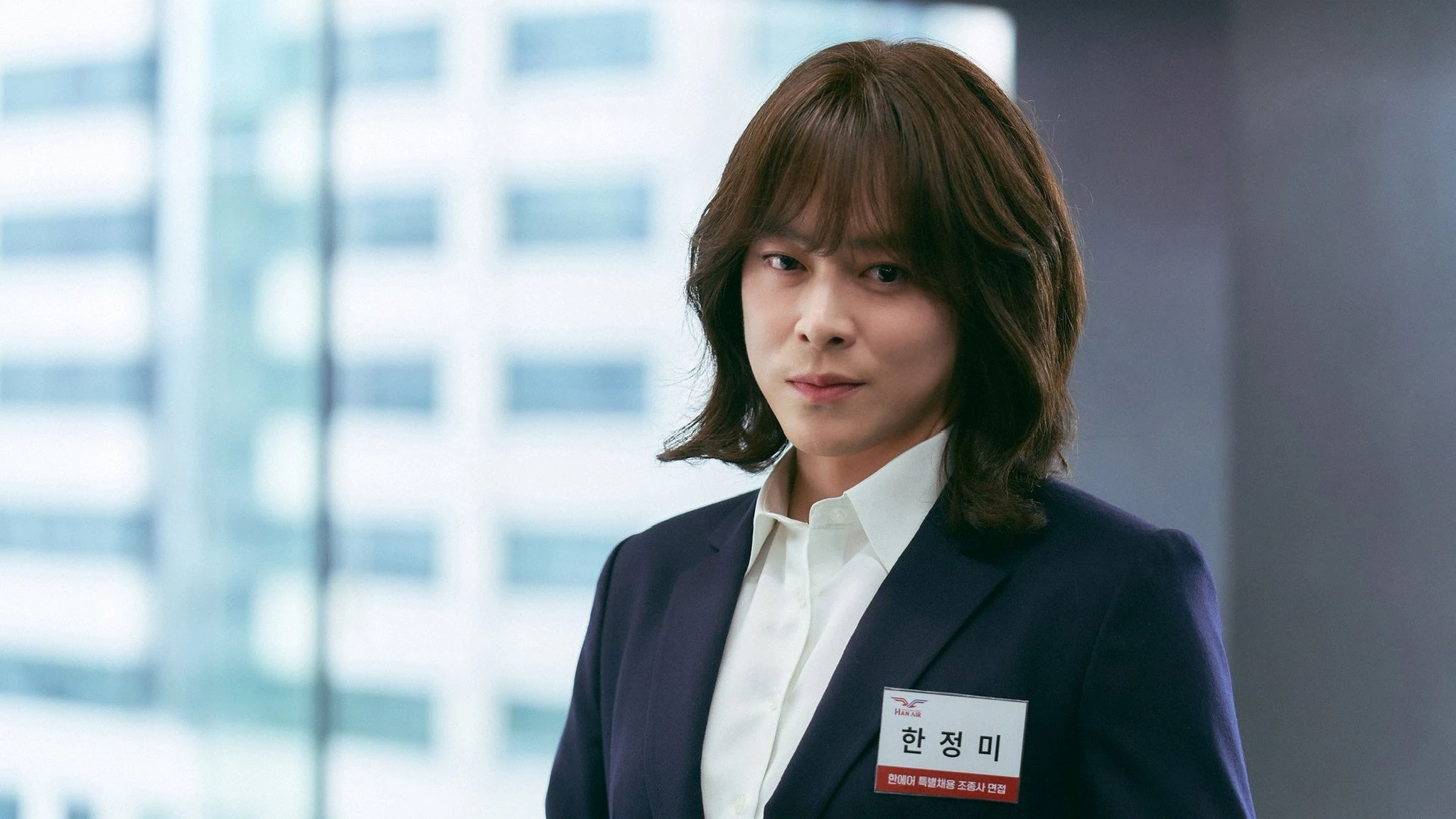
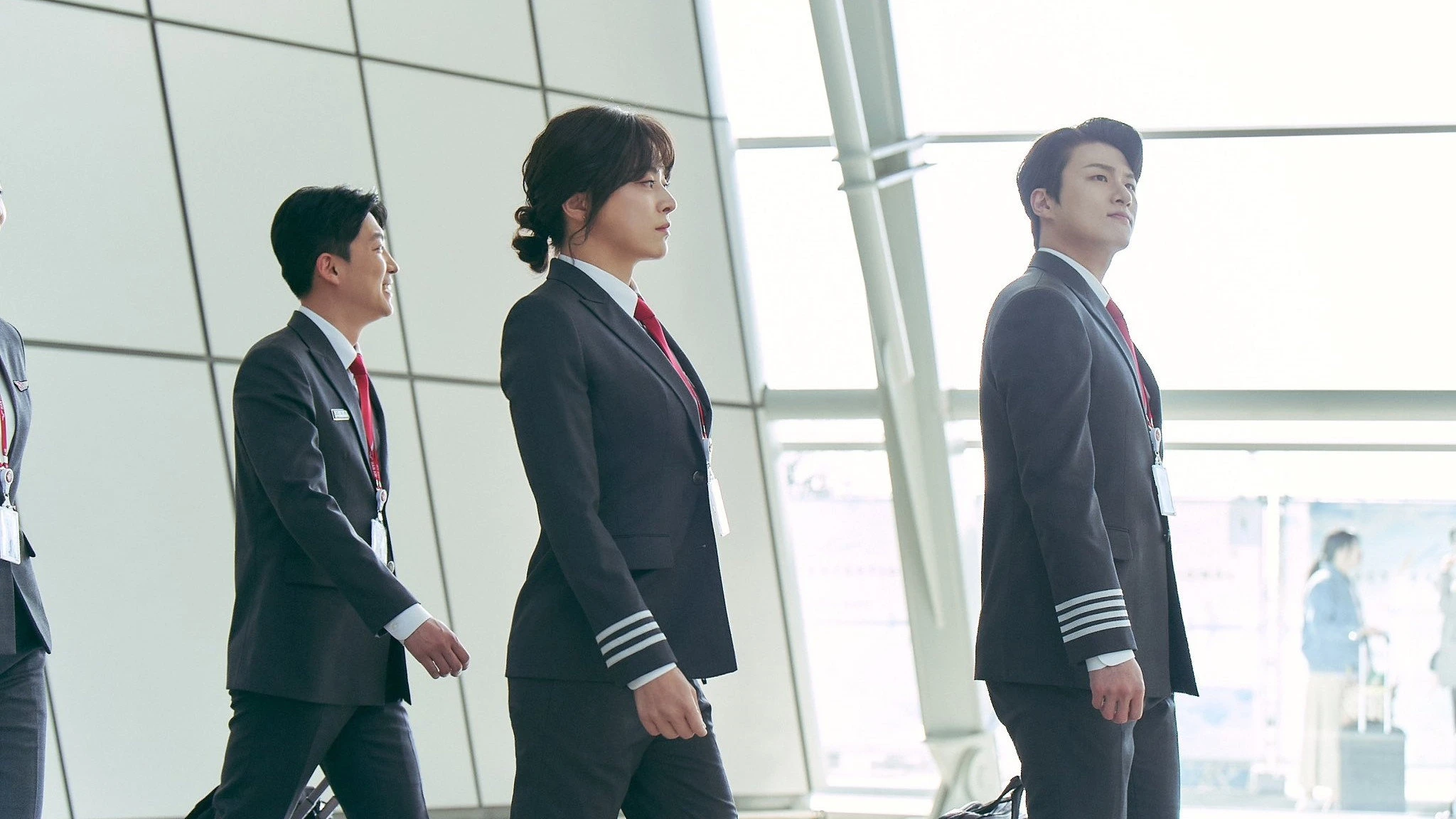
The new airline where Jung-woo lands — under his younger sister Han Jung-mi’s name and a convincing physical transformation — is deliberately framed as the kind of progressive institution that exists to challenge everything the old system represented: active diversity hiring, female pilots in senior roles, a different corporate culture from the one that produced and discarded him. Yoon Seul-ki, a cool and professionally formidable female pilot who becomes his closest colleague, is the film’s best character: someone advocating for the exact equity that Jung-woo spent his career casually benefiting from, now making her arguments directly to him while he pretends to be on her side. The film knows what it is doing with this dynamic and leans into it rather than flinching.
What keeps the film from collapsing into simple farce is that it has a point to make and commits to making it. Jung-woo is not just a man in a wig navigating slapstick situations — he is experiencing, for the first time, the institutional environment he previously occupied from the comfortable side of every double standard. There is also the casting of real variety legends Yoo Jae-suk and Jo Se-ho playing versions of themselves, which turns the film’s satire of Korean celebrity culture from commentary into something closer to confession. Korea’s greatest variety host appears in a film about a man pretending to be someone else — the film knows exactly what joke it’s making, and it is making it about the entire industry simultaneously.
The tone is warm and comedic but moves faster than it appears to. The cockpit scenes — where suspicion from a misogynistic junior officer or an unexpected passenger creates compressed, claustrophobic comedic pressure — are the film’s best work: specific, technically observed, and using the confined space to generate genuine comedy without relying on the premise alone. Cho Jung-seok commits to the physical transformation with the seriousness that good comedy actors bring to obviously undignified material, and the result is a performance that earns the social argument the film is quietly building alongside the jokes.
Korean cancel culture’s capacity to permanently rewrite a public figure’s legacy in a single news cycle is not an abstraction here — it is the premise. The film is set in a corporate South Korea where diversity initiatives are visible but coexist with institutional attitudes that haven’t kept pace with the branding, where a man disguising himself as a woman to access the benefits of a diversity programme is both satire and social diagnosis. International audiences watching this as a straightforward comedy will find it funny enough. Audiences with any familiarity with the specific pressures of Korean professional culture will find it cuts a little closer to something actual.

🏁 Ending Explained
Full spoilers ahead — everything that happens in the finale and what it all means.
Spoiler Warning — This section covers the full finale of Pilot. Stop here if you haven’t seen the film.
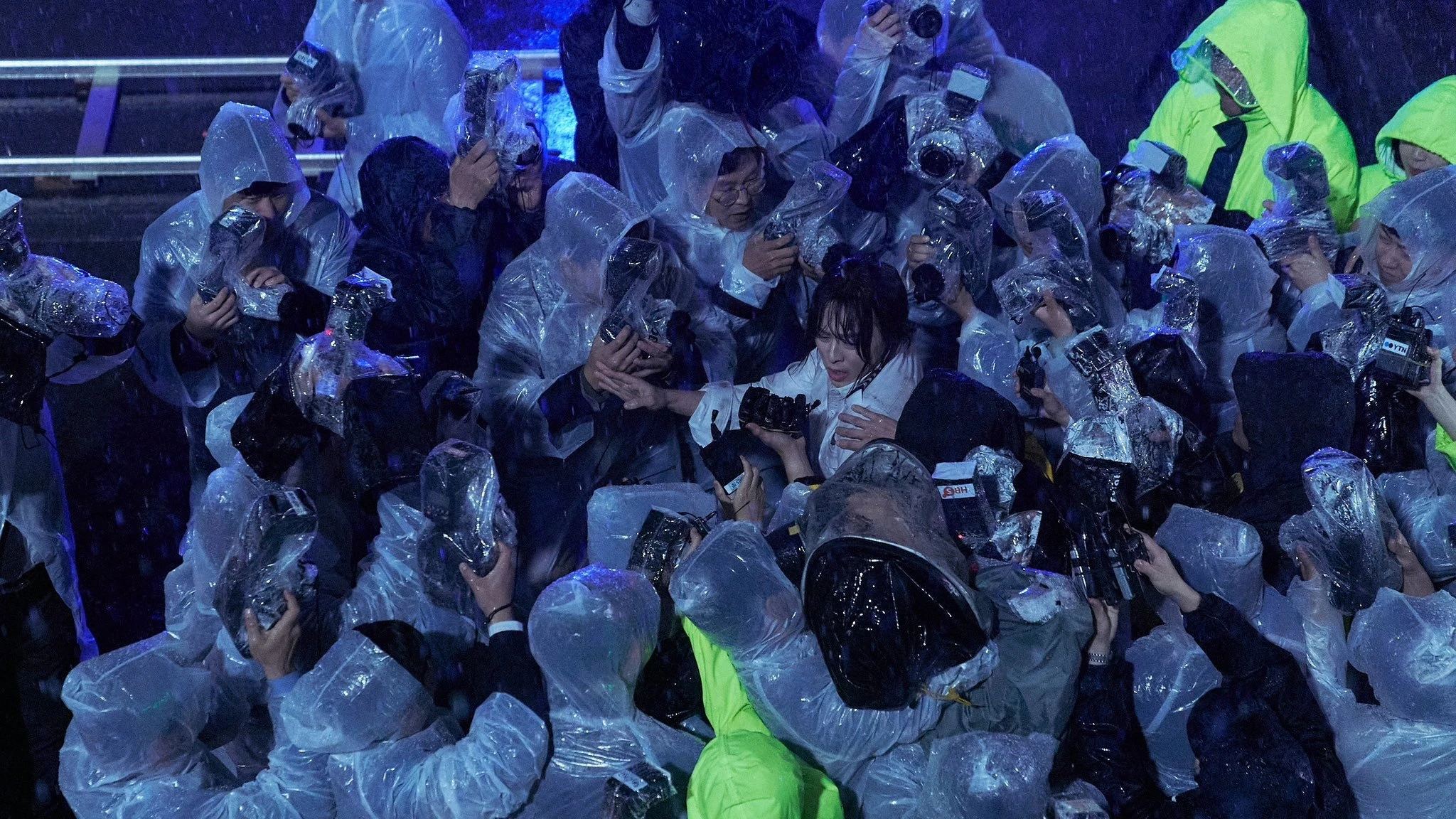
The Landing That Unmasks Everything. The film delivers its reckoning inside a cockpit at altitude, which is where Jung-woo has always been most honest. When the weather emergency strikes and every professional instinct he has been suppressing under a wig and an assumed name reasserts itself, his elite skill takes over and gets everyone down safely — and in doing so, makes the disguise impossible to sustain. This is the film’s cleanest piece of structure: the talent he was punishing himself for hiding is the thing that finally unmasks him, and there is no non-humiliating way out of that geometry. He confesses publicly. The immediate consequences — fraud charges, termination, public condemnation — arrive with the same swiftness as the original cancellation that started everything.
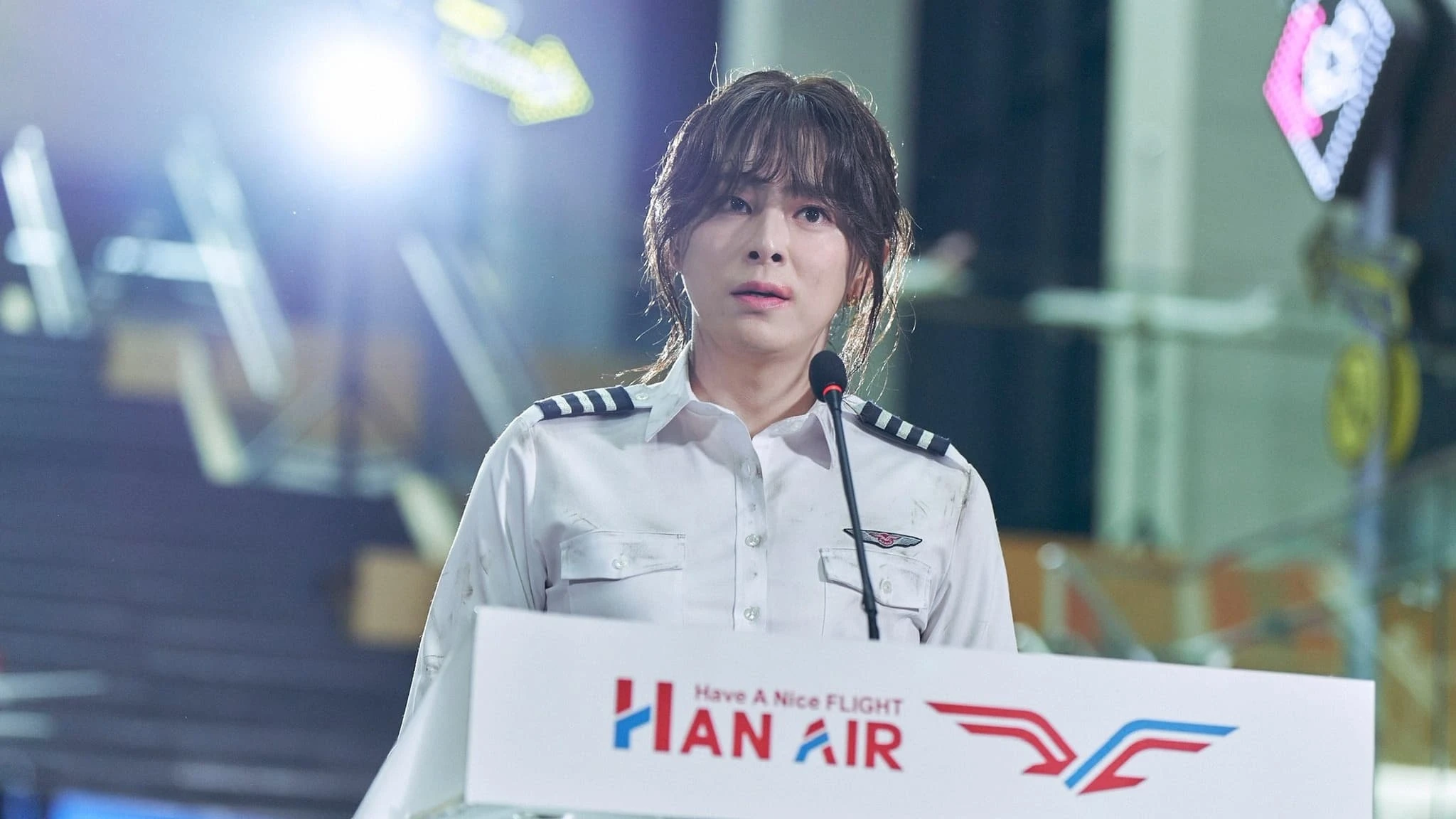
The Version of the Story the Film Chooses Not to Tell. The resolution that follows is the film’s most deliberate move. Jung-woo does not get his old job back. He does not receive an institutional pardon or a redemption arc that ends with the airline welcoming him through the front door. What he receives instead is something harder to dramatize and more structurally honest: professional respect from Yoon Seul-ki, earned through months of working beside her without the arrogance that defined his previous career, and a family that chooses to remain intact not because the career has been salvaged but because the person who required the career to define himself has finally cracked. The film refuses the version of this story where competence is sufficient — and that refusal is what distinguishes it from most of the genre.
What the Ending Leaves Open. The question the film deliberately does not answer is whether Han Jung-woo ever flies commercial routes again. One reading treats his permanent blacklisting as exactly what it is: an honest portrait of a system that has no mechanism for reinstating someone who committed institutional fraud, regardless of the mitigating circumstances. A more hopeful reading — and the film’s final images earn it — focuses on the peace in his last scenes: Jung-woo present in his own life in a way he never was when the career was intact, his relationships repaired, his humility legible in how he moves through scenes that would previously have been consumed by performance. The career and the identity are not the same thing. Losing one was always the condition for finding out what was under the other.
The Argument the Film Was Always Making. On a second viewing, the early scenes of Jung-woo’s televised confidence carry a weight of dramatic irony that is easy to miss the first time: a man performing competence so thoroughly that even he has stopped noticing the performance. The micro-aggressions he committed without thinking mirror precisely the institutional barriers he had to navigate while disguised — the film is careful to make this symmetry visible without underlining it. His final interactions with Seul-ki carry none of the management energy of their early scenes: he is specific, present, not calibrating how he appears. He doesn’t get back what he lost. He finds out it was the least important thing he had.
✍️ KDramaWorlds Editor’s Take
Our real opinion — worth the watch, and for who exactly.
Kim Han-gyul
Known for: Ditto (2022)
Cho Jung-seok’s career has covered enough range — romantic leads, historical ensemble, the kind of supporting turns where he reliably steals his scenes — that watching him fully commit to the physical comedy of a middle-aged pilot in a wig and heels feels less like a departure than a destination. What he does with Han Jung-woo that is specifically impressive is the degradation arc: the gap between the man we meet in the first five minutes — confident in a way that reads as arrogance, polished in a way that reads as distance — and the man who is eventually trying to maintain a disguise in a cockpit while a suspicious junior officer watches his every movement. He never plays Jung-woo as stupid, which is the trap. He plays him as someone who has always been competent at everything except self-awareness, and the film’s comedy comes from watching that gap close, one painful scene at a time.
Lee Ju-myoung’s Yoon Seul-ki is the film’s most interesting character and the one the screenplay treats slightly carelessly — given real personality, clear professional competence, and a specific point of view, then asked to mostly serve the lead’s arc rather than complete her own. It is the film’s honest structural weakness, and it is easy to notice precisely because what’s there is good enough to make you want more. The meta-casting works in a way that could easily have tipped into self-congratulation: Yoo Jae-suk and Jo Se-ho playing versions of themselves doesn’t just wink at celebrity culture — it makes Han Jung-woo’s specific kind of male media confidence legible as a type rather than just a character. Korea’s most beloved variety host plays himself in a film about a man pretending to be someone else, and the film earns that joke entirely. For a different angle on Korean identity and reinvention, Pretty Crazy (2025) pushes Korean comedy further into chaos, while Once We Were Us (2025) trades the comedy for something rawer about belonging.
The film resolves cleaner than its premise fully earns — the final act compresses some of the moral complexity the setup established, giving the audience enough to feel satisfied without quite following the logic all the way through. What Pilot gets undeniably right is that it never loses sight of why its social commentary exists: the cross-dressing is not the joke, it is the setup for a sustained examination of how differently the same institution treats the same person depending on which category they are perceived to occupy. That is a worthy destination for a 111-minute flight. Watch it for Cho Jung-seok. Stay for what the film is quietly saying about everyone who looked at Han Jung-woo and only ever saw the uniform.
Korean comedy fans who want social edges, not just punchlines
Anyone curious why Korean cancel culture hits this hard and this fast
🎬 You Might Also Like
If you liked Pilot, these are your next three watches.
 Tastefully Yours
chaebol leadculinary drama
Read Full Review →
|
 Dear.M
Anonymous ConfessionJaehyun
Read Full Review →
|
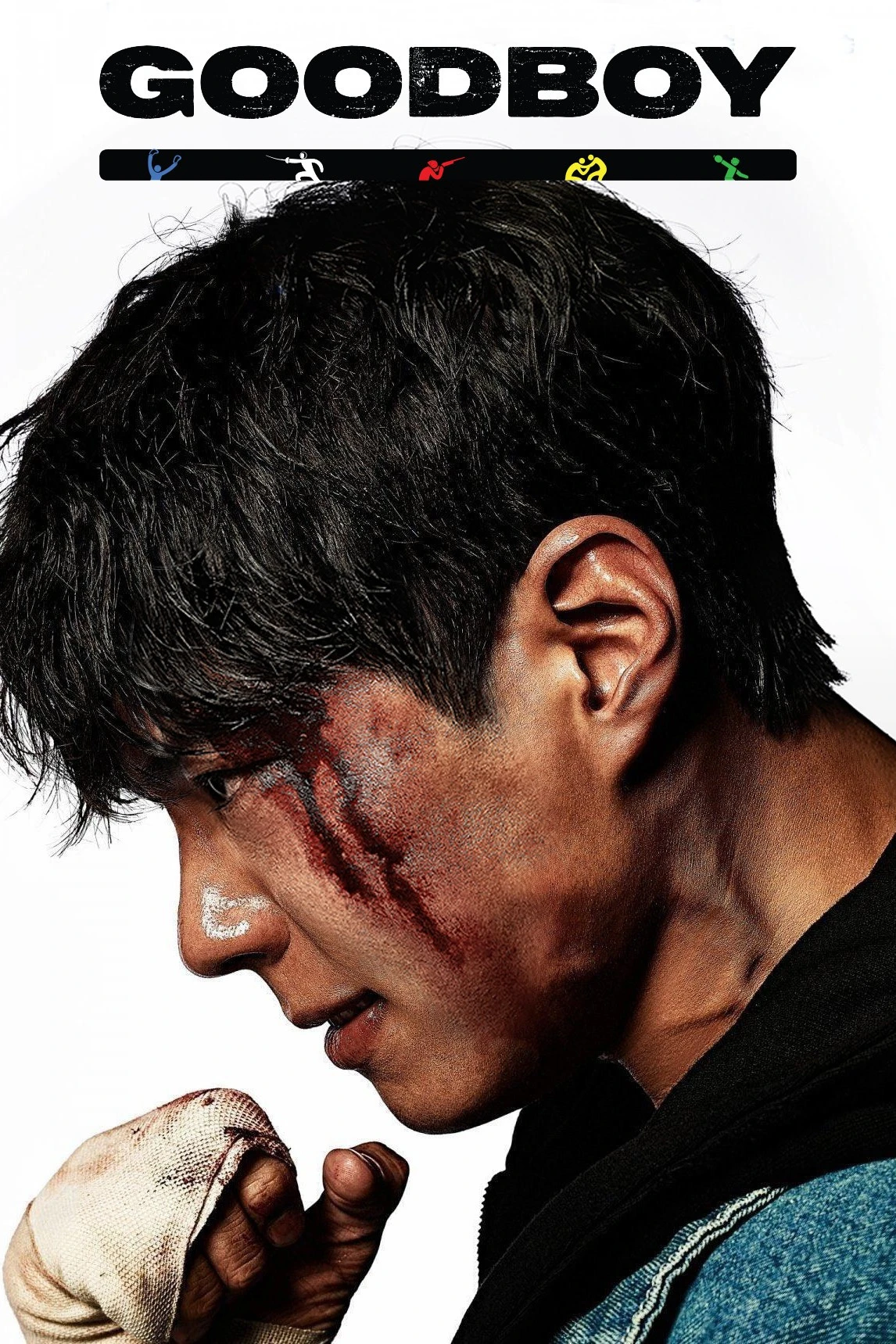 Good Boy
action comedycrime syndicate
Read Full Review →
|












Keep it kind, skip the harsh language, and please — no spoilers. Everyone's taste is different, and that's perfectly fine.
This space is for real reactions and discussion from other viewers. Help keep it comfortable for everyone by not giving away major plot details.
What do you think of this drama?
Login to share your review or leave a comment.
No email needed — just pick a username & password.