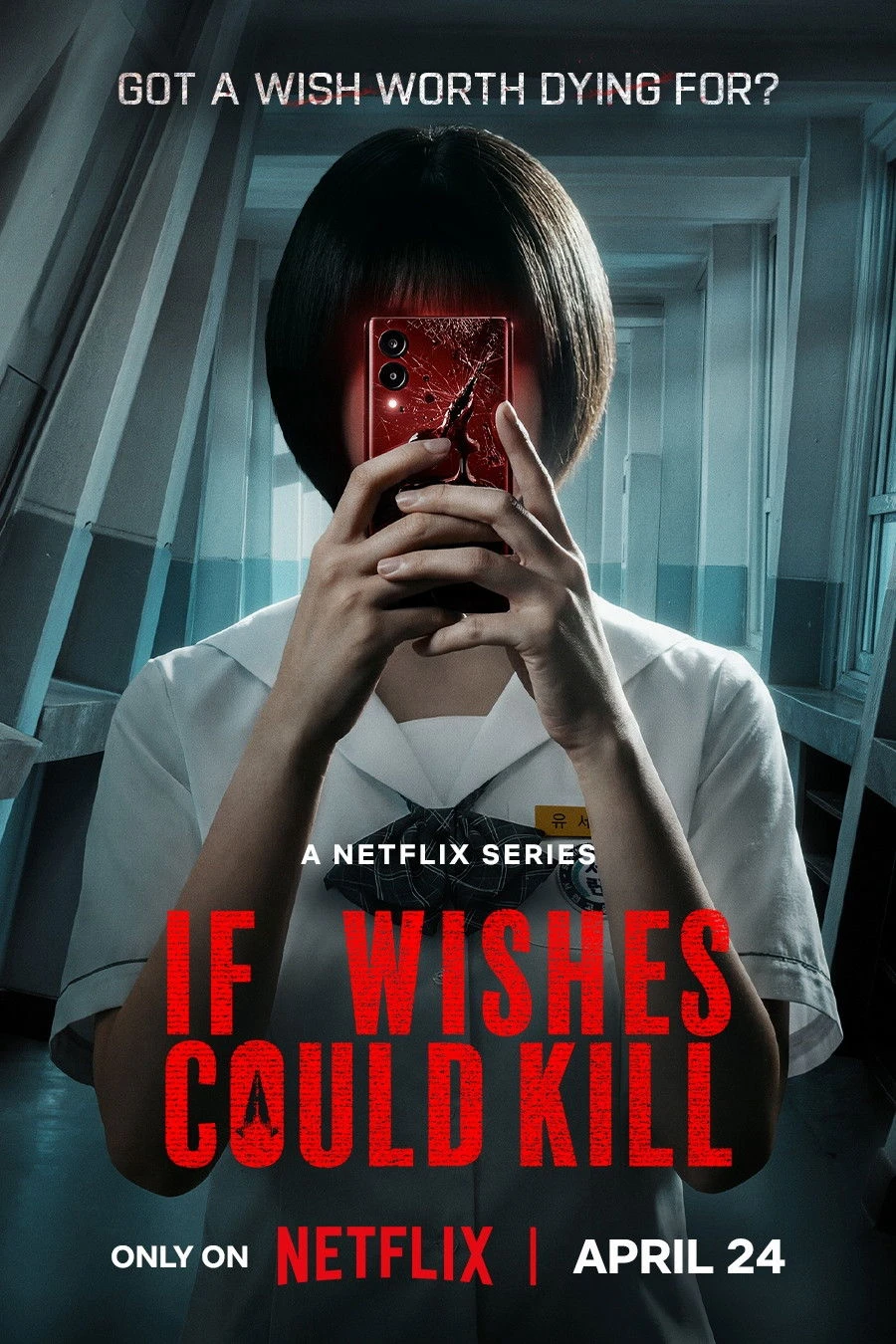
If Wishes Could Kill
🎬 Netflix
⭐ 8.2 / 10 MDL
🔞 TV-MA
📋 Drama Overview
What to expect, before you press play.
🔥 Netflix Horror Pick
At Seorin High School, five close friends stumble upon a mysterious mobile app called Girigo, which claims to grant any wish its user makes. When one of them uses the app on a whim and dies shortly after, the group discovers that every granted wish triggers a 24-hour countdown — ending in the wisher’s brutal death. As they race to uncover the dark supernatural origins behind the app, they are forced to confront their deepest fears, hidden secrets, and the devastating cost of desire.
The series blends modern digital culture with shamanistic folklore and occult horror, marking Netflix’s first Korean YA horror series. The show’s central mythology — rooted in a school tragedy, a corrupted app, and a curse that feeds on guilt — unfolds across a lean 8-episode run that wastes no time pulling its cast into increasingly dangerous territory.
8 / 8 ✅ Completed
⚡ Quick Verdict
Everything you need to decide, in one place.
· MDL Score · 7,775 ratings
▶ Official Trailer
🎭 Cast & Characters
The faces behind the fear — and the friendships that fracture under it.

Lead

Lead

Antagonist

Supporting

Supporting

Supporting
📺 Episode Guide
Spoiler-light recaps — enough to track the curse, nothing that ruins the dread.

🏁 Ending Explained
Everything the finale means, spoilers and all.
Spoiler Warning — This section covers the full finale of If Wishes Could Kill. Stop here if you haven’t finished the series.
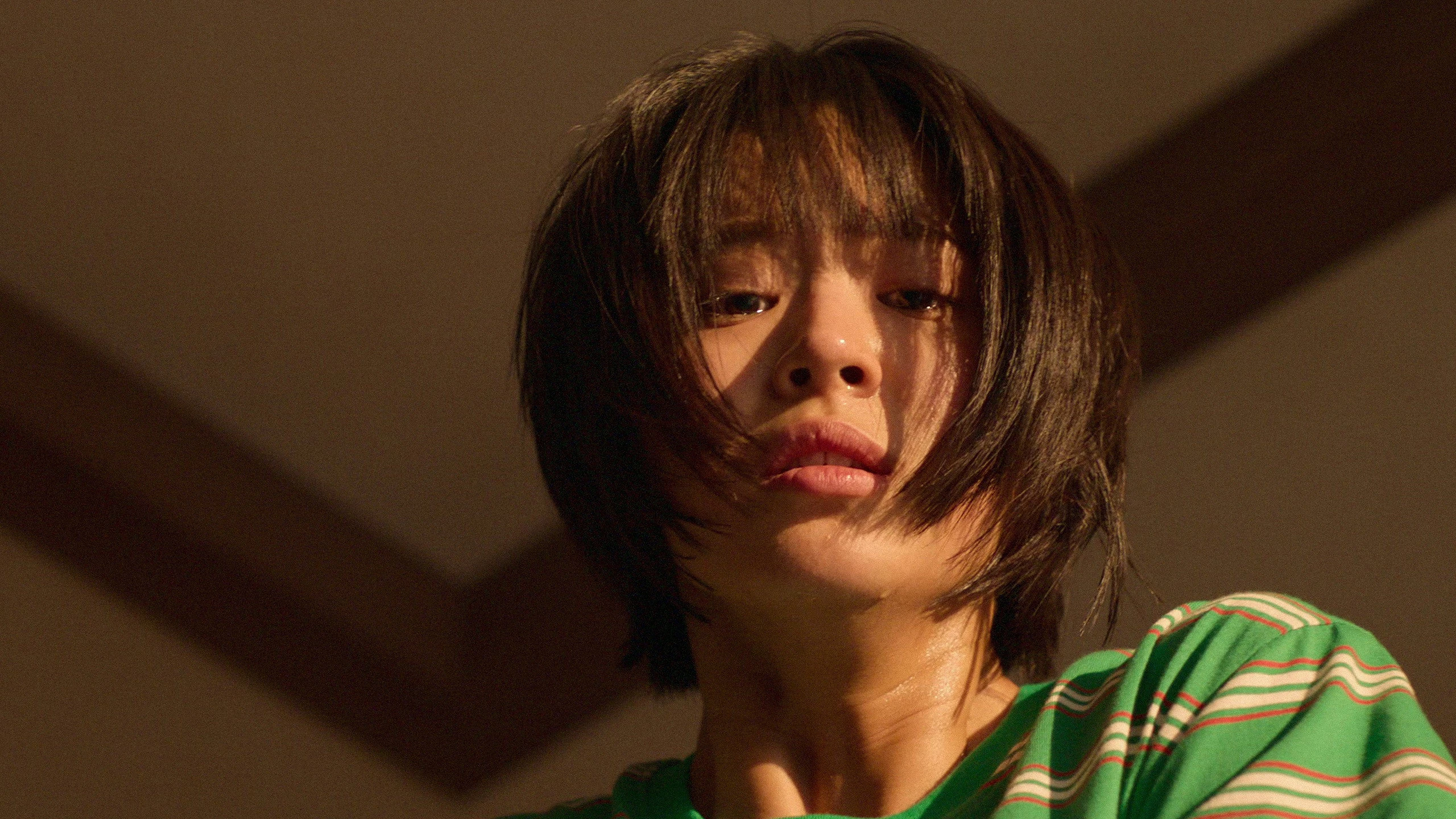
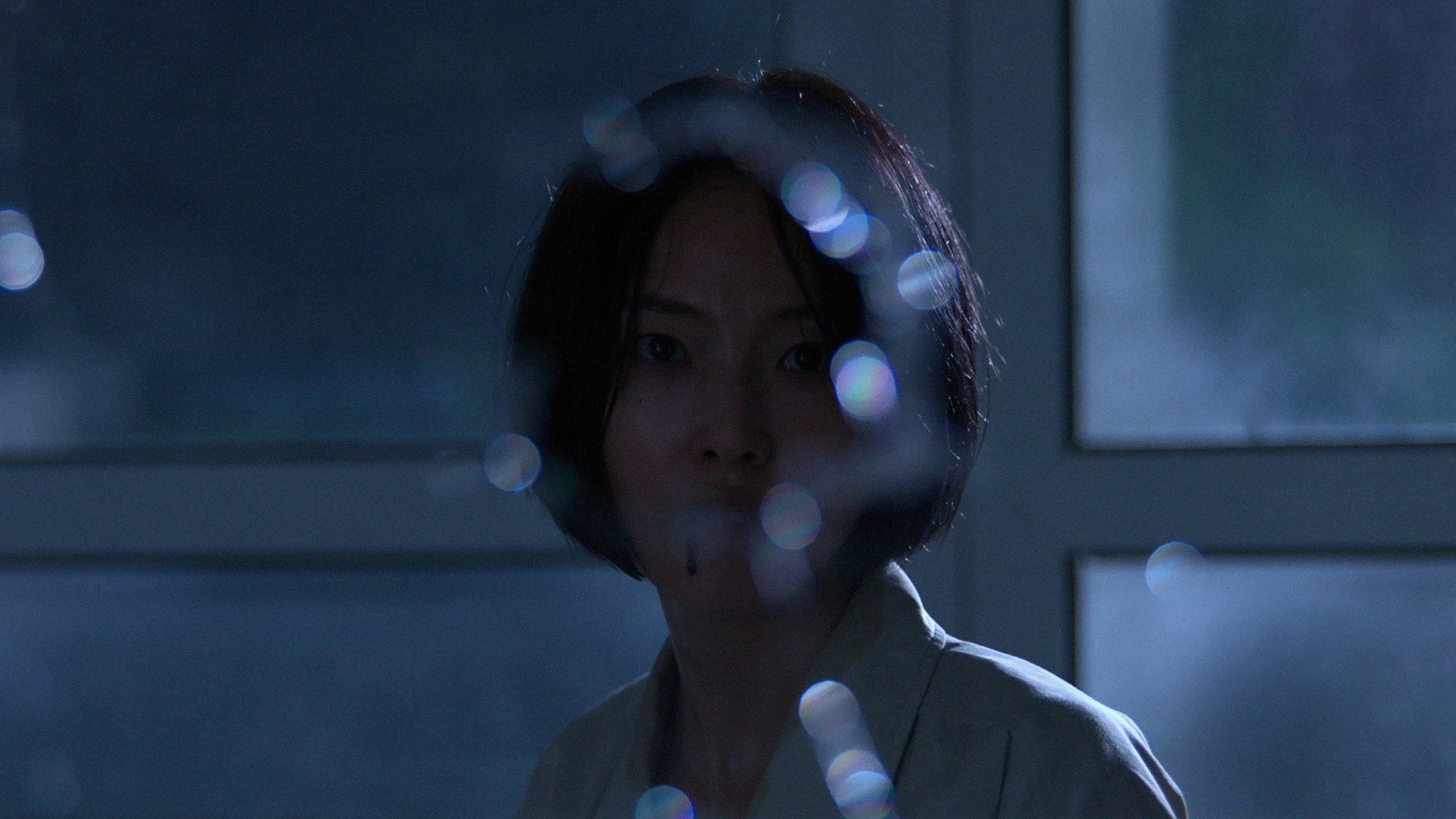
The curse had a second source no one anticipated. Episode 8 opens with Se-ah believing she’s free — the spirit dimension closed, the countdown gone. But when she notices the school’s multimedia classroom has no gate despite having been blocked, she realizes the truth: she is still inside the spirit world. Fighting her way out, the series makes its sharpest structural move — the curse that seemed to belong to Hye-ryung was, in fact, multiplied by Si-won’s own dying wish. Si-won, betrayer and victim both, used her last moment to ensure that Hye-ryung’s hatred would repeat forever on every future app user. Destroying Hye-ryung’s phone was never going to be enough.
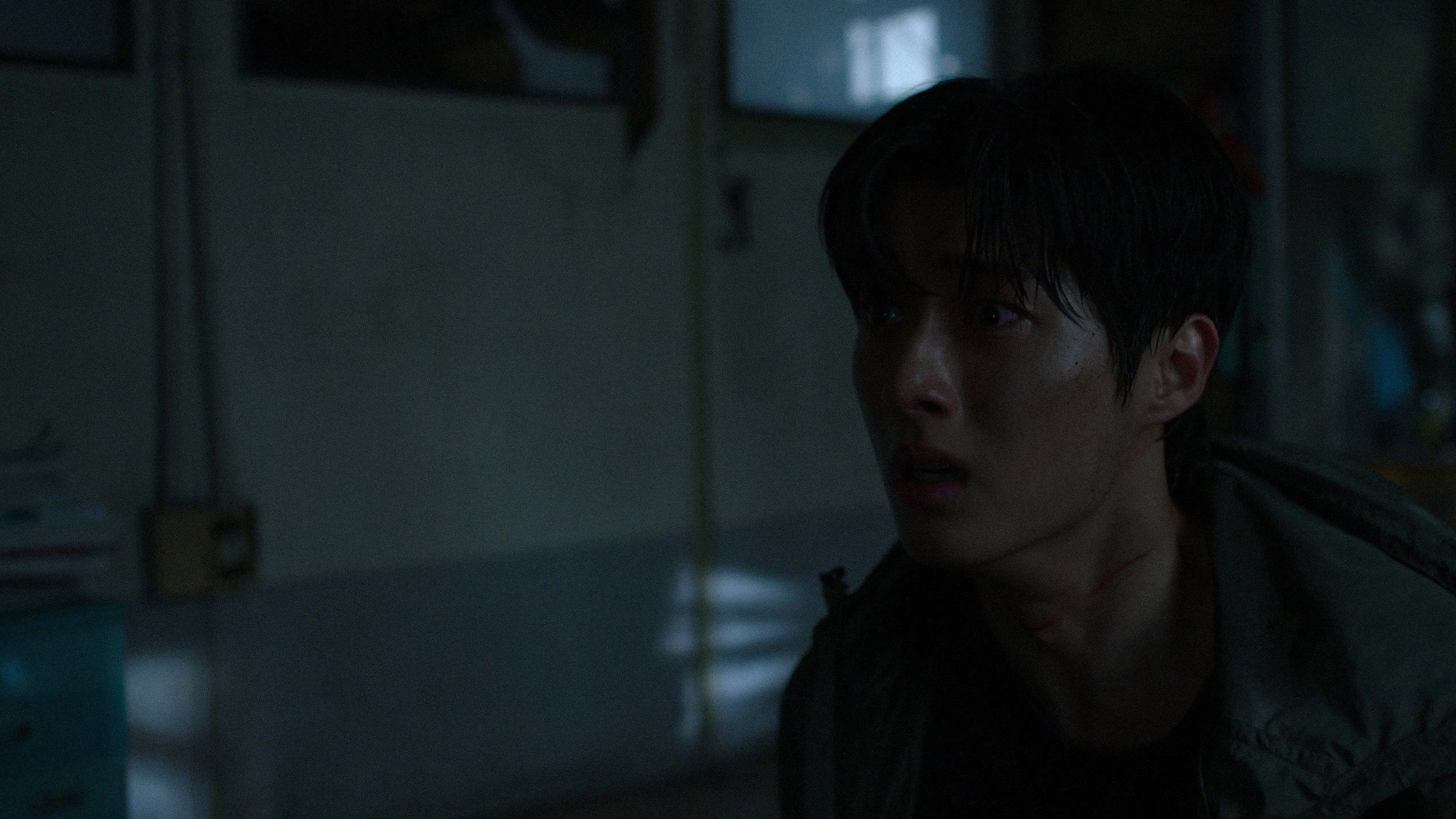
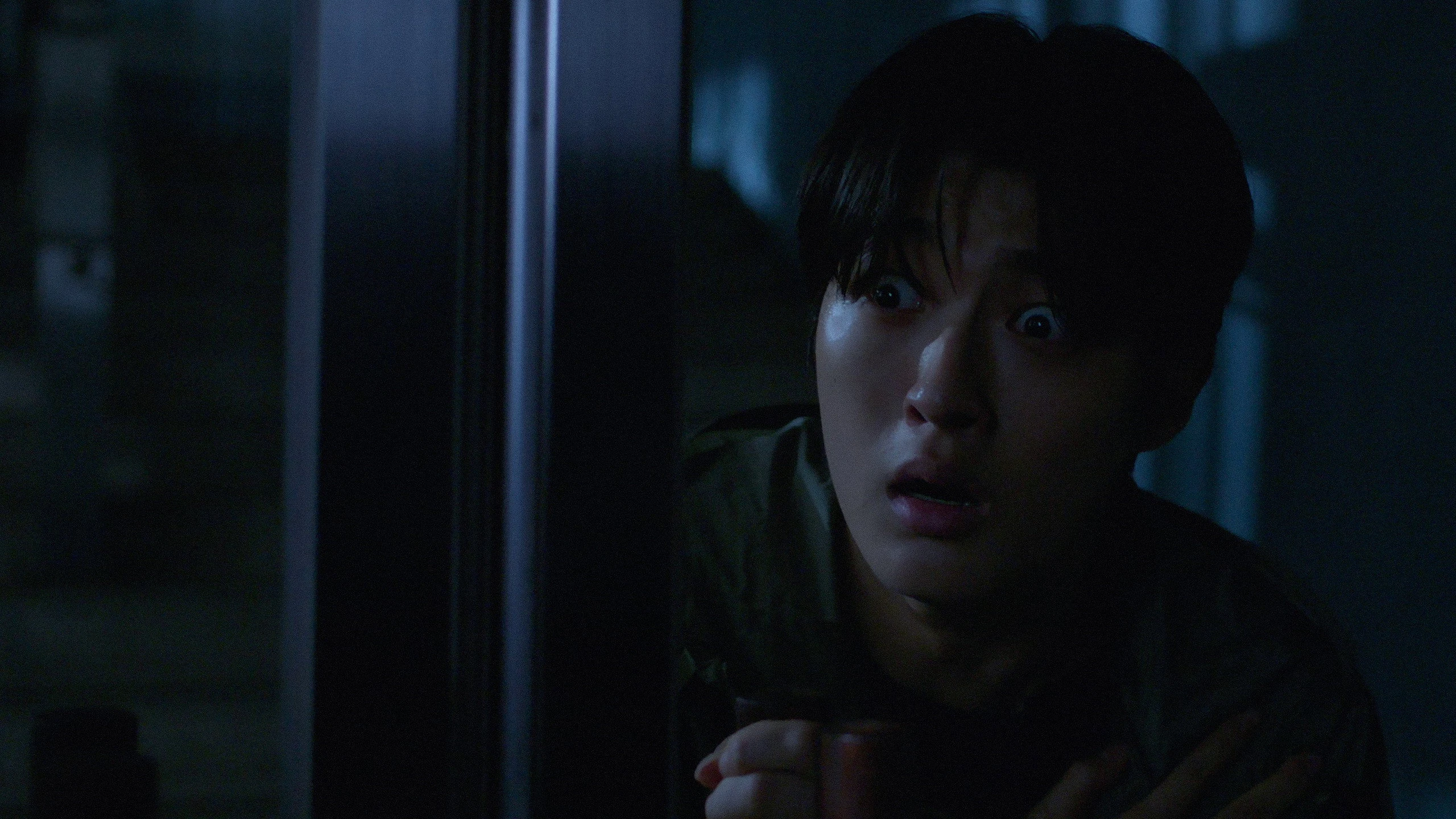
Ha-sal’s gambit is the emotional heart of the finale. While Se-ah fights in the spirit world and Geon-woo clings to a cliff road as Si-won tries to force his car off the edge, Ha-sal devises the only leverage she has: she disguises herself as Hye-ryung to distract Si-won. It’s a desperate, grief-adjacent move — calling to a ghost by pretending to be the person she betrayed. It buys exactly enough time. Se-ah reaches the school server room, retrieves Si-won’s phone, and the mechanism of destruction becomes clear.
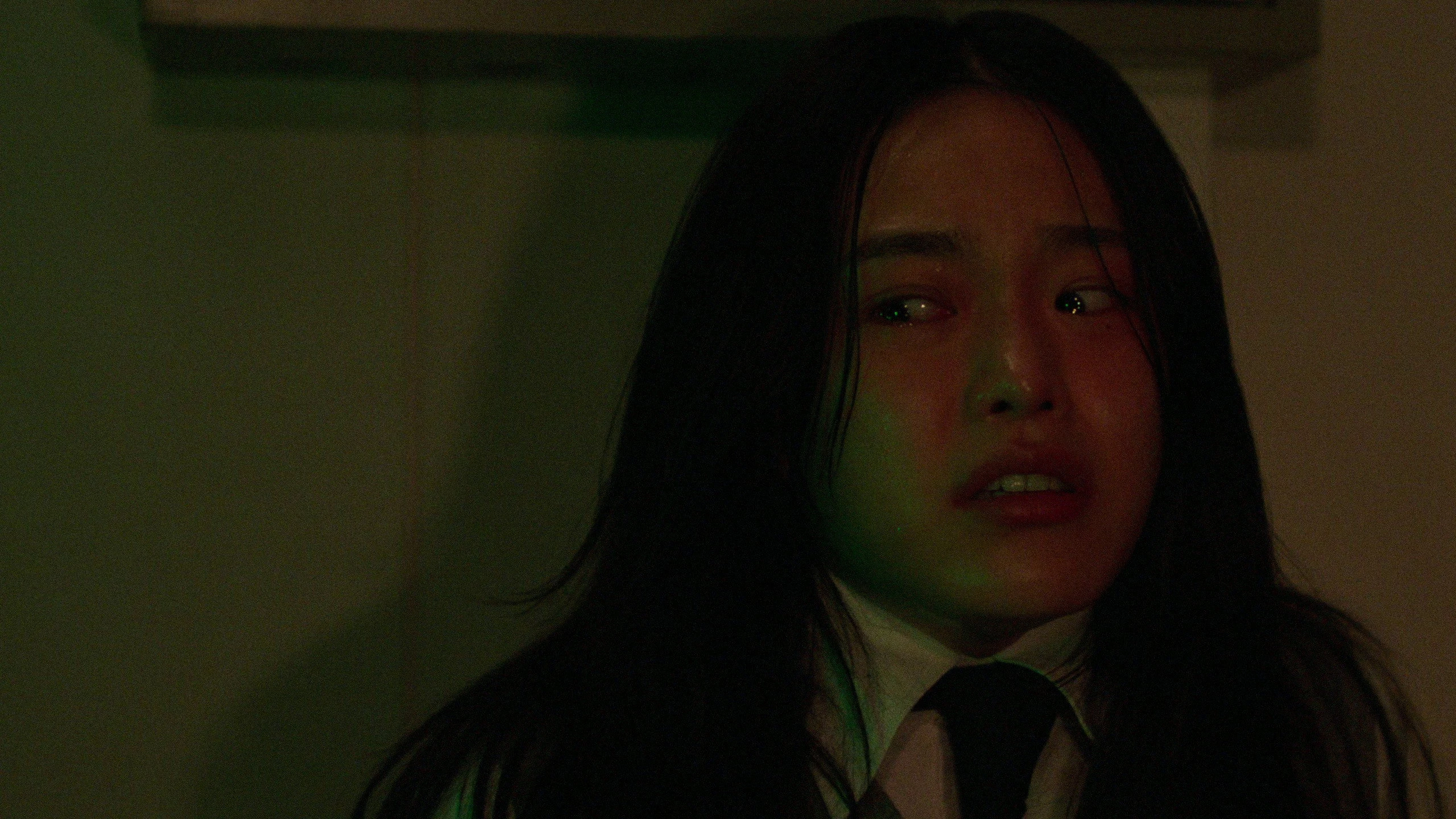
Na-ri’s final confrontation is the episode’s most devastating beat. She intercepts Se-ah in the server room — not as a possessed victim, but as herself. Whatever Si-won used, what drove Na-ri in the end was purely her own: the jealousy over Geon-woo she could never admit, the guilt over Hyeong-wook’s death she could never process. She tries to kill Se-ah. Se-ah has no choice. Na-ri dies not because the curse took her, but because she chose the feeling that consumed her over everything else. The show earns the tragedy by refusing to simplify it.

Si-won’s spirit dissipates — but not peacefully. Ha-sal and Se-ah destroy Si-won’s phone together. The curse breaks. Si-won’s ghost dissolves even as Hye-ryung’s ghost pleads for peace — a last image of the two girls who set this entire catastrophe in motion, still unable to truly reconcile. In the aftermath, Se-ah, Geon-woo, and Ha-joon mourn both Hyeong-wook and Na-ri. Bang-ul recovers — and gains a red eye that can now see spirits, a detail that suggests the supernatural is never fully gone from those who touch it.
The mid-credits scene resets the board entirely. Hyeong-wook’s online friend receives a Discord message from an account bearing Si-won’s birth date. Outside the school, he picks up Na-ri’s phone. He opens the Girigo app. The screen lights up. The show’s final argument is not that the curse is unkillable — it’s that desire is. Every generation of teenagers will have secrets, jealousy, and impulses they wish they could act on without consequence. The app just gives them the chance to find out how wrong that assumption is.

✍️ KDramaWorlds Editor’s Take
Is it worth your time? Here’s our honest take, and who it suits best.
If Wishes Could Kill succeeds where most teen horror fails: it builds a mythology that actually makes sense. The Girigo curse is rooted in Korean shamanistic tradition — a maehyung, a dying wish, a betrayal between girls that became a supernatural chain reaction. The show’s writers clearly did the work, because every escalation in the rules feels inevitable rather than arbitrary. When the finale reveals that the curse had two origins rather than one, it doesn’t feel like a twist for its own sake — it feels like the only logical conclusion to the kind of pain these two girls carried. Jeon So-young grounds every scene with a performance that never tips into hysteria, which matters enormously in a series this dependent on its lead’s emotional credibility.

The show’s most divisive element is Na-ri, and intentionally so. Kang Mi-na plays her with exactly the right amount of ambiguity — a girl whose jealousy and guilt are entirely human and entirely understandable, even as they lead somewhere irredeemable. Whether Na-ri’s final act reads as possession or free will is a question the series leaves deliberately open. Episodes 4 and 5 carry the bulk of her character work and are the series’ weakest pacing-wise — the mid-section drags slightly as the investigation unfolds — but the payoff in the finale earns the patience required. The show also earns its TV-MA rating: the violence is purposeful and genuinely disturbing, particularly Hyeong-wook’s death in episode one, which sets a tone the rest of the series maintains.
At six hours total, If Wishes Could Kill asks very little of your time and delivers a horror series with actual ideas behind it. The mid-credits scene is the right kind of open ending — not a cliffhanger that withholds resolution, but a coda that says the world of the show will keep turning. Whether or not a second season arrives, the eight episodes stand alone as a complete and genuinely unsettling piece of work. Netflix’s first Korean YA horror series is not a gimmick — it’s a statement of intent.
Viewers who love folklore mythology woven into modern stories
Anyone wanting a fast, satisfying binge with real stakes
🎬 You Might Also Like
If you liked If Wishes Could Kill, these are your next three watches.
 Climax
Corrupt ProsecutorHa Ji-won
Read Full Review →
|
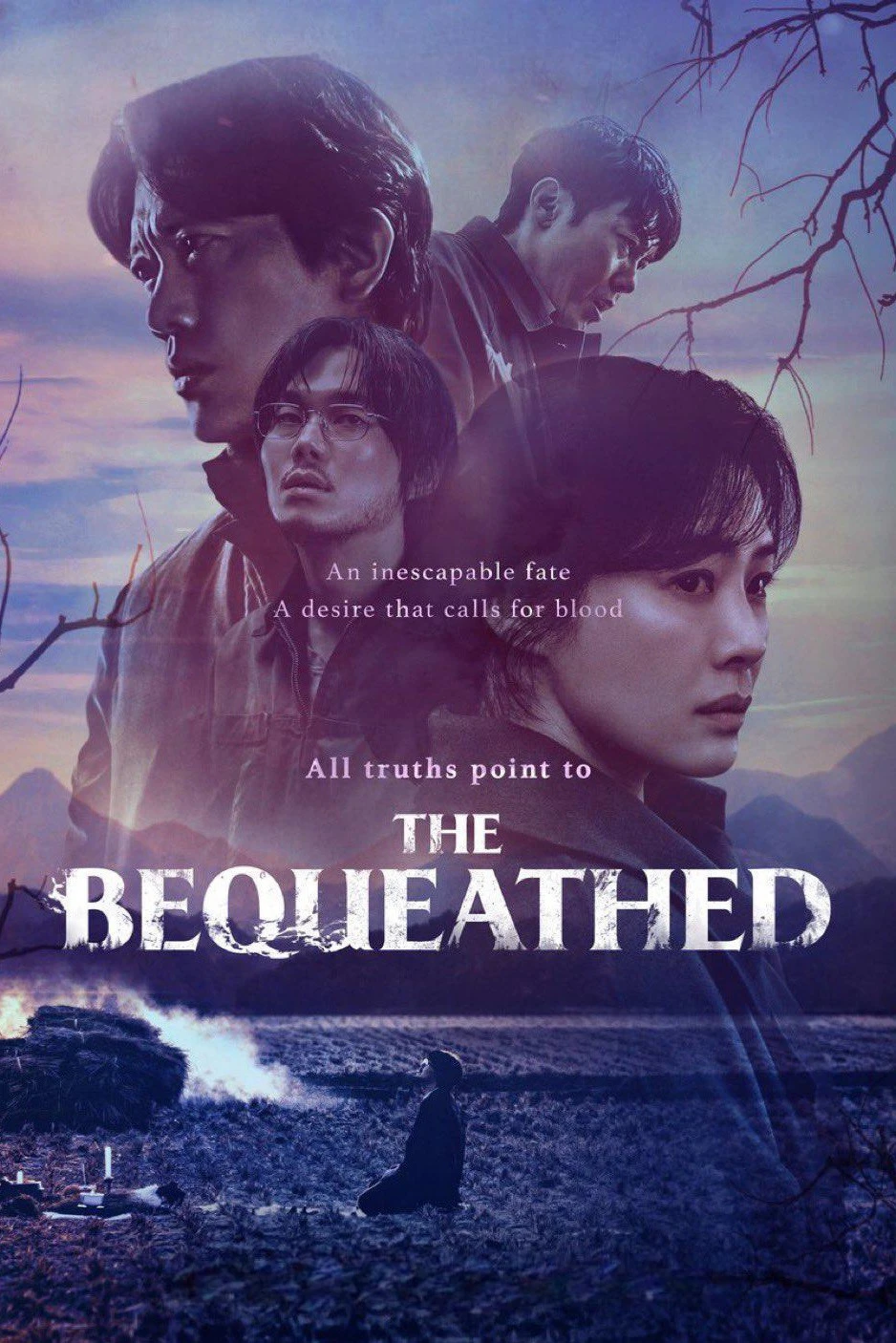 The Bequeathed
binge-worthycompleted
Read Full Review →
|
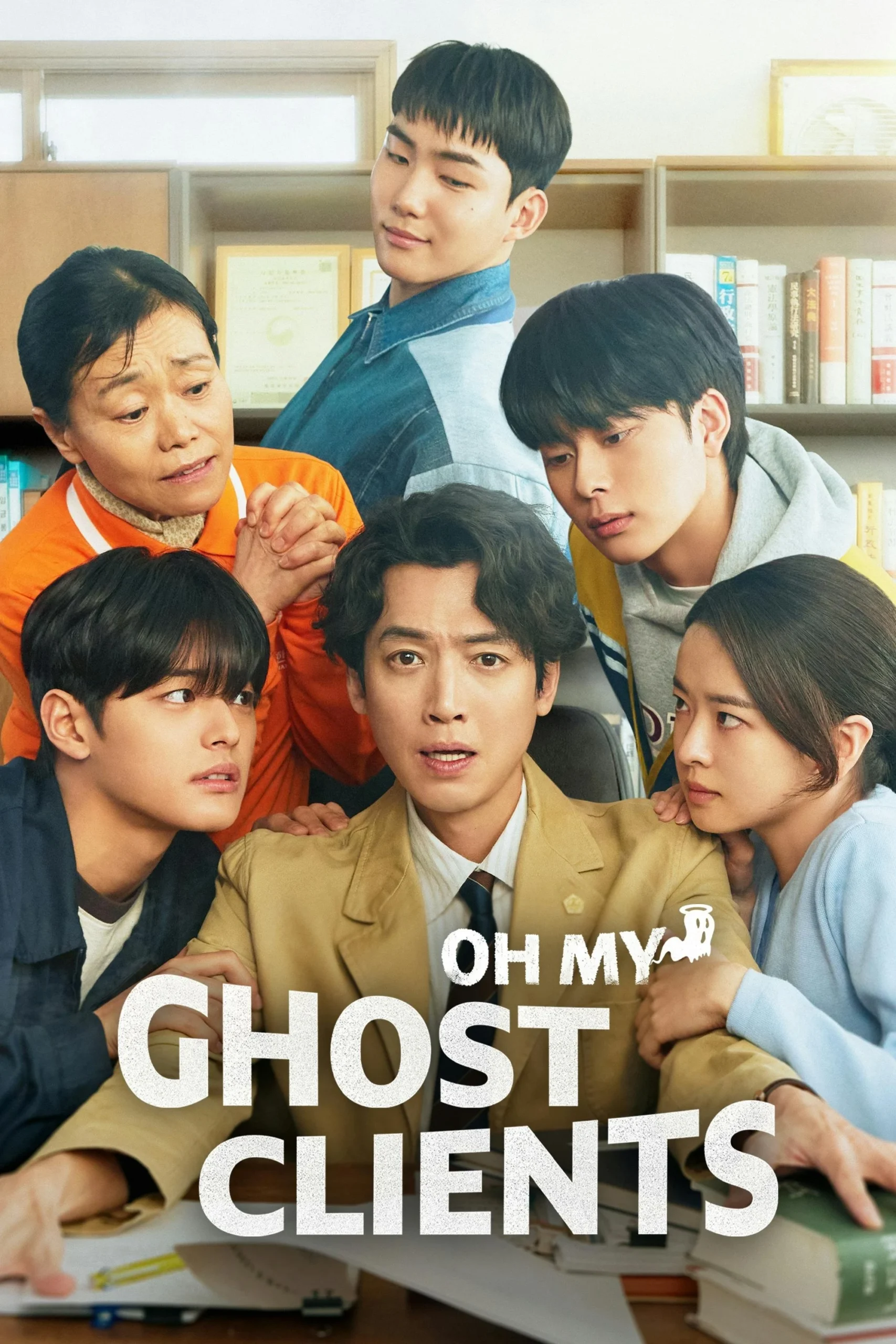 Oh My Ghost Clients
Cha Hak-yeoncomedy
Read Full Review →
|









Keep it kind, skip the harsh language, and please — no spoilers. Everyone's taste is different, and that's perfectly fine.
This space is for real reactions and discussion from other viewers. Help keep it comfortable for everyone by not giving away major plot details.
1 Comment
An app that grants any wish but starts a 24-hour countdown to a brutal death the moment you use it is such a clean, mean piece of YA horror mythology 📱 — blending that modern digital-culture premise with shamanistic folklore instead of playing it as straight tech-horror gives it a sharper identity. Curious how everyone felt the guilt at the center of the curse tied back to the original tragedy.
What do you think of this drama?
Login to share your review or leave a comment.
No email needed — just pick a username & password.