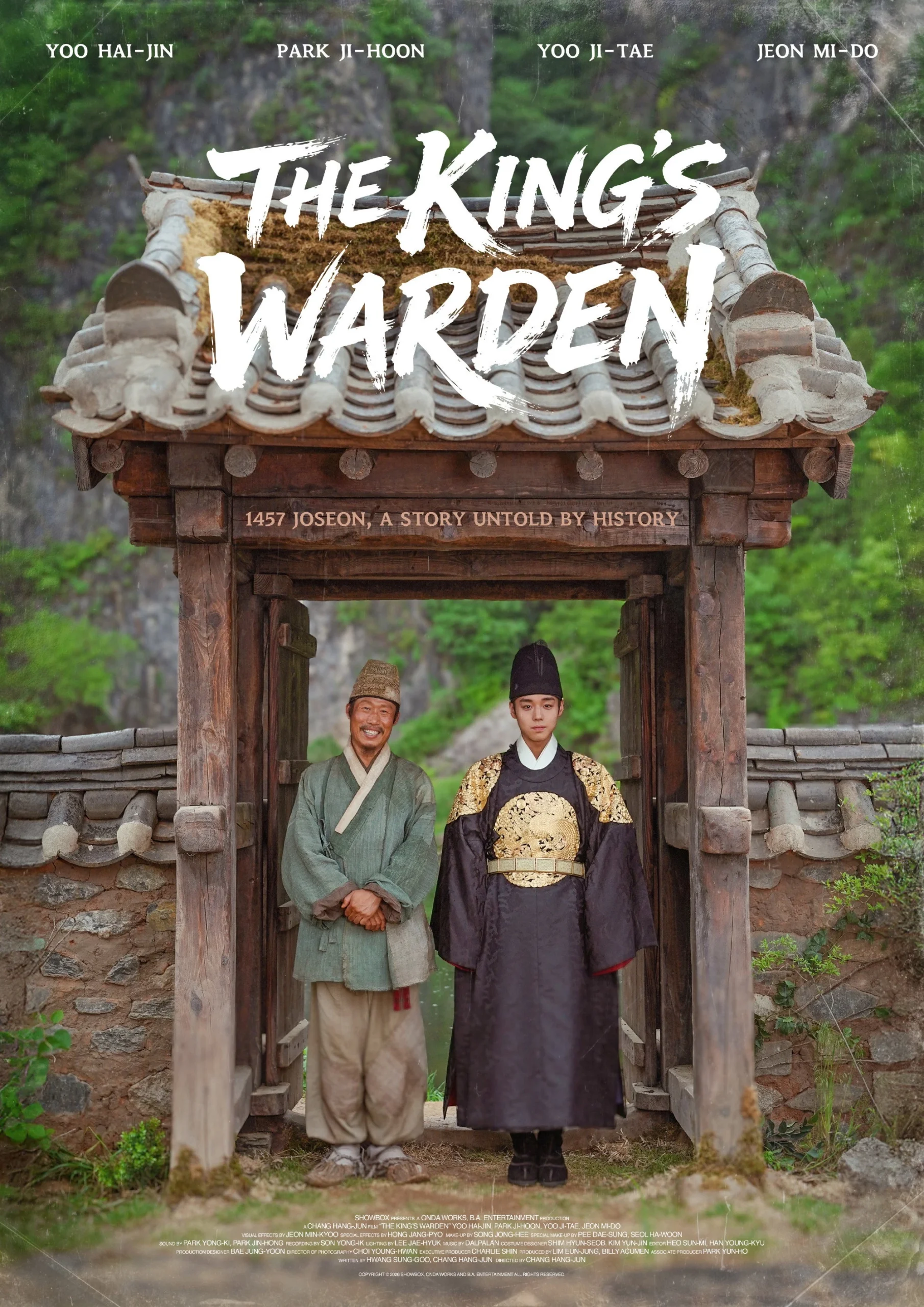
The King’s Warden
🎬 Film Overview
In 1457 Joseon, humble village headman Eom Heung-do hears a rumor that hosting an exiled nobleman will bring prosperity to his impoverished mountain community. He petitions eagerly — and gets far more than he bargained for. His guest is not a disgraced official with money and connections. He is Prince Nosan: the deposed teenage boy-king Danjong, stripped of his throne by his uncle’s coup, haunted by everyone who died in his name, and barely holding on to his will to live.
⚡ Quick Verdict
One box. Everything you need to decide.
· MDL · 229 ratings
· 96% RT Audience
· 6.9 / 10 IMDb (478 ratings)
▶ Official Trailer
🎭 Cast & Characters
Twelve performances across two hours of Joseon history.

Lead
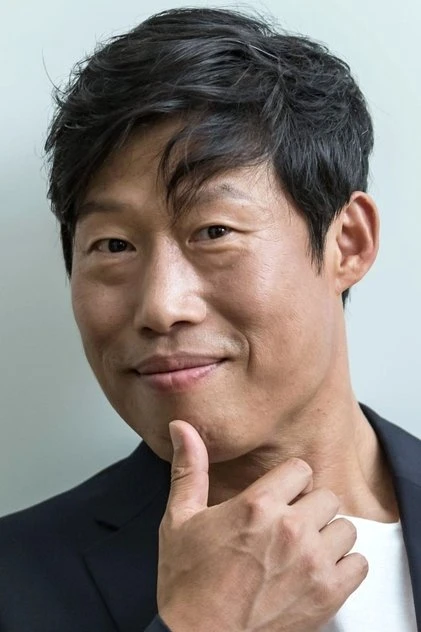
Lead

Villain

Supporting

Supporting
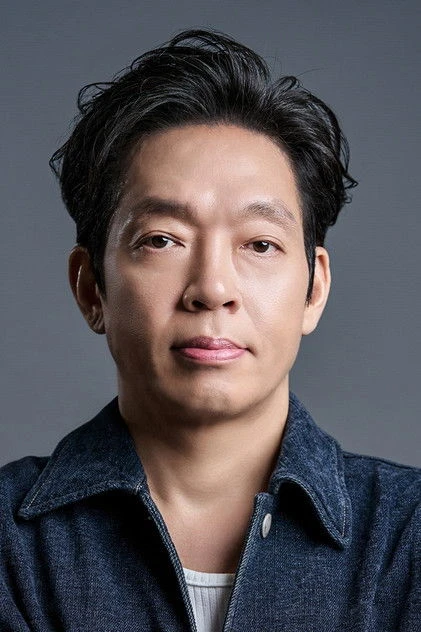
Supporting

Supporting

Supporting
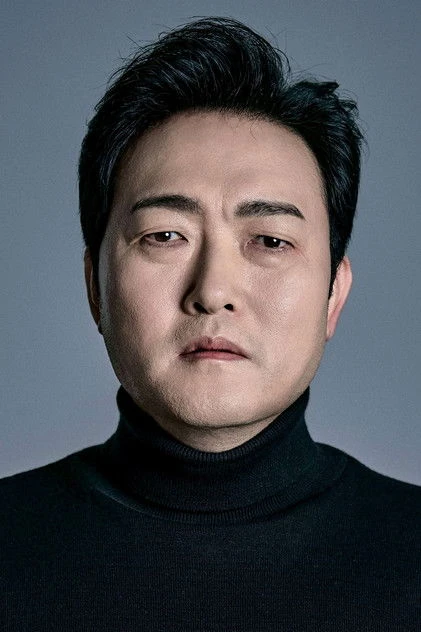
Supporting

Supporting
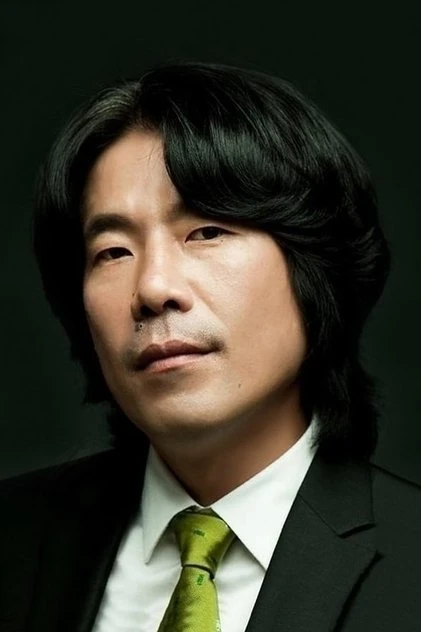
Supporting

Supporting
🍿 Where to Watch
Watch The King’s Warden on these platforms.
📖 The Story
No spoilers — just enough to know if this is your film.
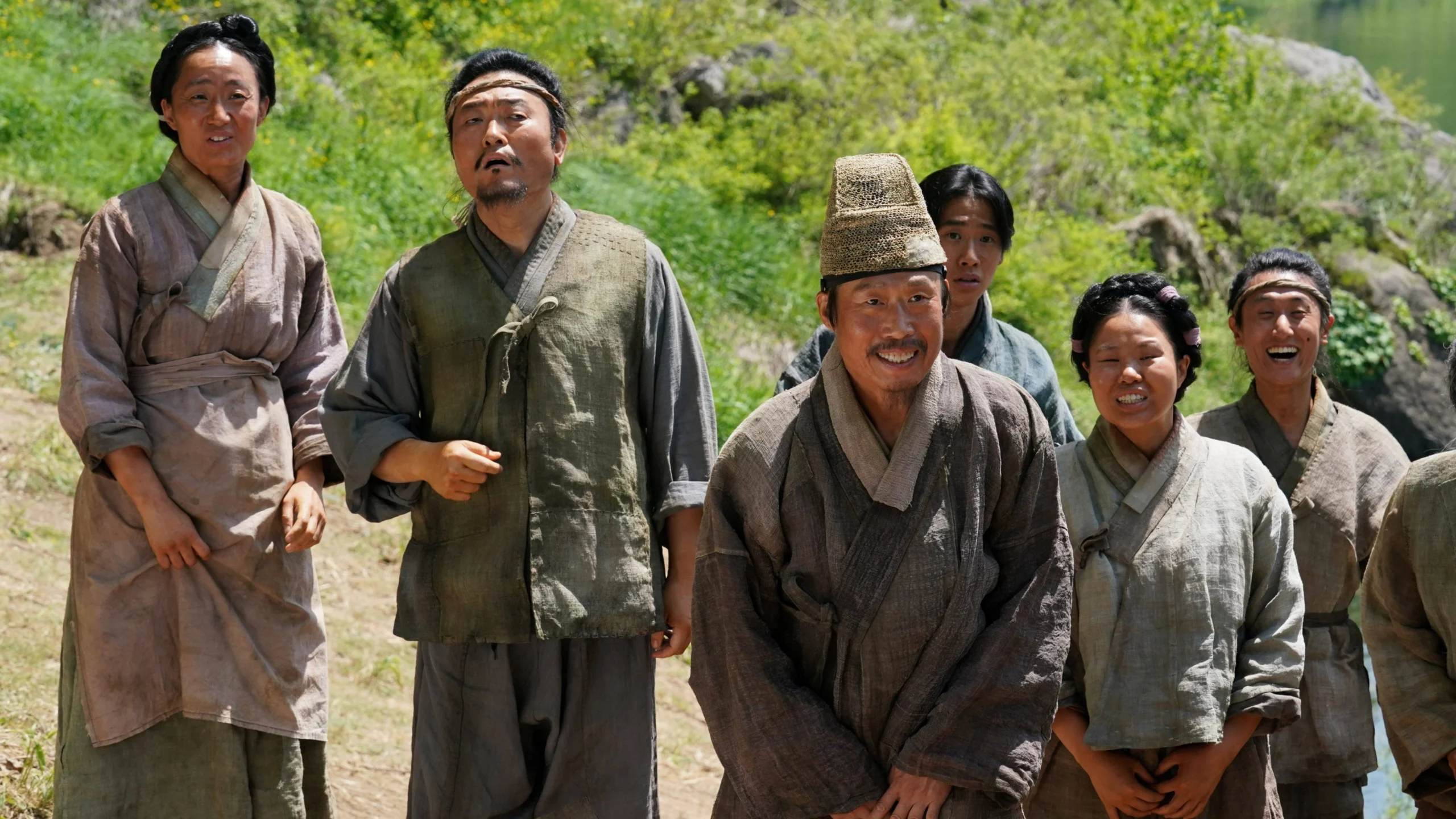
Eom Heung-do is a practical, weather-worn village chief scraping by in a remote mountain settlement far from the glittering courts of Joseon. He is not a man of ideology or romance — he is a man of hunger, of crops, of keeping his people fed. His world is small, insular, and ordinary in the way that most lives are ordinary: defined by survival, not history. When he hears that hosting an exiled nobleman brings divine favor and material fortune, it seems like the most sensible petition he’s ever filed.
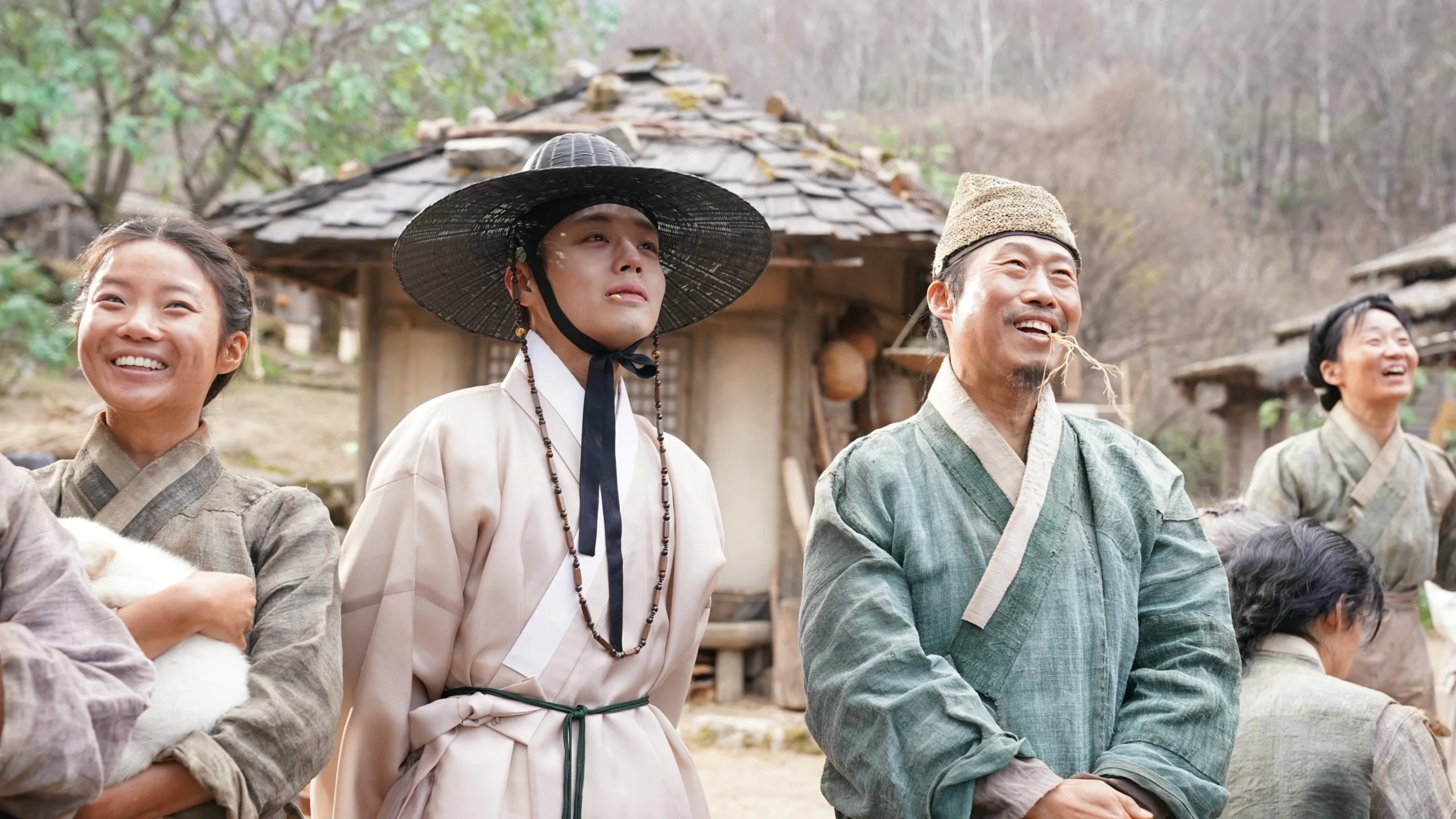
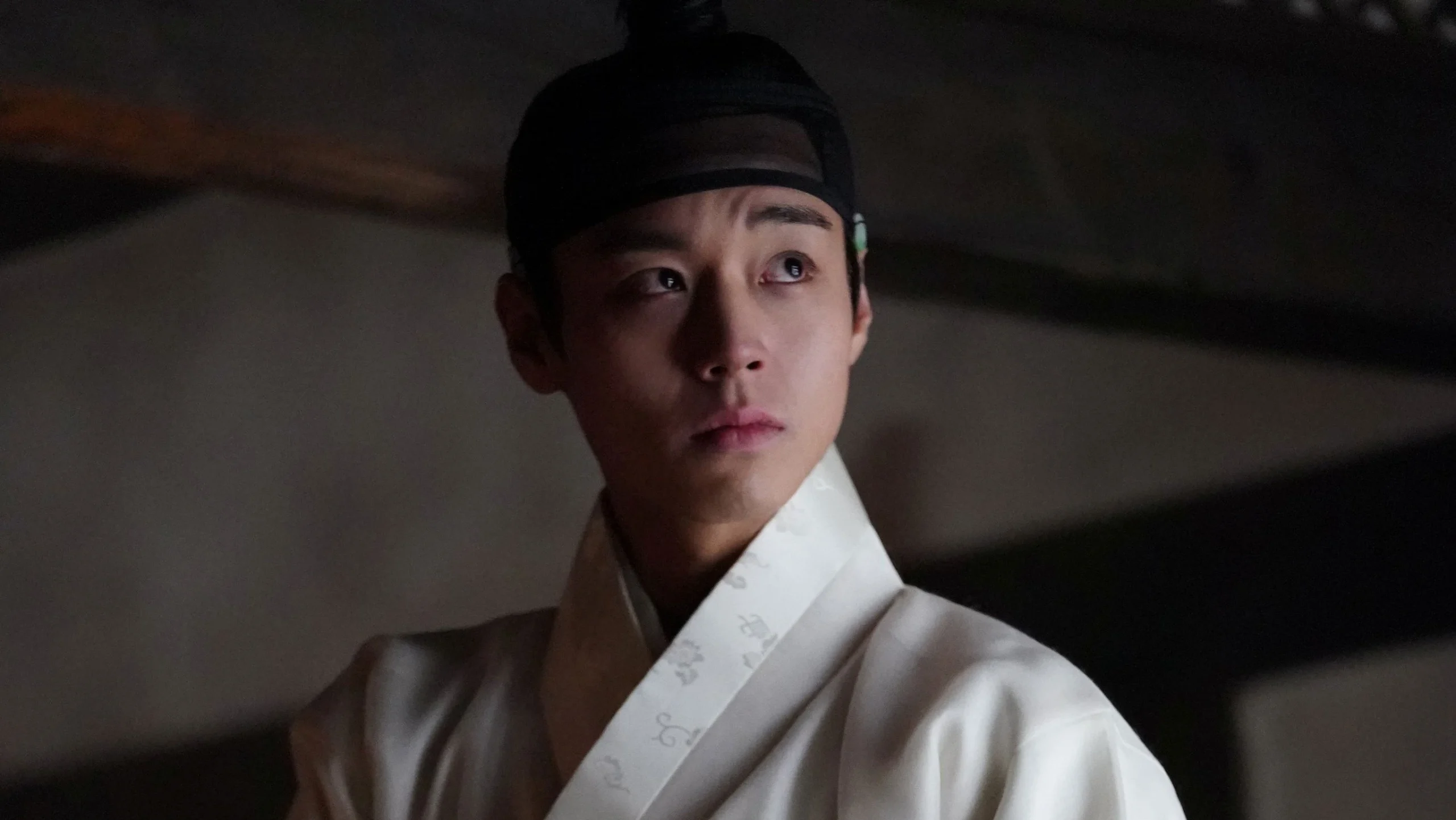
The inciting shock comes when his “exiled nobleman” arrives and reveals himself to be Prince Nosan — the deposed boy-king Danjong, stripped of his throne by his uncle’s coup and haunted by the ghosts of loyal ministers executed in his name. He is not a powerful guest. He is a traumatized teenager who has already tried to throw himself off a cliff. Heung-do, who signed up for fortune, finds himself assigned to something far harder: keeping a suicidal king alive.
The stakes are layered and deeply human. On one level, the film asks what it means to be responsible for another person’s will to live. On another, it places Heung-do in an impossible political position — any association with the deposed king is treason, and yet indifference to this boy’s suffering feels like its own kind of moral failure. When whispers of a restoration revolt begin circulating, the danger stops being abstract. An entire village’s existence hangs in the balance.
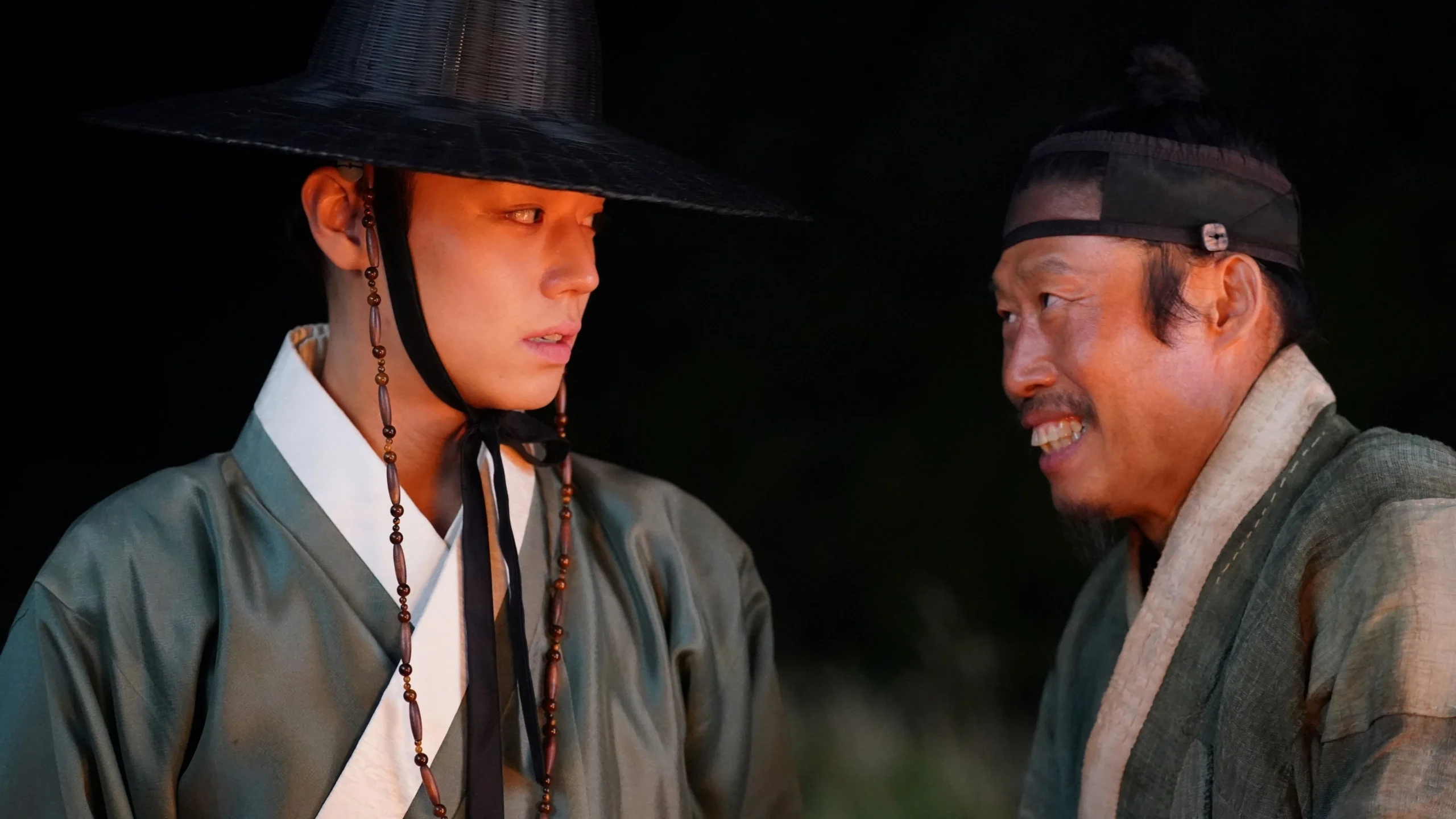
What makes the film work beyond its premise is the relationship that forms between Heung-do’s son Tae-san, the court lady Mae-hwa, and the villagers of Gwangcheongol — each of whom slowly, without quite meaning to, becomes complicit in protecting a king the law has declared an enemy. Mae-hwa, played with quiet intensity by Jeon Mi-do, is the constant thread between court and village — a woman who followed her king into exile and refuses to let either world forget what the other costs. Yoo Ji-tae’s Han Myeong-hoe looms over everything from the capital: a calculating minister who does not need to appear often to make his presence felt in every decision Heung-do makes.
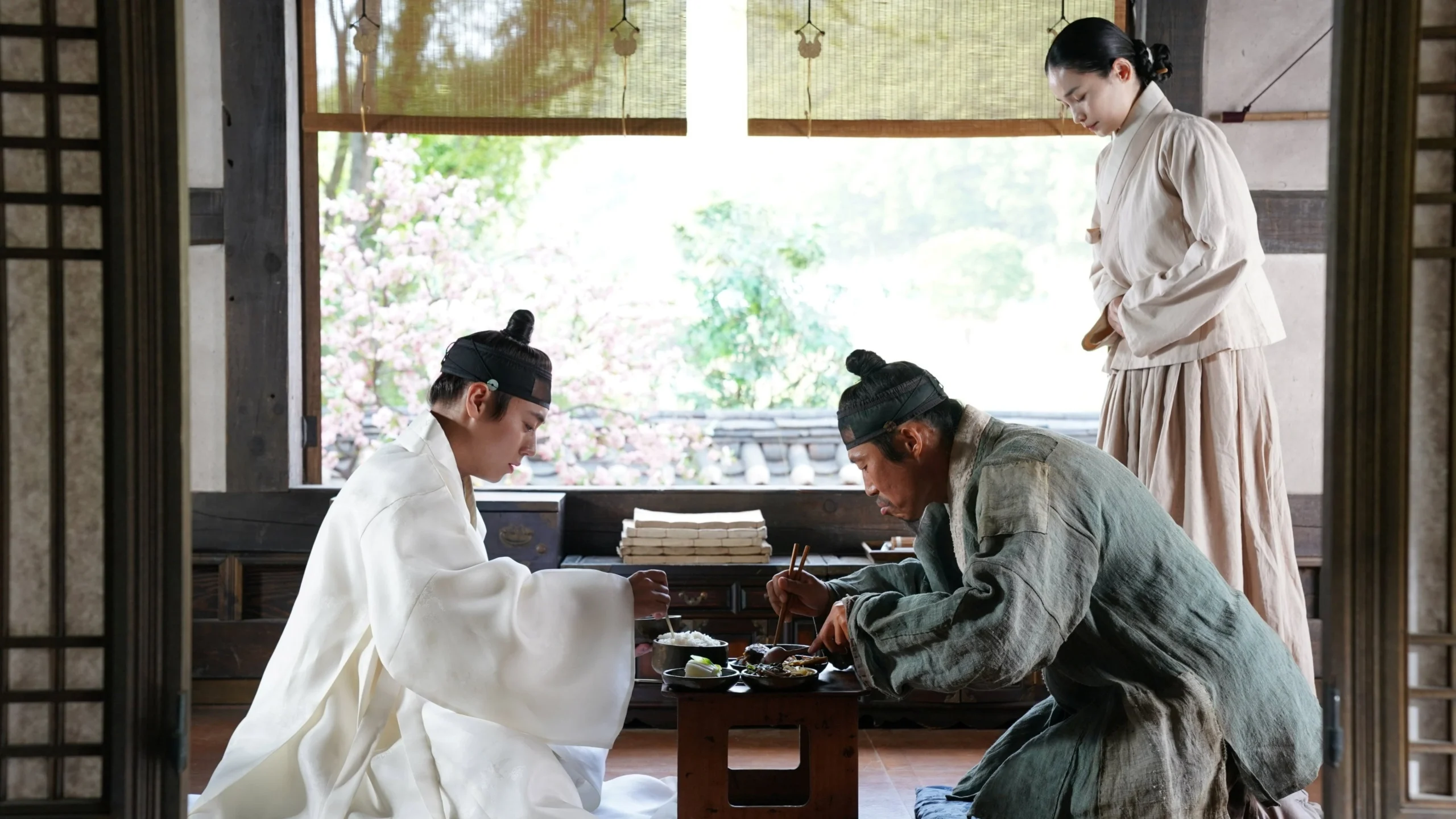
What The King’s Warden does differently from other sageuk films is refuse the expected gravity. Most Joseon historical dramas earn their weight through spectacle — battles, court intrigue, elaborate set pieces. This film earns it through food. Through soup with snails that Heung-do insists he caught himself. Through the careful negotiation of who eats first, and what it means when a king accepts a meal from a commoner. Director Jang Hang-jun uses the rhythms of village life — cooking, farming, small arguments, communal laughter — as the architecture of something far more emotionally complex than its cheerful surface suggests.
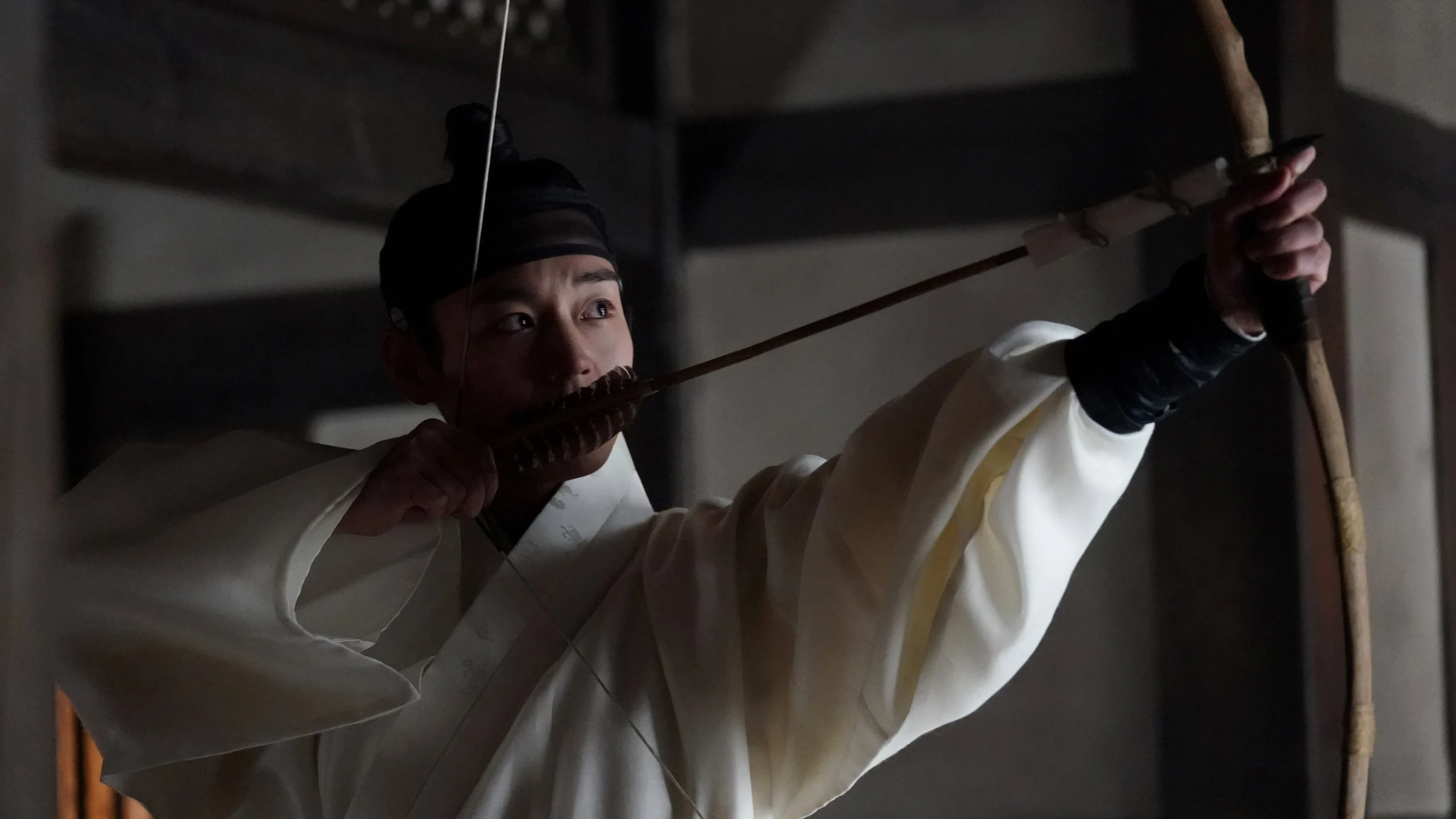
The King’s Warden feels like a slow burn of grief and warmth simultaneously — the kind of film that moves like a long exhale. Director Jang Hang-jun draws out the comedy in Heung-do’s reluctant caretaking while never letting the audience forget the tragedy baked into every frame. It is intimate and epic at once: a two-person study in dignity conducted against the backdrop of dynastic violence. Korean audiences already know how this story ends — and the film trusts that knowing does not diminish the watching. If anything, it makes every moment of warmth feel like something borrowed.
For non-Korean audiences, one piece of context makes everything land harder: King Danjong’s story has never been forgotten in Korea. For over 600 years, the public has refused to let it go. The royal tombs of the uncle who seized the throne — King Sejo — still receive scathing reviews on Korean map apps today, left by people who have not forgiven a coup that happened in 1453. Danjong was posthumously reinstated as king 241 years after his death, which itself says something about the weight Koreans place on legitimate succession and historical justice. When The King’s Warden broke every box office record in Korean history, drawing over 16 million admissions, it was not just because of good filmmaking. It was because the audience came to grieve something they had been carrying for a very long time.

🏁 Ending Explained
Full spoilers ahead — what happens, what it means, and what the history books got wrong.
Full Spoilers Ahead — This section covers the complete ending of The King’s Warden. Stop here if you haven’t watched.
The revolt fails, and the king pays the price. On the night of the planned uprising, Prince Nosan escapes his residence to join forces with his uncle Grand Prince Geumseong. Heung-do cannot stop him — and ultimately cannot bring himself to abandon his charge. At the rendezvous point, Han Myeong-hoe’s forces ambush them both. The revolt collapses. Geumseong is captured. Facing execution, Nosan makes his final sovereign decision: he falsely accuses Heung-do of betrayal — a sacrifice disguised as condemnation, designed to save the one person who chose to see him as human. Nosan is sentenced to death by poisoned drink per royal decree.
The ending is not simply tragedy — it is a meditation on the cost of dignity. Nosan’s final choice — to refuse the usurper king’s poison and ask Heung-do to be his executioner instead — is the one act of sovereignty left to him. He cannot rule, he cannot revolt, but he can choose who ends his life and on whose terms. In entrusting his death to Heung-do, he does not burden him — he elevates him. It is the most sophisticated and heartbreaking act of care in the entire film, and it reframes every comedic moment between them as something far more tender in retrospect.
The film leaves one central ambiguity intact: what does Heung-do’s secret burial mean? After Nosan’s body is thrown into the river and Mae-hwa leaps to her death, Heung-do secretly recovers the king’s body and gives him a proper burial. Three readings compete: loyalty — a guardian giving his ward the dignity the state denied; defiance — a commoner’s refusal to let official erasure stand; guilt — a man doing penance for participating in a king’s murder. The film offers no resolution. Heung-do is last seen mourning at the riverbank, and history records almost nothing about him afterward — which the film clearly intends as its sharpest irony.
The KDW verdict: the “dignity over erasure” reading is strongest. The film’s title carries double meaning — Heung-do is both the man assigned to watch over the king and, in the end, the only one who preserves his memory. The burial is the film’s thesis made literal. In a story about a boy-king whose existence was politically inconvenient and violently erased, one ordinary man’s act of giving him a grave is the film’s most radical claim: that dignity is not granted by power. It is given by those who refuse to forget. The closing titles note that 241 years later, Yi Hong-wi was posthumously reinstated as King Danjong. Their tombs remain in Yeongwol today, side by side. History is written by the victors. The people who remember it differently are the only thing standing between the victors and the truth.

✍️ KDramaWorlds Editor’s Take
Our honest read on why this film is worth your time — and who it’s for.
Jang Hang-jun
Known for: Forgotten (2017) · Rebound (2023)
Yoo Hai-jin has spent thirty years making Korean audiences trust him — as a sidekick, as comic relief, as the guy you root for without quite knowing why. The King’s Warden is the film that proves he was always capable of carrying something this heavy. His Heung-do begins as a purely comic figure: a fast-talking village chief with grandiose ambitions and a talent for getting into situations he cannot talk his way out of. What Yoo Hai-jin does in the film’s second half — as those comic foundations slowly transform into something much closer to grief — is the kind of performance that lands differently the second time. You realize the warmth was always the setup for the devastation.
The film’s most divisive quality is also its most deliberate one. The long comedic stretch in the middle — where Danjong integrates into village life through warm, funny montages — has frustrated viewers who wanted the film to lean harder into its tragedy. That criticism is not wrong: Jang Hang-jun is more comfortable in warmth than severity, and there are moments where the film seems to avoid its own weight. But there is a strong argument that the comedy is doing exactly what it needs to do — making you genuinely attached to these people before history takes them. The CGI tiger is indefensible. Everything else earns its place.
The King’s Warden became the highest-grossing Korean film of all time not because it reinvented anything, but because it did something far harder — it treated a tragedy every Korean already knew as a story worth feeling again. In a year when the industry badly needed proof that audiences still wanted to sit in theaters and cry at things that actually happened, this film was the answer. 116 minutes. No episodes. No second season. Just a village chief, a boy king, and the question of what it costs to remember someone history tried to erase.
Fans of Yoo Hai-jin at his absolute best
First Korean historical film? Start here
Anyone who needs a good cry that means something
🎬 You Might Also Like
If you liked The King's Warden, these are your next three watches.
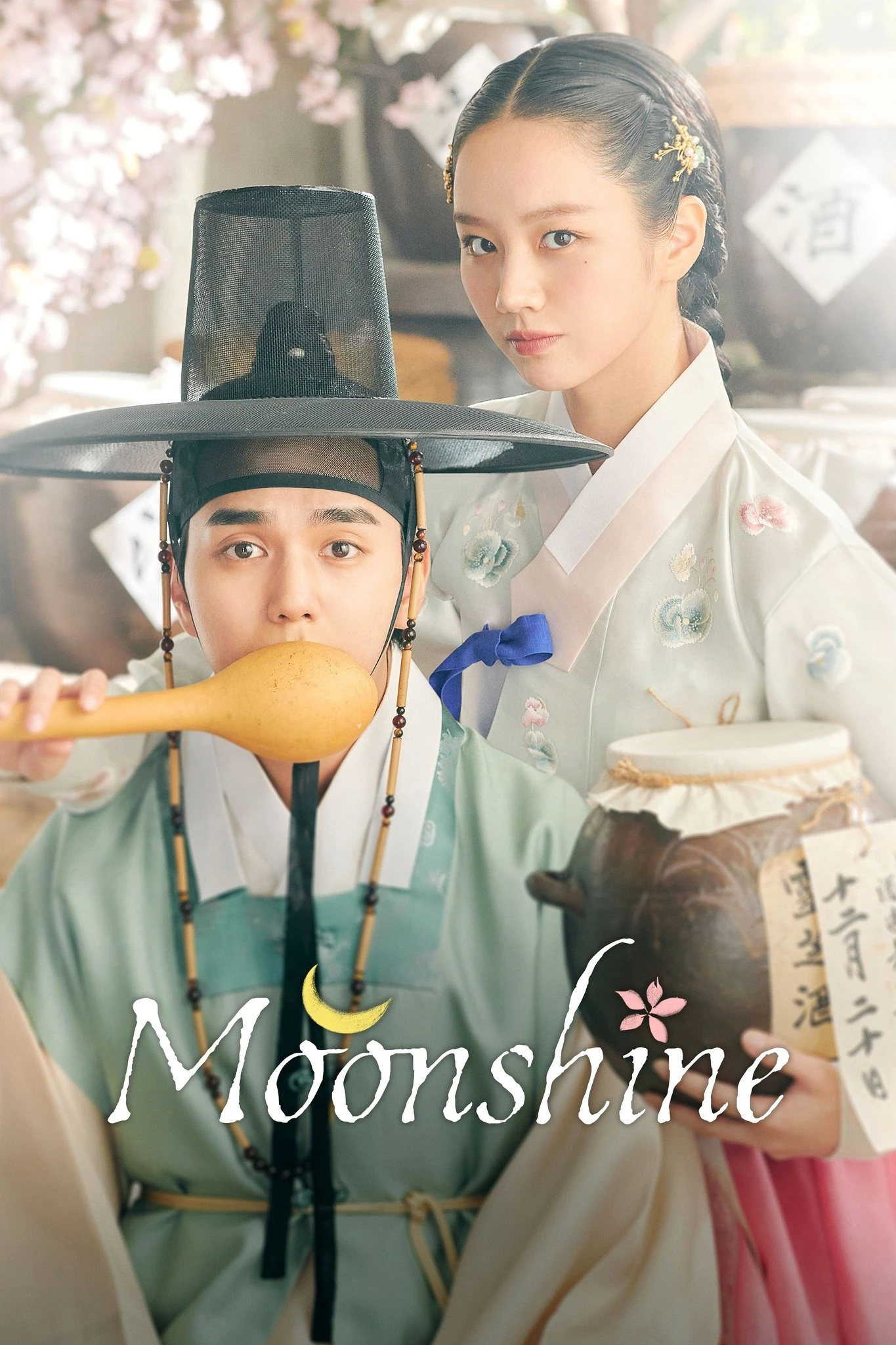 Moonshine
Cohabitationcomedy
Read Full Review →
|
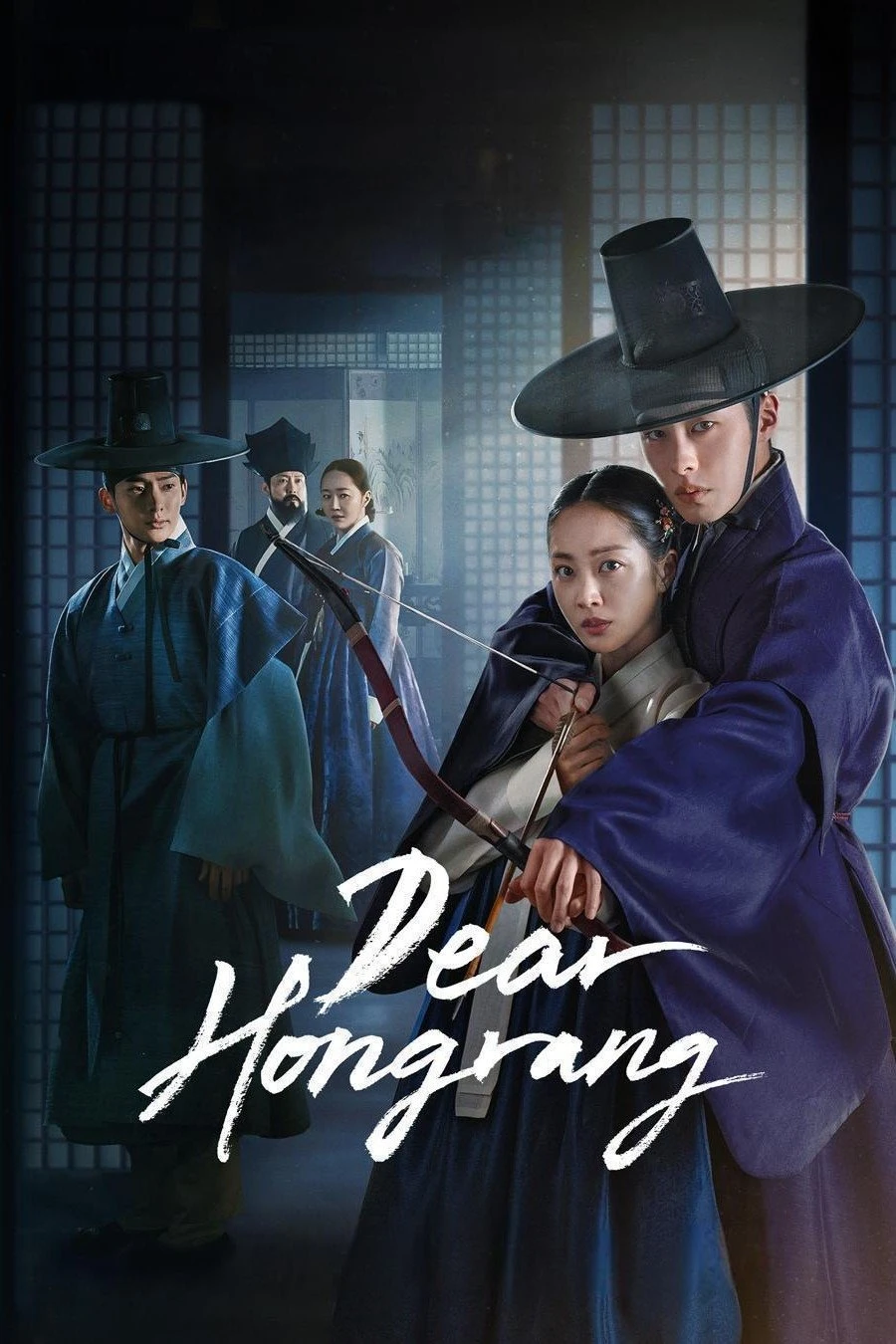 Dear Hongrang
Family SecretsHistorical
Read Full Review →
|
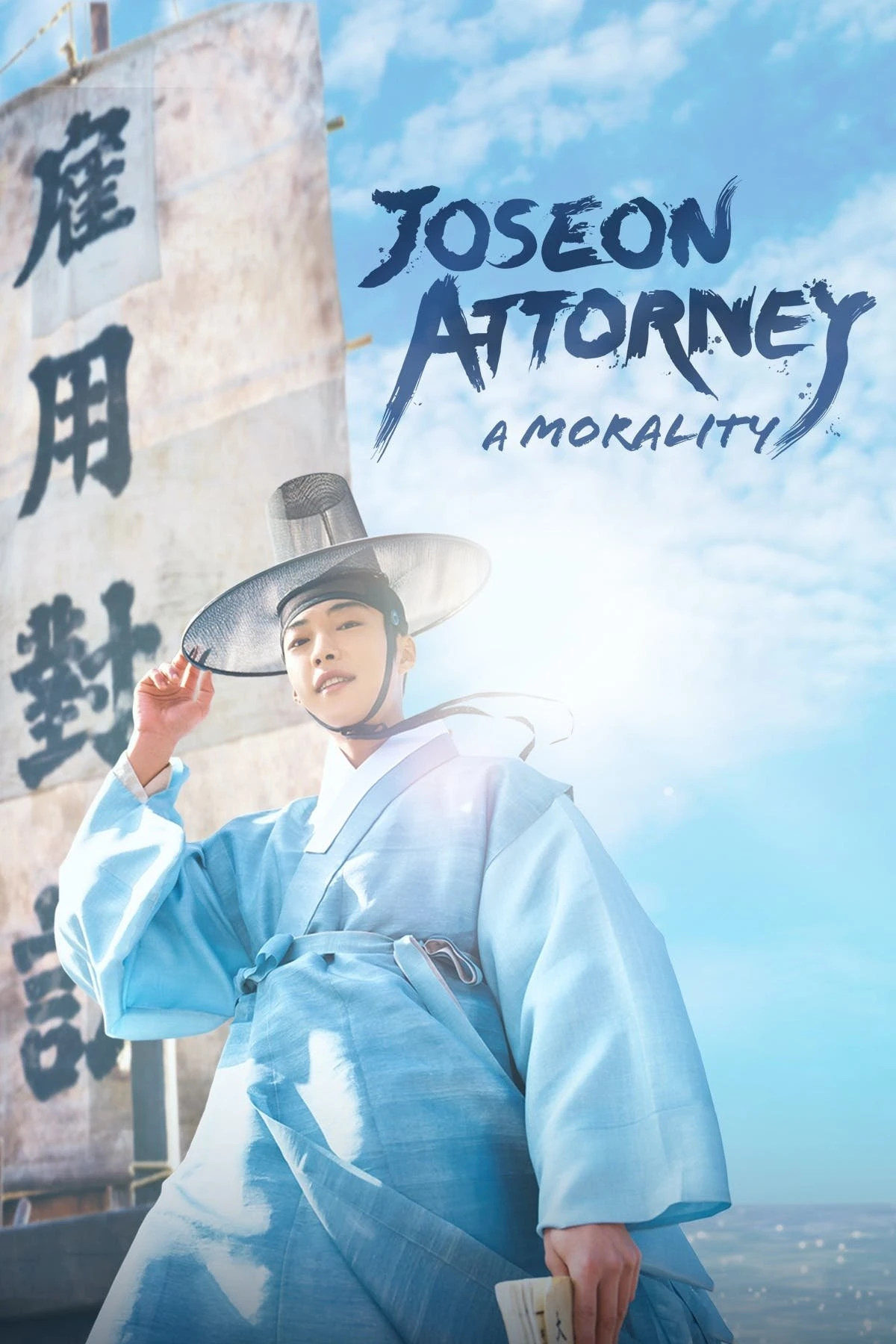 Joseon Attorney: A Morality
BonaCharacter Development
Read Full Review →
|













Keep it kind, skip the harsh language, and please — no spoilers. Everyone's taste is different, and that's perfectly fine.
This space is for real reactions and discussion from other viewers. Help keep it comfortable for everyone by not giving away major plot details.
1 Comment
A village headman petitioning to host an exiled nobleman because of a prosperity rumor, then getting way more than he bargained for, is such a classic-but-effective period setup 🏯 — love when a historical film starts small and personal instead of jumping straight to court politics. Curious how everyone felt the stakes escalated from there.
What do you think of this drama?
Login to share your review or leave a comment.
No email needed — just pick a username & password.