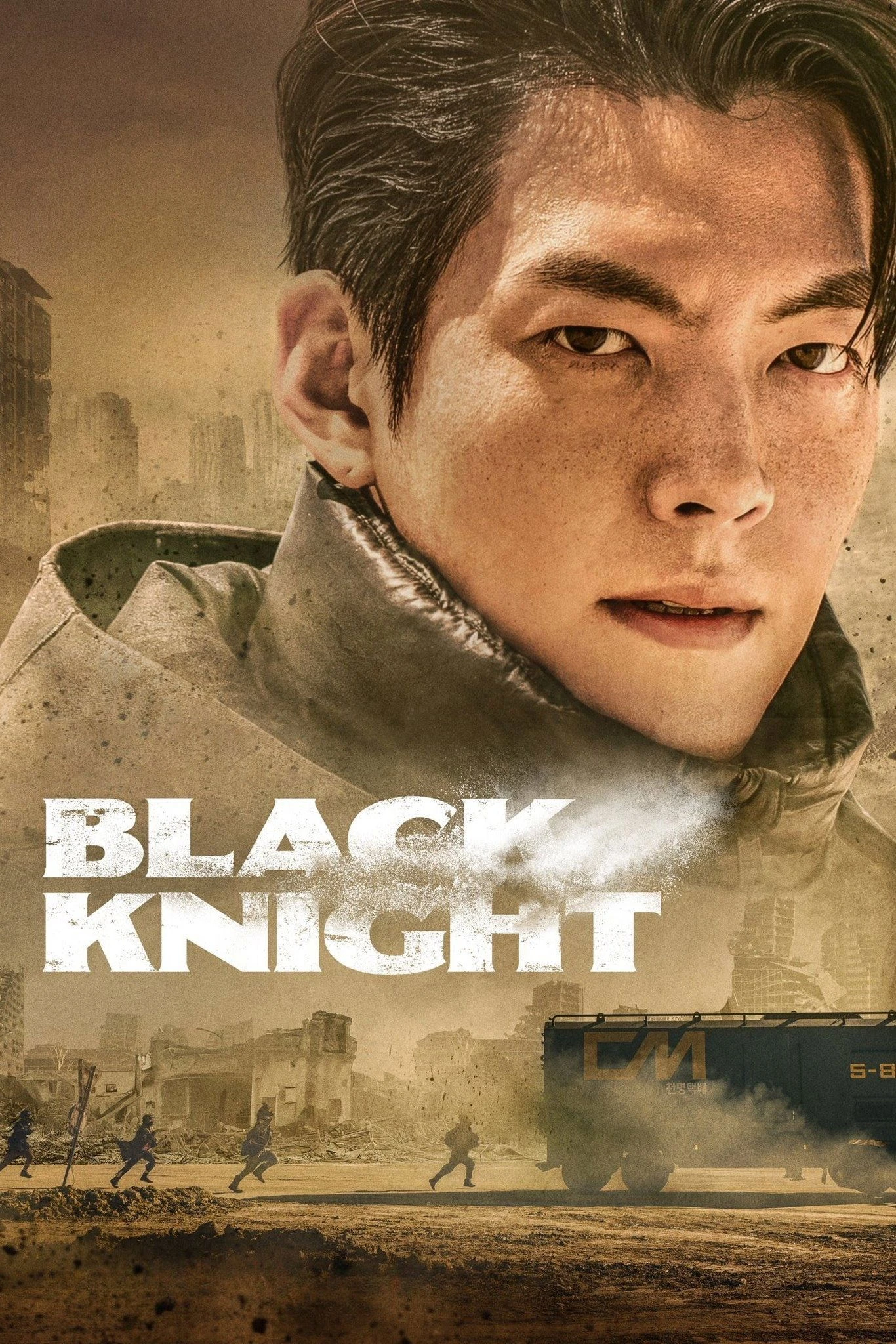
Black Knight
🎬 Netflix
⭐ 8.2 / 10 MDL
🔞 TV-MA
📋 Drama Overview
What you’re getting into, at a glance.
🔥 Netflix Sci-Fi Hit
In the year 2071, a comet strike has turned the Korean Peninsula into a toxic, unbreathable wasteland. Only 1% of the global population survived, and what remains of civilization is built on a brutal social hierarchy — refugees scratch out an existence on the margins while elites breathe filtered air in fortified districts. The only lifeline connecting them is an elite corps of delivery drivers known as Knights, who brave the poisoned atmosphere to deliver oxygen and essential goods to those who cannot protect themselves.
Legendary Knight 5-8 is the best of them — fearless, precise, and quietly furious at the world he’s forced to serve. When he crosses paths with Sa-wol, a young refugee boy with fire in his chest and a dream of joining the Knights, the two form an unlikely bond. But something darker is brewing beneath the surface. The Cheonmyeong Group’s heir, Ryu Seok, has plans that would turn the oxygen supply itself into a weapon of mass control — and stopping him will cost more than either man is prepared to lose.
6 / 6 ✅ Completed
⚡ Quick Verdict
Everything that matters, at a glance.
· MDL Score · 20,337 ratings
▶ Official Trailer
🎭 Cast & Characters
Twelve performances across a broken future — from the legend who keeps it running to the heir who wants to burn it all down.

Lead

Lead

Lead
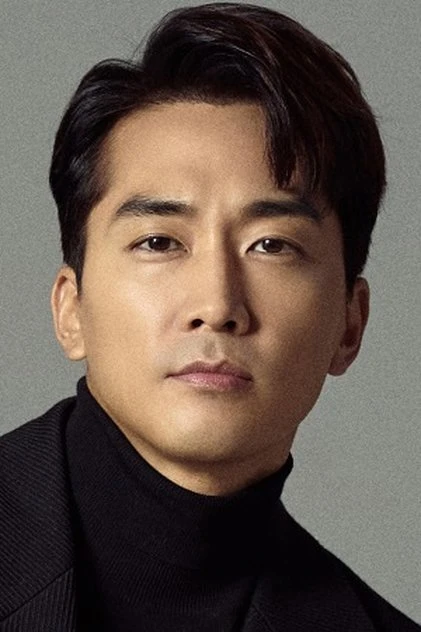
Villain

Supporting
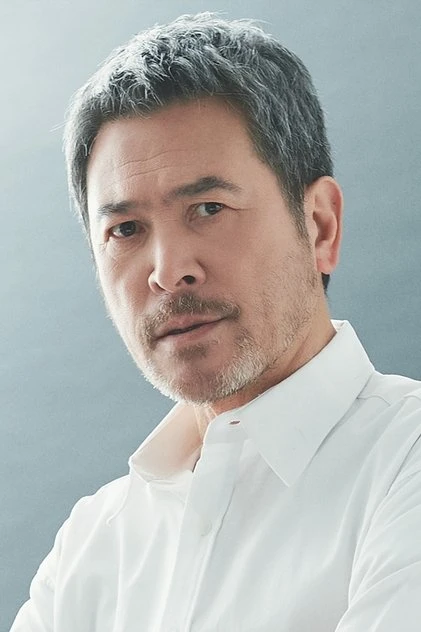
Supporting

Supporting

Supporting
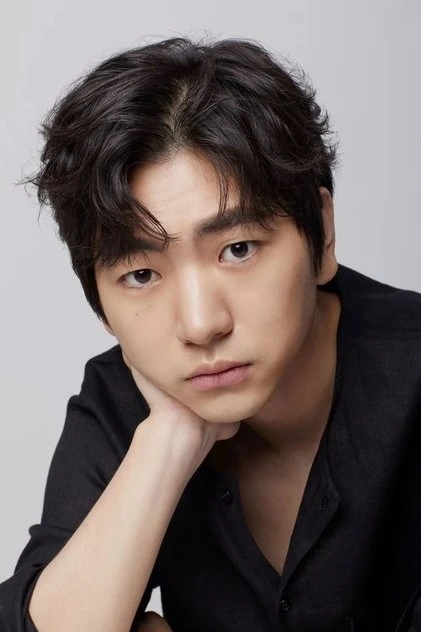
Supporting

Supporting

Supporting

Supporting
📺 Episode Guide
Just enough per episode to remember where things stood.


🏁 Ending Explained
Everything the finale means, spoilers and all.
Spoiler Warning — This section covers the full finale of Black Knight. Stop here if you haven’t finished the series.
Ryu Seok finally plays his hand. The finale opens with Cheonmyeong’s endgame already in motion — oxygen cut to the lower districts, migration checkpoints locked down, and the bodies beginning to pile up exactly as Ryu Seok had modeled in his plans. It’s a chilling escalation that makes good on everything the show has been building: this was never just corporate greed, it was a controlled extermination wrapped in logistics. The episode refuses to soften what’s happening — people are dying, and the system designed to protect them is the weapon being used against them.
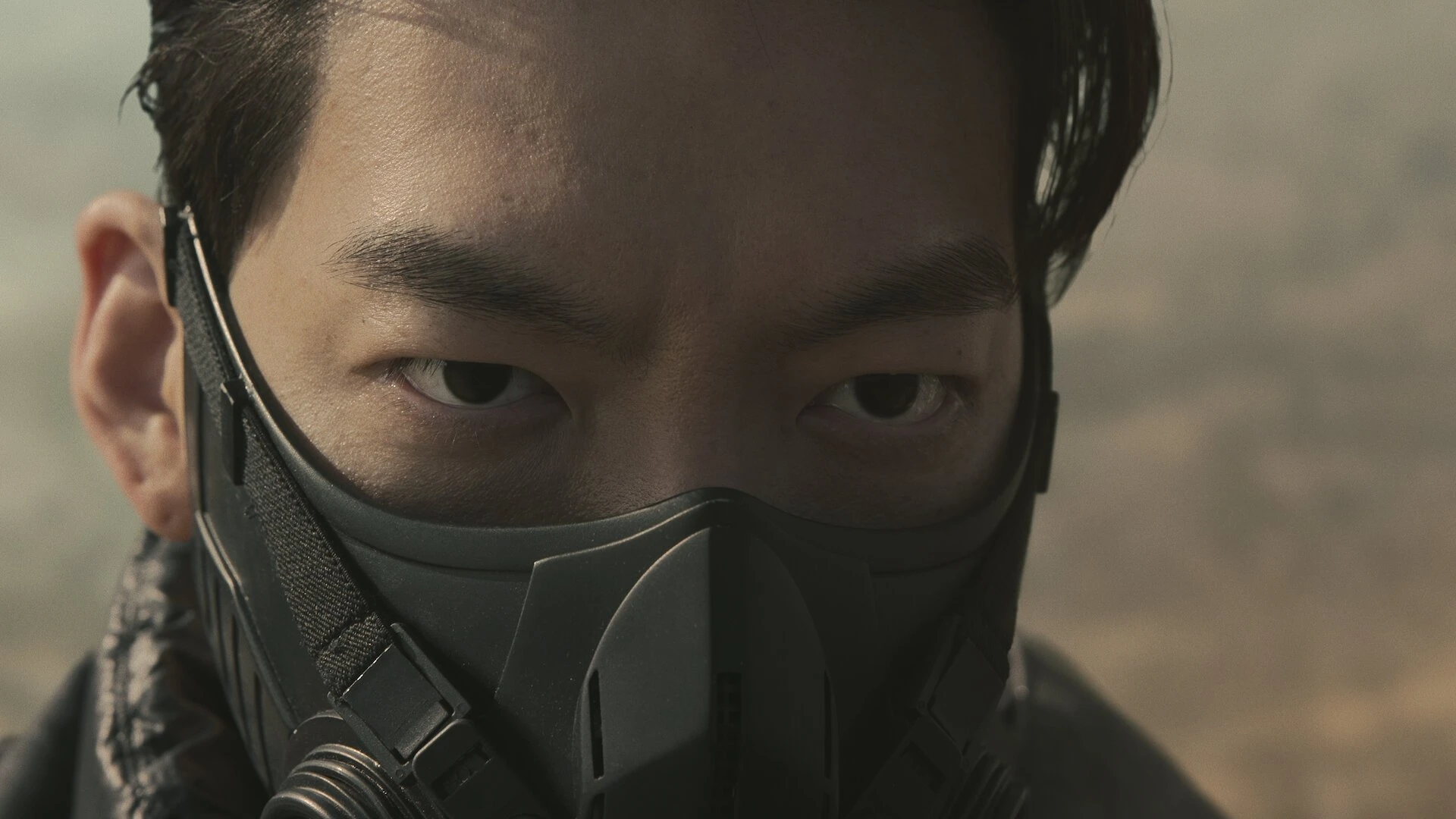
5-8 and Seol-ah converge on Cheonmyeong headquarters. What makes the assault sequence work is that it’s not a superhero moment — 5-8 is tactically brilliant and physically extraordinary, but he’s also operating against a corporation with near-unlimited resources. Seol-ah’s Defense Intelligence access allows them to cut through the layers of protection in a way that feels earned rather than convenient. Every beat of the infiltration has been set up by the previous five episodes, and the show trusts its audience to remember the pieces it laid down.
Sa-wol arrives as a Knight — and the symbolism is not accidental. The young refugee who idolized 5-8 from the margins of a society designed to grind him down shows up to the final battle in the uniform he fought to earn. It’s a deliberate callback to everything the drama has argued about who deserves to inherit the future. His contribution to bringing down Ryu Seok’s operation isn’t just plot function — it’s the show making its thesis visible. Kang You-seok carries the weight of that moment without tipping into sentimentality.
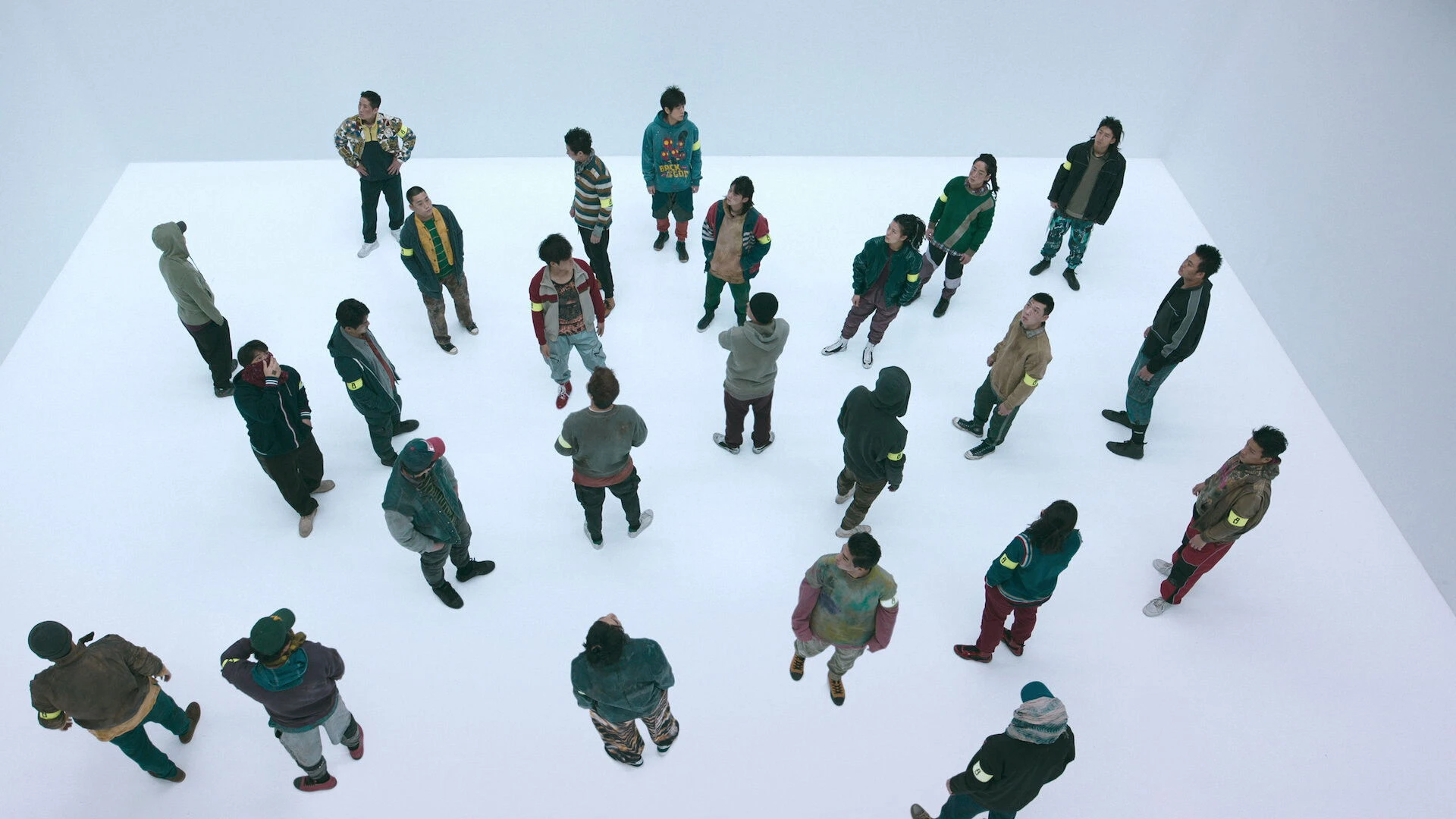
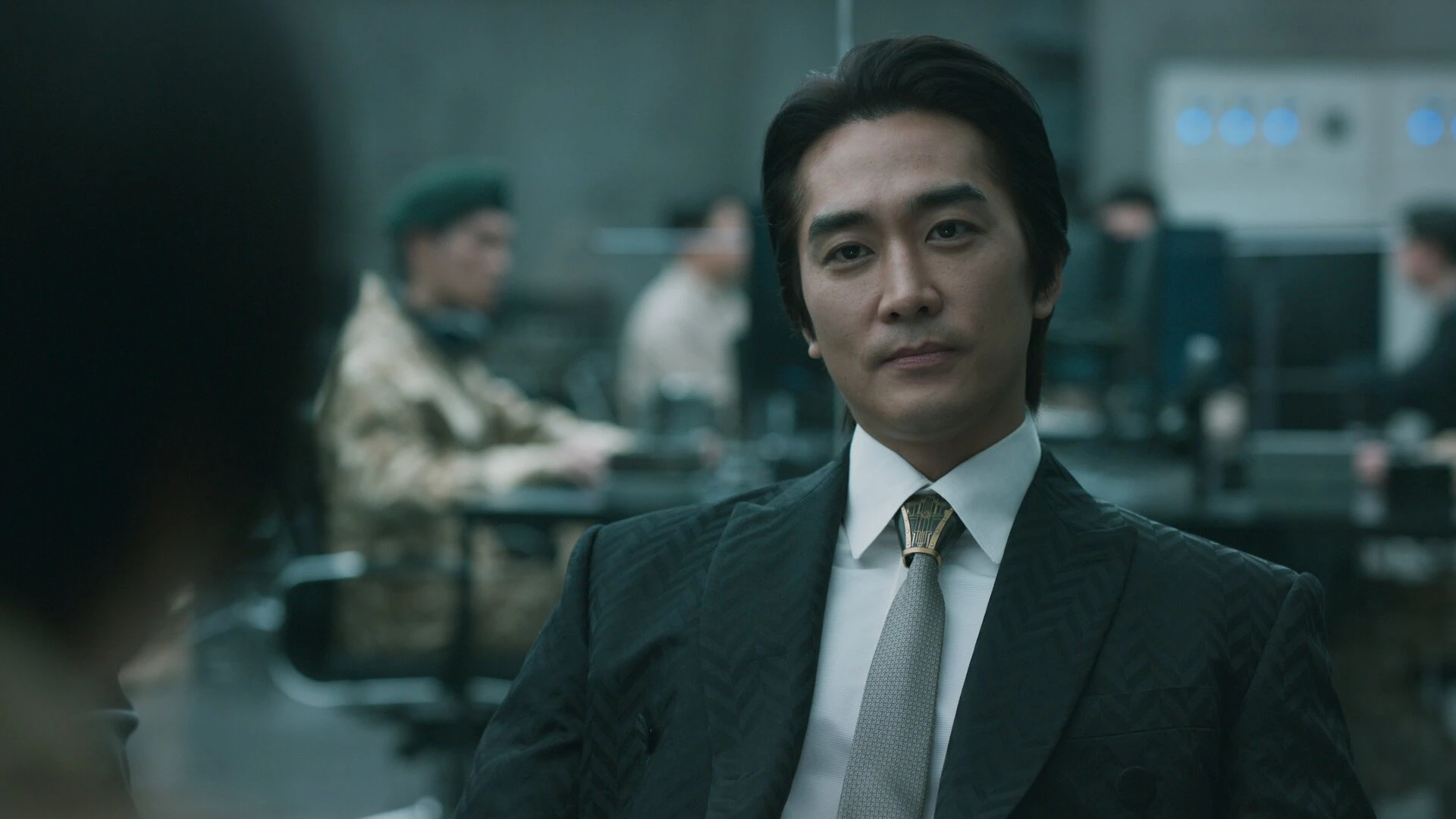
Ryu Seok is defeated — but the system that made him is still standing. The finale is honest about this in a way that elevates it above the typical K-drama villain takedown. Ryu Seok is stripped of his power and removed from the board, but Cheonmyeong as an entity, and the oxygen hierarchy as a structure, are not dismantled. The victory is real and meaningful, but it’s partial — and the closing scenes acknowledge that 5-8 knows this. Song Seung-heon plays Ryu Seok’s defeat with an eerie calm that’s more unsettling than any amount of screaming would have been.
The final image belongs to 5-8 and Sa-wol. The show ends where it began: with a Knight, and the road ahead. The bond between mentor and student — between the man who already knew how broken the world was and the boy who had to learn it — is what Black Knight is ultimately about beneath all its action spectacle. The ending doesn’t offer a clean resolution, because clean resolutions are for worlds that work. What it offers instead is continuity of will: the fight isn’t over, but the people willing to carry it forward are still here. In a 2071 where breathing costs everything, that turns out to be enough.

✍️ KDramaWorlds Editor’s Take
Here’s our honest verdict, and who’s going to love it.
Black Knight is the kind of show that knows exactly what it is and refuses to apologize for it. It’s a lean, kinetic, beautifully designed dystopian action thriller that runs six episodes, moves at pace, and puts Kim Woo-bin in the center of the frame looking like he was born for this specific role. The world of 2071 is one of the more inventive K-drama settings in recent memory — the delivery driver as the last line between survival and death is a concept that’s absurd on paper and strangely resonant on screen. This is webtoon energy done right: saturated, propulsive, and visually confident in a way that few Netflix K-dramas manage from episode one.
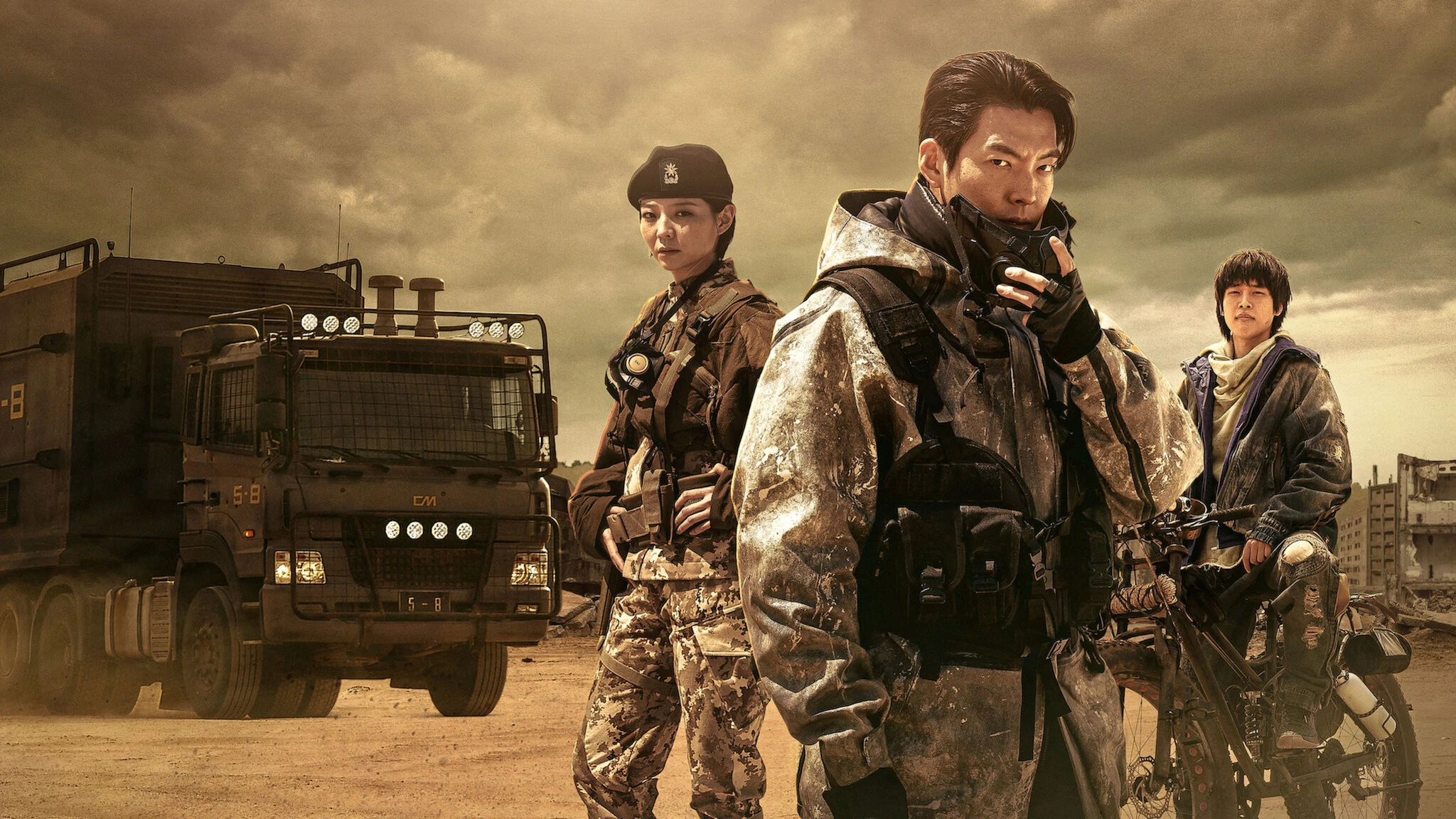
Where the show earns its modest reservation is in depth. The world-building is striking but surface-level — you get the shape of the hierarchy without much texture about how it actually functions day-to-day. Esom’s Seol-ah is a compelling presence who the script keeps just one scene away from being a fully realized character. And the emotional through-line between 5-8 and Sa-wol, which is clearly the heart the show wants you to feel, takes until episode four to actually land with the weight it deserves. If you’re looking for the layered character work of something like Bloodhounds or the existential weight of Duty After School, Black Knight operates at a different register. It’s less interested in what its characters feel than in what they do — and what they do is impressive enough to carry most of the runtime.
Song Seung-heon is the unexpected revelation. His Ryu Seok is cold in the particular way that only truly convinced people are cold — he doesn’t need to be angry because he already knows he’s right. It’s a performance that makes the villain more disturbing than any amount of scenery-chewing would have. The finale is appropriately scaled, honest about the incompleteness of its victory, and gives Kang You-seok a moment that pays off everything the show asked you to invest in his character. Black Knight won’t change how you think about K-drama, but it will keep you up until 3am on a Tuesday finishing it. That, sometimes, is exactly what the medium is for.
Viewers who want a complete story in a single weekend
Anyone who loved the visual world of Squid Game and wants more of that energy
🎬 You Might Also Like
If you liked Black Knight, these are your next three watches.
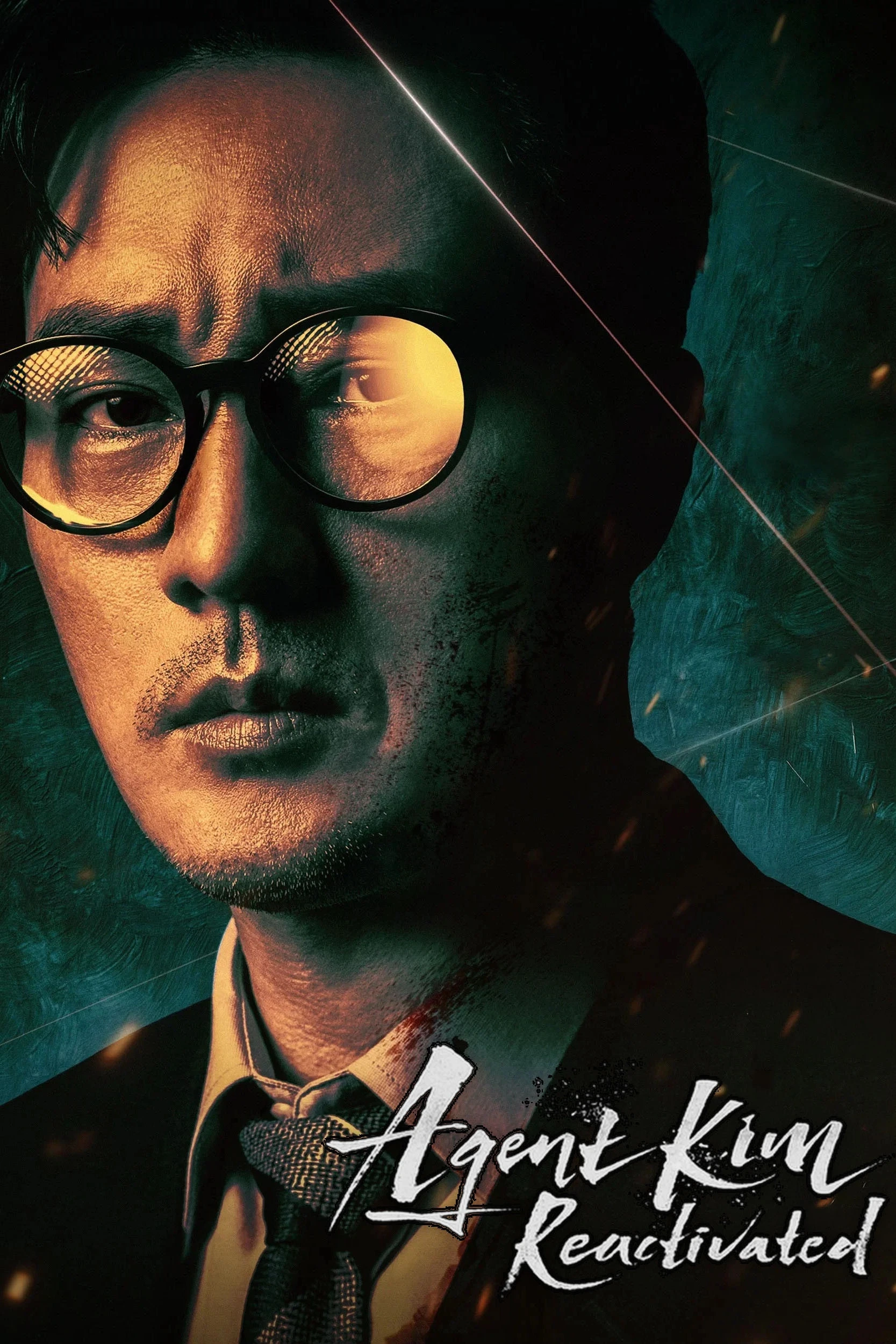 Agent Kim Reactivated
action thrillerBlack Ops
Read Full Review →
|
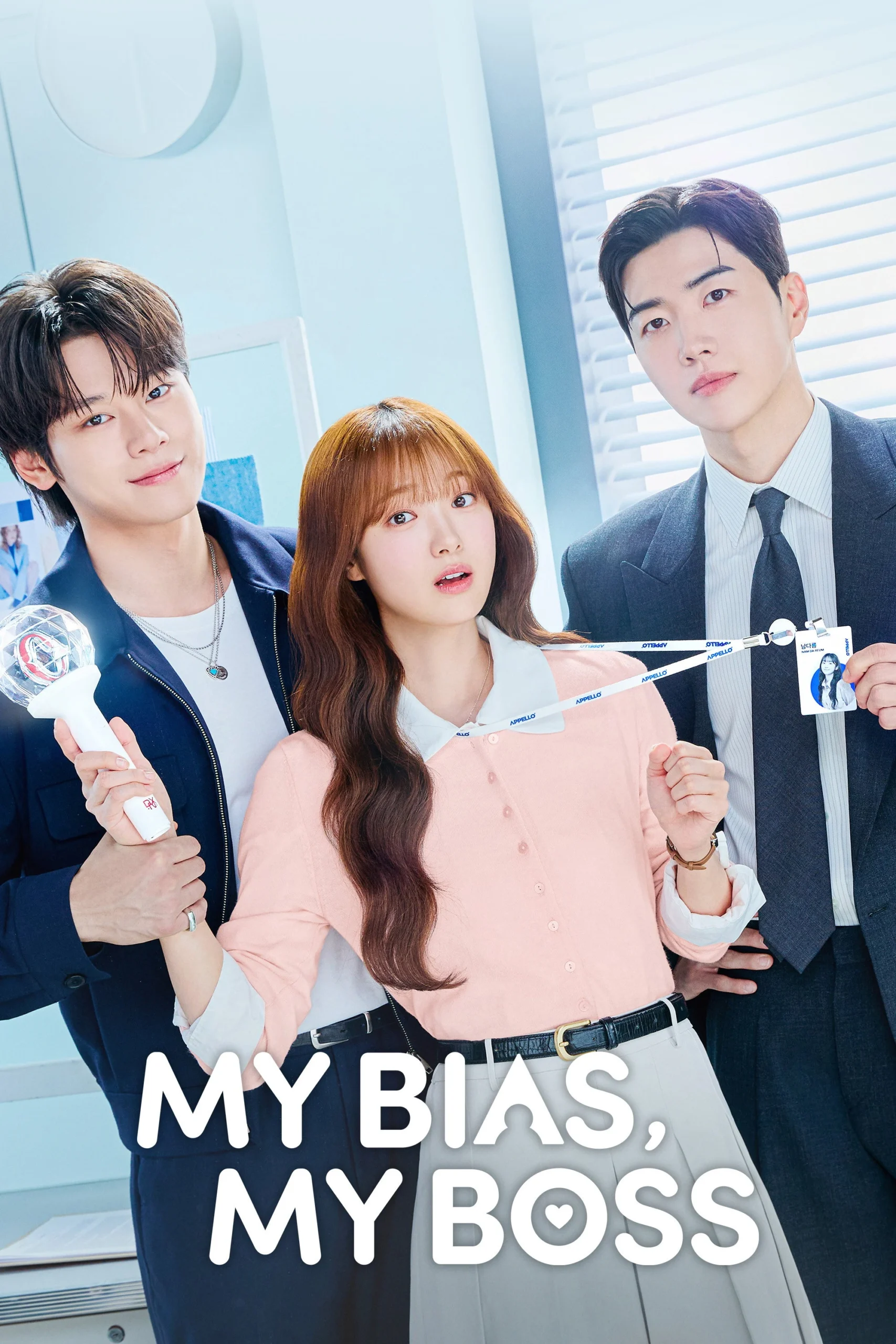 My Bias, My Boss
CEO Male LeadFangirl
Read Full Review →
|
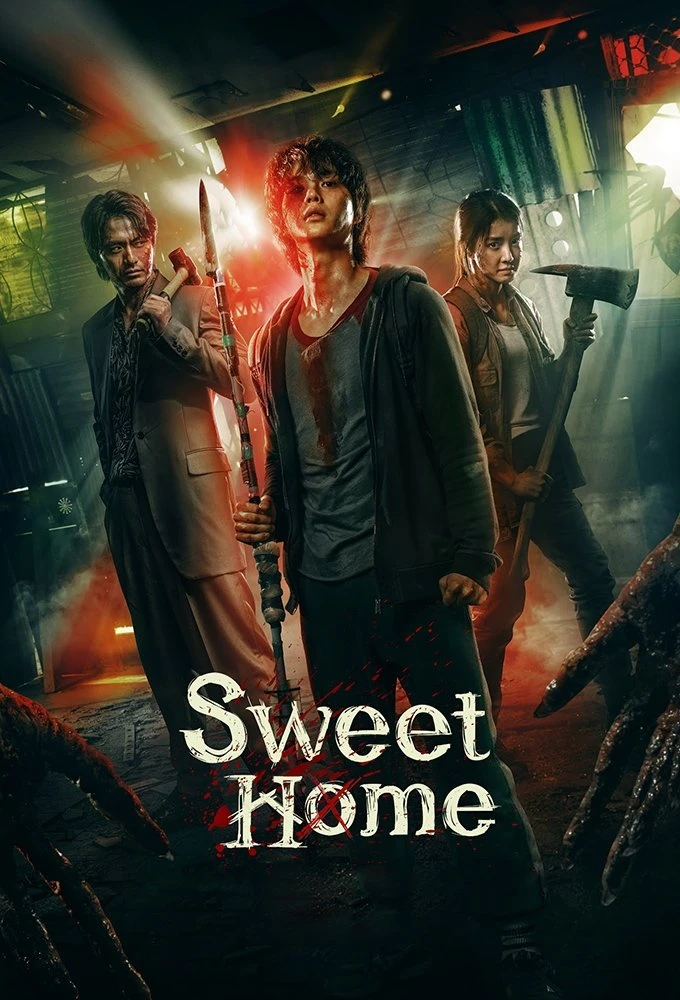 Sweet Home (Season 1)
dark fantasyEnsemble Cast
Read Full Review →
|











Keep it kind, skip the harsh language, and please — no spoilers. Everyone's taste is different, and that's perfectly fine.
This space is for real reactions and discussion from other viewers. Help keep it comfortable for everyone by not giving away major plot details.
What do you think of this drama?
Login to share your review or leave a comment.
No email needed — just pick a username & password.