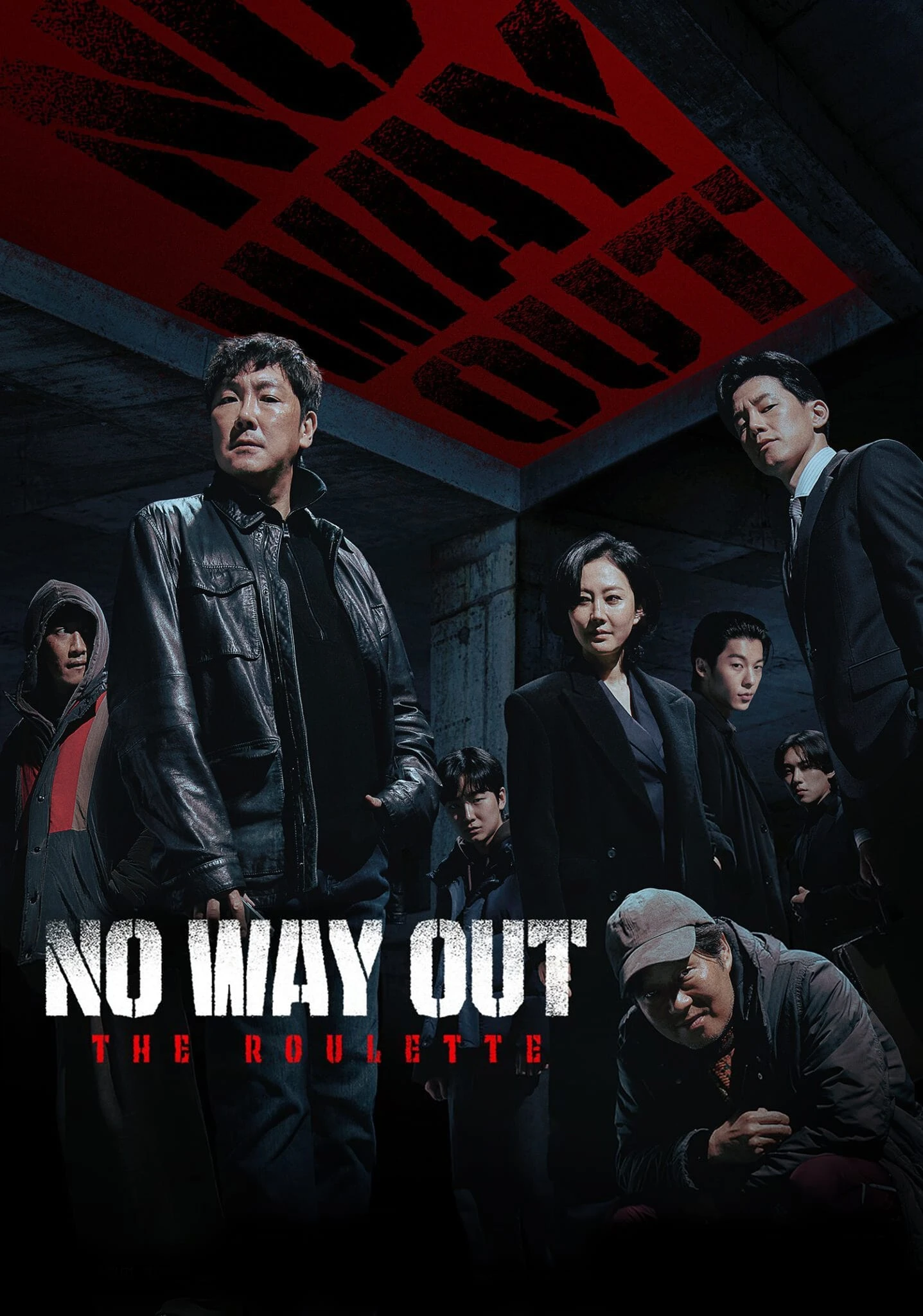
No Way Out: The Roulette
🎬 Disney+
⭐ 7.0 / 10 MDL
🔞 16+
🎬 Drama Overview
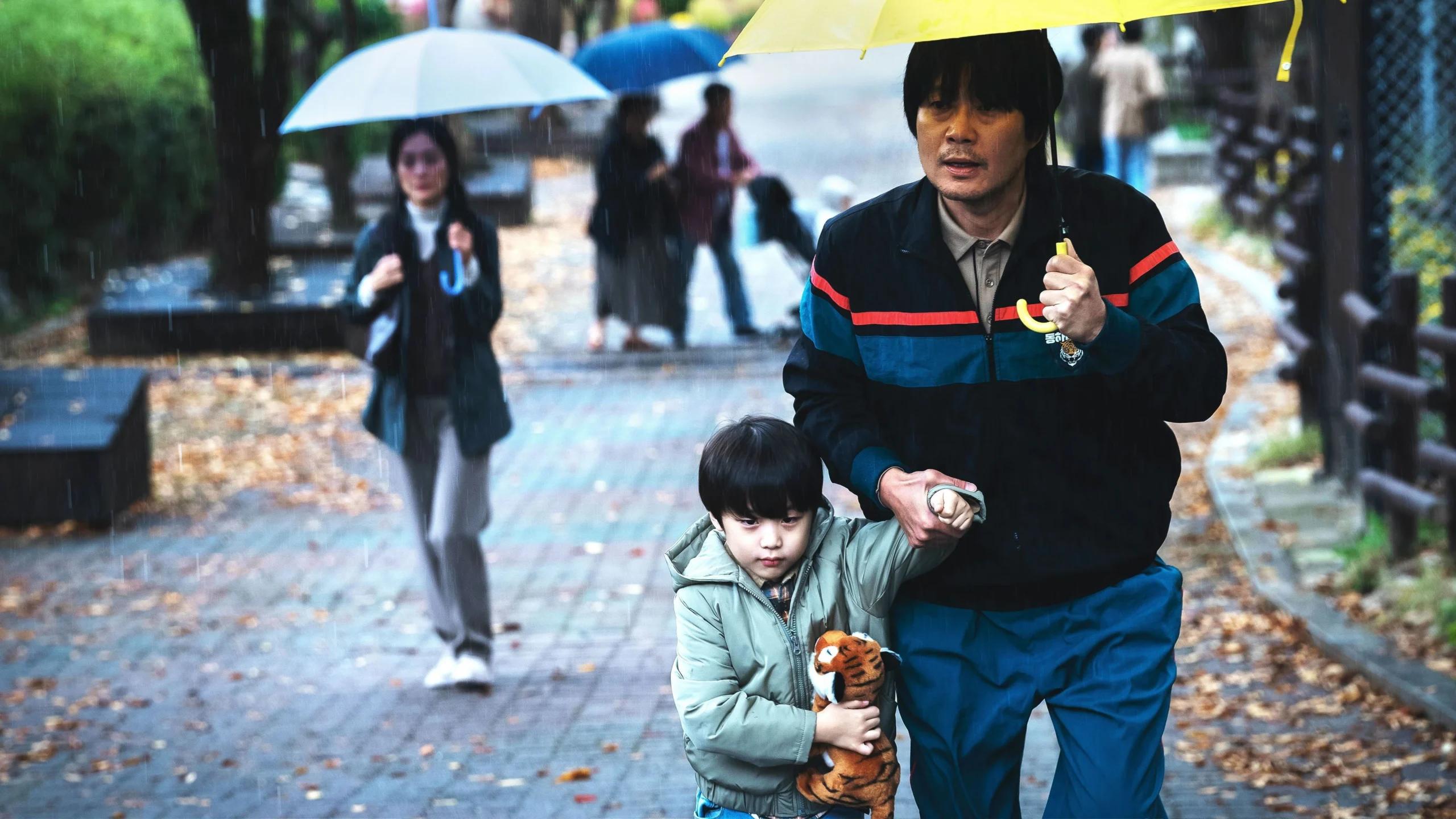
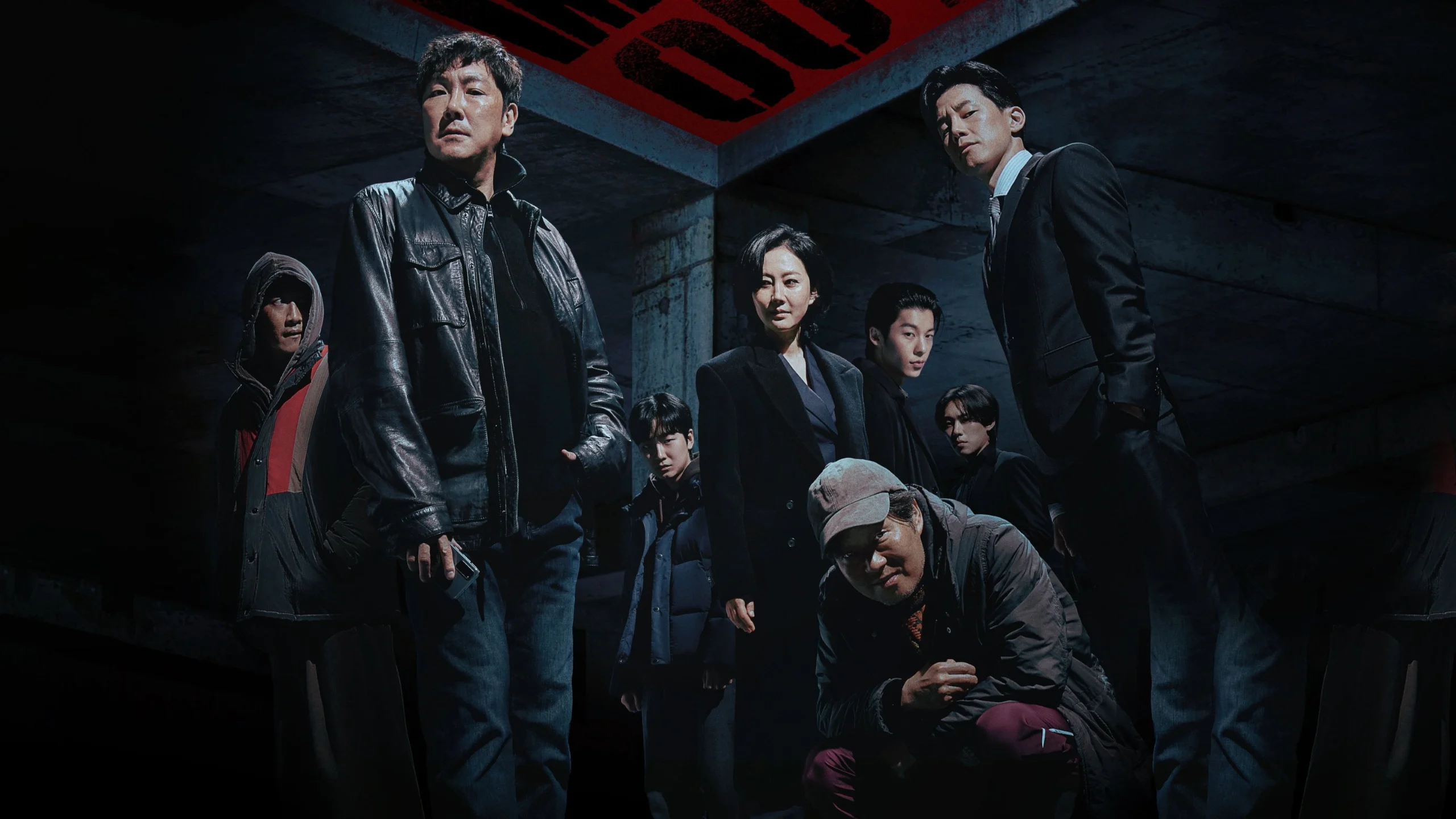
Kim Guk-ho walks out of prison after 13 years. Within hours, a masked streamer broadcasts a 20-billion-won public bounty on his head — turning him into the most hunted man in South Korea overnight. The entire nation wants him dead. Detective Baek Joong-sik is ordered to keep him alive. It is the most thankless assignment in the country, and Joong-sik — already drowning in personal debt after a devastating scam — has no way out of it.
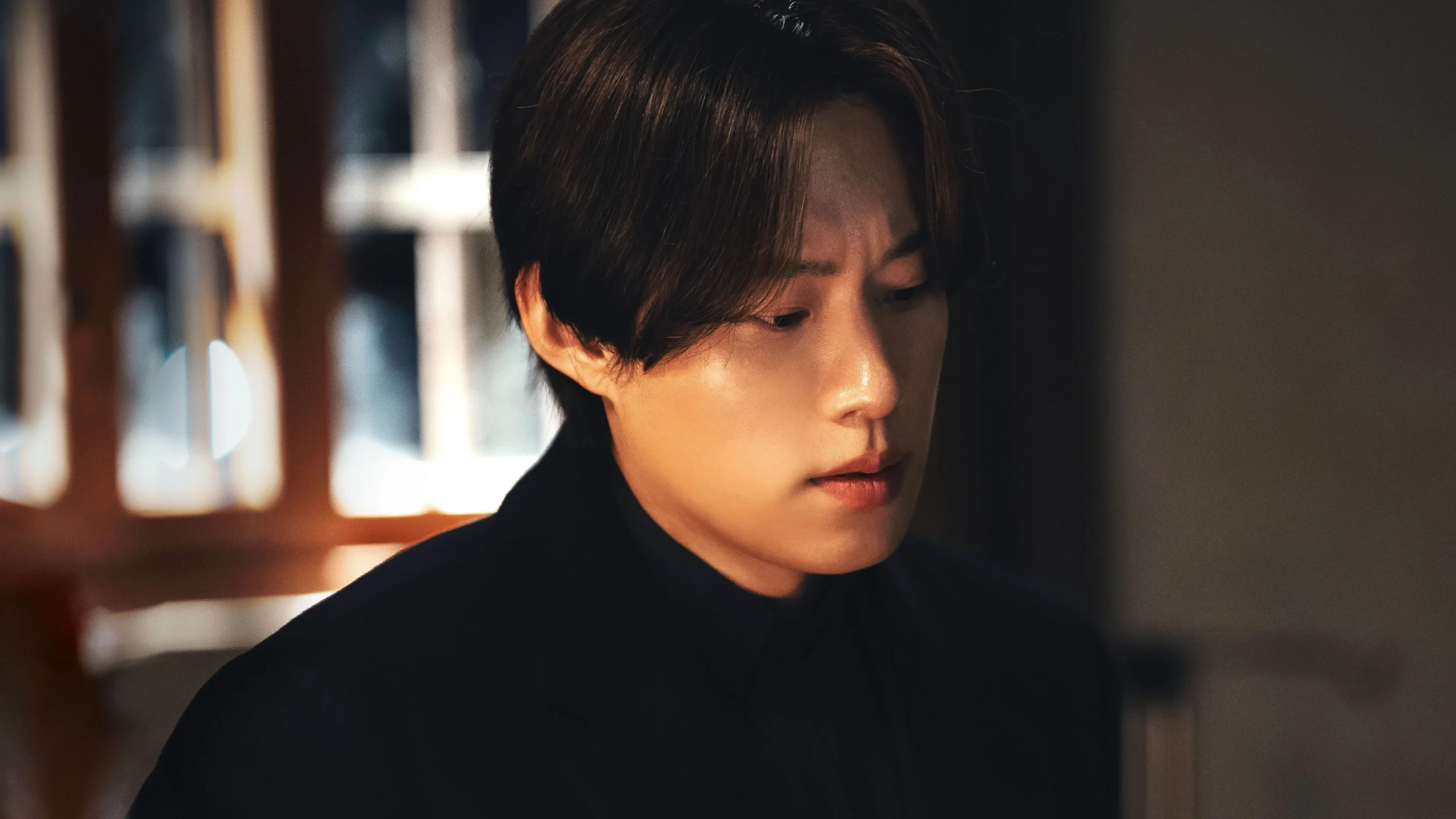
Around this deadly game, four more players spin the same roulette: a power-hungry lawyer who takes Guk-ho as his ticket to the top, a corrupt mayor who needs the criminal alive for her own political survival, a desperate fixer named Yoon Chang-jae who sees the bounty as his last chance at financial salvation, and Mr. Smile — a cold, stylish Taiwanese professional assassin who arrives in Seoul for the prize. Eight episodes. One roulette. No one walks away clean.
8 / 8 ✅ Completed
⚡ Quick Verdict
Everything worth knowing, distilled into one box.
· MDL Score
▶ Official Trailer
🎭 Cast & Characters
Twelve players in a game where everyone has something to lose — and the roulette doesn’t care who spins it.
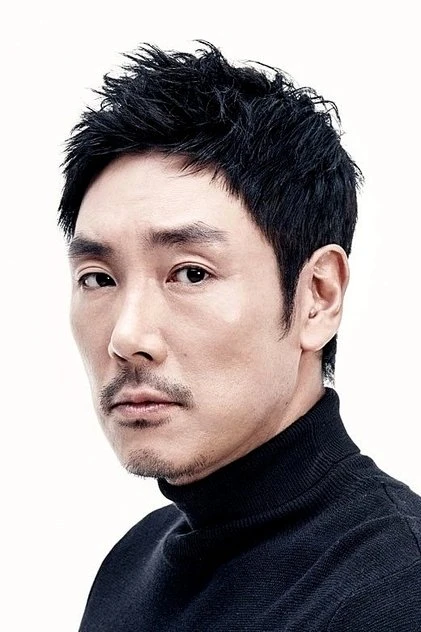
Lead

Antagonist

Antagonist
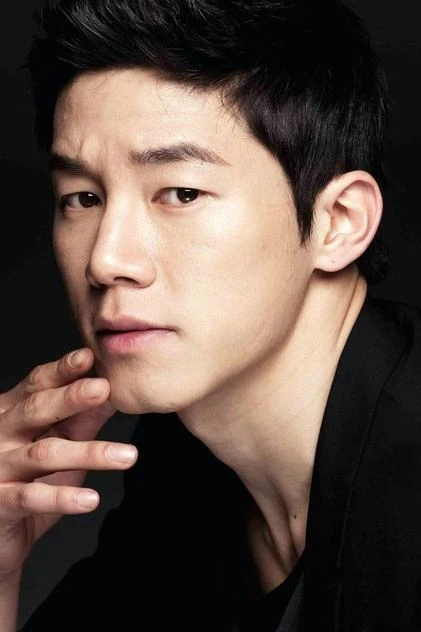
Supporting
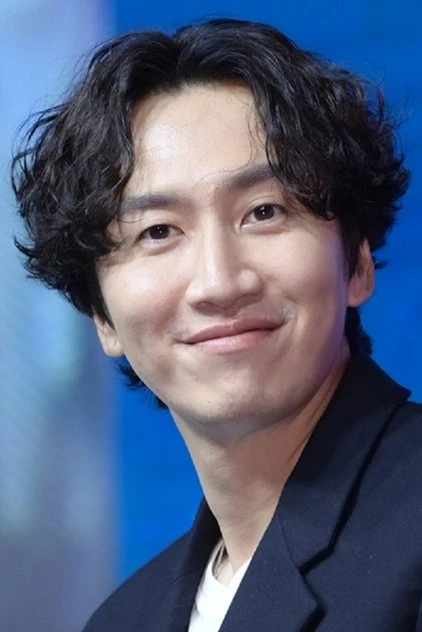
Supporting

Antagonist

Supporting

Supporting
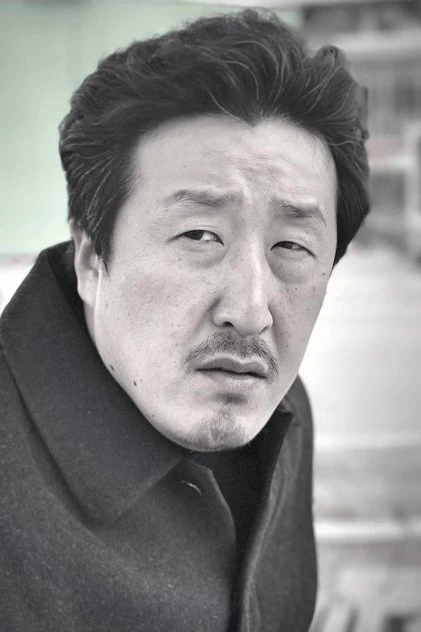
Supporting
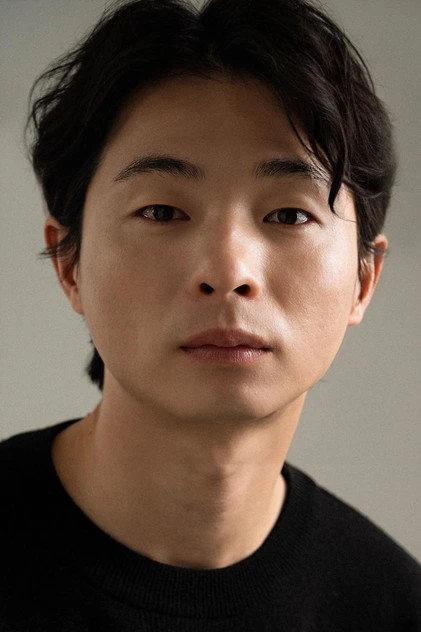
Supporting

Supporting

Supporting
📺 Episode Guide
Spoiler-light recaps — enough to follow the roulette, nothing that ruins the spin.
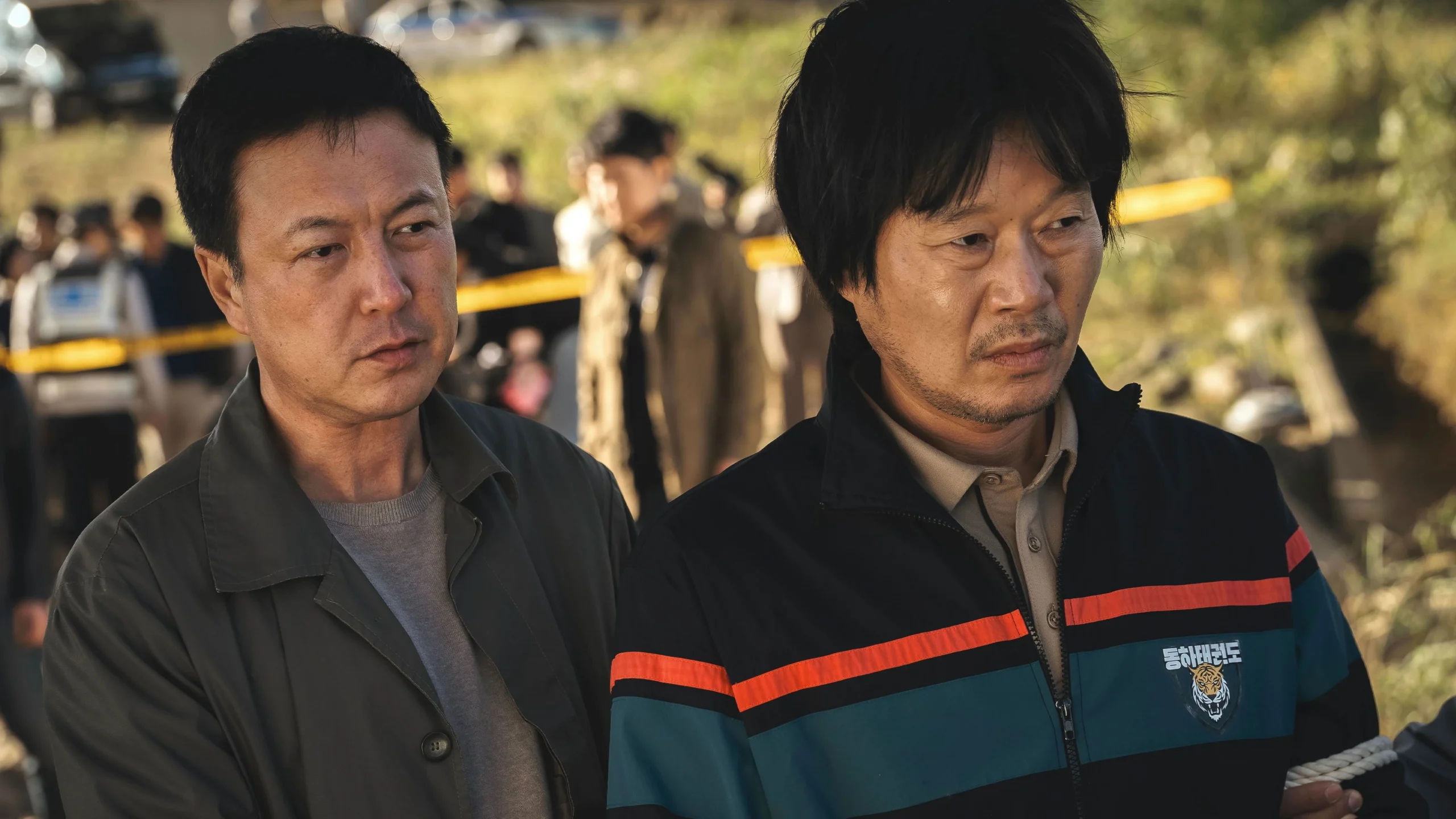
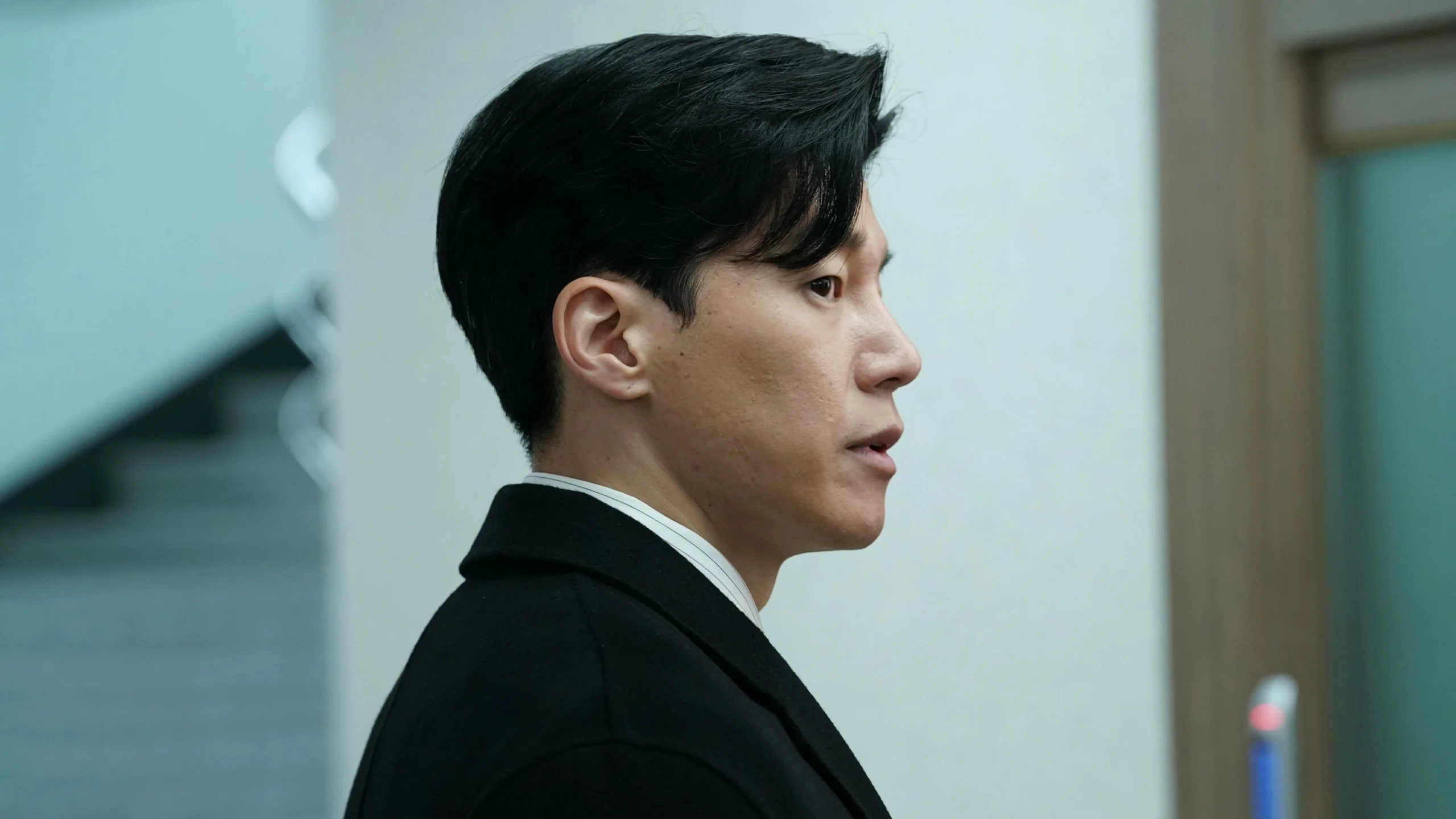

🏁 Ending Explained
Full spoilers — what happened, and why it hits the way it does.
Spoiler Warning — This section covers the full finale of No Way Out: The Roulette. Stop here if you haven’t finished the series.
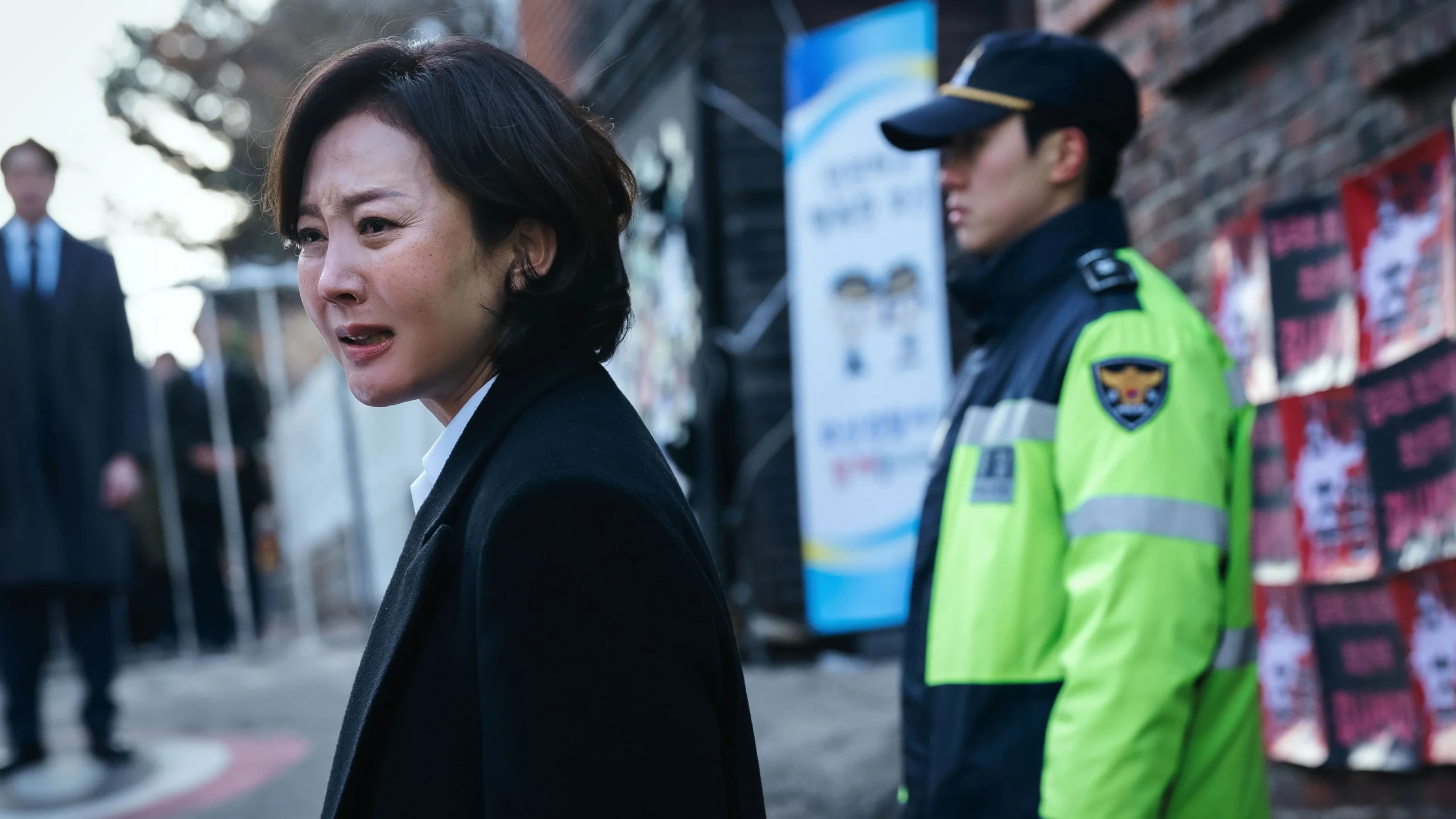
So-mi Is Freed, Ahn Myung-ja Falls. The finale opens on two resolutions running in parallel. Joong-sik’s daughter So-mi is recovered from Chang-jae’s custody — the confrontation between the two men plays out under enormous pressure, with Joong-sik choosing his daughter over the assignment and somehow holding both. Mayor Ahn Myung-ja, whose political survival had been entangled with Guk-ho’s continued existence, is fully exposed: her manipulation of the bounty game and her exploitation of the murder spectacle for political leverage become public. Her grip on power collapses. It is not a dramatic arrest — it is a quiet implosion, which is somehow worse.
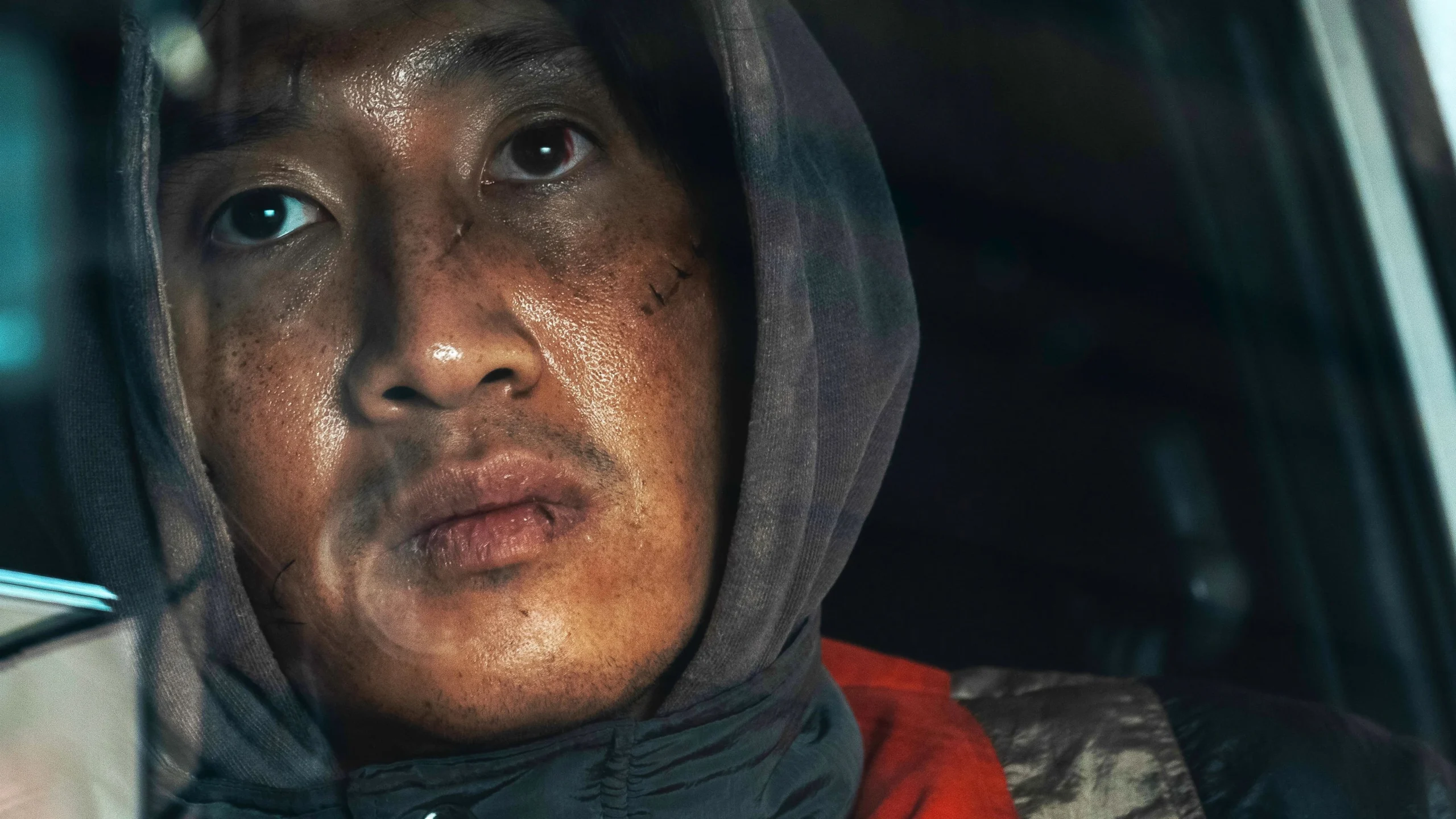
The Masked Man Unmasked. The identity of the anonymous streamer and the true architecture of the roulette operation are finally revealed. This was never a single eccentric with a grudge and a livestream — it was a coordinated system, with Pastor Sung Joon-woo’s role at its center. The 20-billion-won bounty was not about justice or public spectacle. It was about something older and more personal, connected to what Guk-ho actually did during those 13 years and to the people who enabled him. The reveal reframes the entire eight-episode structure: the roulette was always pointed at something specific, and Guk-ho was never the final target.
Guk-ho Survives — and So Does the Question. Kim Guk-ho survives the nationwide hunt, which is the show’s most morally interesting choice. He is a convicted serial murderer. He is alive. The drama refuses to resolve this into simple catharsis — there is no clean execution, no triumphant arrest that makes everything feel settled. Guk-ho’s survival is uncomfortable in exactly the way the show intends, forcing every character and every viewer to sit with the fact that the justice system, the mob mentality, and the roulette game itself all failed to produce anything resembling actual justice. Joong-sik protected him. That is the drama’s central irony, and it lands.
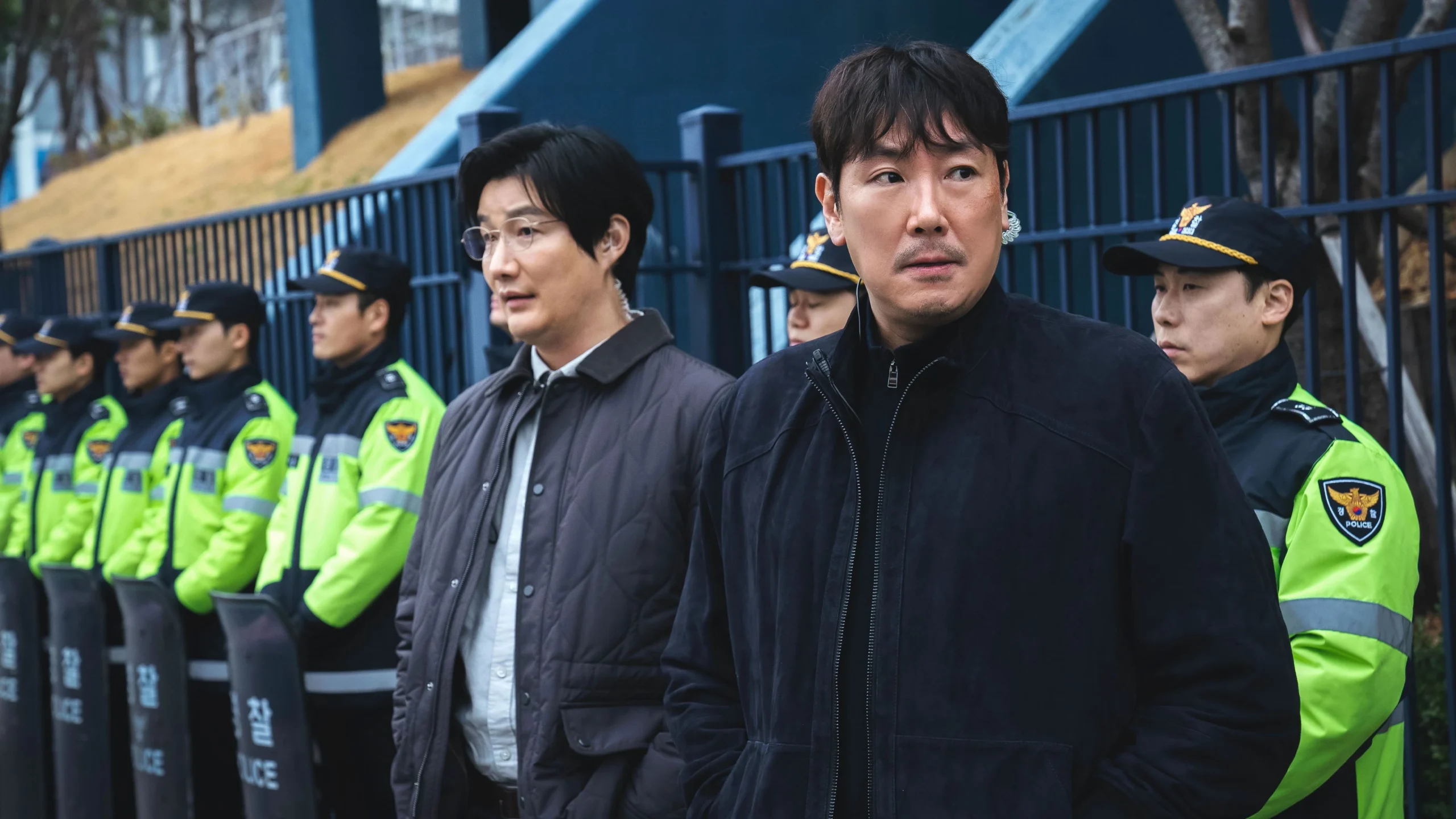
Mr. Smile — and the Door Left Open. The final scene belongs to Greg Hsu. Mr. Smile is alive, unhurt, somewhere undisclosed — the show’s clearest signal that it envisions a continuation. He did not complete his contract. He is still out there. The roulette table from the opening episode appears one last time, spinning without a hand to stop it. The show closes on moral ambiguity as a deliberate aesthetic choice, not as a failure of resolution: the bounty was paid by people who will never face consequences, the assassin is free, and the criminal is walking the streets. The roulette doesn’t stop. It just pauses between games.
✍️ KDramaWorlds Editor’s Take
Worth watching or not — our honest read, and who it’s for.
No Way Out: The Roulette has an immediate structural advantage over most crime K-dramas: it knows exactly how many episodes it has and doesn’t waste a single one. Eight episodes, one clear premise, five or six competing agendas — the show never pauses to explain itself or wait for you to catch up. Where dramas like A Killer Paradox build their moral tension around a single character’s ethical collapse, No Way Out distributes the moral compromise evenly across the entire cast. Everyone is doing something they cannot entirely justify. The detective protecting a murderer. The fixer kidnapping a child. The mayor using a death game for political leverage. The show’s great insight is that the roulette is not just a plot device — it’s the only honest metaphor for how justice actually works in this world.
Greg Hsu’s Mr. Smile is the performance that will outlive the drama in conversation. He arrives in Episode 6 and the show noticeably recalibrates around him — the Korean cast, who have been doing strong work, suddenly look slightly more human by comparison. This is intentional. Mr. Smile is written as someone who has fully abdicated the emotional register that everyone else is still operating in, and Hsu plays the detachment without affect or irony. He is simply present, simply professional, simply dangerous. It is the kind of performance that makes you wish the show had introduced him three episodes earlier, which is exactly the right problem to have. The comparison to dramas like The Worst of Evil is apt — both shows understand that the most compelling thrillers put their most terrifying figure in a position where they might technically be serving justice.
Where the show falls short is in the inverse ratio of setup to payoff: it builds a genuinely interesting conspiracy and then resolves it in the final thirty minutes of the finale at a pace that feels slightly too compressed. Some threads — particularly around Sung Joon-woo’s full arc and the exact mechanics of who was funding the roulette — would have benefited from one more episode. The open ending and Mr. Smile’s survival confirm that a second season was planned, which retroactively reframes some of the finale’s incompleteness as structural deliberateness. Whether that is a creative choice or a commercial hedge remains to be seen. What is certain: No Way Out: The Roulette delivers a consistent, tightly constructed eight episodes that never ask you to forgive the pacing or lower your expectations. It earns the chaos it promises.
Viewers curious about Greg Hsu — this is the K-drama world introduction he deserves
Anyone who likes ensemble chaos where no character is cleanly right or wrong
🎬 You Might Also Like
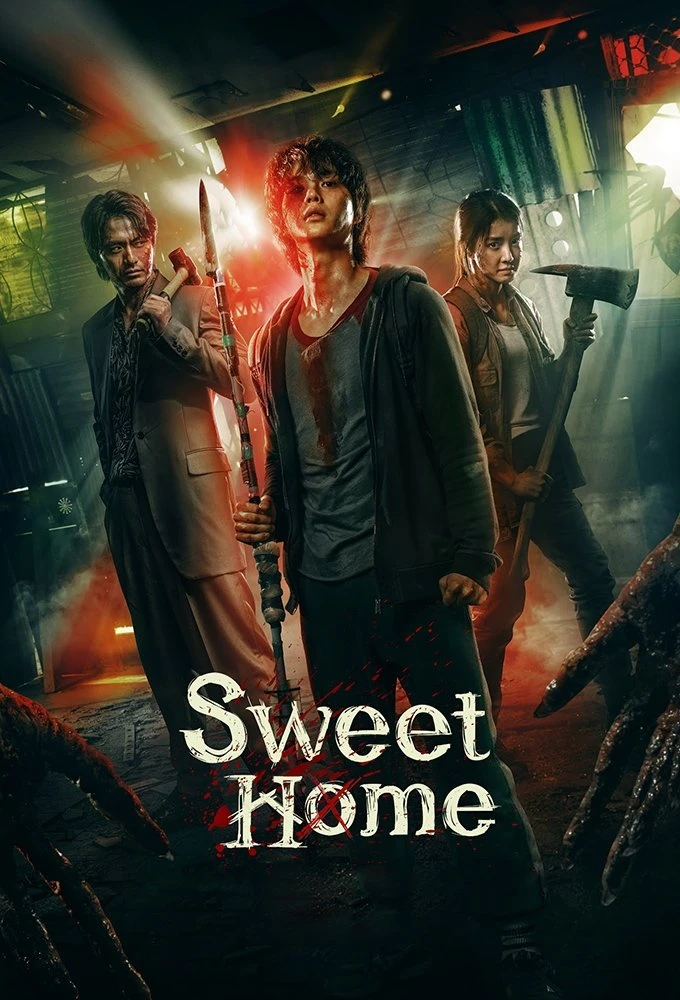
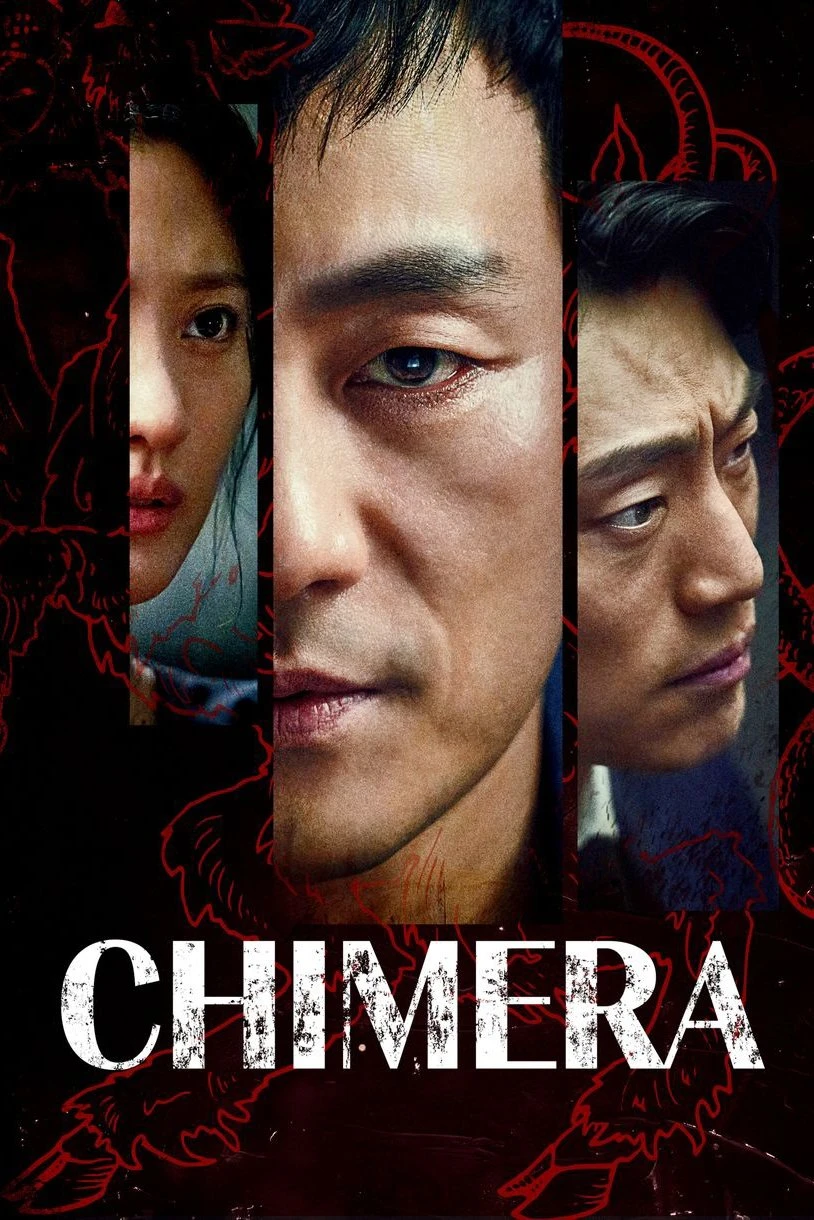
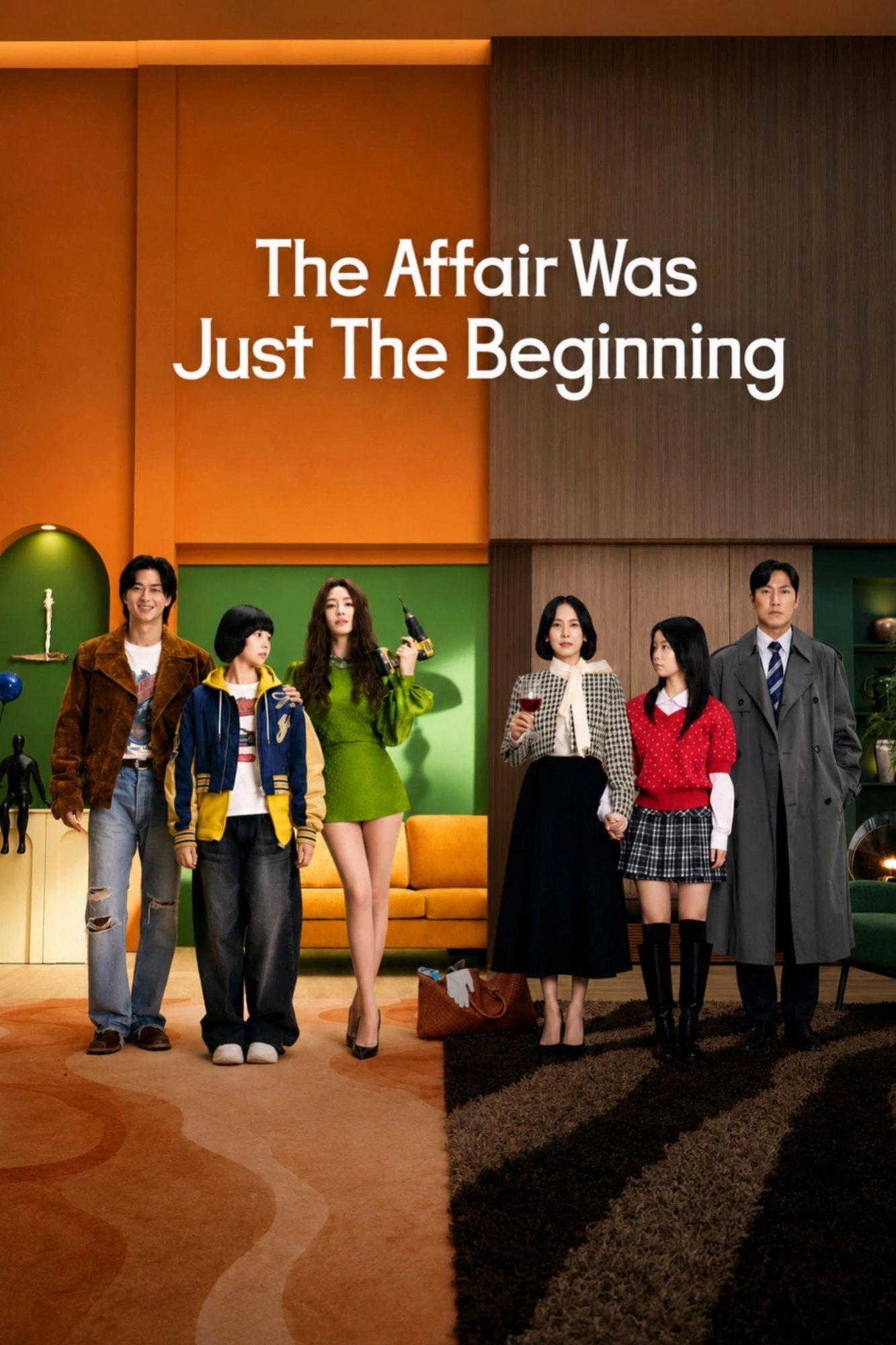
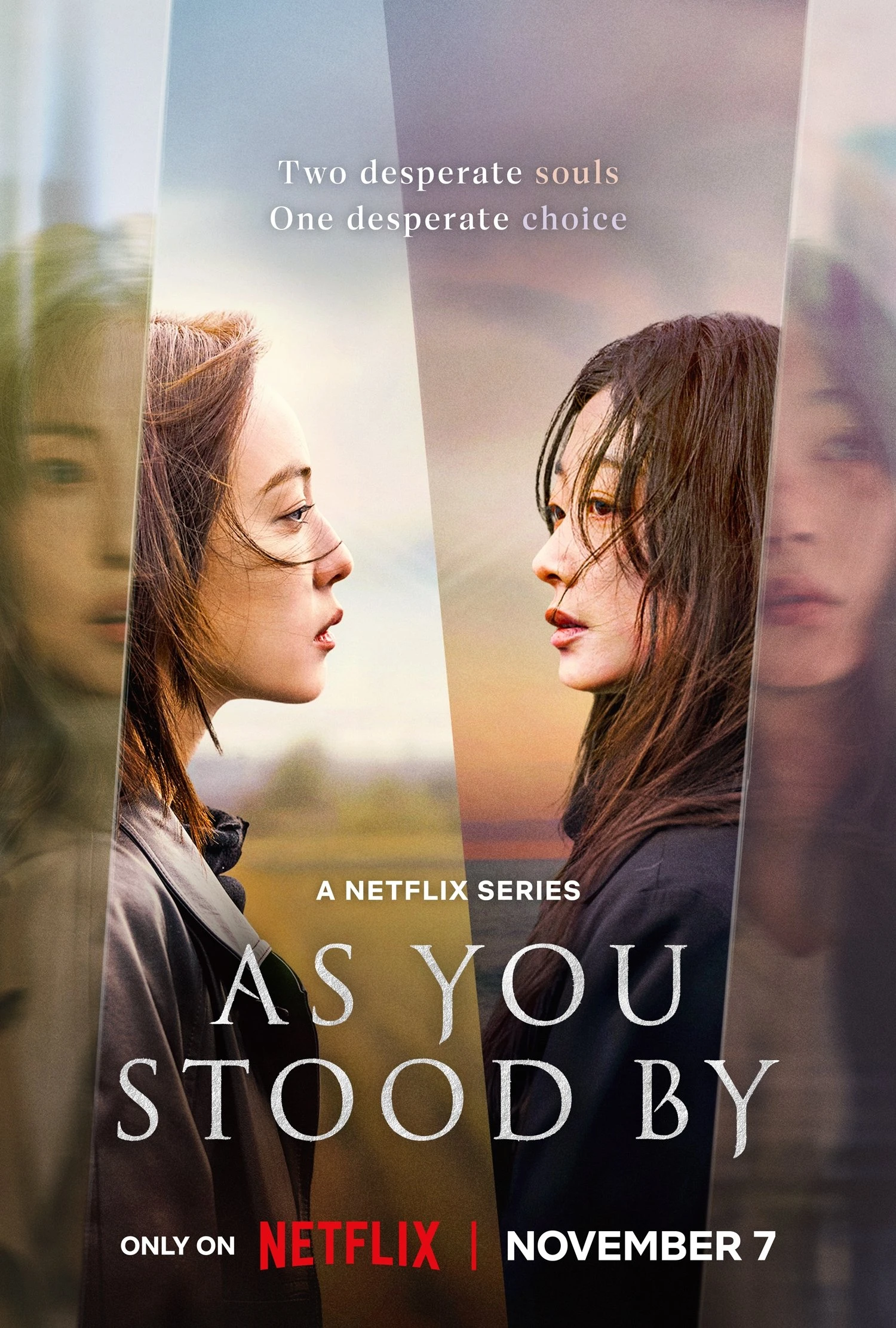
If you liked No Way Out: The Roulette, these are your next three watches.






Keep it kind, skip the harsh language, and please — no spoilers. Everyone's taste is different, and that's perfectly fine.
This space is for real reactions and discussion from other viewers. Help keep it comfortable for everyone by not giving away major plot details.
What do you think of this drama?
Login to share your review or leave a comment.
No email needed — just pick a username & password.