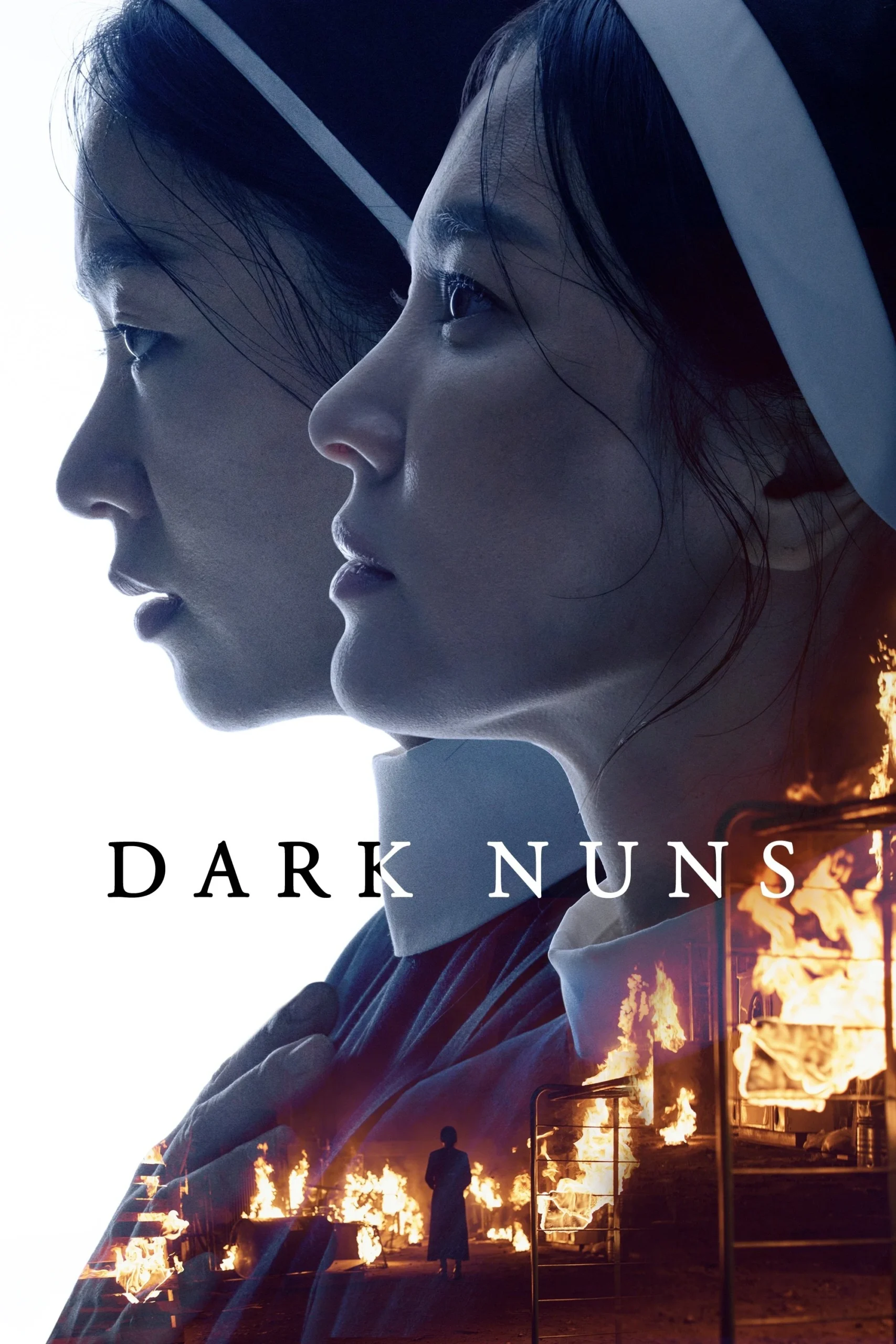
Dark Nuns
🎬 Film Overview
When a young boy becomes possessed by one of the terrifying 12 Manifestations and the Church’s designated exorcist cannot arrive in time, Sister Junia — a dying nun trained under a legendary priest — makes an irreversible decision: she will perform the forbidden rite herself. To do it, she needs Sister Michaela, a woman haunted by a shamanic past she has spent years trying to bury. Two women, neither authorized by the institution, against a demon that has been waiting for exactly this kind of desperation.
⚡ Quick Verdict
One box. Everything you need to decide.
· IMDb · 1.9K ratings
· 7.2 / 10 MDL
· 62% RT Audience
· 53% RT Critics
▶ Official Trailer
🎭 Cast & Characters
Twelve performances. Two nuns, one demon, and a Church that gets in the way.

Lead

Lead
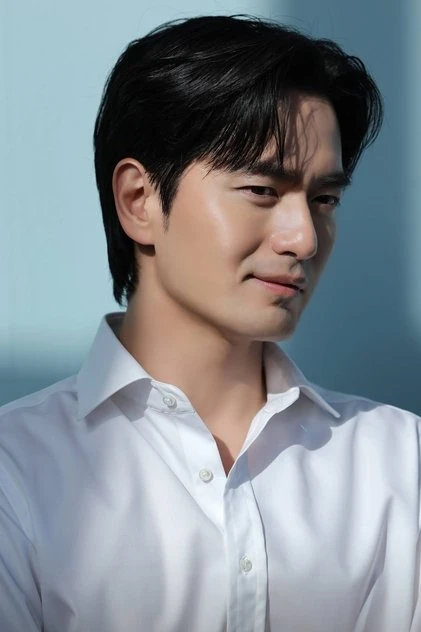
Lead

Lead
Supporting
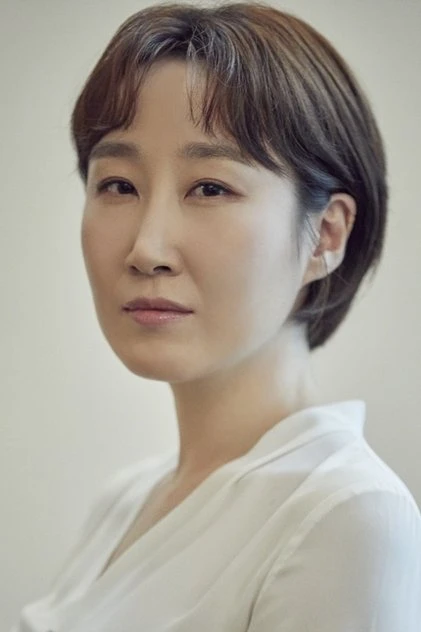
Supporting

Supporting
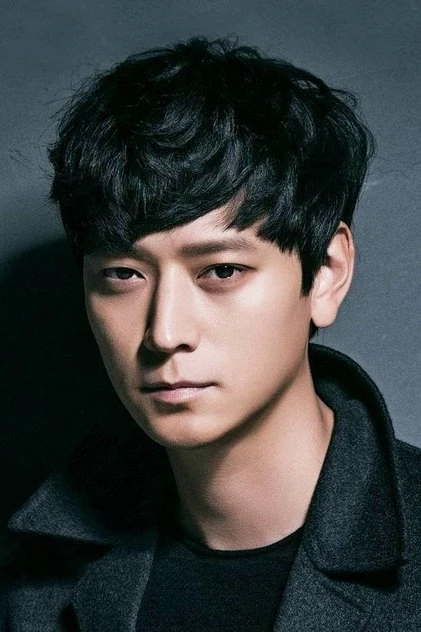
Supporting

Supporting

Supporting

Supporting

Supporting
📖 The Story
No spoilers — just enough to know if this is your film.
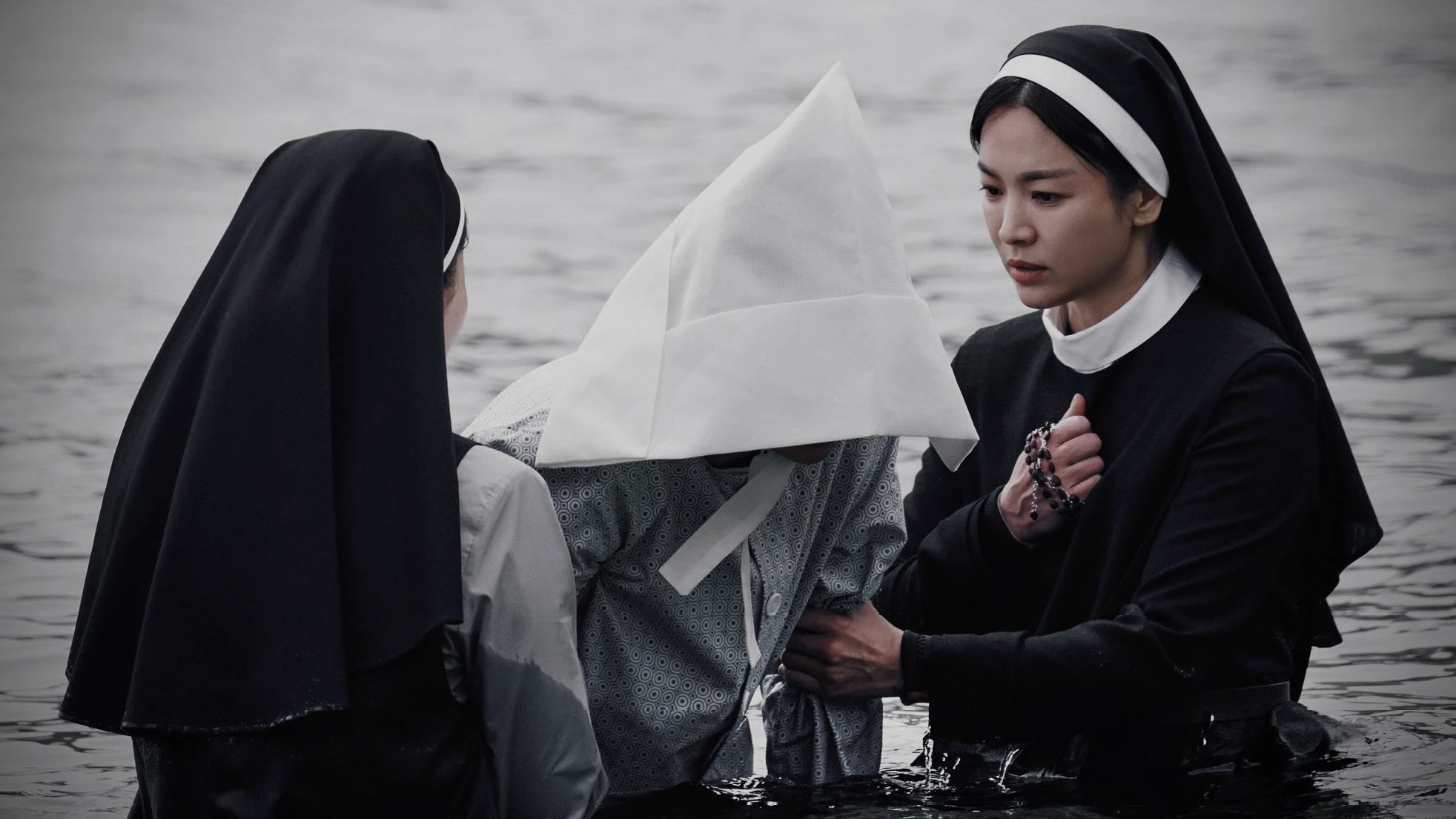
Sister Junia is not a woman who fits neatly into the Catholic Church’s architecture for women. She occupies the shadowy margins — doing the hard spiritual work that male clergy quietly delegate when it becomes too dangerous or too inconvenient, then reclaim when the credit is distributed. Trained under the legendary Father Kim, she has stood in rooms where evil was undeniable, and she has not flinched. She carries this experience with the economy of someone who has no time left to waste, because she literally does not — a diagnosis of advanced uterine cancer gives her a horizon she can see from where she stands. In another kind of film, this would be a wound. In Junia’s hands, it becomes something closer to a permission slip.
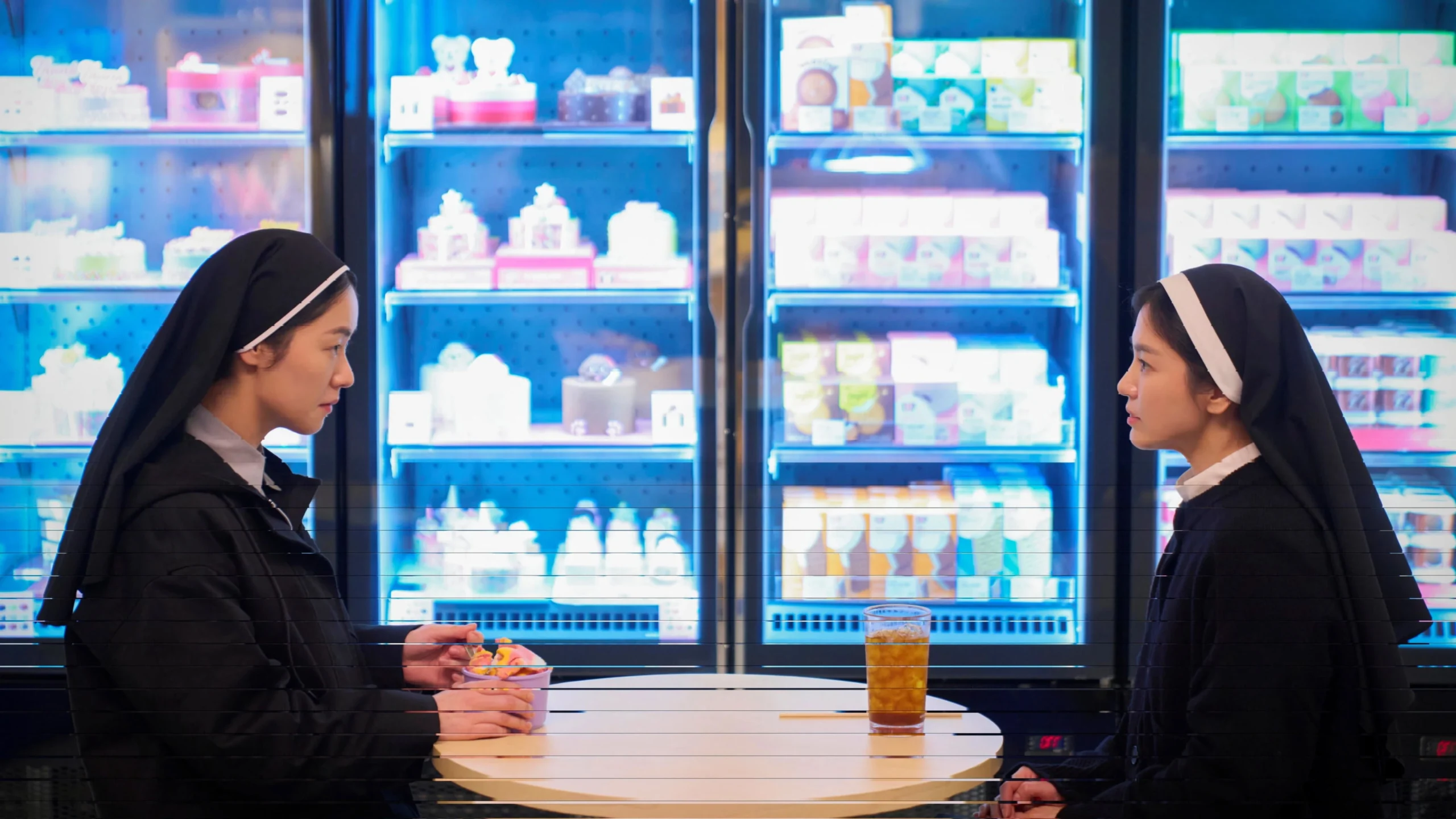
The inciting event is a collapse. A young boy named Choi Hee-joon — ordinary, quiet, unremarkable in every external respect — has been overtaken by a demon of a specific and terrifying designation: one of the 12 Manifestations, a theological category that carries serious weight in this film’s spiritual universe. The Church’s appointed exorcist has intervened and failed. The designated priest who could handle this level of entity is overseas and cannot return in time. Junia partially suppresses the demon during the chaos, but partial suppression is not deliverance, and the boy is deteriorating inside a Catholic hospital with a bureaucracy more interested in jurisdictional authority than in saving him.
What is at stake for Junia is not merely a child’s survival — it is the entirety of what she has built her life on. The Church explicitly forbids an unordained nun from performing an exorcism; to do so is to place herself outside its hierarchy and to risk everything her faith has given her. There is also the demon itself to consider, which seems to have a specific and personal interest in Junia’s cancer, weaponizing her mortality with the precision of something that knows exactly where a person is most fragile. The stakes are layered in a way that makes the film more than a supernatural procedural: Junia is fighting for the boy, fighting the institution, and fighting her own body simultaneously.
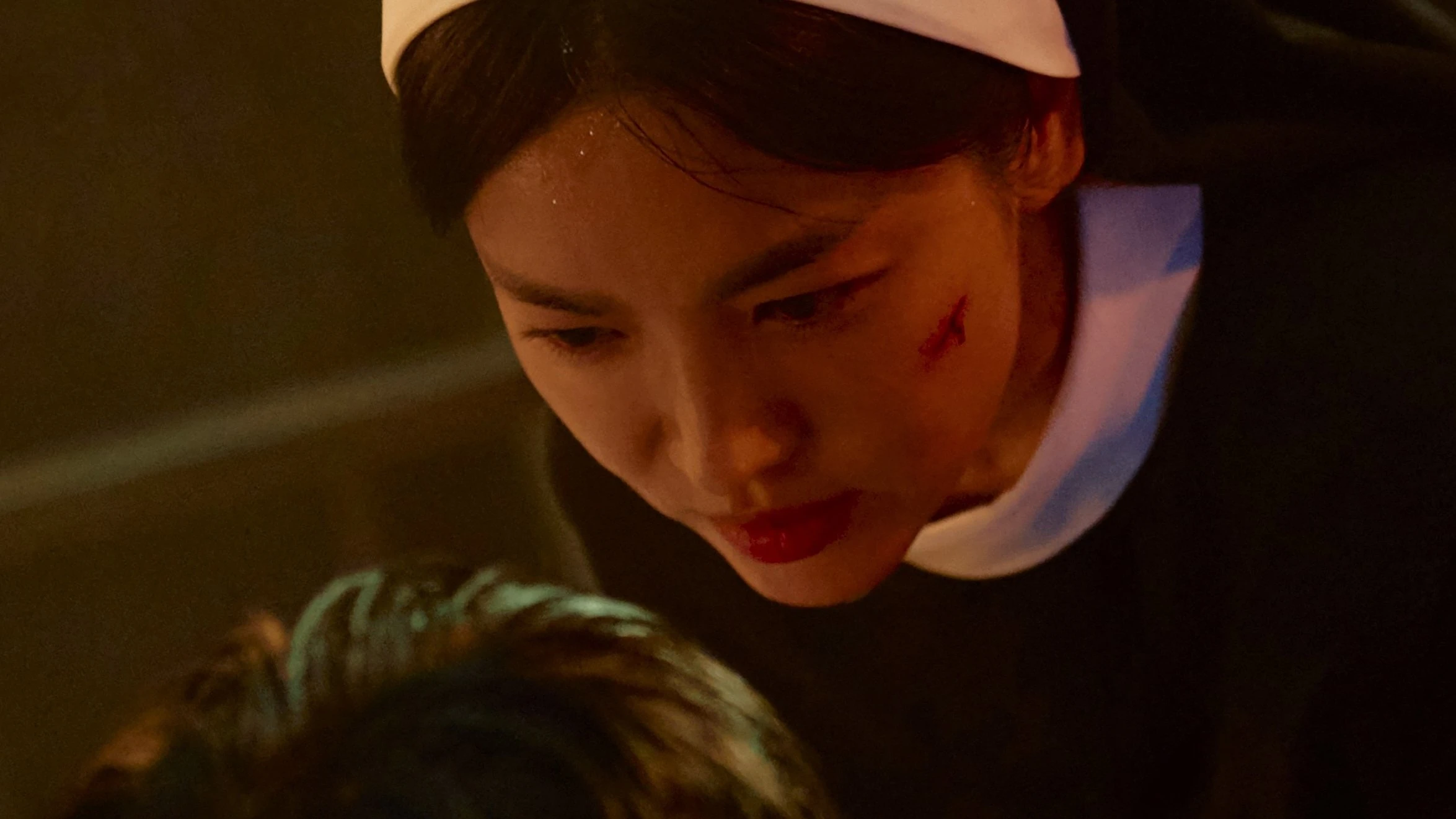
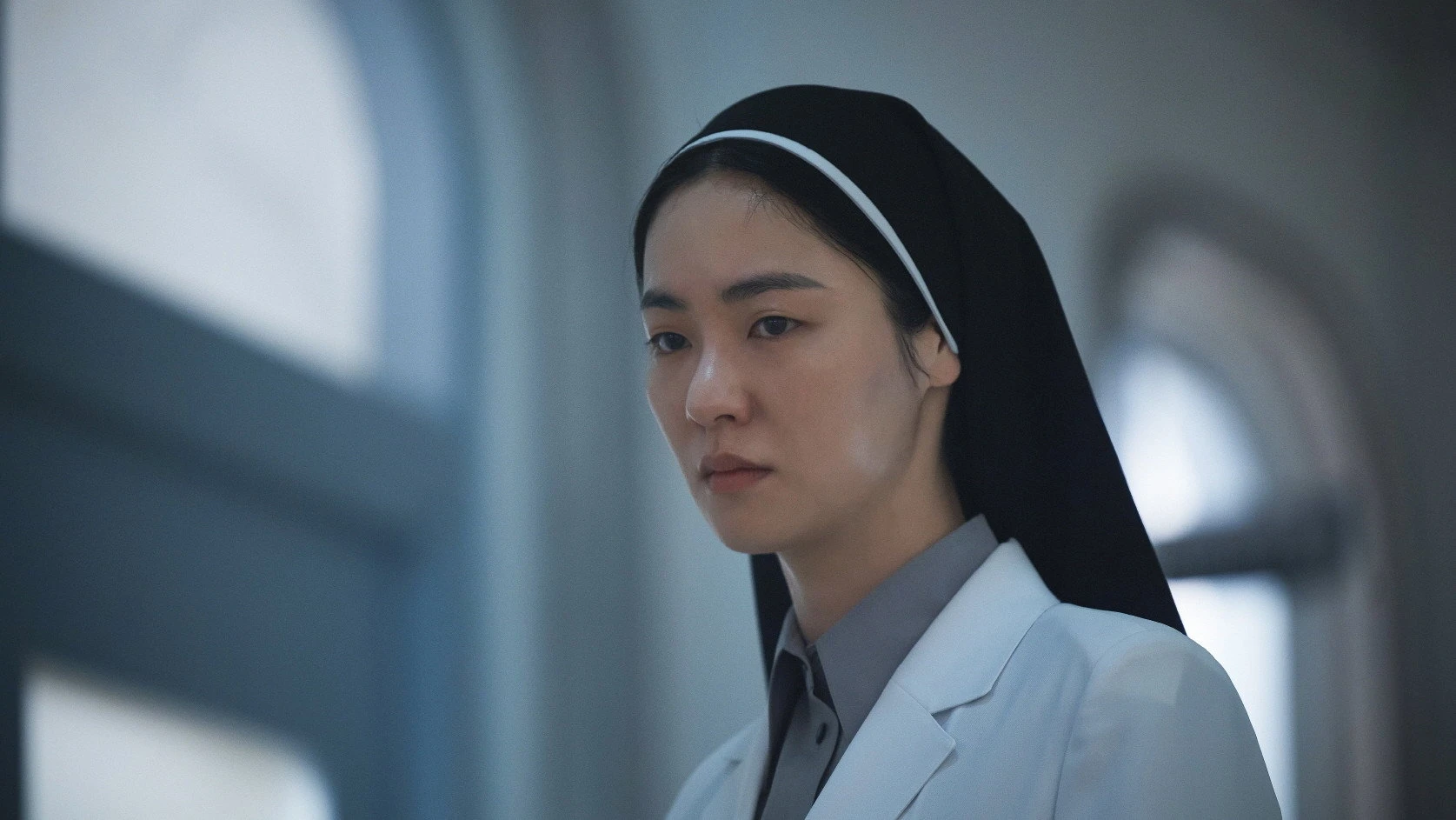
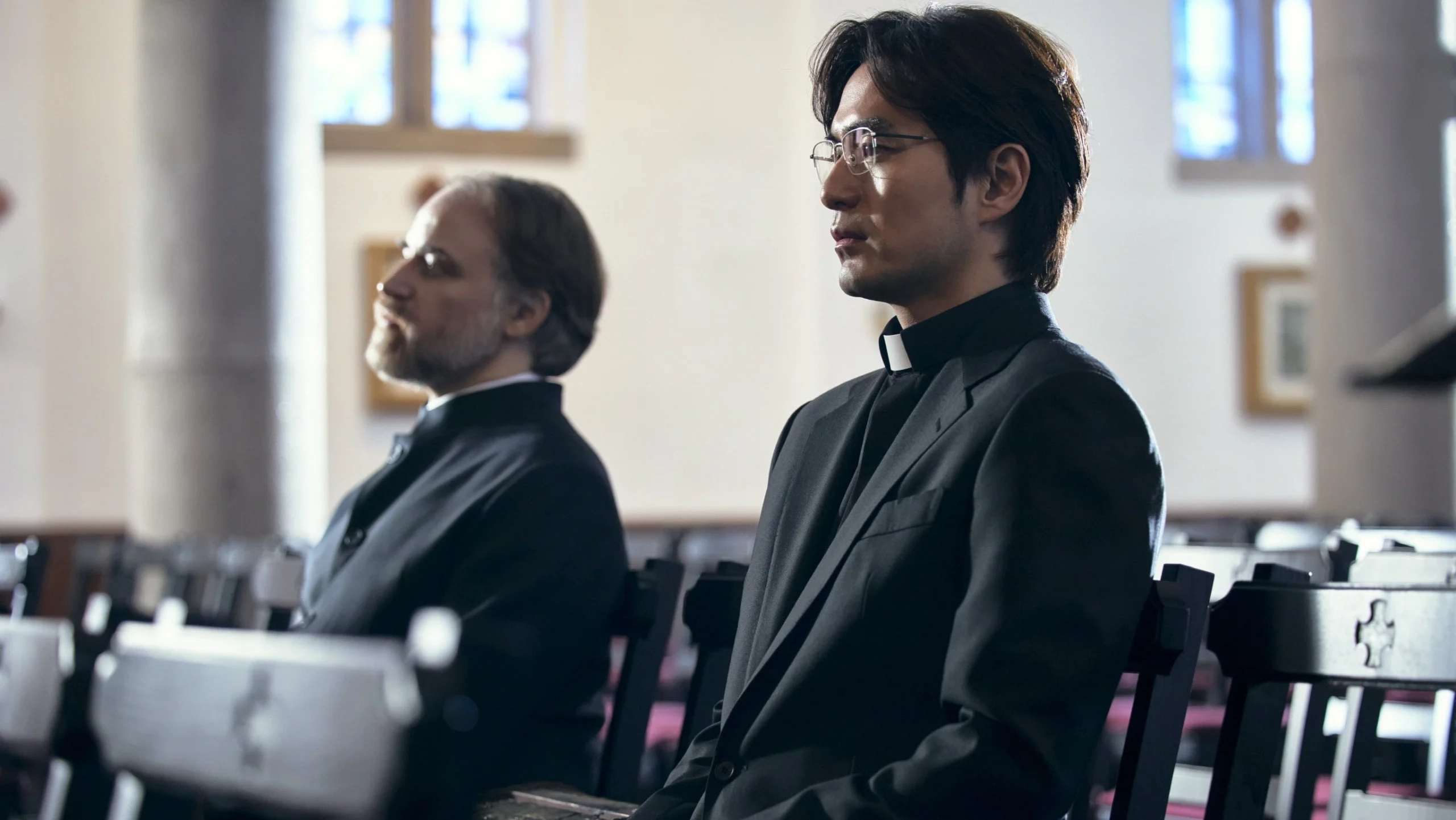
Sister Michaela is Junia’s reluctant partner and her opposite in almost every respect. Where Junia moves with the certainty of someone who has made peace with her course, Michaela is haunted — by a shamanic ability she was born into rather than chose, and by a past tragedy that her abilities contributed to in ways she has never been able to forgive herself for. Father Paolo, the attending physician-priest, represents the voice of rationalist institutional order: a man who genuinely believes medicine is the correct response and views the nuns’ plan as dangerous fanaticism dressed in faith. He is not a villain in any simple sense; his skepticism is sincere, which makes his obstruction all the more frustrating to watch. Then there is Hyo-won, the shaman brought in from entirely outside the Church’s walls — a presence that forces the film to acknowledge that the tools the institution provides may not be sufficient for the battle ahead.
What separates Dark Nuns from the standard exorcism film is that it is not primarily interested in the demon. It is interested in the institution. Most films in this genre ask: can the priest defeat the evil? Dark Nuns asks a more uncomfortable question: why is it a priest at all? The Church’s explicit reservation of exorcism as male-only clergy territory becomes the film’s central dramatic engine — not as an external commentary bolted onto a horror story, but as the architecture of the plot itself. The Korean title deliberately mirrors The Priests (2015) — the same construction, the female religious term substituted for the male one — and that substitution is the film’s thesis stated in its title before a single frame has played.
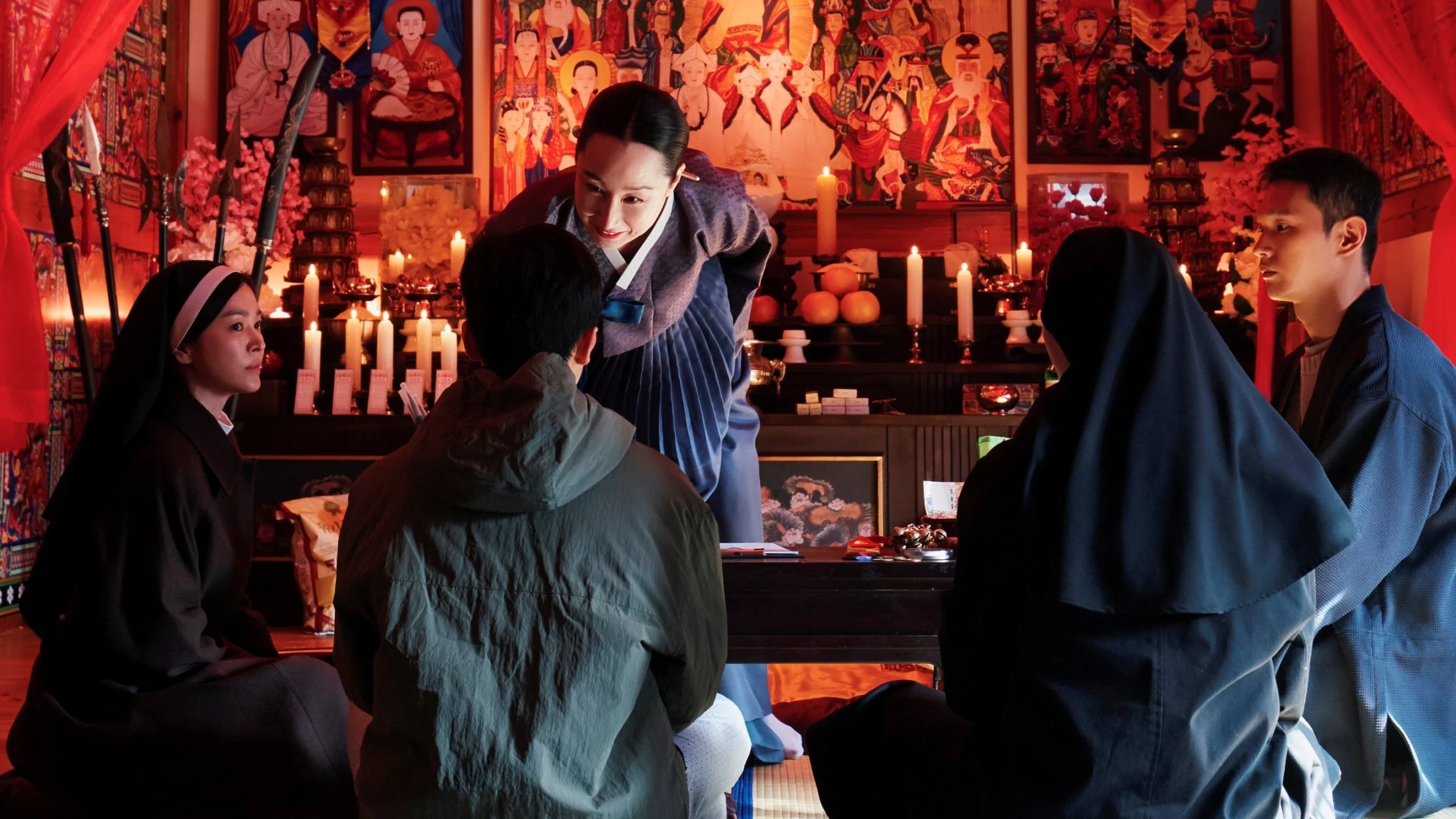
Director Kwon Hyeok-jae keeps his horror register atmospheric rather than visceral. Jump scares are rationed to the point of scarcity; the tension is built instead through dialogue, institutional obstruction, and the slow accumulation of dread that comes from watching capable people navigate a system that does not want them to succeed. The cinematography has been widely praised for its visual beauty — several sequences feel more like paintings than horror staging — and the film earns its extended exorcism finale through the emotional labor of its first two acts rather than through spectacle alone. For viewers expecting the kinetic horror of something like Train to Busan, the pacing will feel meditative. For viewers who respond to dread as a slow pressure rather than a sharp shock, it lands exactly as intended.
Dark Nuns lands with particular weight against the backdrop of Korean religious history. Korea carries a long tradition of mudang — shamanic practitioners, predominantly women — who have existed in tension with and alongside imported religions, including both Catholicism and Buddhism, for centuries. The film takes this syncretism seriously: Hyo-won’s participation in the ritual is not presented as comic relief or as a threat to orthodox faith, but as a genuine spiritual contribution that the Catholic framework cannot replicate on its own. This connects Dark Nuns to a broader wave of Korean supernatural cinema — post-Exhuma, post-The Wailing — in which the spiritual is treated as inseparable from cultural identity, and in which the intersection of Korean shamanism and Western religious tradition produces something neither tradition could have generated alone.
🏁 Ending Explained
Full spoilers ahead — what happens, what it means, and what the demon got wrong about Junia’s body.
Full Spoilers Ahead — This section covers the complete ending of Dark Nuns. Stop here if you haven’t watched.
The exorcism succeeds — at a cost only Junia could have chosen to pay. In the film’s extended climax, Sisters Junia and Michaela conduct the forbidden rite with Hyo-won’s drumming and chanting running parallel to the Catholic ritual. A Rosicrucian priest arrives from Italy — dispatched by a sympathetic Church faction — and grants the nuns formal authorization just in time to remove the last institutional barrier. The demon is expelled from Hee-joon’s body after a prolonged and physically devastating ritual. The boy survives. Gang Dong-won’s Deacon Choi appears in a brief cameo, threading this film back into the shared universe of The Priests. What happens next is the ending’s real argument.
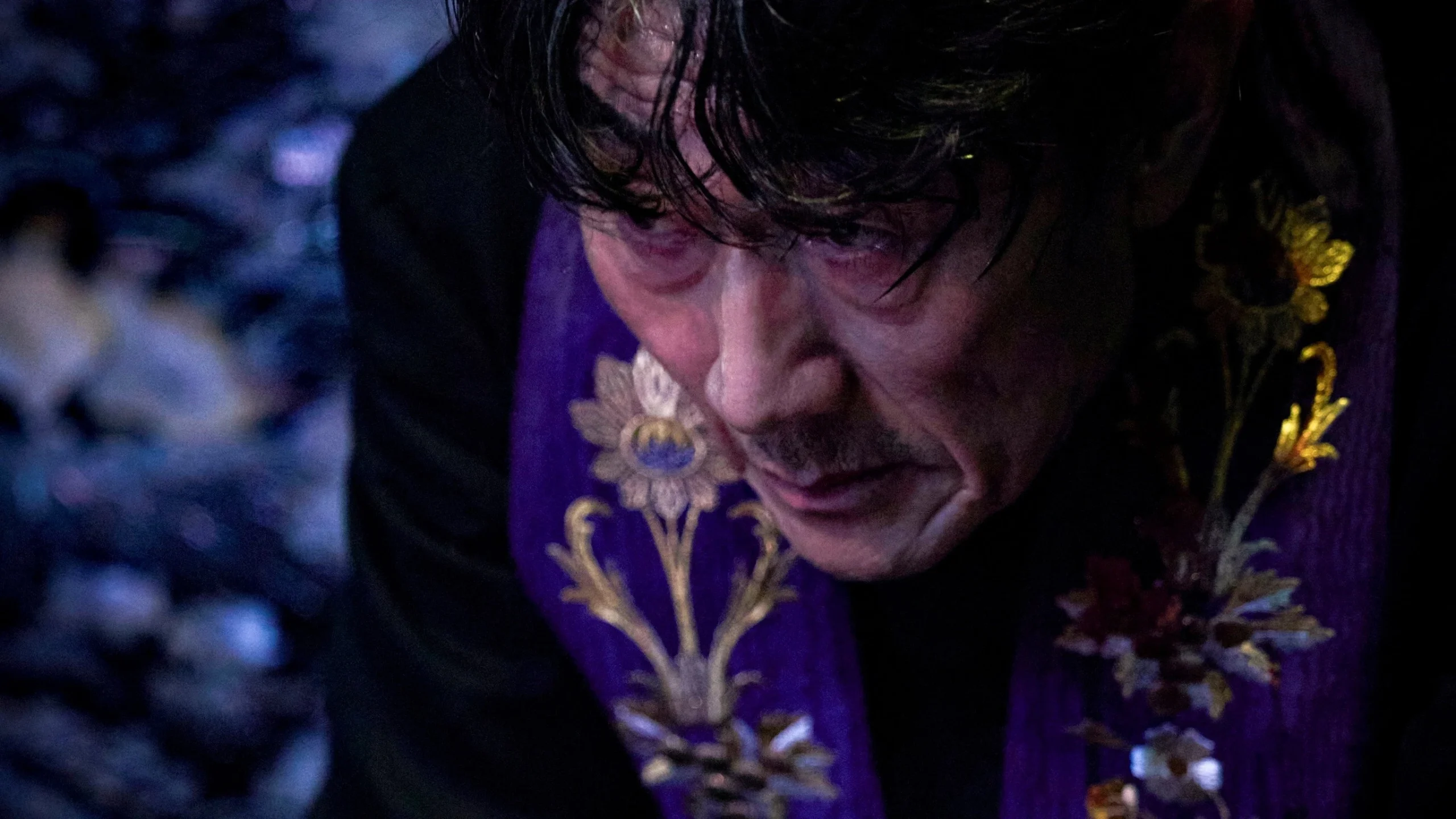
The demon is not destroyed. It is contained — inside Junia’s cancerous womb. In The Priests (2015), the expelled entity was trapped in a pig, a direct echo of the Gadarene swine passage in the Gospels. Dark Nuns replaces the pig with a woman’s dying body. The film is completely aware of what it is doing with this parallel. A surface reading equates Junia with the pig — a vessel for something unclean — which has led some critics to argue the film inadvertently undermines its own feminist premise at the moment of resolution. But the more defensible reading is the opposite: Junia chose this. Her cancer, which the demon had been weaponizing against her throughout the film — taunting her with her own timeline — becomes the very thing that makes her the ideal prison. The body the Church said was unfit to perform the sacred rite turns out to be the only vessel powerful enough to hold the demon that defeated every ordained alternative.
The ending poses questions it refuses to answer, and they are the right questions. Whether Junia survives her cancer after containing the demon — or whether the containment somehow alters the progression of her illness — is deliberately left unresolved. Whether the demon remains contained after her death, or whether the Church has a plan for what comes after, is equally open. Some viewers read the ending as tragedy sharpened by irony: a woman sacrifices herself to do a man’s job and is rewarded with a demon inside her dying body. Others read it as triumph: the sacrifice was deliberate, the agency was hers throughout, and her dying body accomplished what the institution’s authorized instruments could not. A third reading focuses on the syncretism: the exorcism only succeeds with the shaman present, suggesting that no single tradition has exclusive access to this kind of power.
KDW verdict: the ending is a consummation, not a punishment. The film spends 114 minutes cataloguing every way Junia’s body has been told it is insufficient — female, unordained, cancerous, dying. The ending inverts this entirely and retroactively. The demon that taunted her with her cancer was revealing its own fear, not just its cruelty: it understood what she was capable of even when the Church did not. In The Priests, the demon ends up in a pig. In Dark Nuns, the demon ends up in a woman who chose to be its prison. That is not an accident, and it is not a diminishment. The Church told Junia what her body could not do. Her body ended up doing the one thing no one else could.
What you notice on rewatch. Junia’s response to her cancer diagnosis in the early scenes — detached, almost administrative — reads entirely differently once you know the ending. She is not in denial; she has already decided what her remaining time is for. Her willingness to take on the forbidden exorcism is not impulsive heroism. It is a plan. Every moment where Father Paolo insists on medicine over faith stops looking like rational skepticism and starts looking like a man who cannot conceive of a woman’s body as a site of spiritual power. And every time the demon uses her cancer against her, it is — in retrospect — demonstrating that it already understands the threat she represents better than the institution that trained her ever did.
✍️ KDramaWorlds Editor’s Take
Song Hye-kyo has spent much of her career being cast as the woman men orbit. Dark Nuns gives her something rarer: a role defined entirely by what she is willing to lose. Sister Junia is not a romantic figure, not a tragic figure in the conventional sense, and not a martyr in any way the Church would officially recognize. She is a professional — a woman who has spent years doing dangerous work inside an institution that would prefer she not exist in the way she does — and Song plays her with the economy of someone who has stopped performing emotions for an audience. Every scene where Junia navigates bureaucratic obstruction while a child is dying in the next room carries a specific, precise fury, and Song delivers it without ever raising her voice.
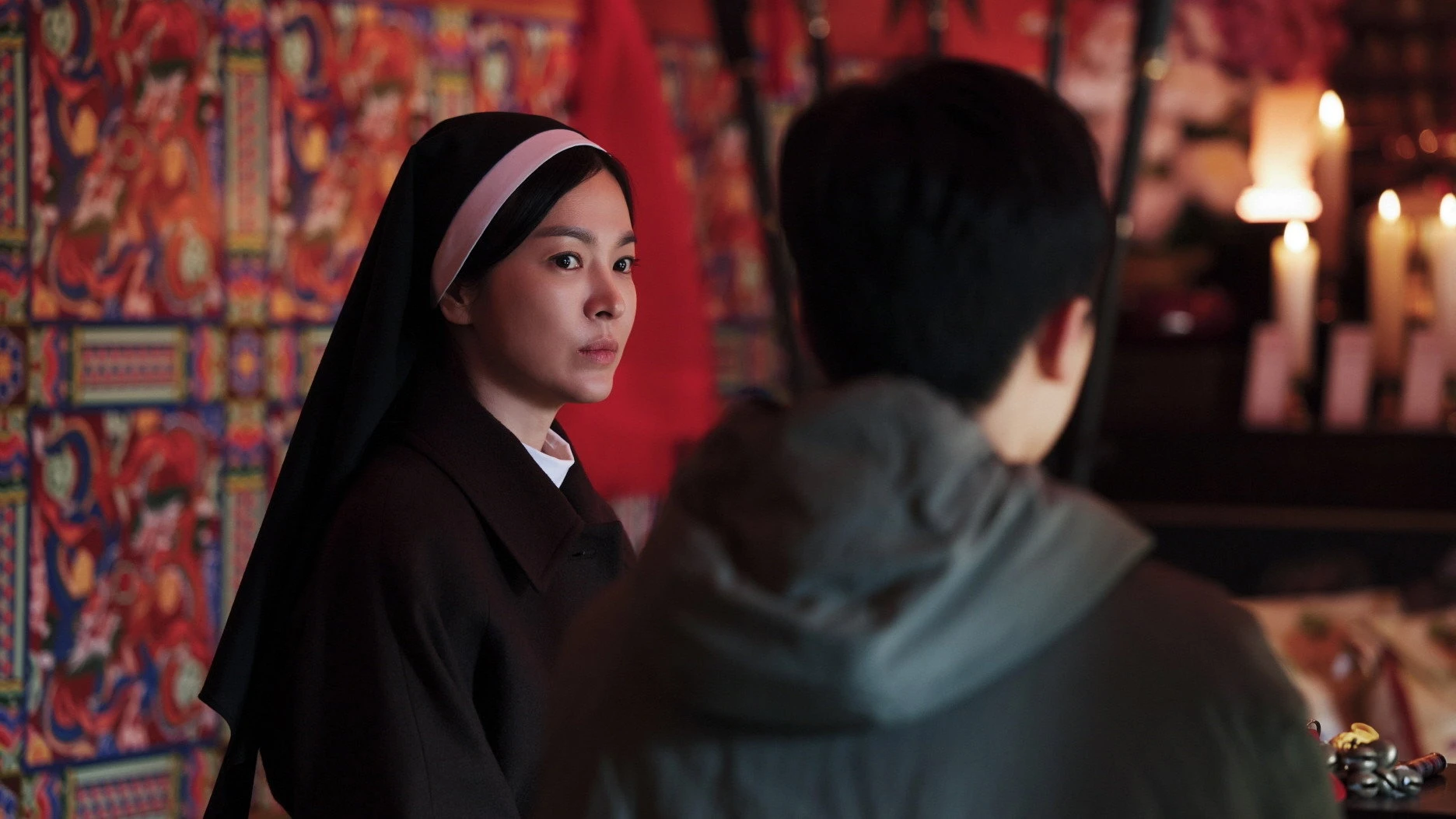
Jeon Yeo-been is the more complicated performance, and in some ways the more interesting one. Michaela’s reluctance is not timidity — it is someone trying to keep a version of themselves intact that an inheritance she didn’t ask for keeps threatening to dissolve. The scenes where her shamanic past reasserts itself against her active resistance are the film’s most quietly unsettling, and Jeon plays them with a physicality that doesn’t announce itself as special effects preparation. The chemistry between the two leads is unusual: not warmth, not friendship exactly, but the specific mutual recognition of two people who are each carrying something the other cannot fully see.
Director Kwon Hyeok-jae’s restraint is the film’s most debated quality. The horror register here is slow, deliberate, and fundamentally procedural — this is an exorcism film structured like a medical drama, complete with the institutional friction that implies. Viewers expecting the kinetic dread of The Wailing or the ensemble chaos of Train to Busan will find it frustrating. Viewers who respond to dread as accumulated pressure — the kind that comes from watching capable people work against systems designed to stop them — will find it quietly relentless. The final ritual sequence earns its weight because the film spent two acts building the precise architecture of everything standing between these two women and that moment.
If you have recently watched The Call (2020) and found yourself wanting more films that use the supernatural to explore what women do with systems built against them, Dark Nuns is the natural next watch. The tones are very different — The Call operates at a sprint, Dark Nuns at a walk — but both films ask the same essential question about institutional power and female agency. For horror fans who have watched the recent Korean wave of occult cinema beginning with Exhuma, it also offers a useful companion piece on Catholic-shamanic syncretism as cinematic territory.
🎬 You Might Also Like
If you liked Dark Nuns, these are your next three watches.
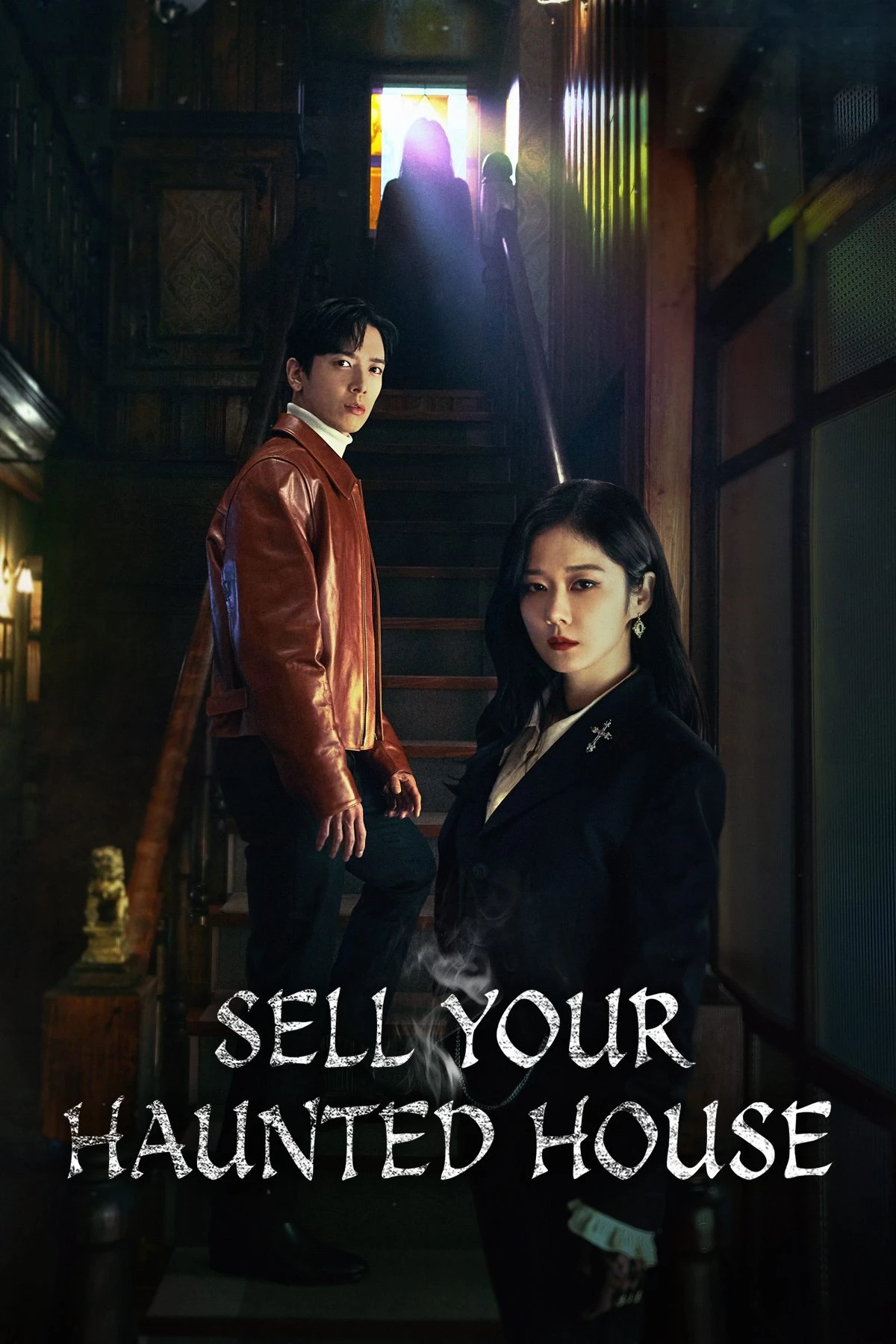 Sell Your Haunted House
case of the weekExorcism
Read Full Review →
|
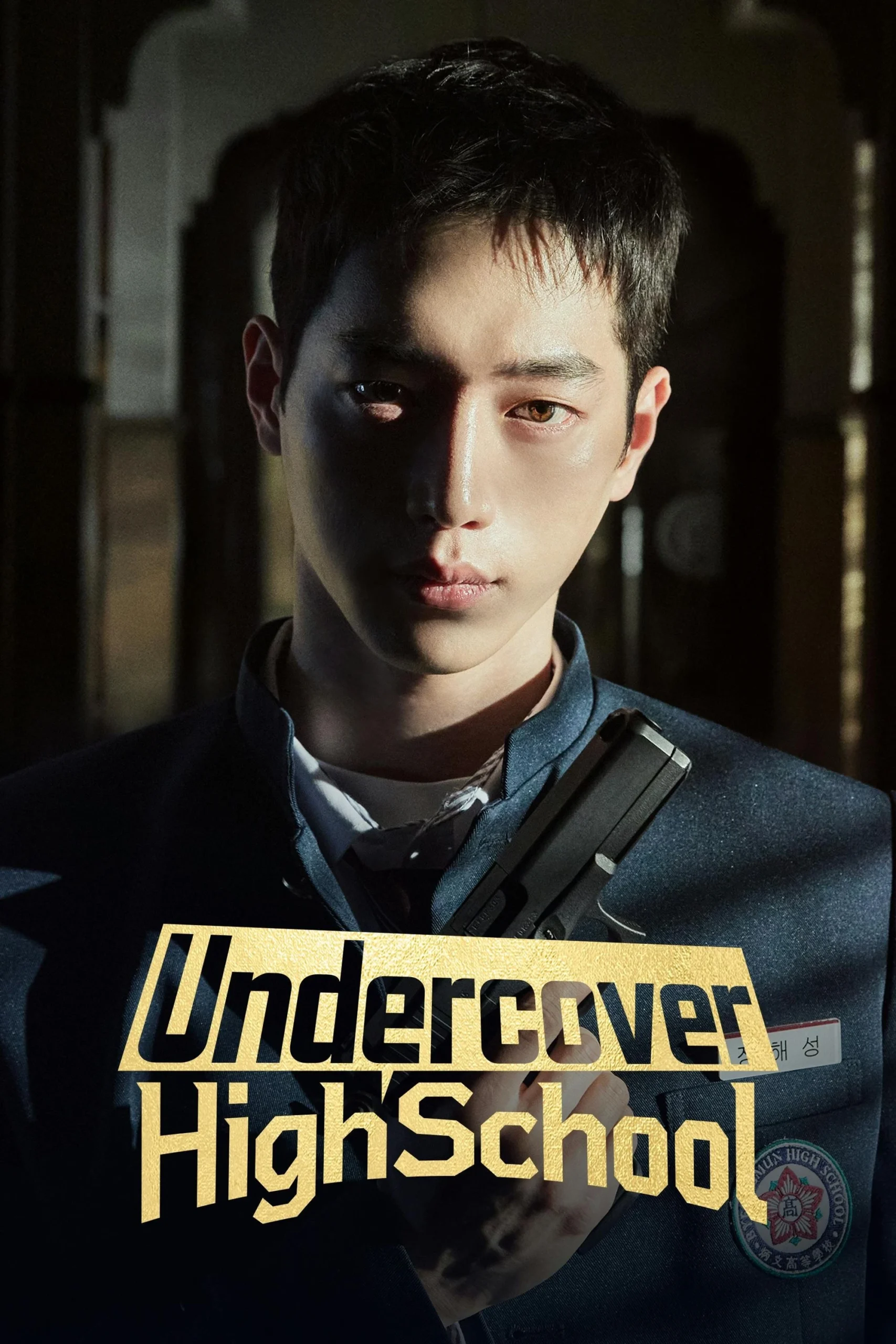 Undercover High School
conspiracyJin Ki-joo
Read Full Review →
|
 Cinderella Game
ChaebolChoi Shang
Read Full Review →
|








Keep it kind, skip the harsh language, and please — no spoilers. Everyone's taste is different, and that's perfectly fine.
This space is for real reactions and discussion from other viewers. Help keep it comfortable for everyone by not giving away major plot details.
What do you think of this drama?
Login to share your review or leave a comment.
No email needed — just pick a username & password.