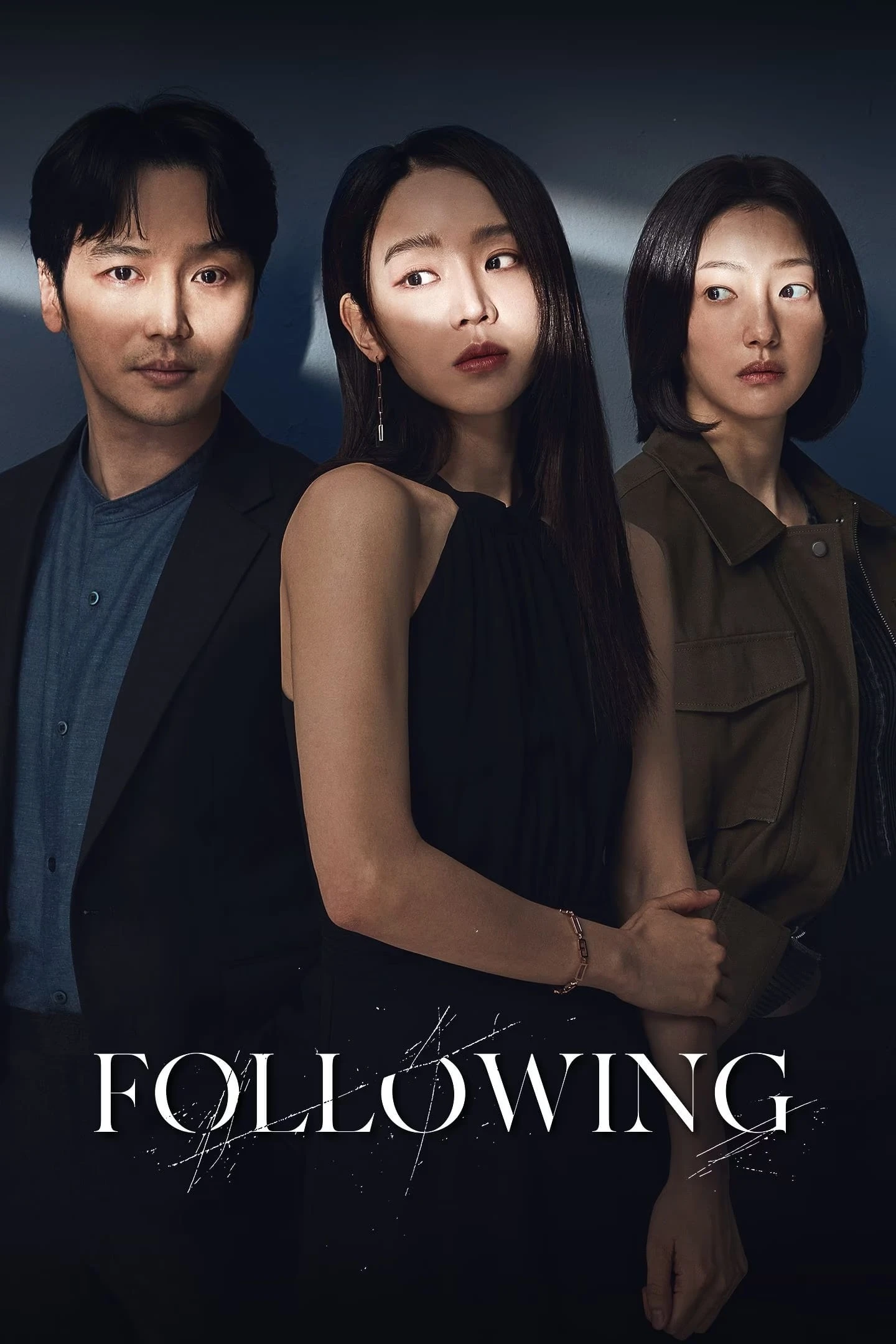
Following
🎬 Film Overview
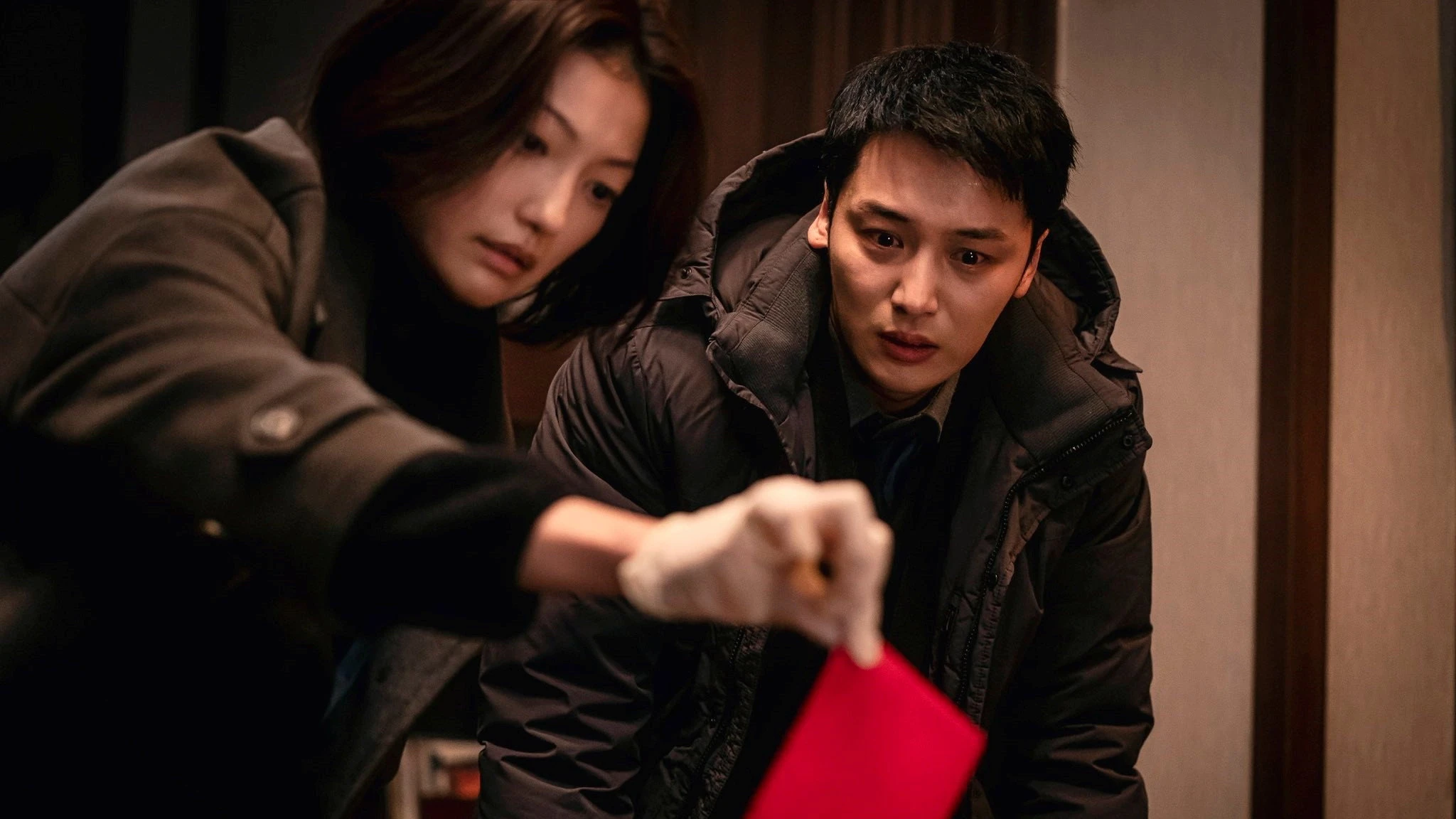
Realtor Koo Jung-tae has a despicable secret: he sneaks into strangers’ homes after showings, peering into their lives when no one is watching. His curiosity sharpens when social media influencer Han So-ra leaves her house key at his agency — because what he finds inside her apartment doesn’t match the polished life she sells online. So-ra is a compulsive scammer hiding dangerous truths behind a perfect feed. Then one day Jung-tae visits again and finds her dead on the sofa. When he returns the next day, the body is gone — replaced by a note claiming he is the murderer, and demanding he find the real killer himself.
⚡ Quick Verdict
One box. Everything you need to decide.
· MDL · Check MyDramaList for updated community rating
· 6.5 / 10 IMDb
▶ Official Trailer
🎭 Cast & Characters
Twelve performances — most of them hiding something.

Lead

Lead
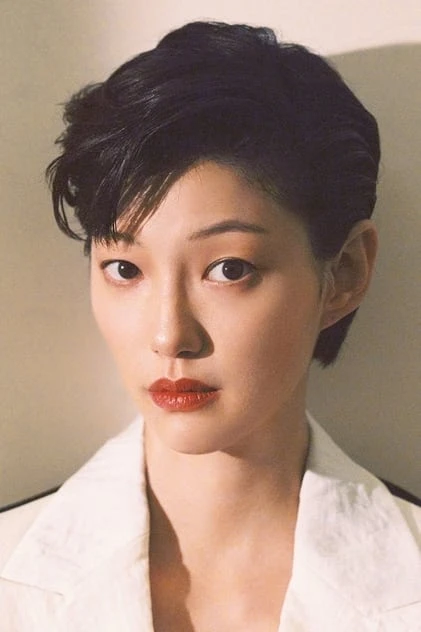
Supporting
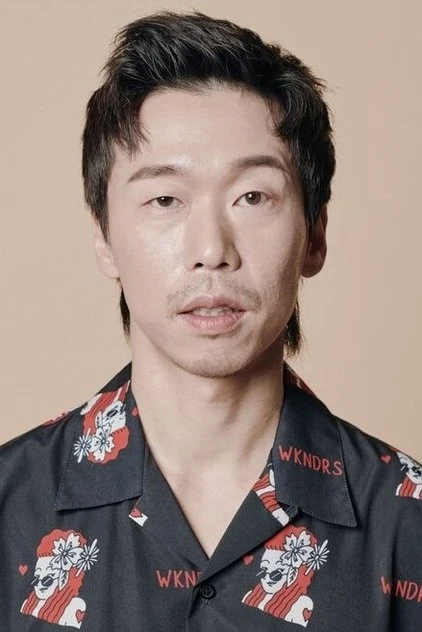
Supporting
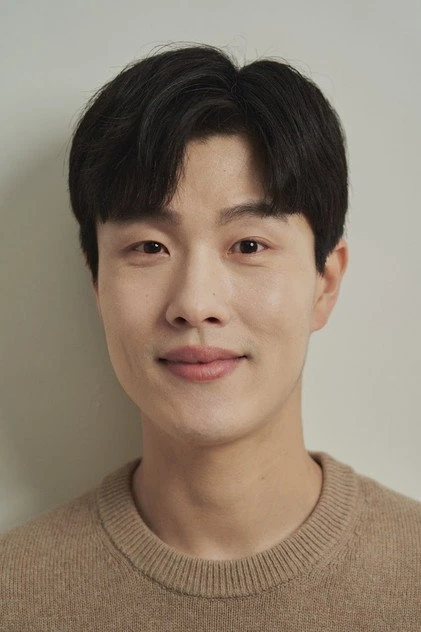
Supporting
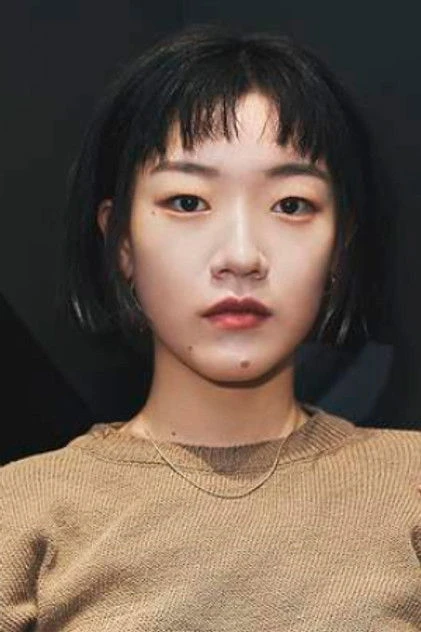
Supporting
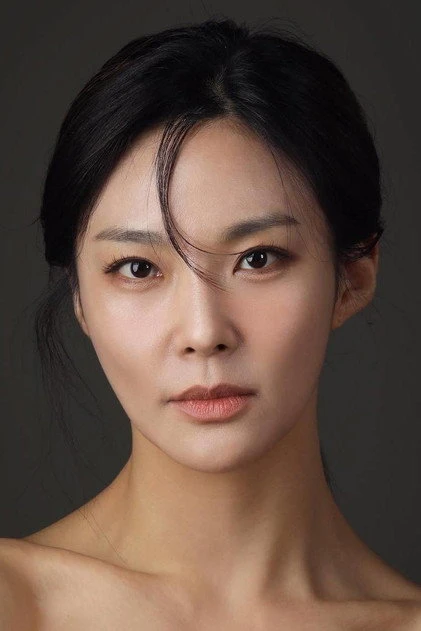
Supporting
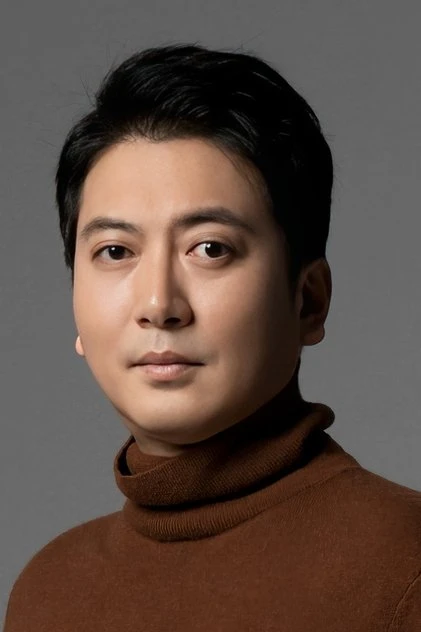
Supporting

Supporting
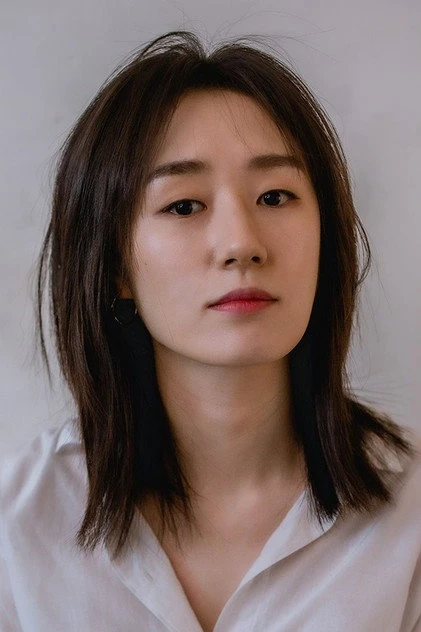
Supporting
Supporting

Supporting
📖 The Story
No spoilers — just enough to know if this is your film.
What Koo Jung-tae takes from strangers’ homes is not objects. He’s a Seoul real estate agent with legitimate access to apartments — and an illegitimate habit of staying after the keys are returned. He sits in their chairs, opens their drawers, reads the private evidence of lives that have no idea they’re being witnessed. He doesn’t steal. He doesn’t touch anything. He just looks. The compulsion is specific and quiet and, he has convinced himself, harmless — a man who understands people by watching them without their knowledge, which is not understanding at all.

The film’s inciting event is a key left behind. Instagram influencer Han So-ra visits his agency and forgets her house key. The professional response is obvious. Jung-tae keeps it. What he finds when he uses it to enter her apartment is not the immaculate life she curates for her followers — it’s evidence of systematic deception: scam operations, false identities, people she has hurt and moved on from without looking back. He knows something he was never meant to know. Then one day he visits So-ra’s apartment and finds her dead on the sofa.
The horror doubles immediately. When Jung-tae returns the following day, the body is gone. In its place: a handwritten note. The note tells him he is the murderer in everyone’s eyes, and that if he wants to avoid prison, he has to find who actually did it. The trap is complete before he understands he’s in one. Every piece of evidence at the scene points to him. His voyeurism — the one secret he has kept perfectly for years — is about to become the most public thing about him.

The people moving around Jung-tae each carry their own angle on So-ra’s death. The Detective Team Leader builds a case with Jung-tae at its center — methodical, unsympathetic, entirely correct to be suspicious. Oh Young-ju is So-ra’s friend: present, watching, never quite where you expect her to be. Lee Jong-hak is a prison visitor connected to So-ra’s past through channels the film reveals carefully. Ji-hee knows more than she says. The film assembles a precise architecture of partial information, and Jung-tae — like the audience — has to decide who to trust before he knows who anyone actually is.
What makes Following work as a thriller is the inversion at its core. Jung-tae spent years watching other people without their knowledge. Now someone is watching him — predicting his movements, leaving notes that arrive before he’s made the decisions that would make them necessary. The film turns the voyeur into the object of someone else’s gaze, and there is a deliberate, almost surgical cruelty to how that reversal is staged. The question stops being “who killed So-ra?” and becomes something more uncomfortable: who has been watching Koo Jung-tae, and how long?
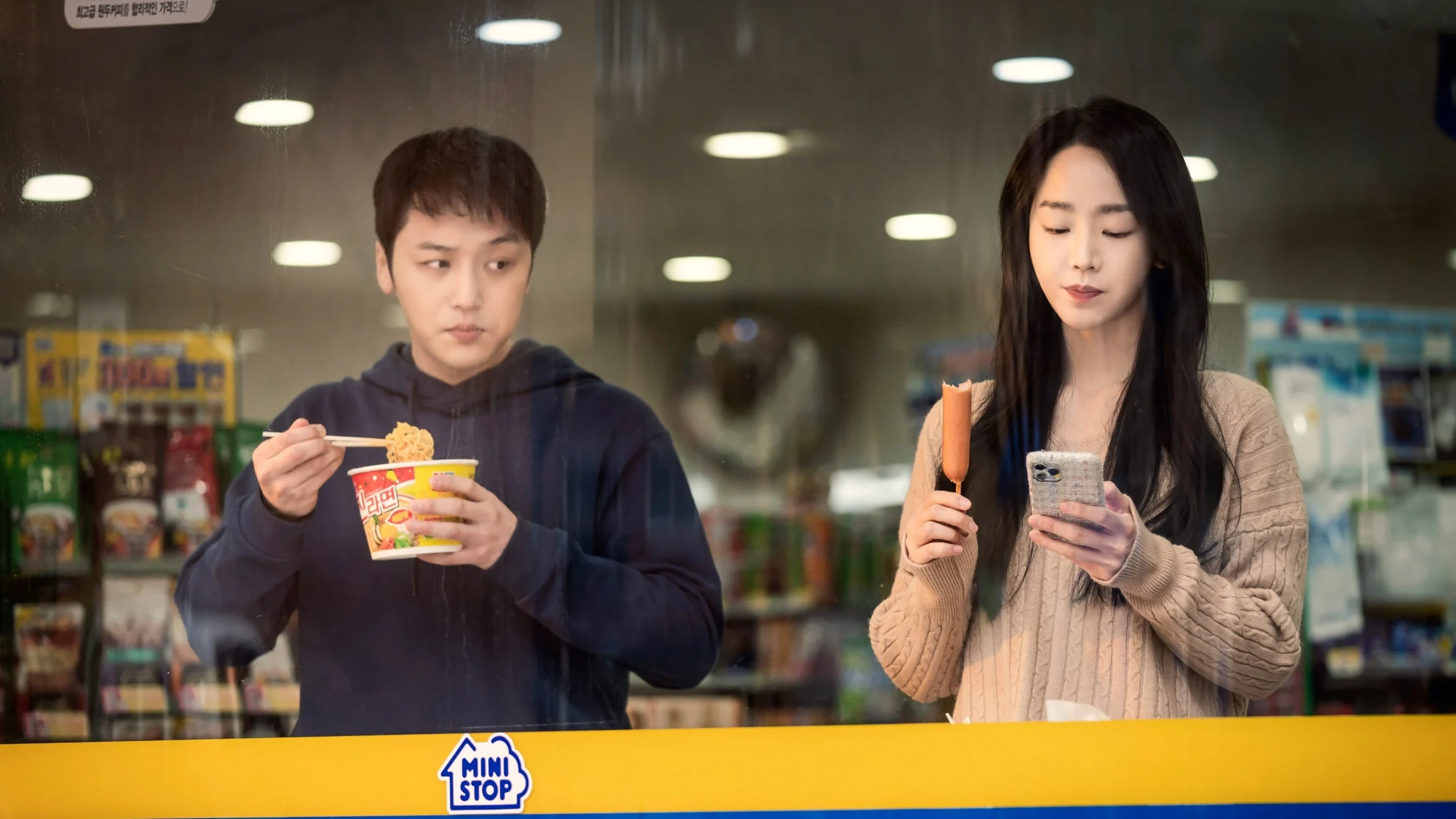
The film moves with the controlled tension of a thriller that knows exactly how much to show and when. Director Kim Se-hwi is interested in the space between performance and reality — the gap between So-ra’s curated feed and the wreckage behind it, the gap between Jung-tae’s ordinary professional exterior and what he does inside other people’s homes. The visual style underscores this: So-ra’s apartment is bright, photogenic, shot like an Instagram post; the moments of genuine menace are dark, close, deliberately un-beautiful. The pacing is efficient without feeling rushed, and the film earns its 103 minutes by never wasting a scene.
The film’s Korean title — 그녀가 죽었다, “She Has Died” — is more direct than the English translation, and that directness is a clue. “Following” implies pursuit, an active motion forward. The Korean title is a statement of fact, an ending placed at the beginning. The film is interested in what that death reveals about the culture that produced both So-ra and Jung-tae: a world in which performing a life has become more legible, and arguably more real, than living one. Han So-ra built her entire existence as a product for consumption. Jung-tae consumed her — first through her apartment, then through the disaster of her death — and the film implicates both of them without exonerating either.

🏁 Ending Explained
Full spoilers ahead — the truth behind the notes, the murder, and what the film is actually saying.
Full Spoilers Ahead — This section covers the complete ending of Following. Stop here if you haven’t watched.
Oh Young-ju is So-ra’s twin sister, and she is the one who sent the notes. The finale reveals that Young-ju killed So-ra to take over her identity and her social media following — a murder that was not about revenge but about replacement. The confrontation between the sisters ended when So-ra refused to let Young-ju assume her life, and Young-ju chose the knife over the negotiation. Young-ju then began manipulating Jung-tae through the notes: she needed a scapegoat, someone whose presence at the apartment was real and provable, and Jung-tae — with his unlawful visits on record — was perfectly convenient. When Jung-tae finally confronts her, she disappears. He is left as the most plausible suspect in a murder he had no part in committing.
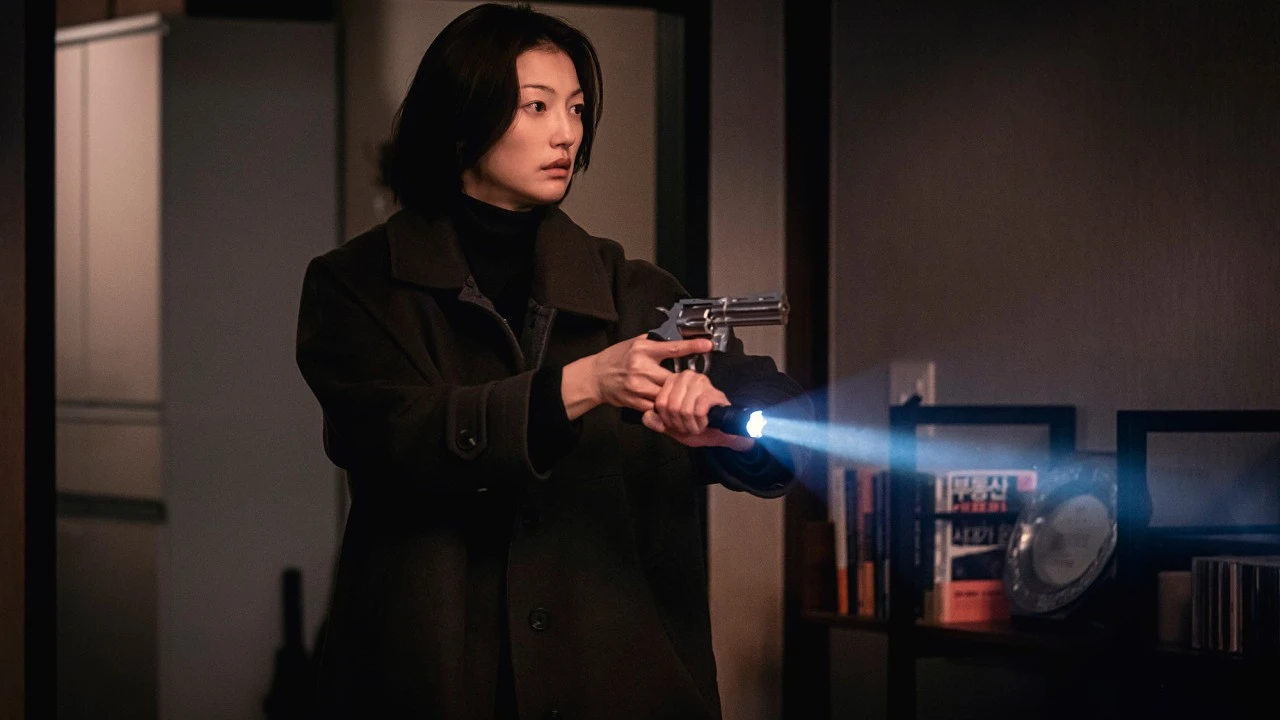
The ending’s true subject is not the murder — it’s what Young-ju chose instead of existing. She didn’t kill her sister for inheritance or malice. She killed her to become her. The influencer identity So-ra had built — the followers, the persona, the constructed life — was worth more to Young-ju than any life of her own. Which is the most extreme version of what the film has been tracking all along: a culture in which performing a life has become more real than living one. Jung-tae spent years watching people through their apartments. Young-ju spent years watching her sister through a screen. Neither one could stop at observing. Both crossed a line. Only one of them used a knife to do it.
The film leaves Young-ju’s fate deliberately unresolved. She escapes. Does she continue living as So-ra — continuing the performance, inheriting the followers who never knew the difference? Does Jung-tae find evidence that clears him, or does the weight of his voyeurism ultimately trap him in a guilt he can’t explain without confessing to something else? Two readings compete. The first: Jung-tae is entirely a victim, and the film is about how his private obsession made him the perfect fall guy for someone who understood how easily the truth can be overwritten. The second: Jung-tae’s voyeurism was always a kind of violence, and being framed for murder is what that kind of violence eventually costs — not legally, but cosmically.
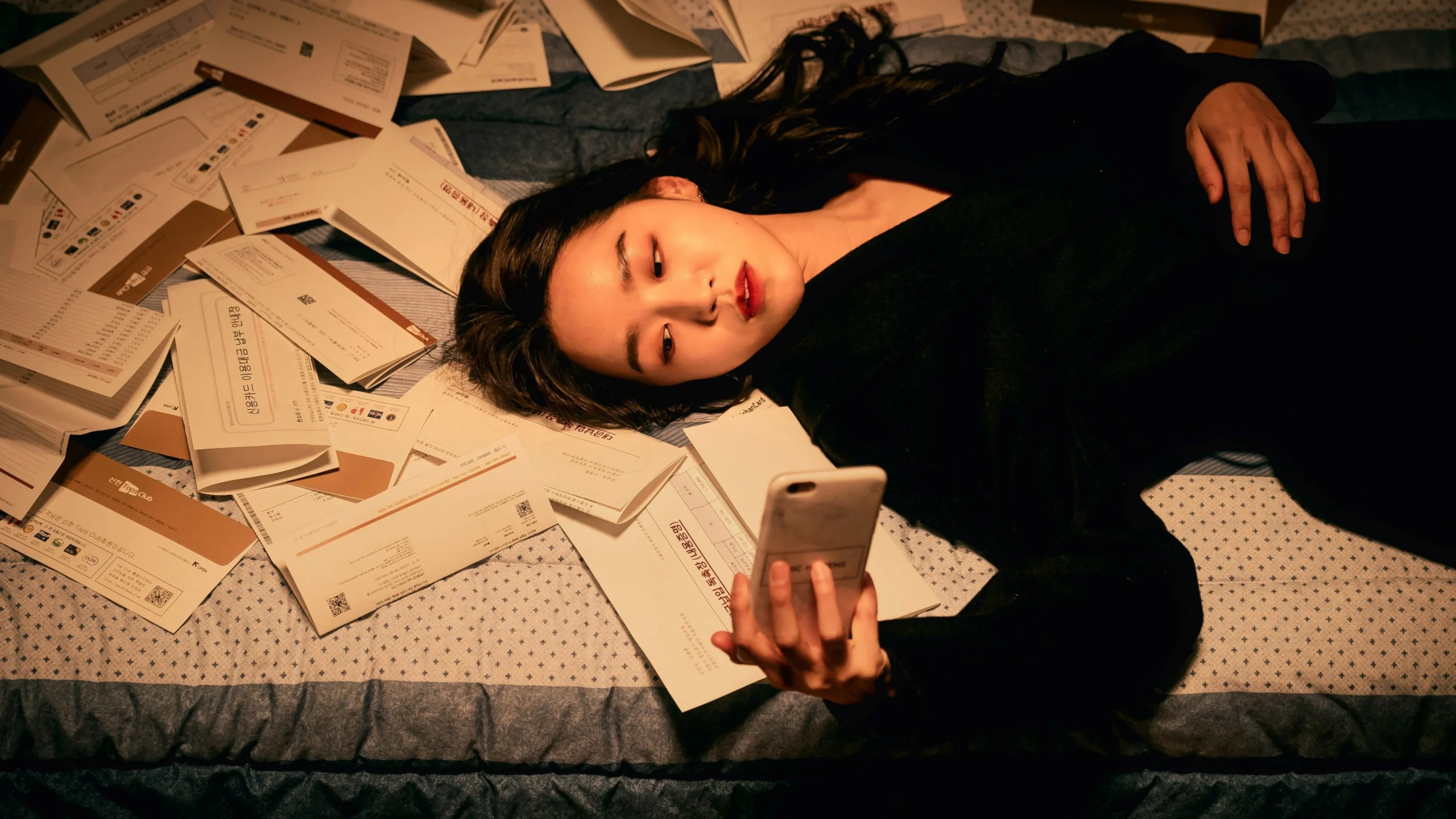
The KDW verdict is that both readings are true, and the film intends them to coexist. Young-ju’s escape isn’t a loose end — it’s a formal statement. The culture that made So-ra into a product and Young-ju into a shadow continues. Jung-tae, who violated strangers’ privacy for years without consequence, finally encounters a consequence — and it’s disproportionate in exactly the way real consequences rarely are. **The film’s thesis is that in influencer culture, everyone is both stalker and victim, and the truth is the first thing sacrificed for the perfect image.**
On rewatch, Young-ju is in almost every scene — and she’s always watching. The notes she leaves contain details she could only know if she had been tracking Jung-tae’s movements into So-ra’s apartment from early on. The apartment’s layout — where Jung-tae enters, where So-ra’s body was placed — maps onto the twin dynamic once you know to look for it. Han So-yeong, the name listed on certain documents, is the thread the film plants and lets most viewers miss entirely. Following is structured so that the audience, like Jung-tae himself, is watching the wrong person until it’s too late to unsee the one who was always in the room.
✍️ KDramaWorlds Editor’s Take
Our honest read on why this film is worth your time — and who it’s for.
Kim Se-hwi
Byun Yo-han built his reputation on warmth — the earnest man under pressure, the decent person who survives difficult circumstances with his fundamental goodness more or less intact. Following deliberately damages that image. His Koo Jung-tae is compromised from the first frame, and the film never asks the audience to forgive him for it — only to keep watching, which is a different thing. What Byun Yo-han does here is hold Jung-tae in a specific register: not quite sympathetic, not quite condemnable, the exact temperature of a person whose obsession is wrong but whose wrongness the film understands in human terms. He’s been performing normalcy for so long that even his panic, when it comes, looks practiced.

Shin Hae-sun’s Han So-ra appears almost entirely through mediation — Jung-tae’s recordings, his memories of her, the curated feed she left behind. The film uses this formally: So-ra is never seen unfiltered, because there is no unfiltered version of her to see. Everything she is has been constructed for an audience. Lee El’s Oh Young-ju is the film’s most controlled performance — still when she could move, watching when she could react, present in ways that only make sense the second time through. For viewers who enjoy Korean thrillers that use genre mechanics to make genuinely uncomfortable psychological arguments, A Killer Paradox (2024) is the closest neighbor — another film about moral complicity that refuses to resolve its protagonist into a clean verdict.
The film’s limitation is compression. At 103 minutes, it moves efficiently — but the prison visitor subplot and several supporting relationships feel functional rather than inhabited. Kim Se-hwi knows exactly what he wants to do with his central conceit, and he does it well; it’s the surrounding architecture that occasionally feels like scaffolding rather than structure. Following is still worth your 103 minutes, and Lee El’s final scenes are worth considerably more than that. The voyeur becomes the watched. The stalker gets followed. The film is too precise about this reversal to be anything other than deliberate.
Anyone who’s thought about the gap between online personas and real people
Byun Yo-han fans ready to see him morally complicated
Rewatch enthusiasts — this film earns a second viewing
🎬 You Might Also Like
If you liked Following, these are your next three watches.
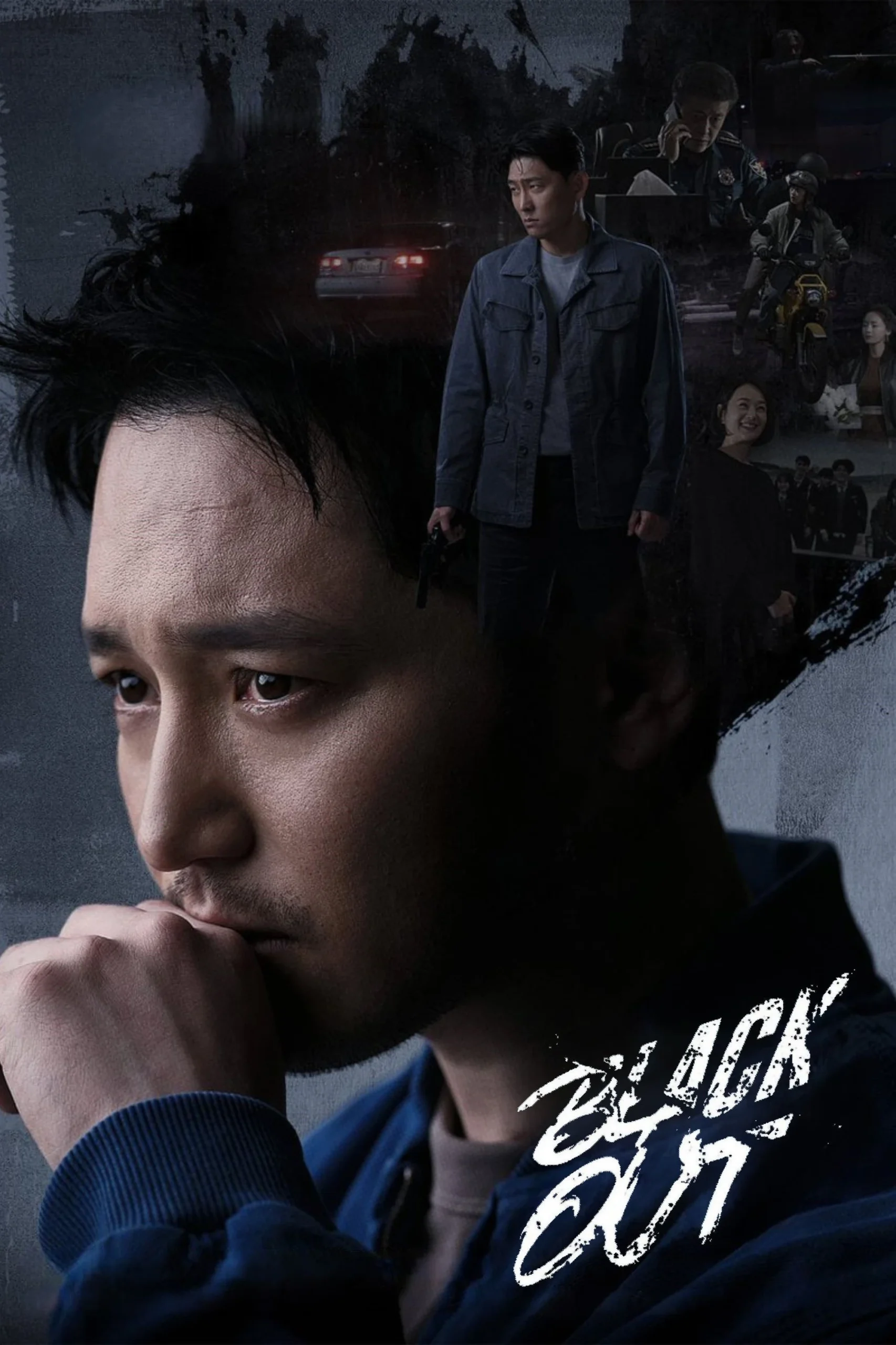 Black Out
Byun Yo-hancrime
Read Full Review →
|
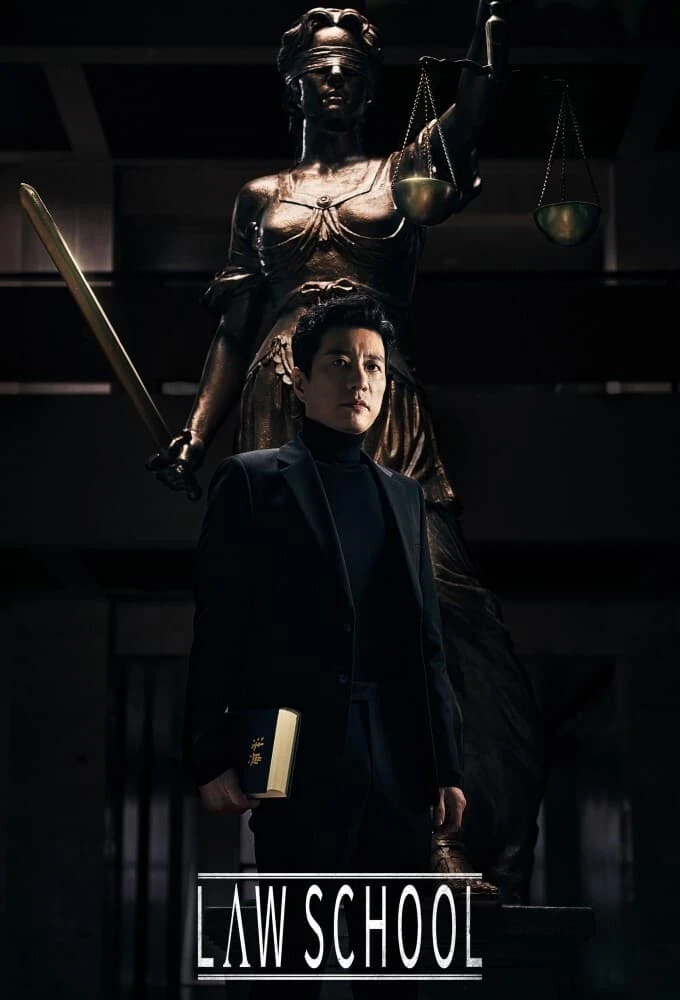 Law School
Courtroom Dramacrime
Read Full Review →
|
 Dear Hongrang
Family SecretsHistorical
Read Full Review →
|








Keep it kind, skip the harsh language, and please — no spoilers. Everyone's taste is different, and that's perfectly fine.
This space is for real reactions and discussion from other viewers. Help keep it comfortable for everyone by not giving away major plot details.
What do you think of this drama?
Login to share your review or leave a comment.
No email needed — just pick a username & password.