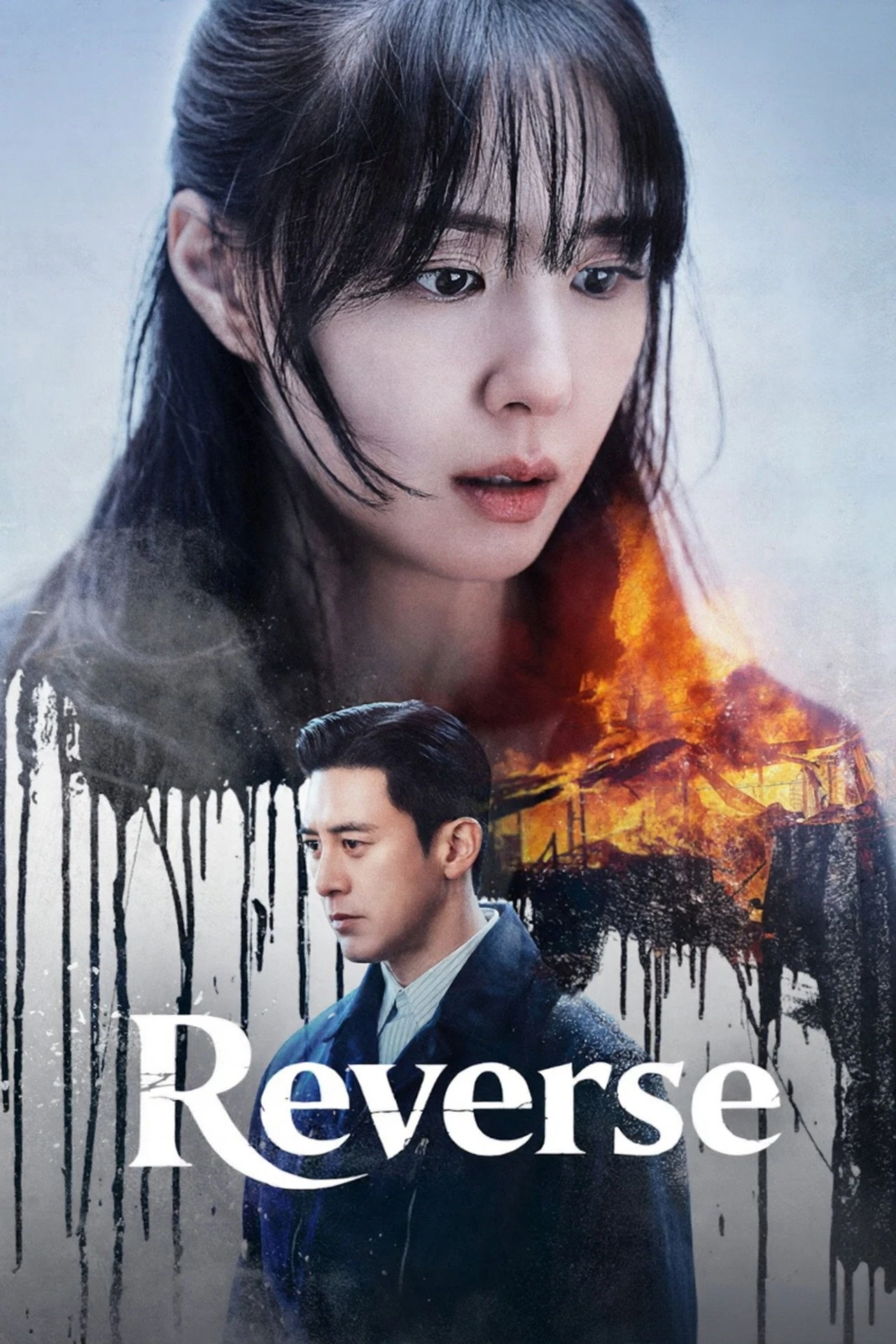
Reverse
🎬 Viu · Apple TV+ · KOCOWA+ · Vidio
⭐ 7.1 MDL
📺 15+
📋 Drama Overview
🔥 Thriller Pick
Apple TV+
KOCOWA+
Vidio
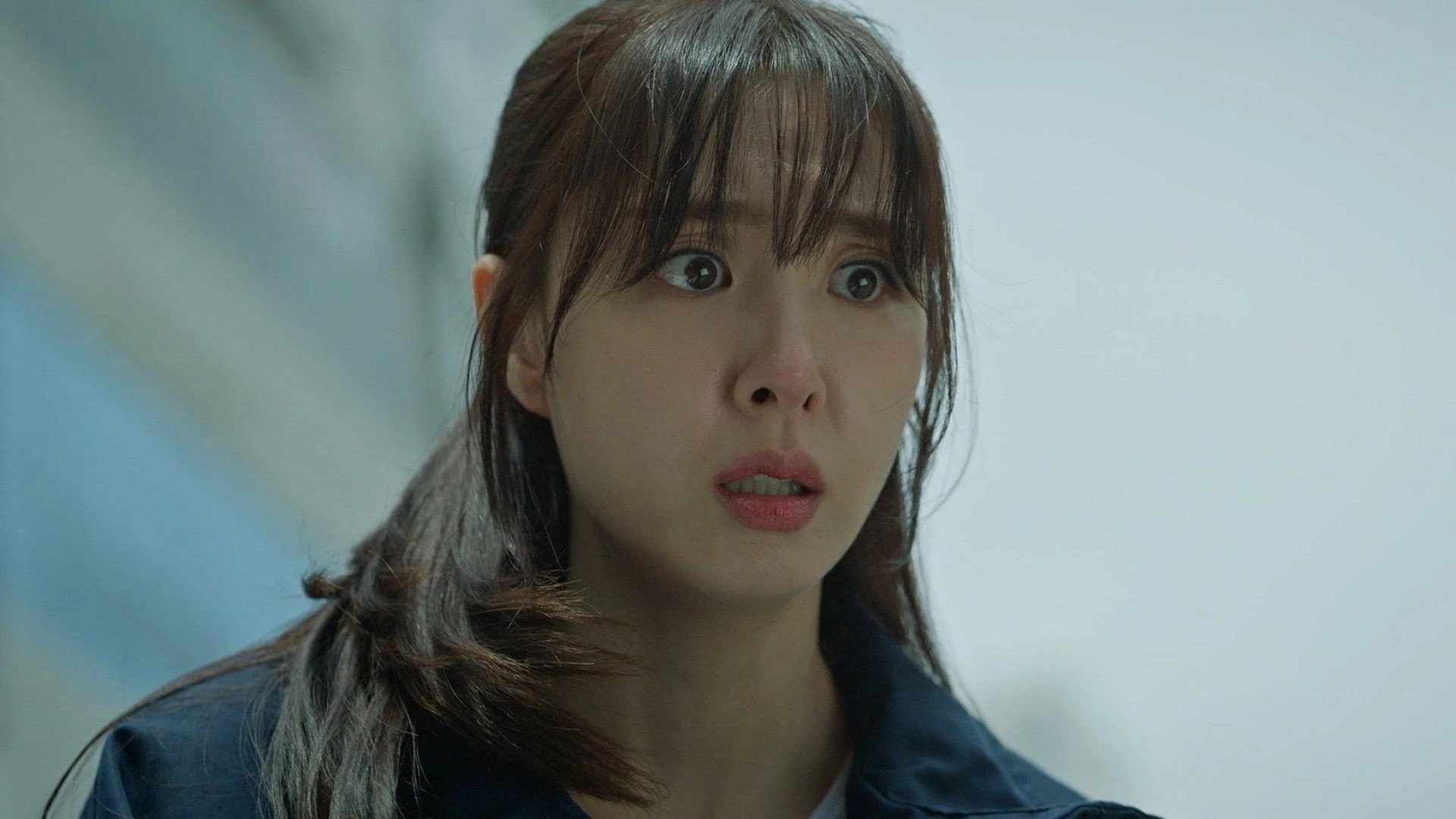
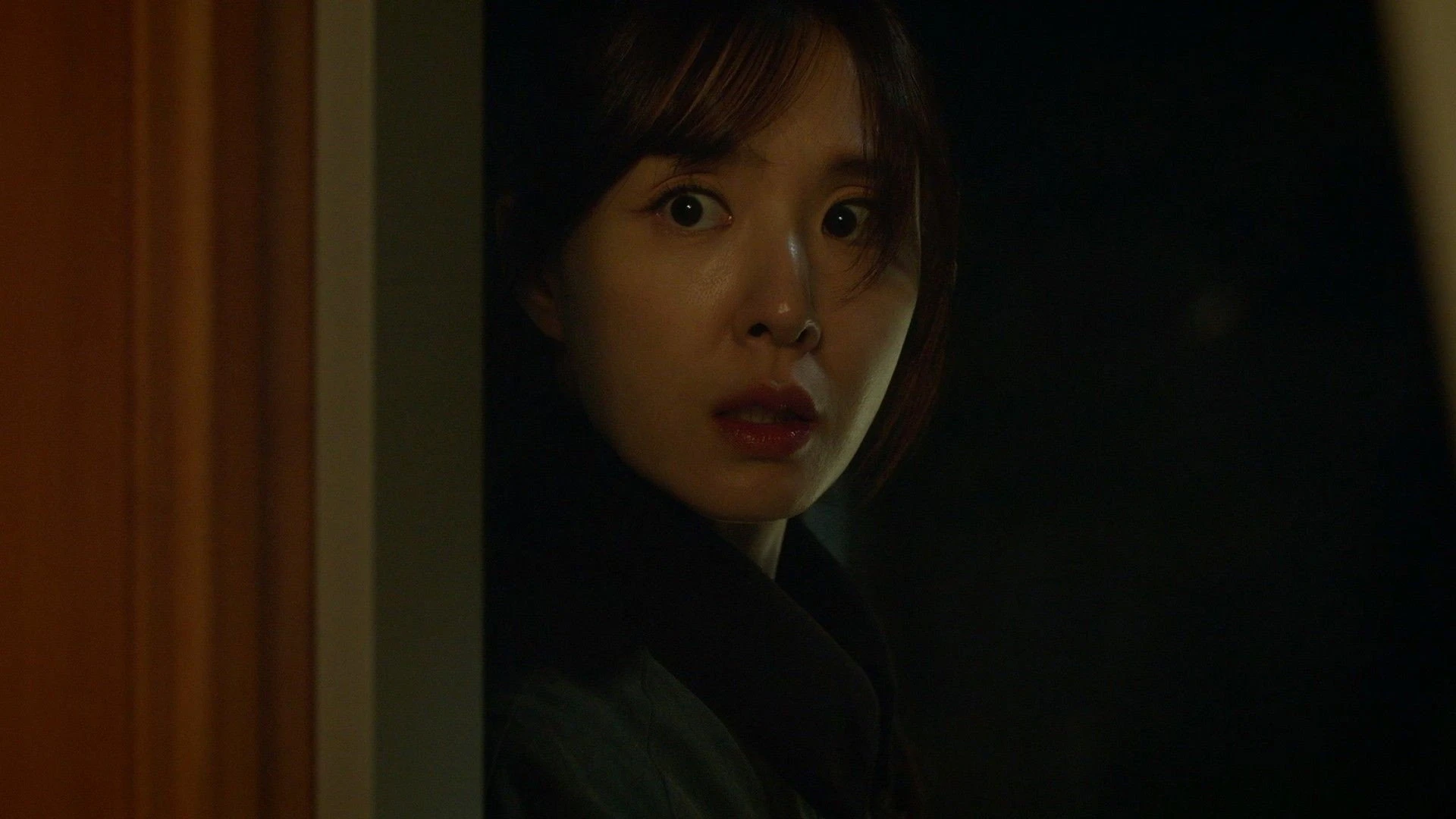
Reverse opens with a woman who has been erased and rebuilt according to someone else’s specifications. Myo-jin doesn’t recover from the villa explosion — she is recovered by it, reshaped into a version of herself that Jun-ho can manage. The amnesia isn’t the tragedy; the tragedy is how carefully the world around her has been arranged to make the amnesia permanent.
What follows is one of the more unsettling domestic premises in recent Korean thriller television — a love story that turns out to be a containment strategy. As Myo-jin’s memories fracture back through, the warmth of her engagement begins to read as architecture: each act of devotion a wall, each reassurance a lock. Reverse is interested in a very specific kind of violence — the kind that uses care as its delivery mechanism.
8 / 8 ✅ Completed
⚡ Quick Verdict
Skip the scroll — here’s the verdict in one glance.
MDL Score · Check MyDramaList for updated community rating
▶ Official Trailer
🎭 Cast & Characters
Seo Ji-hye leads a twelve-person ensemble through a drama where every character relationship is built on concealment.

Lead
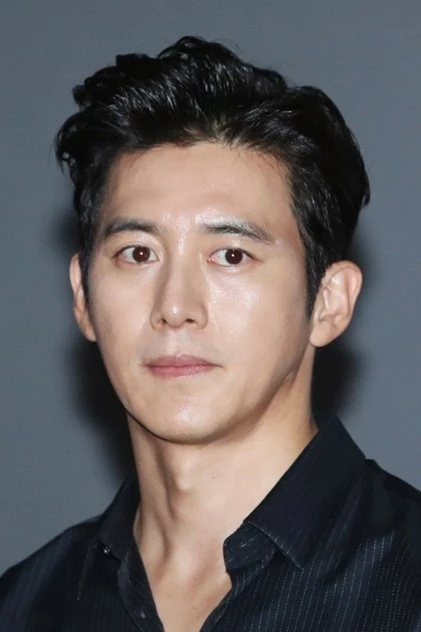
Lead

Lead

Supporting
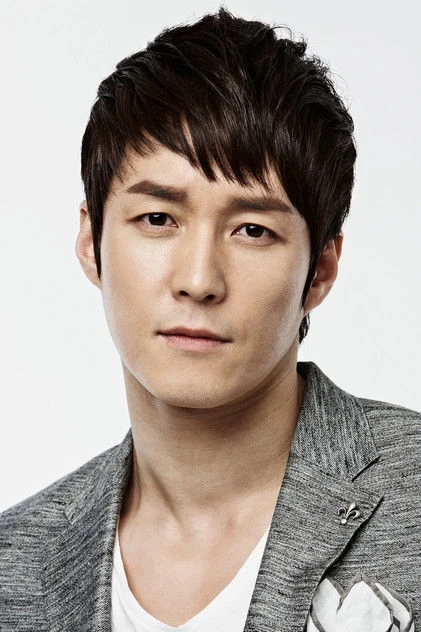
Supporting

Supporting
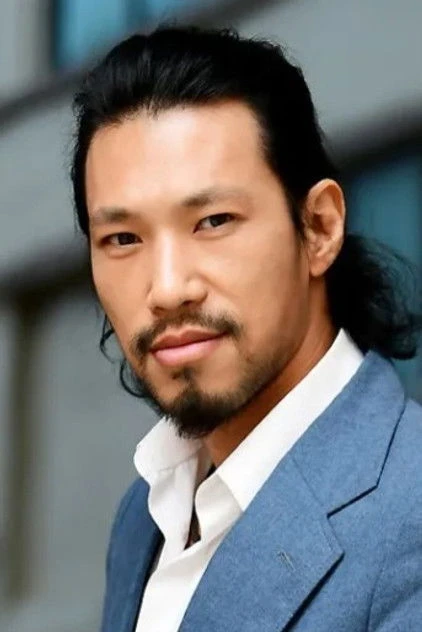
Supporting
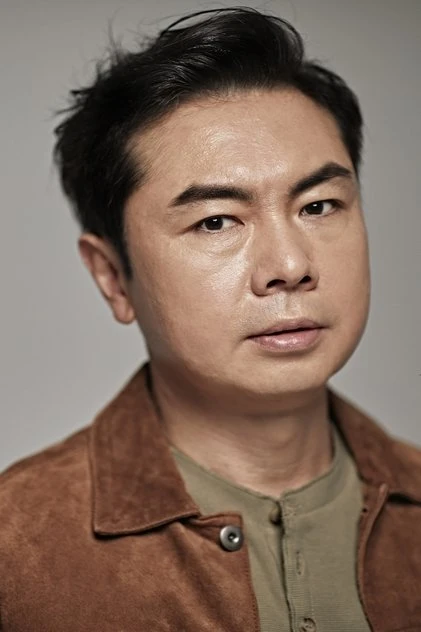
Supporting
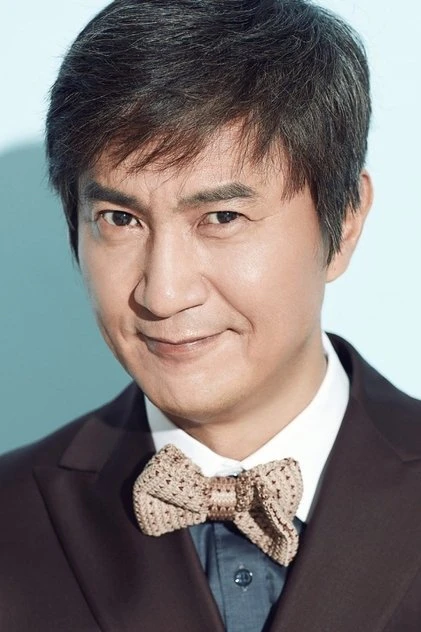
Supporting

Supporting
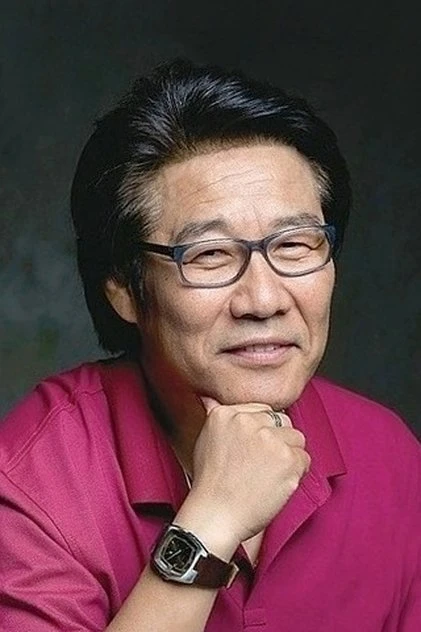
Supporting

Supporting
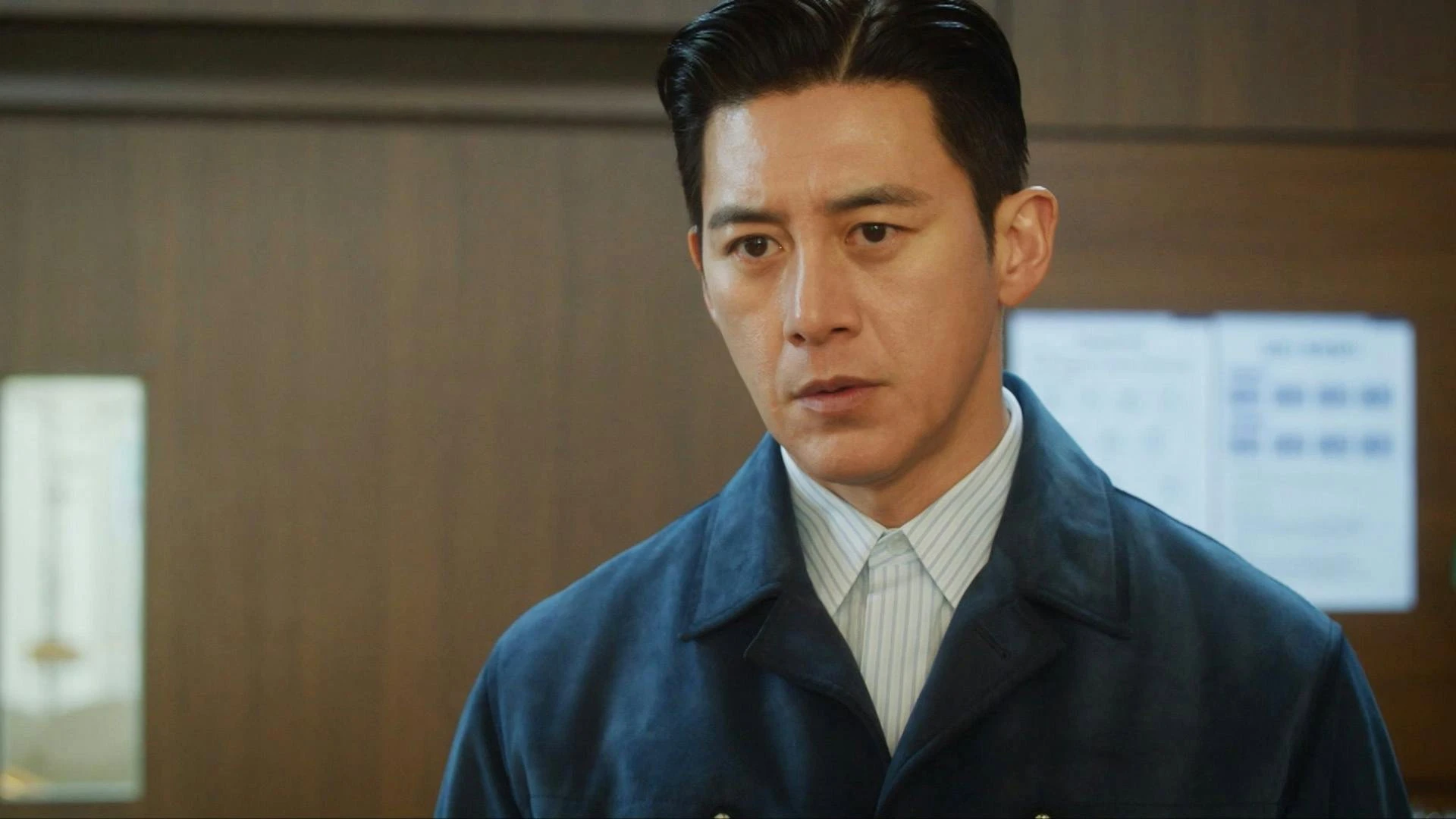
📺 Episode Guide
A light recap per episode — nothing more than a nudge.

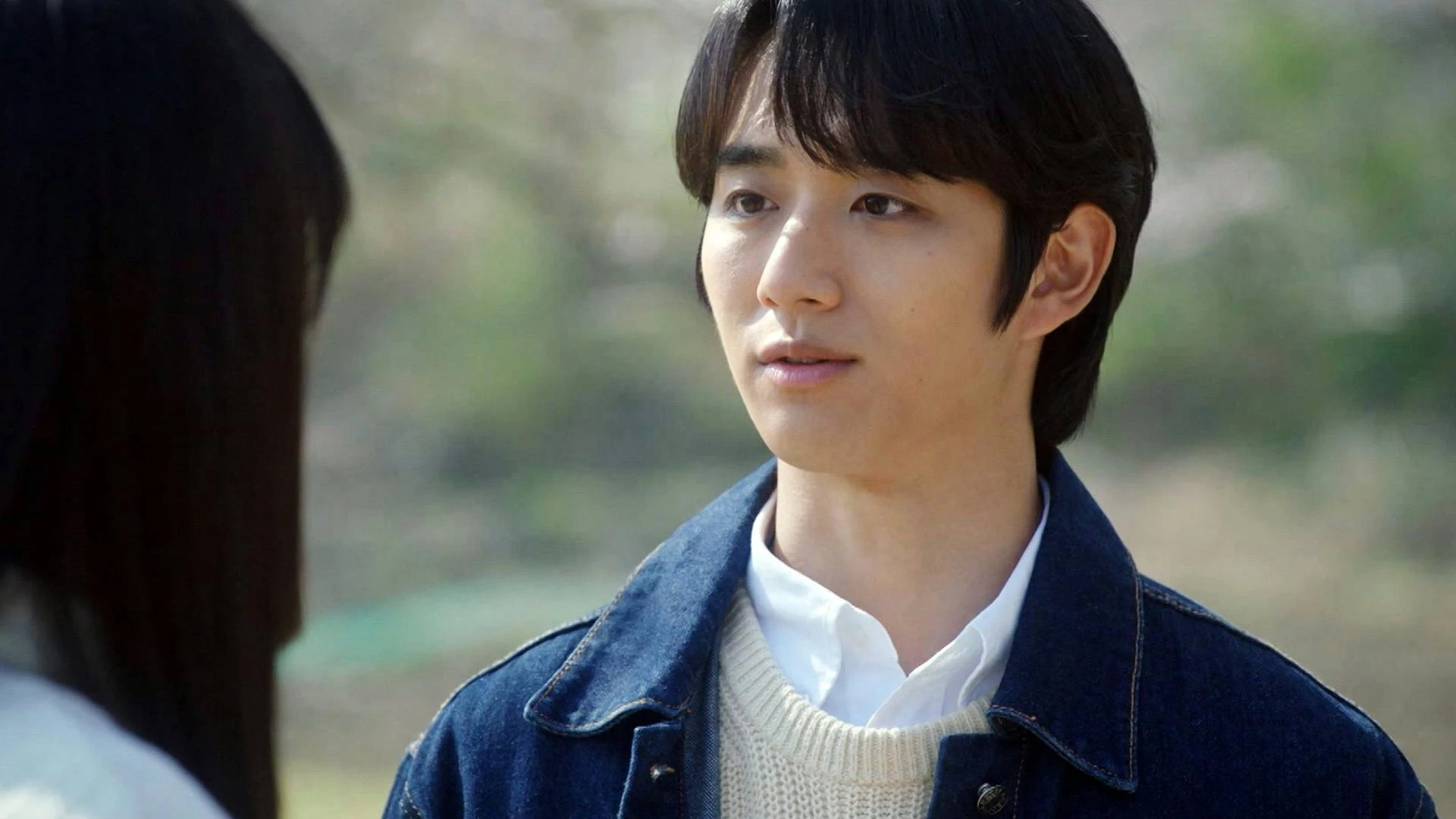
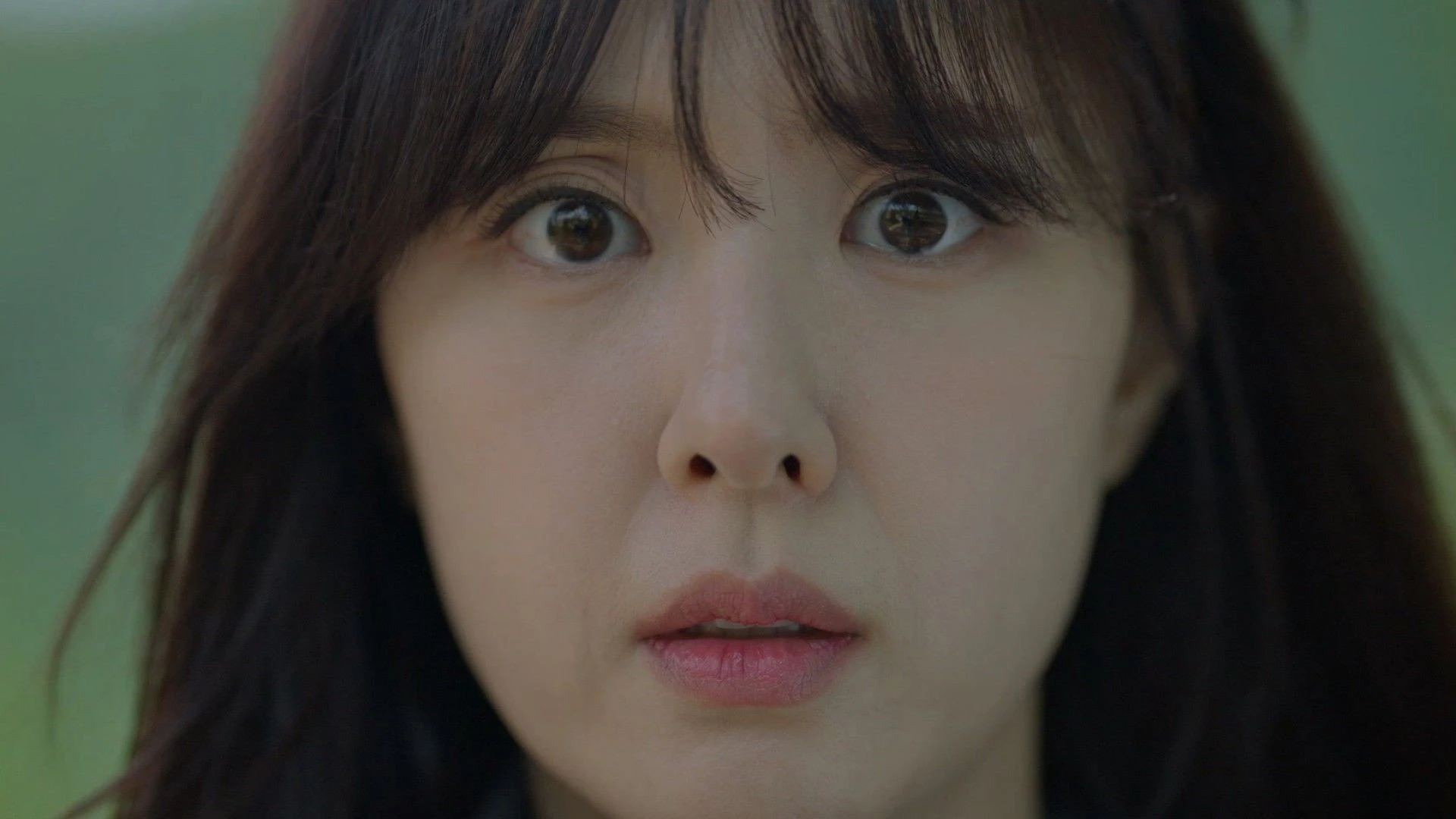
🏁 Ending Explained
Full spoilers — what happened, and why it hits the way it does.
Spoiler Warning — This section covers the full finale of Reverse. Stop here if you haven’t finished the series.
The Leap and What It Costs. Myo-jin’s jump from the second-story balcony is not a breakdown — it’s the last move available to her in a game Jun-ho designed to never have an exit. She had already won legally, emotionally, evidentially. But his final psychological reach convinces her that remaining in that space, even for a moment longer, is a form of surrender. The leap is her refusing to let him define even her exit. She survives. The freedom costs her something physical, which the ending refuses to romanticize.
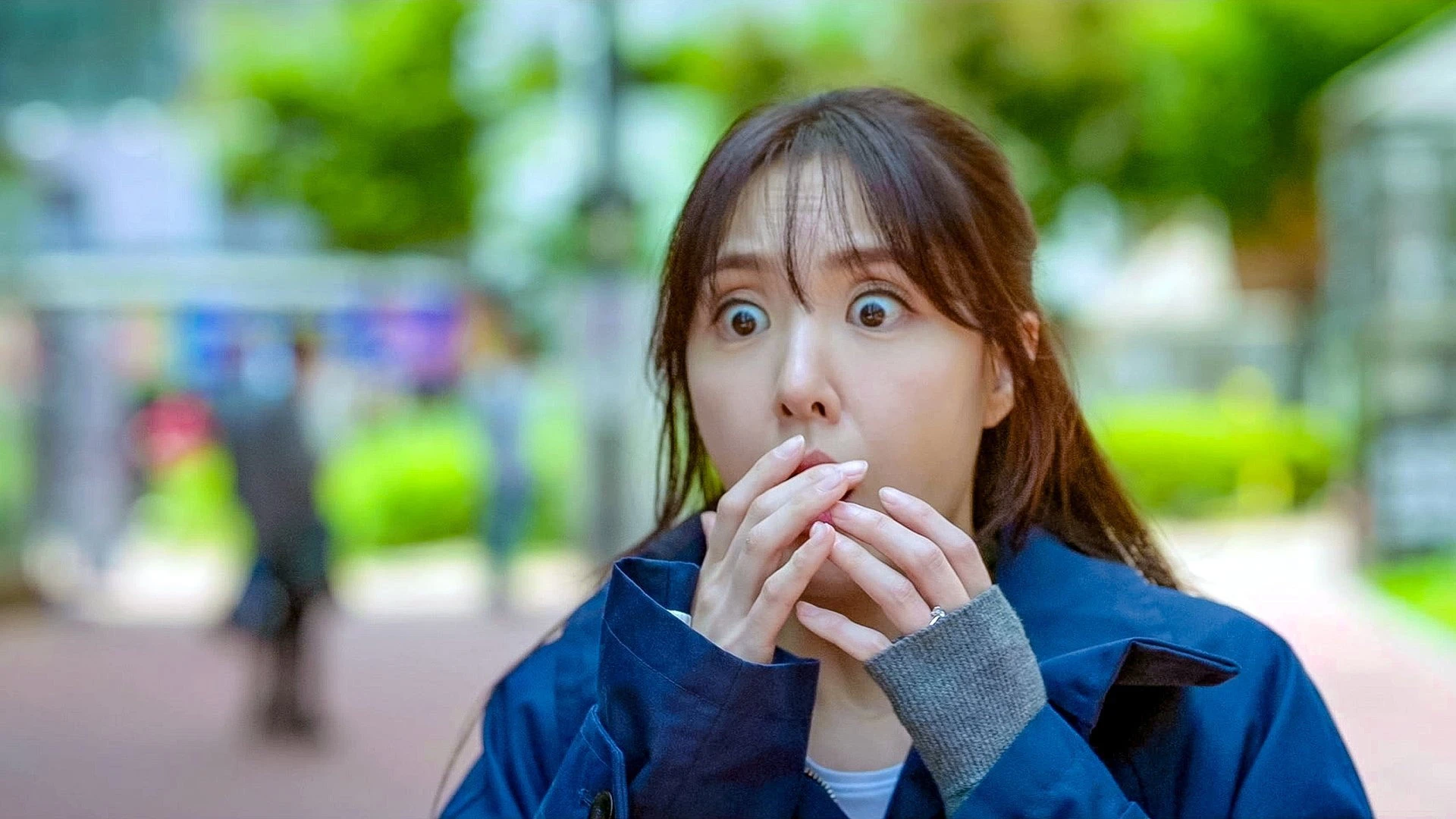
Jun-ho’s Collapse and Its Limits. His arrest is complete. Seokwang Group falls. The man who orchestrated fifteen years of Myo-jin’s suffering — her parents’ death, the villa explosion, the amnesia leveraged as a control mechanism — is reduced to a prisoner watching the person he coveted choose distance over justice. What the show understands, shrewdly, is that his obsession was never love misapplied; it was a form of ownership that never acknowledged her as a separate person at all. His devastation in prison is real, but it’s also entirely self-referential.
Hee-su’s Testimony and the Price of Bearing Witness. Her arc doesn’t end in triumph so much as in a particular kind of sorrow. Hee-su testifies, and her testimony matters — it’s part of what brings down the syndicate. But the casualties she watched accumulate throughout the drama are not erased by the verdict. The show gives her a somber peace rather than celebration, which is honest. Being right about a conspiracy doesn’t undo the people lost to it.
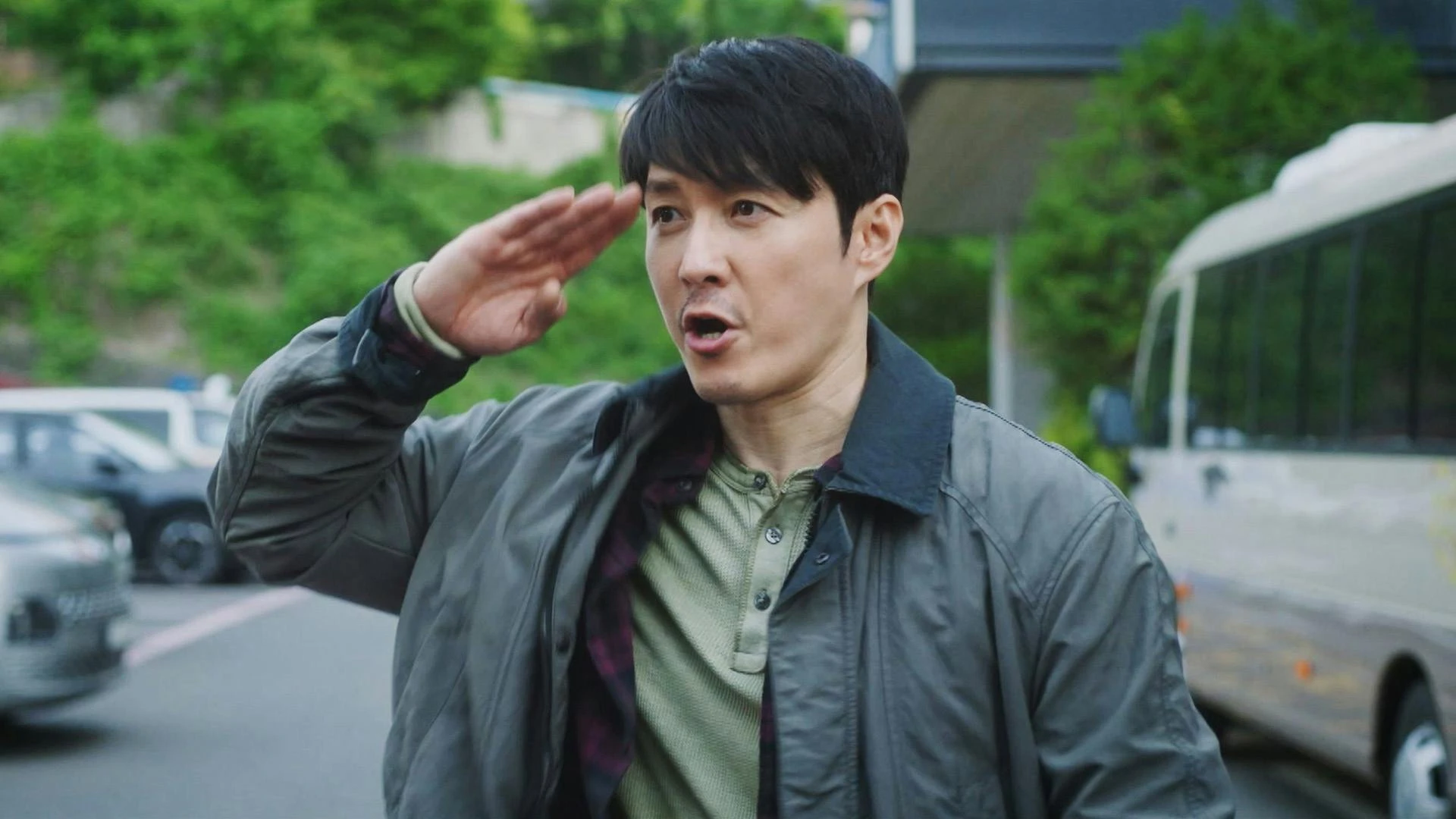
What Was Restored and What Wasn’t. Myo-jin recovers her memories, her agency, and her capacity for autonomous decision-making. She does not recover her parents, her lost years, or the version of herself that existed before the explosion. The revenge arc succeeds in its stated terms — the enemy is destroyed, the truth is documented — but the show resists claiming that success constitutes healing. The corporate world that ground her down is exposed; the time it consumed is not returned.
The Quiet Life as a Statement. Myo-jin’s choice of isolation in the ending is not retreat — it’s a boundary. She has spent years fighting for a self that was systematically erased; she is now protecting that self by removing it from any environment that might demand its sacrifice again. The silence she chooses is the silence of someone who has stopped performing for other people’s comfort. Reverse closes not with her restored to society but with her restored to herself, and the distinction matters.
✍️ KDramaWorlds Editor’s Take
Our genuine take on whether it’s worth your time, and who it’s for.
🔥 Suffocating
🕵️ Conspiratorial
💔 Brutal
🏢 Corporate Power
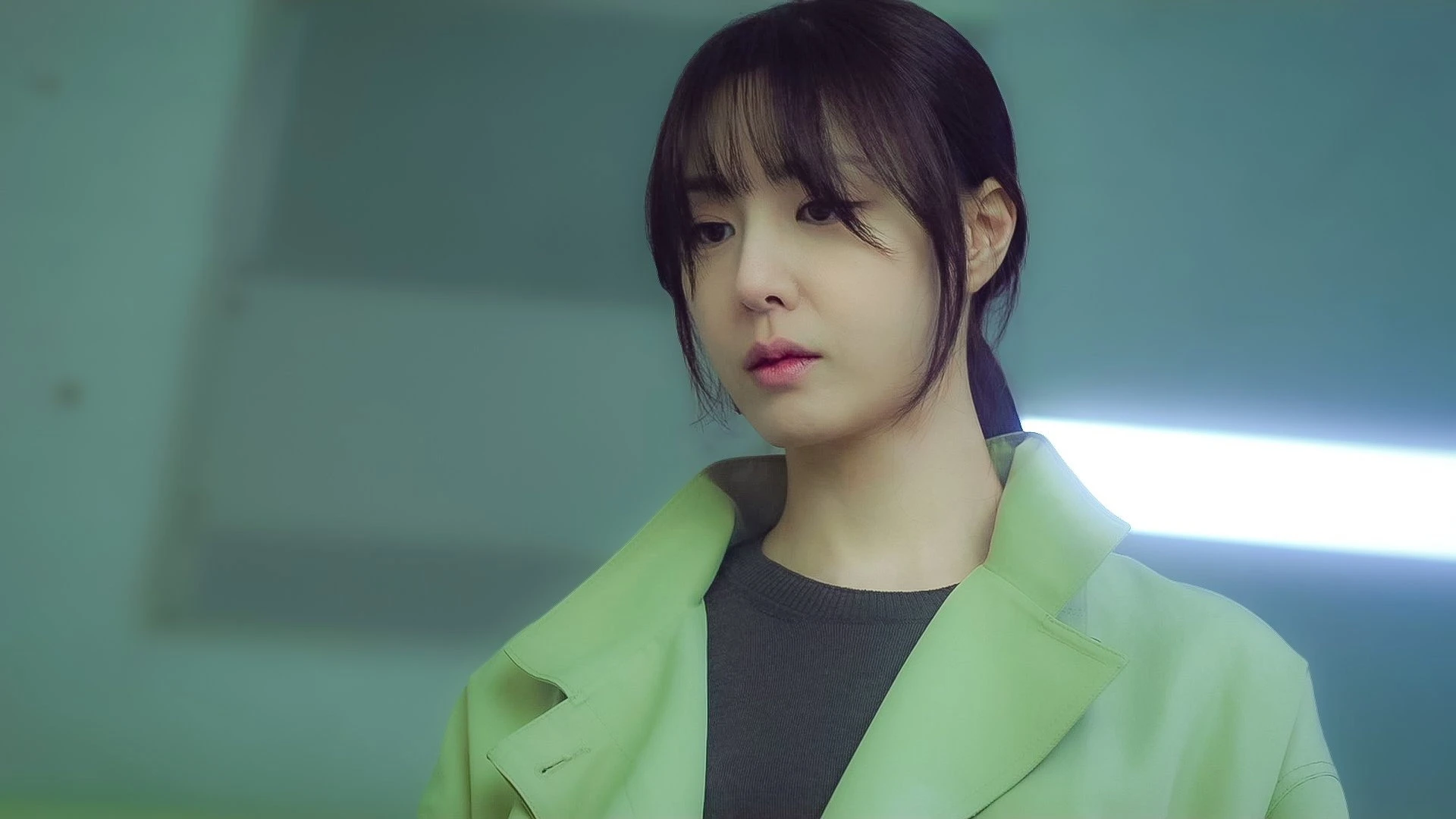
Seo Ji-hye has spent most of her career playing women who move through difficult situations with controlled surfaces — composed, precise, never quite letting the interior fully show. Reverse asks something more specific: a woman whose control is externally imposed and who must perform that control twice over, once for Jun-ho and once for herself. The physical work she does in the later episodes is easy to miss if you’re tracking the plot. In Episode 7 especially, the exhaustion isn’t announced; it lives in the tiny adjustments she makes to maintain the fiancée performance — a response a fraction too slow, a smile held a beat past warmth. For viewers who found The Glory (2022) compelling for the way its revenge engine was built inside an apparently compliant shell, the parallel here is worth tracking.
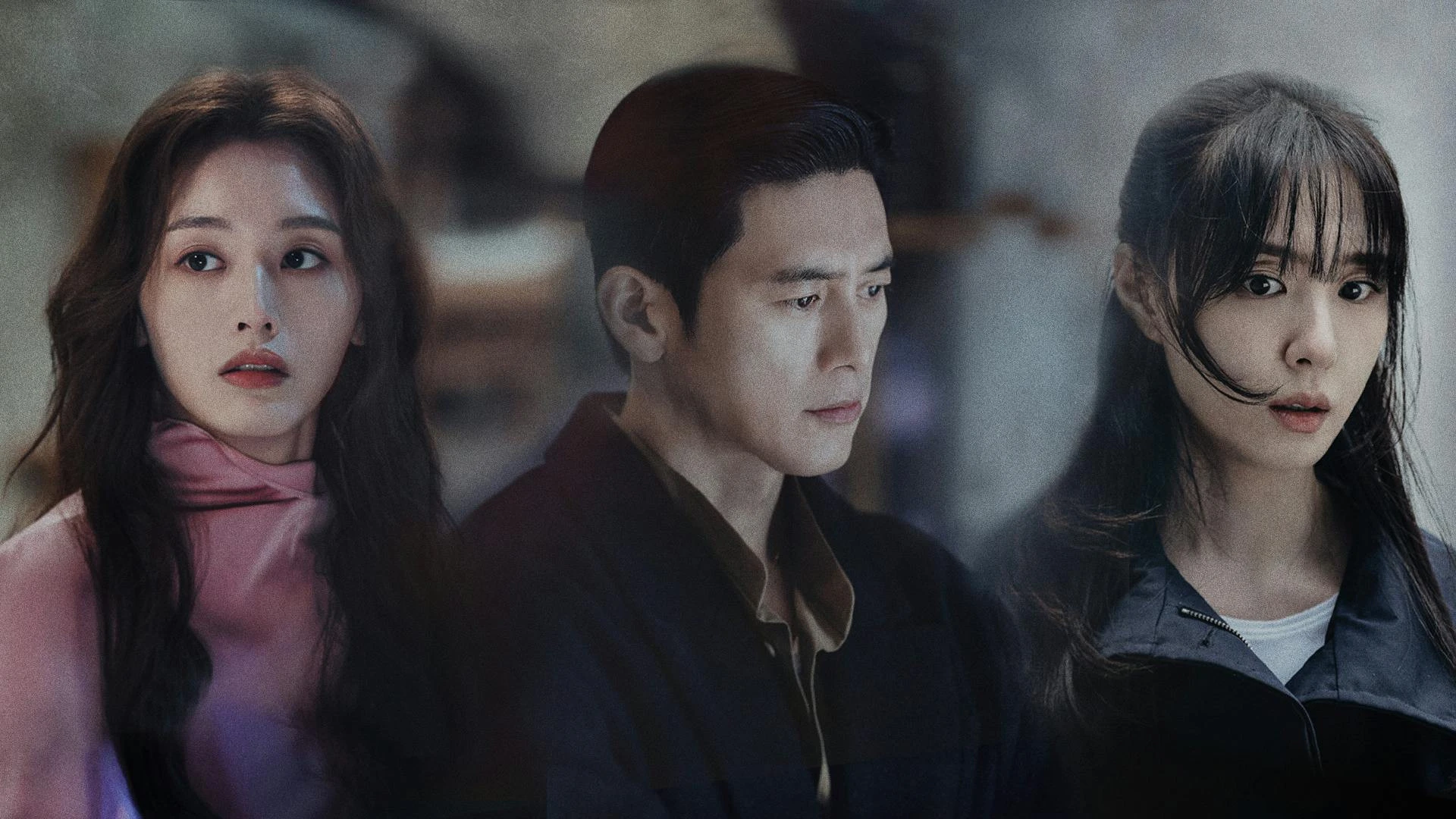
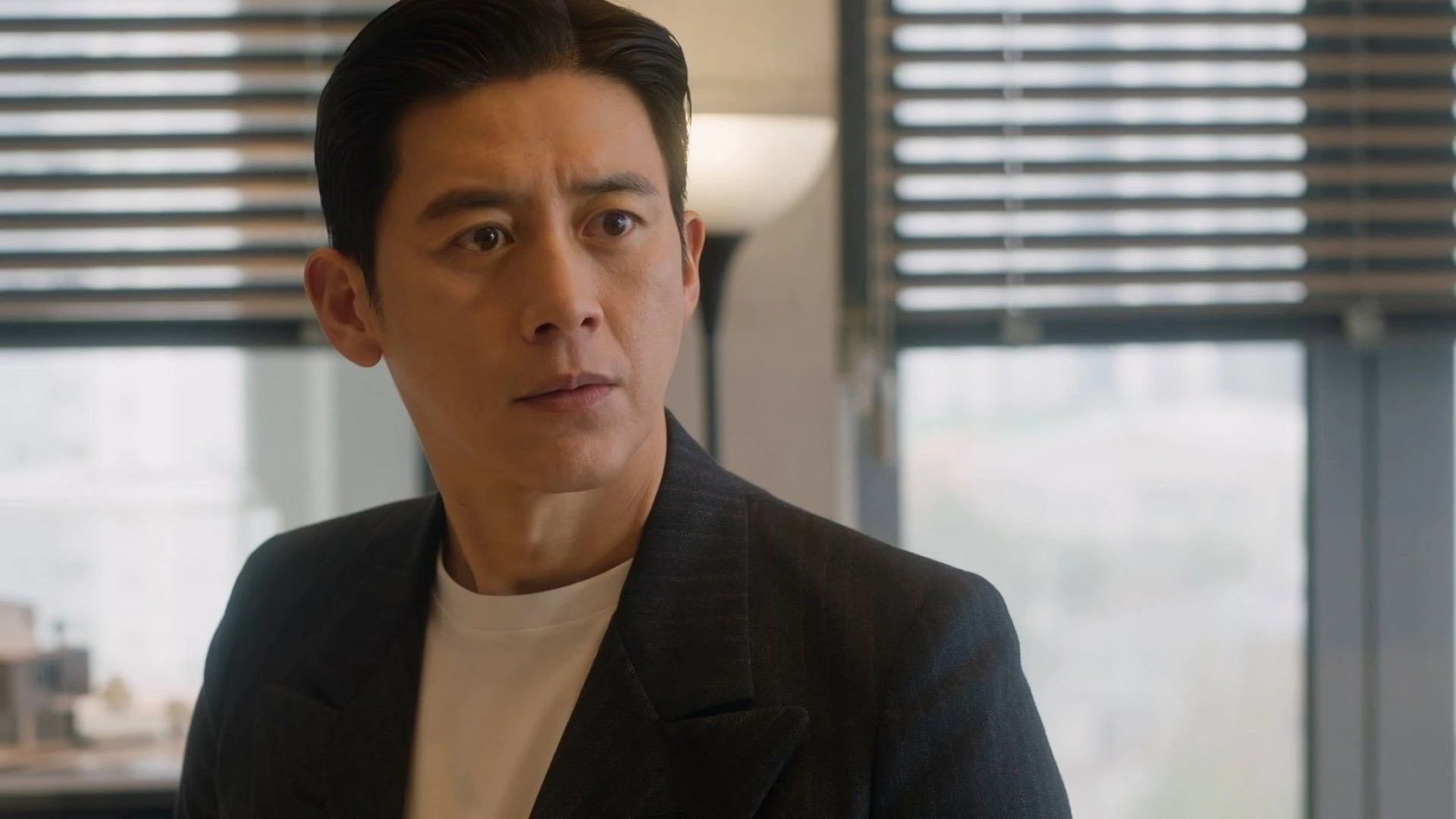
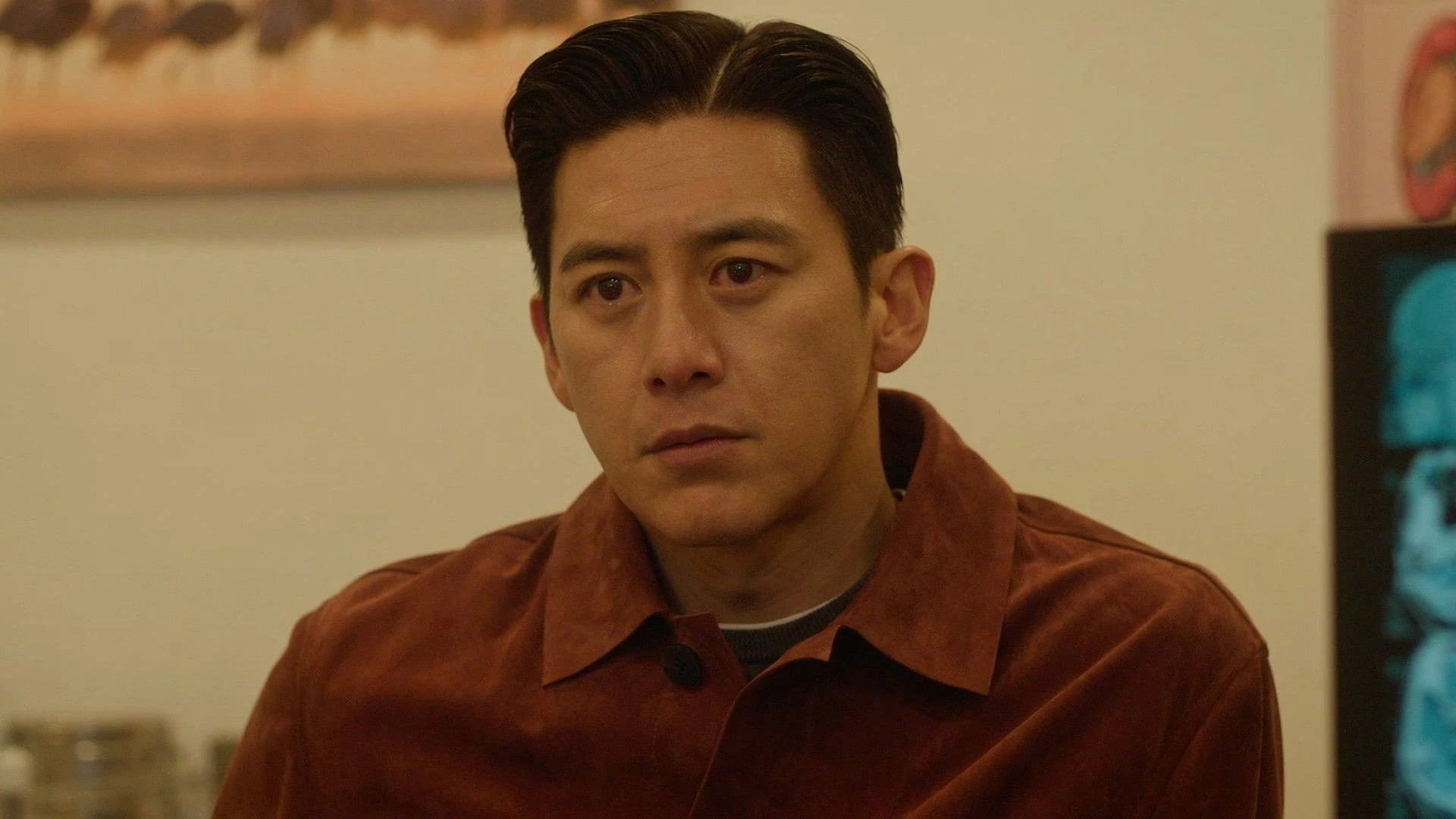
Go Soo’s Jun-ho is the drama’s structural gamble. He’s not written as a conventional villain — there are moments in the early episodes where the show almost makes you believe his version of events — which means Go Soo has to maintain a particular kind of duality: genuinely tender in register while performing something that is, at its core, absolute possession. The cruelty, when it emerges, is understated rather than theatrical, and that restraint is what makes it work. For viewers who found Pandora: Beneath the Paradise (2023) compelling for its weaponized domesticity — a home rebuilt as a trap — the dynamic here hits similarly and with comparable precision.
Where Reverse loses some of its grip is in Episodes 4 and 5, which spend more time establishing institutional complicity than developing the psychological texture that makes the show’s best scenes work. The corporate conspiracy mechanics occasionally crowd out the intimacy of what’s actually a two-person drama. The finale’s balcony sequence is genuinely excellent, and the show earns its darkness — but the path to it involves procedural beats that slow the tension rather than deepen it. If you can sit with a drama that’s more architectural than emotional in its middle stretch, the performances and the ending justify the commitment.
Seo Ji-hye fans ready to see her at her most controlled and most raw
Anyone drawn to chaebol-power dramas for the structural rot beneath the surface
Reverse builds a suffocating psychological trap with two committed central performances, then has the courage to give it an ending as dark as its premise.
🎬 You Might Also Like
If you liked Reverse, these are your next three watches.
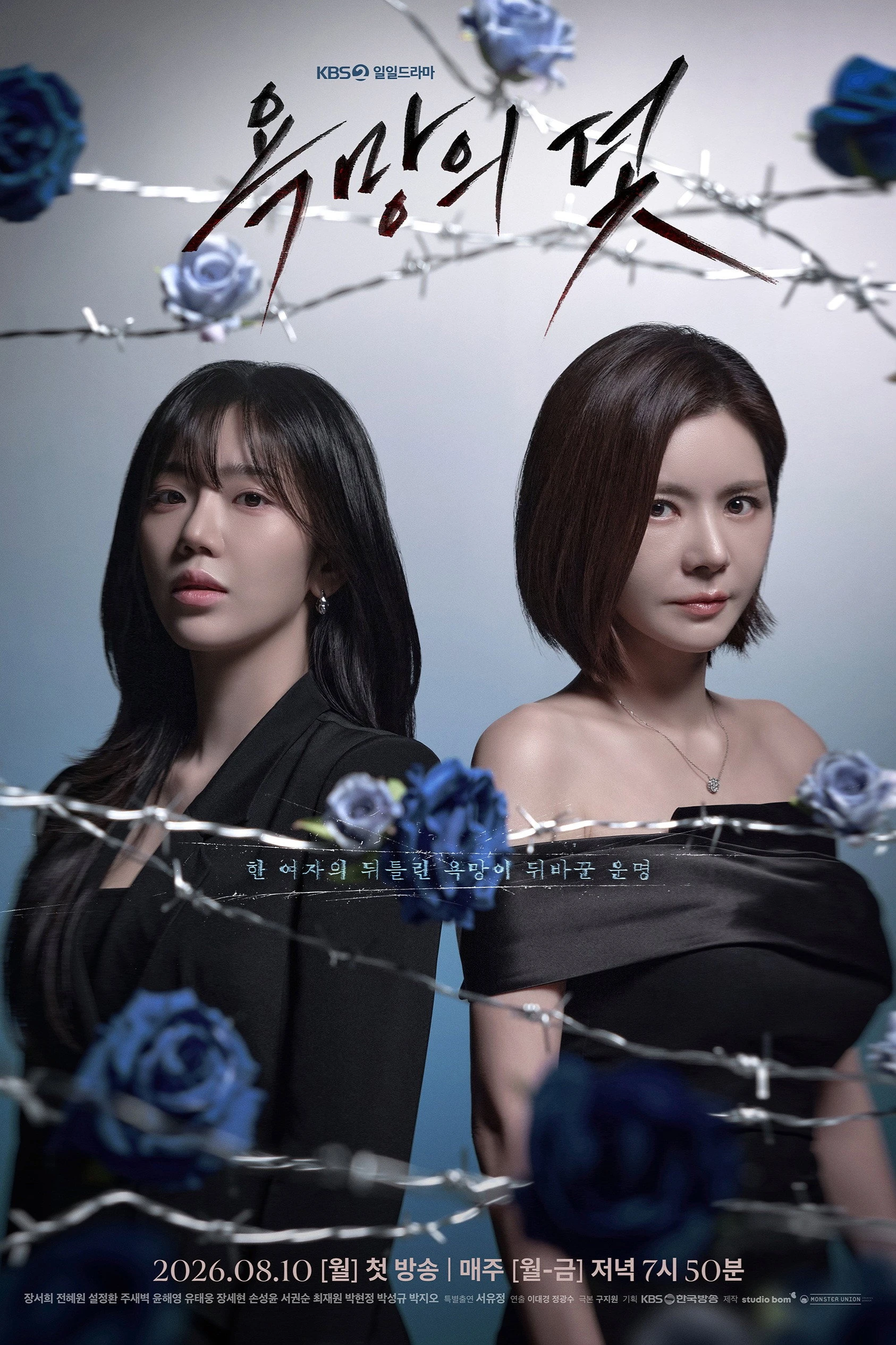 A Trap Called Desire
Ambitioncorporate intrigue
Read Full Review →
|
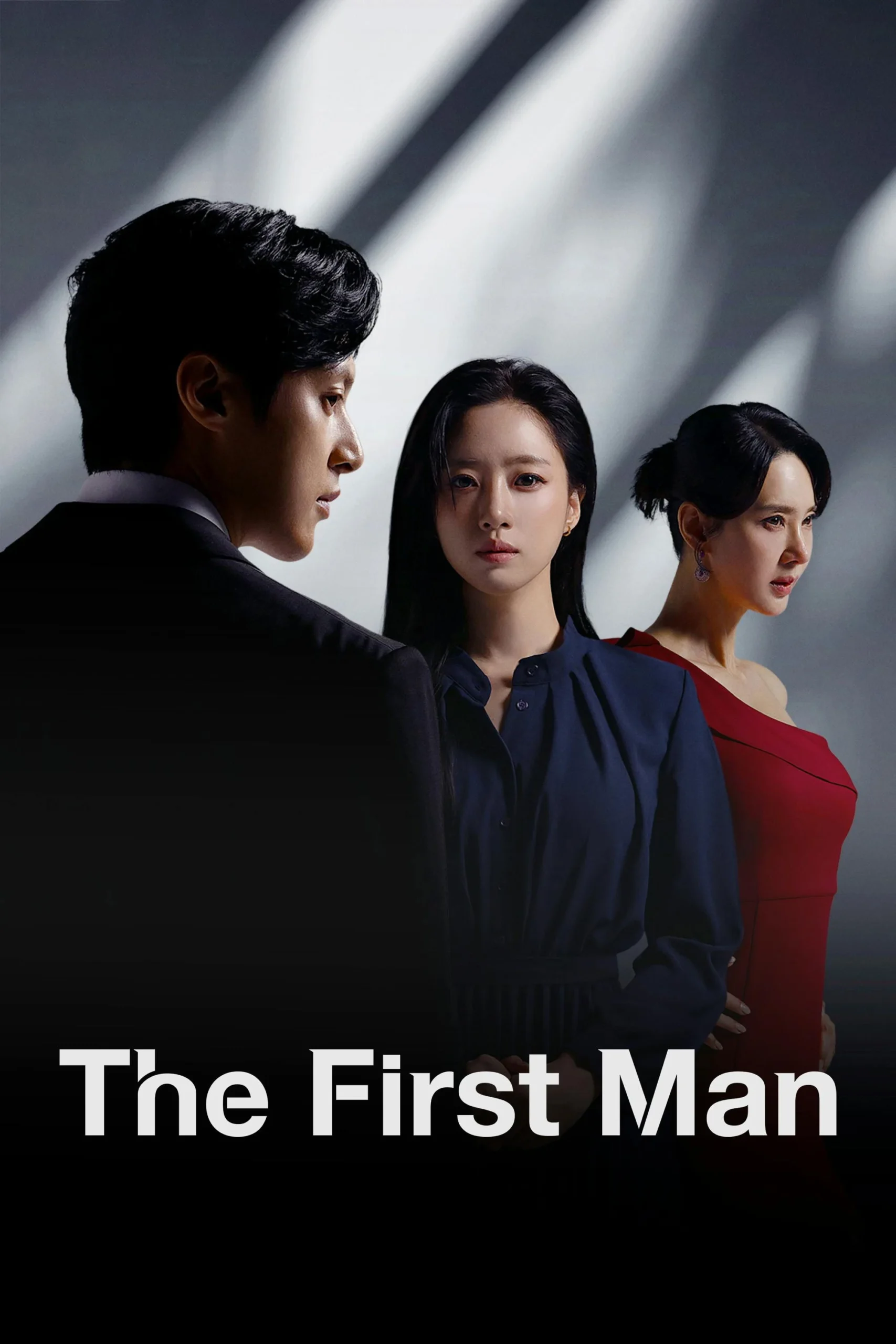 The First Man
ChaebolDaily Drama
Read Full Review →
|
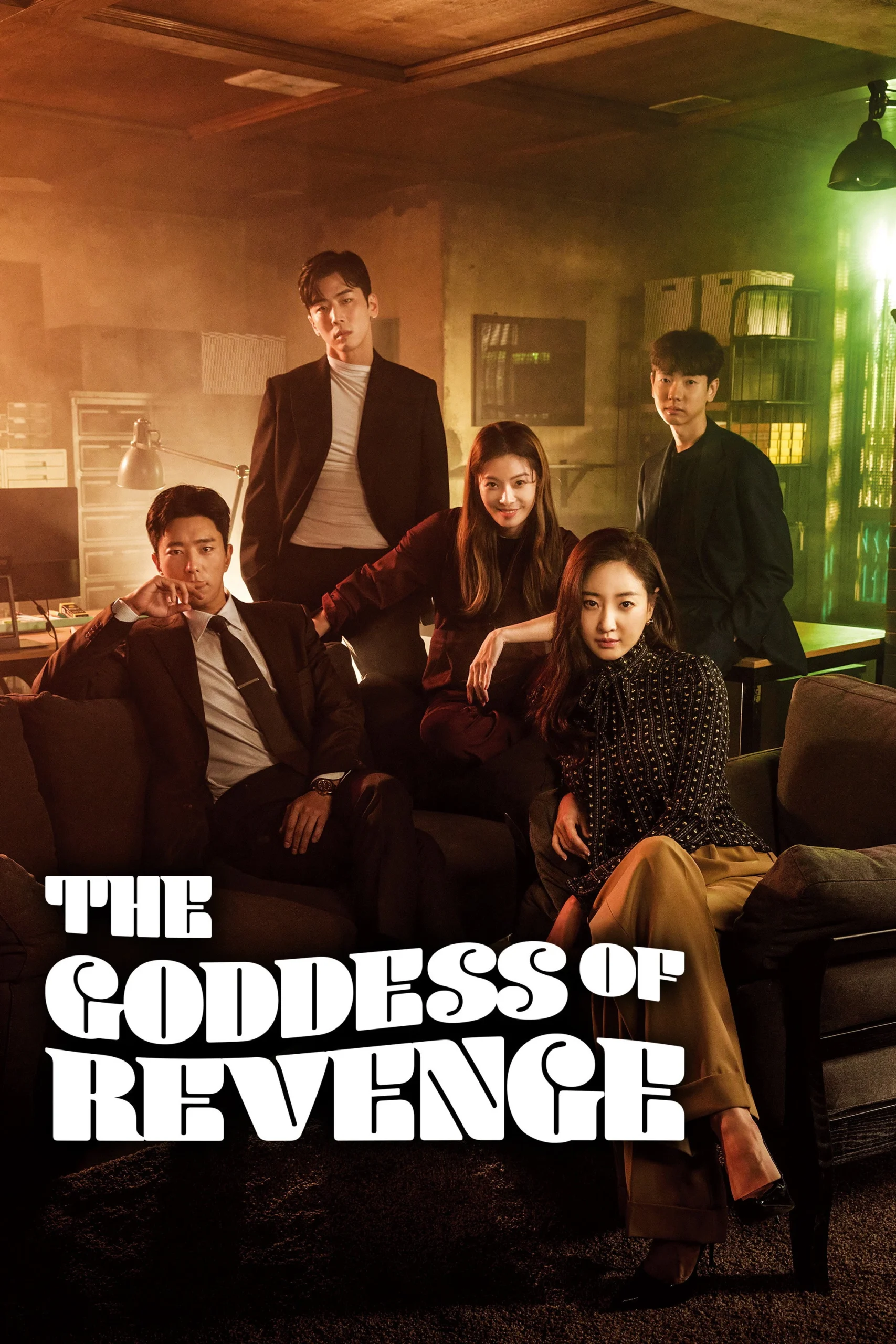 The Goddess of Revenge
ChaebolFemale Lead
Read Full Review →
|









Keep it kind, skip the harsh language, and please — no spoilers. Everyone's taste is different, and that's perfectly fine.
This space is for real reactions and discussion from other viewers. Help keep it comfortable for everyone by not giving away major plot details.
What do you think of this drama?
Login to share your review or leave a comment.
No email needed — just pick a username & password.