Guardian: The Lonely and Great God (2016) official poster
📺 K-Drama Guide · Fantasy · Romance

Guardian: The Lonely and Great God

쓸쓸하고 찬란하神 – 도깨비 · 2016
✅ Completed · 16 eps
🎬 Netflix · Viki · Viu · Apple TV
⭐ 8.8 MDL
📺 15+
⚡ Updated · Jun 24, 2026

📋 Drama Overview

Everything you need to know before you hit play.

Guardian: The Lonely and Great God (2016) poster
Completed
🔮 Fantasy Romance Pick
Guardian: The Lonely and Great God (Goblin)
쓸쓸하고 찬란하神 – 도깨비 (Sseulsseulhago Chanranhasin – Dokkaebi) · 2016 · South Korea
WriterKim Eun-sook
DirectorLee Eung-bok
Episodes16 eps · ~75 min each
Where to Watch✅ Netflix, Viki, Apple TV
⏱️
Binge Time20h 0m
AiredDec 2, 2016 – Jan 21, 2017
NetworktvN
GenreFantasy · Romance · Comedy
Content Rating15+

Netflix
Viki
Viu
Apple TV
Immortal Love
Reincarnation
Fated Lovers
Supernatural Fantasy
Grim Reaper

Kim Shin has been alive for 939 years, and the problem with that is not the loneliness — it’s what the loneliness has made him willing to accept. He was a Goryeo general cursed to immortality after dying by royal betrayal, his body carrying a sword that only the right person can remove, his life suspended at the moment it was supposed to end. What the drama understands, from the first scene, is that nine centuries of surviving has given him an extraordinary amount of practice at wanting very little.

Ji Eun-tak is nineteen, can see the dead, and has been told since childhood that she is the goblin’s destined bride — the one person whose hand can pull the sword from his chest and finally let him go. She treats this the way a teenage girl who has grown up under an abusive aunt while quietly raising her own ghost would: with impatient pragmatism. She is not particularly afraid of Kim Shin, which is the thing that surprises him most.

Guardian is also a story about Wang Yeo, a grim reaper who cannot remember his past life, and Sunny, a woman who seems to recognize him anyway. The drama braids two love stories together — one about a man trying to end an immortal life, one about a man trying to recover a mortal past — and the effect is not complicated so much as layered. It moves at the pace of something that has been waiting a very long time.

Episode Progress
16 / 16 ✅ Completed

⚡ Quick Verdict

One box. Everything you need to decide.

⭐ Worth it?For fantasy romance at full scale — absolutely.
⏱️ CommitmentHigh — ~20 hours total
🔮 VibeMelancholy · Epic · Romantic
📺 Skip if…You need consistent plot momentum throughout

8.8 / 10
MDL Score · Check MyDramaList for updated community rating

▶ Official Trailer

🎭 Cast & Characters

Gong Yoo and Kim Go-eun lead a cast doing some of the most emotionally layered work in Korean fantasy drama.

Gong Yoo as Goblin / Kim Shin in Guardian: The Lonely and Great God (2016)
Gong Yoo
Goblin / Kim Shin

Lead

Kim Go-eun as Ji Eun-tak in Guardian: The Lonely and Great God (2016)
Kim Go-eun
Ji Eun-tak

Lead

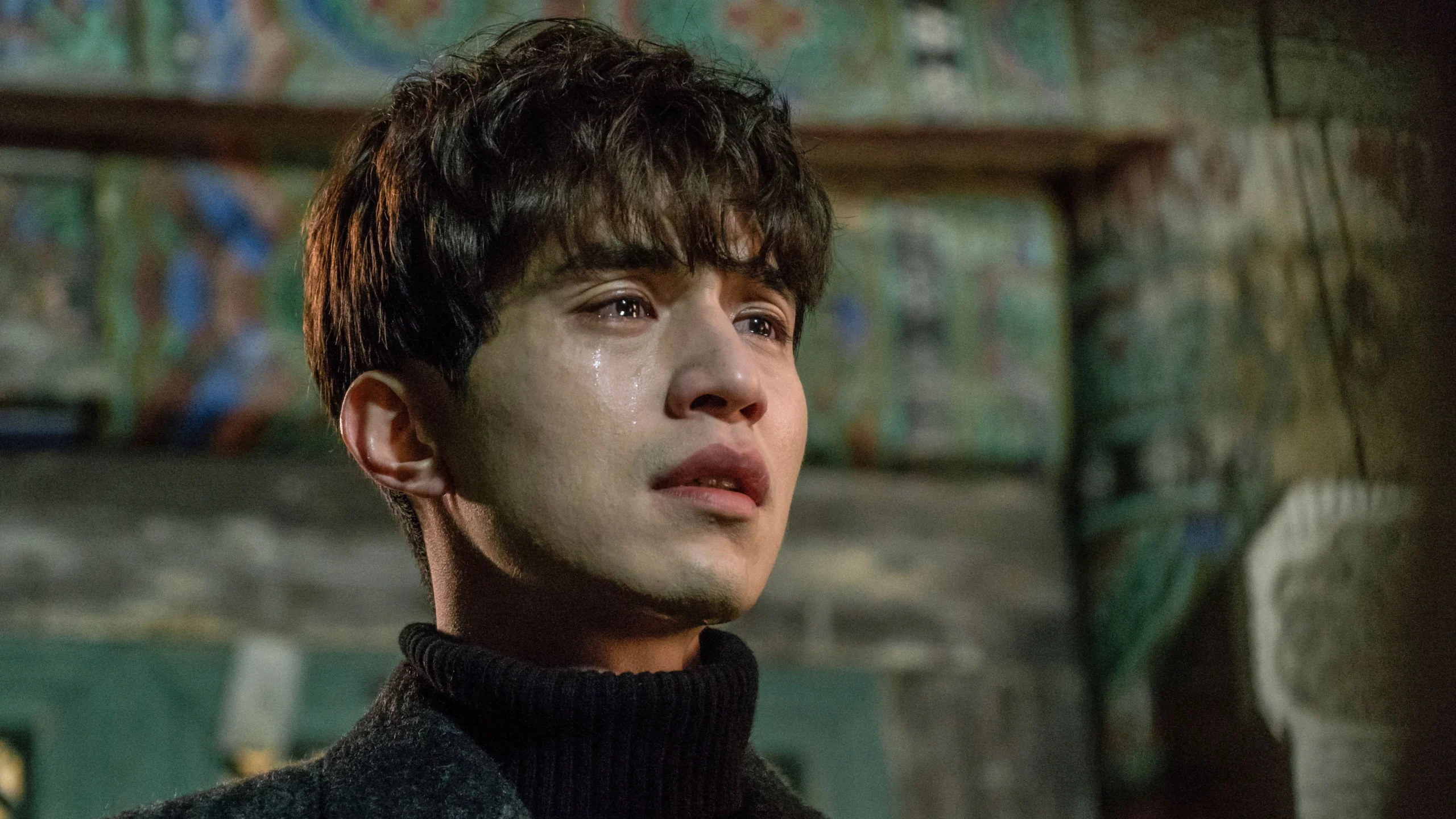
Lee Dong-wook as Grim Reaper / Wang Yeo in Guardian: The Lonely and Great God (2016)
Lee Dong-wook
Grim Reaper / Wang Yeo

Supporting

Yoo In-na as Sunny / Kim Seon in Guardian: The Lonely and Great God (2016)
Yoo In-na
Sunny / Kim Seon

Supporting

Yook Sung-jae as Yu Deok-hwa in Guardian: The Lonely and Great God (2016)
Yook Sung-jae
Yu Deok-hwa

Supporting

Lee El as Sam-shin in Guardian: The Lonely and Great God (2016)
Lee El
Sam-shin

Supporting

Kim Seong-gyeom as Yu Shin-woo in Guardian: The Lonely and Great God (2016)
Kim Seong-gyeom
Yu Shin-woo

Supporting

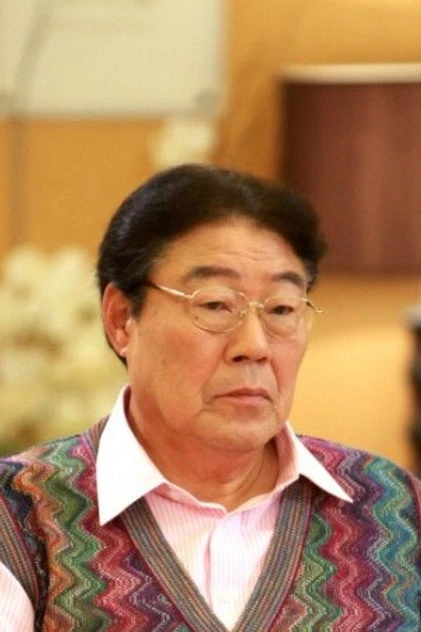
Kim Byong-chul as Park Joong-heon in Guardian: The Lonely and Great God (2016)
Kim Byong-chul
Park Joong-heon

Villain

Jo Woo-jin as Kim Do-yeong in Guardian: The Lonely and Great God (2016)
Jo Woo-jin
Kim Do-yeong

Supporting

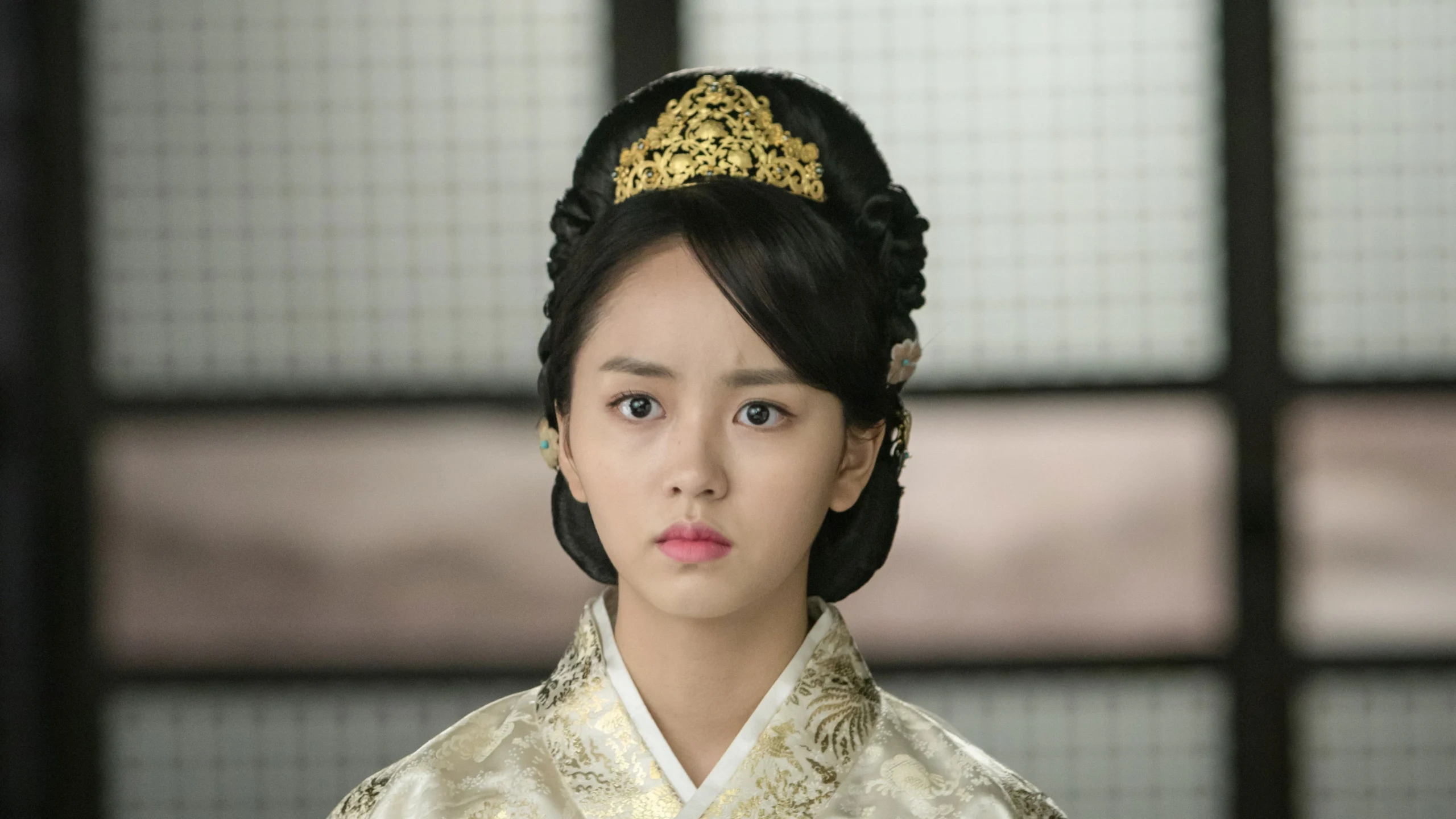
Yeom Hye-ran as Ji Yeon-sook in Guardian: The Lonely and Great God (2016)
Yeom Hye-ran
Ji Yeon-sook

Supporting

Jung Young-ki as Park Gyeong-sik in Guardian: The Lonely and Great God (2016)
Jung Young-ki
Park Gyeong-sik

Supporting

Choi Ri as Park Gyeong-mi in Guardian: The Lonely and Great God (2016)
Choi Ri
Park Gyeong-mi

Supporting

🍿 Where to Watch

Stream Guardian: The Lonely and Great God on these platforms.

📺 Episode Guide

Spoiler-light recaps — enough to remember where you left off, nothing that ruins the ride.

Guardian: The Lonely and Great God Episode 1
EP 01
Episode 1
December 2, 2016
Guardian opens by refusing to romanticize nine centuries. The drama’s first image of Kim Shin is a man standing in a snowstorm dressed in a general’s armor, flowers blooming around him, looking absolutely exhausted. That’s the tone it holds for the episode: supernatural, yes, but the supernatural as ongoing condition rather than fantastical event. Ji Eun-tak’s ability to see the dead is established with the same matter-of-fact register — two people defined by things no one around them can see. The episode earns its premise by treating both of them as ordinary people who happen to be extraordinary.

Guardian: The Lonely and Great God Episode 2
EP 02
Episode 2
December 3, 2016
Wang Yeo settles into the drama’s architecture as a figure whose blankness is doing real work. He has no memory of his past, no obvious attachment to anyone in his present — and the show uses this against him with quiet precision. A man defined entirely by the cases he processes has no way to account for the feelings starting to happen anyway. Kim Shin, meanwhile, begins noticing that Ji Eun-tak’s proximity does something to his certainty. The triangle of fate sharpens.

Guardian: The Lonely and Great God Episode 3
EP 03
Episode 3
December 9, 2016
The episode where Kim Shin’s certainty starts cracking in ways he has no immediate answer for. Ji Eun-tak pushes the goblin-bride claim harder than before, and his resistance — which has been impeccable — shows small, careful fractures. What is actually shifting is not his belief in the prophecy. It’s his awareness that the future has stopped feeling like something merely to endure.

Guardian: The Lonely and Great God Episode 4
EP 04
Episode 4
December 10, 2016
Kim Shin and Ji Eun-tak are pushed into closer range by circumstance, and the drama starts letting itself feel something. Wang Yeo’s blank exterior continues to generate meaning he cannot access: every scene with him involves watching a man carry the weight of a history he doesn’t know he has. Memory — its absence, its accumulated pressure — is this episode’s primary emotional material, and the show handles it without announcing it.

Guardian: The Lonely and Great God Episode 5
EP 05
Episode 5
December 16, 2016
The episode where the drama’s central cruelty becomes fully visible. Kim Shin can feel the sword in his chest less when Ji Eun-tak is near — which means that wanting her to stay is, in the most literal sense, prolonging the wound he has been carrying for nine centuries. Loving her is keeping him alive. The show presents this without commentary and waits for it to land. It lands.

Guardian: The Lonely and Great God Episode 6
EP 06
Episode 6
December 17, 2016
Wang Yeo and Sunny. The drama expands from one impossible romance to two, and the expansion reveals the pattern underneath: past-life grief bleeding into present-day desire without either person having any context for what they’re feeling. The episode is structurally ambitious — asking whether two people can recognize each other across lifetimes — and the restraint with which it asks is exactly why it works.

Guardian: The Lonely and Great God Episode 7
EP 07
Episode 7
December 23, 2016
Kim Shin’s history as a betrayed general is no longer backstory in this episode — it is the emotional engine of his present. The drama forces a distinction between grief and injustice, between loss and wrong: his wound is not just old, it is specific. Nine centuries of survival has not resolved it into wisdom. He has been enduring without healing, and the show has been patient enough to save this for Episode 7. Gong Yoo plays the scene where Kim Shin finally begins explaining his history to Ji Eun-tak with his whole body: careful, gradually less careful.

Guardian: The Lonely and Great God Episode 8
EP 08
Episode 8
December 24, 2016
Ji Eun-tak is put in concrete danger for the first time, and the episode uses it to take inventory of how far Kim Shin’s defenses have already been compromised. Wang Yeo is no longer a passive observer — his buried past is making itself felt in the present, in how he moves around people, in the small decisions he makes without understanding why. The show is arranging its pieces. This is the episode where you realize it knows exactly what it’s doing.

Guardian: The Lonely and Great God Episode 9
EP 09
Episode 9
December 30, 2016
Sunny’s life begins rhyming with the older tragedy surrounding Wang Yeo — and the drama leans into the feeling that these characters are living out patterns they didn’t write. Sometimes that reads as fatalism. Here it reads as accumulated weight: everything happening in the present is haunted by events not yet explained, and the explanation will cost something. Yoo In-na and Lee Dong-wook are both doing their quietest, most interesting work in this episode.

Guardian: The Lonely and Great God Episode 10
EP 10
Episode 10
December 31, 2016
The episode that forces Kim Shin’s contradiction into the open. He has been running two desires in parallel — release and attachment — long enough that this episode makes them collide directly. The sword in his chest is the visible symbol. The larger burden is the knowledge of what pulling it free requires of both of them. Nine centuries of wanting it. And now he is not sure.

Guardian: The Lonely and Great God Episode 11
EP 11
Episode 11
January 7, 2017
Wang Yeo inching toward his past life is not discovery here — it is exposure. Every step closer puts him in greater proximity to what Sunny is starting to mean to him, which means he cannot find out who he was without also confronting who he wants to be. Lee Dong-wook does this with very little dialogue: mostly a man standing in rooms, paying a different kind of attention to everything around him. The drama’s sense of delayed fate reaches its clearest articulation.

Guardian: The Lonely and Great God Episode 12
EP 12
Episode 12
January 8, 2017
Ji Eun-tak’s role in Kim Shin’s life is no longer something either of them can bracket off as temporary. The episode leans on the drama’s central bind without resolving it prematurely: Kim Shin cannot protect her without also moving toward the moment she pulls the sword. Guardian earns this double bind because both sides of it have been made genuinely real across eleven episodes. He can no longer pretend that attachment is temporary. Neither can she.

Guardian: The Lonely and Great God Episode 13
EP 13
Episode 13
January 14, 2017
The hidden history connecting Kim Shin and Wang Yeo finally becomes emotionally legible — and the effect is not relief. Knowledge here makes the pain more specific. Each character now understands exactly what they’ve been grieving without being able to name it. No action, very little plot movement: just the weight of comprehension settling onto people who have been carrying it blind. One of the drama’s quietest devastating episodes.

Guardian: The Lonely and Great God Episode 14
EP 14
Episode 14
January 15, 2017
Two love stories converging toward their respective costs. Sunny and Wang Yeo’s relationship is tested by the combination of memory and guilt — proving harder to survive than either emotion alone. Kim Shin and Ji Eun-tak keep moving toward an ending that has been inevitable since Episode 1. What Guardian insists on here is that love and consequence are not opposites. They are the same event, experienced at different speeds.

Guardian: The Lonely and Great God Episode 15
EP 15
Episode 15
January 20, 2017
Every promise made in this episode is honest about what it isn’t promising. Kim Shin and Ji Eun-tak both know they are not guaranteeing a future — they are refusing to let go of a present they could end earlier but won’t. The drama has stopped treating fate as mystery and started treating it as cost. The emotional precision here is in that distinction: not optimism. Not denial. Just unwillingness.

Guardian: The Lonely and Great God Episode 16 Finale
EP 16
Episode 16 · Finale
January 21, 2017
Ji Eun-tak dies saving children she doesn’t know, and the show doesn’t flinch from this. The death is not an accident and not a twist — it is entirely consistent with who she has been for sixteen episodes. What makes the finale extraordinary is not the separation but what comes after: Ji Eun-tak in the afterlife, meeting Wang Yeo, telling him she will return. She is not passive in her fate. She decides it. Years later, in Quebec, Kim Shin finds her again. He didn’t survive nine centuries because he had to. He chose to.

🏁 Ending Explained

Full spoilers ahead — everything that happens in the finale and what it all means.

⚠️
Spoiler Warning — This section covers the full finale of Guardian: The Lonely and Great God. Stop here if you haven’t finished the series.

The Cost of a Destined Love. The finale of Guardian is structured as an argument about love and time: specifically, that love’s value is not diminished by its interruption, only clarified by it. Ji Eun-tak’s death is the drama’s central act, and it lands as hard as it does because the show has spent sixteen episodes making her the most fully realized person in it. She dies saving strangers — a choice entirely in character — and the farewell she and Kim Shin share is not theatrical. It is quiet. Two people who understand exactly what is happening, and who choose not to waste what time they have left performing grief they haven’t yet earned.

Guardian: The Lonely and Great God (2016) — Ending Explained

Wang Yeo and Sunny — The Harder Resolution. What the show does with Wang Yeo and Sunny is braver than the main couple’s resolution. They do not get a reunion in this lifetime. Wang Yeo — finally in possession of his full past, finally aware that he was the king who ordered Kim Shin’s execution and whose cruelty cost his queen her life — must face Sunny knowing exactly who he was before he became the man in front of her. The drama does not offer them absolution. What it offers instead is rebirth: a next life in which the debt is acknowledged, the pattern begins again, and the weight of what came before is not erased but set down. It is a colder resolution than the main couple receives, and it earns that coldness.

Ji Eun-tak’s Decision. The scene that defines the finale is not the Quebec reunion — it is Ji Eun-tak in the afterlife, standing in front of Wang Yeo, making a decision. She does not ask whether she can return to Kim Shin. She tells him she will. In a drama built on prophecy and divine contracts and fate that operates above any individual’s will, this is a moment of pure individual agency. Ji Eun-tak has been acting on her own terms throughout the drama — refusing to be a passive instrument of destiny — and she does it here too, in the only place that matters: the moment between lives.

Guardian: The Lonely and Great God (2016) — Ending Explained

Kim Shin’s Wait. Kim Shin’s years after Ji Eun-tak’s death are rendered with compression rather than sentiment. The drama shows him present in the world — still moving through it, not dissolved into grief, carrying on — and the effect is a specific and quieter kind of mourning than theatrical loss. He doesn’t disappear. He endures, which is what he has always done, and what the drama has always understood about him. When he finds her again in Quebec, reincarnated and recognizably herself, the moment works not as miraculous coincidence but as the completion of something that was always going to happen. He recognized her before she recognized herself.

What the Ending Means. Guardian ends with the proposition that the best love stories are not the ones that avoid separation, but the ones that survive it. Kim Shin was cursed to be the loneliest immortal in history. He is not lonely at the end. The finale doesn’t require its supernatural mechanics to be logically airtight — only that the emotional logic be honest, and it is. Nine hundred years of a wound. One person who could close it. And the recognition, in Quebec, that the closing was worth every century of the wait. That’s enough.
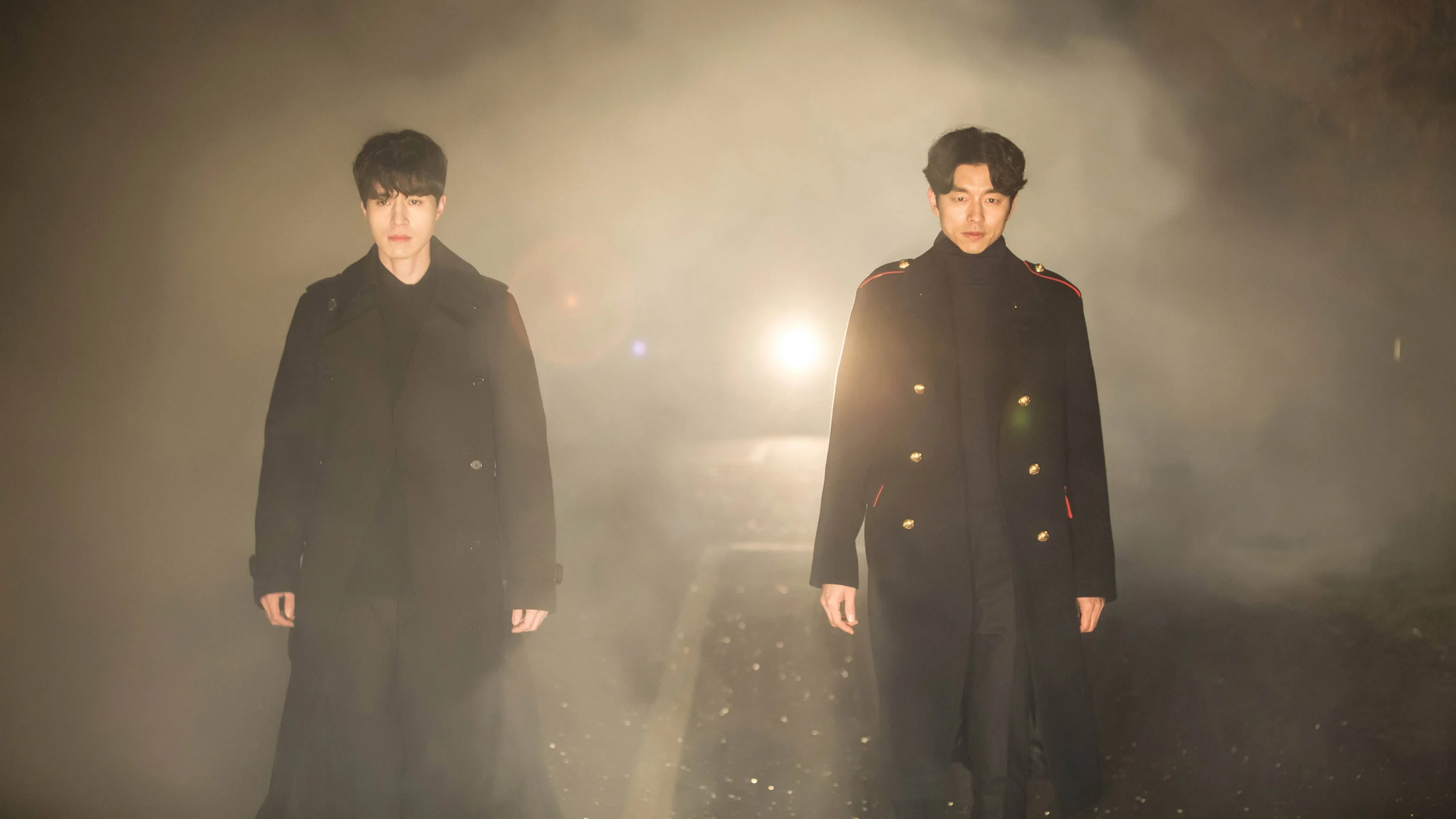
Guardian: The Lonely and Great God (2016) — Ending Explained

✍️ KDramaWorlds Editor’s Take

Our honest read on why this drama is worth your time — and who it’s for.

✨ Supernatural Romance
💔 Tragically Beautiful
🔮 Epic Mythology
⏳ Slow Burn Payoff
😭 Emotional Gut-Punch

Gong Yoo had spent his career as a reliable leading man — Coffee Prince, Silenced, Train to Busan — before Guardian gave him something harder: playing a man who is nine hundred years old without making that absurd. The solution he finds is almost entirely physical. Kim Shin moves as if carrying weight most people cannot see; not theatrical grief, but something more like density — a body that has been absorbing centuries of experience and has mostly stopped being surprised by anything. Gong Yoo is particularly precise in the scenes where Kim Shin lets his guard down by accident: a look held a half-second too long, a gesture of care immediately rephrased as something else. There is a scene in Episode 7 where he begins to explain his history to Ji Eun-tak for the first time, and the way he holds his body in that moment — careful, then gradually less careful — is some of his best screen work. It is the kind of performance that makes the fantasy premise feel not just believable but necessary. For viewers who want to understand what Korean fantasy romance looked like at its most ambitious in 2016, W: Two Worlds Apart, released the same year, is the natural companion watch.

Guardian: The Lonely and Great God (2016) — Editor's Pick

Lee Dong-wook as Wang Yeo is the performance that earns the most with the least. He plays a man without a past — which means playing a character whose blankness is the point — and manages to make that blankness specific. Wang Yeo’s stillness is not emptiness; it is control, the way certain people hold themselves when they sense they’re missing context that everyone else seems to have. As his past gradually surfaces, Lee Dong-wook doesn’t play the revelations: he plays the after-effects, the way memory settles into a person differently when it arrives as discovery rather than recollection. The Wang Yeo and Sunny pairing is this drama’s most structurally interesting element — two people whose present-day connection is haunted by a past-life dynamic neither can directly access. If you find that emotional architecture compelling, Mr. Plankton does something adjacent with memory and romantic loss that rewards the comparison.

The drama’s structural weakness lives in the middle — roughly Episodes 7 through 10 — where the mythology does a lot of carrying that the plot itself is not quite earning. The emotional weight is real, but the forward movement slows in ways that require genuine faith in where the drama is going. That faith is rewarded: the back half finds its footing, and the finale sequence is exceptional in ways the first few episodes only promise. Guardian asks you to meet it at the level of its ambition rather than its pacing. For viewers who can do that, the return is complete.

👍👍👍 BEST FOR 👍👍👍
🌙 Fantasy romance fans who want genuine emotional stakes
Gong Yoo fans wanting his most complete dramatic performance
💔 Anyone prepared to cry in the most cathartic way possible

⚖️ Final Verdict
What works
Gong Yoo’s physically and emotionally complete performance as an immortal carrying nine centuries of weight
Lee Dong-wook’s understated, precise work as a man reconstructing his own buried history
Two love stories braided together with care — each illuminating the other
A finale that earns its emotional resolution through sixteen episodes of accumulated honesty

What to know first
Middle episodes (7–10) rely on mythology to carry forward momentum — patience required
20 hours is a real commitment at 75 minutes per episode
Comedy elements feel tonally uneven against the drama’s most devastating sequences

9.0 / 10
One of Korean television’s defining fantasy romances — mythologically rich, emotionally precise, and built around two performances that justify the 939-year wait.

💬 Helpful? Share this guide →

KDW Editor Editorial Team, KDramaWorlds

This review was written and fact-checked by the KDW editorial team — a small group of K-drama viewers who watch every title before writing about it. No screeners, no synopsis-only takes.

588 Reviews Published
339 Actor Profiles
2026 Writing Since
More about the KDW Editorial Team

Share your reaction to this drama.

You can pick up to 3 reactions.

Before You Comment

Keep it kind, skip the harsh language, and please — no spoilers. Everyone's taste is different, and that's perfectly fine.

This space is for real reactions and discussion from other viewers. Help keep it comfortable for everyone by not giving away major plot details.