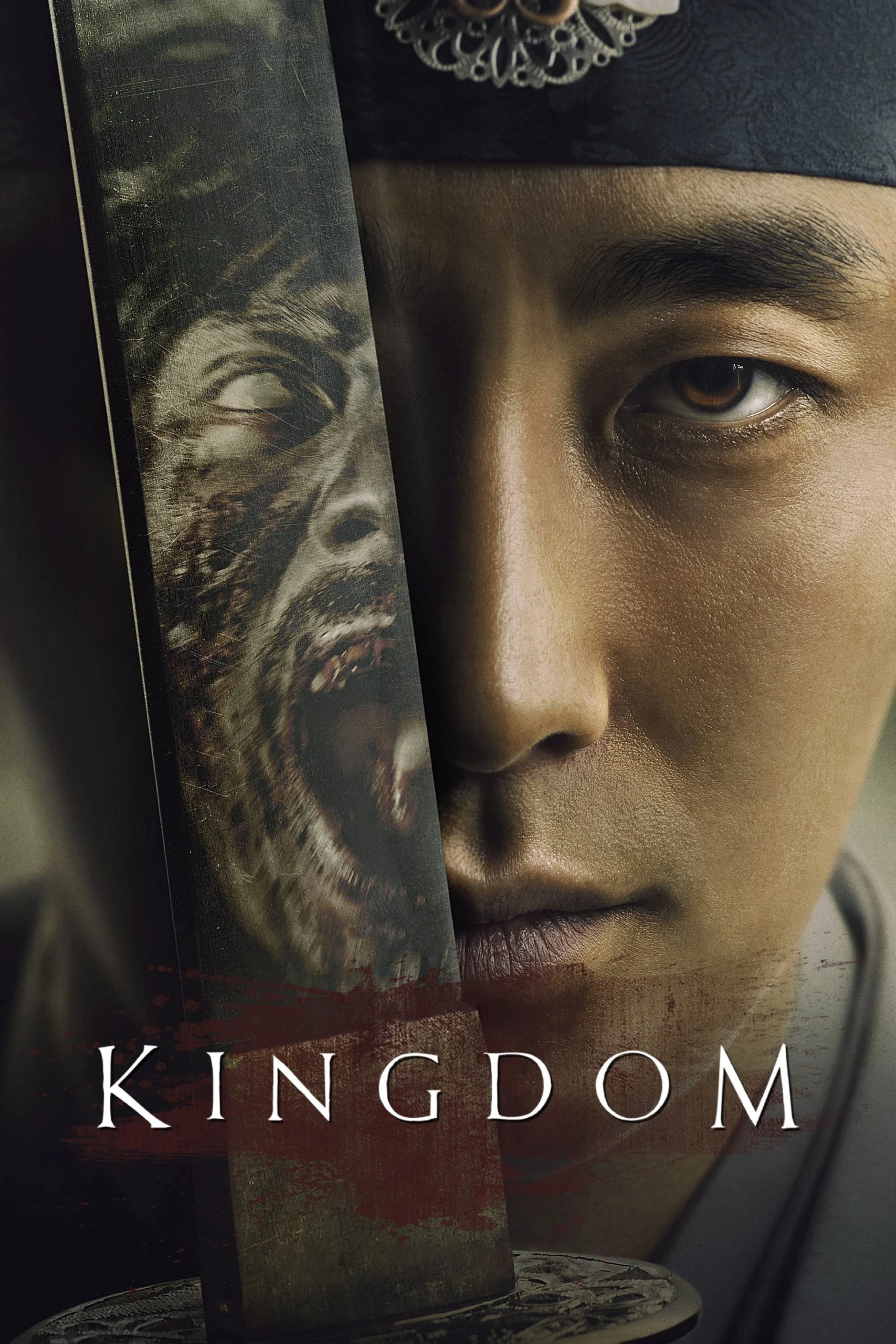
Kingdom Season 1
🎬 Netflix
⭐ 8.8 MDL
📺 TV-MA
📋 Drama Overview
Before you hit play, here’s the lay of the land.
🏯 Historical Horror Pick
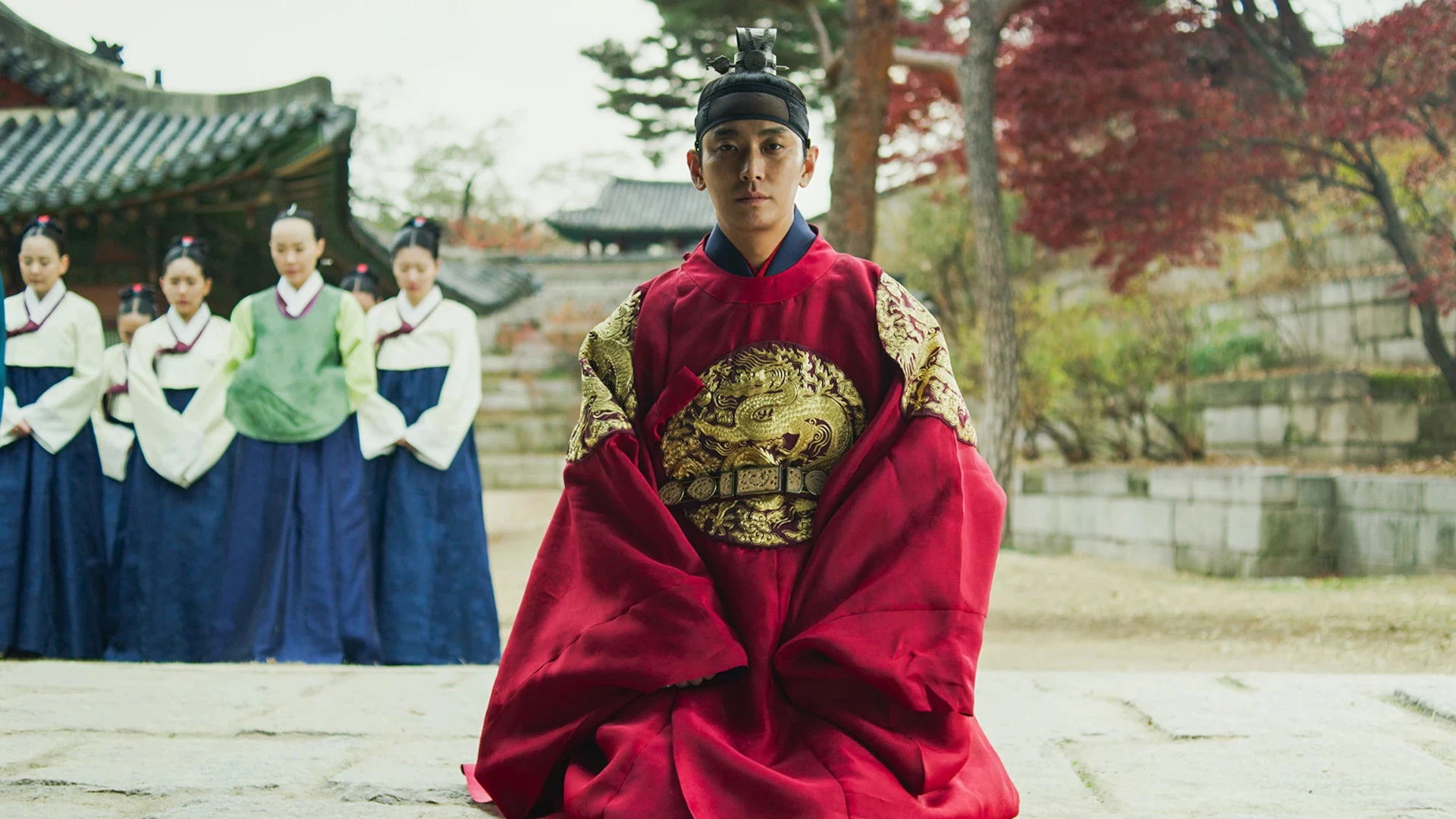
The first thing Kingdom establishes is silence. The king is behind more guards than a sick man needs, and Crown Prince Lee Chang is being dispatched south rather than allowed to ask why. Within the first ten minutes it’s clear that the Cho clan controls not just access to the king but the definition of what counts as information — which is a different and more total kind of power than the throne itself.
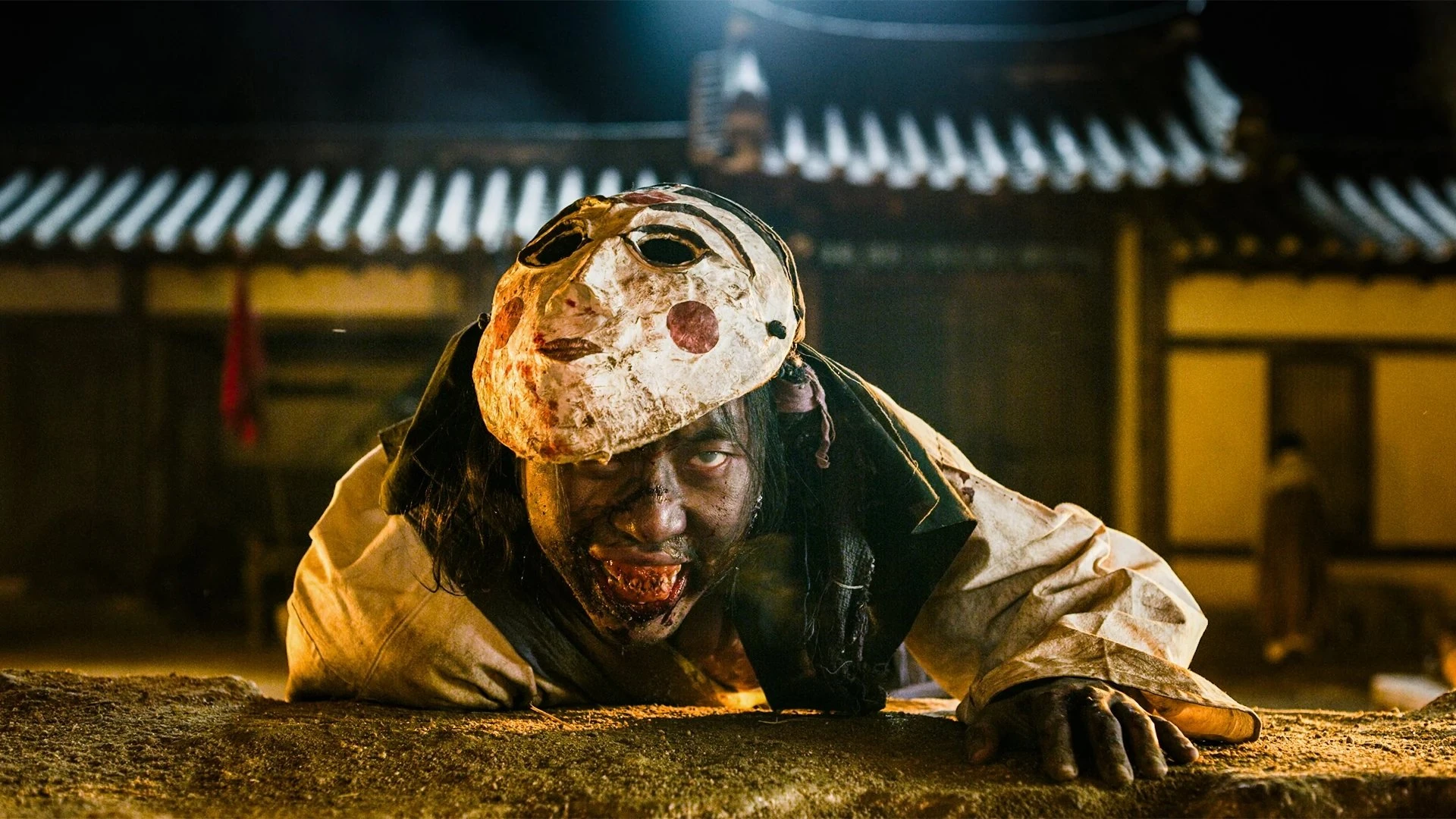
What makes the series structurally elegant is that both crises it tracks follow identical logic: the plague spreading through Joseon’s southern provinces and the political rot consuming the court both spread fastest when no one with authority admits they exist. Seo-bi can document them both with precision. The problem is that documentation without someone willing to act on it is just evidence — and Lee Chang’s arc across six deliberate, precise episodes is the process of becoming the lever that changes that equation.
6 / 6 ✅ Completed
⚡ Quick Verdict
The short version — everything that matters, boxed up.
MDL Score · Check MyDramaList for updated community rating
▶ Official Trailer
🎭 Cast & Characters
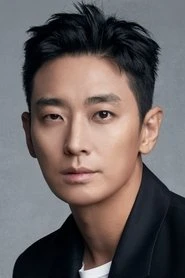
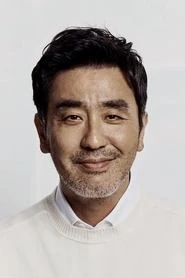
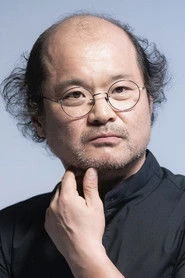
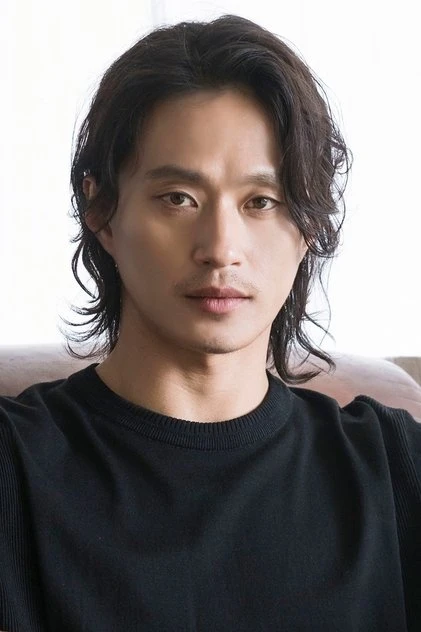
The six confirmed leads who carry Kingdom Season 1 from palace conspiracy to plague front line.
Lead
Villain

Lead
Supporting
Supporting

Supporting
📺 Episode Guide
A light recap per episode — nothing more than a nudge.

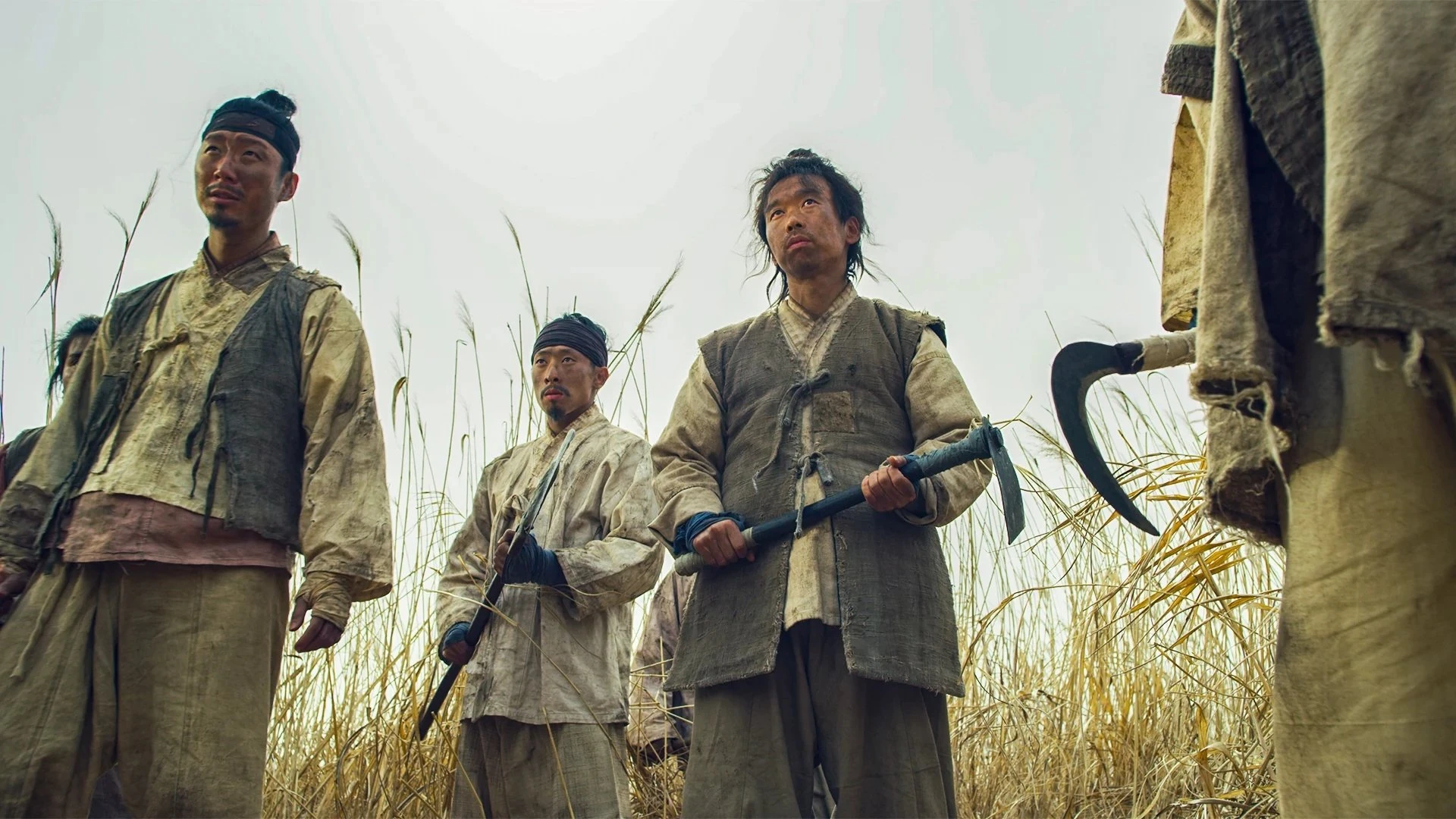
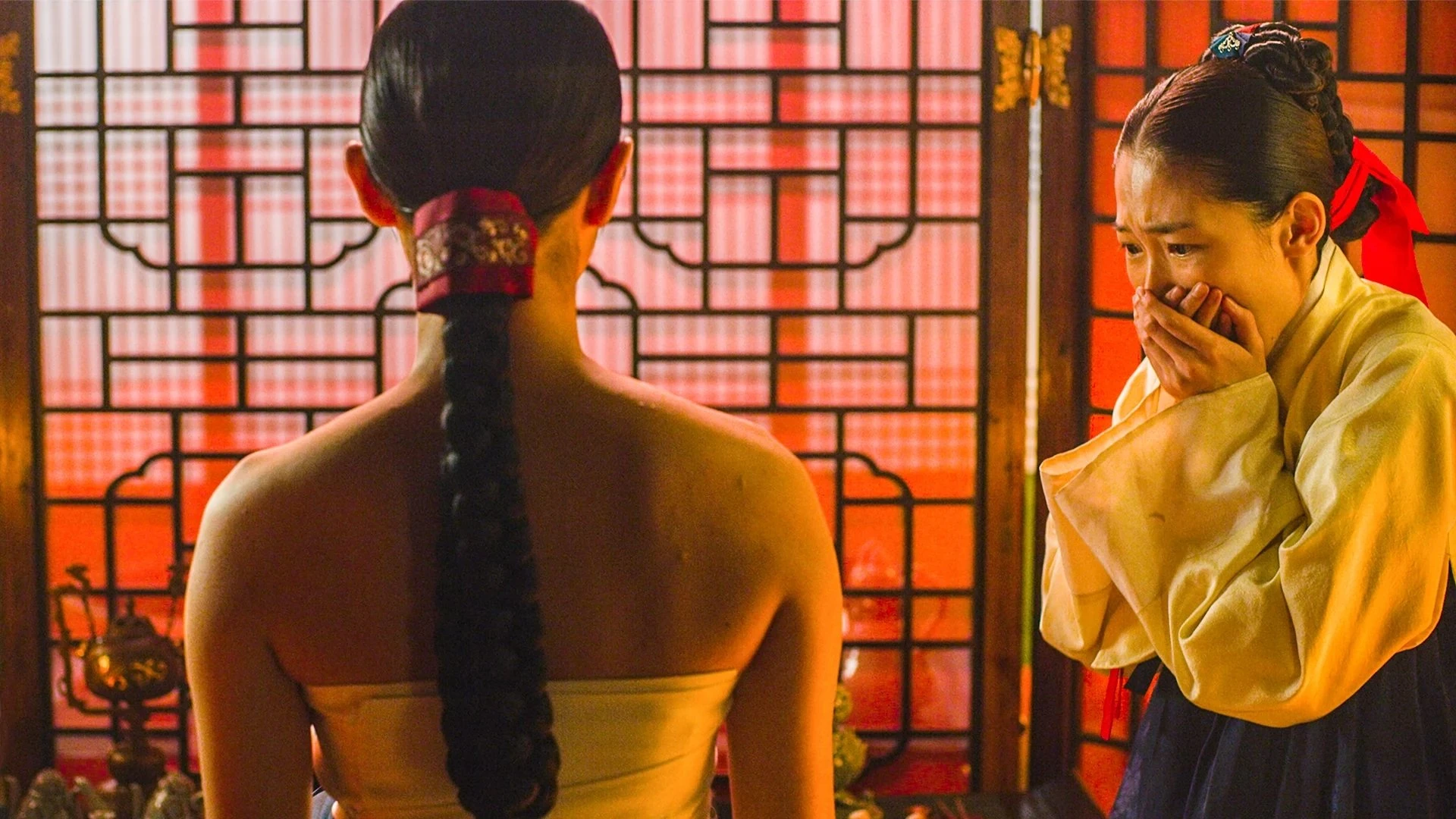
🏁 Ending Explained
Spoiler territory from here — the finale, fully unpacked.
Spoiler Warning — This section covers the full finale of Kingdom Season 1. Stop here if you haven’t finished the series.
What Actually Happens in the Final Battle. The battle for Hanyang is organized around Seo-bi’s discovery from Episode 3: the infected go dormant in heat. Fire becomes both weapon and border simultaneously, and the defense works — not cleanly, not without cost, but it holds. Lee Chang leads it not as a claimant to the throne securing his inheritance but as someone who has spent five episodes earning the right to make decisions that cost other people their lives. That distinction matters to the drama, and the finale is precise about it.
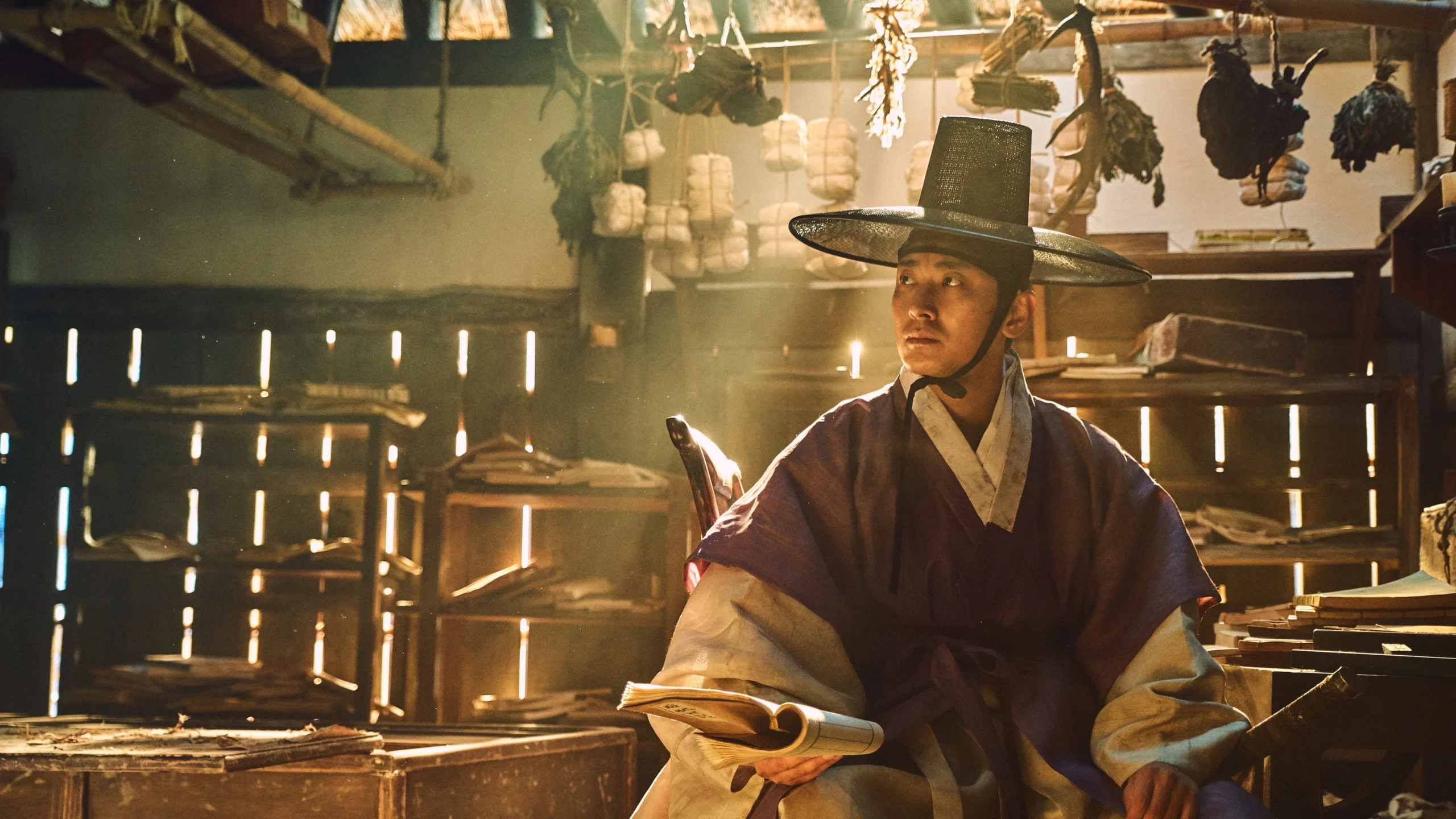
What Lee Chang Actually Chooses. The moment that defines the season’s argument is Lee Chang’s decision to open the palace to commoners rather than hold its walls for court survival. He does this knowing it removes whatever claim to political legitimacy the throne might have offered him later. The series has been careful about this trajectory: he started Episode 1 trying to prove his innocence to a system, and he ends Episode 6 having stopped caring about that system’s verdict. That’s not a loss. It’s the only kind of transformation that makes him worth following into Season 2.
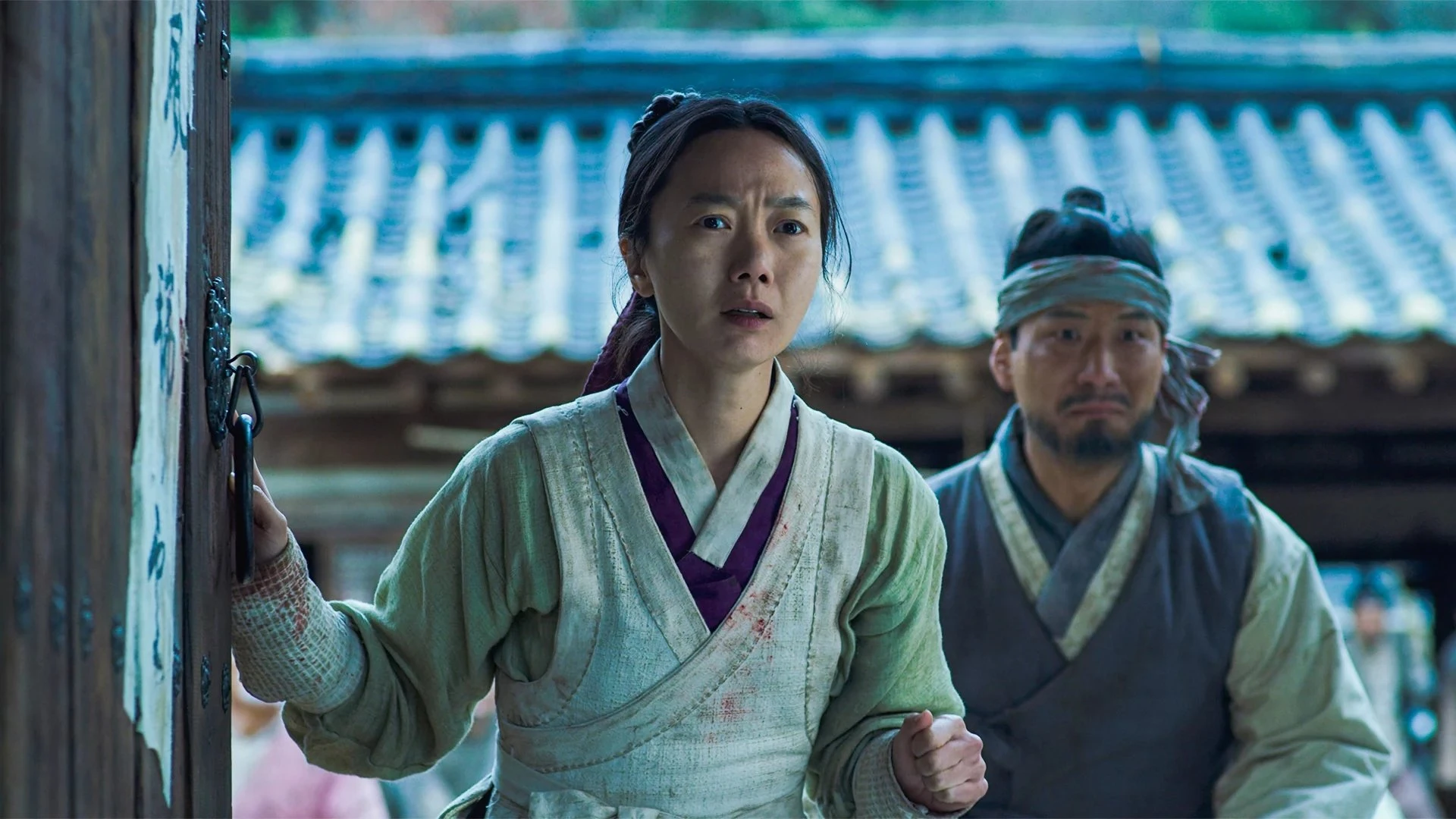
What Seo-bi Establishes. She doesn’t just solve the plague’s mechanism — she establishes it as documented scientific fact in a world that defaults to spiritual explanation when things go wrong. Her arc is the most methodically constructed in the season: every time the horror escalates, she responds with observation rather than panic, and the finale gives her that work back as the key to the defense. By the end she has the data and the proof. The question is what survives long enough to use it.
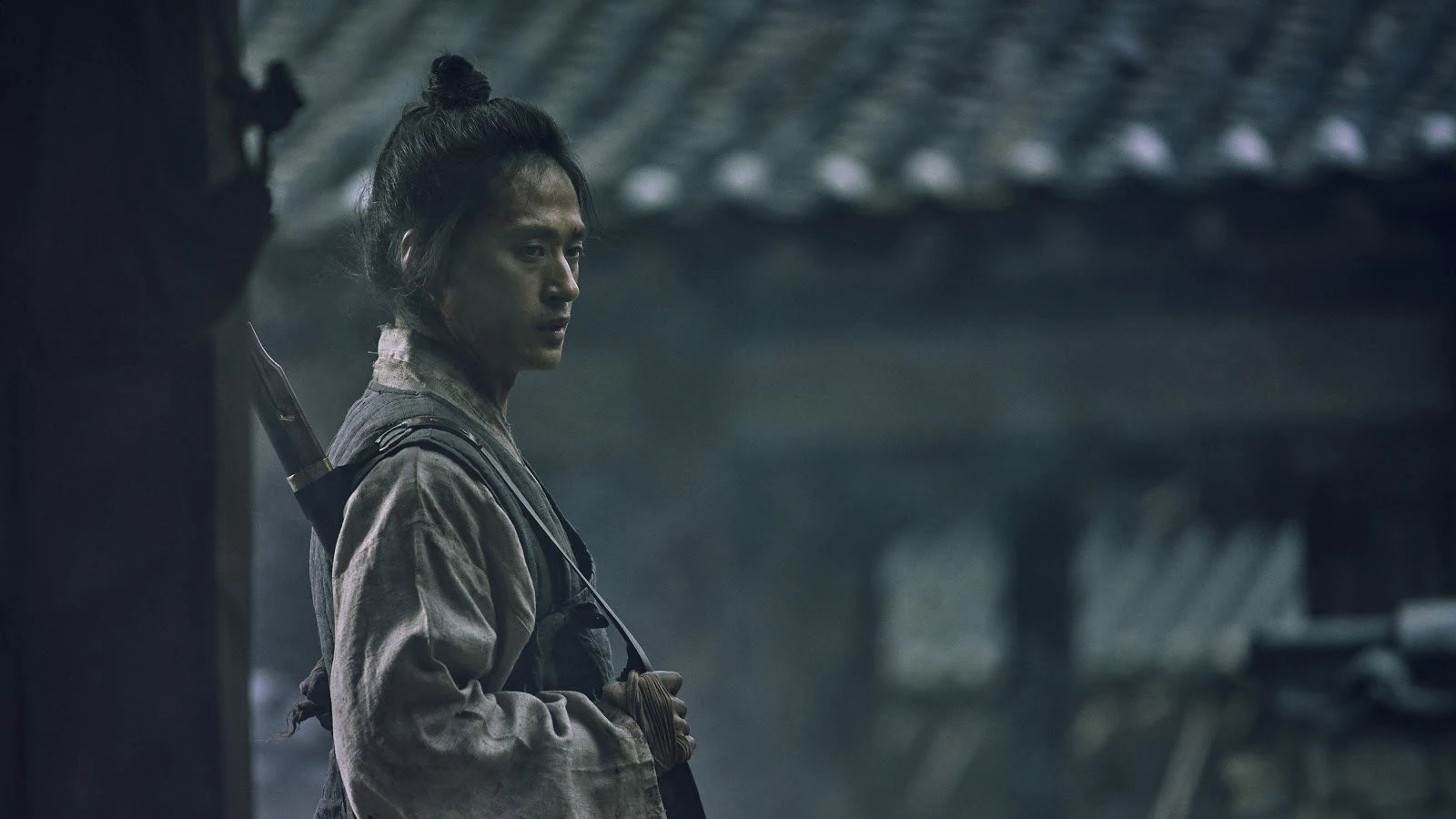
Is Moo-yeong’s Death Earned? Yes — because the show has been precise about what his loyalty actually was. It was never obedience. He followed Lee Chang into exile and catastrophe not out of duty but out of something more personal, and the drama has maintained that distinction carefully enough that his death registers as genuine loss rather than plot device. He doesn’t sacrifice himself for the throne. He does it for the person who happened to be wearing it.
What the Queen’s Scheme Leaves Behind. Kim Hye-jun’s Queen Cho is the season’s most structurally interesting character: she operates entirely within the rules of a system designed to exclude her, and she ends the season more powerful than she started. The king dies. The infant she presents as heir becomes her instrument. What the finale deliberately refuses to resolve is whether any of the alliances Lee Chang has built can dismantle a scheme that operates through legitimacy rather than force — which is the harder problem, and the one Season 2 inherits.
✍️ KDramaWorlds Editor’s Take
Worth the watch? Our honest answer, and who it’s aimed at.
🧟 Survival Stakes
🏯 Court Intrigue
🔬 Procedural Mystery
💀 High Cost of Power
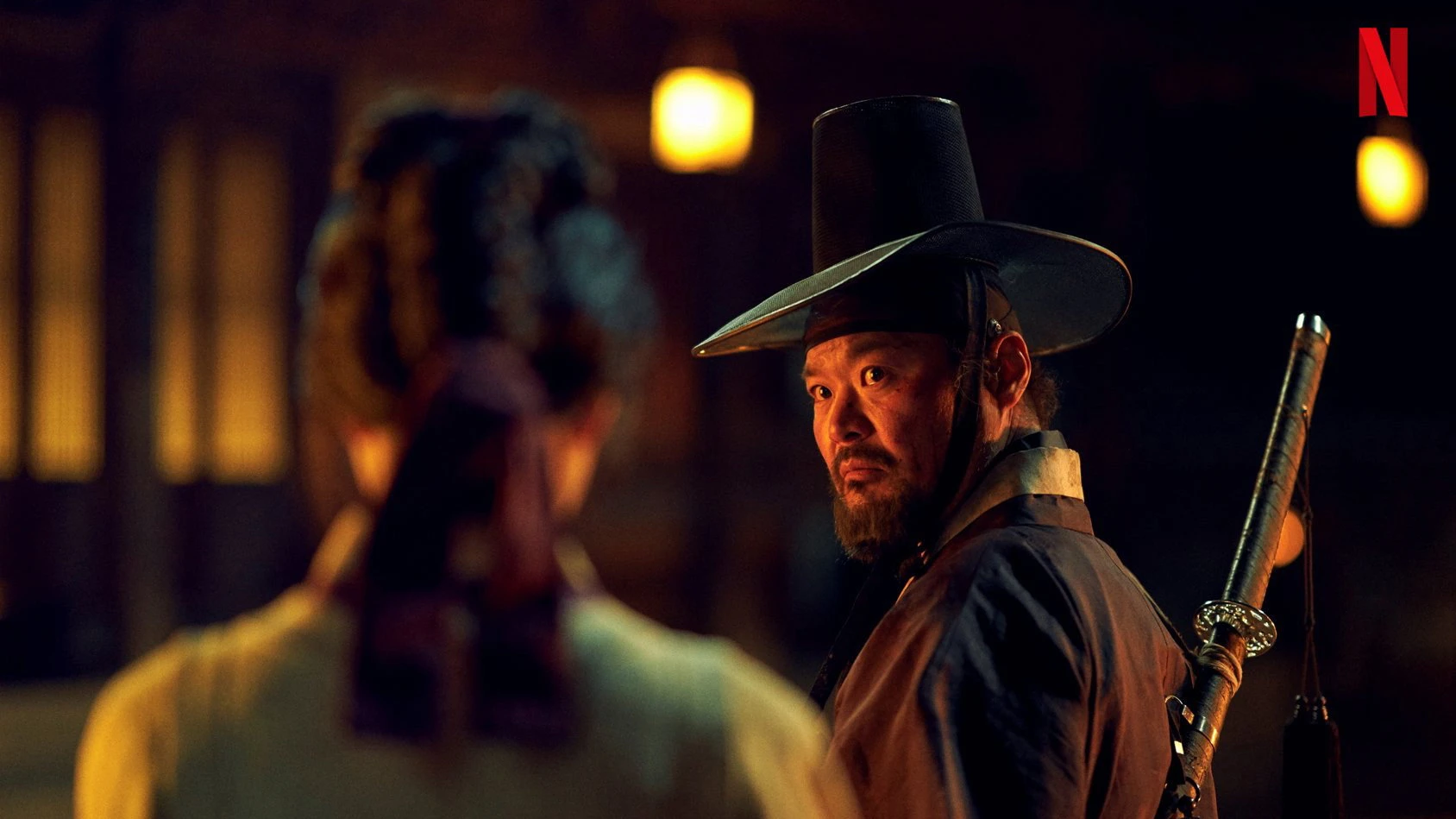
Ju Ji-hoon had done prestige work before Kingdom — but he had spent years playing men who carry authority they haven’t quite earned, and Kim Eun-hee’s writing exploits that history precisely. Crown Prince Chang spends most of Season 1 in the physical posture of someone calculating how quickly he can be removed from every room he enters. It’s subtler than the role’s action-forward sections suggest, and it’s what keeps the series from being merely spectacular — you believe the powerlessness first, which makes the incremental accumulation of actual authority feel like something the character is building rather than inheriting. That gap between title and capacity is where the whole season lives.
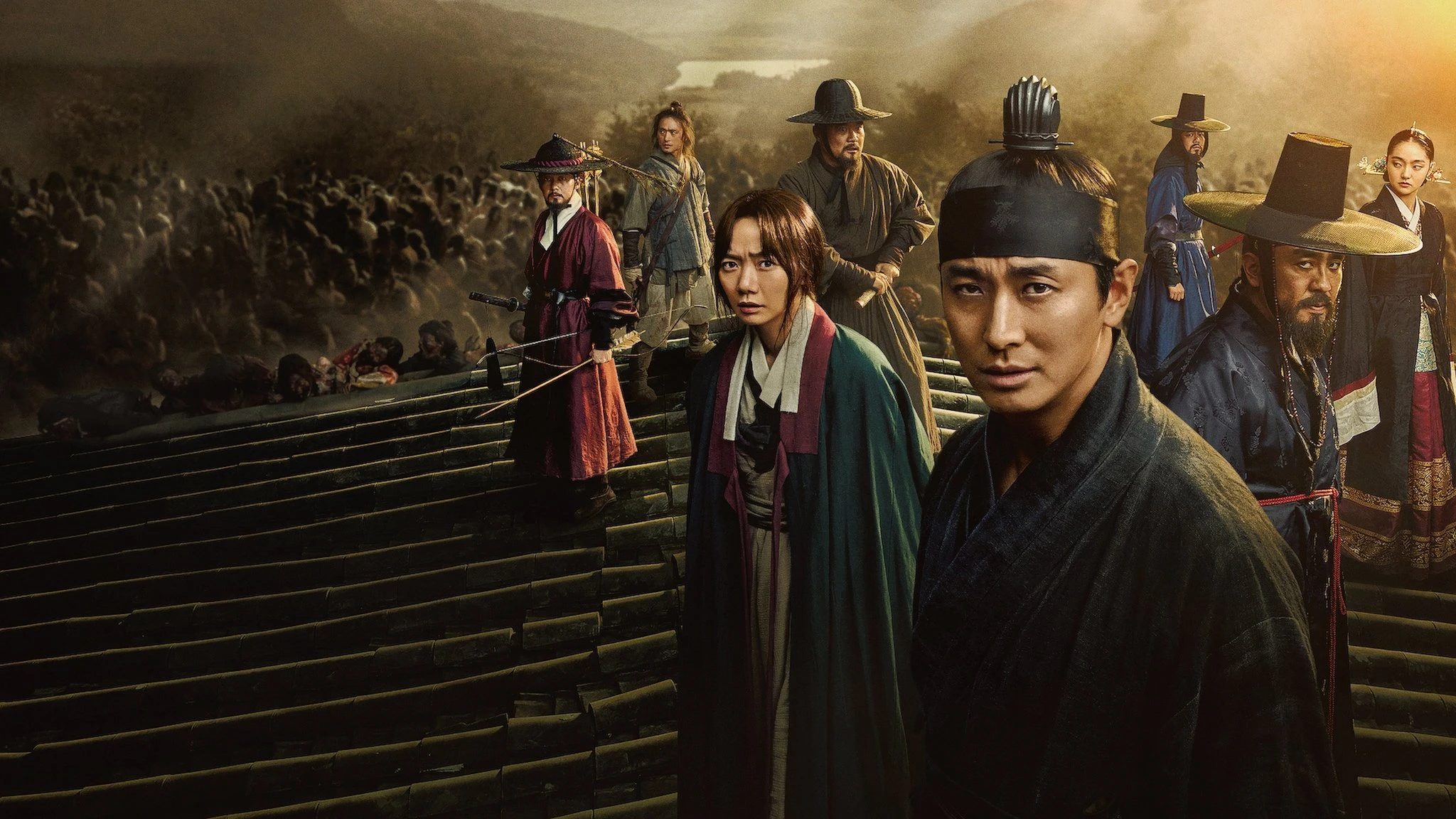
Bae Doona’s Seo-bi is the kind of supporting performance that reveals how well a drama is actually constructed. Every scene she’s in operates on two registers simultaneously: the immediate crisis and the underlying problem of being someone who knows something true in a world where no one with authority wants it documented. The way she handles the research sequences — focused calm that reads as professional detachment until you register how much she’s betting on her own conclusions being correct — is quietly the performance the show depends on most. Without it, the procedural logic that holds the survival story together has no emotional weight. For comparable tension between individual knowledge and institutional denial, All of Us Are Dead (2022) runs the same dynamic in a contemporary school setting, though Kingdom’s political layer gives the stakes a different texture.
The honest structural weakness of Season 1 is that it ends mid-story. Six episodes, deliberately paced, that feel exactly like what they are: the first half of a two-season arc that was always designed as a unit. This isn’t a flaw in execution — it’s a design choice, and Season 2 delivers the resolution — but if you need each installment to function as complete on its own terms, this will frustrate. What it gets unambiguously right is using the Joseon period not as atmosphere but as argument: a society where information is controlled by whoever controls access to the king is uniquely vulnerable to exactly the kind of catastrophe the plague represents. Korean horror has no more formally intelligent entry point than this. Train to Busan (2016) remains the genre’s most emotionally devastating single statement; Kingdom is the one that makes it a political argument.
Zombie genre completionists who want political depth
Netflix K-drama viewers who skipped this original
Kingdom Season 1 sets up one of Netflix’s most formally ambitious Korean dramas — a Joseon plague story where the political rot and the literal rot are doing exactly the same job.
🎬 You Might Also Like
If you liked Kingdom Season 1, these are your next three watches.
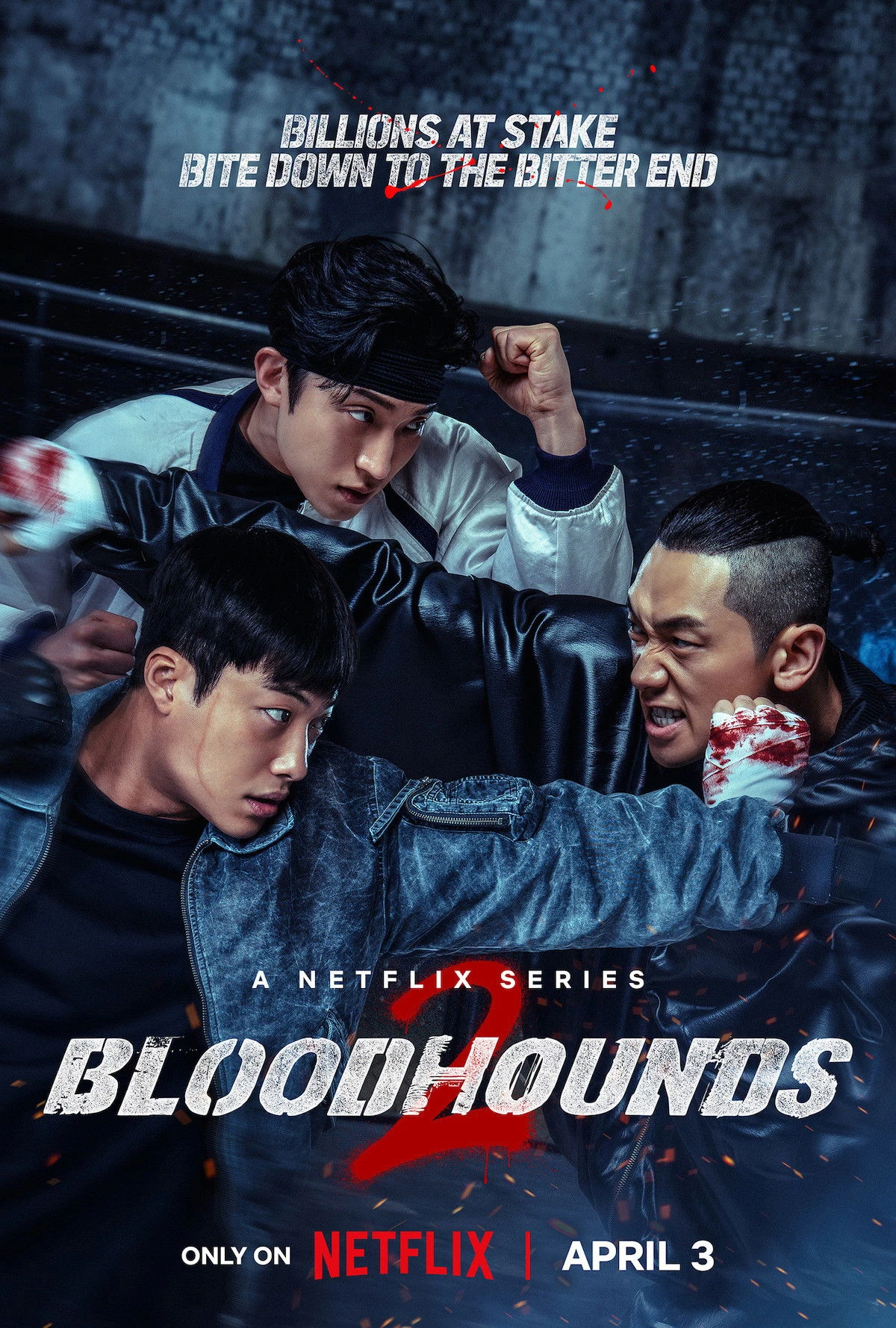 Bloodhounds (Season 2)
Bloodhounds Season 2Bromance
Read Full Review →
|
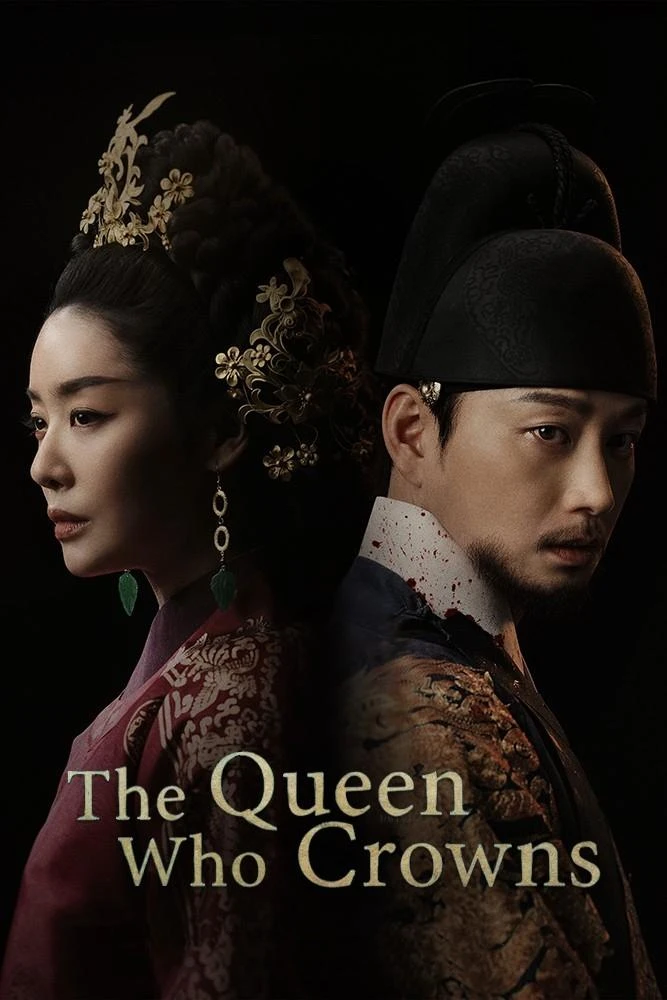 The Queen Who Crowns
BetrayalCha Joo-young
Read Full Review →
|
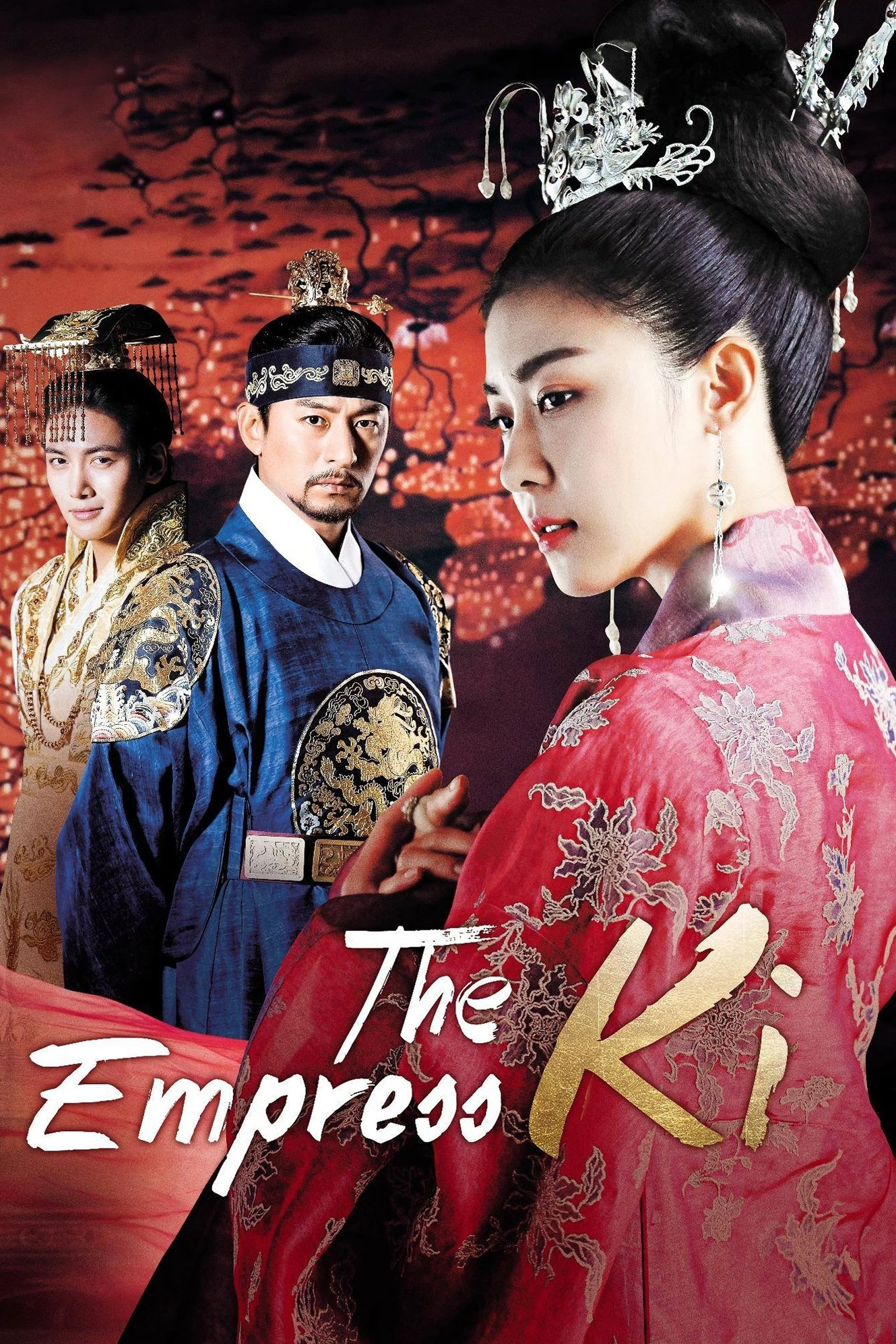 Empress Ki
cross-dressingGoryeo Dynasty
Read Full Review →
|


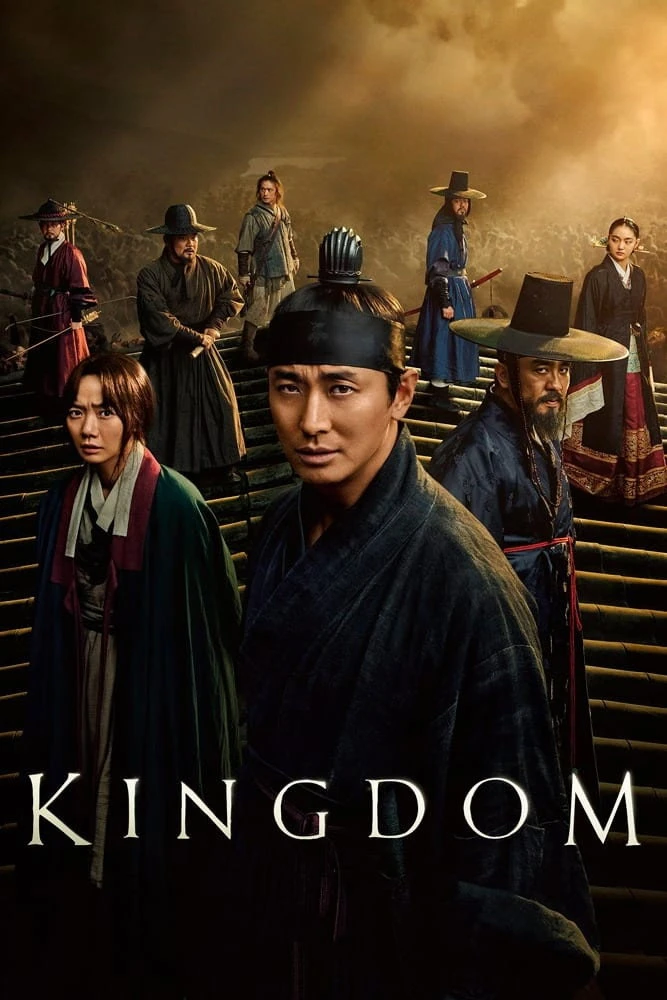



Keep it kind, skip the harsh language, and please — no spoilers. Everyone's taste is different, and that's perfectly fine.
This space is for real reactions and discussion from other viewers. Help keep it comfortable for everyone by not giving away major plot details.
What do you think of this drama?
Login to share your review or leave a comment.
No email needed — just pick a username & password.