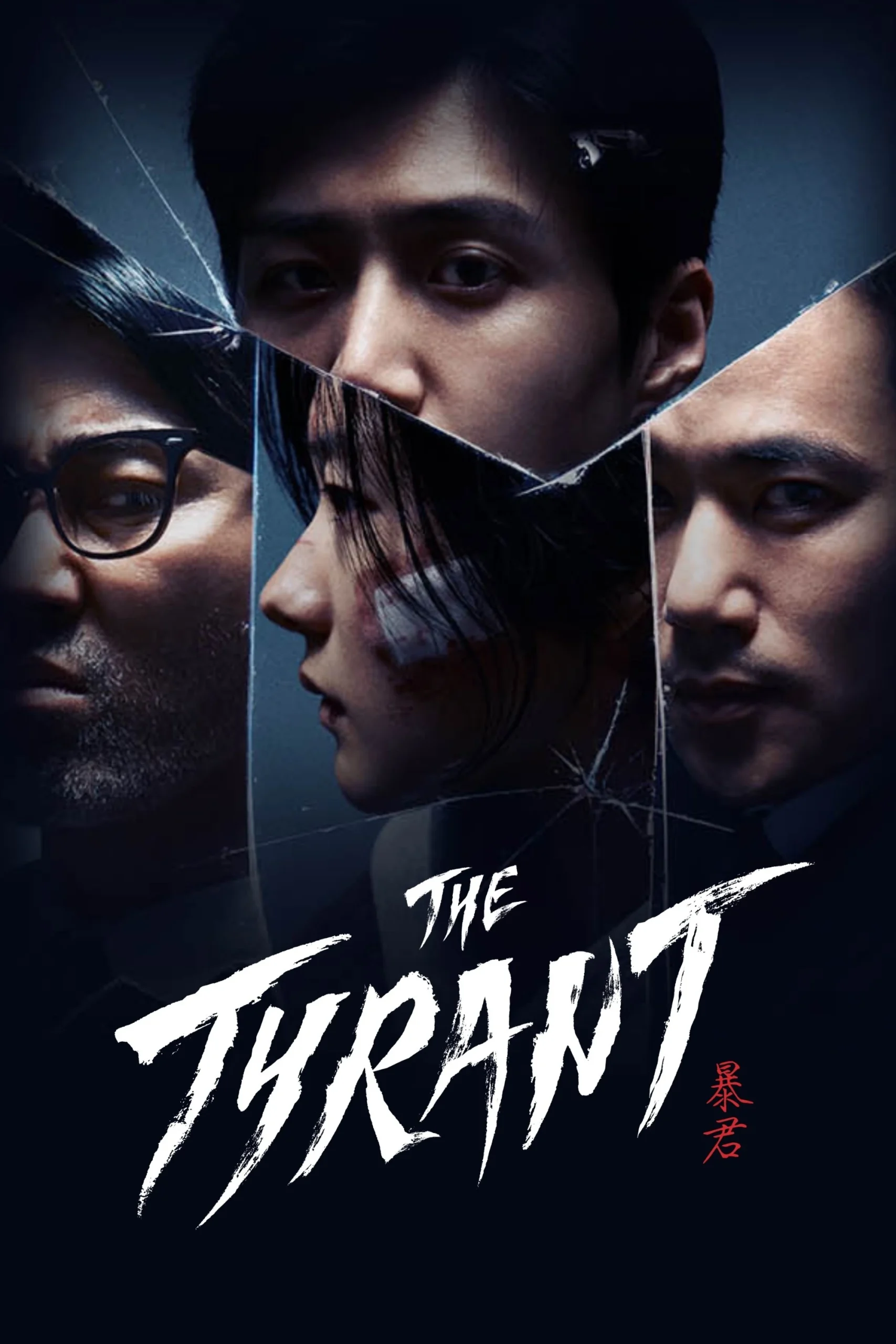
The Tyrant
🎬 Disney+ · Hulu · Viki · Viu
⭐ 7.6 MDL
📺 Not Rated
📋 Drama Overview
What you’re getting into, at a glance.
🔥 Action Thriller Pick
Hulu
Viki
Viu
The Tyrant opens with the wrong kind of scientific breakthrough — a biological sample that was never supposed to leave the lab, now unaccounted for after an NIS raid that was supposed to end the program cleanly. From that point forward, every character in the series exists in relation to it: who knows about it, who wants it, and what they’re willing to do to anyone standing between them and what it represents.
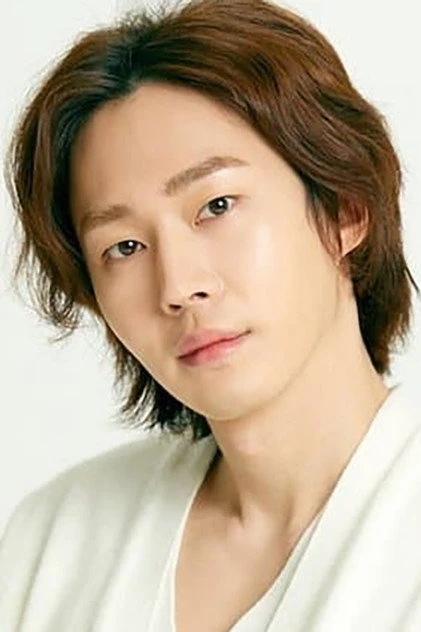
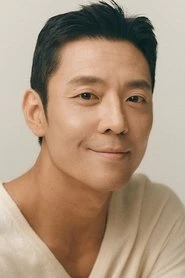
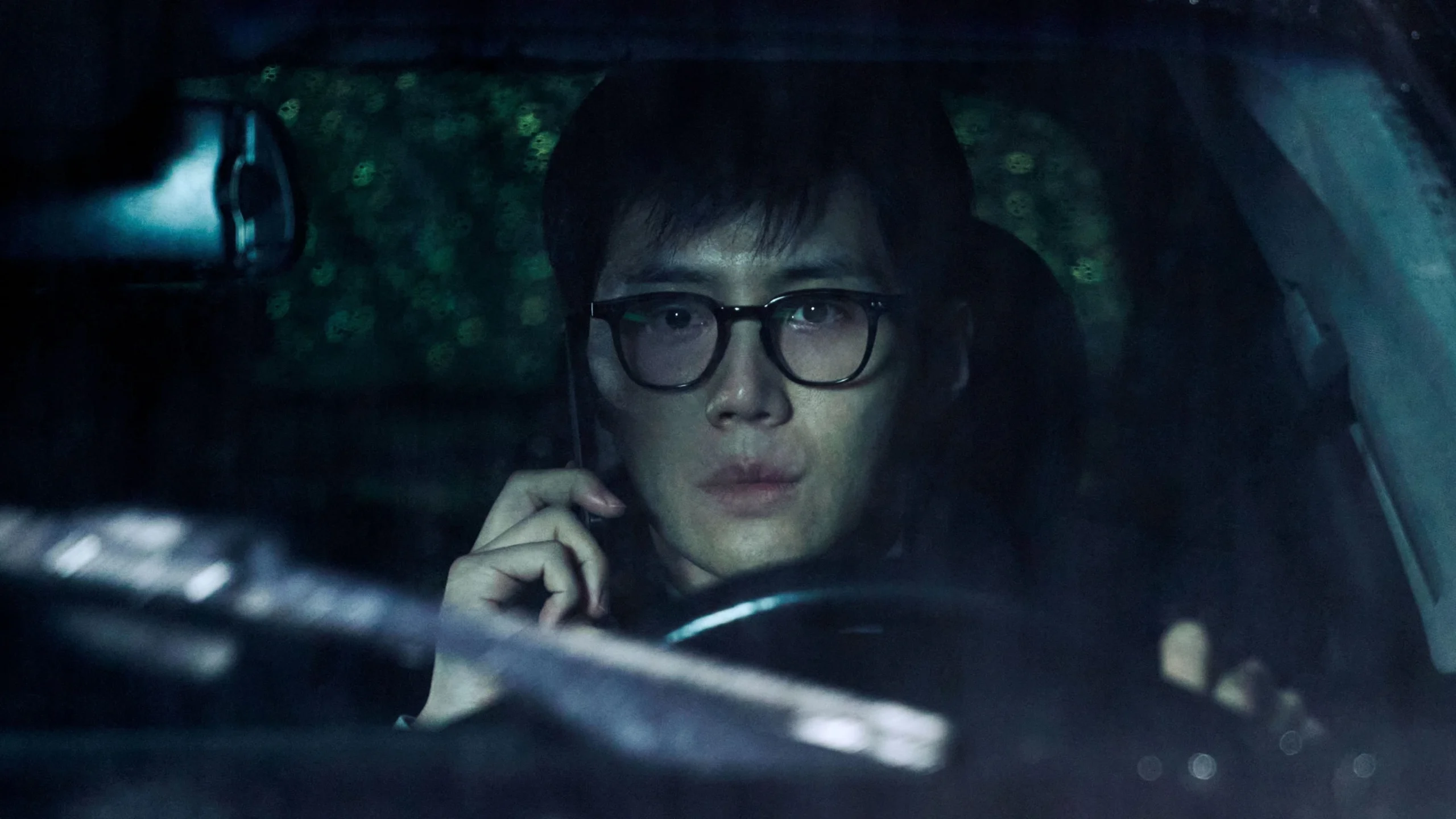
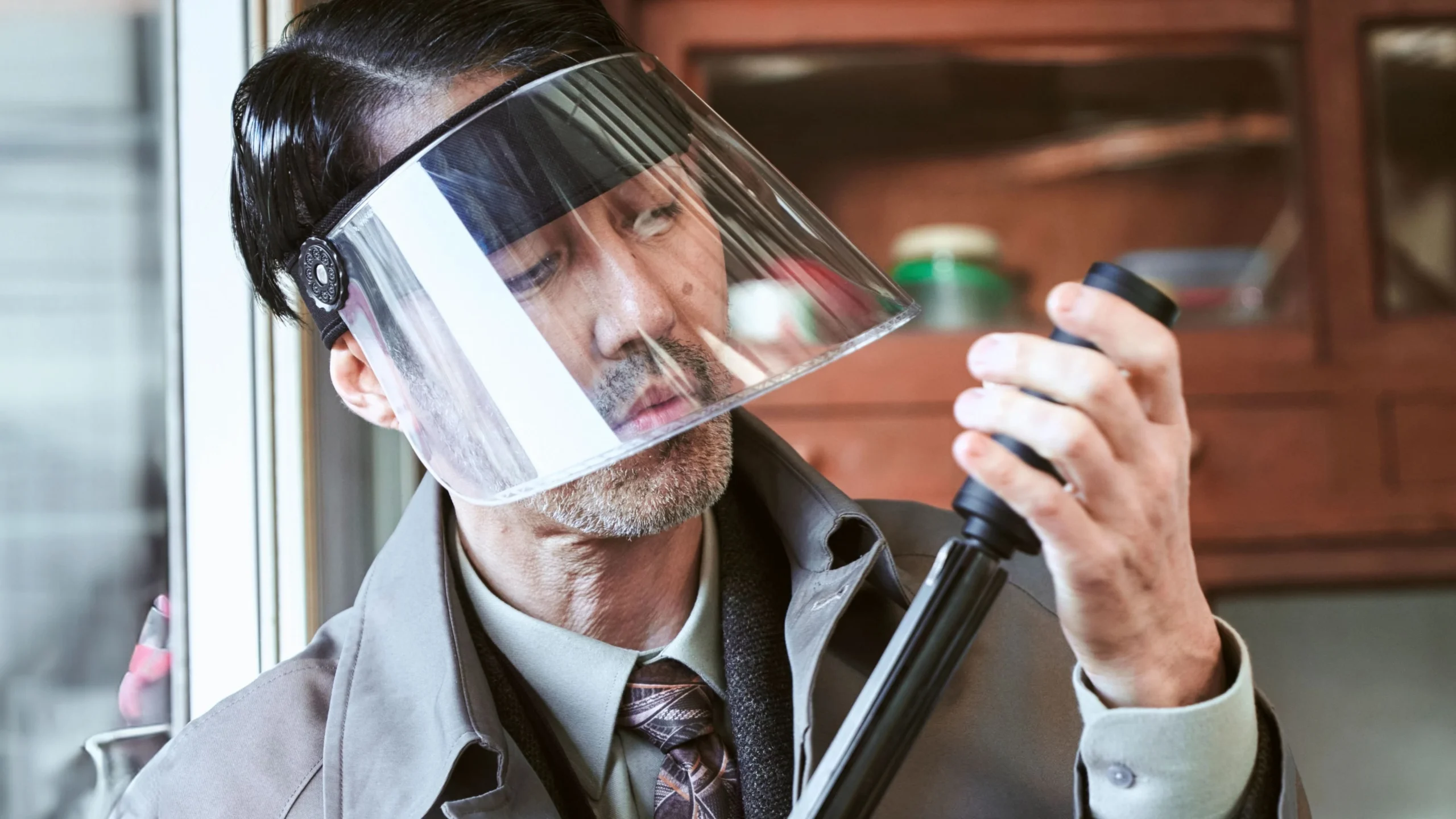
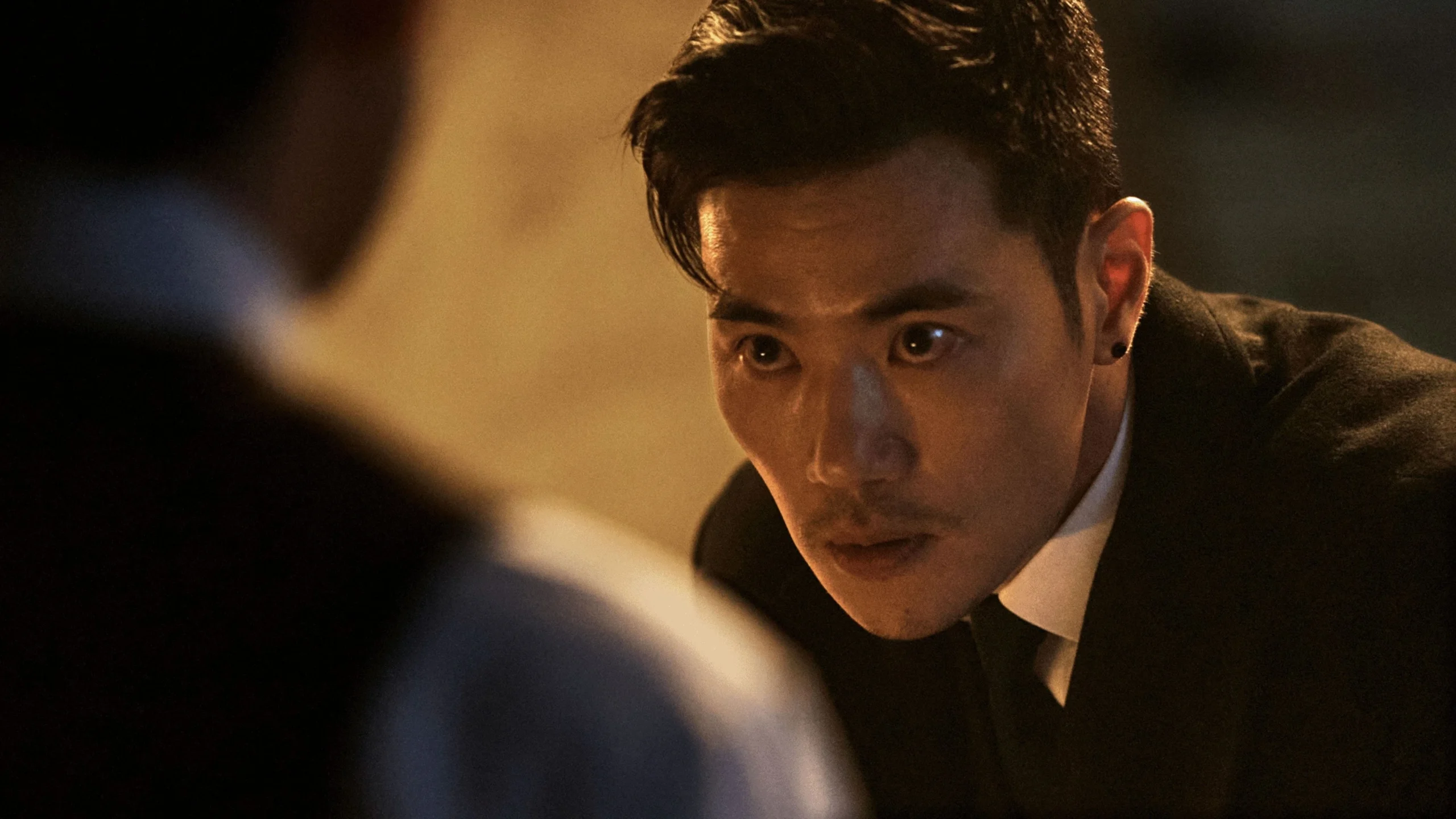
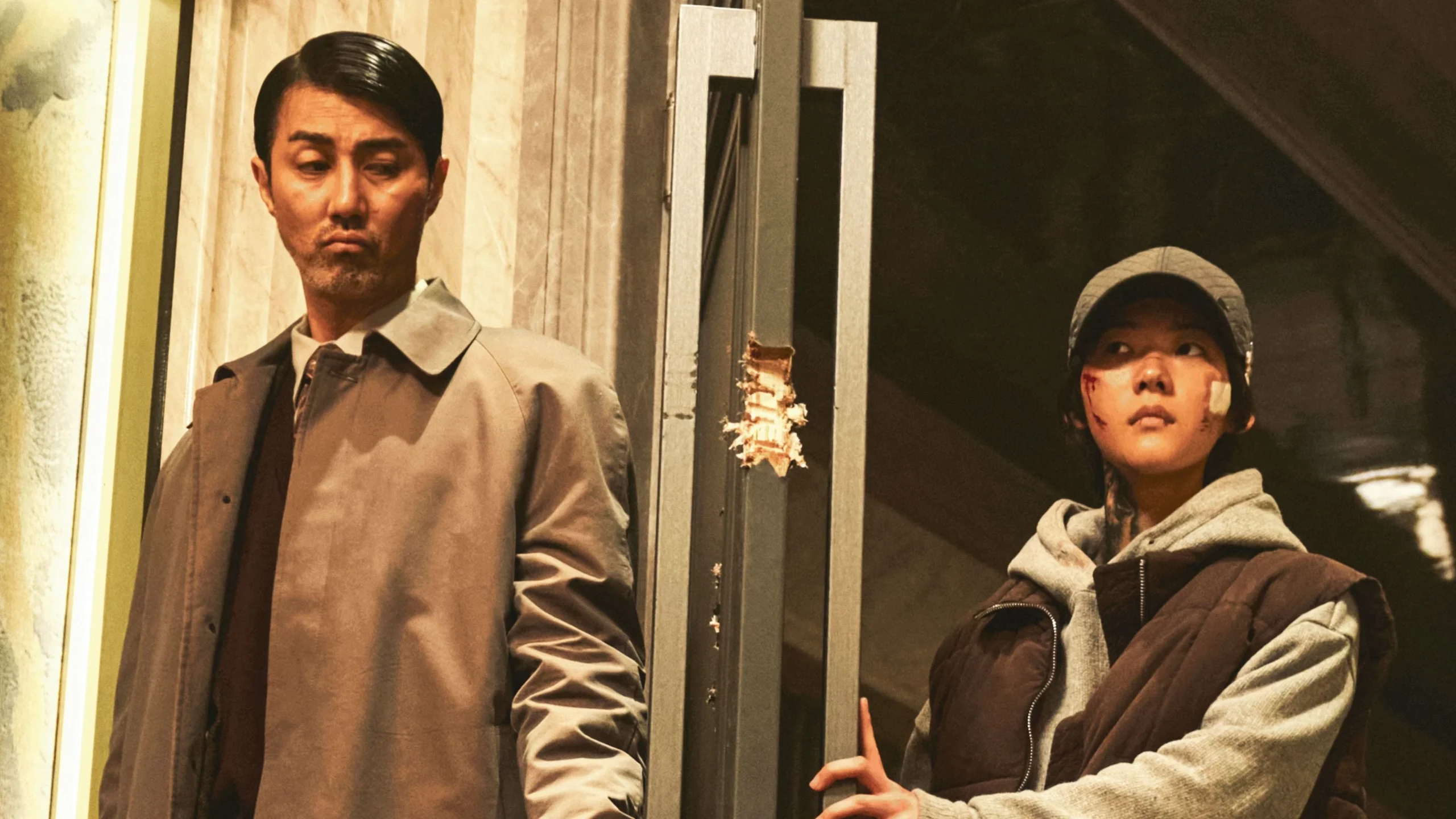
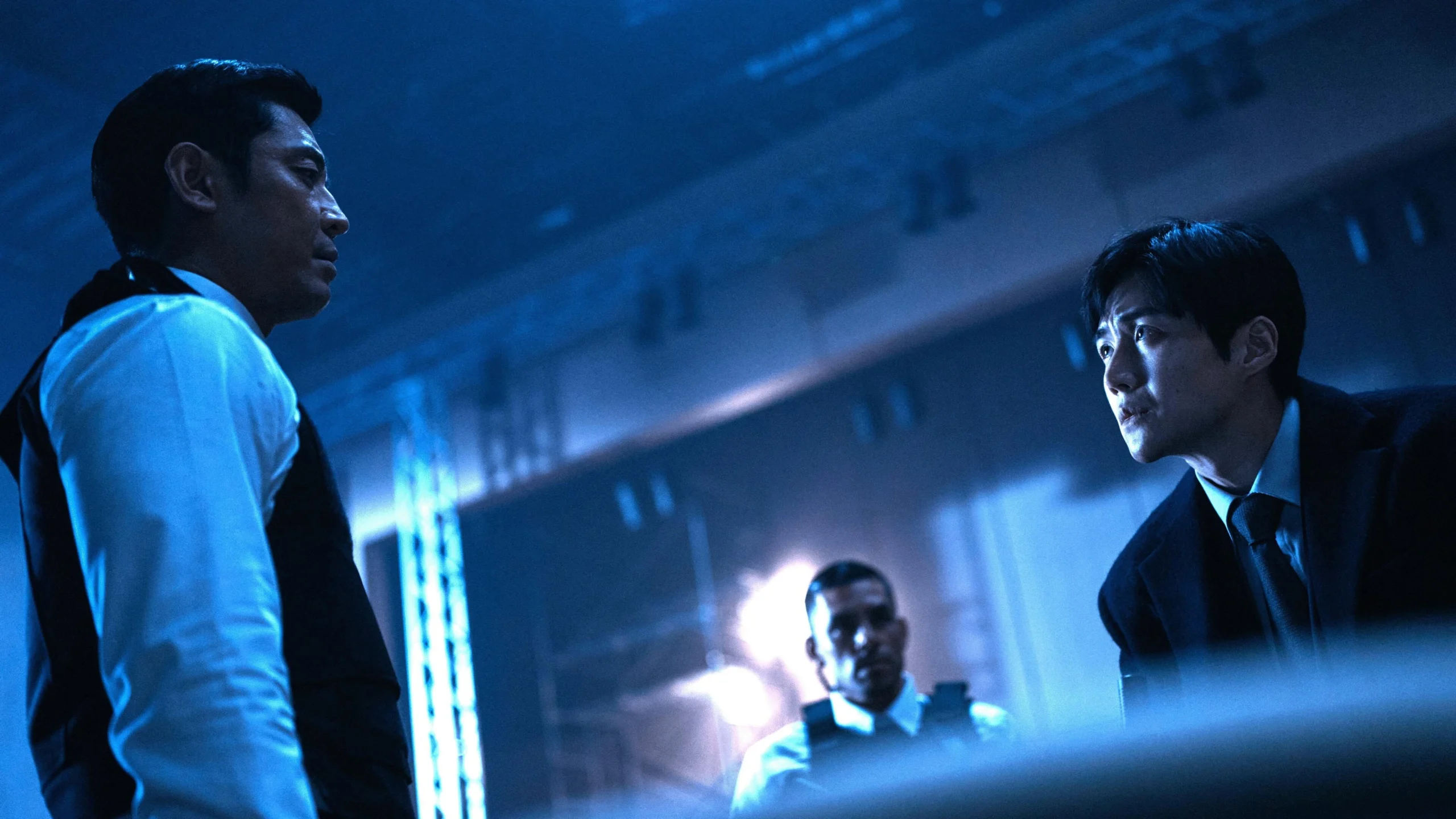
Park Hoon-jung — the writer-director behind I Saw the Devil — doesn’t organize the story around heroes or rescues. He organizes it around competence: the cold mercenary efficiency of Im Sang (Cha Seung-won), the institutional calculation of Director Choe (Kim Seon-ho), and the survival knowledge of Chae Ja-gyeong (Jo Yoon-soo), who carries more than tactical training into every scene she enters. The collision between them isn’t moral; it’s architectural. Everyone in the room has already made their decision. The question is who executes first.
4 / 4 ✅ Completed
⚡ Quick Verdict
Here’s the verdict — no scrolling, no guesswork.
MDL Score · Check MyDramaList for updated community rating
▶ Official Trailer
🎭 Cast & Characters
Three actors playing three different kinds of power — and one of them doesn’t know yet that she’s the most dangerous person in the room.
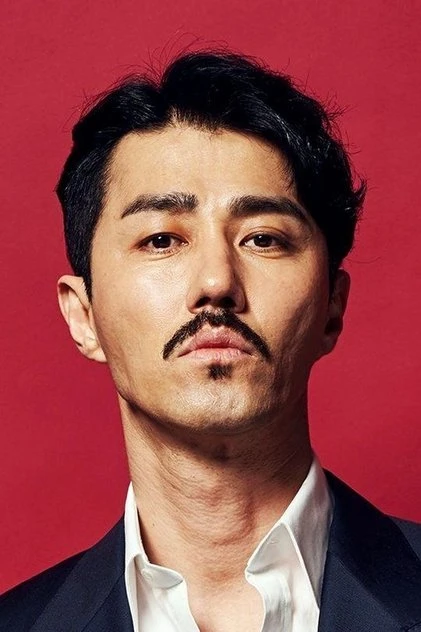
Villain
Lead
Supporting

Supporting
Supporting
Supporting
📺 Episode Guide
Episode-by-episode, kept spoiler-light on purpose.
🏁 Ending Explained
Full spoilers — what happened, and why it hits the way it does.
Spoiler Warning — This section covers the full finale of The Tyrant. Stop here if you haven’t finished the series.
What Actually Happens in the Finale. Im Sang completes his purge. The surviving people connected to the Tyrant Program are systematically eliminated, the sample’s fate is resolved, and Director Choe makes a final decision about what to suppress and what to let stand. Chae Ja-gyeong survives — but the route to that survival involves a confirmation she’s been moving around for the whole series: she wasn’t assigned to protect the sample because of her training. She was assigned because she’s part of the program.
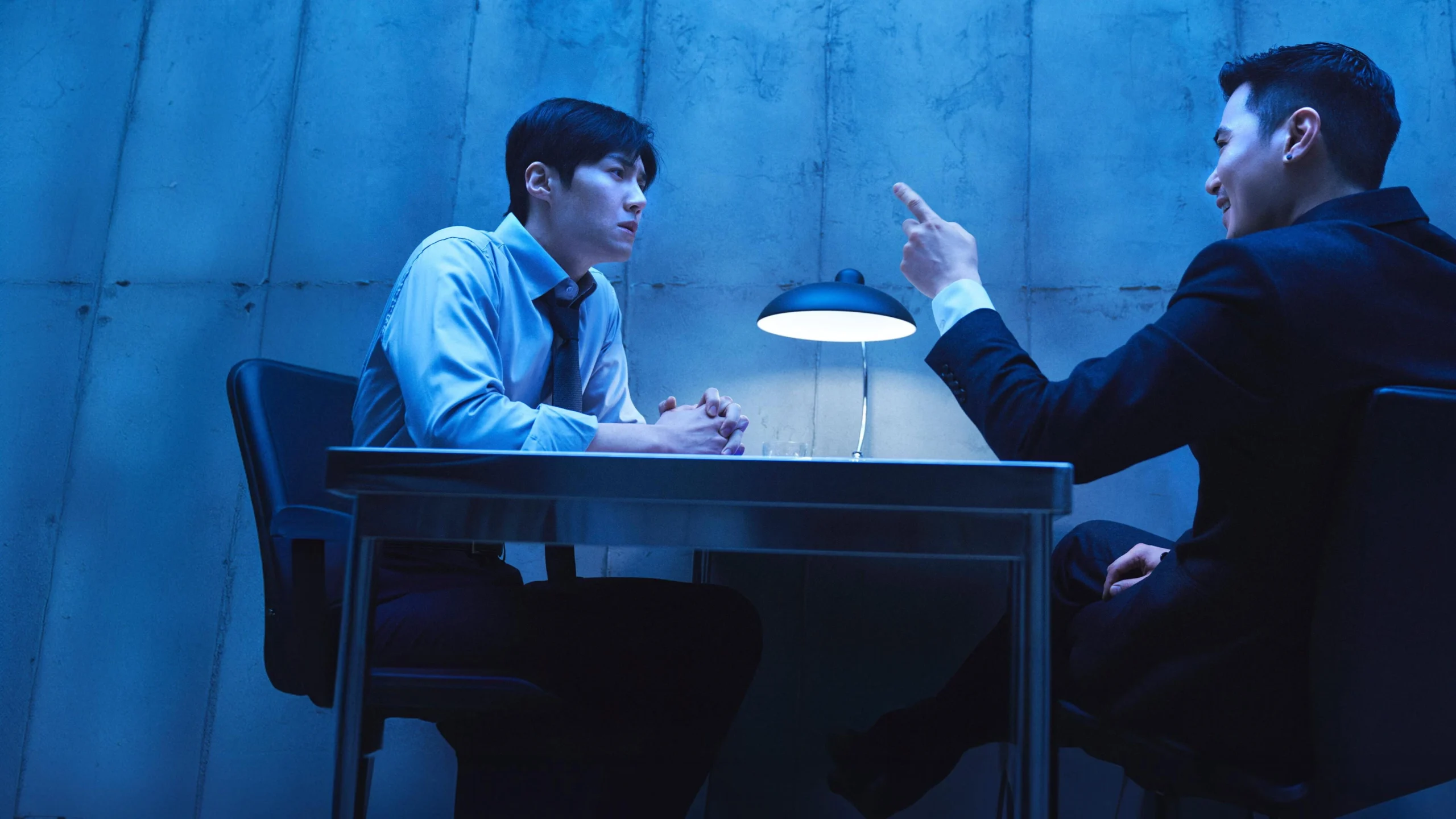
Does Im Sang Pay for Any of It? Im Sang completes his mission without moral reckoning in any conventional genre sense. He isn’t stopped, doesn’t confess, and faces no external accountability for the people he eliminated. What he does face is Chae Ja-gyeong in the final confrontation — a target who, unlike the others, doesn’t die easily and doesn’t process the encounter as a negotiation. Whether that changes anything for him is left open. Cha Seung-won plays it as a man for whom the question is already irrelevant: Sang stopped tracking the difference between “right” and “done” long before the series began.
What Director Choe Decides. Director Choe chooses containment over exposure — a decision he executes with the same bureaucratic calm he’s maintained throughout. Kim Seon-ho plays the final scene without visible internal conflict, which is the most honest choice available: Choe made this calculation before the series started. What he’s protecting in the finale isn’t strictly the sample — it’s the institutional logic that created the Tyrant Program, the conviction that certain operations can exist outside any accountability framework that would survive public scrutiny.
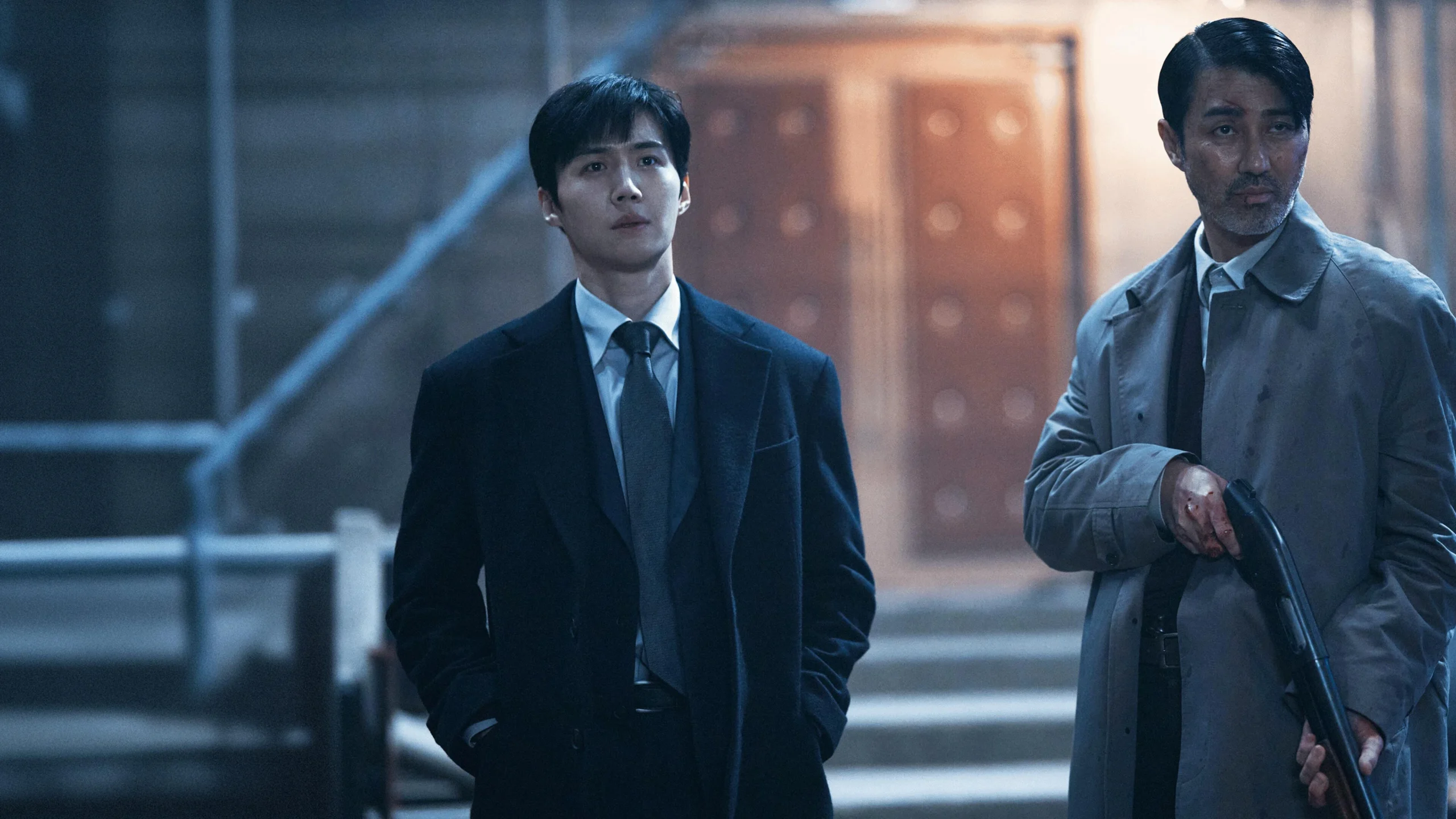
Is Chae Ja-gyeong Free at the End? Ja-gyeong ends the series without imprisonment — but also without resolution. She’s confirmed as an early test subject: someone who survived the program by absorbing it into her own physiology. What that means for her future isn’t stated. Jo Yoon-soo’s performance across all four episodes makes this the most interesting ambiguity: she’s been playing someone who processes space and threat before processing emotion, and the finale adds one more layer — that the biological certainty everyone was fighting over was, in a sense, in the room the whole time.
What The Tyrant Actually Refers To. 폭군 — Tyrant — doesn’t name one character. In the series’ logic, tyranny is structural: the authority Im Sang exercises over other people’s survival, the authority Director Choe exercises over what gets known, and the authority the program itself exercises over everyone it ever touched, including Ja-gyeong. The title works best read as a verdict on a system rather than a person. Three tyrants enter the story. None of them answers to anything above them.
✍️ KDramaWorlds Editor’s Take
Our genuine take on whether it’s worth your time, and who it’s for.
🧬 Bioweapon Thriller
🕵️ Espionage
💀 No Redemption Arc
🎬 Cinematic Action
Cha Seung-won has spent a career moving between physical comedy and controlled menace — sometimes in the same scene — but Im Sang in The Tyrant is the version of him that doesn’t oscillate. He’s settled into stillness, and the stillness is the threat. Watch how he carries a conversation he’s already ended: Sang doesn’t warn people, he closes sentences, and Cha delivers that with the economy of someone who has made peace with what the role requires of him. If the series had any sentimentality about what its characters are doing, Cha’s performance would have nowhere to land. It lands because it doesn’t. For anyone who caught him in Vigilante or the darker corners of his filmography, Im Sang is the natural destination of that lineage.
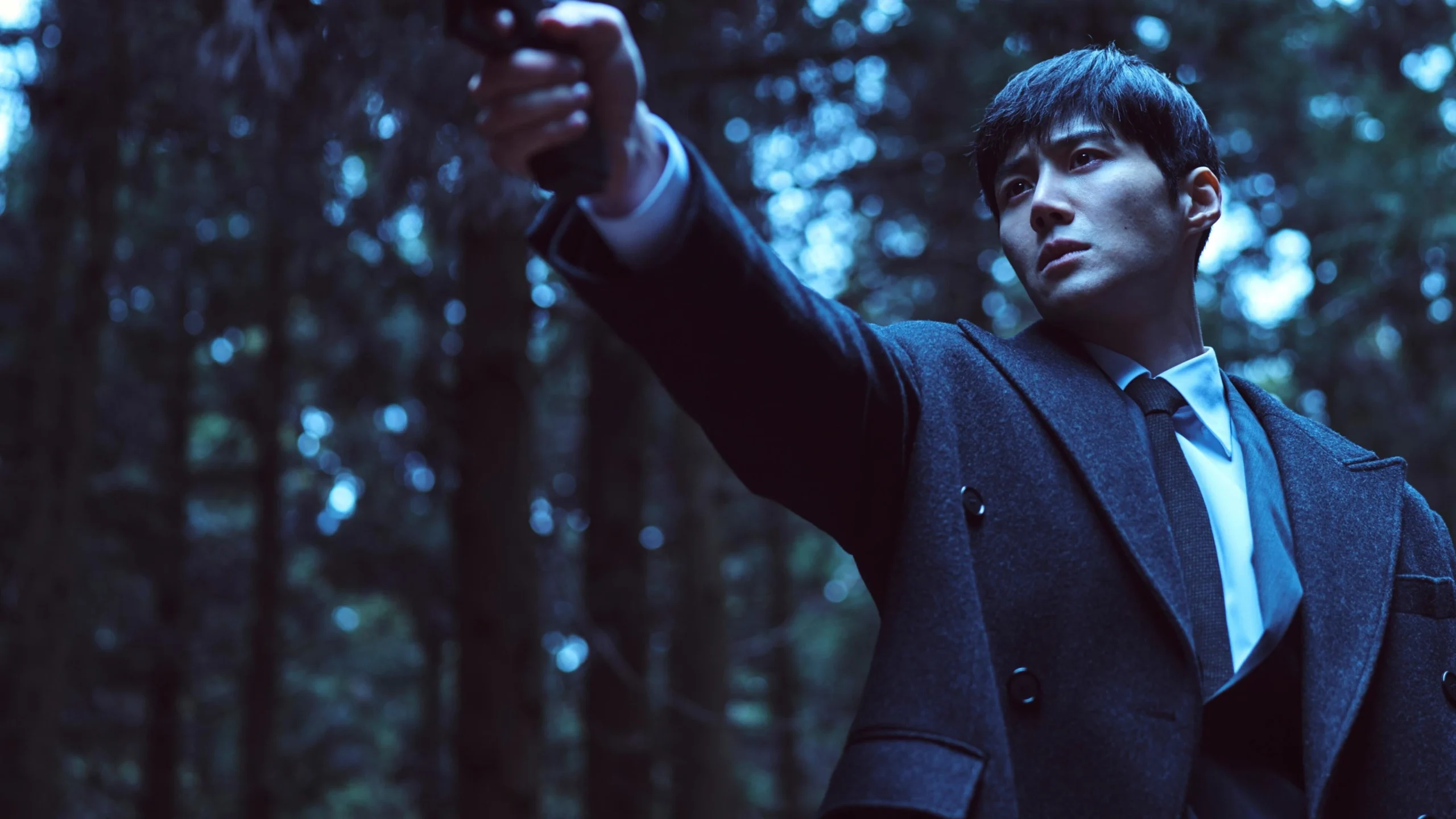
Jo Yoon-soo’s Chae Ja-gyeong is the character the drama actually belongs to, even if TMDB lists her third by order. What’s quietly impressive about the performance is that Ja-gyeong’s trauma reads in how she processes space rather than in how she emotes: she positions herself near exits, she watches other people’s hands before their faces, and those physical details do more characterization work in one episode than three episodes of backstory could. Park Hoon-jung writes her as someone who has survived by treating herself as a problem to be managed, and Jo Yoon-soo honors that in every scene where she isn’t the one explaining herself — which is most of them. It’s the kind of performance that would reward a second season. Compare her character’s emotional architecture to the lead in Mouse (2021) and the difference in approach is instructive: where that drama explains trauma relentlessly, The Tyrant keeps it physical and present.
The weakness is compression that tips into underdevelopment. Agent Paul’s international pressure plot arrives with urgency and resolves without closure — setup for a second season that may or may not exist. The political mechanics between Korean intelligence and U.S. black ops are interesting enough to warrant more screen time than four episodes allow. That said, the format serves the action: Park Hoon-jung doesn’t pad, every scene has immediate consequence, and the moral framework is consistent throughout. For viewers who want dark, methodical action where characters are genuinely dangerous and no one is rewarded for sentiment, The Tyrant delivers exactly that in three hours. The incompleteness is real. So is the craft.
Espionage drama watchers who can handle moral ambiguity
Viewers who want a complete binge-drop in a single sitting
Lean, brutal, and precisely made — four episodes that earn their runtime without overstaying it.
🎬 You Might Also Like
If you liked The Tyrant, these are your next three watches.
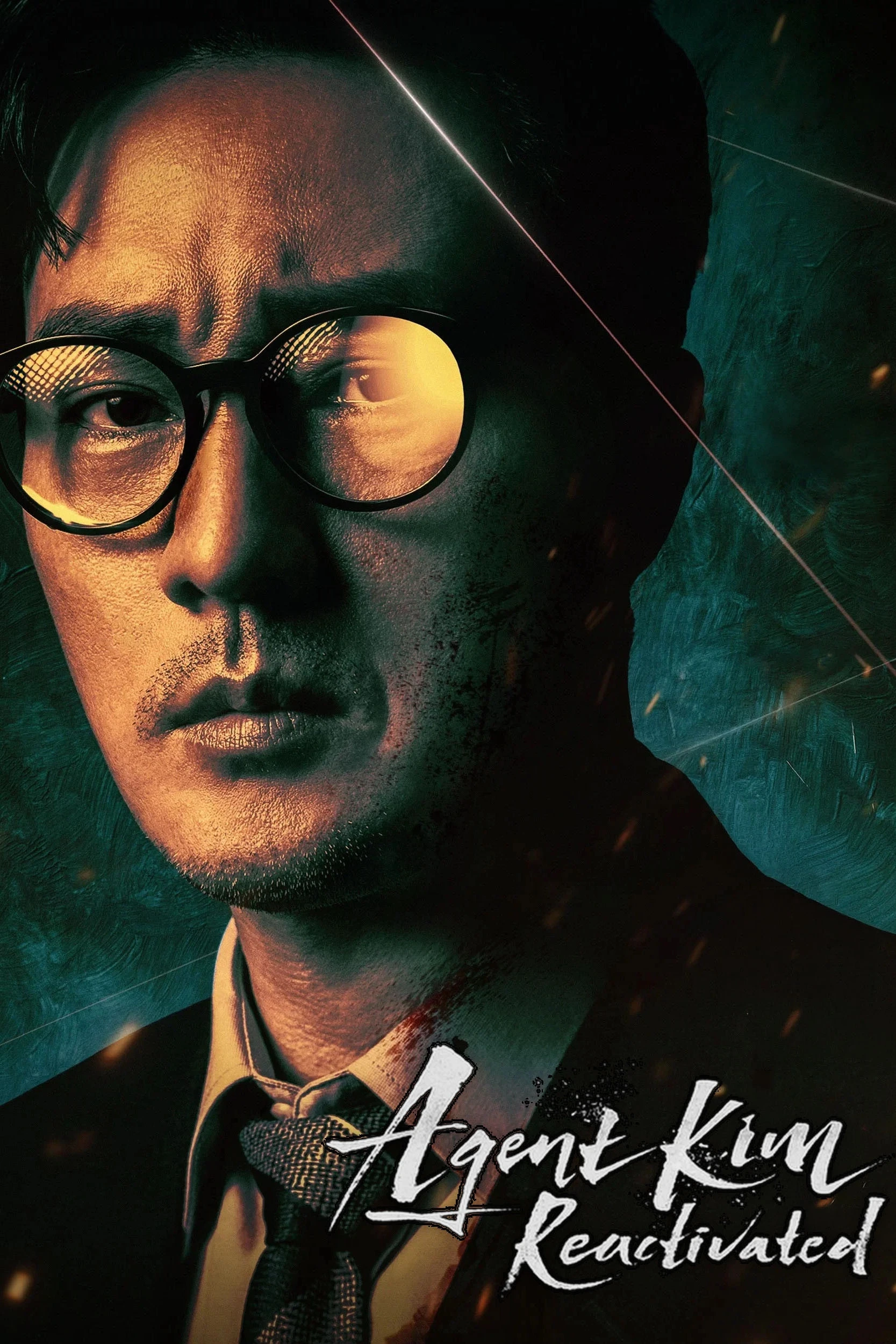 Agent Kim Reactivated
action thrillerBlack Ops
Read Full Review →
|
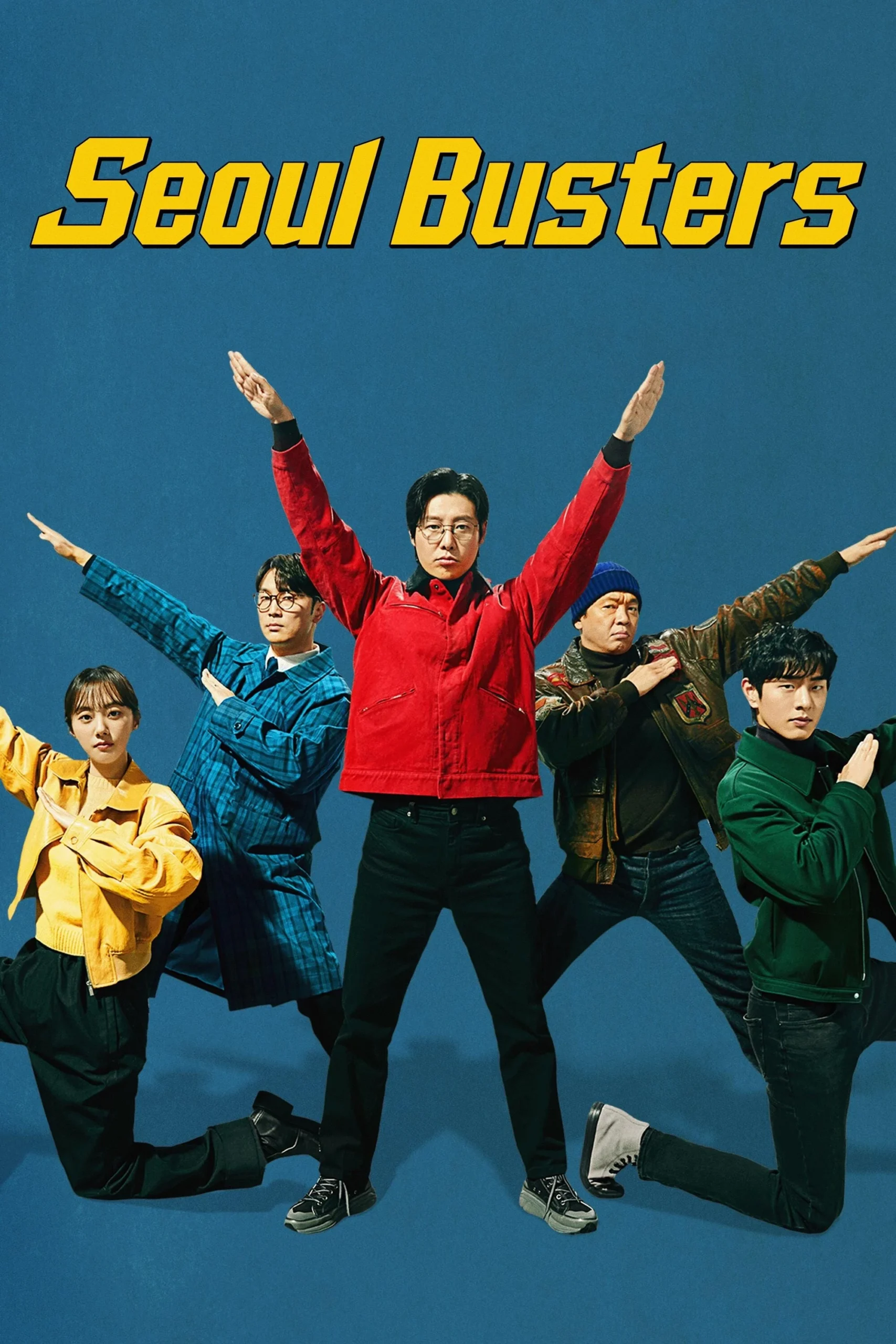 Seoul Busters
comedycrime
Read Full Review →
|
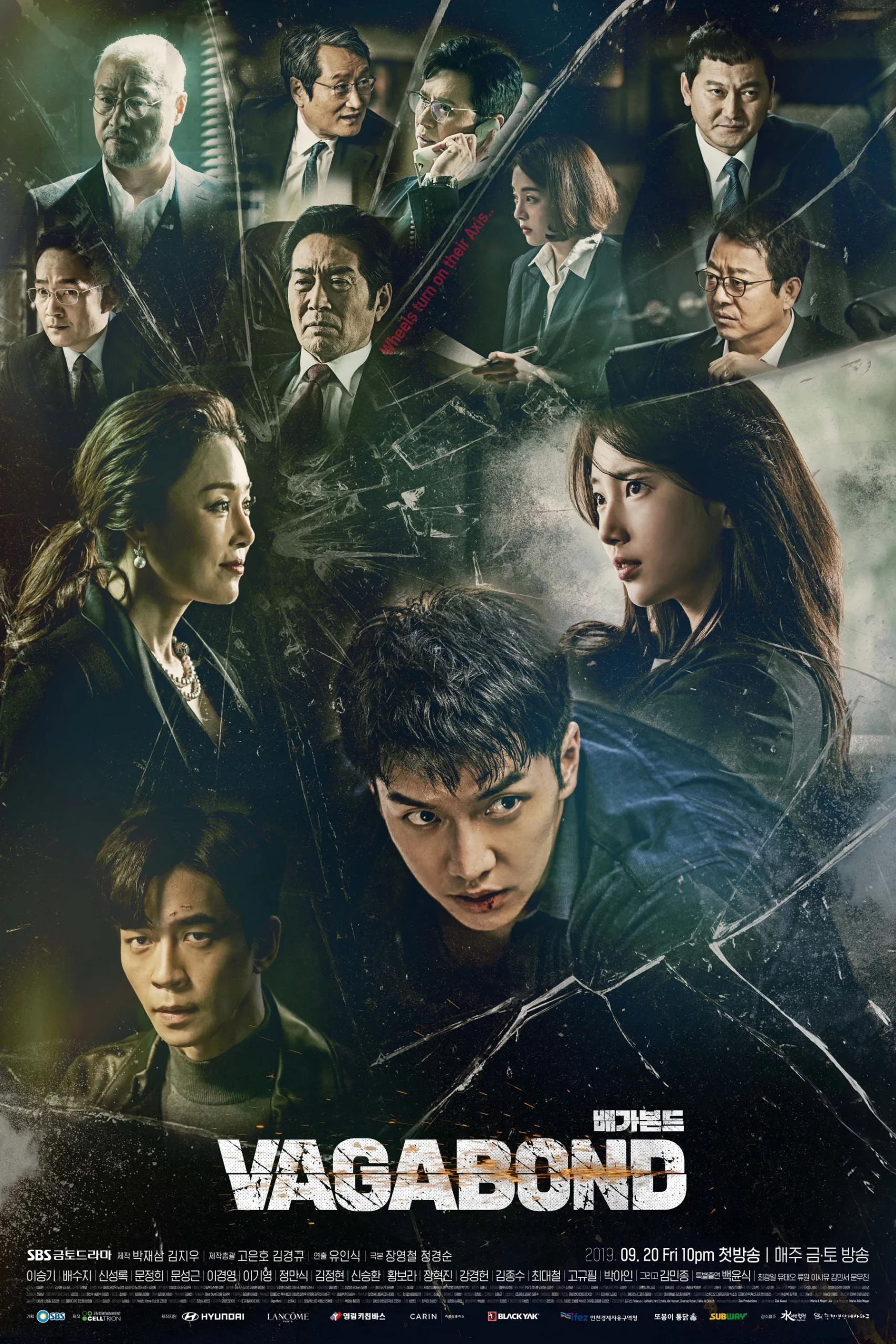 Vagabond
CorruptionEspionage
Read Full Review →
|



Keep it kind, skip the harsh language, and please — no spoilers. Everyone's taste is different, and that's perfectly fine.
This space is for real reactions and discussion from other viewers. Help keep it comfortable for everyone by not giving away major plot details.
What do you think of this drama?
Login to share your review or leave a comment.
No email needed — just pick a username & password.