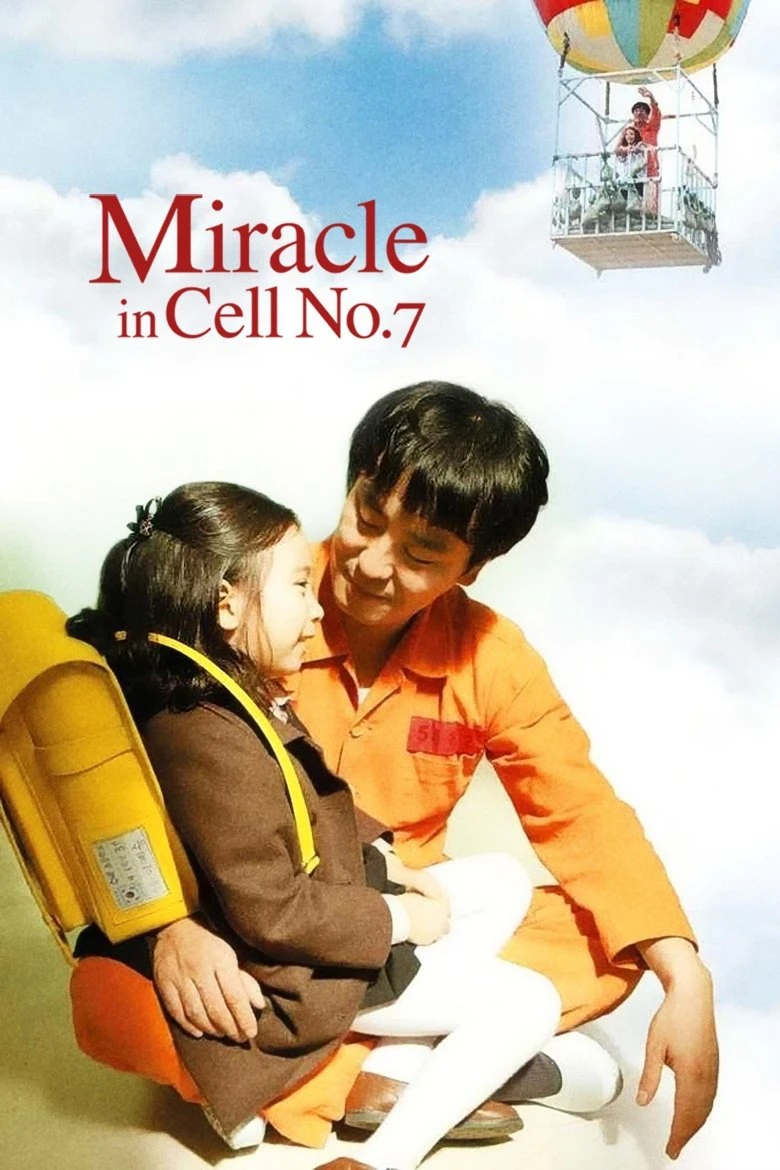
Miracle in Cell No. 7
🎬 Viki · Prime Video · OnDemandKorea · Tubi · Amasian TV · VIU
⭐ 8.1 IMDb
🔞 12+
🎬 Film Overview
KOREAN TEARJERKER PICK
Miracle in Cell No. 7 has been making audiences cry since 2013, and it hasn’t gotten any less effective. The film opens with what looks like a procedural: an adult woman, now a lawyer, conducting a mock retrial of a case decided decades ago. Then the film takes you back to show you what actually happened, and from there it holds nothing back.
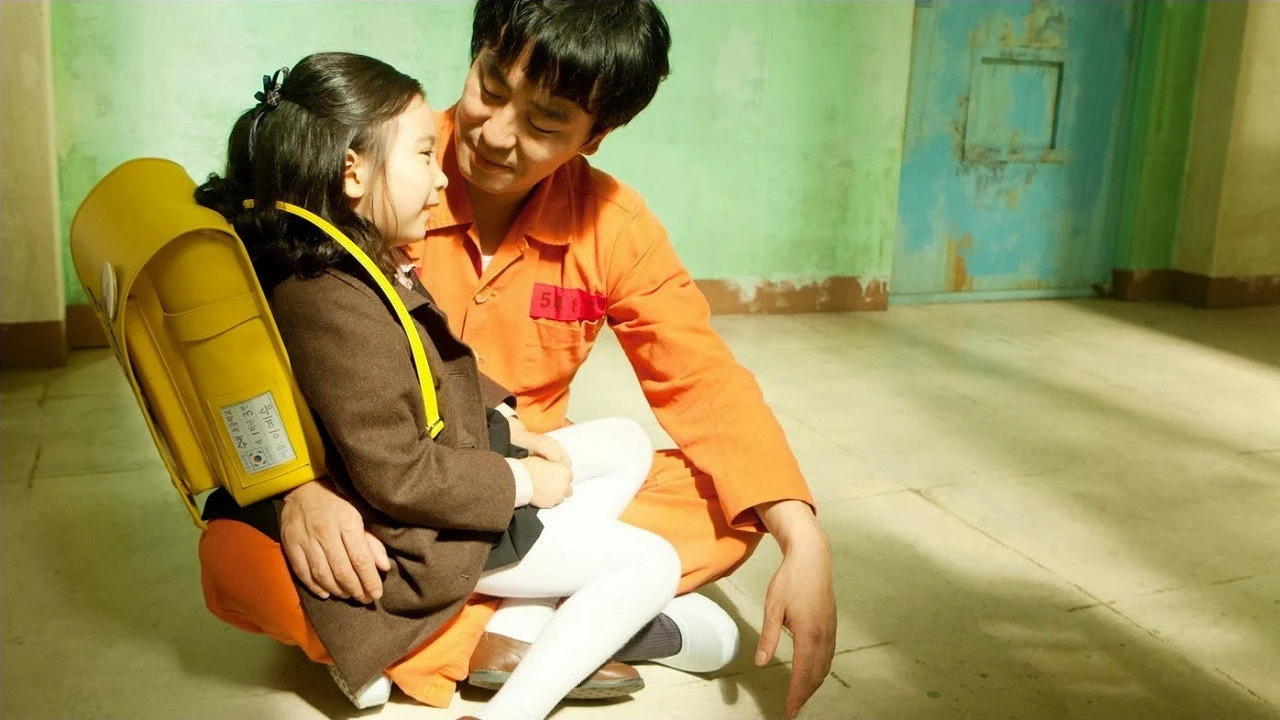
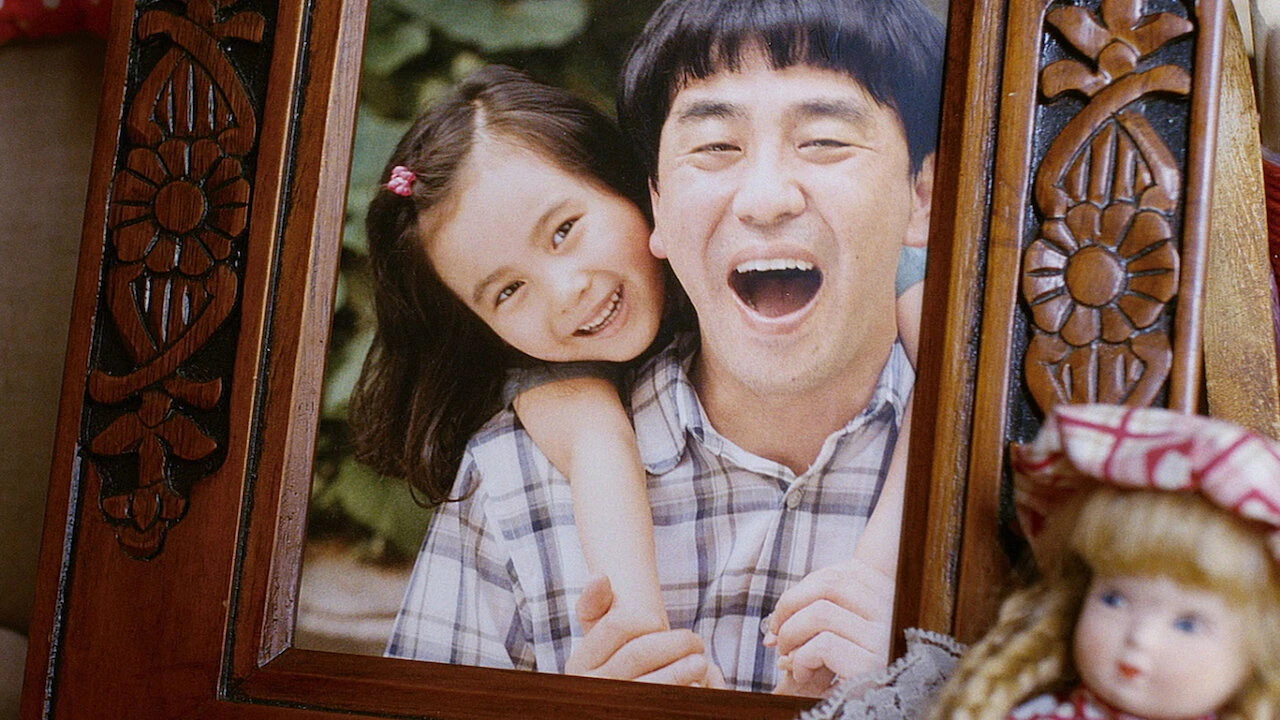
Ryu Seung-ryong plays Lee Yong-gu, a man with the intellectual capacity of a child who lives entirely for his young daughter Ye-sung (Kal So-won). Their world — a tiny apartment, a shared dream about a Sailor Moon backpack — is drawn with enough warmth that when the film tears it apart, it tears. A mistaken arrest, a wrongful murder conviction, and Yong-gu lands in Cell No.7 of a maximum-security prison, surrounded by career criminals who assume the worst. What happens next is, against all odds, funny. And then it’s absolutely devastating.
⚡ Quick Verdict
The whole picture, condensed into one box.
· IMDb
▶ Official Trailer
🎭 Cast & Characters
Ryu Seung-ryong and Kal So-won carry the film. Everything else is built around protecting what they make you feel.

Lead

Lead

Supporting
Supporting
Supporting

Supporting

Supporting

Supporting
Supporting

Supporting

Supporting

Supporting
🍿 Where to Watch
Watch Miracle in Cell No. 7 on these platforms.
📖 The Story
Spoiler-free — just enough to know if it’s worth your time.
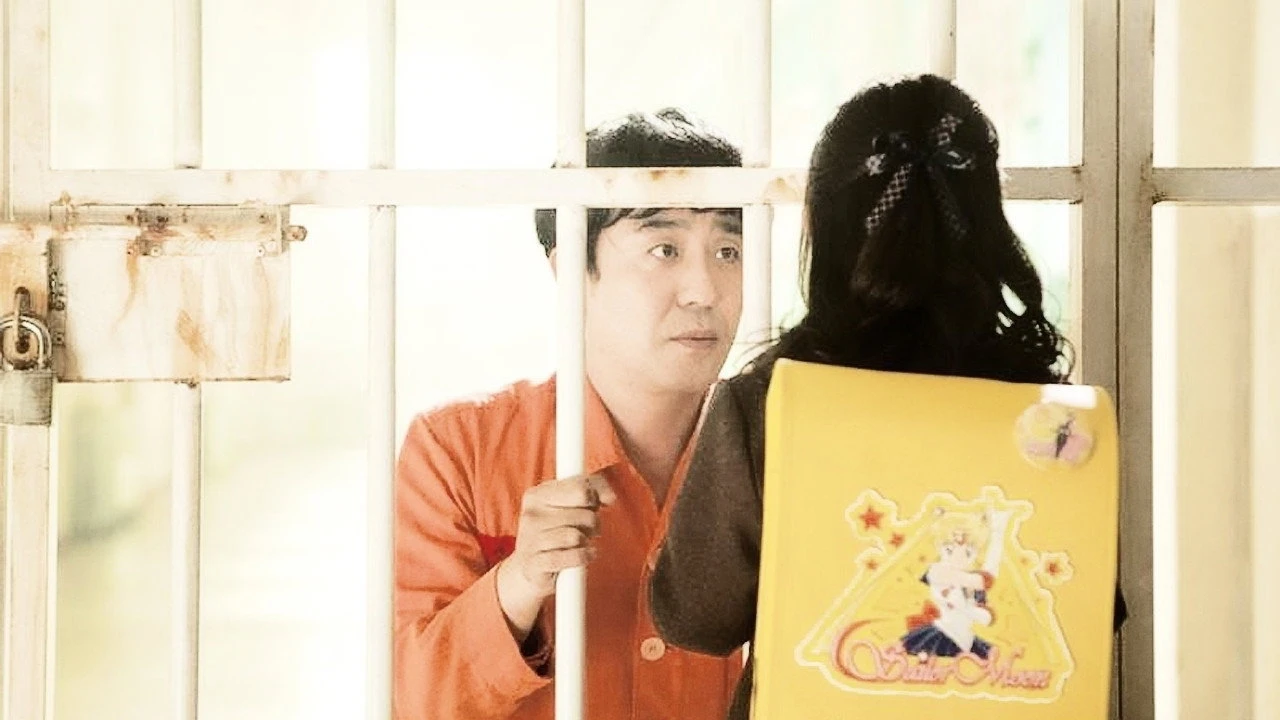
Lee Yong-gu and his daughter Ye-sung live in a world defined by its smallness. Their apartment is modest, their routine is simple, and the thing Yong-gu wants most in the world is a Sailor Moon backpack he’s been saving up to buy her. Ryu Seung-ryong plays Yong-gu with extraordinary physical and emotional commitment — a man with the intellectual capacity of a child who radiates the full weight of parental love. He doesn’t understand the world’s complexity. He understands Ye-sung. That’s enough.

On a cold morning, Yong-gu follows a girl wearing the Sailor Moon backpack of Ye-sung’s dreams, hoping to ask where to buy one. The police commissioner’s daughter falls on the ice. Yong-gu tries to help. A passerby sees it differently. What follows is the particular horror of a justice system encountering someone it cannot process: Yong-gu is arrested, cannot adequately explain himself, and the commissioner — grieving and furious — ensures the case is closed quickly and with maximum prejudice. Yong-gu is convicted of murder and separated from Ye-sung, who is left in the care of an elderly neighbor.
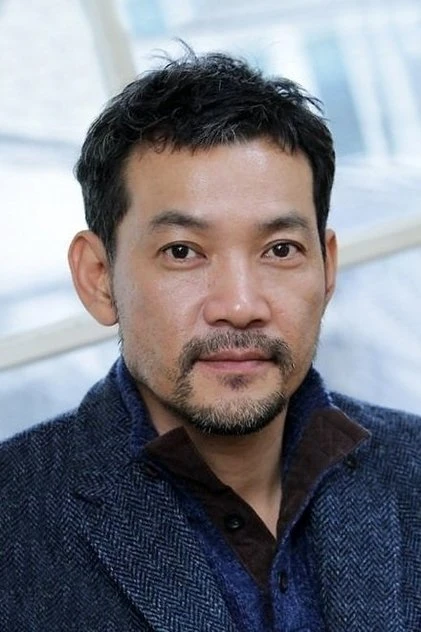
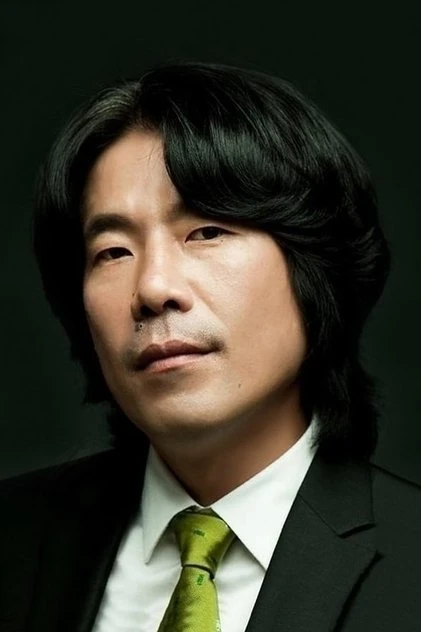
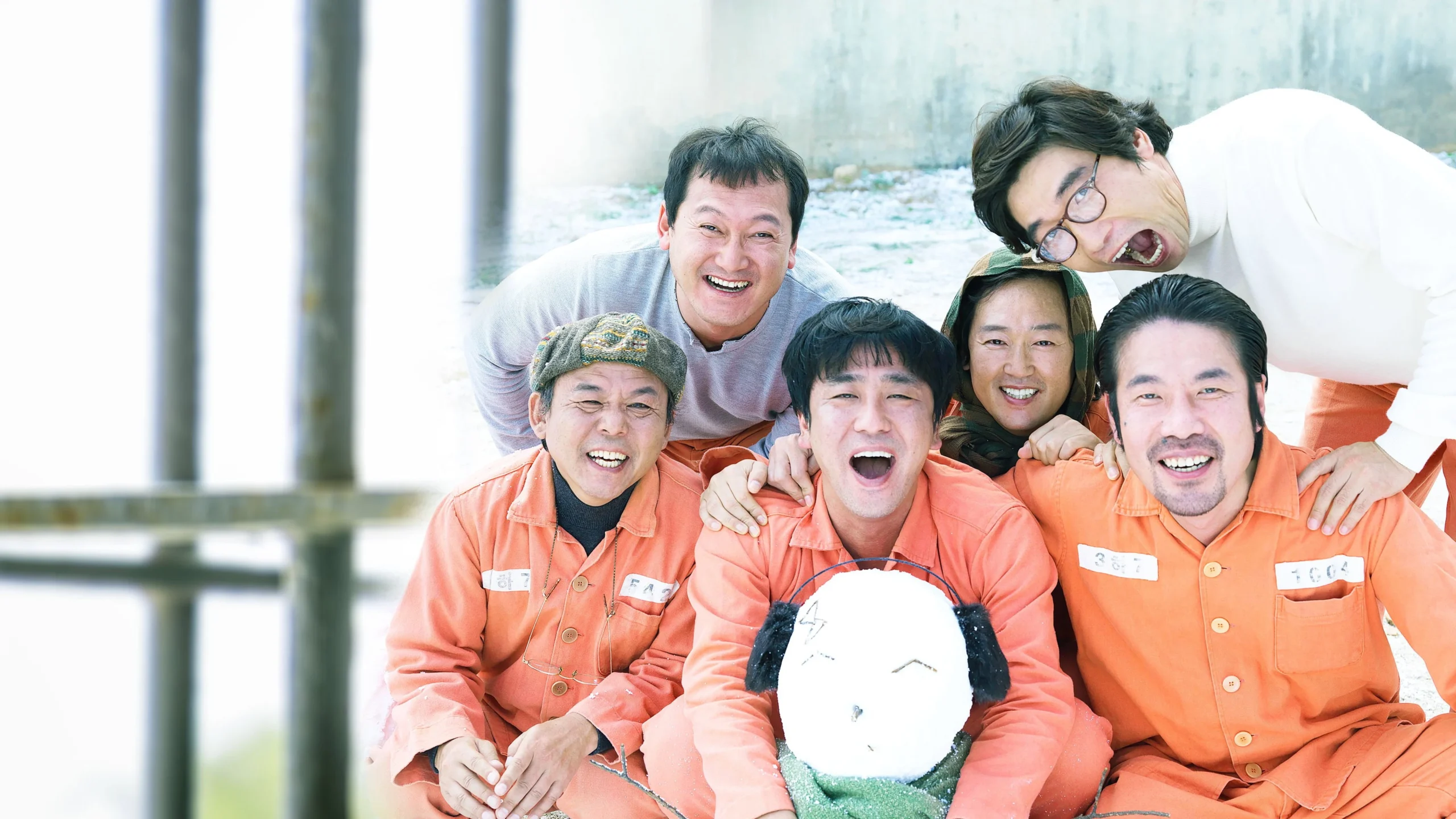
Cell No.7 is occupied by some of the prison’s most dangerous men: So Yang-ho (Oh Dal-su), a gang boss with a thunderous reputation; Choi Chun-ho (Park Won-sang), a slick con man; and Kang Man-beom (Kim Jung-tae), a volatile scrapper who takes an immediate dislike to the new arrival. The cell receives Yong-gu with contempt. Then something shifts. Yong-gu saves Yang-ho from choking during an accident, and the cell’s entire dynamic realigns — not into sentimentality, but into something more unexpected: conscience.

The transformation of Cell No.7’s inhabitants is the film’s most quietly remarkable achievement. These are not good men. They don’t become good men. But they become men who cannot reconcile what they know about Yong-gu — his gentleness, his obvious innocence, the way he talks about his daughter — with what the justice system has decided he is. Their plan to smuggle Ye-sung into the prison is born from this dissonance, and the film earns every one of those scenes because it spent the first hour making you understand what’s at stake.
Ye-sung’s arrival inside the prison is staged with enough absurdist humor that it doesn’t tip into pure sentiment, but landing with enough genuine feeling that the humor only makes it worse. The inmates, the warden, and even some guards become conspirators in this impossible, beautiful thing. It’s temporary. They all know it’s temporary. That knowledge doesn’t stop them. Some things are worth doing not because they’ll solve the problem but because refusing to do them would make you something smaller than you were before.
The framing story — adult Ye-sung (Park Shin-hye) conducting a mock retrial of her father’s case, now a lawyer — gives the film its structural purpose and its final emotional weight. Park Shin-hye has relatively limited screen time for a main cast member, but she carries the gravity of the entire narrative. Her Ye-sung has turned grief into mission, and the trial she’s staging is both a legal exercise and a reckoning with an entire system’s failure.
The film is based on the real case of Park Sam-dol, a man with an intellectual disability who was tortured into confessing to a crime he didn’t commit in 1972 and was posthumously exonerated in 2008. Director Lee Hwan-kyung builds something simultaneously fictional and profoundly honest about how the Korean justice system has historically treated its most vulnerable citizens. The ‘miracle’ in the title is not sentimental exaggeration. In the real case, there was no miracle — and that tension between the warmth of the story and the darkness of its origin is the film’s deepest register.
🏁 Ending Explained
Full spoilers — breaking down the ending and what it means.
Full Spoilers Ahead — This section covers the complete ending of Miracle in Cell No. 7. Stop here if you haven’t watched.
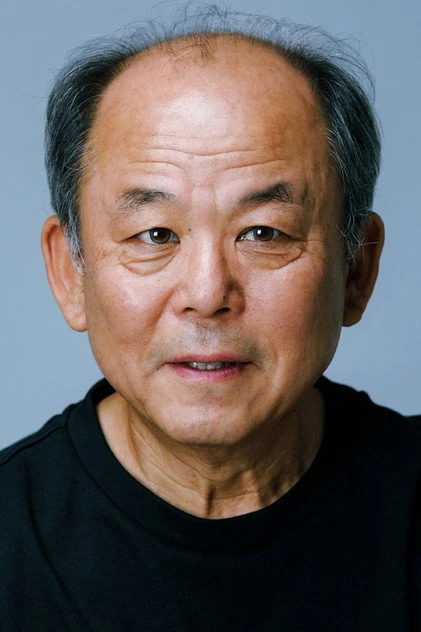
What actually happens Yong-gu is scheduled for execution on Ye-sung’s birthday. His cellmates and the warden Jang Min-hwan (Jung Jin-young) stage one final attempt: a hot air balloon, secretly constructed inside the prison, intended to carry Yong-gu and Ye-sung over the perimeter walls during a prison concert used as cover. The balloon launches. It rises. The rope catches on the barbed wire and snags. They are not getting out. Yong-gu understands this before the others do. He tells Ye-sung to go. He makes her go. He is executed that day.

What the ending actually means The ending doesn’t sentimentalize what happens. Yong-gu is innocent — his cellmates know it, the warden knows it, the film knows it — and he dies anyway. What the film separates, carefully, is the emotional truth of innocence from the legal outcome. Love couldn’t save him. Collective goodwill couldn’t save him. The miracle the title promises turns out to be not about survival but about the fact that anyone tried at all — and that a daughter refused to let the record stand.
Adult Ye-sung’s mock trial The framing device recontextualizes everything. What begins as a legal exercise — Ye-sung staging a posthumous retrial for her law school class — reveals itself as the central act of her life. The trial does exonerate Yong-gu, in the only way available to her. It changes nothing about what happened to him. It changes everything about how the story ends. The film’s thesis is not that the justice system will eventually right its wrongs. It’s that the daughter of the man it destroyed will refuse to let the record stand.

What rewatching reveals On second viewing, the early scenes of Yong-gu and Ye-sung together become almost unbearable. Every small joy — the shared meal, Ye-sung patiently explaining something her father can’t quite grasp, the mutual embarrassments and laughter — is now tagged with the knowledge of how little time remains. The film’s greatest achievement is that none of this becomes miserabilist. Knowing the ending makes the warmth sharper, not cheaper. Lee Hwan-kyung understood something fundamental: we can bear tragedy better when we’ve been shown exactly what was lost.
The KDW verdict on the ending Ryu Seung-ryong’s performance is why the ending lands the way it does. He plays Yong-gu’s final moments without reaching for pathos — no grand speech, no moment of adult comprehension arriving conveniently at the end. Just a man making the most important decision of his life with the emotional vocabulary of a child and the instincts of a father. Miracle in Cell No.7 is more than a decade old and the ending still wrings the room dry. That is not sentiment or nostalgia. It is the result of a film that took its story seriously enough to let it hurt.
✍️ KDramaWorlds Editor’s Take
Our honest take — is it worth your time, and who’s it really for.
Lee Hwan-kyung
Known for: Lee Hwan-kyung made Miracle in Cell No.7 as his second feature, and it became one of the highest-grossing Korean films of all time — earning over $82 million on a modest budget. His approach here is classical melodrama applied with extreme discipline: he earns the emotion through character before he demands it from the audience. The film is co-written with three collaborators, and the tonal balance — genuine humor sitting inside genuine tragedy without undercutting either — is the result of a script that went through considerable development before it arrived on screen.
Korean cinema’s ability to sustain genuine emotion across nearly two hours without resorting to melodrama shortcuts is rarer than it looks. Miracle in Cell No.7 does it by refusing to simplify anyone. The cellmates are criminals, not misunderstood heroes. The system is corrupt, not just unlucky. Yong-gu is innocent, but his innocence makes no difference to an institution designed to process rather than discern. The film earns your tears by first making you feel the full weight of what they’re about. For audiences who’ve responded to the emotional patience of something like Love Reset — a film that builds its foundation slowly and then deploys it precisely — this is the film that helped set that template for Korean emotional cinema.
Ryu Seung-ryong is extraordinary here, and it’s worth saying clearly because the performance is so complete it risks being taken for granted. He doesn’t play Yong-gu as a collection of disability signifiers — he plays a man with an entirely consistent interior life that simply operates on different terms than the world around him. That the world treats this as a problem is the film’s entire argument. Parasite made Korean cinema’s class anxieties legible to global audiences in 2019; Miracle in Cell No.7 was asking similar questions about institutional prejudice six years earlier, with considerably fewer resources and considerably more direct emotional address.
The film is not subtle — and it is not trying to be. What it is trying to do is make you care about two specific people so much that their separation becomes a physical discomfort and their small moments of joy together become something close to grief. Kal So-won, who was around seven during filming, delivers a performance of bewildering maturity. There are scenes where she is clearly doing more emotional work than actors three times her age. Miracle in Cell No.7 holds up not as a piece of craft cinema but as a film that does exactly what it intends to do: it makes you feel the precise dimensions of what was lost.
🎬 You Might Also Like
If you liked Miracle in Cell No. 7, these are your next three watches.
 Youth of May
Go Min-siGwangju Uprising
Read Full Review →
|
 Marriage Contract
ChaebolFound Family
Read Full Review →
|
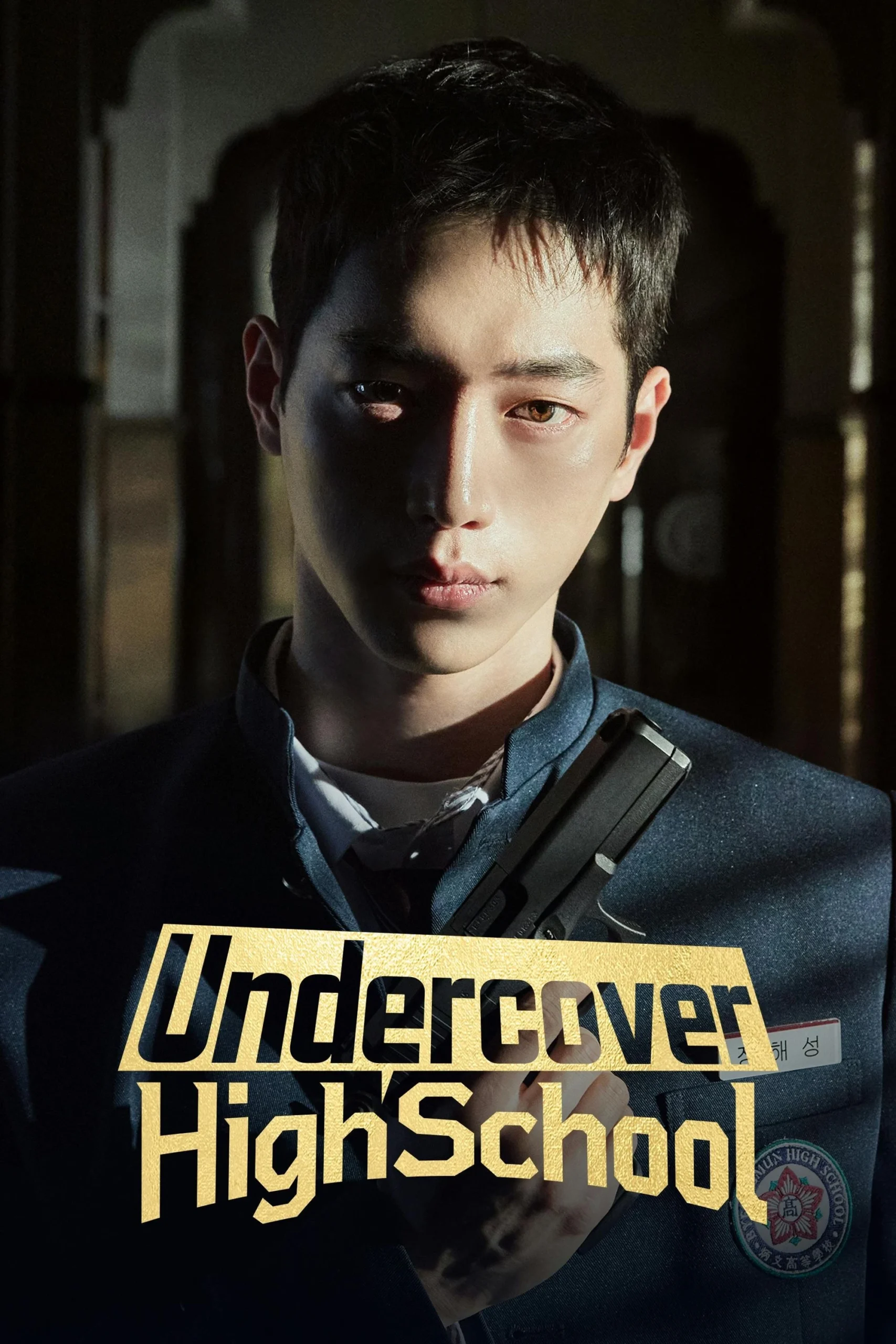 Undercover High School
conspiracyJin Ki-joo
Read Full Review →
|















Keep it kind, skip the harsh language, and please — no spoilers. Everyone's taste is different, and that's perfectly fine.
This space is for real reactions and discussion from other viewers. Help keep it comfortable for everyone by not giving away major plot details.
What do you think of this drama?
Login to share your review or leave a comment.
No email needed — just pick a username & password.