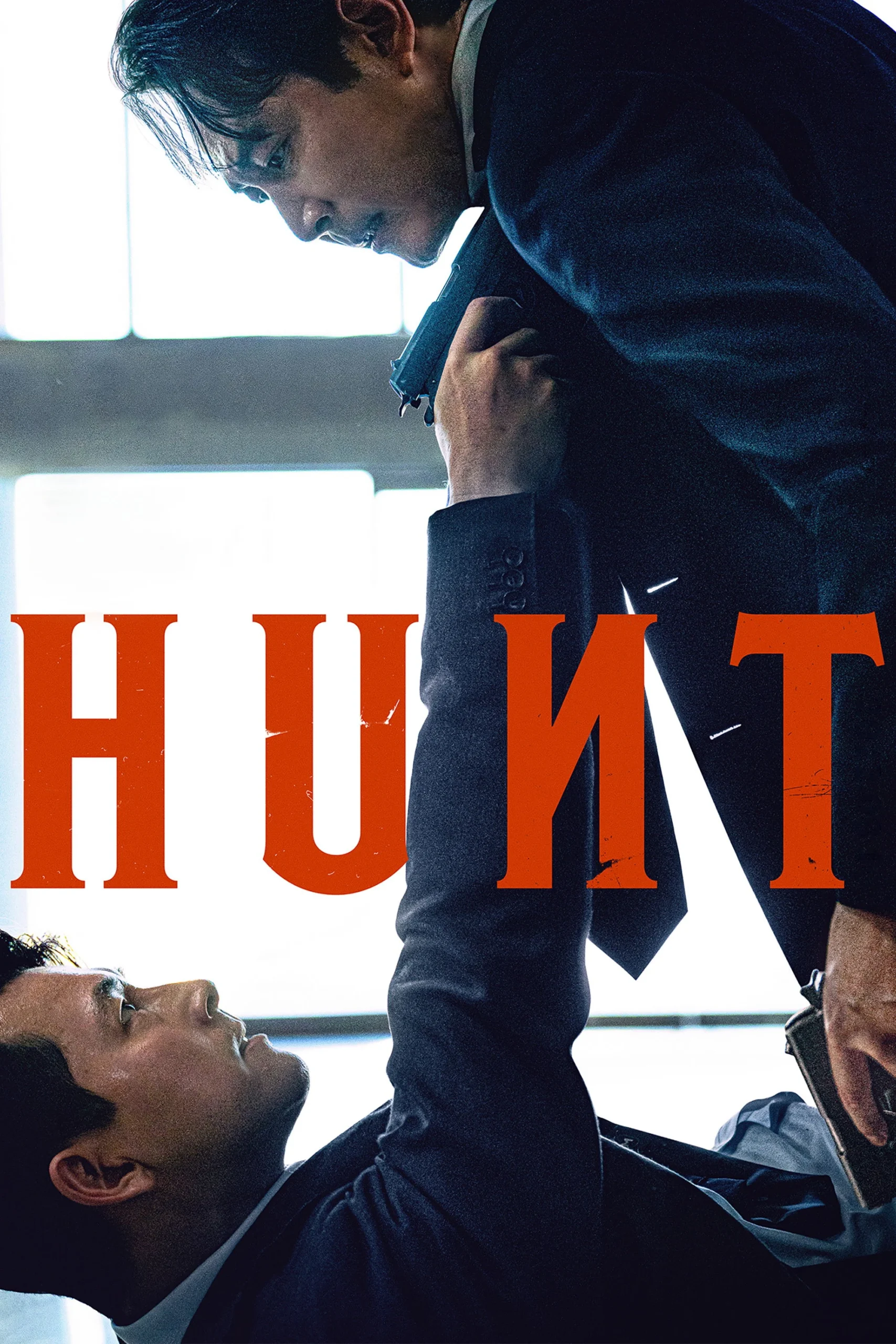
Hunt
🎬 Prime Video · Apple TV · VIU
⭐ 6.7 IMDb
🔞 R
🎬 Film Overview
COLD WAR THRILLER PICK
Hunt opens with a premise built for paranoia: somewhere inside South Korea’s top intelligence agency, a North Korean mole has been operating for years, and nobody knows who. Park Pyong-ho runs the Foreign Unit. Kim Jung-do runs the Domestic Unit. When a failed assassination attempt on the president exposes the mole’s existence, the two men — rivals under the best of circumstances — are ordered to investigate each other’s departments. What follows treats every handshake and every closed door as evidence.
Lee Jung-jae directs his first film here, and the confidence is immediate — Hunt moves like an action movie shot by someone who understands that the best espionage tension comes from withheld information, not just gunfire. Set against the real historical backdrop of 1980s military-rule Korea, the film uses actual events, the Gwangju uprising, the Rangoon bombing plot, as scaffolding for a story about two men whose loyalty to the same country pulls them toward opposite, mutually destructive conclusions.
⚡ Quick Verdict
The TL;DR, boxed and ready.
· IMDb · 10,222 ratings
▶ Official Trailer
🎭 Cast & Characters
An ensemble built around two rival intelligence chiefs and the agents caught between them.
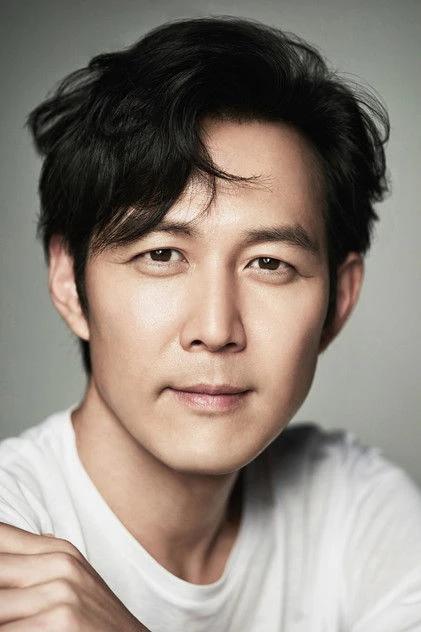
Lead
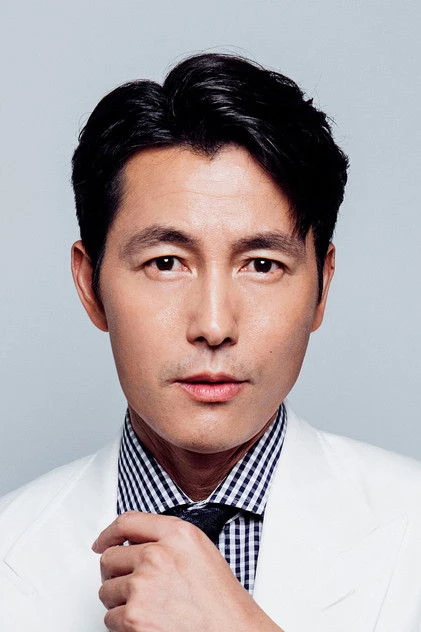
Lead
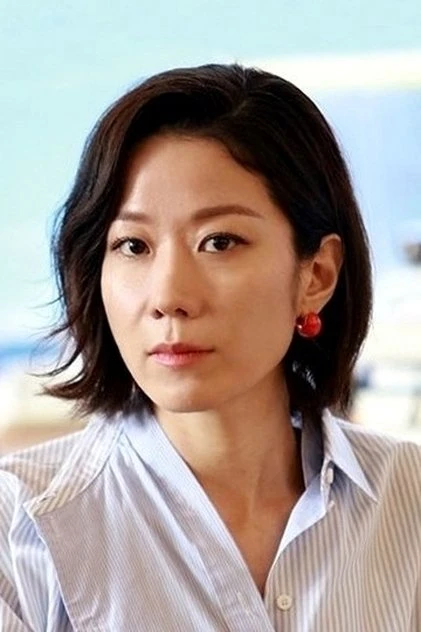
Supporting
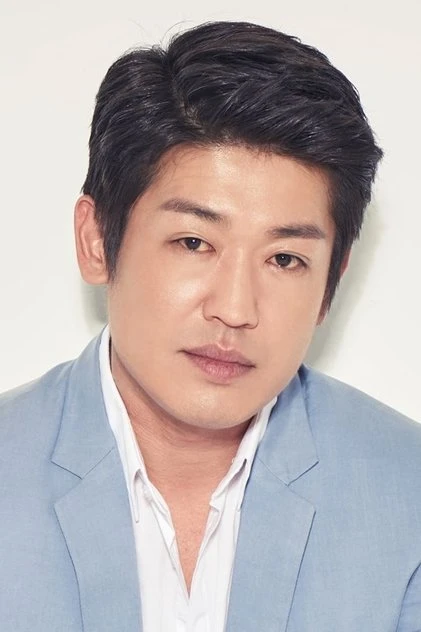
Supporting

Supporting
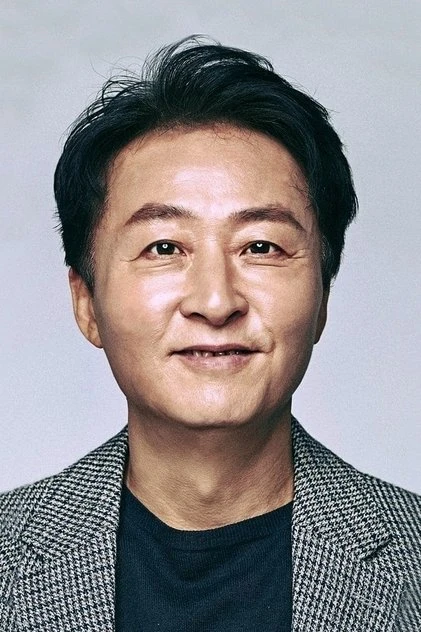
Supporting
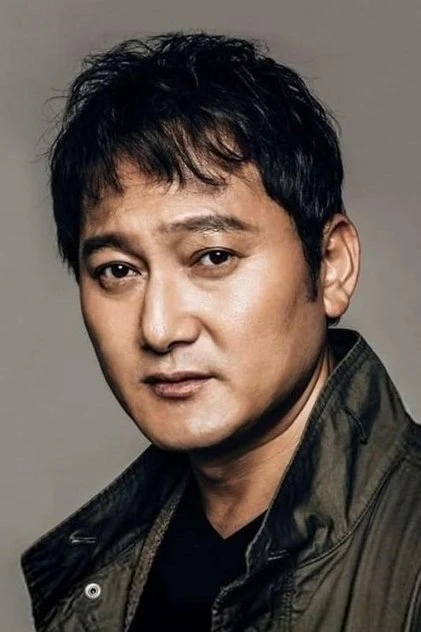
Supporting
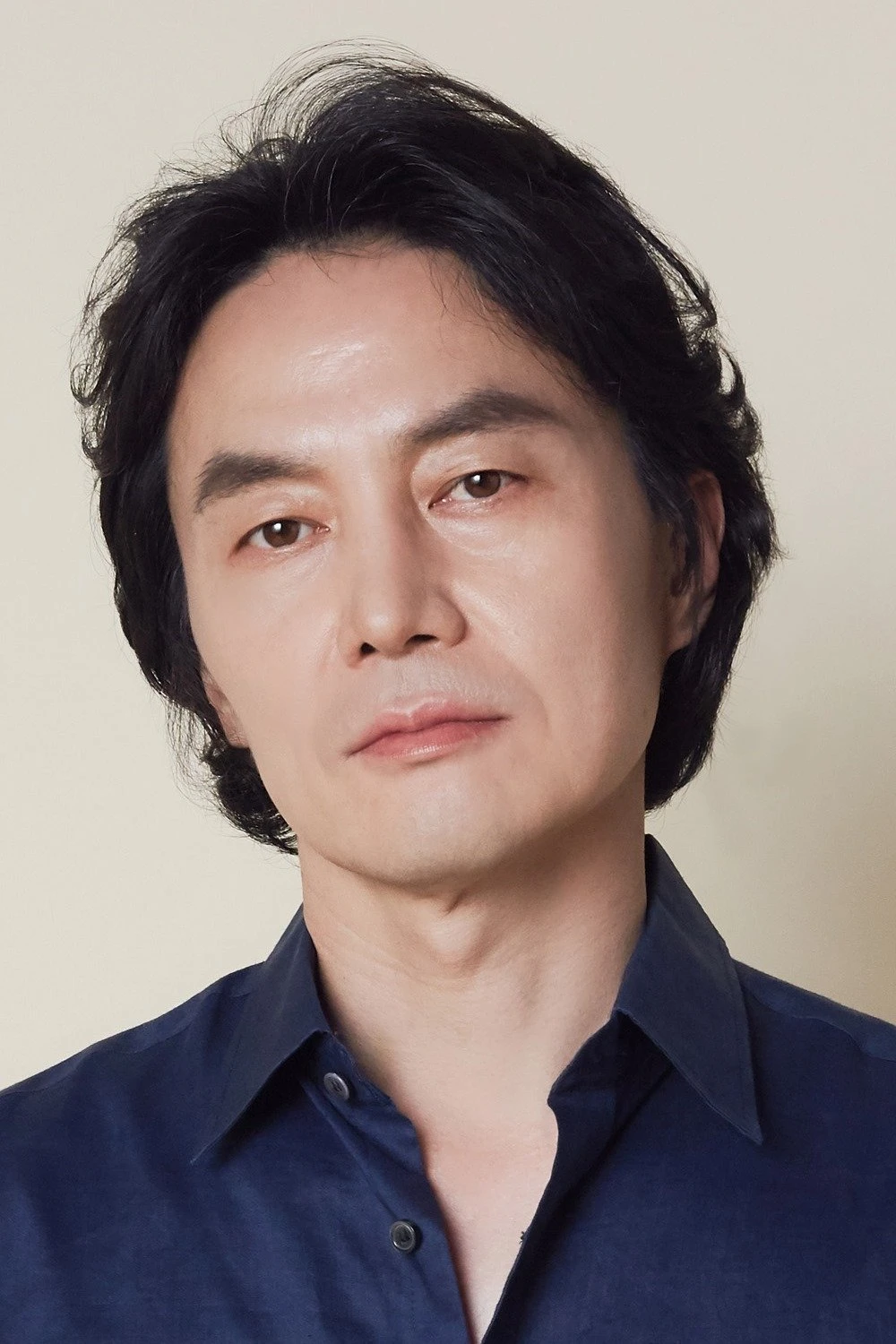
Supporting

Supporting
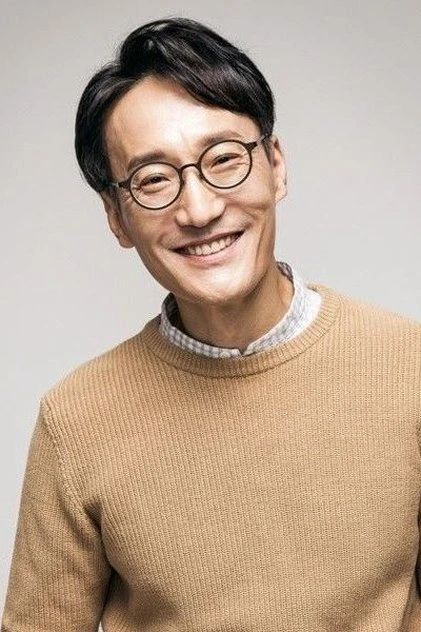
Supporting
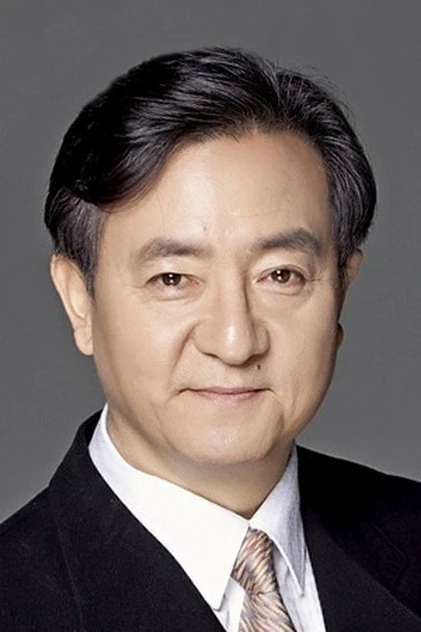
Supporting
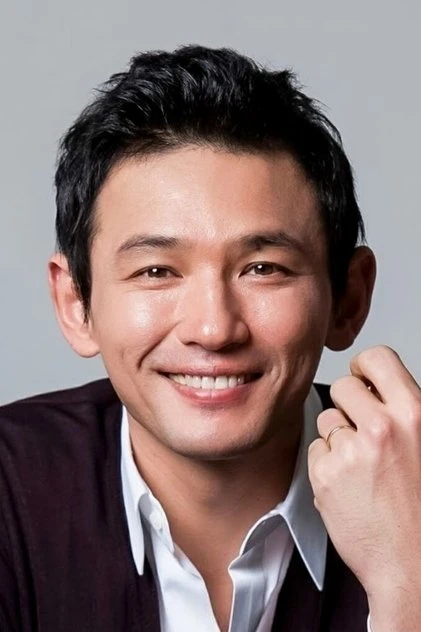
Supporting
📖 The Story
No spoilers, just the setup — enough to decide if it’s for you.
Seoul, the early 1980s. Park Pyong-ho and Kim Jung-do run rival divisions of the Agency for National Security Planning — Park overseas, Kim domestic — and their professional rivalry has calcified into something closer to open hostility. Both men are exceptional at their jobs. Neither trusts the other’s methods, or the other’s politics, though the film takes its time revealing exactly how deep that political gap actually runs.
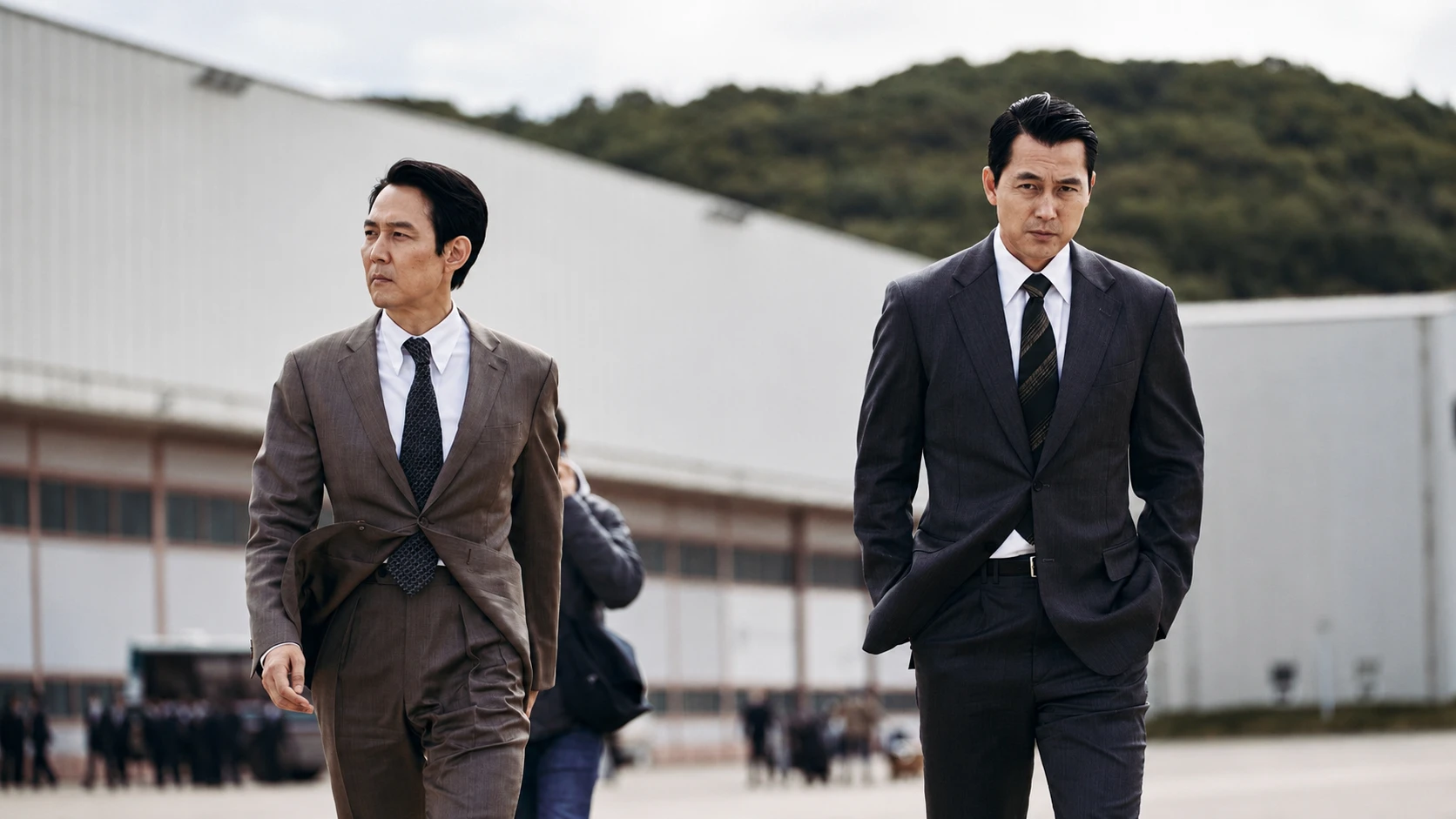
A failed assassination attempt on the president during an overseas trip changes everything. Word comes back that a North Korean mole, codenamed Donglim, has been operating inside the agency at a high level — feeding intelligence north, shaping outcomes from within. The order that follows is the one neither man wants: investigate the other’s department. Trust no one, including your own colleagues.
What makes the mole hunt corrosive rather than simply tense is how personal it gets almost immediately. Park and Kim don’t just suspect strangers — they suspect people they’ve worked alongside for years, agents whose loyalty once seemed beyond question. Bang Ju-kyung, one of Park’s most capable operatives, gets pulled into the center of that suspicion in ways that test exactly how far Park is willing to go in the name of the investigation.
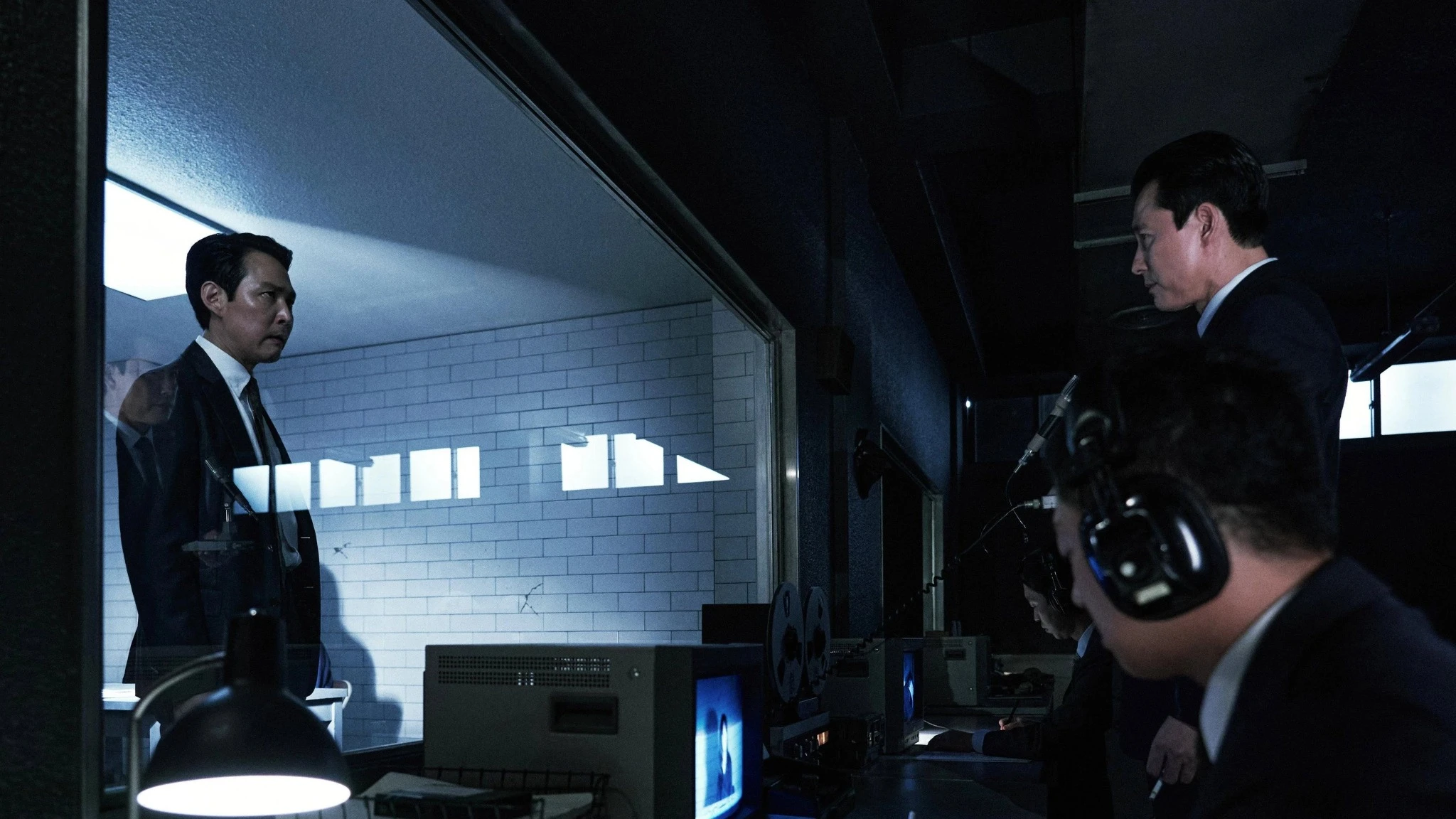
The film’s action sequences, and there are several genuinely brutal ones, never function as pure spectacle. Every gunfight and chase carries the same undercurrent as the quieter interrogation scenes: someone here is lying, and the violence is what happens when lying stops being sustainable. Hunt treats its set pieces as extensions of the paranoia rather than breaks from it.
Underneath the procedural mechanics sits a harder question the film keeps circling back to: what happens when the system you’ve sworn to protect is the thing doing the most damage. Both Park and Kim are true believers in a country that, by the film’s own historical backdrop, was actively suppressing its own citizens. Hunt doesn’t resolve that tension quickly, and it doesn’t let either man off the hook for serving it anyway.
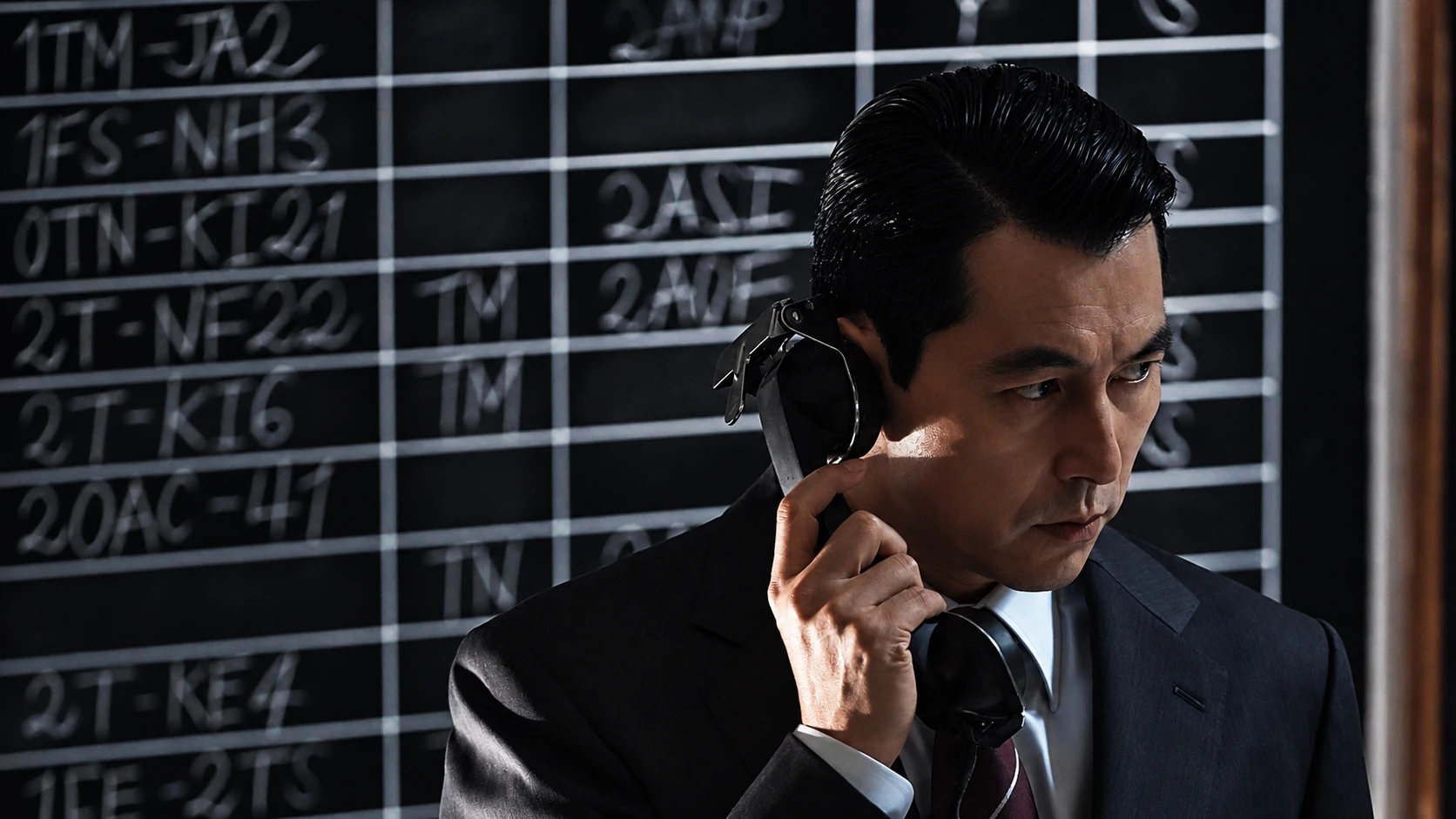
Jang Cheol-seong, Cho Yoo-jung, and the wider bench of agents around Park and Kim aren’t just texture — several of them end up as the actual pressure points the two chiefs use against each other, willingly or not. The film’s political texture, the historical weight of Gwangju, the real Rangoon bombing plot woven into its plot, gives the internal power struggle a scale that a smaller spy story wouldn’t earn.
By the time the investigation narrows toward an actual name, Park and Kim have each made choices that complicate whatever version of “winning” either of them still believes is possible. The film’s final act moves toward a presidential visit abroad — the kind of high-stakes setting Hunt has been building toward since its opening scene, where the mole hunt and a much larger act of political violence are about to collide.
🏁 Ending Explained
Everything that happens, explained in full — spoilers ahead.
Full Spoilers Ahead — This section covers the complete ending of Hunt. Stop here if you haven’t watched.
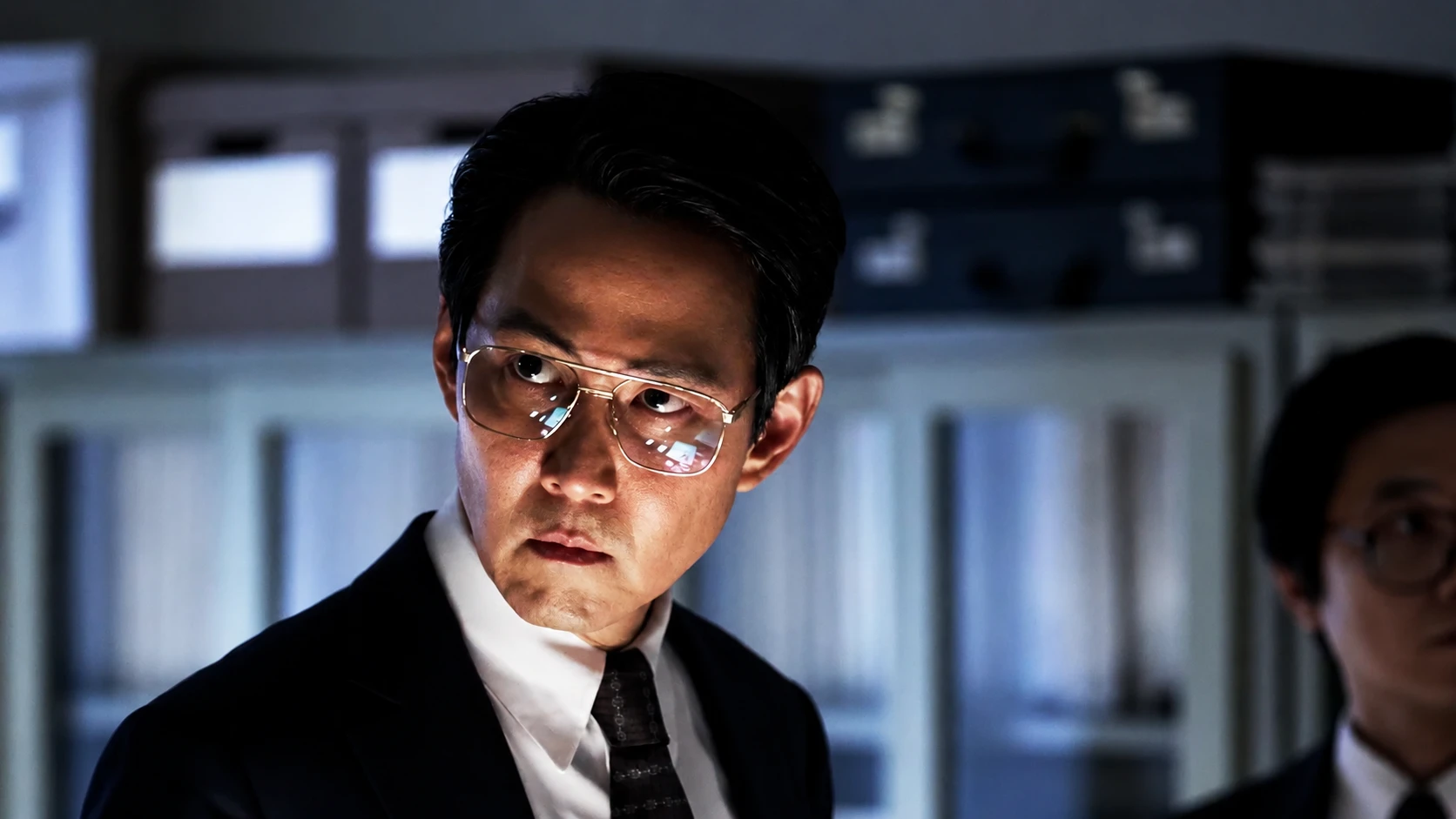
Who Donglim actually is Donglim turns out to be exactly what the title suggested from the start: a North Korean agent embedded inside the ANSP, manipulating both units from the shadows for years. But the film’s sharper surprise is what it reveals about Kim Jung-do, the man Park has spent the entire film suspecting: he isn’t the North Korean mole at all. He’s the leader of Cheongdan, a South Korean dissident group planning to assassinate President Chun Doo-hwan from the opposite ideological direction.
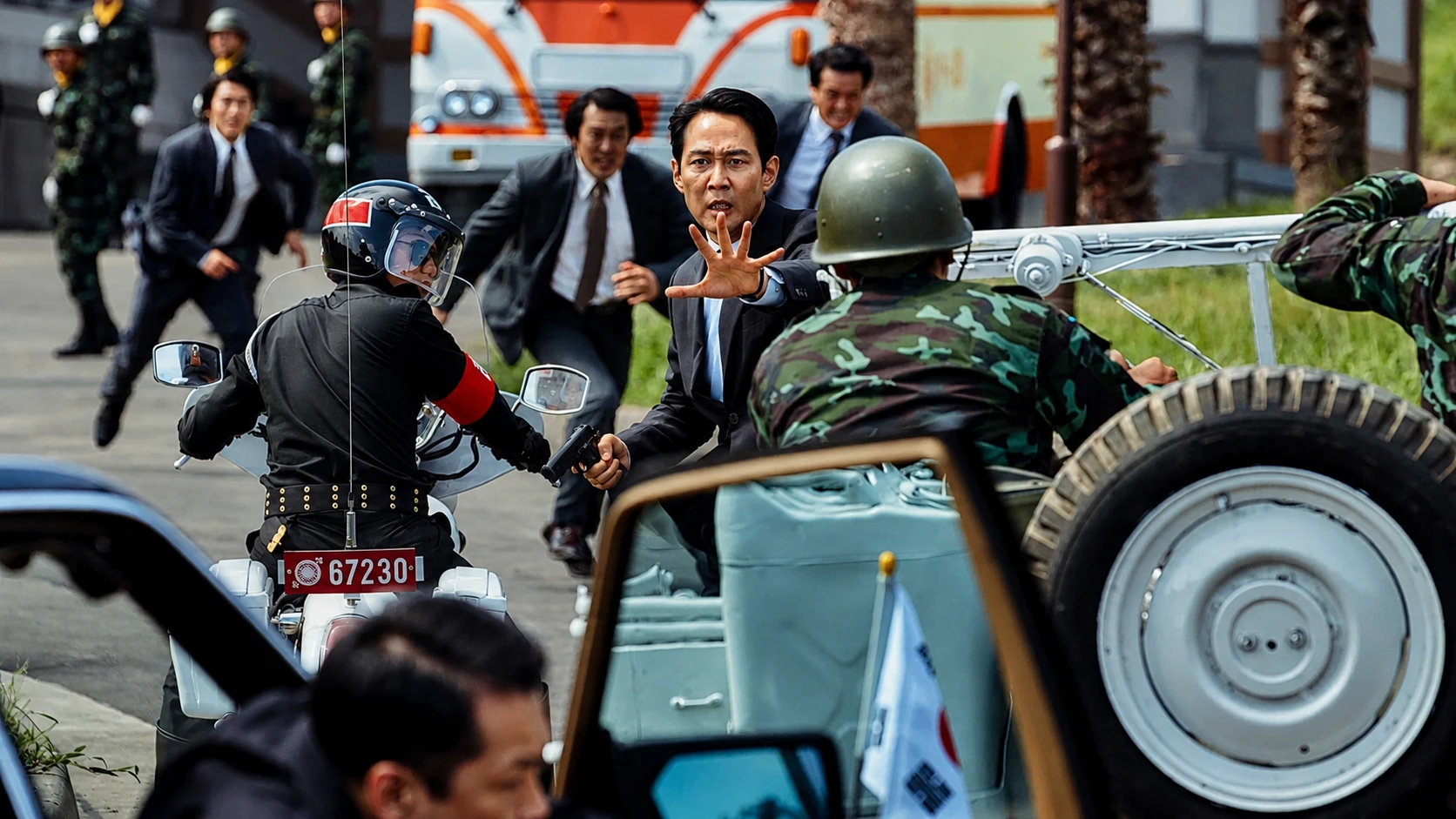
Two hunts, two very different motives That distinction matters. Donglim works for a hostile foreign government. Kim works, in his own mind, for democracy — he wants the dictator gone, not the country destabilized for Pyongyang’s benefit. Park Pyong-ho ends up chasing both men simultaneously during the president’s trip to Myanmar, trying to stop an actual foreign agent while also reckoning with the fact that his rival’s rebellion comes from a place he can’t entirely condemn.
What happens at the Aung San memorial The film’s climax stages its version of the real 1983 Rangoon bombing attempt, compressing Kim’s assassination plot and Donglim’s sabotage into one chaotic, bloody confrontation. Kim’s attempt fails. The human cost is severe on both sides, and Park is left standing in the wreckage of an operation he was ostensibly running but never fully controlled.
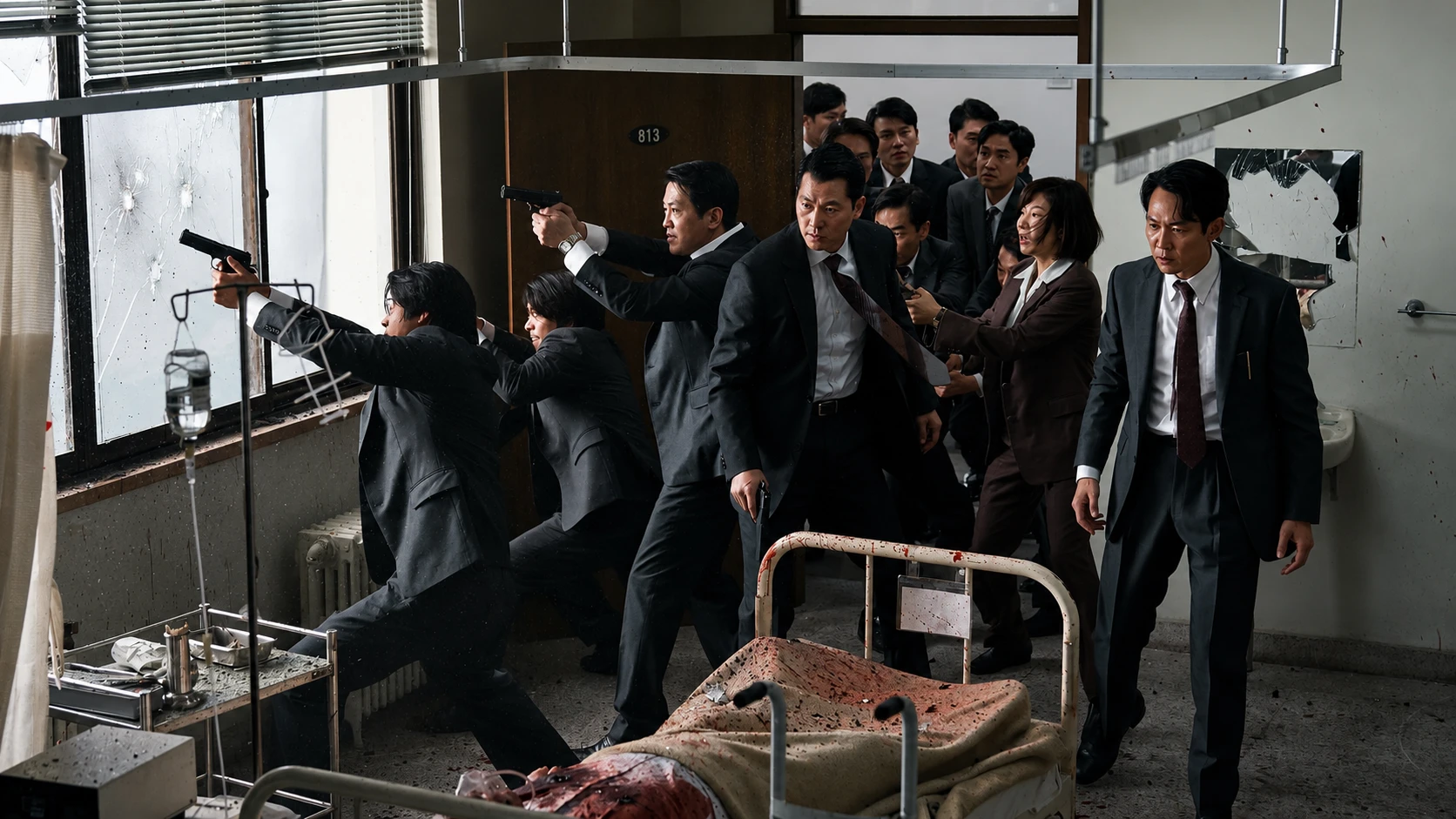
What it costs Park Park survives with the truth intact and his authority technically preserved, but Hunt doesn’t frame that as a win. He’s spent the film enforcing loyalty to a regime the story has already shown to be violently authoritarian, and the ending asks him, and the audience, to sit with what that loyalty actually protected. There’s no clean absolution offered.
The KDW verdict Hunt’s ending works because it refuses to let either man be simply right. Kim’s methods were extreme and got people killed, but his diagnosis of the regime wasn’t wrong. Park’s institutional loyalty kept the agency intact, but the agency itself was never neutral. The film’s real subject isn’t which agent was the mole — it’s how thoroughly a paranoid, authoritarian system turns its most capable people into instruments of harm, no matter which side of the internal hunt they end up on.
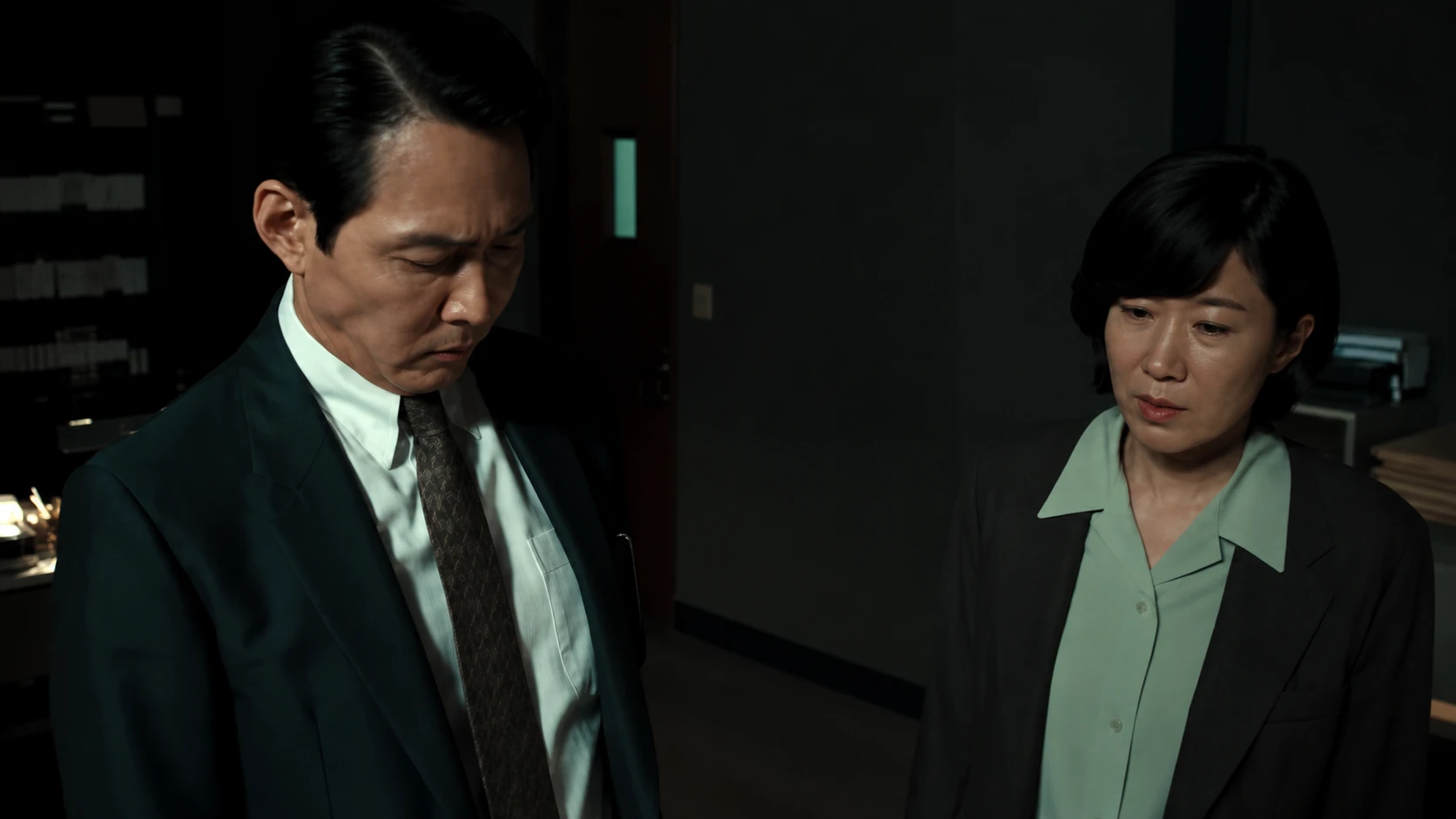
✍️ KDramaWorlds Editor’s Take
Worth the watch? Our honest answer, and who it’s aimed at.
Lee Jung-jae
Known for: Hunt is Lee Jung-jae’s directorial debut, arriving after three decades as one of Korean cinema’s most recognizable leading men — a career that includes The Thieves, New World, and, globally, Squid Game. He self-financed the project and spent years developing the script before it premiered out of competition at the 2022 Cannes Film Festival, an unusually prestigious launch for a first-time director. His instincts behind the camera lean toward the same qualities that define his acting: control, restraint, and a willingness to let tension build through withheld information rather than exposition. Hunt suggests a filmmaker interested in genre as a vehicle for political and moral inquiry rather than spectacle for its own sake.
Lee Jung-jae’s script, co-written with Jo Seung-hee, treats espionage procedure like the most reliable engine for suspense that Korean cinema has — a lineage that runs through Decision to Leave‘s detective-and-suspect dynamic, except here the investigator and the investigated switch seats constantly. What’s most impressive for a directorial debut is the restraint: Lee doesn’t over-explain the political stakes, trusting the audience to sit with ambiguity rather than spelling out who’s right.
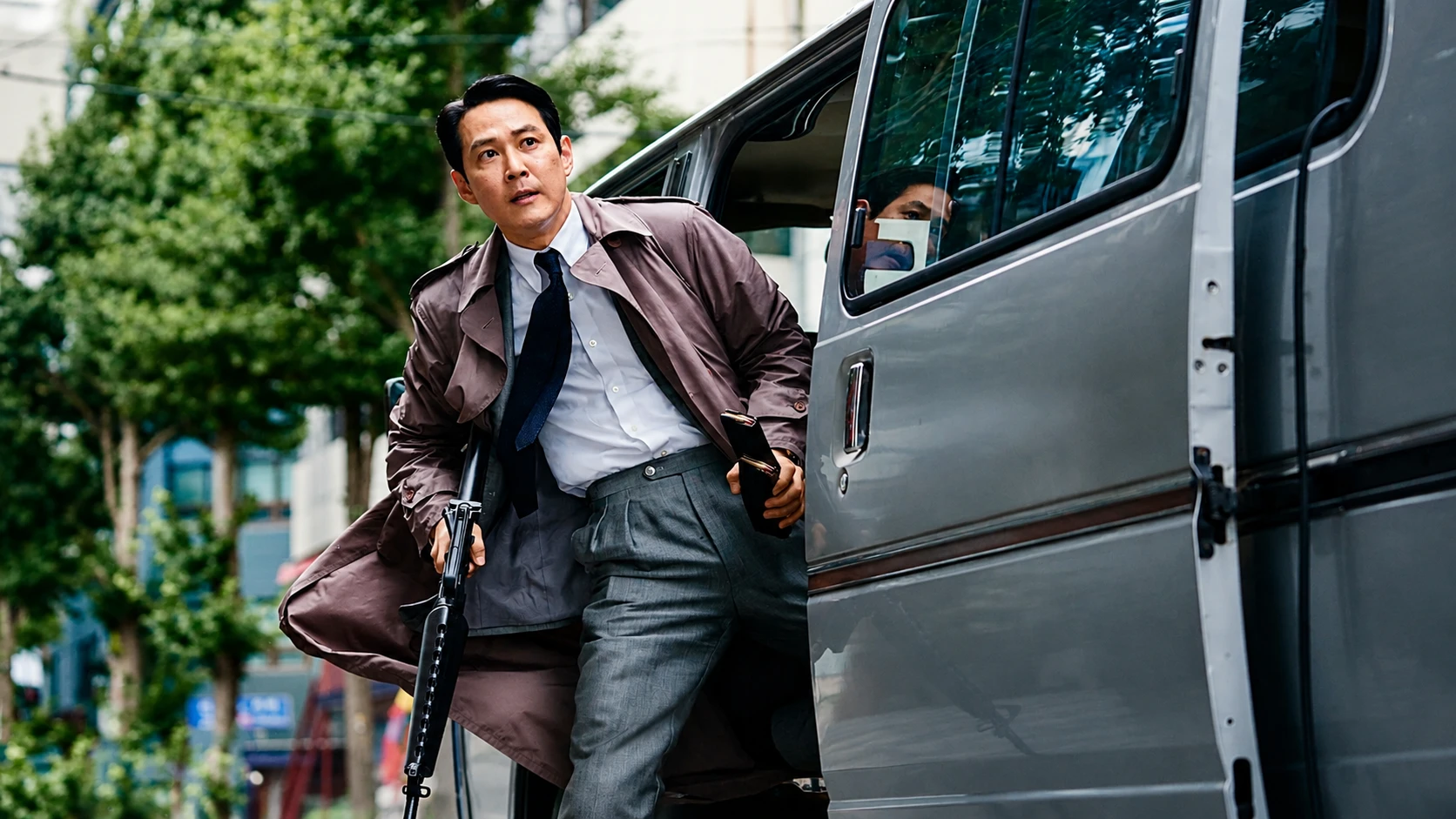
Jung Woo-sung matches him beat for beat as Kim Jung-do, playing conviction and desperation as nearly the same emotion by the film’s back half. The period detail, 1980s ANSP offices, the specific dread of a military-rule Seoul, gives Hunt a texture close to what Hijack 1971 does with its own slice of Korea’s authoritarian decades: history used as pressure, not backdrop.
The action sequences are technically excellent, but the film’s best moments are quieter — a hallway conversation where nobody says what they mean, a silence held one beat too long. Hunt asks a lot of its audience in terms of political and historical context. It rewards the ones willing to meet it there.
🎬 You Might Also Like
If you liked Hunt, these are your next three watches.
 Made in Korea (Season 2)
ActionBrothers Rivalry
Read Full Review →
|
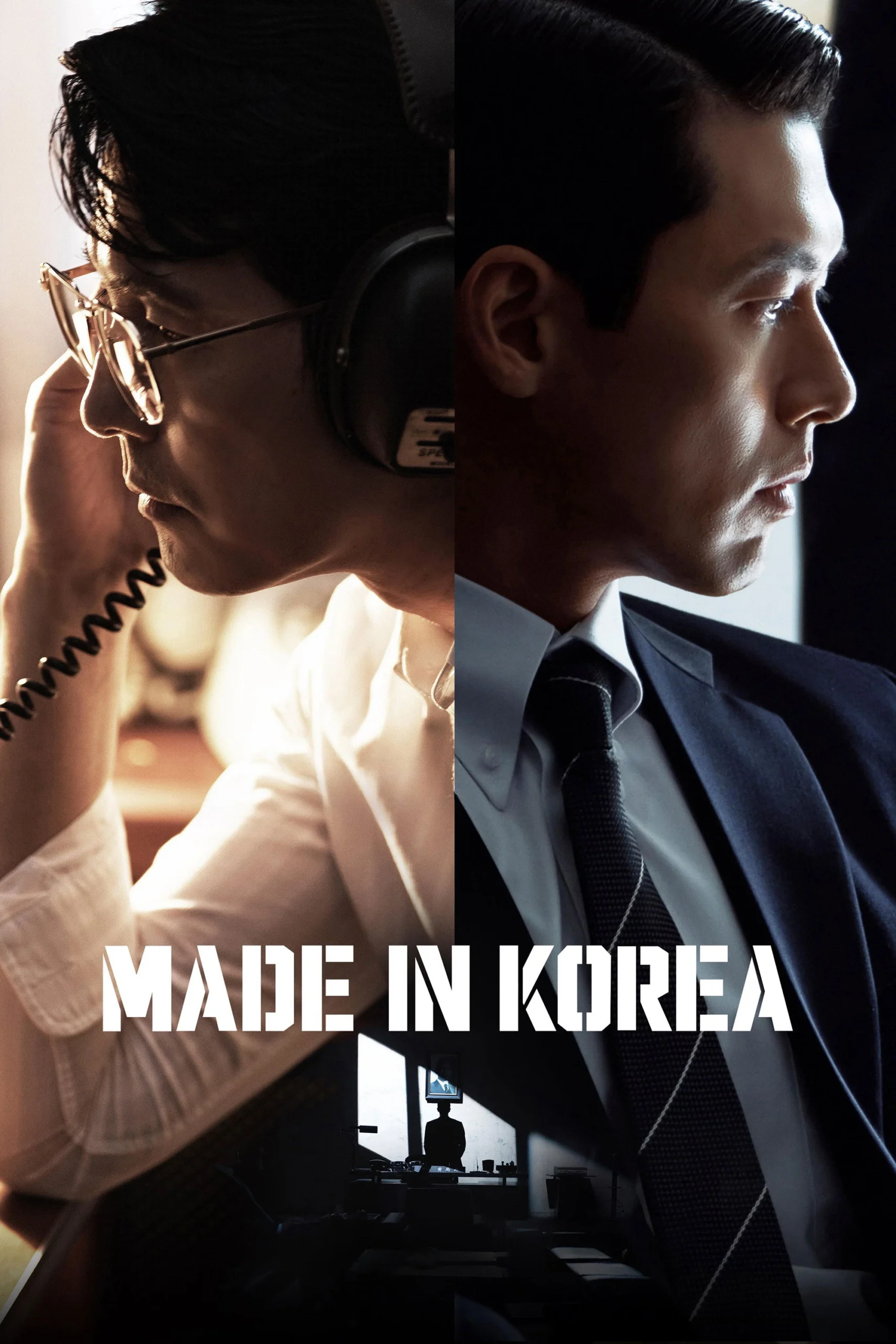 Made in Korea
Antihero Male LeadCorruption
Read Full Review →
|
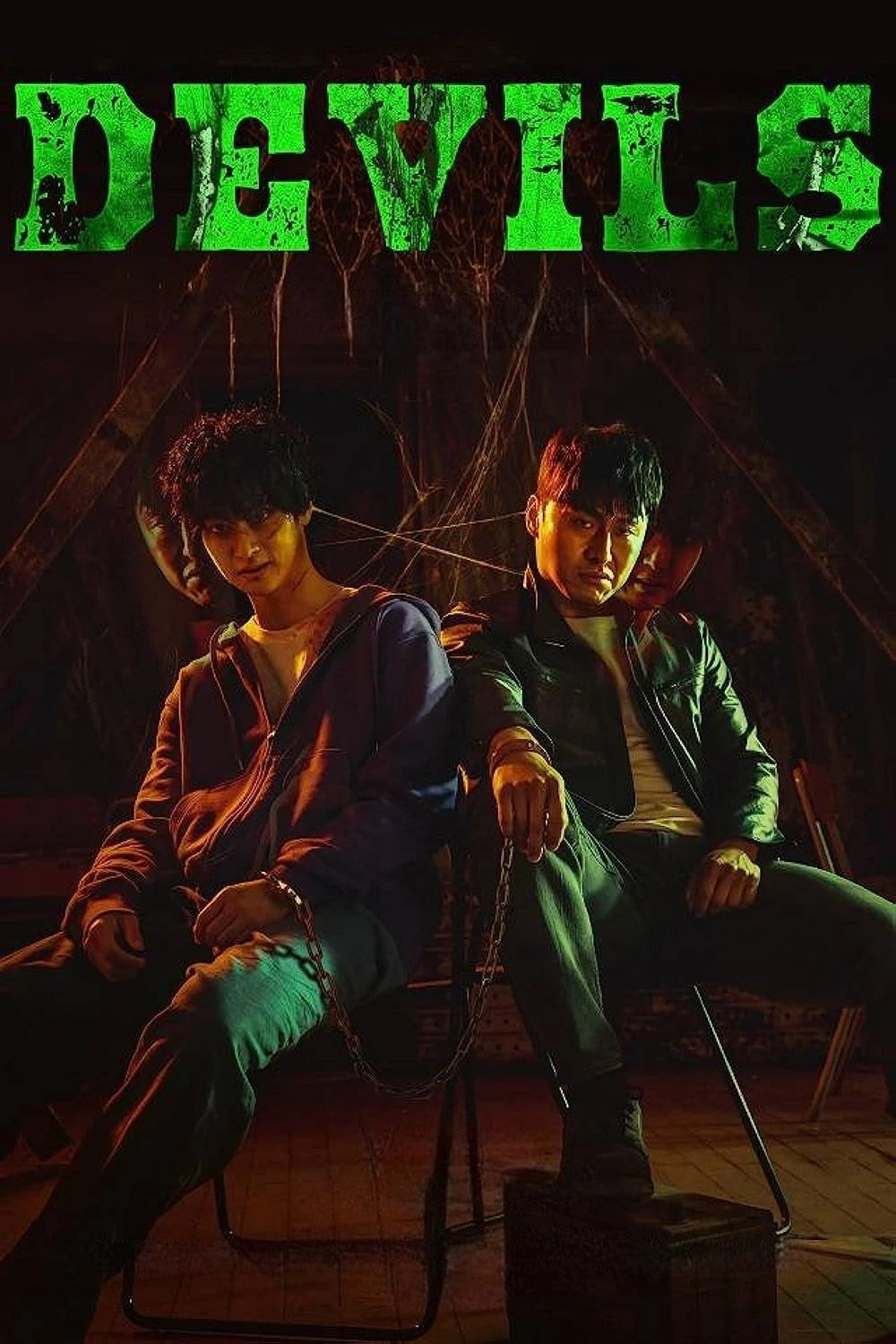
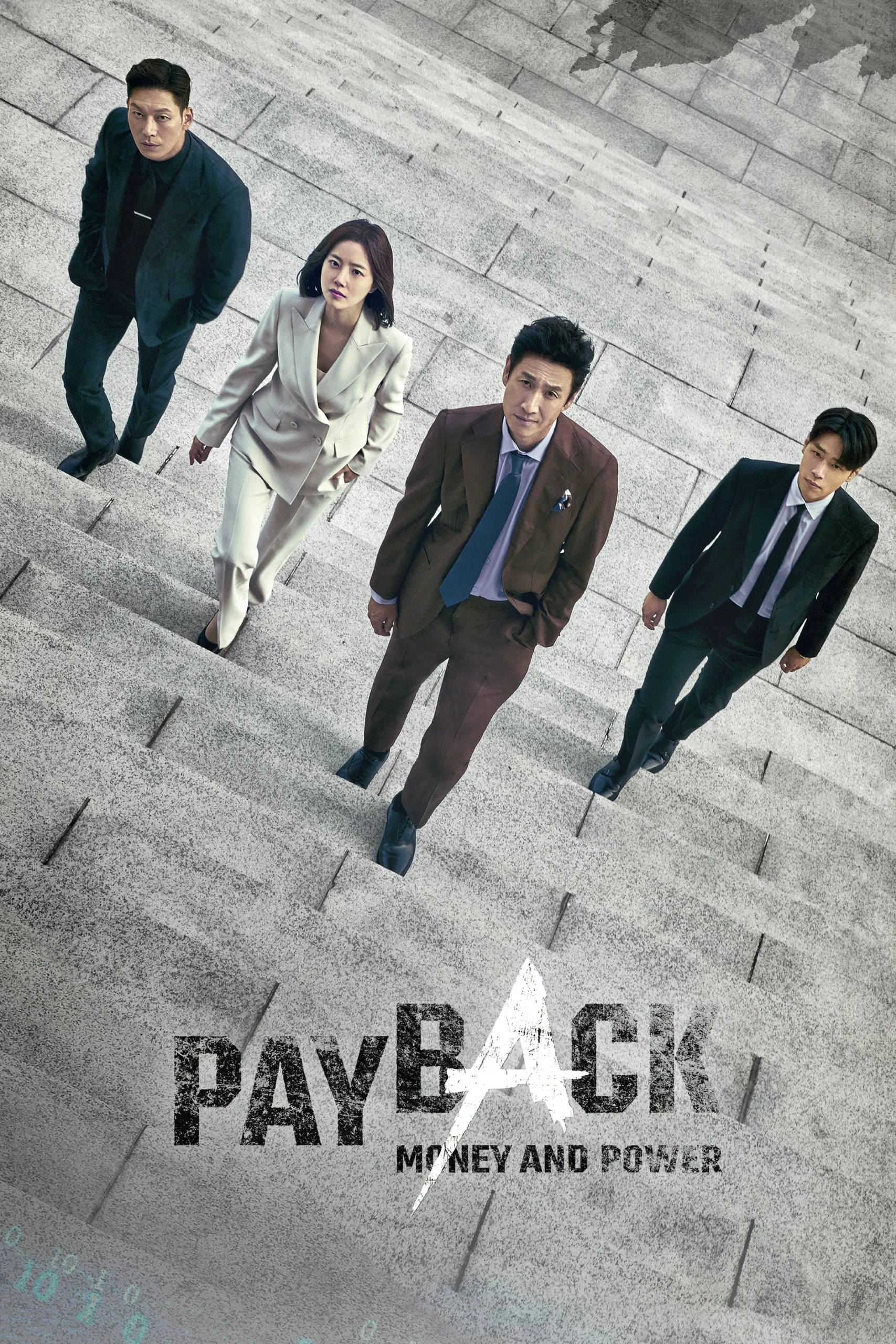 Payback: Money and Power
CorruptionFinance
Read Full Review →
|




Keep it kind, skip the harsh language, and please — no spoilers. Everyone's taste is different, and that's perfectly fine.
This space is for real reactions and discussion from other viewers. Help keep it comfortable for everyone by not giving away major plot details.
What do you think of this drama?
Login to share your review or leave a comment.
No email needed — just pick a username & password.