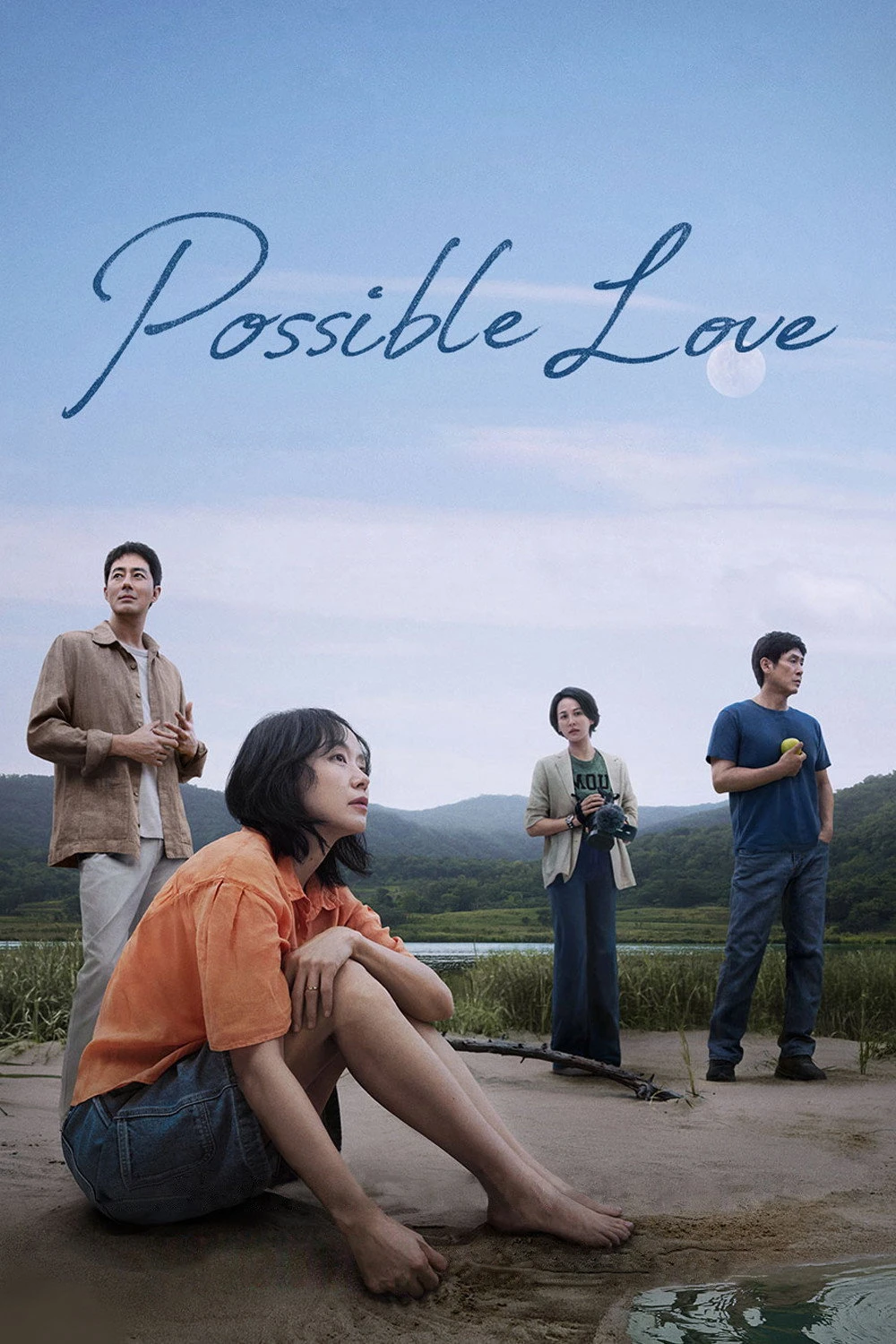
Possible Love
🎬 Film Overview
A factory worker who survived a brutal strike is still living inside it. Two years after SP Heavy Industries crushed its occupation, welder Ho-seok drinks, withdraws and refuses to talk about what happened on that roof, while his wife Mi-ok keeps the household running. Then a documentary filmmaker named Ye-ji films their quarrel at a funeral, and her wealthy husband Sang-woo quietly returns the ring Mi-ok dropped. What Lee Chang-dong builds from that meeting is a study of two marriages standing on opposite sides of the same money. A weekend at a villa on the west coast promises rest for one couple and material for the other’s camera, and it gradually exposes how differently each person is allowed to feel at ease. It premiered in competition at Venice, where it won the Grand Jury Prize, and it is Lee’s first feature since Burning.
⚡ Quick Verdict
One glance, one verdict — everything you need is right here.
▶ Official Trailer
🎭 Cast & Characters
A Lee Chang-dong reunion with two of Korea’s most trusted screen actors.

Lead
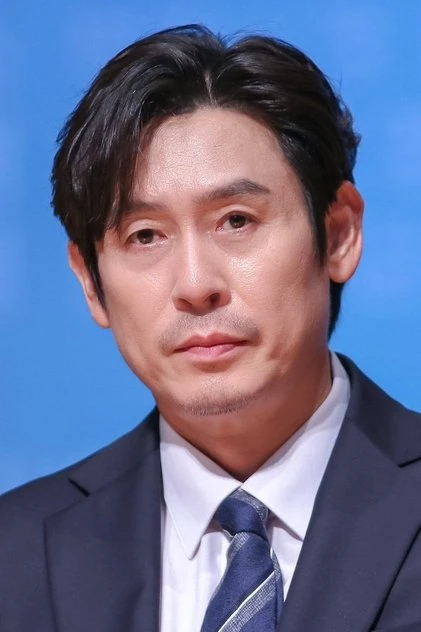
Lead

Supporting

Supporting

Supporting
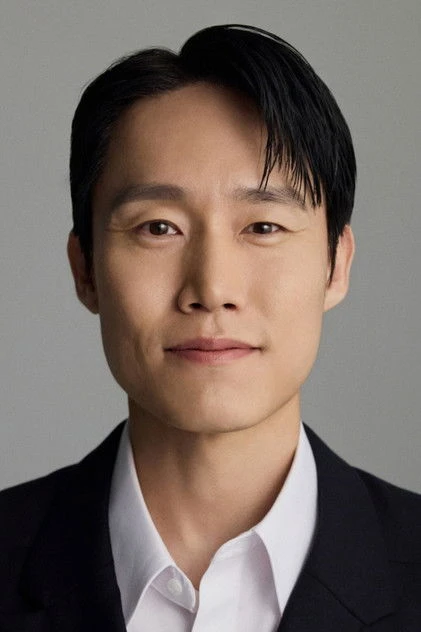
Supporting
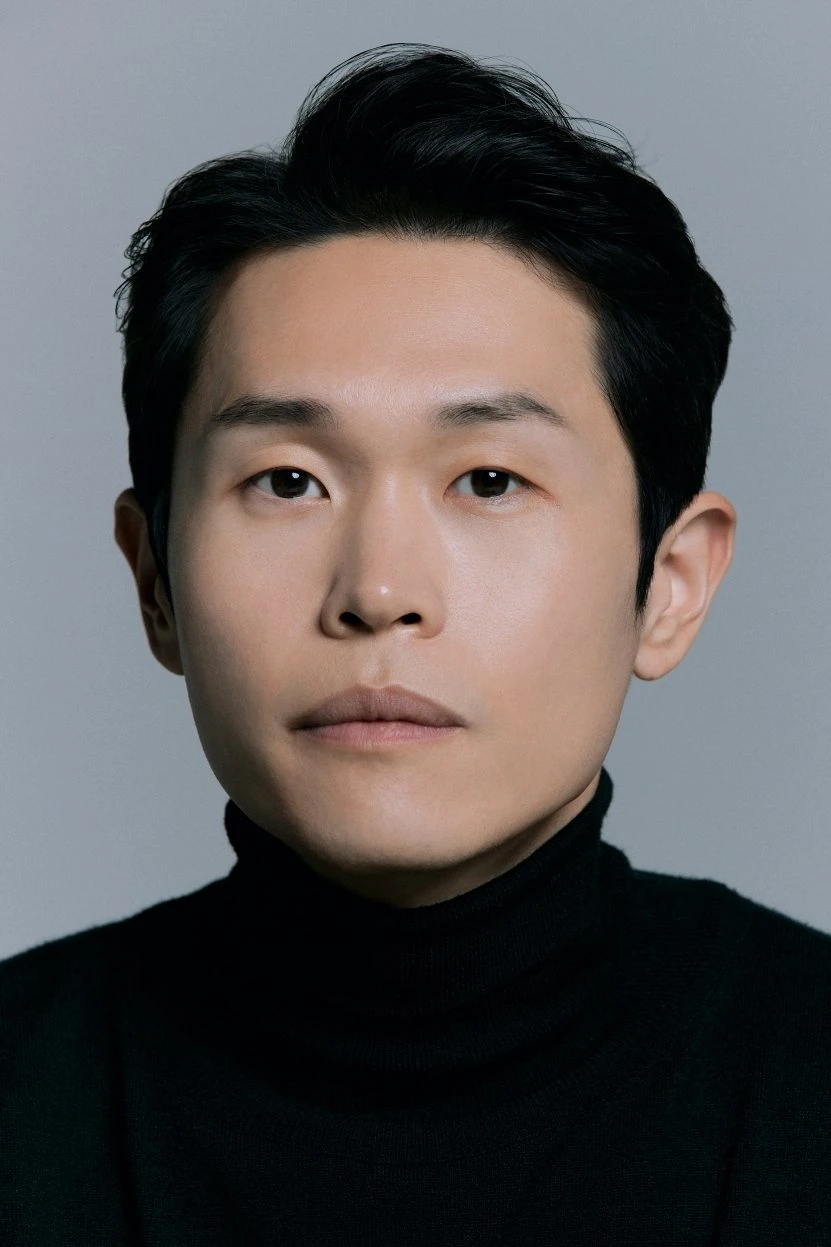
Supporting
🍿 Where to Watch
Watch Possible Love on these platforms.
📖 The Story
A quick, spoiler-free look at what you’re in for.
SP Heavy Industries, an automaker, announces mass layoffs. Union members occupy the factory roofs, and the standoff ends when police commandos storm in by helicopter, killing several of the welder Ho-seok’s friends. The workers who survive are fired and start calling themselves “the dead.” The ones who kept their jobs become “the living.” Reviewers see an echo of the real 2009 SsangYong Motor strike, though the company here is fictional.
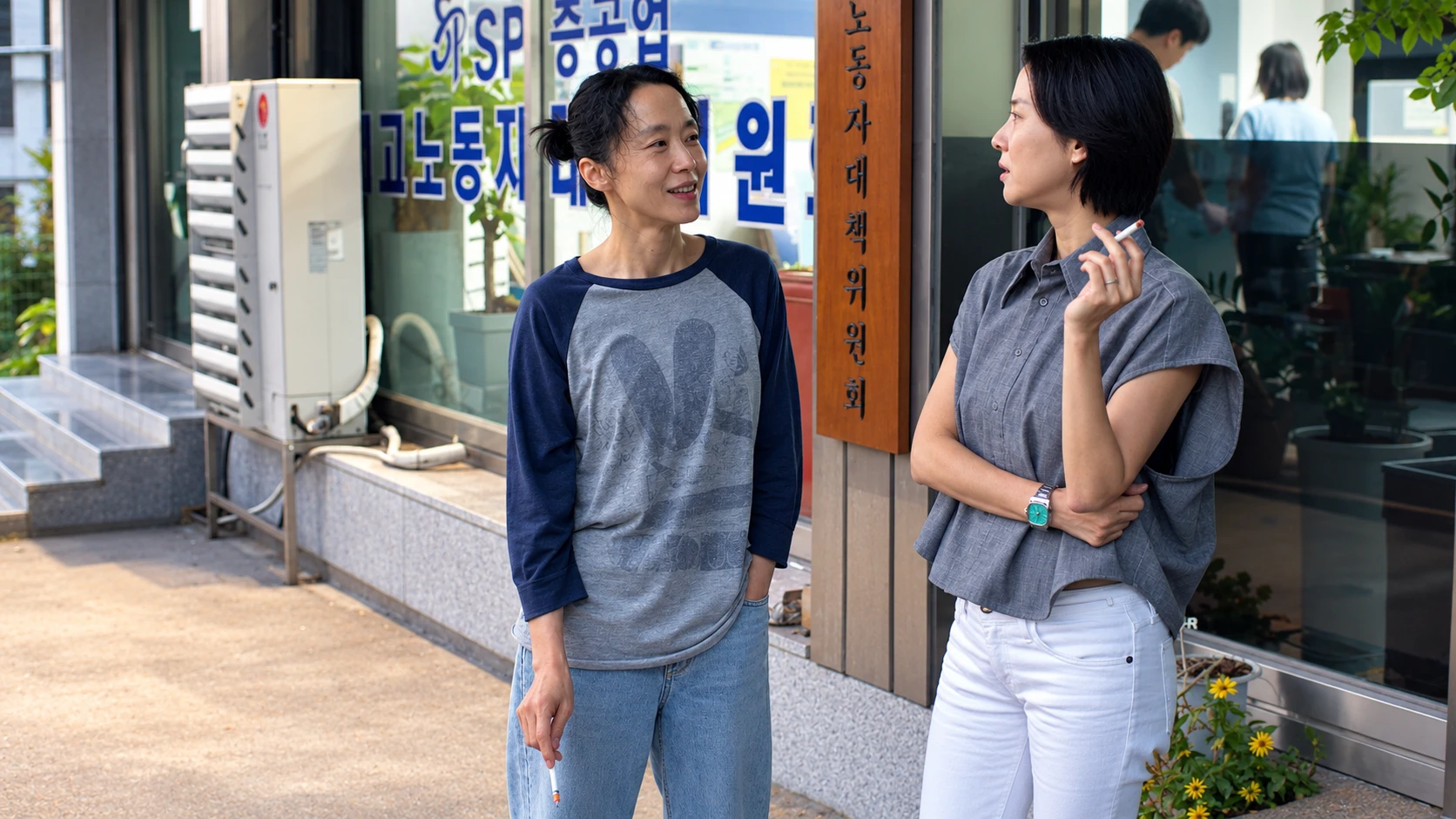
Two years later, a drunk Ho-seok turns up at the funeral of a former co-worker who died by suicide. His wife Mi-ok is there, along with their quiet son Cheol, and so are a documentary filmmaker named Lee Ye-ji and her wealthy husband Sang-woo. Ye-ji films Ho-seok and Mi-ok arguing, and Ho-seok shouts at her for it.
Sang-woo later returns the ring Mi-ok dropped, and Ye-ji decides the couple will be the subject of her next documentary. Mi-ok warms to her quickly. Ho-seok is harder to reach, partly because Mi-ok believes he has a drinking problem, and partly because he has not talked about the strike with anyone. He eventually agrees to an interview and starts attending group therapy.
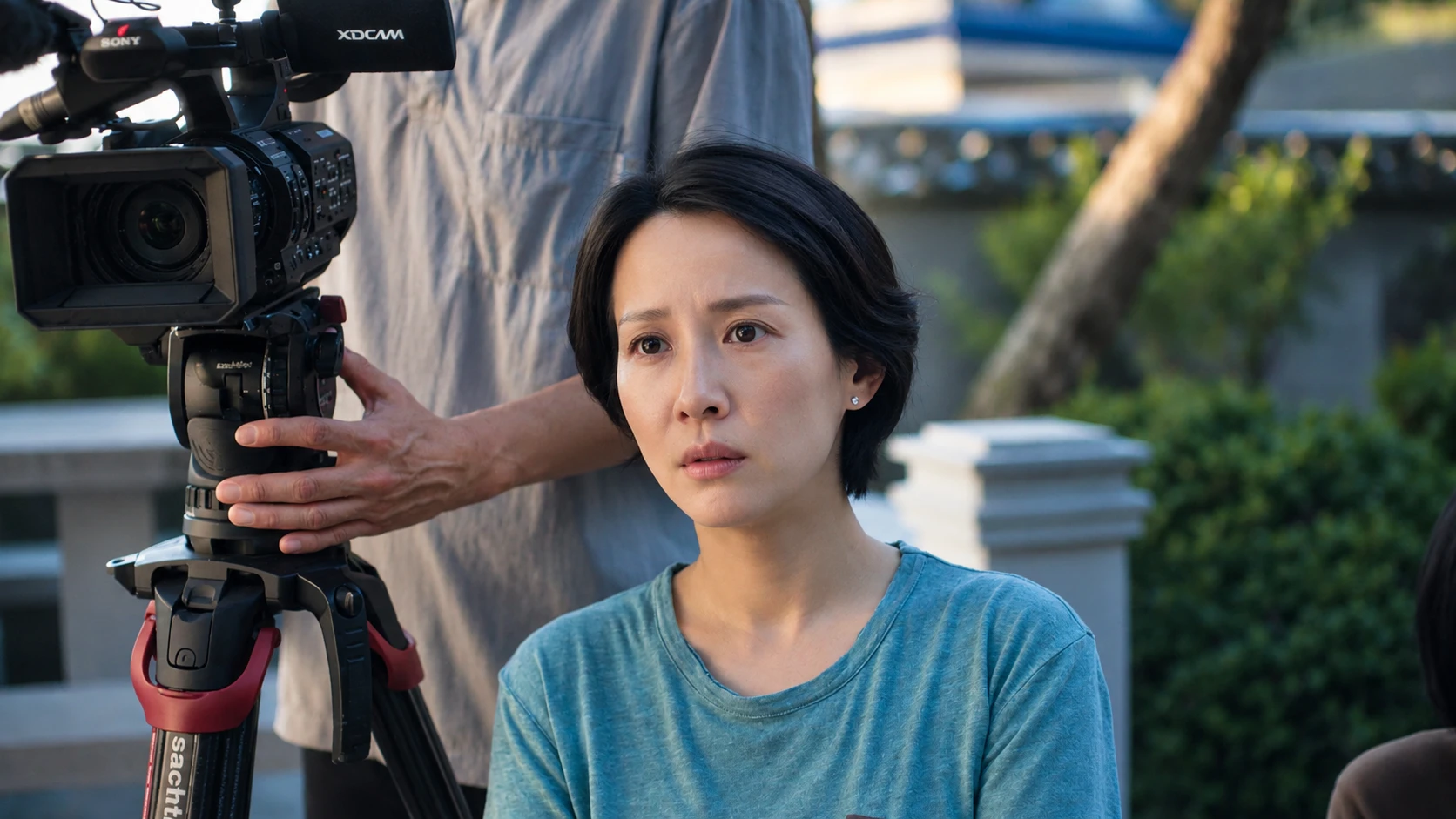
The gap between the two households shows up in small things. Ye-ji and Sang-woo own a luxurious estate on Korea’s west coast. Ho-seok and Mi-ok have barely had a proper holiday. Cheol, who has facial tics and has grown withdrawn like his father, watches all of it without saying much. When Ye-ji suggests a weekend away so the interview can happen somewhere more relaxed, Mi-ok says yes right away.
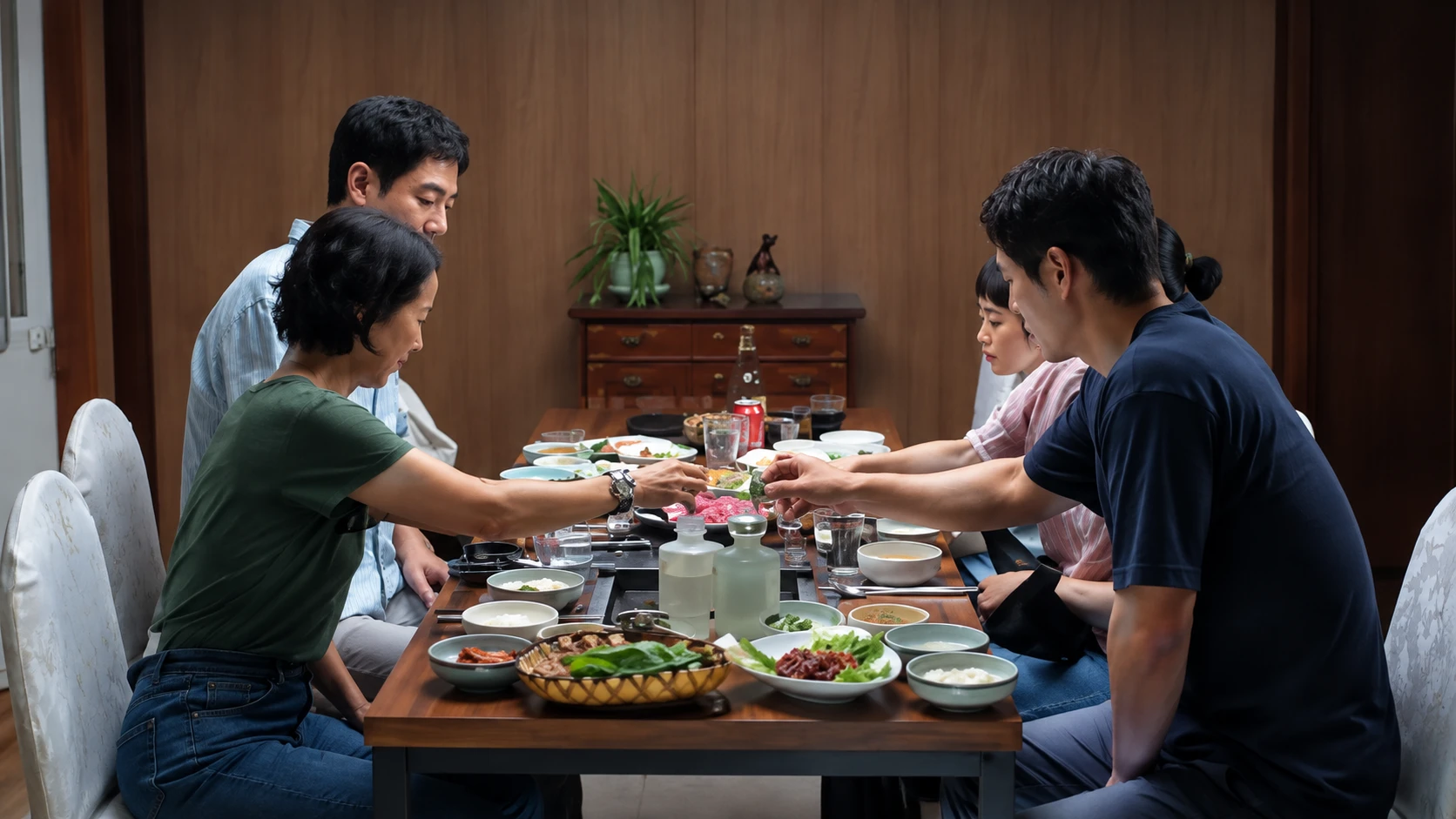
At the villa, servants do the cooking and the gardening. Sang-woo seems to know exactly where he stands socially, while Ye-ji appears blind to her own privilege, and Mi-ok slowly realizes the distance between her life and theirs is not one a weekend can close. The trip brings her a rare break from worrying about her husband, and it also shows her what that break costs.
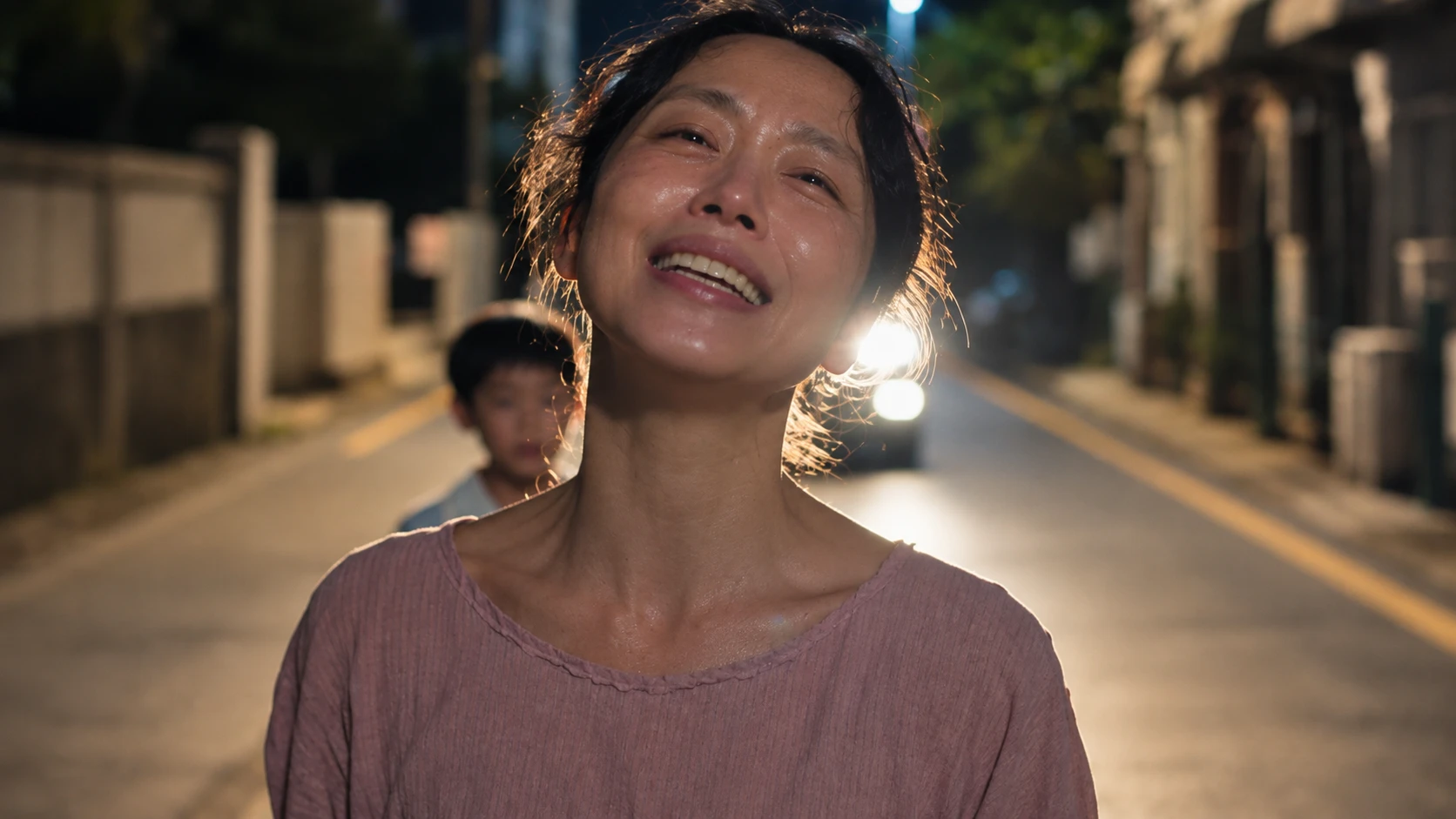
Ho-seok finally sits down in front of Ye-ji’s camera and cannot hold it together. He has a panic attack while venting his rage at his old union, calls its slogans nonsense, and describes the betrayal he felt. One of the film’s most praised moments has him remembering colleagues he had sheltered at home who fled while he was half-beaten.
While that unfolds, Mi-ok and Sang-woo flirt on the beach in a scene critics describe as quietly erotic without ever crossing a line, and Cheol silently watches the adults through the estate’s security cameras. After filming wraps, news breaks that SP Heavy Industries has been bought by an American private equity firm, which dims Ho-seok’s hope of ever getting his job back.
🏁 Ending Explained
Full spoilers ahead — what happens, what it means, and what it all adds up to.
What actually happens Nothing is neatly settled. After the villa weekend the couples return to their separate lives, changed but not defined by what happened there. The film does not hand Ho-seok a victory, and the news that his old company has been sold stays hanging over him. It closes on a full moon.
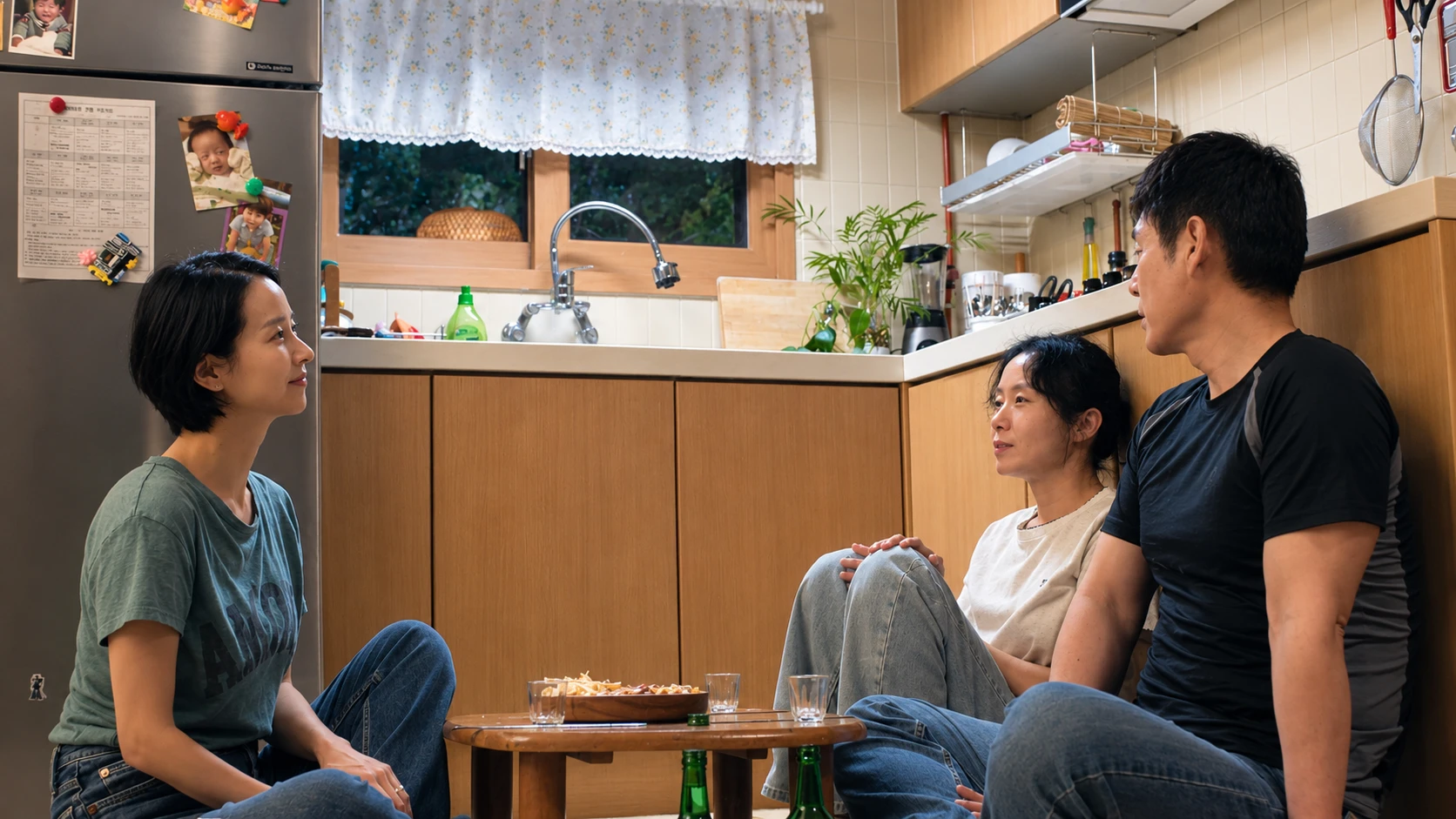
Why the full moon matters The moon is a callback. In an earlier flashback Mi-ok describes it as the sight that made her realize Ho-seok was the person she wanted to spend her life with. Putting it back on screen at the end reads as a quiet reminder that something between them is still intact, even after the year they have had.
Mi-ok and the photo Korean viewers describe Mi-ok photographing the moon and hesitating over whether to send the picture to Ye-ji, then putting her phone down. If that reading is right, the gesture says her friendship with the filmmaker has run its course, and that the moon belongs to her marriage rather than to anyone’s camera. Accounts of this scene vary, so treat it as an interpretation rather than a certainty.
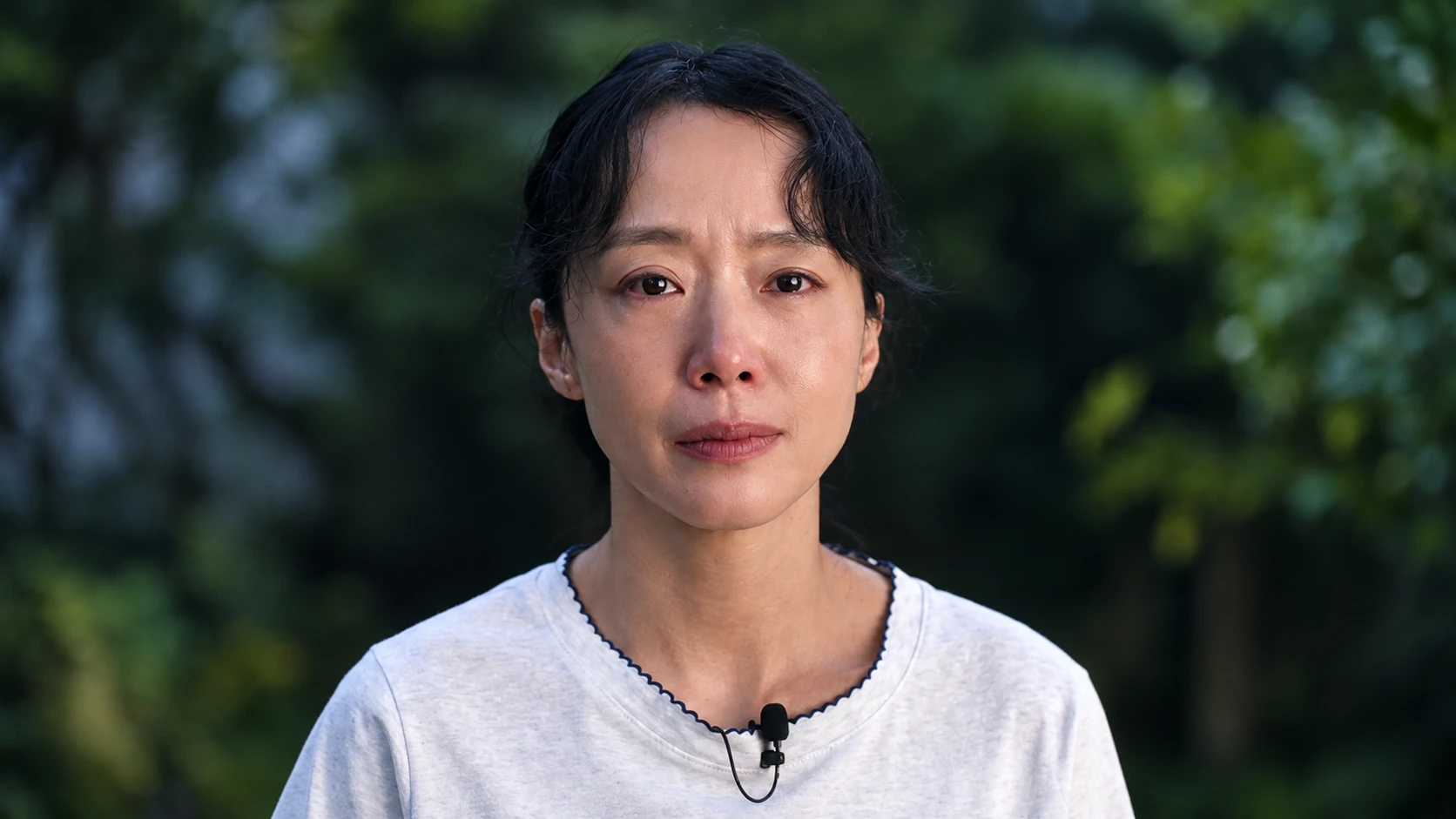
Ye-ji and the line she crosses Reviews point to Ye-ji’s “final crossing” from observing to exploiting as central to the last act. She films a man in the worst moment of his life, and the villa, the servants and the invitation all stay hers. The film does not condemn her outright, but it lets the audience feel how comfortable it is to study someone else’s pain from a position of safety.
The KDW read The title promises possibility, not rescue. With the factory sold to private equity, the class gap untouched and a son who has watched everything, the ending offers hope in the smallest available unit: two people still looking at the same sky. Critics disagree on how hopeful that is, and the film leaves room for both views.
✍️ KDramaWorlds Editor’s Take
Straight talk on whether this one’s worth watching, and for who.
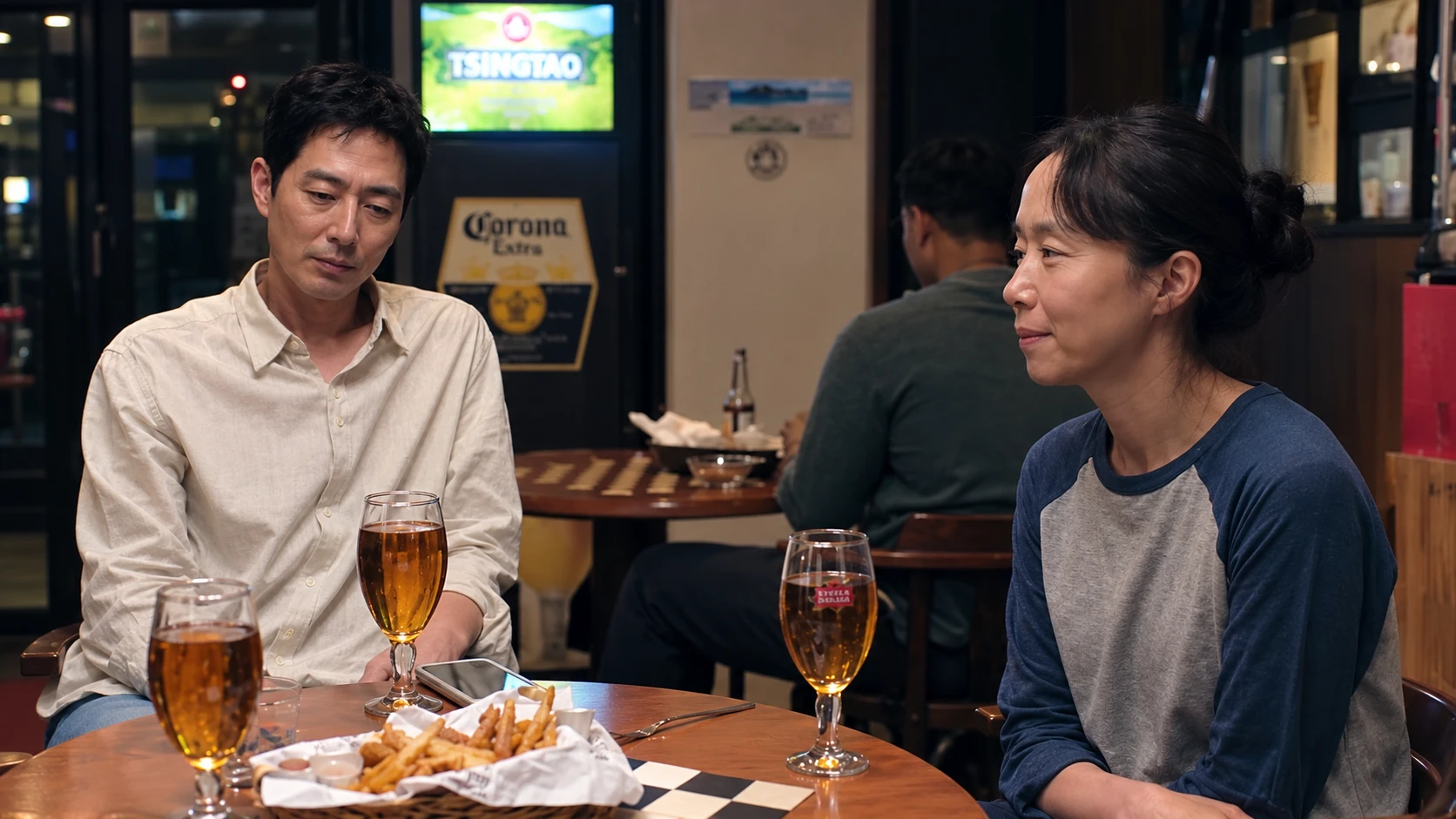
A villa where servants cook and tend the garden while a laid-off welder tries to talk about the worst day of his life is the kind of contrast Lee Chang-dong trusts to do the work. Anyone who came out of Parasite wanting to sit longer with how class shapes ordinary kindness will find the same subject here, handled with far less plot and far more silence. Nobody is a villain. The villa simply has more room in it for some people than others.
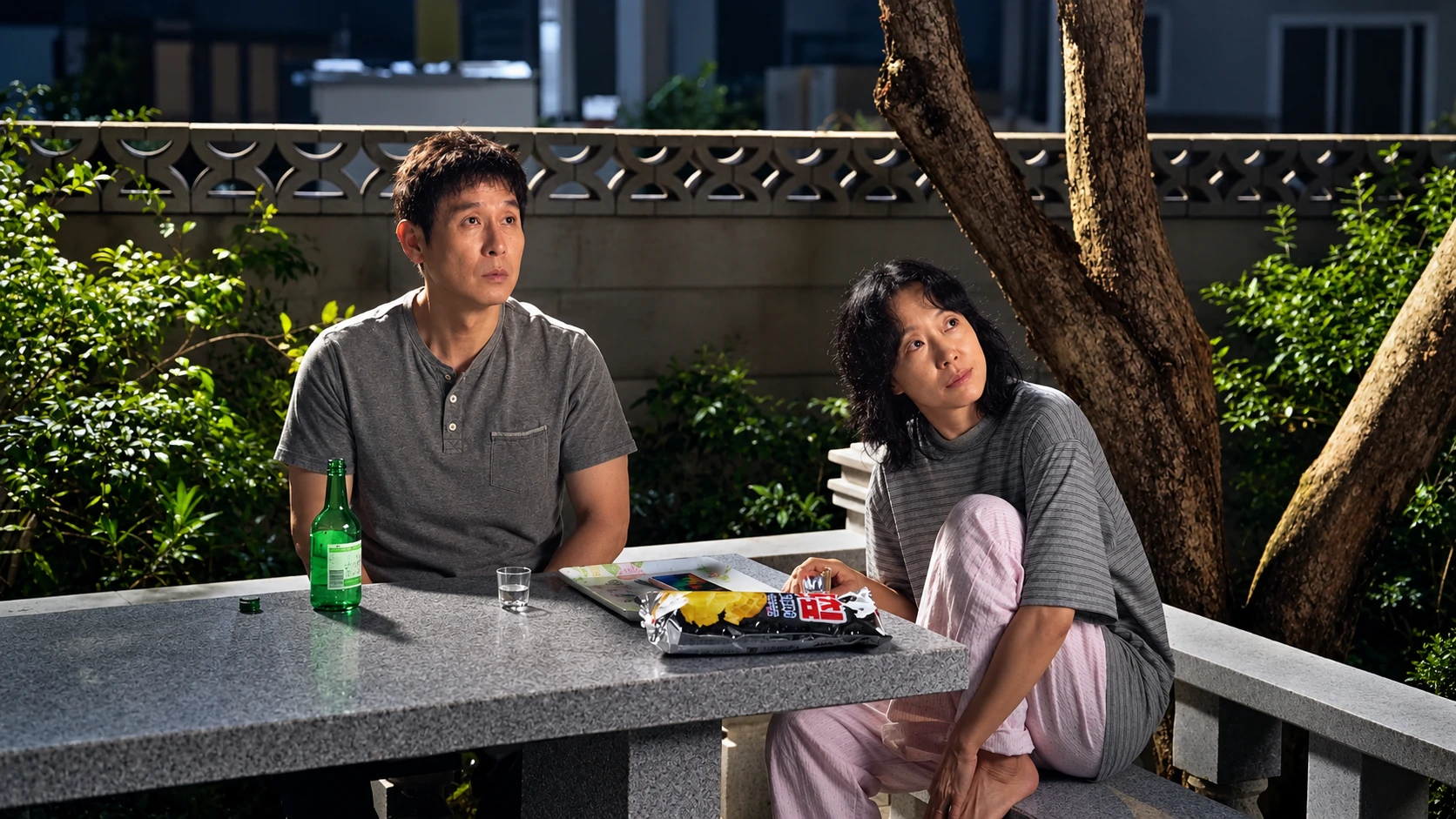
Sul Kyung-gu’s scene in front of the camera is the one critics keep returning to, and it earns the attention. Jeon Do-yeon, back with Lee after Secret Sunshine, plays Mi-ok as someone who gives a little away in every glance. For viewers who liked how Decision to Leave let desire stay mostly unspoken, the beach scene between Mi-ok and Sang-woo works in a similar register.
It is a long film and it does not apologize for that. A few critics found the closing scenes a little too neat after three quiet hours, and that is a fair complaint. Still, the pace buys the final image its weight, and few Korean films this year have put this much trust in a single glance across a table.
🎬 You Might Also Like
If you liked Possible Love, these are your next three watches.
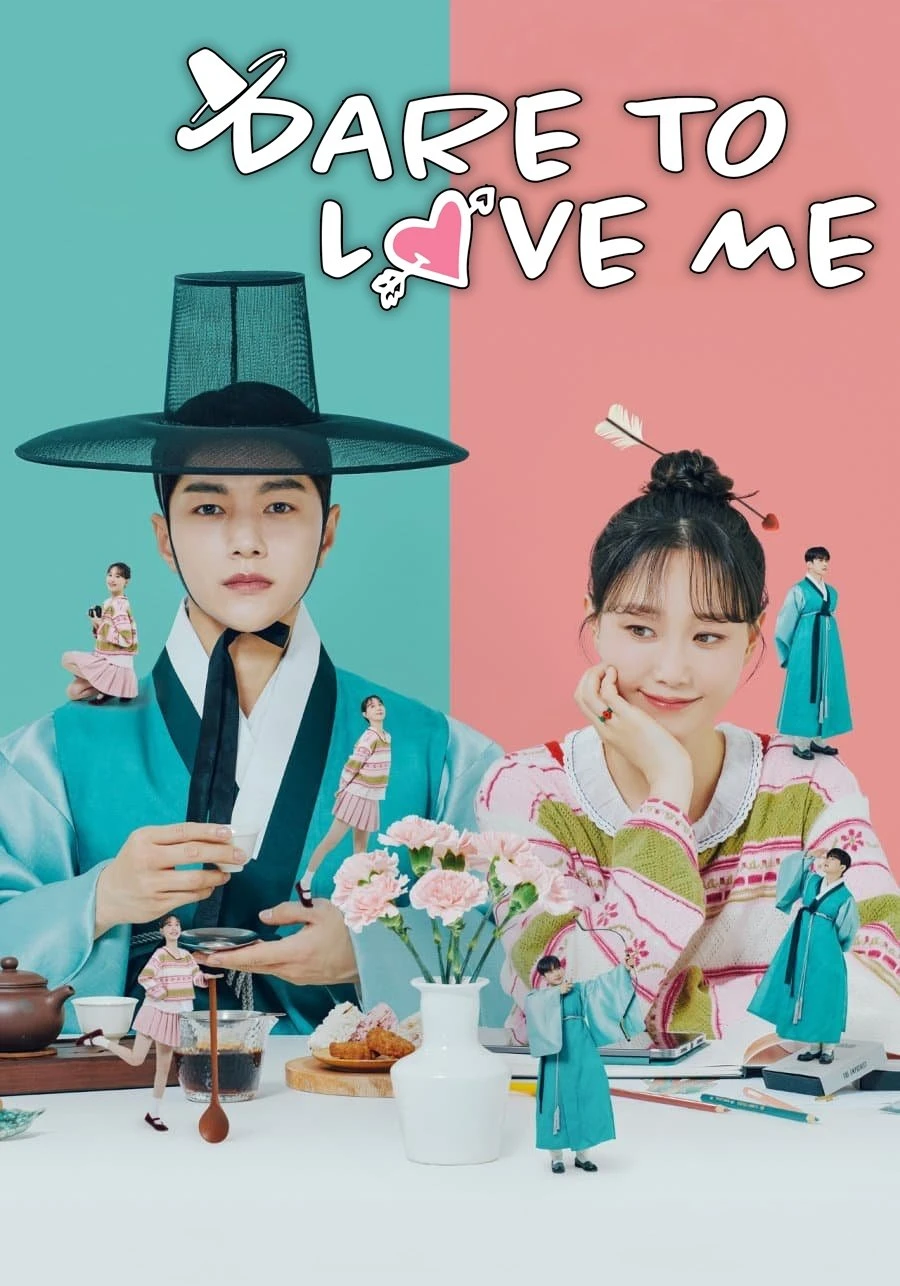 Dare to Love Me
Family SecretsFashion World
Read Full Review →
|
 Brewing Love
Craft BeerHealing
Read Full Review →
|
 Between Him and Her
Breakup DramaDonghae
Read Full Review →
|







Keep it kind, skip the harsh language, and please — no spoilers. Everyone's taste is different, and that's perfectly fine.
This space is for real reactions and discussion from other viewers. Help keep it comfortable for everyone by not giving away major plot details.
What do you think of this drama?
Login to share your review or leave a comment.
No email needed — just pick a username & password.