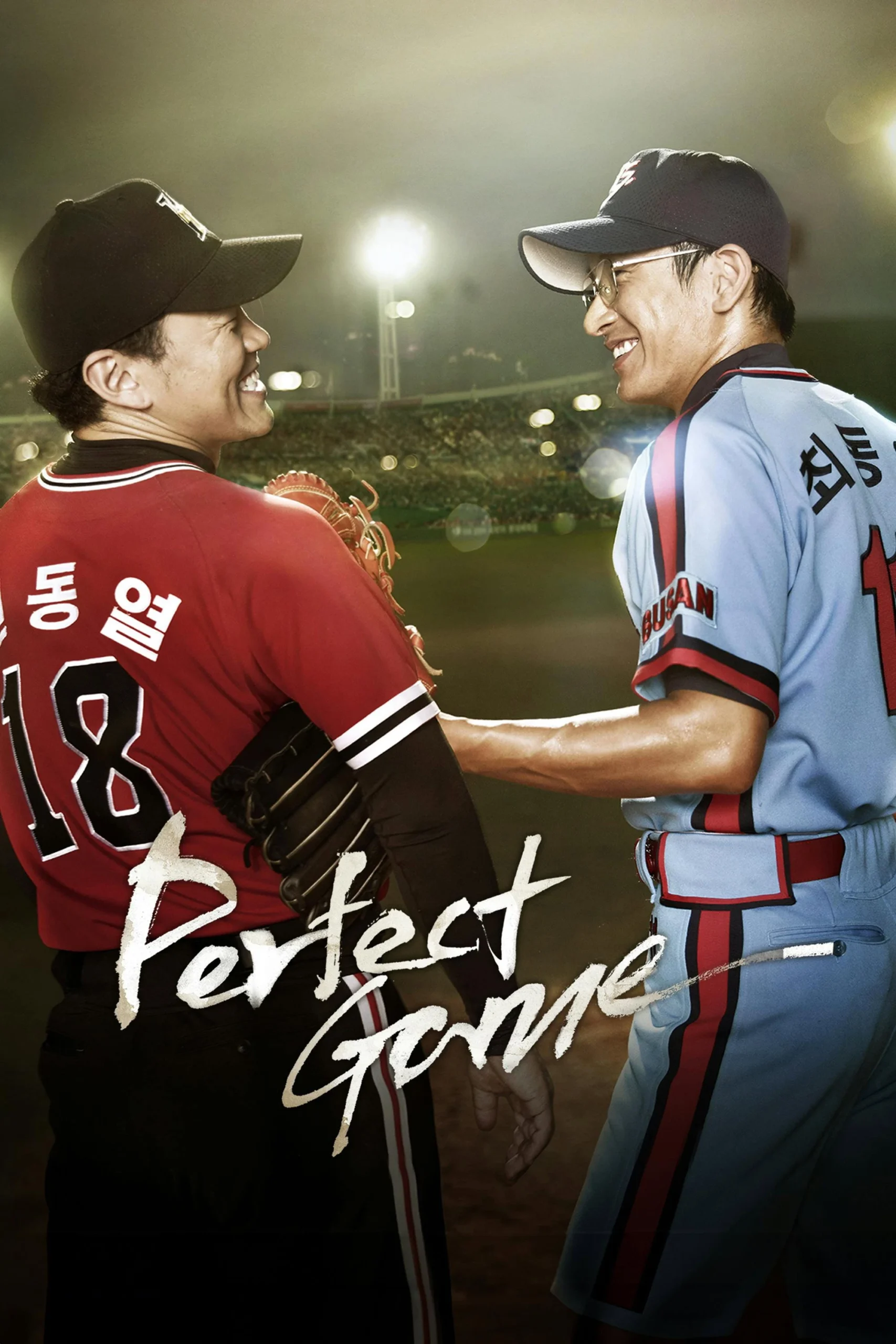
Perfect Game
🎬 Film Overview
On May 16, 1987, two pitchers walked out onto the mound at Sajik Stadium in Busan, and neither one came off it for fifteen innings. Choi Dong-won of the Lotte Giants and Sun Dong-yeol of the Haitai Tigers were the best arms in Korean baseball, friends from the national team who had been turned into rivals by newspapers, fans and, the film says, by men in government offices who wanted a crowd to fight over. Park Hee-kon’s Perfect Game rebuilds that afternoon as a sports drama with Cho Seung-woo and Yang Dong-geun in the leads. A fictional sports reporter and a fictional bench catcher, played by Choi Jung-won and Ma Dong-seok, walk the audience through it. Much of what happens around the game is invented or heavily dramatized. The result of the game is not.
⚡ Quick Verdict
No scrolling required — the verdict’s right here.
Watch Perfect Game Free (US Only)

Free to watch - US only. Its owner makes this movie available only in the United States. If it doesn't play in your country, you may need a VPN with a server in an allowed country to watch it.
Region limits are set by the video owner, not by KDramaWorlds. Please make sure VPN use is allowed where you live and by YouTube's terms.
This film is free with ads, but the stream is currently available only in certain regions, mainly the United States. If the player shows “not available in your country,” the film can’t be played from your location.
Official Videos
 TRAILER
🎭 Cast & Characters
The two pitchers, the people around them, and the fictional characters who explain the game.

Lead

Lead

Supporting

Supporting

Supporting
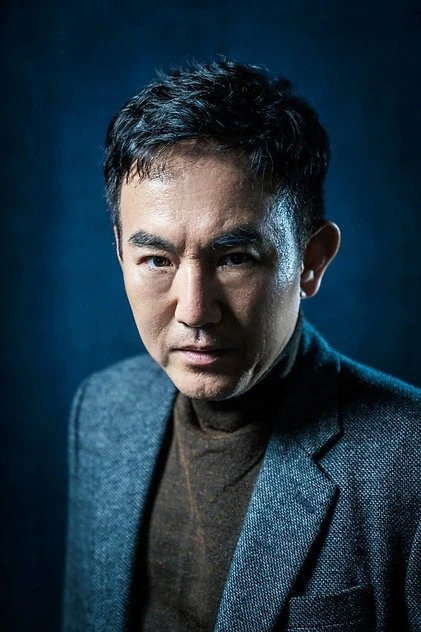
Supporting

Supporting

Supporting

Supporting

Supporting

Supporting

Supporting
📖 The Story
No spoilers ahead — just enough to see if it fits your taste.
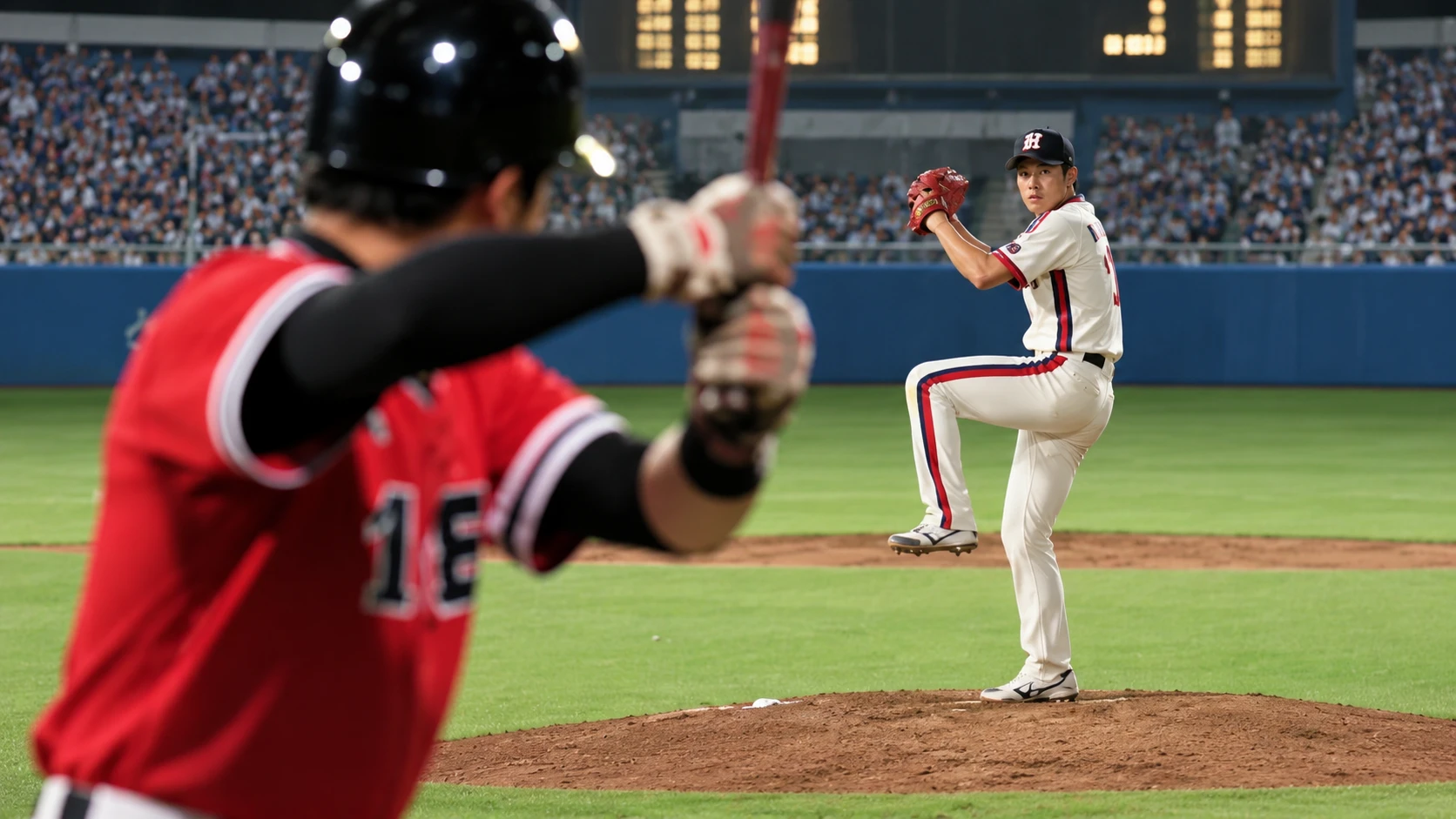
The film starts from a fact that every Korean baseball fan of a certain age knows. In the spring of 1987 the league’s two best pitchers were due to start against each other for a third time, in Busan, and the whole country had an opinion about who would win. Park Hee-kon opens his final act with Haitai’s pitcher on the mound and a Lotte batter squared up in front of him, but the first hour is not about that moment. It is about how two men ended up on opposite sides of it. Choi Dong-won pitches for Lotte, the Busan club. Sun Dong-yeol, a couple of seasons into his own career, pitches for Haitai, the club of Gwangju. Their records were close enough that every argument in a tea shop or a barbershop could run all night without anyone being proved wrong.
Before the rivalry, the film shows a friendship. It cuts back to 1981, to an intercontinental tournament in Toronto, where a torn nail ends up on Choi’s pitching hand and the younger Sun glues it back together with great care. Choi is named the best pitcher of the tournament. The same flashbacks show how brutal the national team could be, with senior players hitting juniors, Choi objecting, and Sun stepping in front of him. A later international final brings the first real test. Choi’s shoulder is already wrecked from being overused since high school, and the youngest man on the staff offers to take his place. Choi refuses, walks to the mound and pitches the team to the title in pain. This is the debt the film wants you to remember when the two men meet again as opponents.
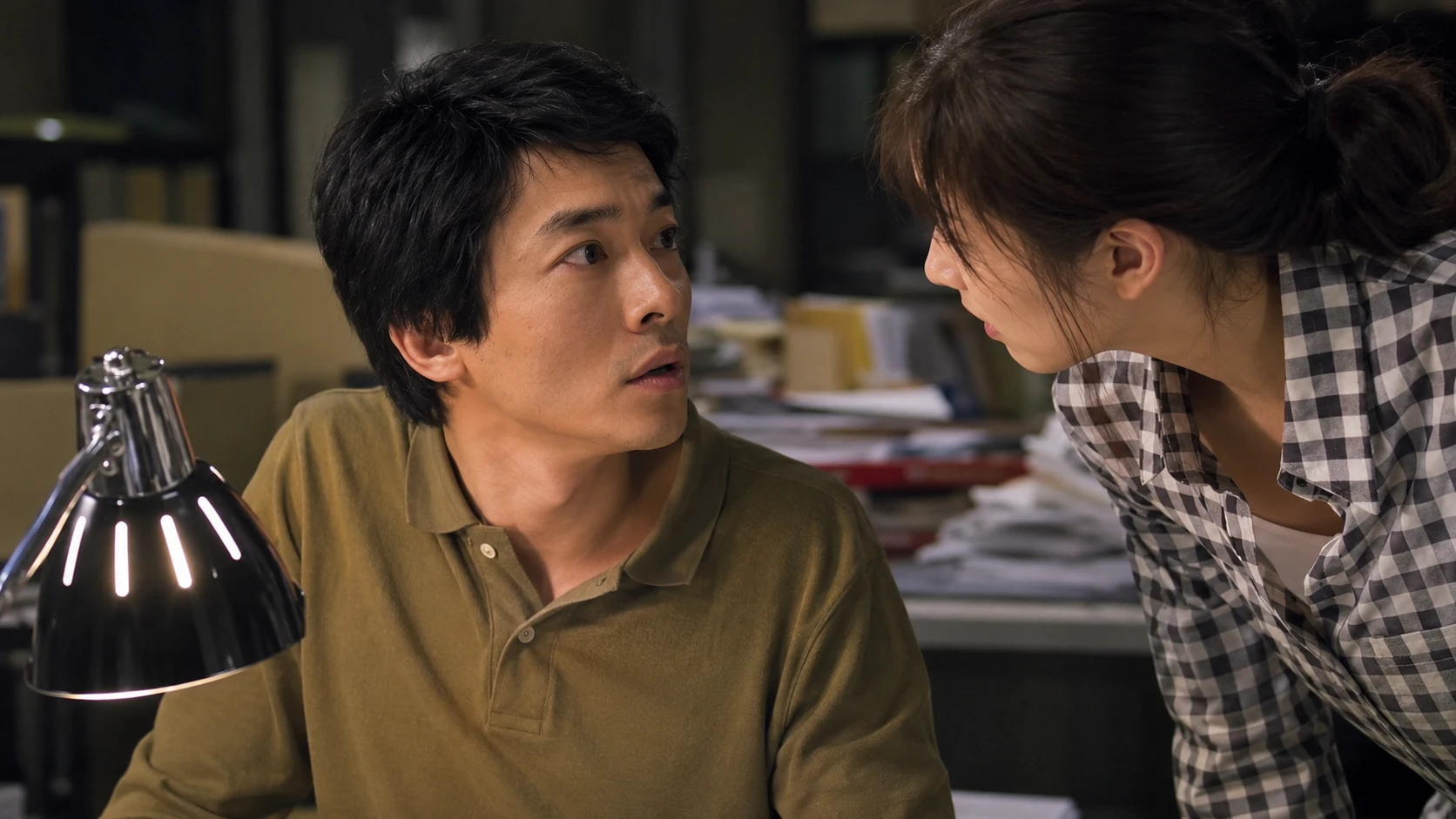
The audience’s guide through the 1980s is a character who never existed. Kim Seo-hyung, played by Choi Jung-won, is a young sports reporter. The director has said he built her for viewers who know nothing about baseball, and she works well as a messenger who keeps crossing between the two camps and sharing what each one says about the other. Her newsroom has an editor played by Lee Byung-joon, who wants a scoop every day, and a senior colleague played by Kim Young-min. In the real league of that decade there were no women in the press box, and the locker-room scenes she walks into would have been unthinkable, which is a good reason to treat her as a device and not as history. She is still the character who makes the sports pages feel like a gossip column.
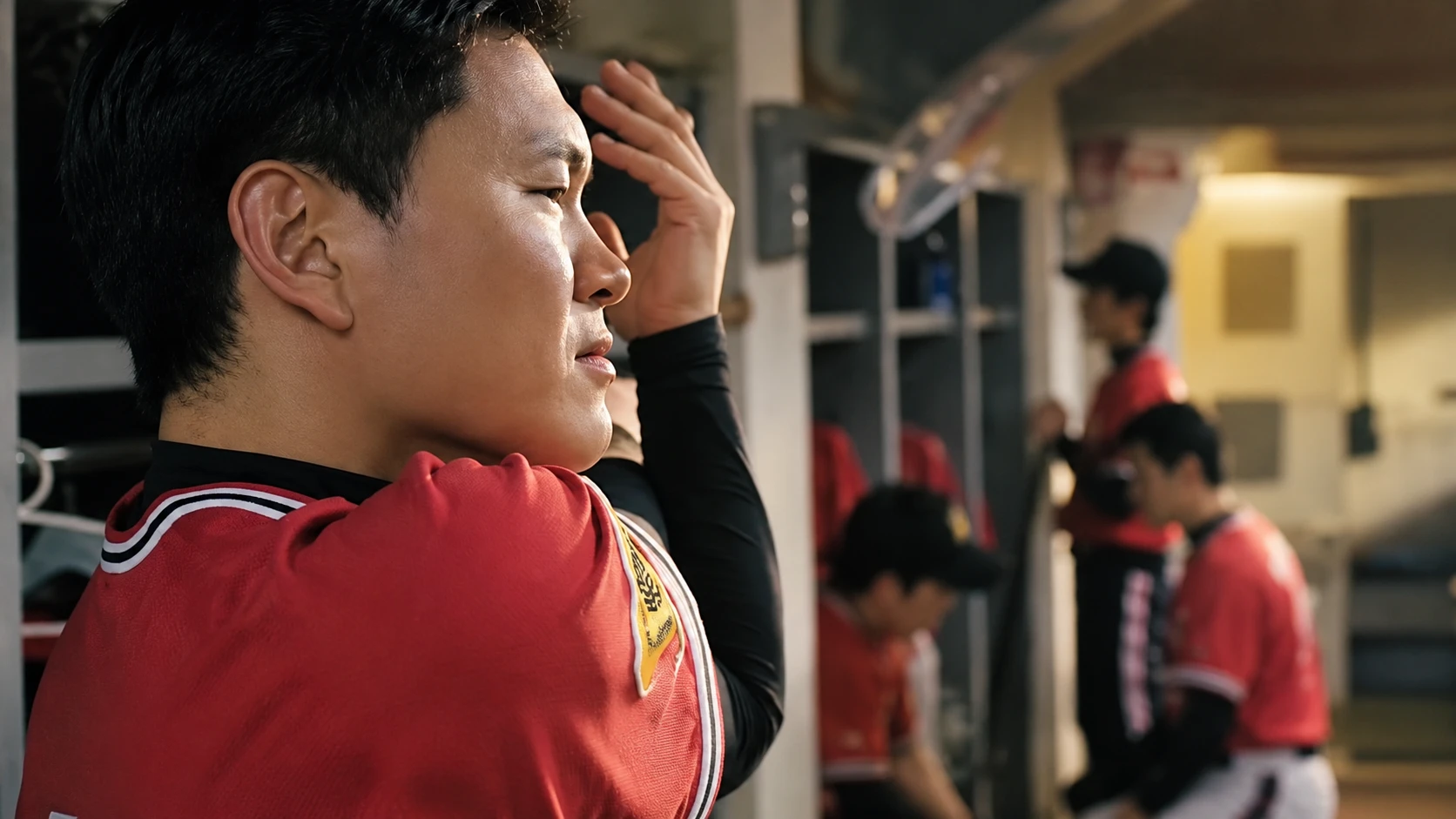
Choi’s story at Lotte runs on loyalty and pain. His old Gyeongnam High School coach, played by Choi Il-hwa in a special appearance, left him a scroll that reads one ball, one life; one ball, one death. The coach dies of illness shortly before the match, and Choi’s teammates round on him for being slow to show up. Choi’s shoulder keeps getting worse, and the surgery marks across it become a recurring close-up. He bickers with his teammate Kim Yong-chul, played by Cho Jin-woong, a man jealous of the attention Choi gets, and the two spend much of the film trading insults before they finally pull in the same direction. The real Kim Yong-chul laughed afterwards that the film made him far more hot-tempered than he is. Choi himself is written as a man who arrives finished, a solid, serious presence from the first frame.
Sun’s story at Haitai is about wanting to be bigger than the man he admires. He respects Choi and he envies him in the same breath, and his manager Kim Eung-ryong, played by Son Byung-ho, drills him hard to put some venom into his game. Around both men, the country is heating up. A man who appears to run a state security office, played by Kim Byeong-ok, tells his subordinates to push the match through because professional baseball exists thanks to the president and now owes him a gift. In the film’s logic the gift is a quarrel between the southeast and the southwest, a real regional rivalry that the match can be made to feed. Fans climb backstop nets, throw trash at players and burn a team bus. The bus fire, for the record, was set by Samsung fans in 1986, not by Lotte fans.
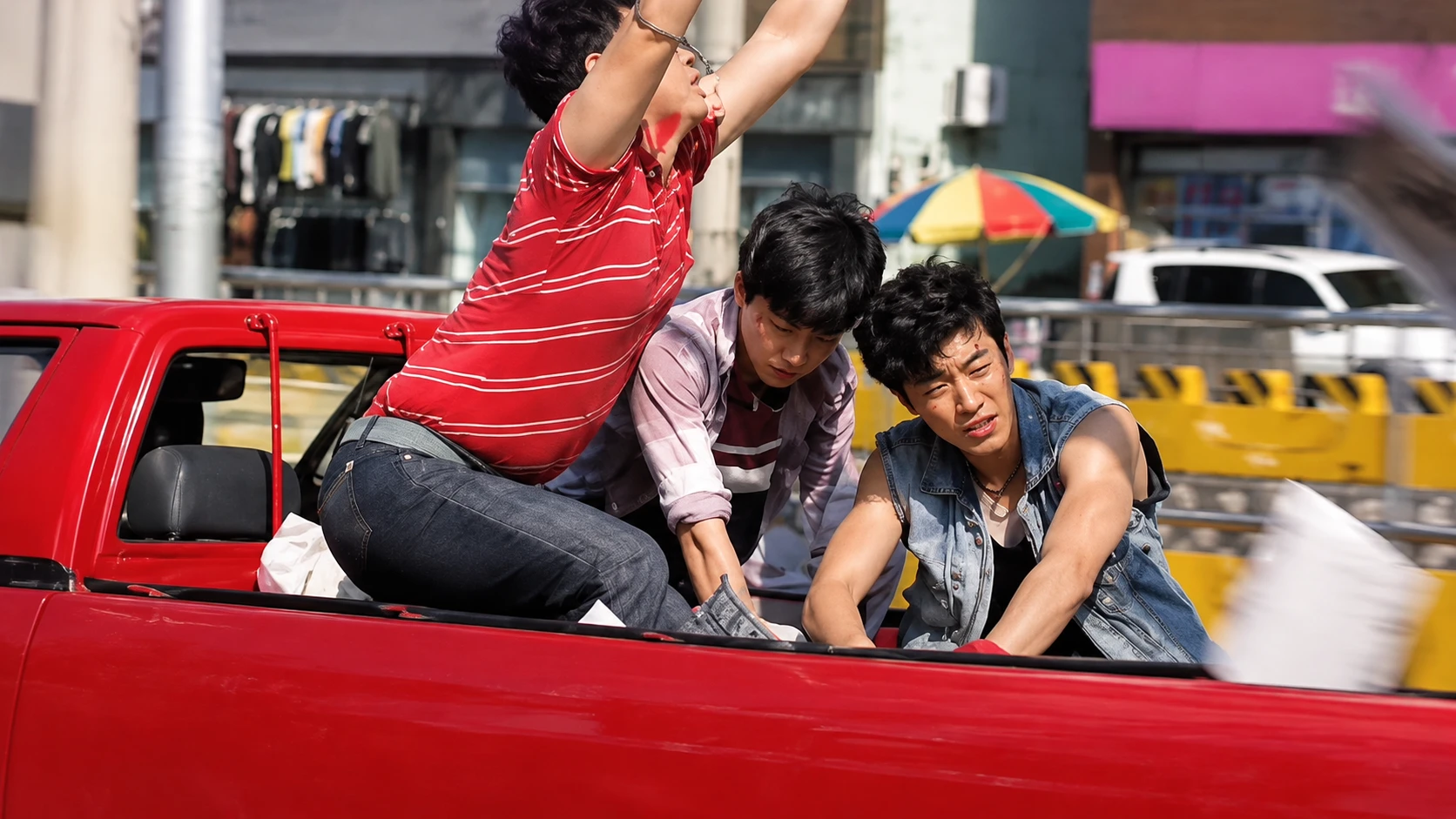
The third main character is the one with no baseball history at all. Park Man-soo, played by Ma Dong-seok, is a veteran Haitai catcher who by the film’s account has barely played in twenty years, while his wife runs a fried chicken shop to pay the bills and their son gets teased at school for having a pro-ballplayer father. She asks him to quit and help with the shop. Man-soo wants the game to be his last. His teammates pay him almost no attention, though Sun is seen admiring the power of his batting practice. He is a fictional character, and the film plainly adores him, because he is the one person on the field who has nothing to prove to anyone except his family.
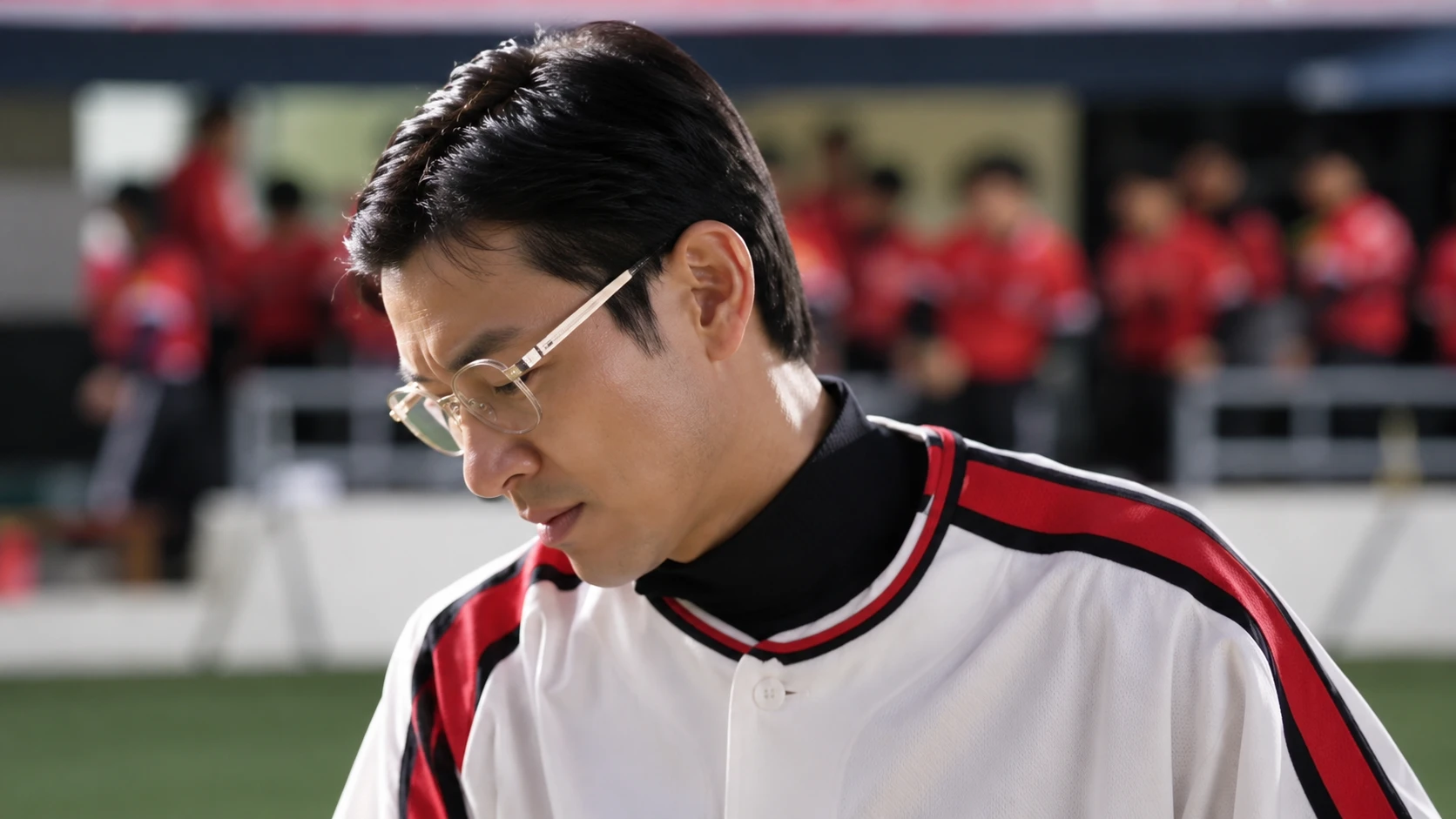
The game takes up the last fifty minutes or so, and that stretch is where the film is at its best. A hit batter in the first innings is enough to clear both benches, which tells you how nervous everyone is. Haitai scores once, Lotte answers with two, and for most of the afternoon the lead looks like it will decide the match. The camera lingers on Choi’s scarred right shoulder and on Sun’s fingers, which are raw and torn. In the ninth inning, with Haitai down 2-1 and two outs on the board, the manager sends Man-soo up to bat for the first time in years. The film does not tell you what happens to that swing until the other end of the afternoon, so the rest belongs in the ending.
🏁 Ending Explained
Full spoilers from this point — what happened, and why.
The game ends in a tie Neither pitcher wins. After fifteen innings the score is 2-2 and the match is called, which is exactly how the real game ended on May 16, 1987. It lasted four hours and fifty-six minutes, and the real pitch counts were 209 for Choi and 232 for Sun, both of them finishing what they started. The film then gives the moment a warmth the real result might not have had. Haitai’s manager Kim Eung-ryong stands and applauds. Both teams come out of the dugouts, lift Choi and Sun into the air, and the two pitchers shake hands before raising their arms together. Nobody gets to be the better man, and that is the answer the film chose to give.
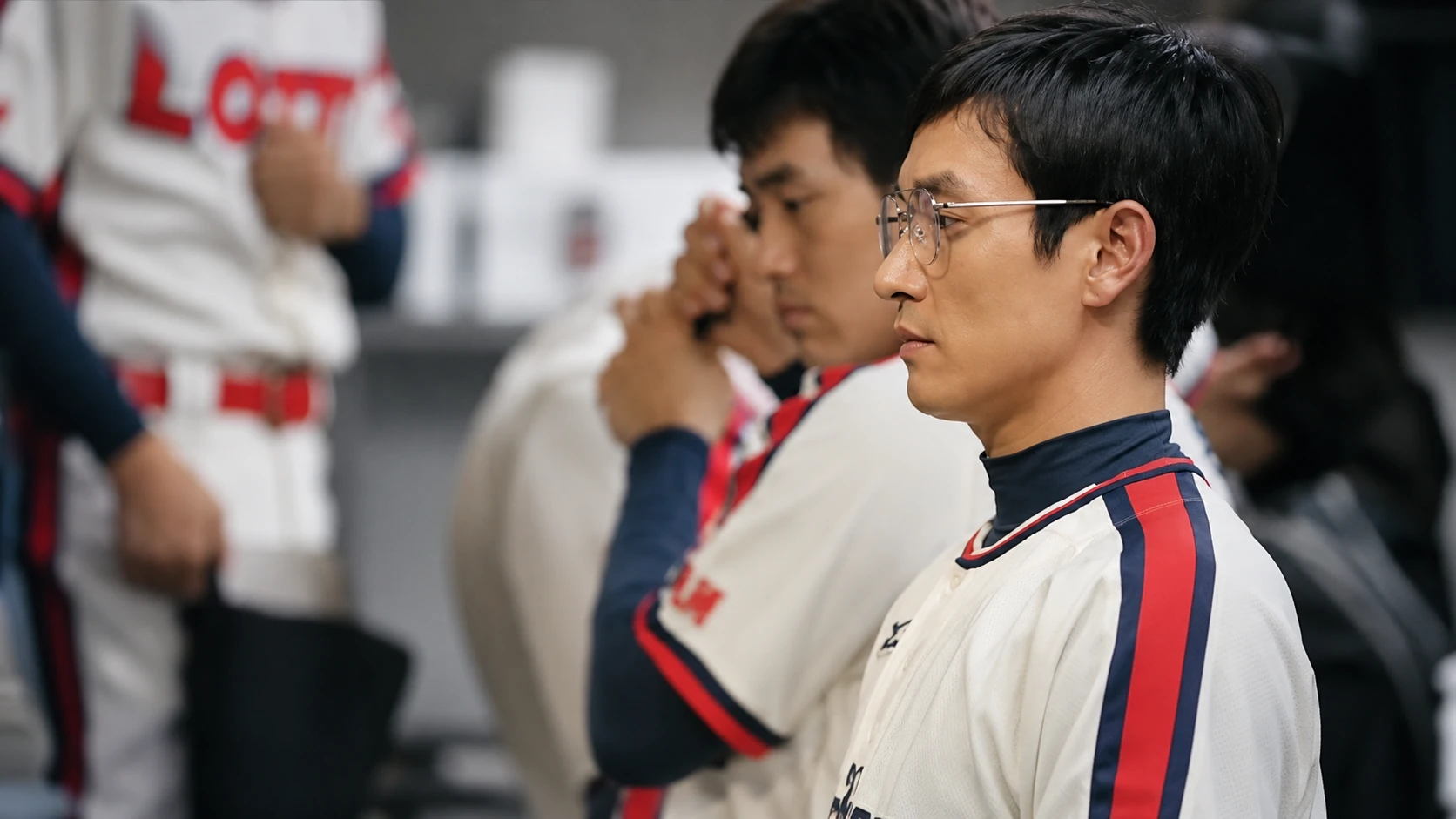
The home run that levels the score The tie itself needs a hero, and in the film it is Park Man-soo. His home run in the top of the ninth makes it 2-2, and the camera cuts to the chicken shop where his wife and son are watching on television and tearing up. It is a fine scene and it is invented. Park Man-soo does not exist. In the real game, a pinch hitter named Kim Il-hwan tied it with a ninth-inning hit off Choi, and there was no home run. Kim Il-hwan had been a Lotte founding member who was moved on to Haitai, and Korean fans have pointed out that his real story, an unwanted player equalizing against his old club, is arguably stronger. The film preferred a fictional everyman, and the shift costs the two stars a little of the spotlight.
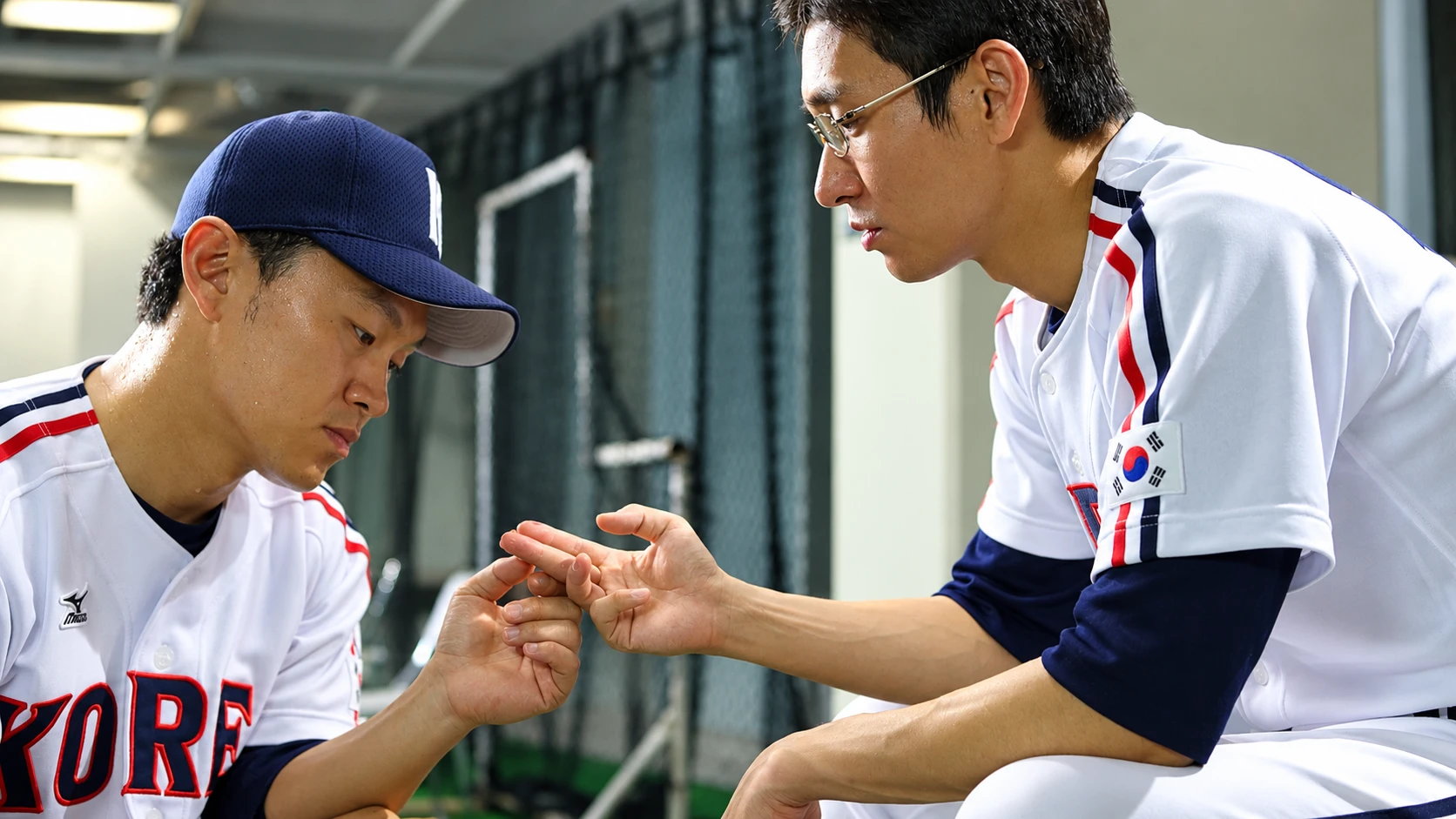
The glue that comes back The finale answers the prologue. In Toronto in 1981, Sun glued Choi’s torn nail together before a big game. On the day of the Busan match, both men’s fingers split, and both reach for glue. It is the film’s clearest way of saying that these two are bound together by something other than their stats. The scene is also the one baseball people dislike most, since a pitcher with a blistered finger cannot just paint on glue and throw 200 pitches. The film’s own message works anyway. Whatever the newspapers wanted from them, the two kept looking after each other’s hands, and the resolution of the game is the visible proof of that.
What the crowd does to the plot The political storyline ends without anyone making a speech. The official who ordered the match so that the southeast and the southwest would hate each other watches both stands do the wave together, and he gets up and leaves in a hurry. It is the film’s answer to the idea that a regional quarrel can be switched on for the occasion. Real history is a little less tidy, as one source points out. The match was played about a month before the June 1987 democracy protests, and baseball fever was already burning on its own without anyone’s help. The Blue House scenes are best read as a cinematic device. Even so, the sight of two crowds forgetting the feud for an afternoon is the part viewers tend to remember.
What the finale leaves out A few facts sit outside the film’s frame. Haitai ran out of catchers late in the game, and a rookie infielder named Baek In-soo put on the mask, so Sun reportedly threw only fastballs for the last seven innings and did not allow a run. The real match was played in daylight, while the film stages it under lights at night. The film’s credits carry a tribute to Choi Dong-won, who died while it was in production, and it opened about three months later. Sun is the one who comes out of the finale with the most to think about. He has fought the man he admired to a standstill, and he is allowed to leave without being the winner or the loser.
✍️ KDramaWorlds Editor’s Take
Worth watching or not — our honest read, and who it’s for.
Cho Seung-woo is the reason to watch. He learned the Busan dialect from Kim Yoon-seok and, according to Korean press, was told by Choi himself not to over-copy a pitching form that is hard to imitate. What you see on screen is a disciplined, slightly stiff man whose shoulder hurts and who will not say so. A Cine21 reviewer called the performance worthy of the word possession, and another critic named Cho the film’s biggest driving force. Yang Dong-geun has the harder job, since Sun is the one who has to grow, and he plays it with a lighter touch and a good deal of warmth. The film’s baseball staging is another matter. Pitches and fielding are exaggerated to the point of looking like a manga, and the dialogue sometimes sounds like a sports anime. Fans of Road to Boston will recognize the same instinct, a true story pushed hard toward feeling.
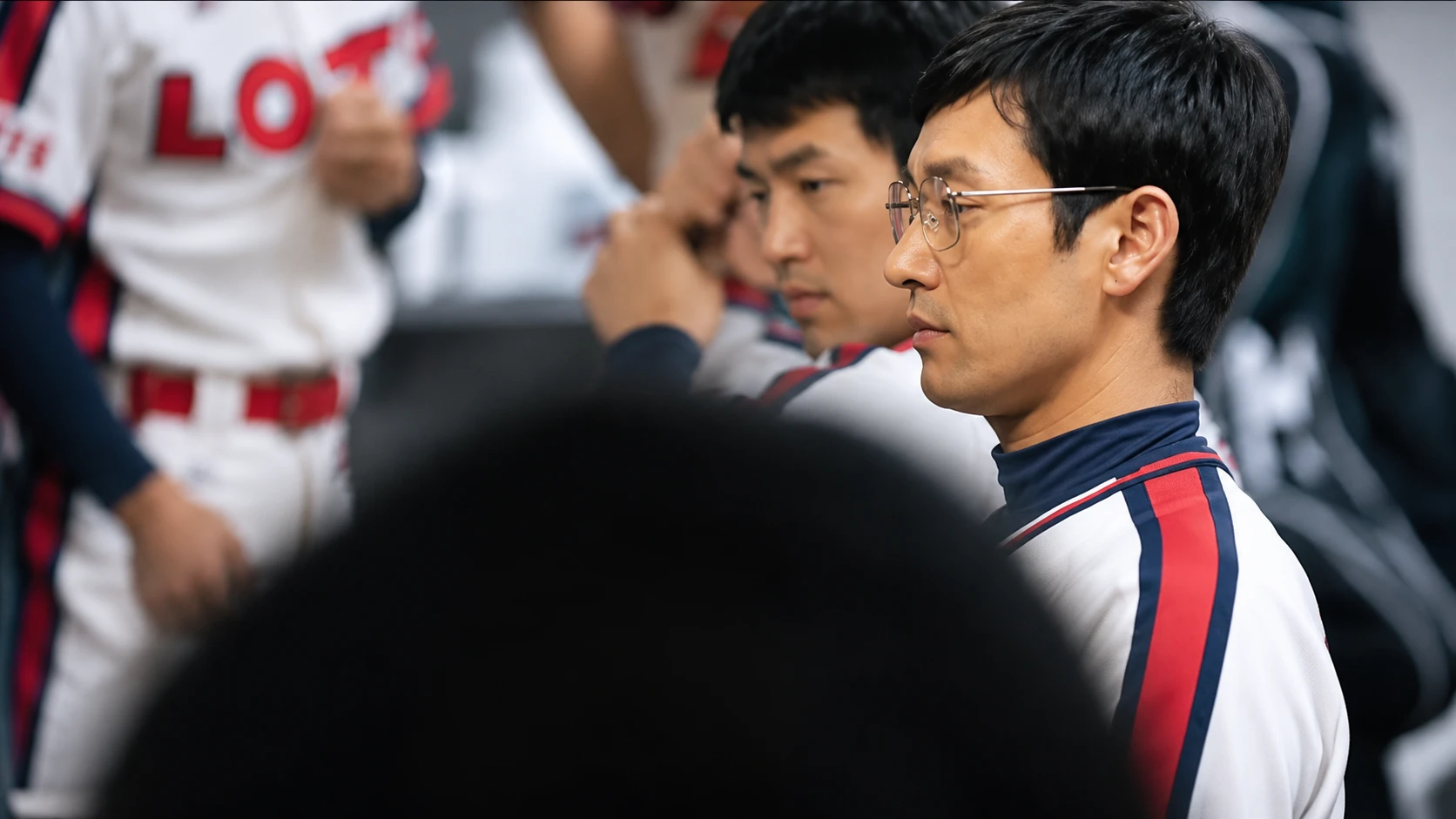
Ma Dong-seok, billed here as Don Lee on some listings, steals the film from inside a small part. Park Man-soo is meant to be the man the audience root for when they are tired of legends, and in his chicken-shop scenes the film is warmer than at any other point. The fictional reporter works less well, since she exists to explain baseball and sits in places no reporter of that decade could. The film’s politics are the other sore spot. Making the match a cynical government project turns a sporting afternoon into a thesis, and some critics found the regional-sentiment angle unnatural for a sports film. The ending gets away with it because it is so open-hearted. A reader who liked Victory for its period mood and its ensemble will find the same affection for a decade here, with a more male and more serious temperature.
The film struggled at the box office. The break-even point was reported at around 2.4 million admissions, and the film sold roughly 1.5 million, caught between a crowded Christmas market and the Korean industry’s long belief that baseball does not sell. On the review sites it did far better with ordinary viewers than with critics. On Naver the critics’ average was about 6.8 while viewers gave it around 8.9, and on MyDramaList it sits at 7.6 from 190 users. That gap makes sense. Professional reviewers noticed the cartoon baseball and the one-note Choi. Fans got a loud, sincere, partly invented tribute to the two best pitchers of their youth, delivered a few months after one of them died. Watch it as a tribute that bends the facts, and it works.
🎬 You Might Also Like
If you liked Perfect Game, these are your next three watches.
 Dr. Romantic (Season 3)
Ahn Hyo-seopEnsemble Cast
Read Full Review →
|
 Recipe For Love
comedyEnemies to Lovers
Read Full Review →
|
 Hospital Playlist (Season 2)
Cho Jung-seokcomedy
Read Full Review →
|











Keep it kind, skip the harsh language, and please — no spoilers. Everyone's taste is different, and that's perfectly fine.
This space is for real reactions and discussion from other viewers. Help keep it comfortable for everyone by not giving away major plot details.
What do you think of this drama?
Login to share your review or leave a comment.
No email needed — just pick a username & password.