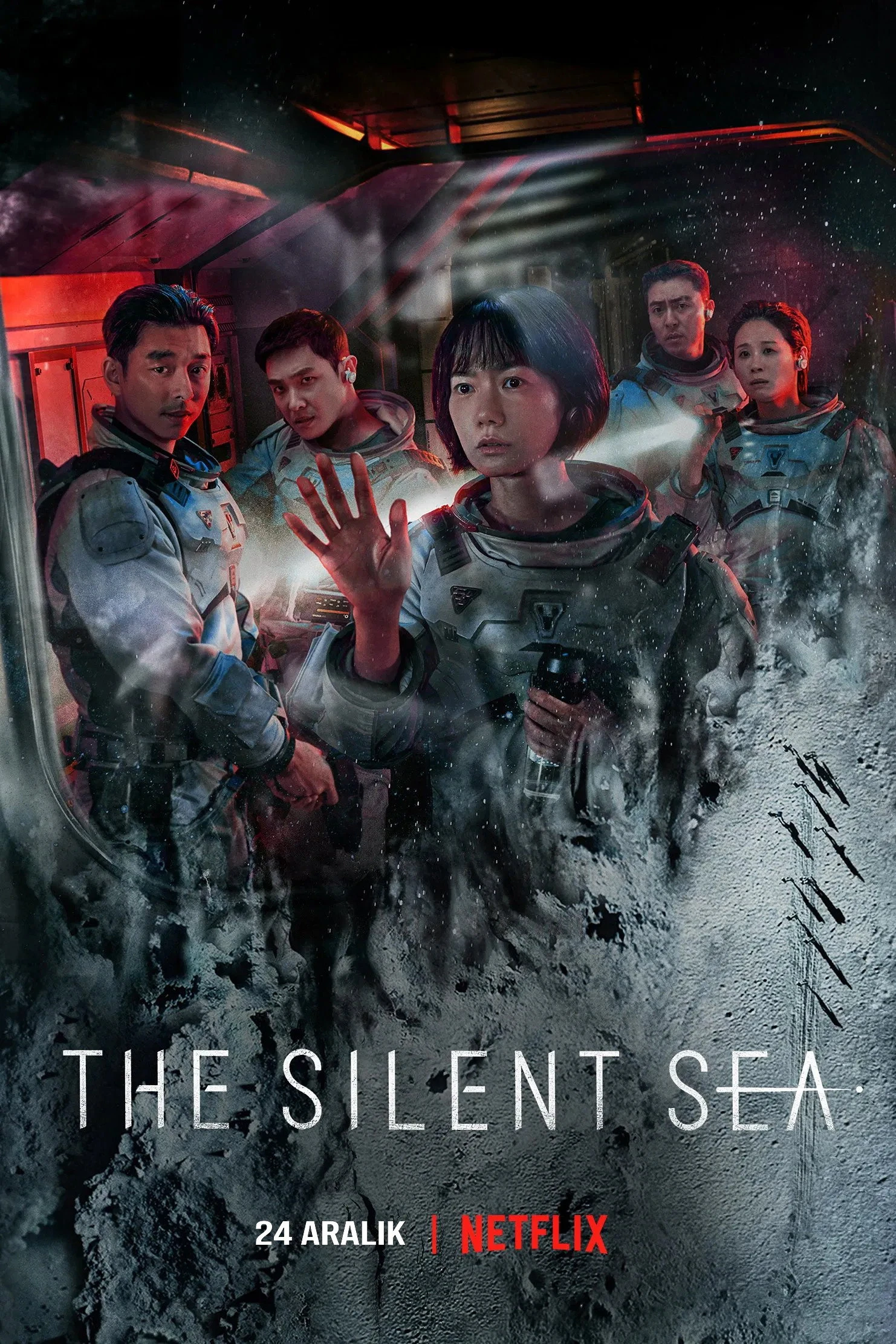
The Silent Sea
📋 Drama Overview
Everything you need to know before you hit play.
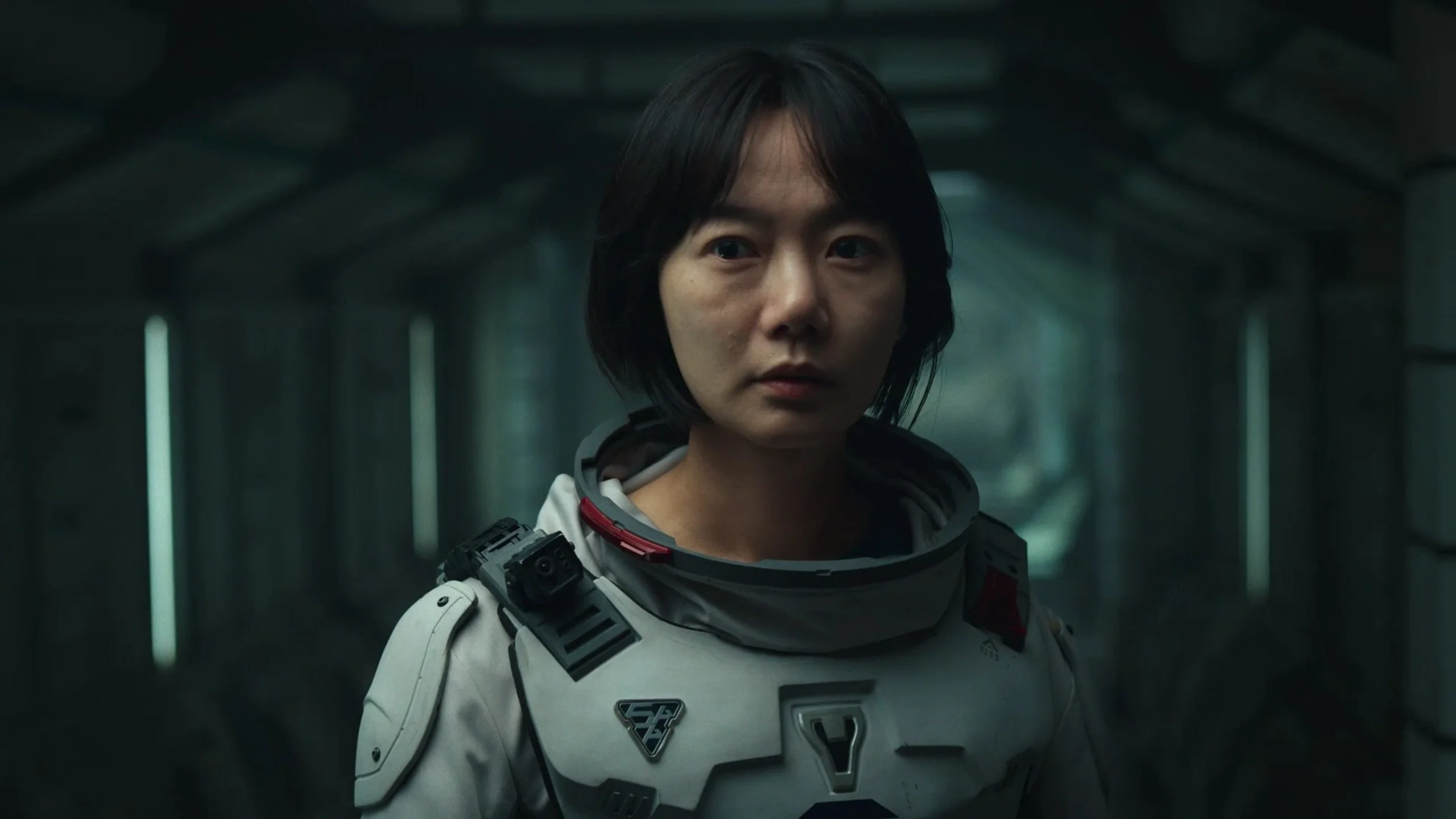
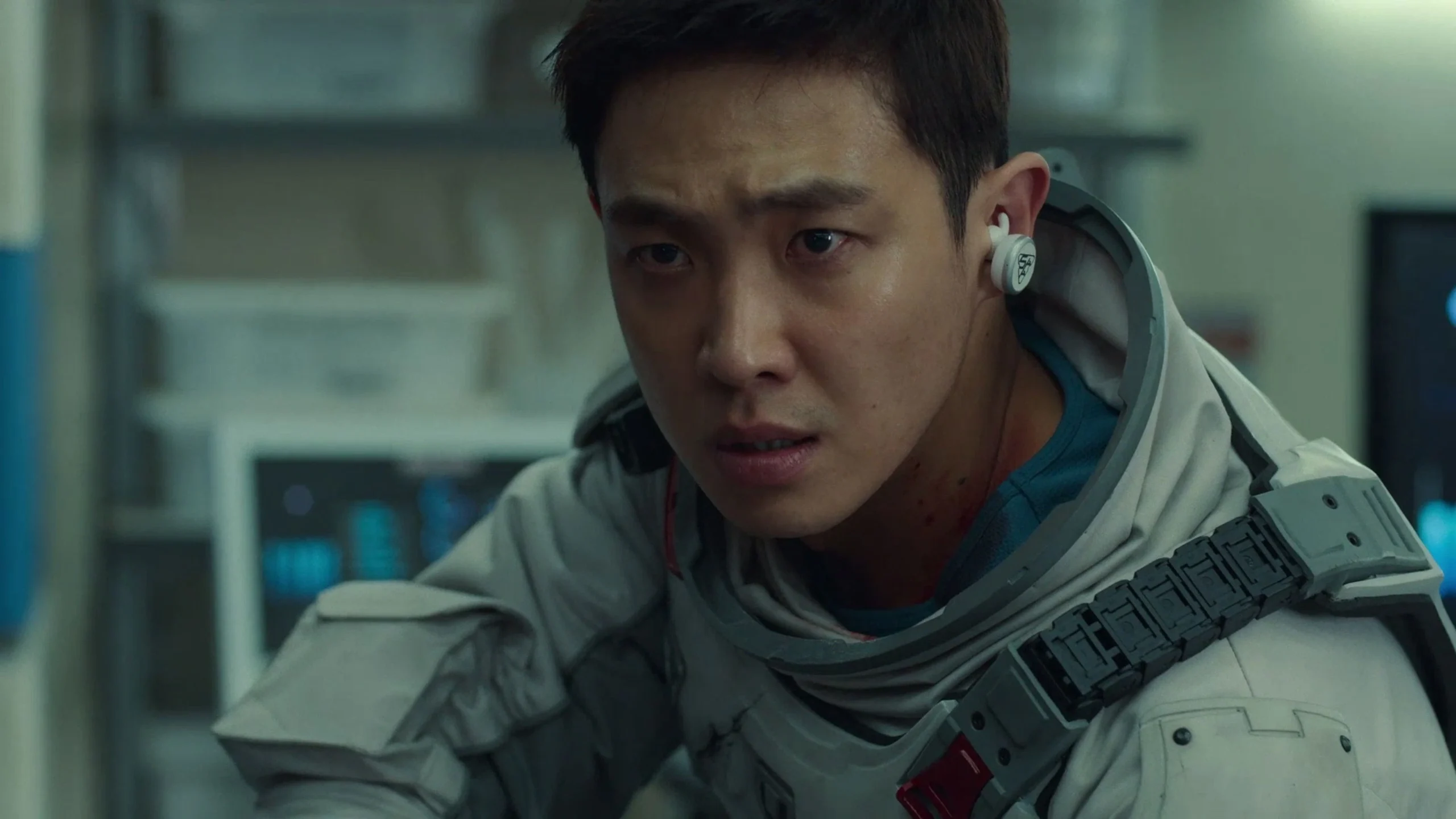
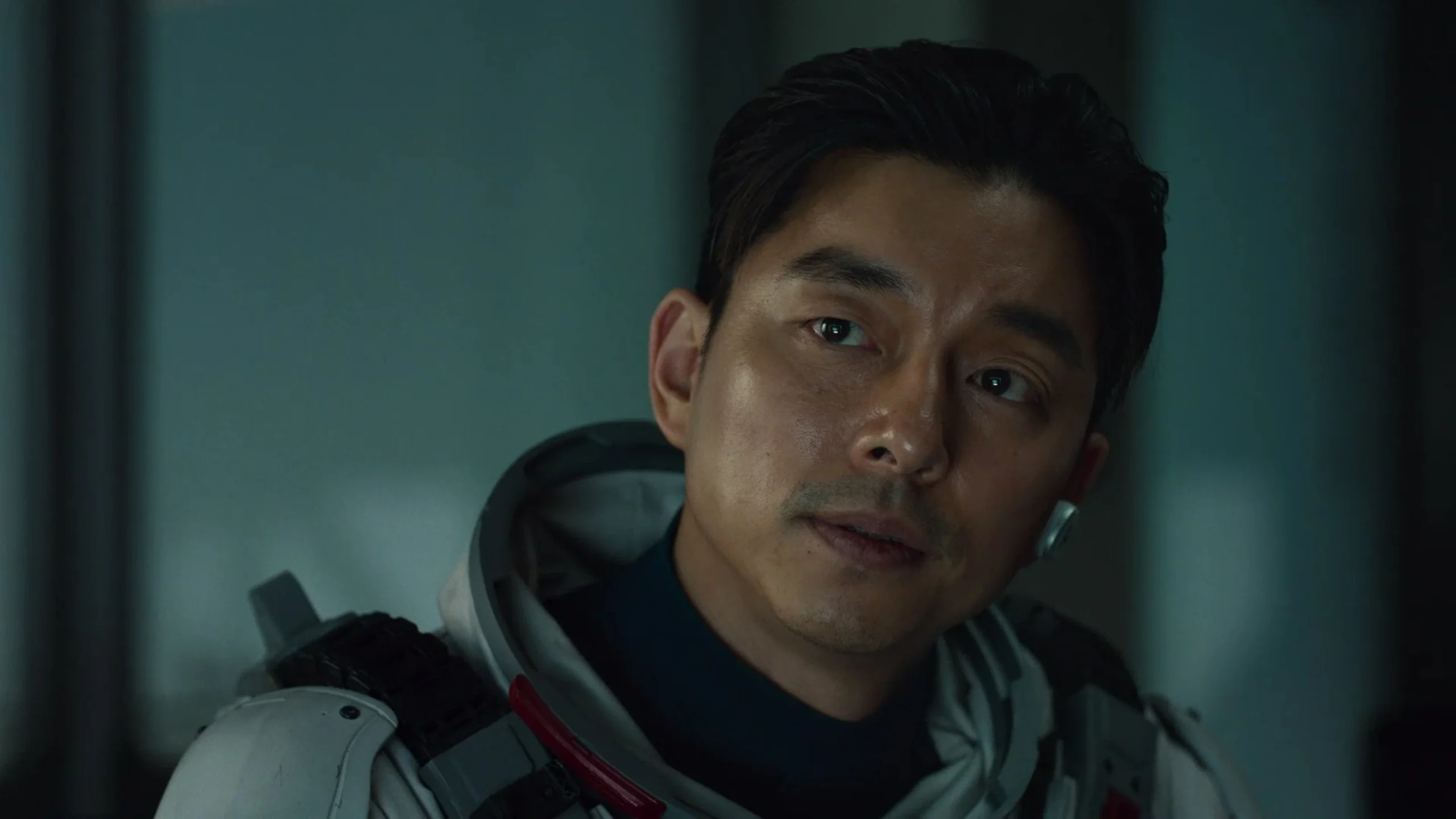
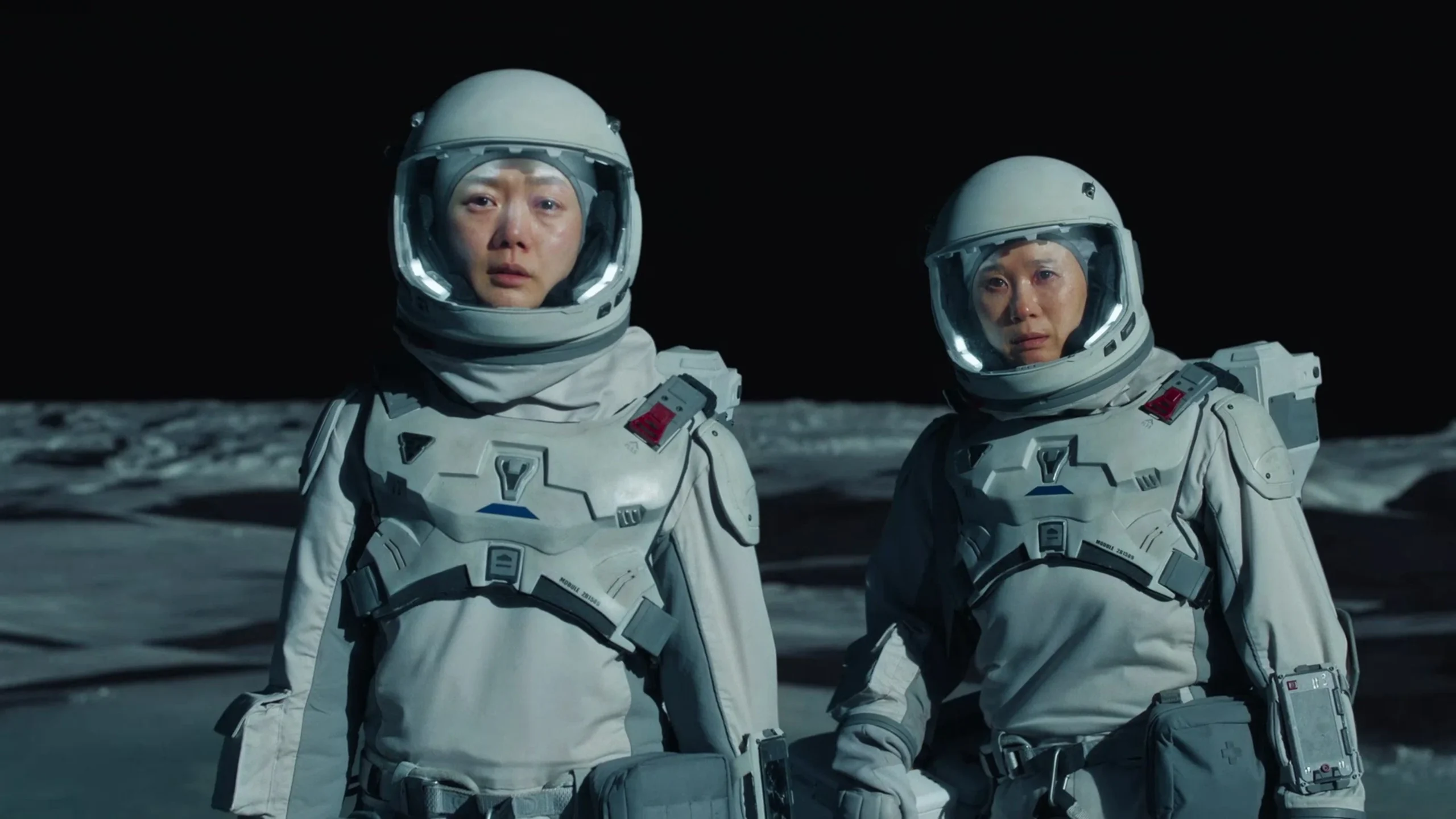
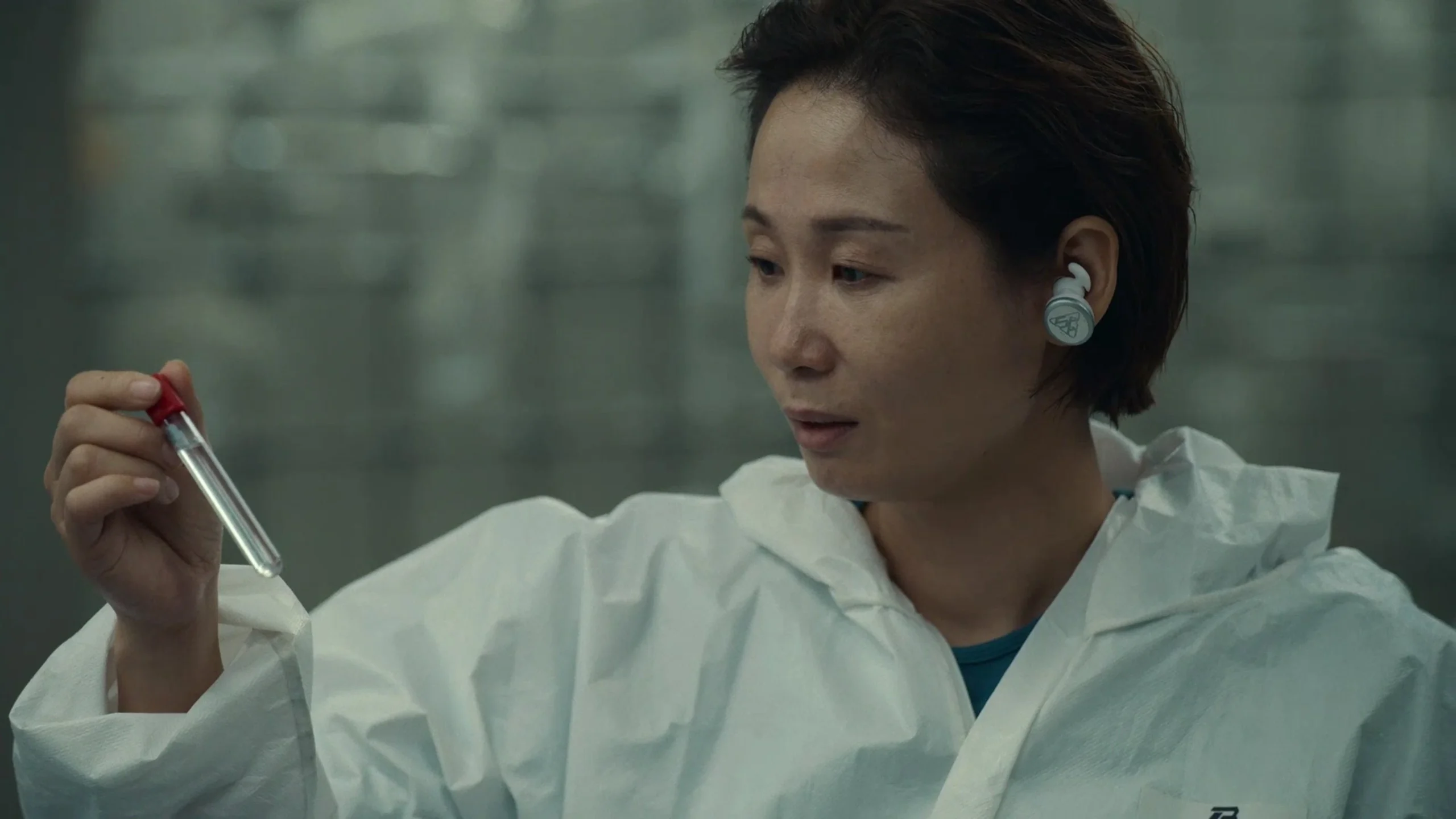
In a near-future Earth where water has become the world’s most rationed and fought-over resource, astrobiologist Dr. Song Ji-an (Bae Doona) joins a covert mission to the Moon. The target: Balhae Station, abandoned five years ago after the official explanation of a radiation leak killed all 117 researchers — including Song’s own sister. The crew, led by Captain Han Yun-jae (Gong Yoo), lands on the lunar surface and almost immediately realises that the radiation story was a lie.
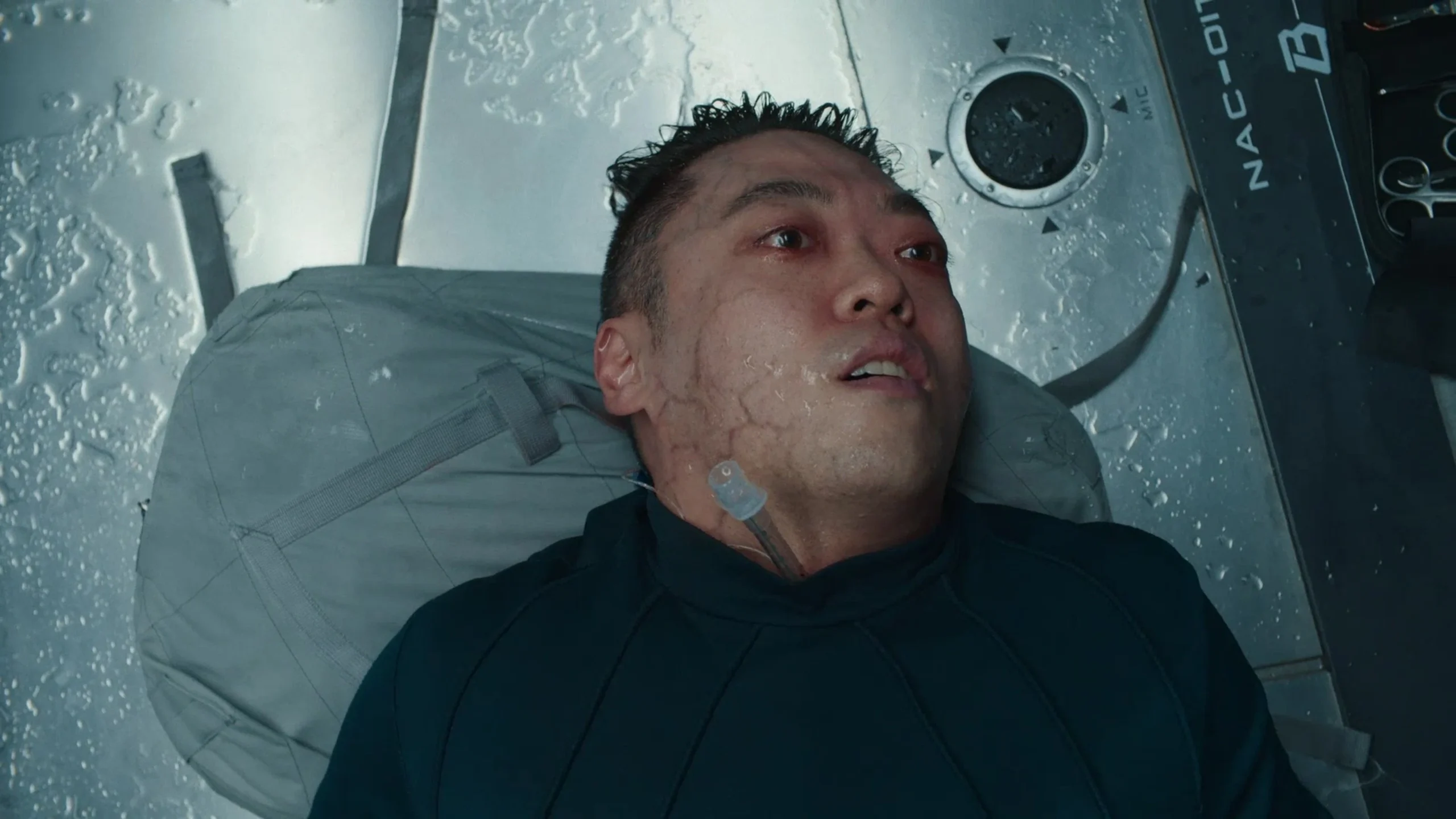
Inside Balhae, the dead tell a different story — they drowned. The station is fully operational. And something else is moving through the corridors. What begins as a retrieval mission becomes a race to survive long enough to understand what was being hidden here, who is willing to kill to keep it buried, and what a single surviving child named Luna could mean for the future of a dying planet.
⚡ Quick Verdict
One box. Everything you need to decide.
· MDL Score · ~15,000 ratings
▶ Official Trailer
🎭 Cast & Characters
Twelve people sent to the Moon. Not all of them want the same thing.

Lead

Lead

Antagonist

Supporting

Supporting
Supporting

Supporting
Supporting

Supporting

Supporting
Antagonist

Supporting
📺 Episode Guide
Spoiler-light recaps — enough to remember where you left off, nothing that ruins the ride.
🏁 Ending Explained
Full spoilers ahead — everything that happens in the finale and what it all means.
Spoiler Warning — This section covers the full finale of The Silent Sea. Stop here if you haven’t finished the series.
The Immunity That Saves Her. Song begins vomiting water in the finale — the lunar water is inside her, multiplying, and the expectation is that she will die the same way every other infected crew member did. But she doesn’t. Luna’s bite in Episode 6 transferred something: a partial immunity that gives Song’s body just enough resistance to survive the infection. She is not unaffected — but she is alive. The show frames this quietly, without a dramatic revelation scene. Song simply keeps going, which is the most truthful thing it could do with her character.
The Sacrifices That Make It Possible. Han and Gong Soo-hyuk choose to stay behind, physically holding back the rising lunar water in the flooded corridors so that Song, Dr. Hong, and Luna can reach the surface airlock. It is not a dramatic, operatic death — the show gives both men exactly the kind of exit that fits them: quiet, purposeful, no last words that matter except the ones already said. Tae-seok, flooded by his own purification trap, dies in the station he tried to weaponise. Of the crew that entered Balhae, three make it out.
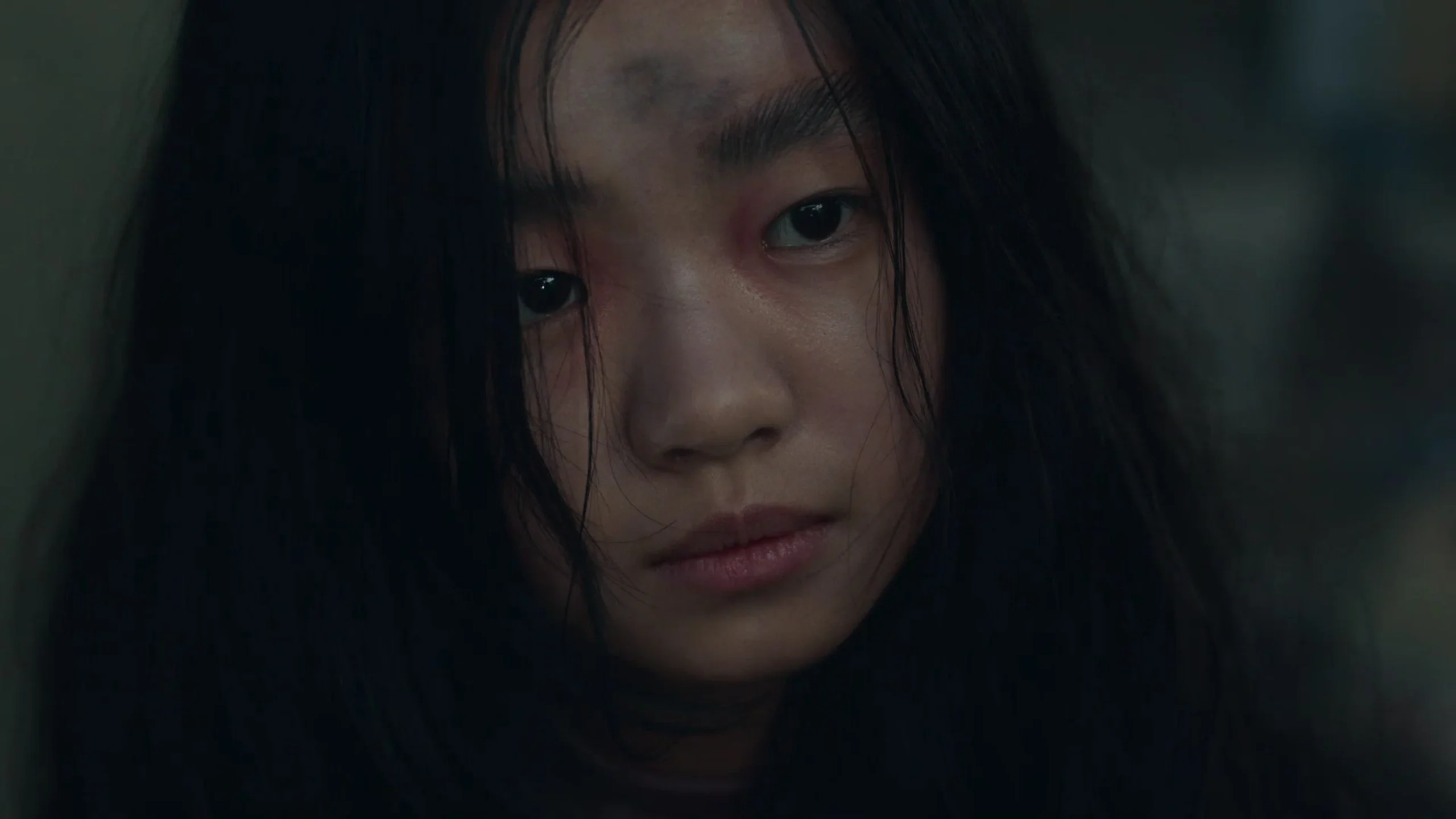
Luna Outside. The moment that reframes the entire drama happens on the lunar surface. Once they are clear of the station, Luna removes her helmet. She should die immediately — no atmosphere, extreme temperature, vacuum exposure. She doesn’t. She breathes the lunar environment as easily as Song breathes filtered air. The show doesn’t explain the mechanism; it doesn’t need to. Luna was not simply an immune child — she was designed for this, or evolved into it, or became something the original researchers didn’t fully understand. The vacuum of the Moon is not hostile to her. It may be home.
Song’s Decision — and What It Costs the SAA. Song proposes taking Luna not to Earth but to the International Institute of Space Biology — a neutral station where research on lunar water could benefit all of humanity, not one government or one corporation’s monopoly. It is the argument Won-kyung would have made if she had survived. Song is completing her sister’s work. Director Choi and the SAA lose control of the most valuable discovery in human history because they trusted the wrong person to retrieve it, and because that person happened to be the right person to protect it.
What the Ending Refuses to Close. A rescue team arrives. Song, Dr. Hong, and Luna are extracted. The show ends without a single scene of what comes next — no hearing, no confrontation with Director Choi, no confirmation that the IISB accepts Song’s proposal, no time jump showing whether Luna’s biology leads to the breakthrough Earth needs. The silence is deliberate. The drama spent eight episodes establishing that institutions will always protect their interests over human lives — and it knows better than to wrap that in a clean bow. What the world does with Luna is the question the show leaves in the viewer’s hands, because it was always our question to answer.
✍️ KDramaWorlds Editor’s Take
Our honest read on why this drama is worth your time — and who it’s for.
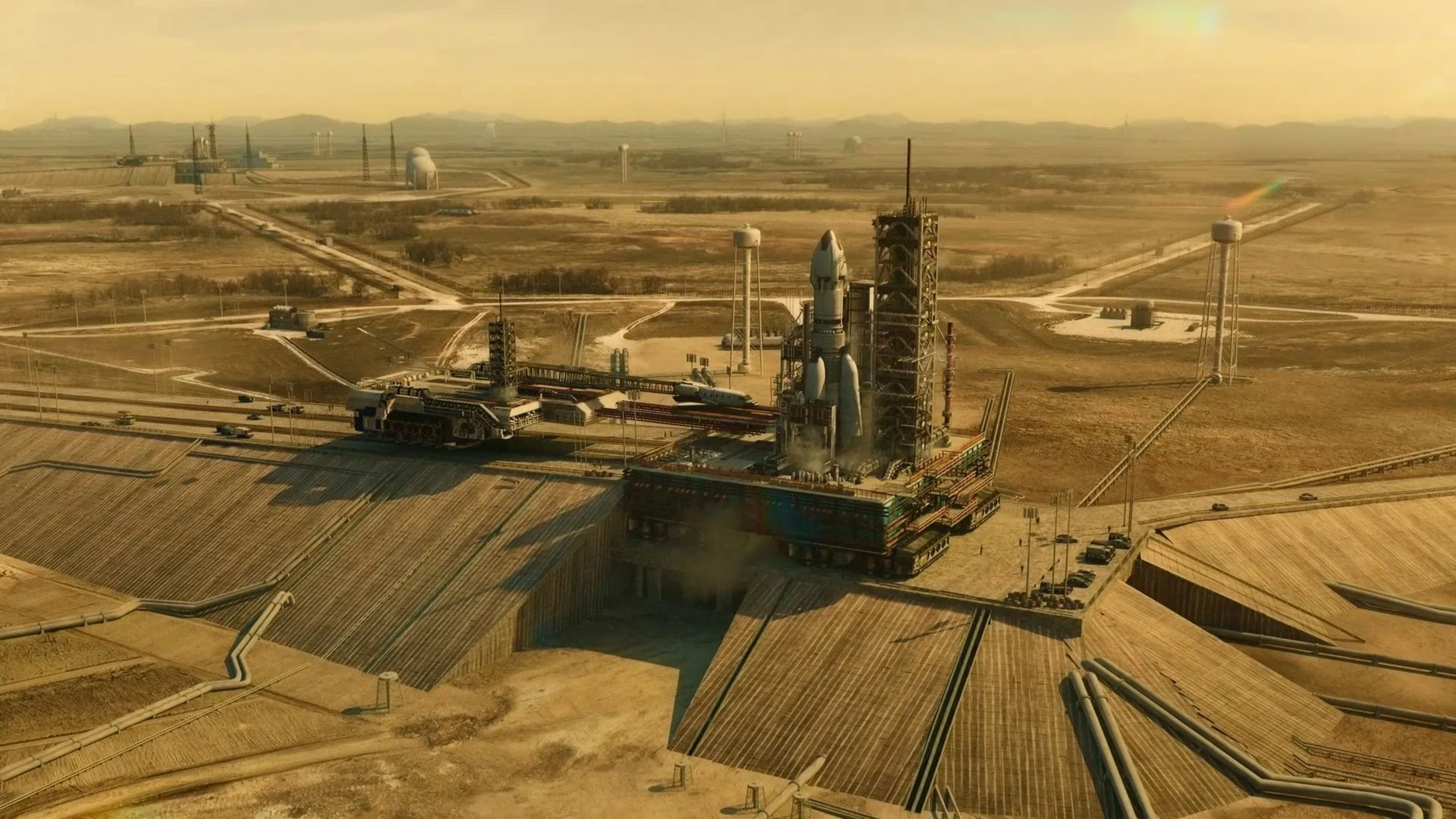
The Silent Sea does something Korean genre television rarely does: it commits fully to its sci-fi premise without softening the edges for broader appeal. The world it builds — Earth’s water reserves collapsing, class-based rationing, governments weaponising scarcity — is presented as background texture rather than exposition, which makes it land harder. The lunar station is oppressive in the way only enclosed spaces with something wrong inside them can be, and director Choi Hang-yong holds that atmosphere for all eight episodes without once releasing the tension. Bae Doona, for her part, is exceptional. Song Ji-an is driven by grief and scientific conviction simultaneously — a combination that in lesser hands would be contradictory, but here feels completely integrated. She is the moral centre of the show and the reason the final third lands with real weight. If you’ve seen Hellbound or All of Us Are Dead, you already know Netflix Korea can deliver genre television that takes its own ideas seriously — The Silent Sea belongs in that same conversation.
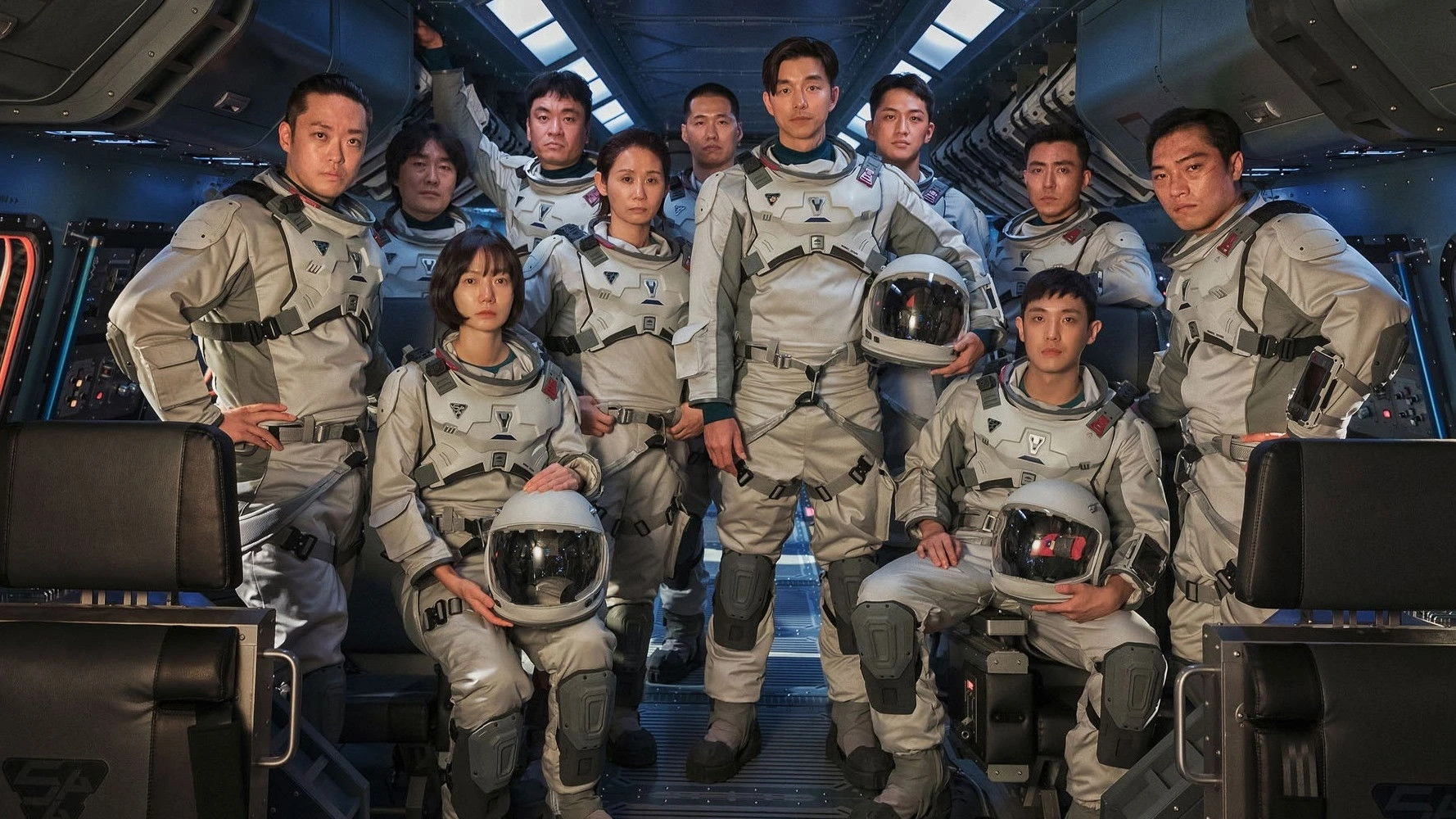
The things that don’t fully work are worth naming. Gong Yoo is one of the most watchable actors in Korean television — and Han Yun-jae is, unfortunately, one of the thinner roles he has been handed. He functions primarily as the person who makes decisions and occasionally keeps Song alive, without the kind of interior life the drama gives her. Lee Joon’s Tae-seok is a more interesting antagonist than the show quite knows what to do with — he has genuine menace and a clear logic to his choices, but the script eventually reduces him to a mechanism for raising stakes rather than a character with full weight. The ensemble supporting cast is serviceable but largely disposable, which makes their deaths land more as plot logistics than emotional events.
None of that undermines what the show achieves. Eight episodes is the right length — there is no filler, no subplot that exists purely to extend the runtime, nothing that could be cut without losing something. The final image of Luna standing on the lunar surface without a helmet is the kind of science fiction moment that stays with you: genuinely strange, genuinely hopeful, and genuinely unresolved in the way that only honest science fiction allows itself to be. It is a small, precise drama that asks a very large question — and is wise enough to leave the answer open.
Anyone who loved Snowpiercer, Arrival, or Korean dystopia
Viewers who want a complete story without a 16-episode commitment
🎬 You Might Also Like
If you liked The Silent Sea, these are your next three watches.
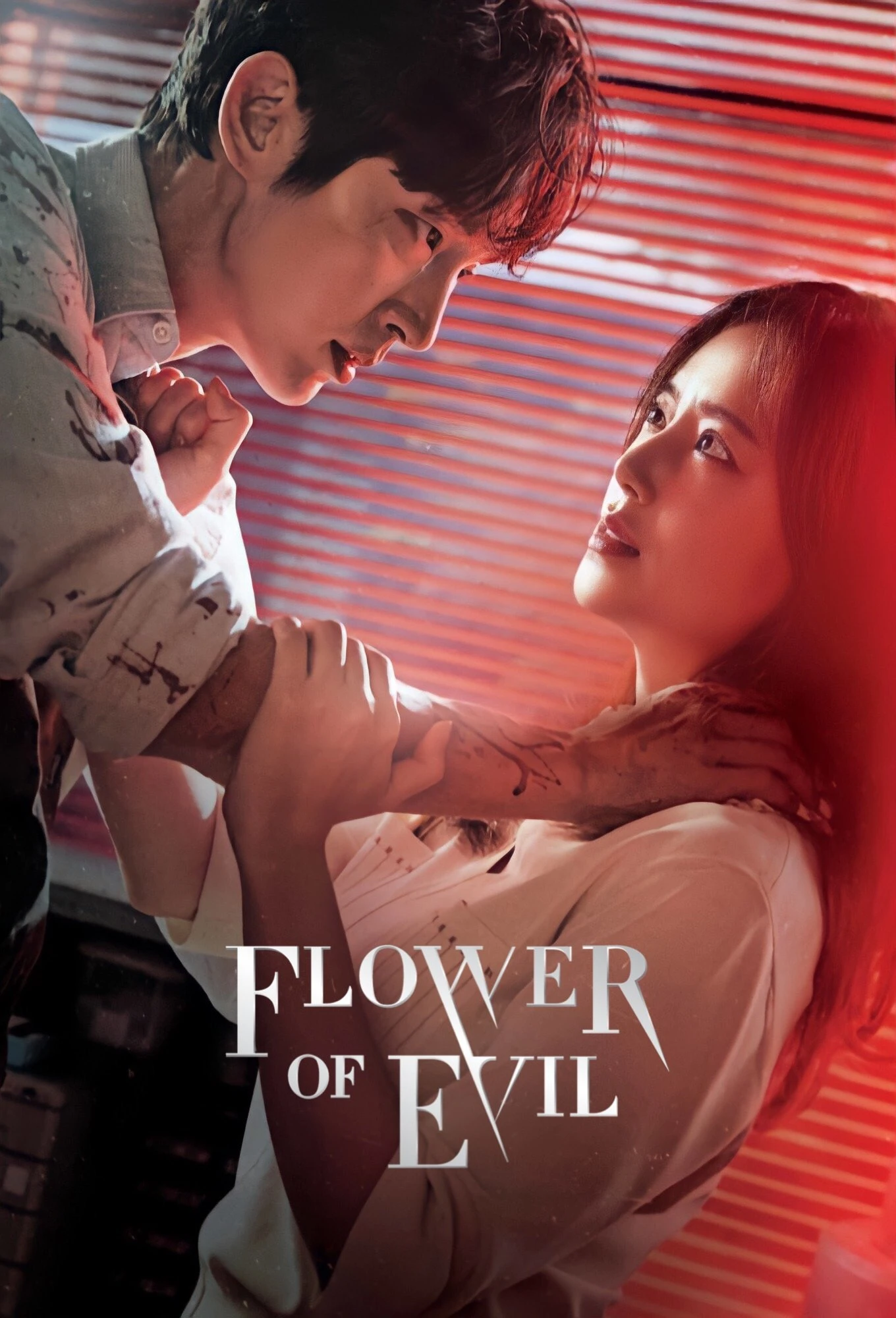
 A Shop for Killers (Season 2)
ActionAssassins
Read Full Review →
|
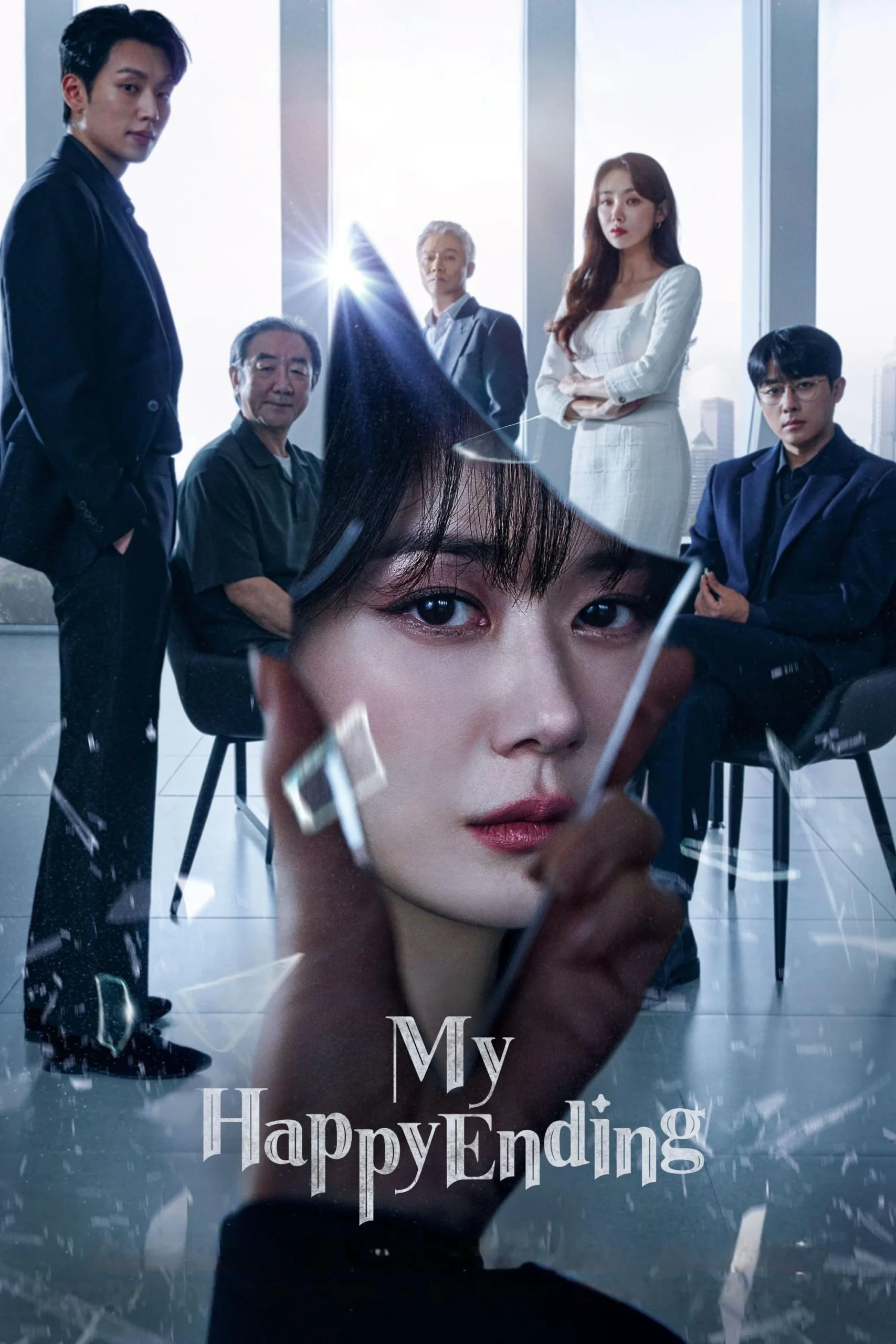
 Mad Concrete Dreams
Black Comedycompleted
Read Full Review →
|
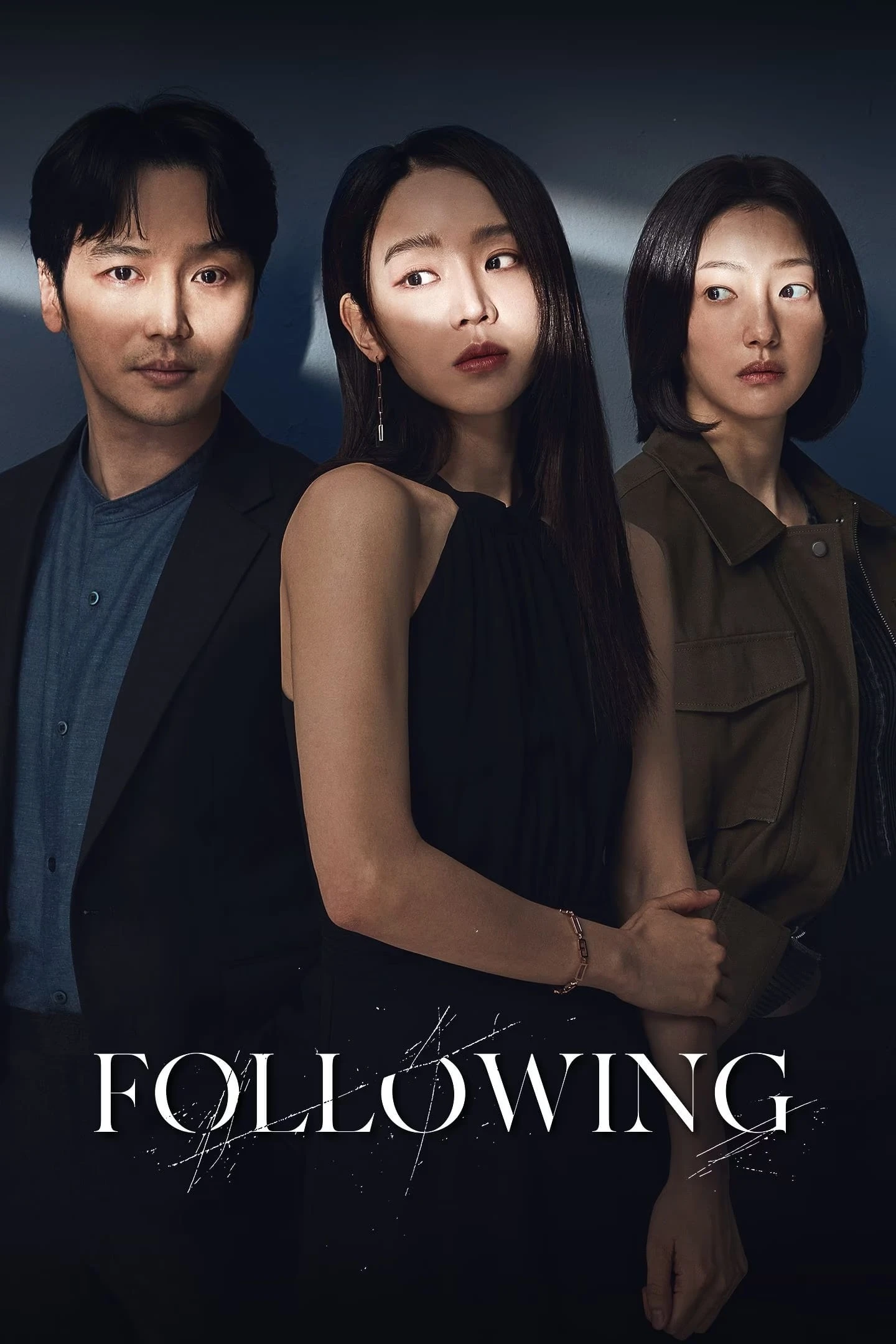
 Beyond Evil
Baeksang Award winner괴물
Read Full Review →
|









Keep it kind, skip the harsh language, and please — no spoilers. Everyone's taste is different, and that's perfectly fine.
This space is for real reactions and discussion from other viewers. Help keep it comfortable for everyone by not giving away major plot details.
What do you think of this drama?
Login to share your review or leave a comment.
No email needed — just pick a username & password.