
Hope
🎬 In Cinemas
⭐ 82% RT Critics
🔞 Not Rated
🎬 Film Overview
The village of Hope Harbor exists the way small communities always exist near border zones — deliberately quiet, deliberately self-sufficient, and trained by geography to distrust anything it can’t account for. Na Hong-jin builds it meticulously before breaking it, which is the only honest way to earn what comes next.
When a creature is reported moving through the wilderness near the DMZ, it reads initially like a crisis that can be managed. Police chief Bum-seok has handled rural emergencies his entire career. What Hope is really about — what it’s been building toward since its opening frames — is the discovery that the thing in the dark isn’t following any rules that humans wrote.
⚡ Quick Verdict
The whole picture, condensed into one box.
RT Critics · Certified Fresh at Cannes 2026
▶ Official Trailer
🎭 Cast & Characters
Na Hong-jin assembles an extraordinary international cast anchored by three Korean leads.

Lead

Lead

Lead

Supporting

Supporting

Supporting

Supporting

Supporting

Supporting

Supporting

Supporting

Supporting
🍿 Where to Watch
Watch Hope in cinemas now.
📖 The Story
Spoiler-light — enough to understand what kind of film this is, nothing that ruins the experience.
Hope Harbor is a community that has learned to live with silence. Situated near the Korean Demilitarized Zone — that strip of earth which is technically no-man’s land but practically defines how everyone within proximity understands risk — the town operates on rules that predate modernity: trust your neighbor, distrust the outsider, and do not ask questions about what moves in the surrounding dark at night. Na Hong-jin builds this world with the patience of someone who knows exactly how long he has before he needs to break it.
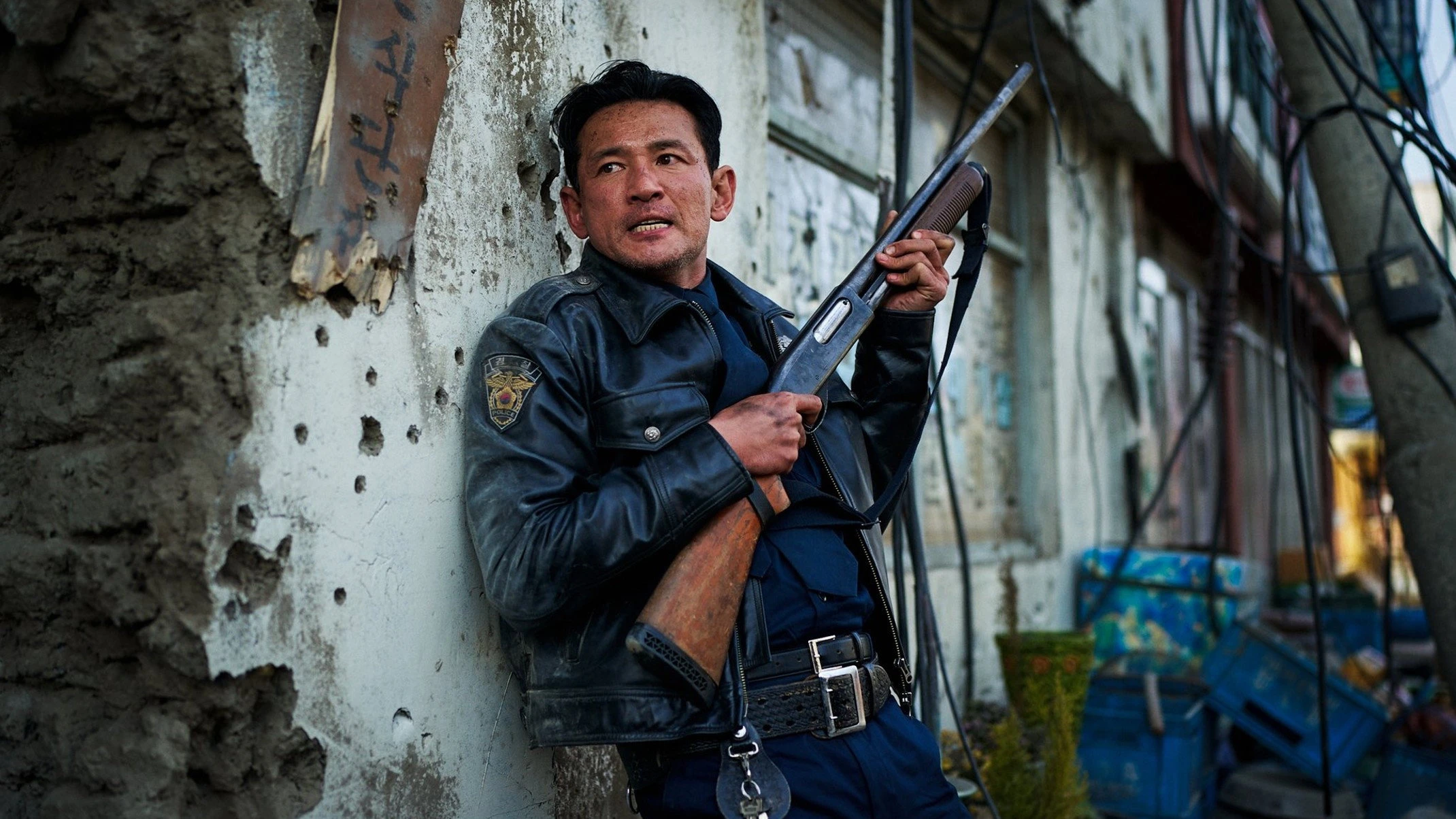
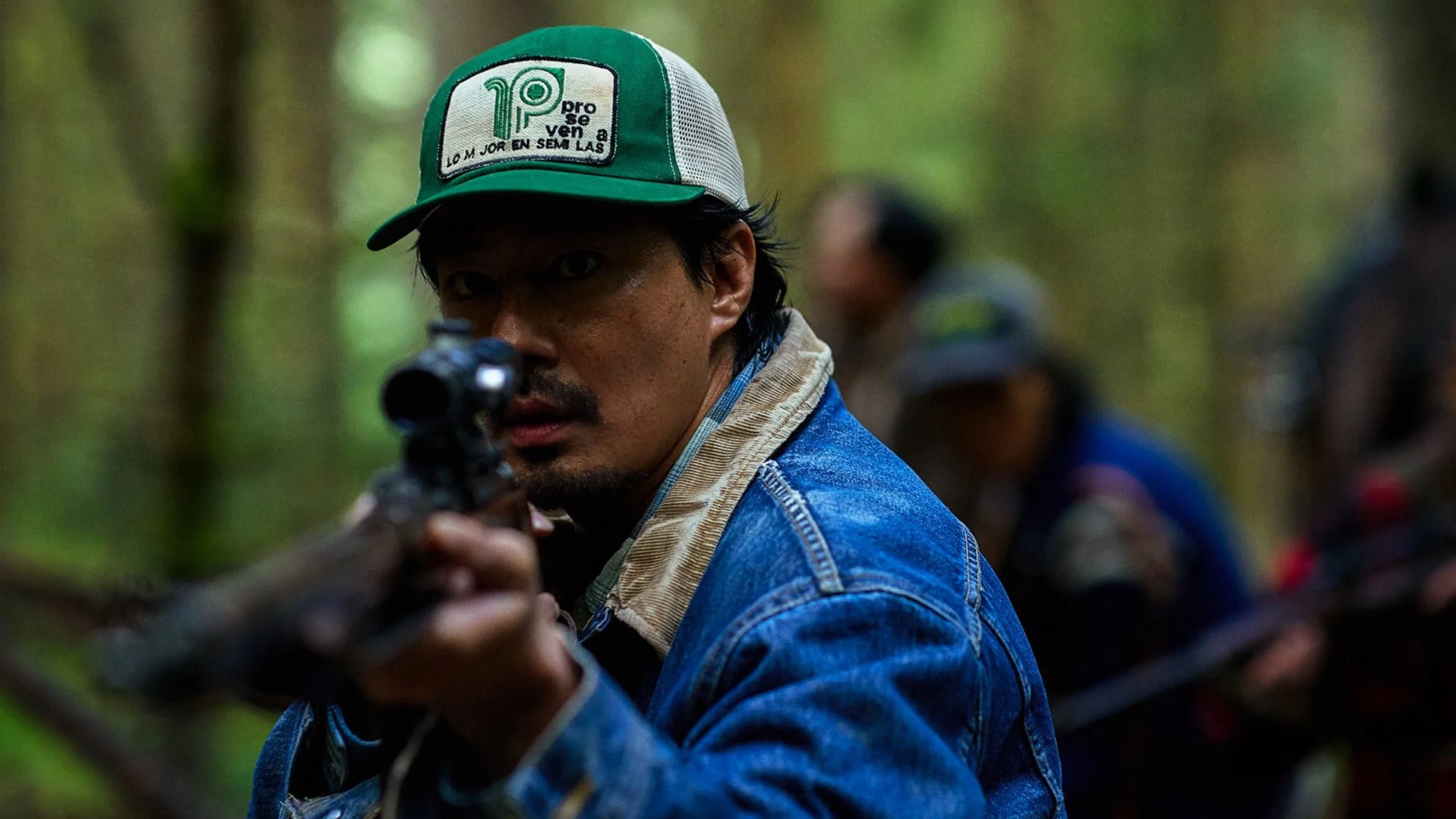
The inciting event arrives as it always does in this genre — mundanely. Livestock go missing. Tracks appear in the mud that don’t match any animal in the regional wildlife database. Chief Bum-seok, a man who has spent twenty years managing the small disasters that rural Korean law enforcement actually consists of, is deployed to investigate alongside his rookie officer, Sung-ae. Simultaneously, a local hunter named Sung-ki — headstrong, experienced, contemptuous of procedure — gathers his own party and moves into the wilderness with rifles and certainty. Both are wrong about what they’re hunting. The difference is only in how long each takes to admit it.
The stakes are human before they become cosmic. What Bum-seok stands to lose is not just his life — it’s the thing that gives his exhausted career meaning: the capacity to protect. What Sung-ki stands to lose is subtler and more interesting: the self-image of a man whose confidence in his own competence has never truly been tested against something that doesn’t respond to confidence. The film earns its later catastrophism by spending its first act making you care about these two very different people as people, rather than as survival archetypes.
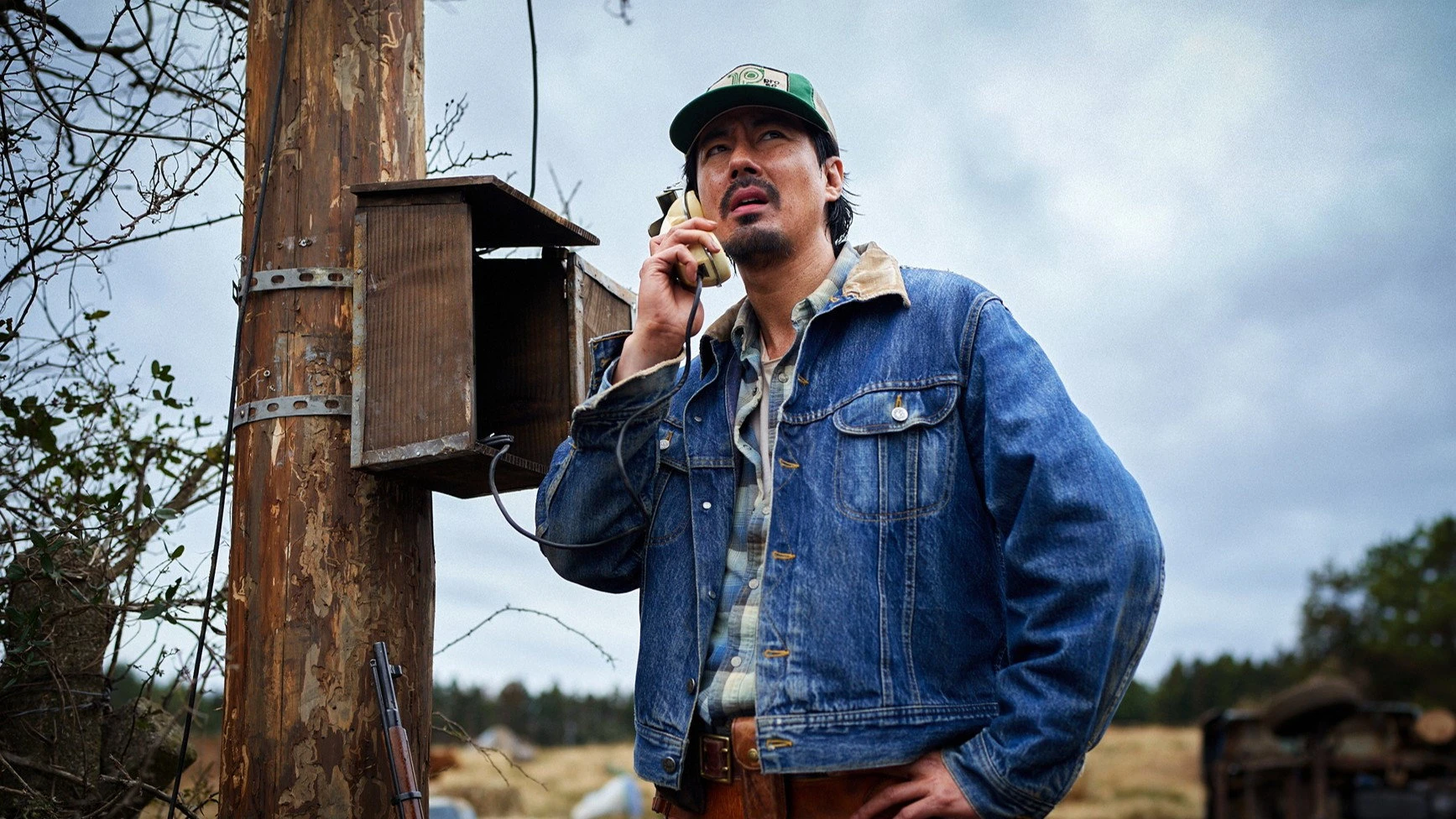
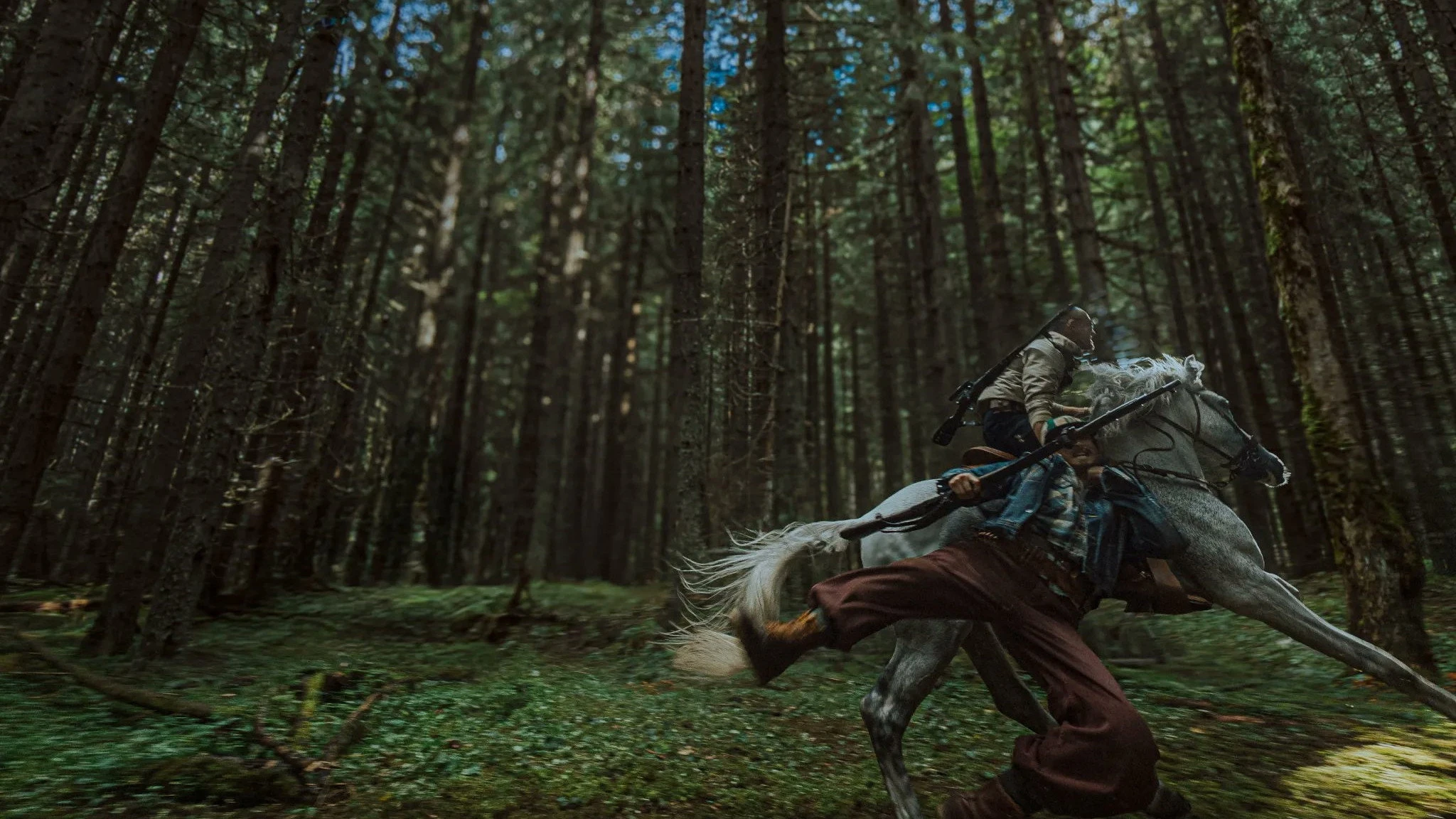
Into this already volatile mix arrive three English-speaking outsiders — Ma’veyyo, J’aur, and Ai’dovor — who appear stranded at the edge of the woods during the wildfire that cuts the community off from outside communication. They speak to each other in a way that suggests familiarity with something none of the Koreans have yet understood. The language barrier is deliberate. Na Hong-jin uses it not as a plot device but as a mirror: the community’s reflexive suspicion of the outsiders, and the outsiders’ patience with being misread, says everything the film wants to say about how humans process the genuinely unfamiliar.
What elevates Hope above its genre contemporaries is the thing Na Hong-jin refuses to do: he refuses to make the creature the most frightening element in the film. The entity — massive, purposeful, operating by rules no one inside the film can access — is dangerous the way that weather is dangerous. It’s the human response to the entity that produces the film’s most visceral horror. The paranoia, the misidentifications, the moments where violence turns inward — these are the scenes that stay.
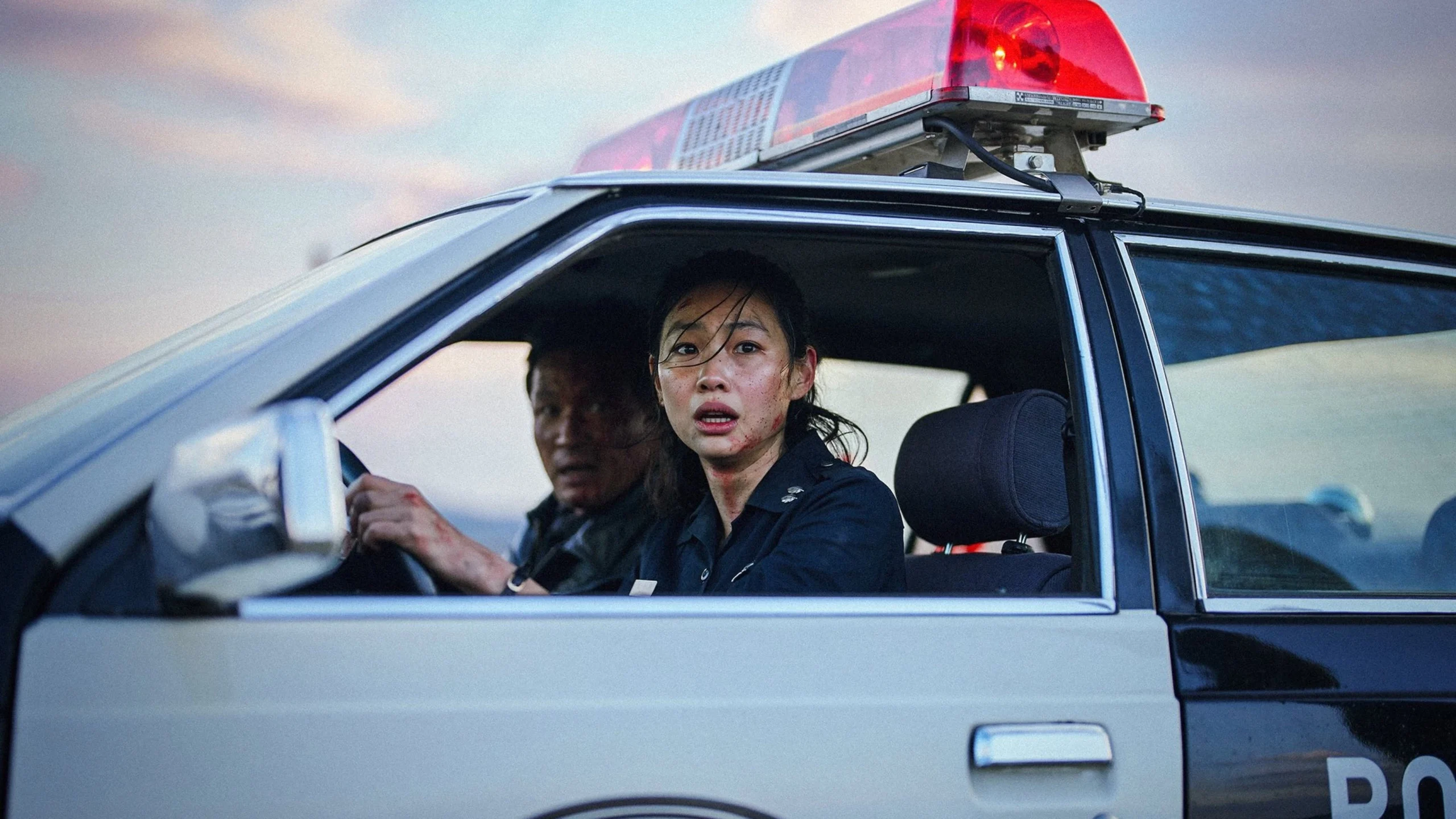
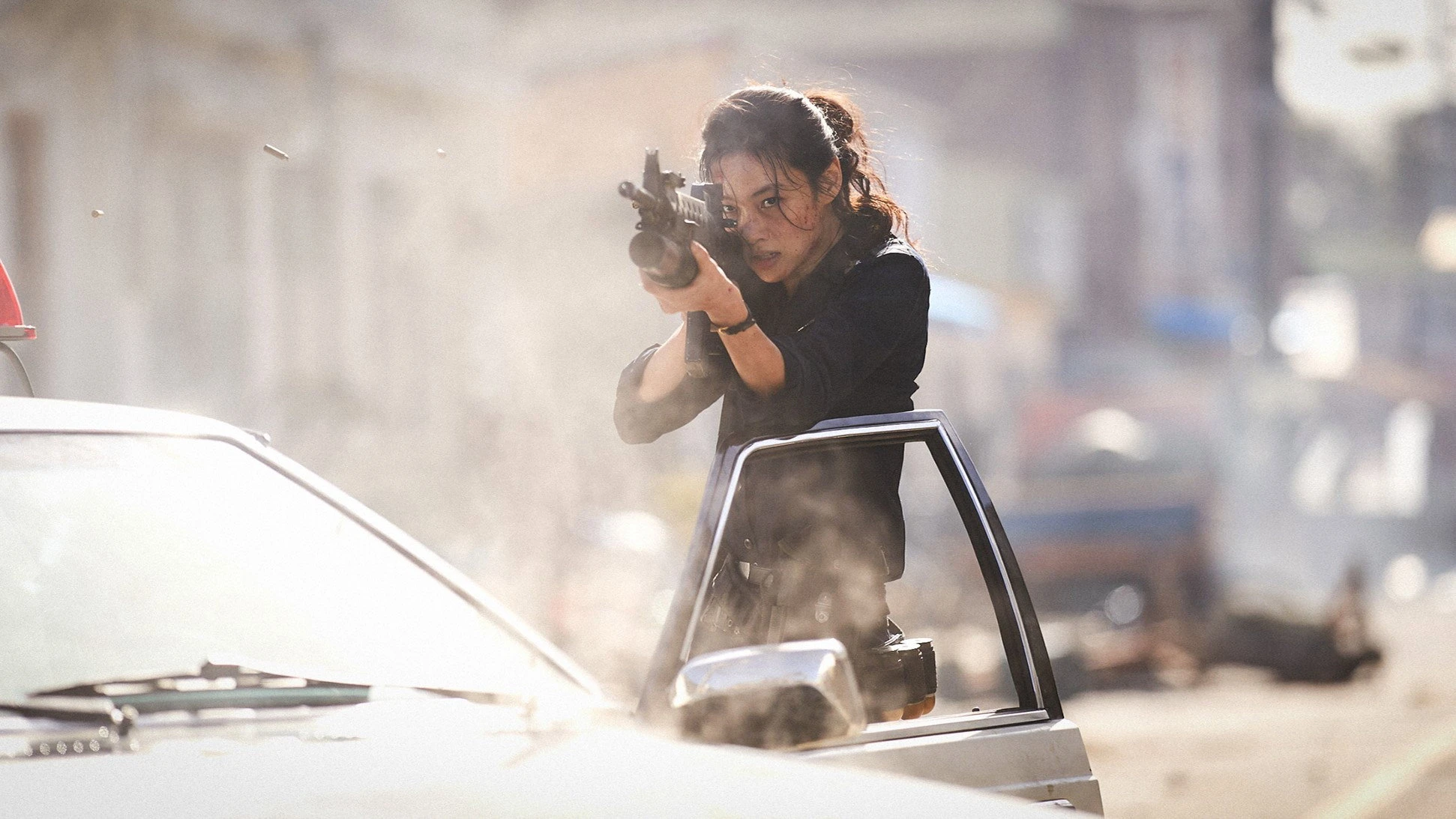
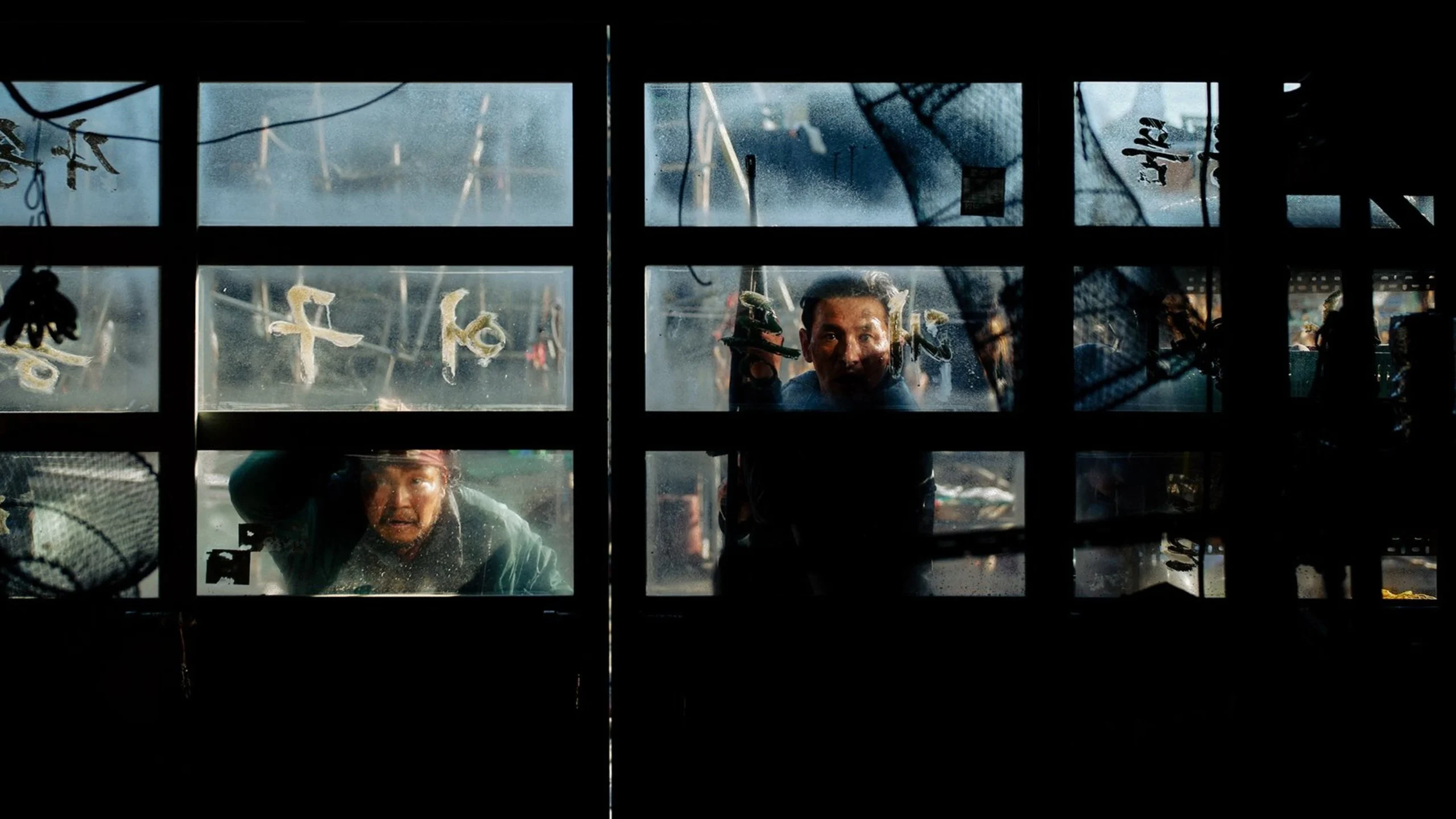
The film moves like a vice closing. Na Hong-jin uses desaturated cinematography and thick, persistent fog to make Korea’s vast wilderness feel like a room with shrinking walls. The action sequences — when they arrive — are brutally kinetic, using handheld close-quarters work that gives combat a texture of genuine disorder rather than choreographed spectacle. There’s also a recurring note of pitch-black dark humor deployed at the most unexpected moments: a reminder that catastrophe and absurdity have always lived in the same house.
For international audiences, some context sharpens the film considerably: the DMZ is not just a geographic marker but an existential condition for South Koreans. It represents the permanent possibility of a conflict that never technically ended. A story about a community near the DMZ that loses all outside communication and faces an enemy it cannot categorize is not merely science fiction — it activates a specific cultural anxiety about abandonment, about the state’s inability to protect, about what happens when the borders that define safety dissolve. Na Hong-jin isn’t exploiting this context. He’s been living in it his entire career.
🏁 Ending Explained
Full spoilers ahead — what happens in the finale and what it all means.
Spoiler Warning — This section covers the full finale of Hope. Stop here if you haven’t seen the film.
The last stand. The climax converges on the burning remains of Hope Harbor, with the entity cornering the survivors in a space that once meant safety. Bum-seok, Sung-ae, and a badly wounded Sung-ki stage what the film presents — with deliberate restraint — as a competent defense. They use the tools available: hunting rifles, improvised explosives, the terrain they know by instinct. Sung-ki charges the creature in a move that is simultaneously reckless and the single most useful thing he does in the entire film. The fuel reserves are detonated. Dawn comes. The entity appears to be destroyed.
The vessel arrives. Then the sky changes. A massive extraterrestrial structure materializes over the DMZ — silent, unhurried, geometrically impossible in the way that only things existing outside human engineering can be. The film holds on it. Bum-seok and Sung-ae watch from the ground. Whatever they just survived is rendered instantly irrelevant — not cruel, exactly, but with the complete indifference of scale. The human victory in the village is real. It also means nothing.
The theories Na Hong-jin refuses to resolve. Two readings emerge from what the film shows and what it withholds. The first: the entity was a scout — a biological weapon or advance probe — and the vessel has arrived in response to its destruction. This makes the film a tragedy of action: every defensive choice the community made was reasonable, and it still catalyzed a larger catastrophe. The second: the entity was a kind of cosmic wildlife — a creature following its own logic that humans misread as malevolence — and the vessel has arrived to recover something that didn’t deserve to be killed. This turns the film into a tragedy of ignorance. Na Hong-jin doesn’t tell you which one is right. He’s more interested in the discomfort of not knowing.
The reading that holds. The vessel hovering directly over the Demilitarized Zone — that border where two halves of a country have pointed weapons at each other for seventy years — is not accidental. Humanity’s entire investment in borders, in sovereignty, in the idea that a line drawn in the earth constitutes meaningful protection: the arrival makes all of it look like children’s drawings on the floor of a burning building. The geopolitical irony is not elegant. It’s exactly as blunt as Na Hong-jin intends it to be. Humanity’s borders mean nothing to a universe that operates on a different scale entirely.
What the first act was actually doing. On a second viewing, the early scenes recontextualize entirely. The opening stillness of Hope Harbor — the livestock, the minor disputes, the casual hierarchies of a small community — becomes almost unbearably tender. You watch people who don’t know what’s already in the sky. Ma’veyyo and J’aur’s measured patience with the Koreans’ hostility makes a different kind of sense. So do the strange atmospheric anomalies in the background of the early wildfire segments. The film was telling you everything from the beginning. It just waited until the end to explain the language.
✍️ KDramaWorlds Editor’s Take
Our honest read on why Hope is worth your time — and who it’s actually for.
Na Hong-jin
Known for: The Wailing (2016) · The Chaser (2008)
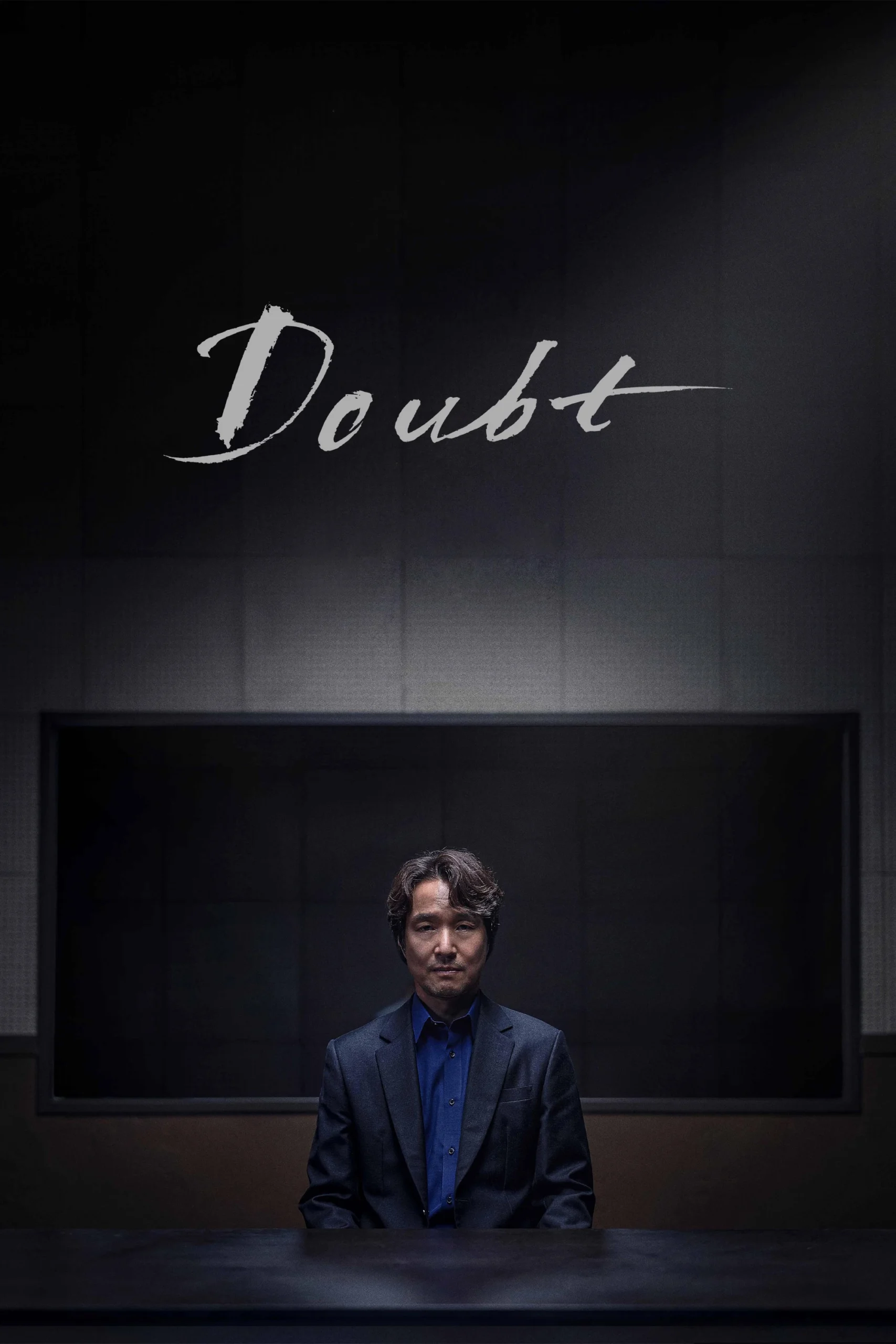
Na Hong-jin has not made a feature in ten years, and Hope makes clear that the gap wasn’t creative drought — it was accumulation. He arrives at this film with everything The Wailing understood about rural Korean dread and adds something new: scale. Hwang Jung-min, who has spent his career playing men who are competent until the specific moment competence becomes useless, is precisely calibrated for what this film requires. Watch how he holds himself differently after the first night — a slight forward lean, a new reluctance to stand in doorways — before any dialogue has told you that something has permanently changed in his understanding of where he lives.

Hoyeon, working in her second major film role since Squid Game made her a global presence, does something more interesting than the rookie officer arc the setup promises: she plays Sung-ae as someone who understands the situation faster than anyone around her and has no institutional authority to make that intelligence actionable. The scenes in the second act where the hierarchy between her and Bum-seok keeps colliding with what they both already know are the film’s quietest and most human work. Zo In-sung’s Sung-ki is the film’s loudest presence and its most straightforward tragedy: a man whose certainty is precisely what makes him useful and precisely what kills him. Na Hong-jin is honest about how often those are the same person. The way this film uses rural Korea as a pressure cooker for paranoia connects directly to what made Exhuma so effective — both films understand that the real horror isn’t the entity, it’s what the entity reveals about the community. For a very different Korean take on first contact, Colony offers an interesting point of comparison.
The honest caveat is the runtime. One hundred and sixty minutes is Na Hong-jin’s call, and for most of it the pacing justifies itself — but the middle stretch, after the wildfires begin and before the entity fully commits to the community, has roughly fifteen minutes where the paranoia mechanics repeat themselves one beat too many. It doesn’t break the film. It does briefly make you aware you’re watching a film rather than being inside one, which for a movie that works primarily through immersion is a real cost. The final twenty minutes make you forget it. Worth it. Not easy.
Na Hong-jin’s return to feature filmmaking is everything the genre demands — cosmic in scale, intimate in terror, and unwilling to let the audience off easy.
🎬 You Might Also Like
If you liked Hope, these are your next three watches.
 Parasyte: The Grey
alien invasionbody horror
Read Full Review →
|
 Family by Choice
Bae Hyeon-seongFound Family
Read Full Review →
|
 No Tail to Tell
Fantasy RomanceGumiho
Read Full Review →
|













Keep it kind, skip the harsh language, and please — no spoilers. Everyone's taste is different, and that's perfectly fine.
This space is for real reactions and discussion from other viewers. Help keep it comfortable for everyone by not giving away major plot details.
1 Comment
A border-zone village that’s ‘trained by geography to distrust anything it can’t account for’ is such an evocative way to set up a sci-fi thriller 🌫️ — that kind of insular, guarded community always makes for the best slow-burn mystery setups. Curious what everyone made of how the mystery actually unraveled.
What do you think of this drama?
Login to share your review or leave a comment.
No email needed — just pick a username & password.