
The Nice Guy
🎬 JTBC · Disney+ · Hulu
⭐ 7.2 / 10 MDL
🔞 TV-15
📋 Drama Overview
The short briefing before you dive in.
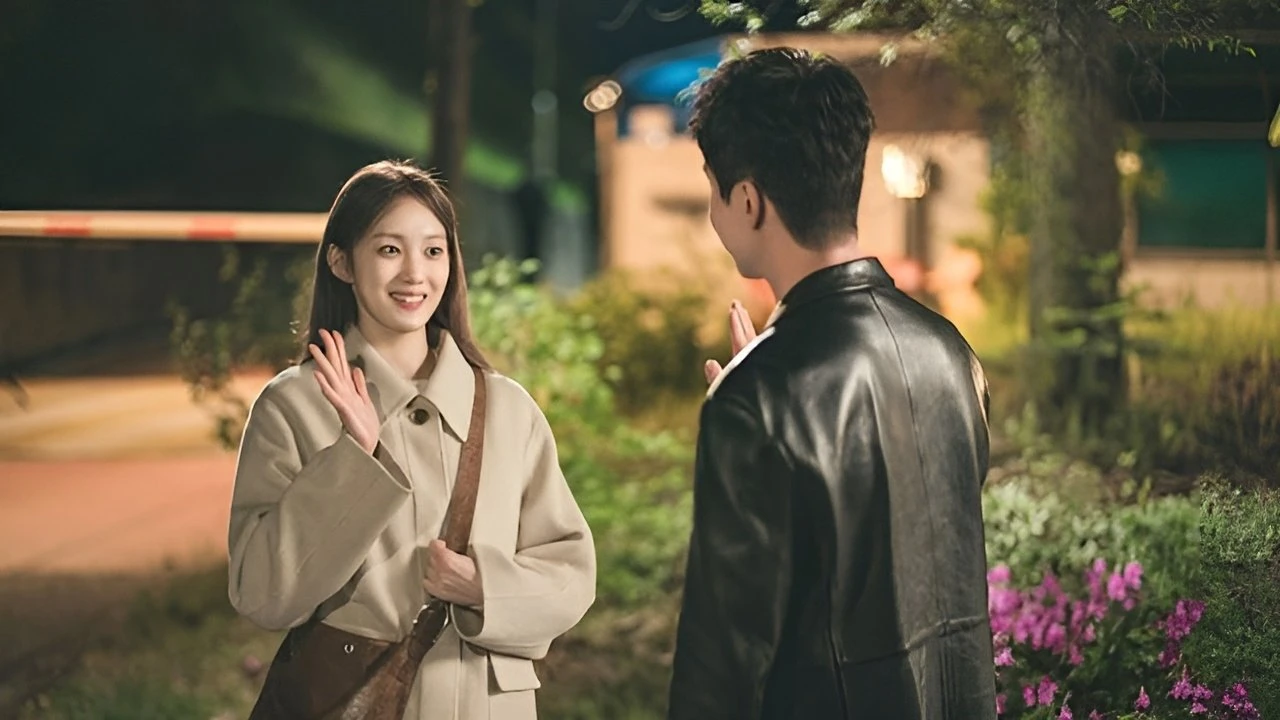
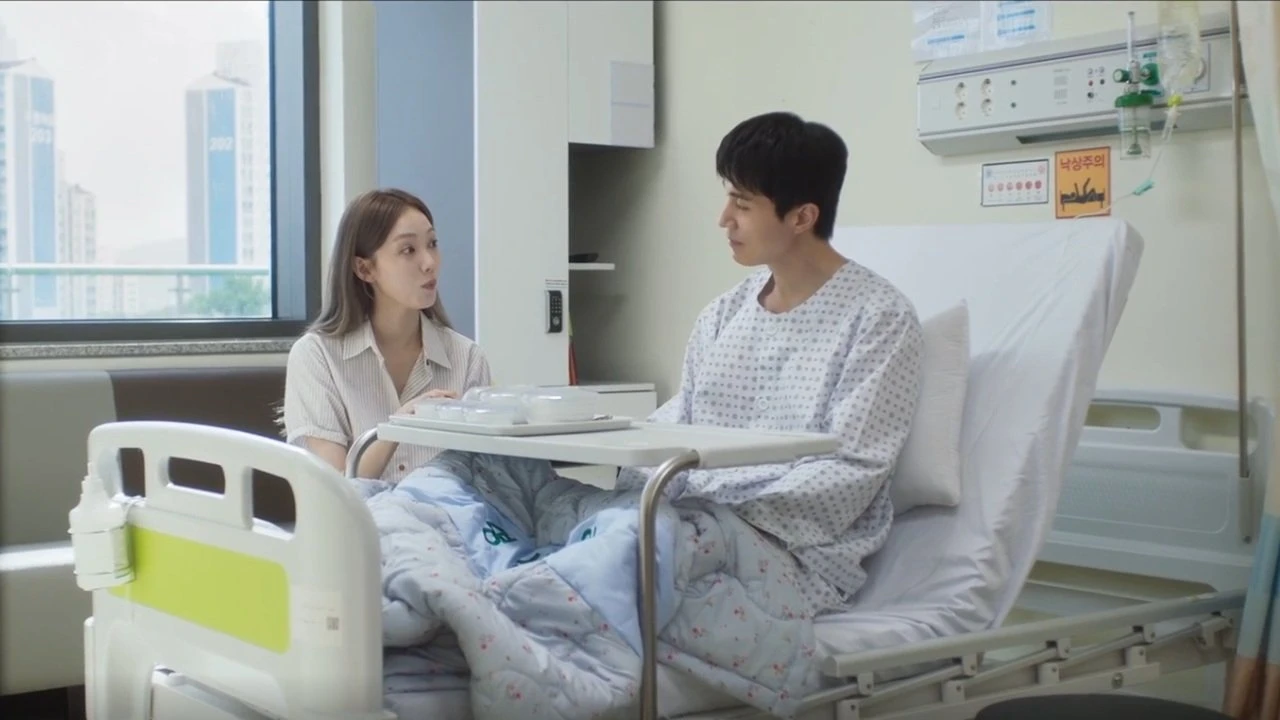
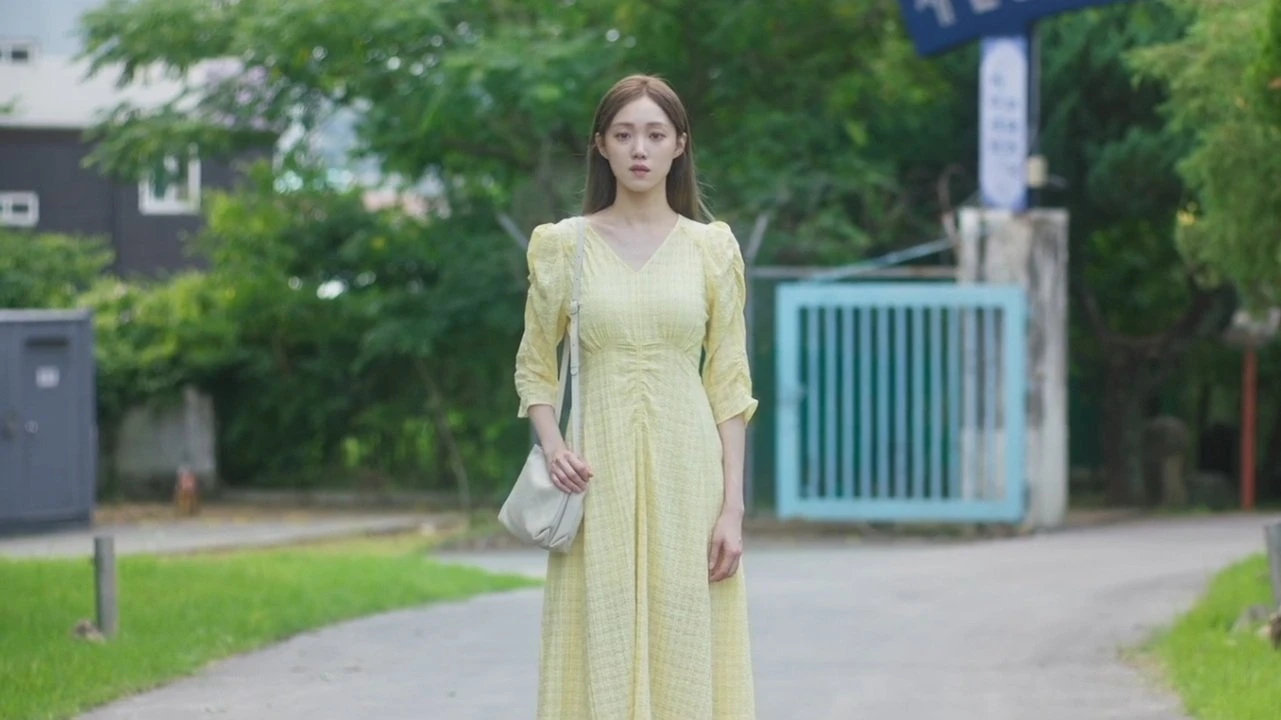
Park Seok-cheol was supposed to inherit a gangster legacy — three generations of it, all sitting on his shoulders the moment he was born. Instead, he grows up wanting something so radical it sounds almost naive in his world: a normal life. He is kind to people who don’t deserve it, loyal to people who exploit that loyalty, and completely unable to walk away cleanly because the name Park is not just a family name — it’s a structure of debt and obligation that has its own gravitational pull. Then Kang Mi-yeong enters his life, an aspiring singer fighting for a future while her sick mother’s medical bills eat through what little she has, and Seok-cheol’s desire for a different kind of life becomes something concrete enough to want.
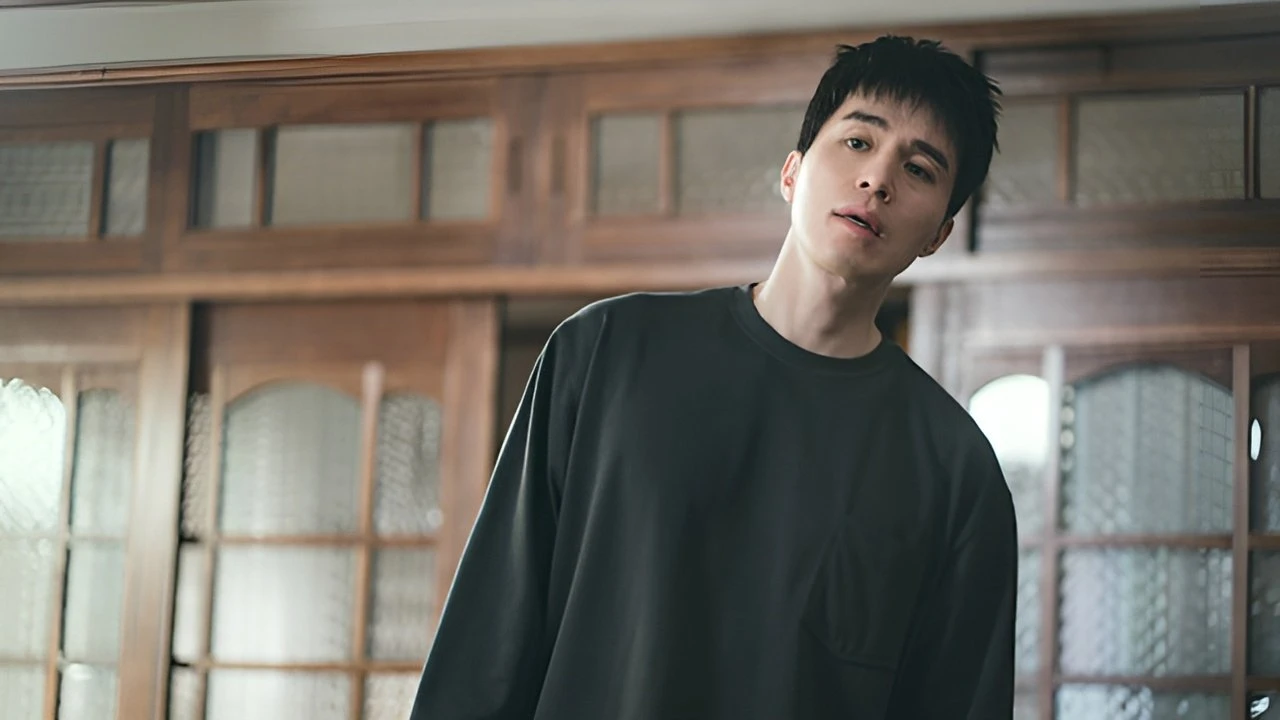
What the drama earns over 14 episodes is the argument that decency is not weakness. Lee Dong-wook plays Seok-cheol with the precision of someone who has spent years playing beings slightly outside the human world — grim reapers, supernatural figures — and now brings that same quiet intensity to the most human predicament: a man trying to outrun a name. Lee Sung-kyung matches him scene for scene, making sure Mi-yeong is never just the reason Seok-cheol fights, but someone fighting on her own terms from the first episode.
14 / 14 ✅ Completed
⚡ Quick Verdict
No scrolling required — the verdict’s right here.
· MDL Score
▶ Official Trailer
🎭 Cast & Characters
The cast that makes kindness look like the most dangerous thing in a gangster family.
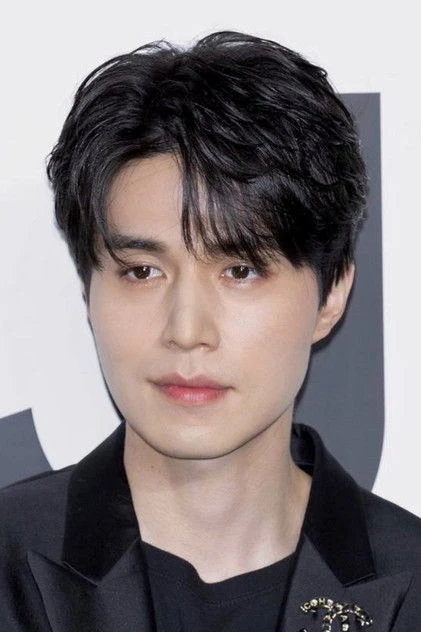
Lead

Lead

Supporting

Supporting
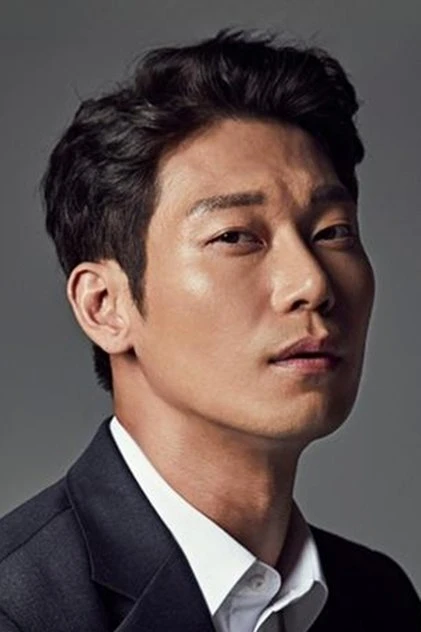
Supporting
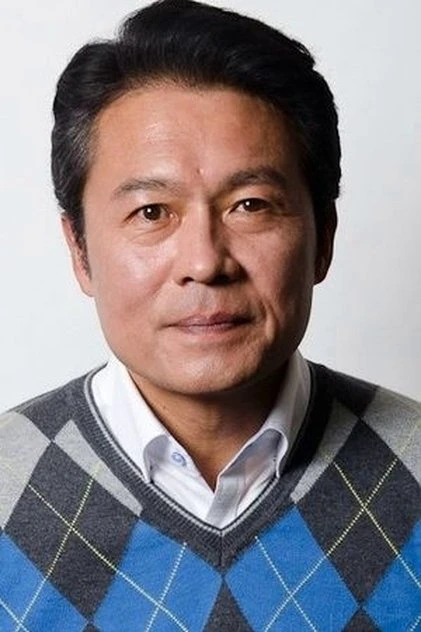
Supporting
📺 Episode Guide
Quick recaps per episode — just enough to stay caught up.
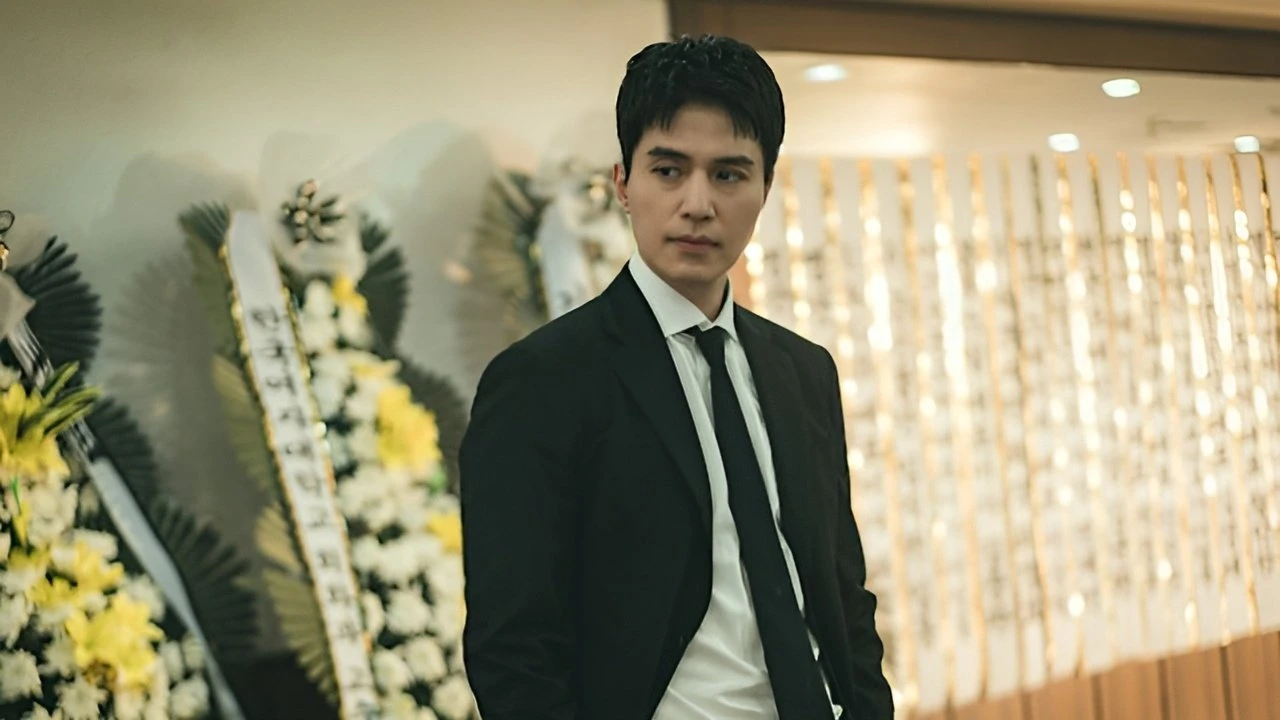


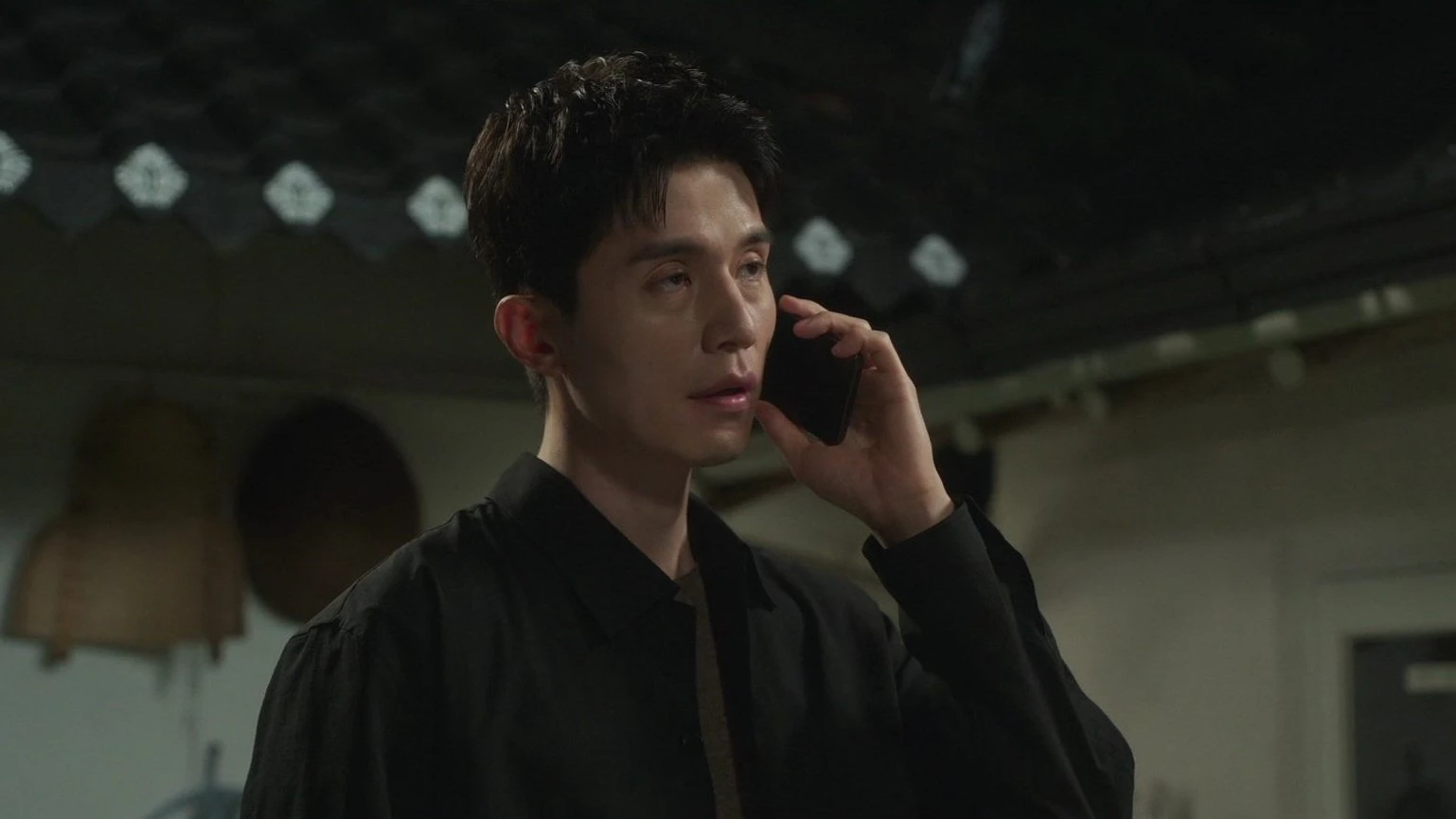
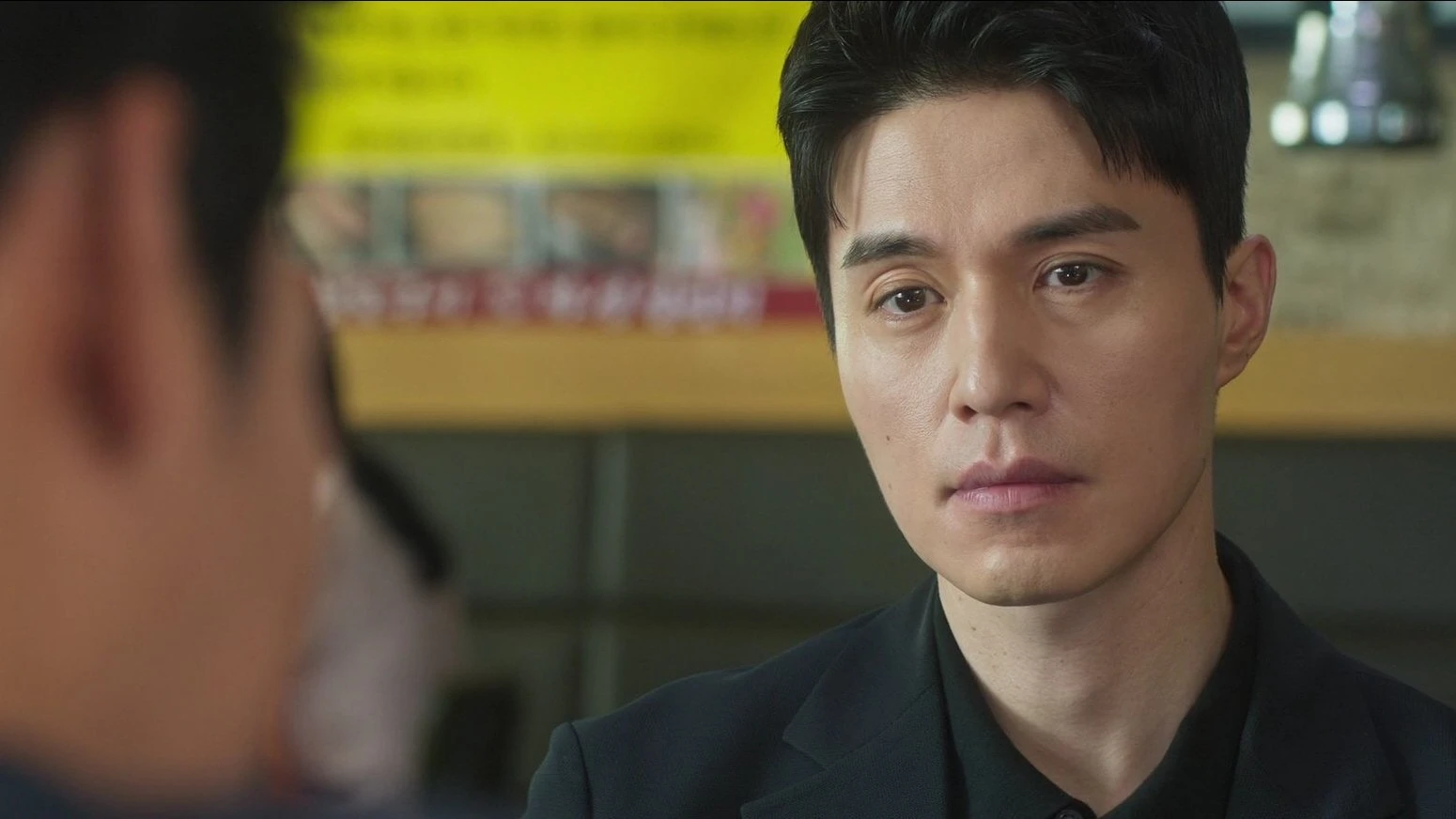

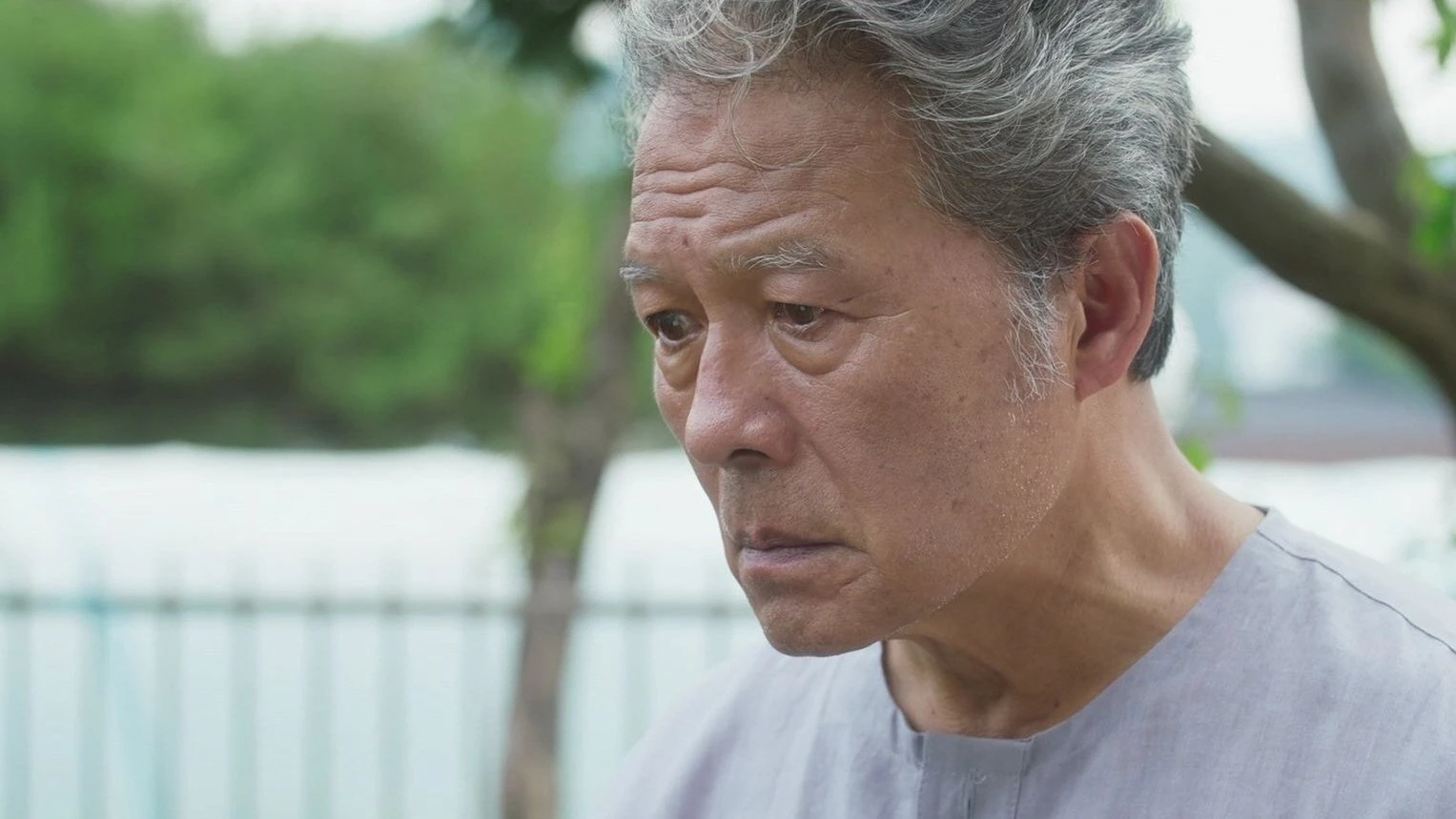
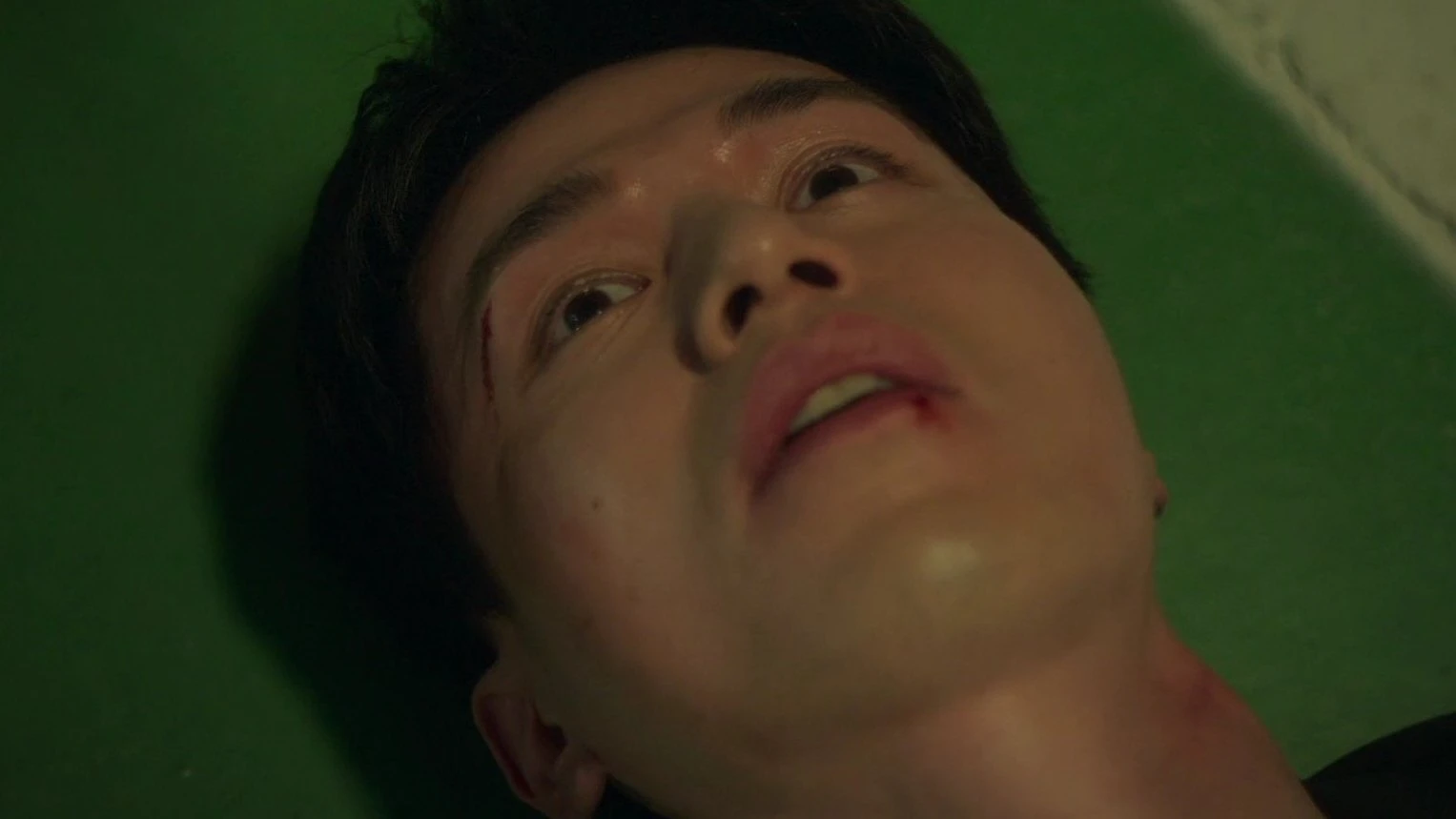
🏁 Ending Explained
Everything that happens in the finale, explained in full — spoilers ahead.
Spoiler Warning — This section covers the full finale of The Nice Guy. Stop here if you haven’t finished the series.
Seok-cheol walks away Park Seok-cheol does what the drama has been building toward for 14 episodes: he chooses a life that no longer belongs to the gang’s expectations. This is not a triumphant exit — it costs him the family structure he grew up inside, the material comfort he was raised to expect, and the safety of operating within a known system. What he gains is the only thing the drama has argued matters: the right to define himself on his own terms. The Park family legacy, three generations of it, does not disappear in the finale. It simply loses its claim on him.

The family reckoning What the finale is careful not to do is make Seok-cheol’s exit clean. His father Park Sil-gon — Cheon Ho-jin playing a man who has spent decades regretting how his choices shaped his son — must confront what three generations of gang loyalty have actually produced. The family arc closes not on reconciliation but on accountability: these people treated blood ties as obligation rather than care, and the consequences of that are not resolved in a single conversation or a single gesture. The drama earns this ambiguity because it never pretended the family wound could be healed quickly.
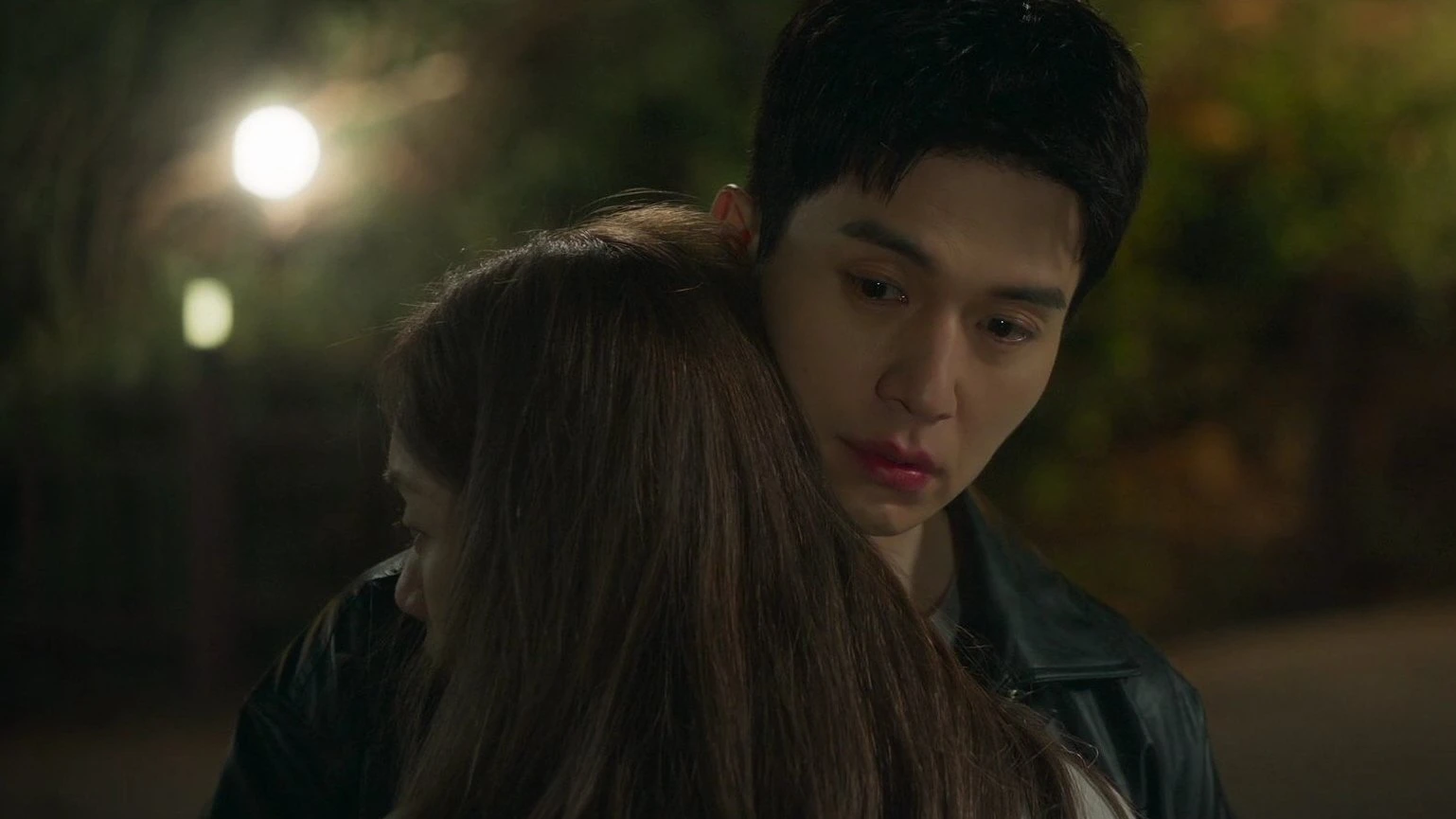
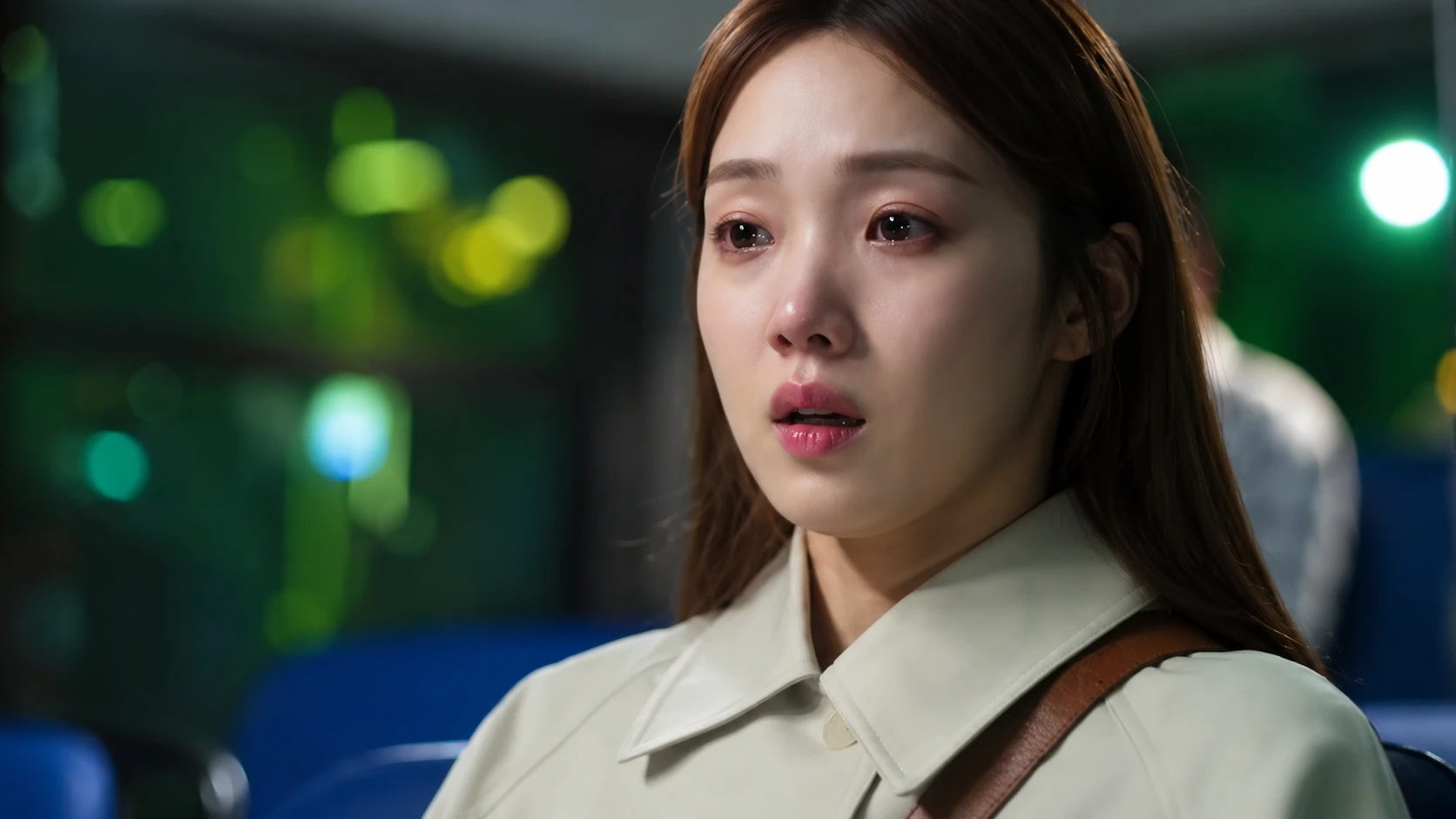
Mi-yeong’s answer The question the drama has held in tension since episode four is whether Kang Mi-yeong’s love for Seok-cheol can survive everything his world put her through — the threat, the fear, the real possibility of being collateral damage in a conflict she never chose to enter. The finale answers it carefully: yes, but not unchanged. Lee Sung-kyung plays the reunion without sentimentality, making clear that Mi-yeong is choosing Seok-cheol the person — not the fantasy of rescue she might have started with. Her singing career thread finds its own resolution too. Her future was always hers.
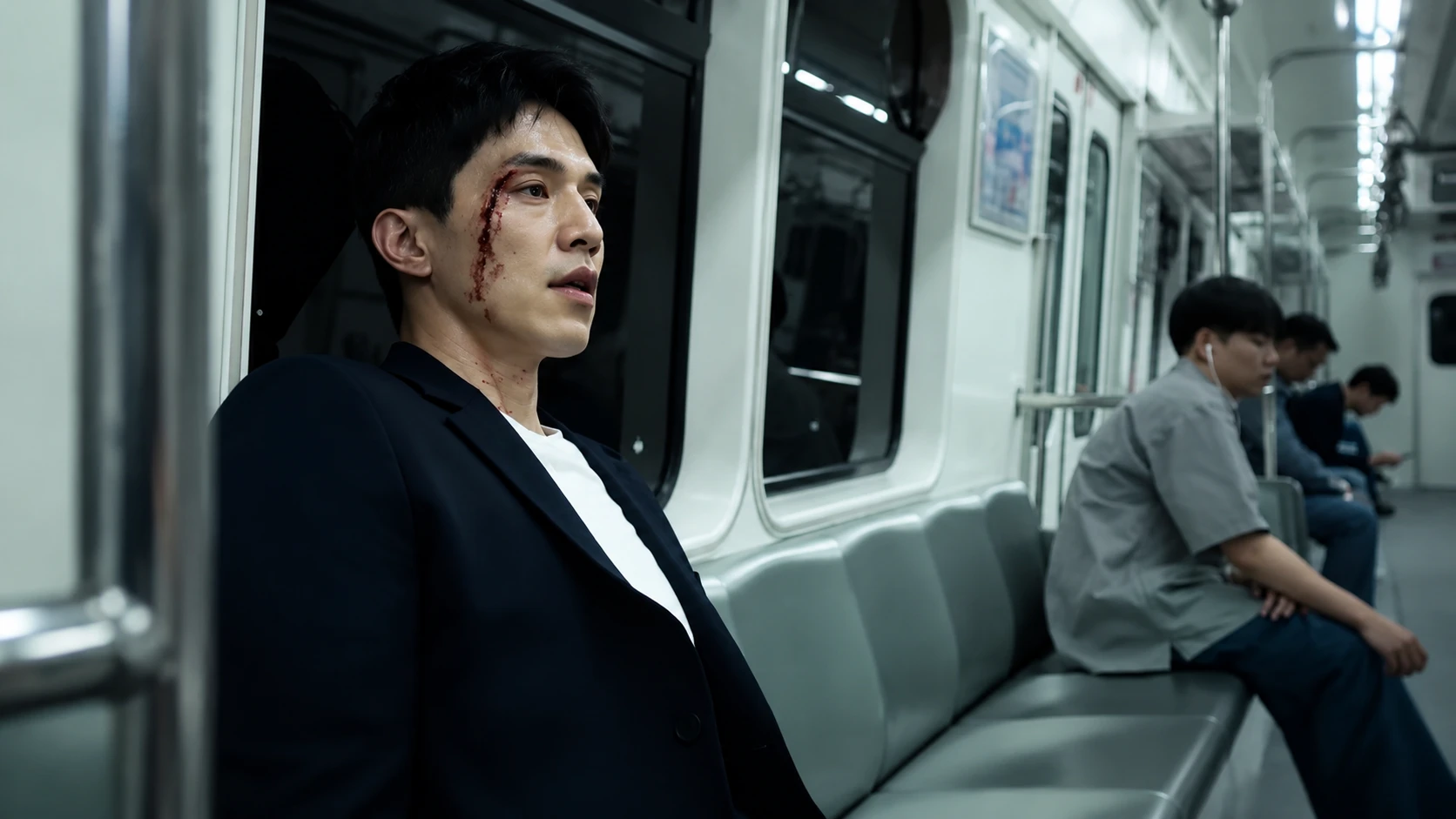
Tae-hun’s ending Kang Tae-hun’s arc closes as the drama’s most direct moral argument: desire without restraint doesn’t just destroy the person who wants — it destroys everyone around them. Park Hoon plays Tae-hun without turning him into a cartoon villain, which makes his ending land harder than expected. He is not dangerous because he’s a gangster. He’s dangerous because he believes his wanting something gives him the right to take it. The contrast with Seok-cheol — who wants just as badly, but keeps asking what that wanting costs others — is the drama’s central point made visible in two performances side by side.
The KDW verdict The Nice Guy works because it refuses to treat its title character’s decency as a flaw to be overcome or a naivety to be educated out of. Park Seok-cheol is kind in a world that punishes kindness, and the drama’s thesis is that this kindness is exactly what makes a different future possible — not in spite of everything it costs him, but partly because of it. Lee Dong-wook gives the most grounded performance of his career outside fantasy, and the ending delivers what 14 episodes of careful setup earned: a man who finally gets to mean what he says.
✍️ KDramaWorlds Editor’s Take
Straight talk — our real opinion, and the viewer it’s made for.
🔥 Loyalty vs. Love
👊 Gangster with a Conscience
🎵 Her Voice, His Reason
There’s a scene in episode six where the camera holds on Lee Dong-wook’s face as Park Seok-cheol realizes the man he has been protecting isn’t protecting him back — and the slow grief behind his eyes, that specific look of a person who has confused loyalty with love, is exactly why this casting works. Lee Dong-wook has spent most of his career playing beings slightly outside the human world, but here he is playing someone trapped inside the most ordinary human predicament there is: a name he was born into and cannot easily shed. The drama closest in emotional DNA is My Sweet Mobster, where another man from a criminal world tries to choose a different life for a woman who deserves one — but The Nice Guy is less interested in making the gangster world look cool, and more interested in showing exactly what it extracts from the people who stay inside it.
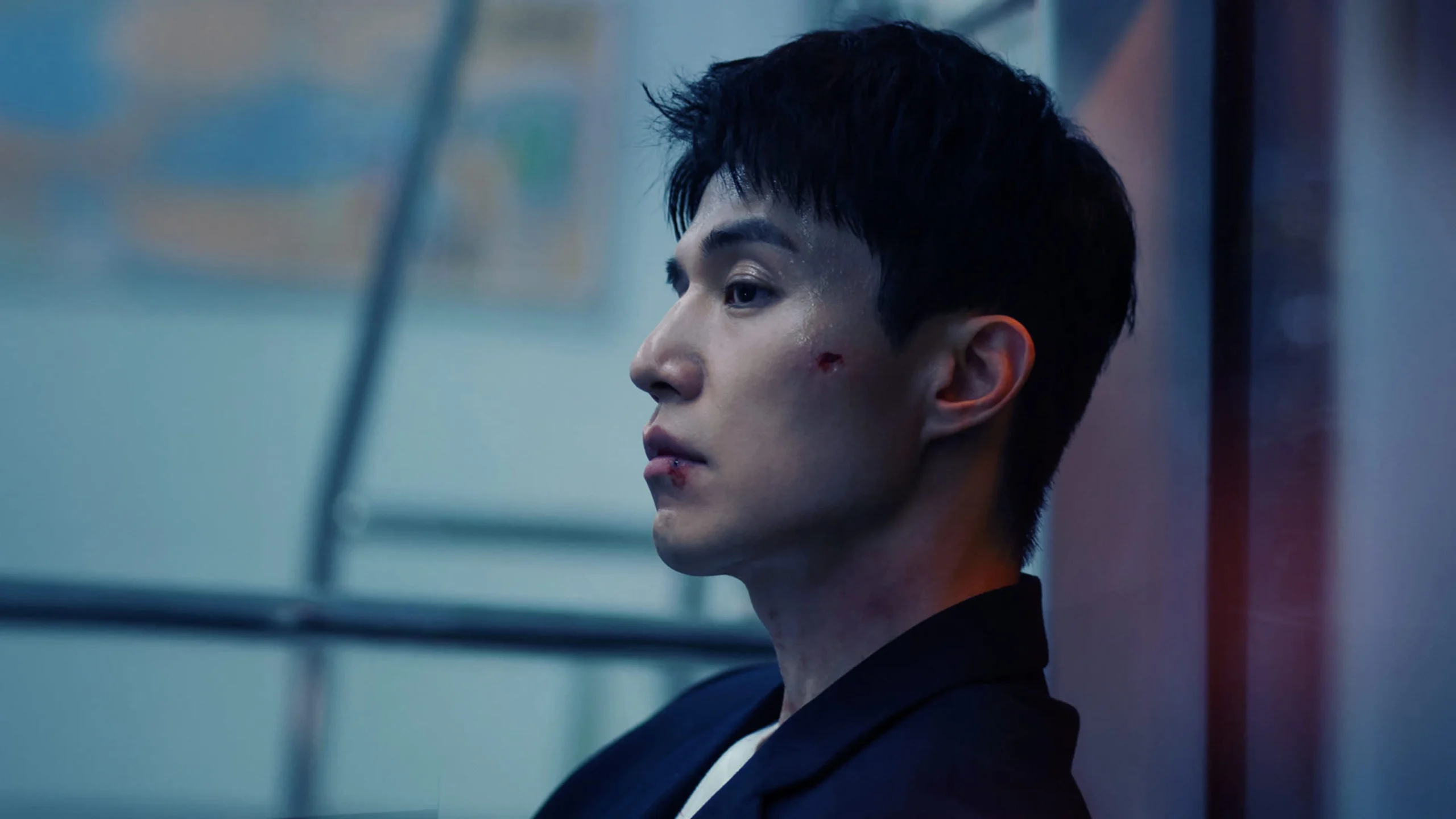
Lee Sung-kyung’s Kang Mi-yeong could have been a passive love interest, and in a lesser drama, she would have been. Screenwriter Kim Woon-kyung gives Mi-yeong her own stakes from the first episode — a sick mother, an audition she cannot afford to miss, a career she is building entirely on her own terms. When Tae-hun’s obsession turns toward her, it lands as violation rather than plot mechanics, because Mi-yeong was already a full person before the danger arrived. Those middle episodes, where the criminal world seems to be winning on every front, carry the same suffocating quality as The Worst of Evil — the sense that no matter how far you run, the world you were born into knows your address.
What director Song Hae-sung gets right is pacing the revelation of who Seok-cheol actually is — not through speeches, but through how he handles small choices under pressure. The title is deliberately ironic, and the drama knows it. Being nice is not weakness. It is the most dangerous thing Seok-cheol does, because it keeps him connected to the people who would use his decency against him. The finale earns its resolution not because the gangster world disappears, but because Seok-cheol finally stops letting other people define what his goodness is for.
Viewers who want a romance where both leads carry their own weight in a genuinely dangerous story
Anyone who has watched a gangster drama and wanted the emotional cost to actually be paid in full
🎬 You Might Also Like
If you liked The Nice Guy, these are your next three watches.
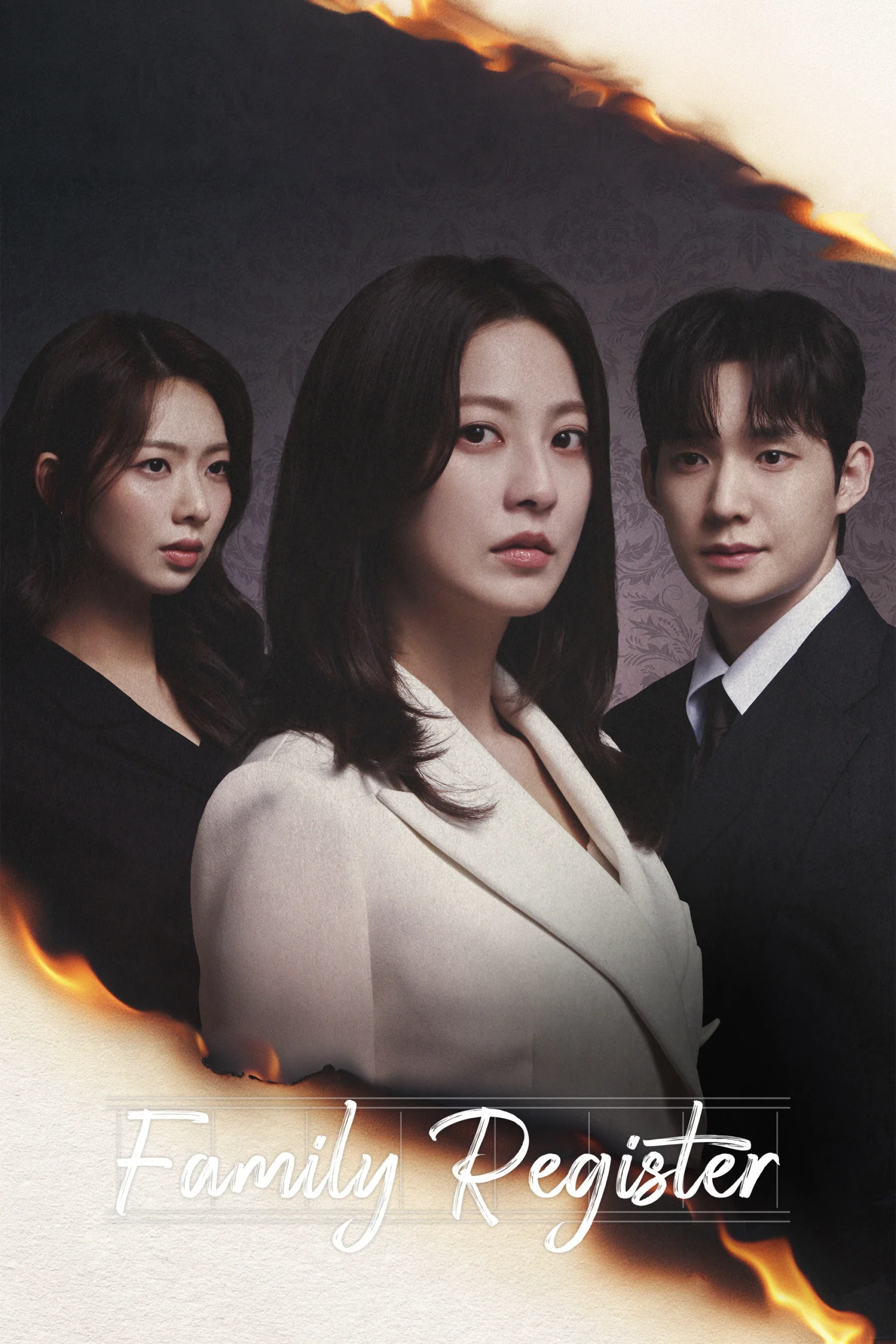 Family Register
Daily Dramafamily drama
Read Full Review →
|
 Cinderella Game
ChaebolChoi Shang
Read Full Review →
|
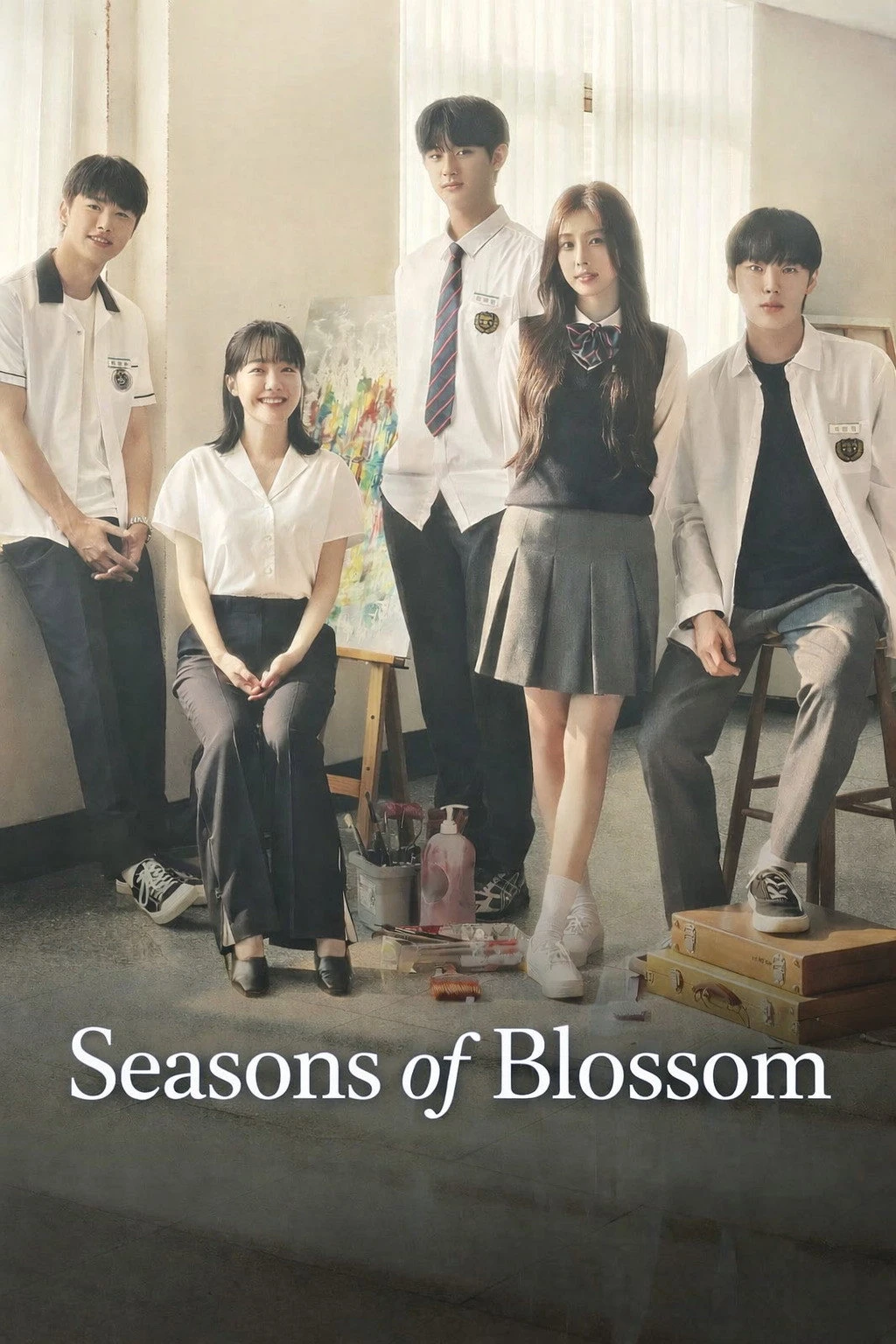 Seasons of Blossom
Dual Timelinefake dating
Read Full Review →
|












Keep it kind, skip the harsh language, and please — no spoilers. Everyone's taste is different, and that's perfectly fine.
This space is for real reactions and discussion from other viewers. Help keep it comfortable for everyone by not giving away major plot details.
What do you think of this drama?
Login to share your review or leave a comment.
No email needed — just pick a username & password.