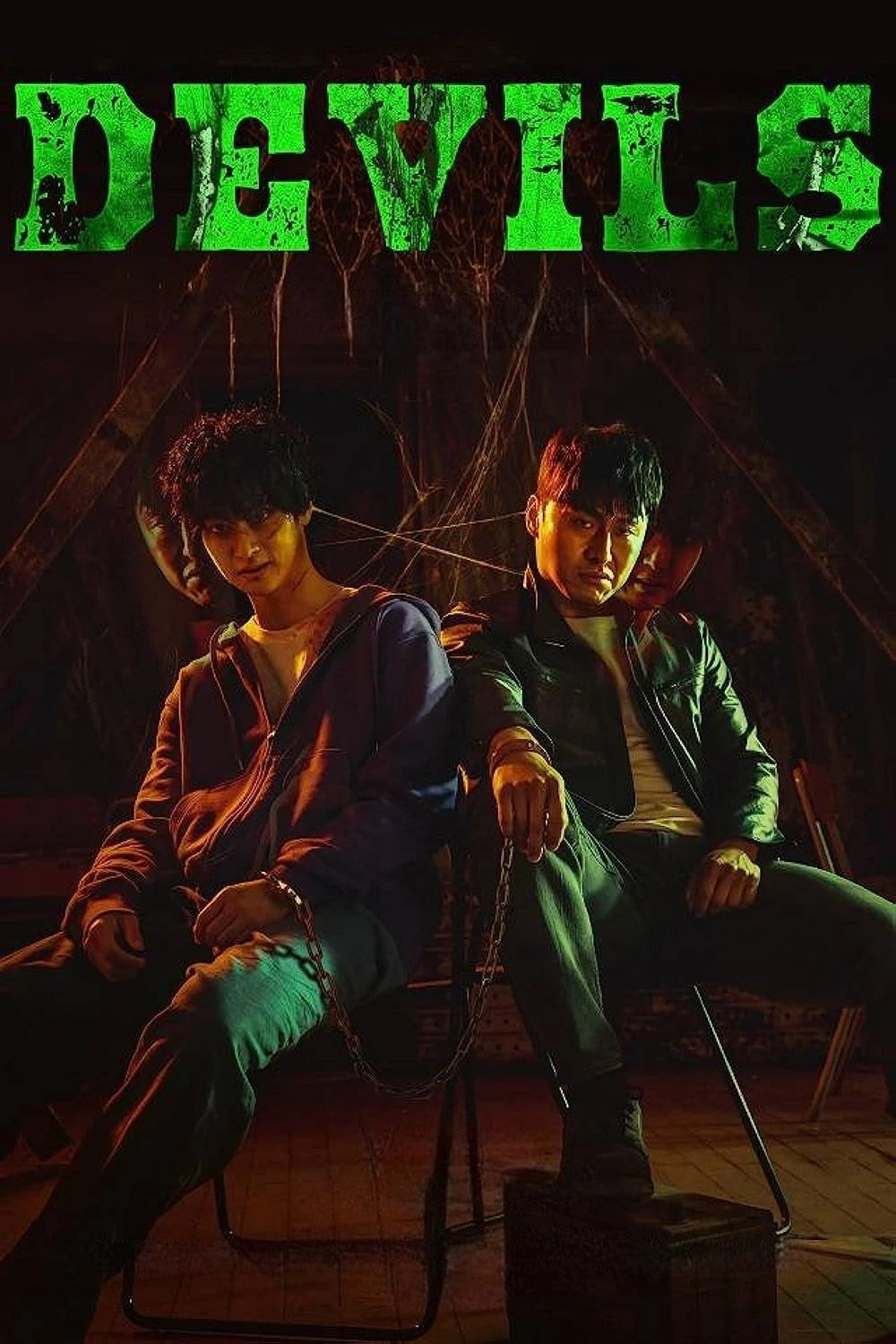
Devils
🎬 Netflix · Prime Video · VIU
⭐ 5.9 IMDb
🔞 19+
🎬 Film Overview
BODY-SWAP THRILLER PICK
Detective Jae-hwan lives inside the work the way some men live inside grief — because for him, they are the same thing. His brother-in-law was murdered, the killer still free, and the obsession has become the only structure keeping Jae-hwan functional. On the other side of the city, serial killer Jin-hyeok moves through violence with the calm of a man who has never had to hurry. The film places these two men on a collision course that feels inevitable long before it becomes physical — and then, at the moment of contact, changes the terms of everything.
An accident during the pursuit leaves both men trapped in each other’s bodies, and Devils stops being a manhunt and becomes something more interesting: a survival scenario built on identity theft, mutual desperation, and the question of how far a righteous man will go inside a killer’s life. Kim Jae-hoon’s feature debut channels the unhinged energy of Face/Off through a specifically Korean lens of police obsession and moral collapse. Oh Dae-hwan carries the film’s most demanding stretches — playing a detective performing a killer’s confidence while his family’s safety hangs on how convincingly he can do it — and the film earns its grimness by treating those scenes as horror, not action.
⚡ Quick Verdict
Skip the scroll — here’s the verdict in one glance.
· IMDb
▶ Official Trailer
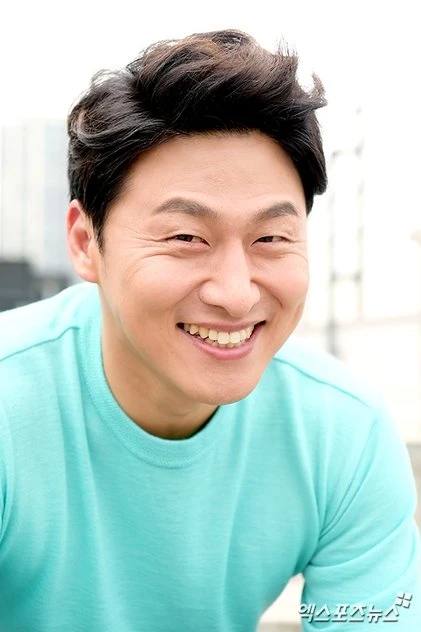
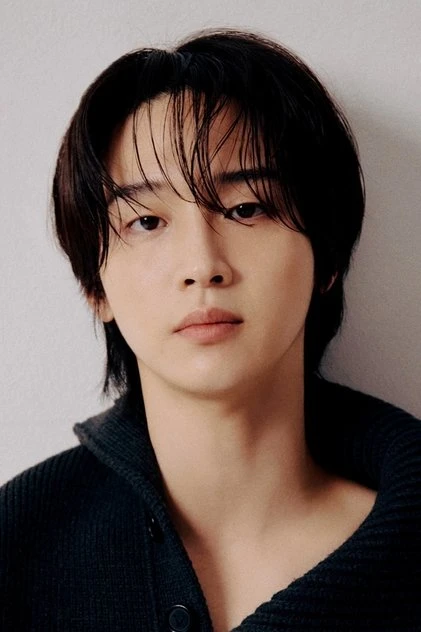
🎭 Cast & Characters
Two actors who understand that playing the wrong version of yourself is harder than playing a villain outright.
Lead
Lead

Supporting
Supporting
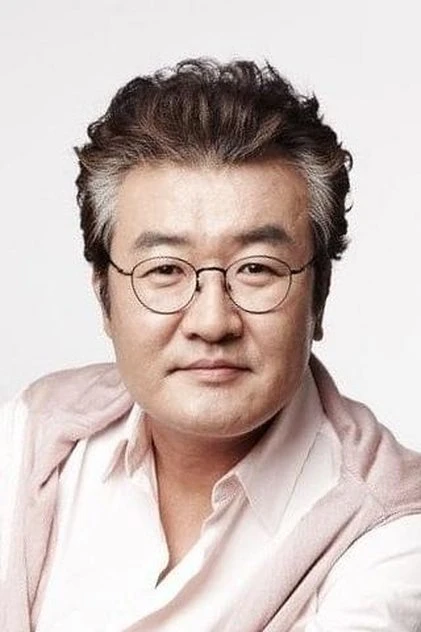
Supporting
Supporting
📖 The Story
No spoilers ahead — just enough to see if it fits your taste.
Detective Jae-hwan lives inside the work the way some men live inside grief — because for him, they are the same thing. A family member murdered, the killer still free, and Jae-hwan running the same evidence in circles long enough that the obsession has become the only structure keeping him upright. He is not the kind of cop who goes home at five. He has stopped being able to go home at all.
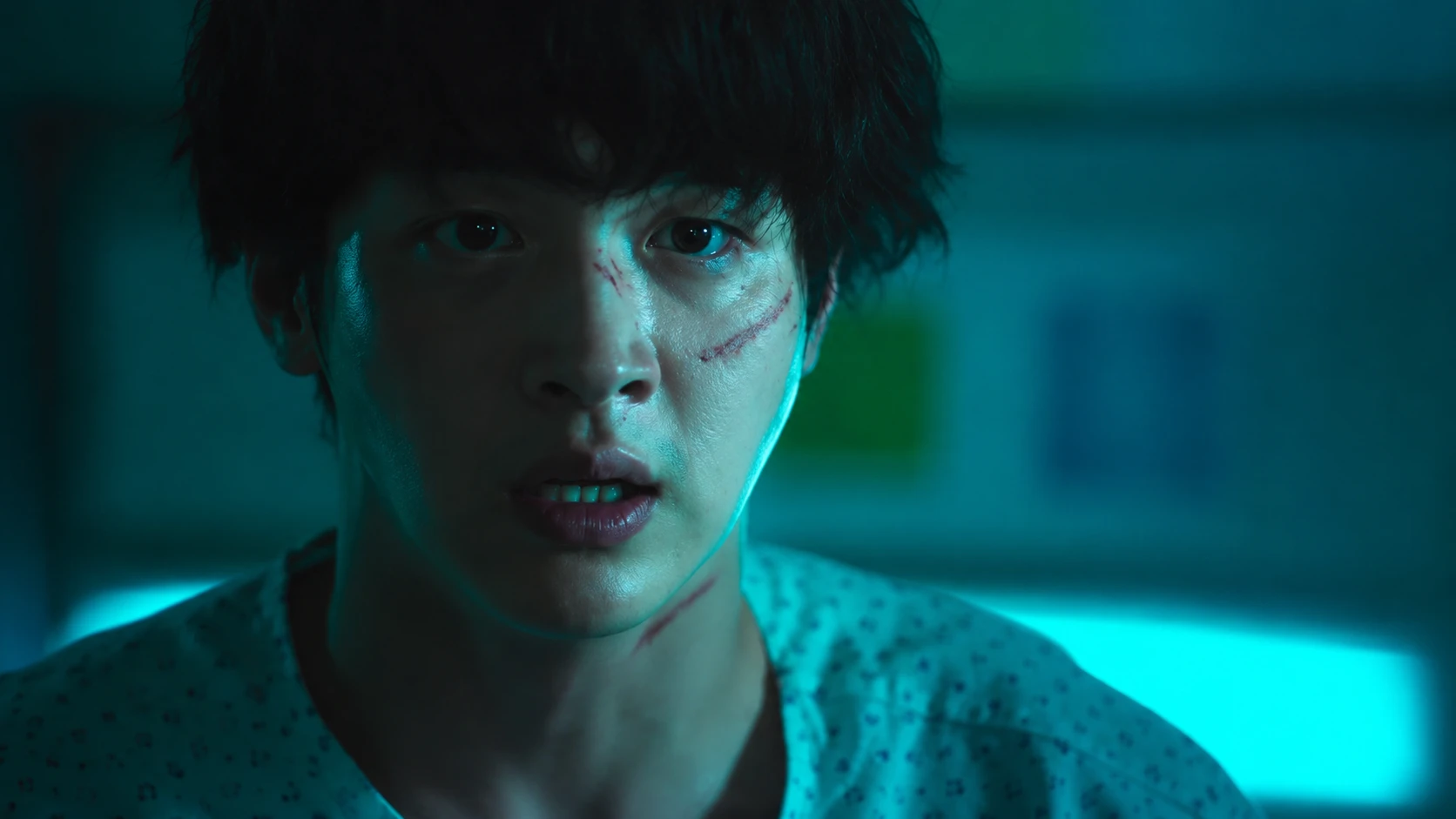
The people closest to Jae-hwan have learned to live around the edges of his absence. His family exists at the periphery of his attention — present enough to remind him what he is fighting for, distant enough that he keeps treating them as something to get to later. That distance is the film’s emotional wound, and it matters more than it appears in the first act.
On the other side of the city, Jin-hyeok moves through his violence with the calm of a man who has never had to hurry. The film positions him as the photographic negative of Jae-hwan: where the detective is all fury and feeling, the killer is surface and efficiency. He does not look like danger — he looks like someone who has never been afraid, which is its own kind of warning.
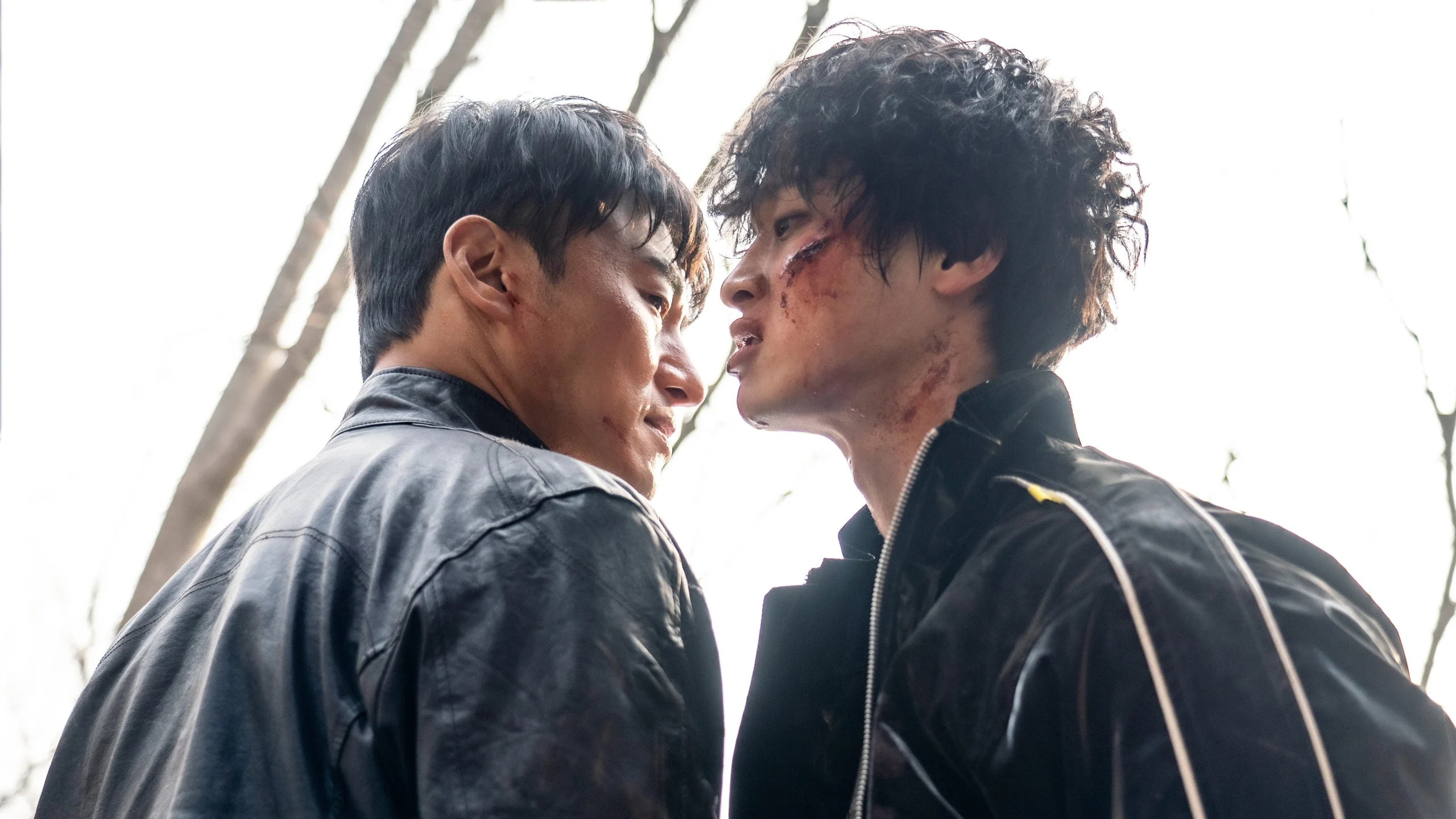
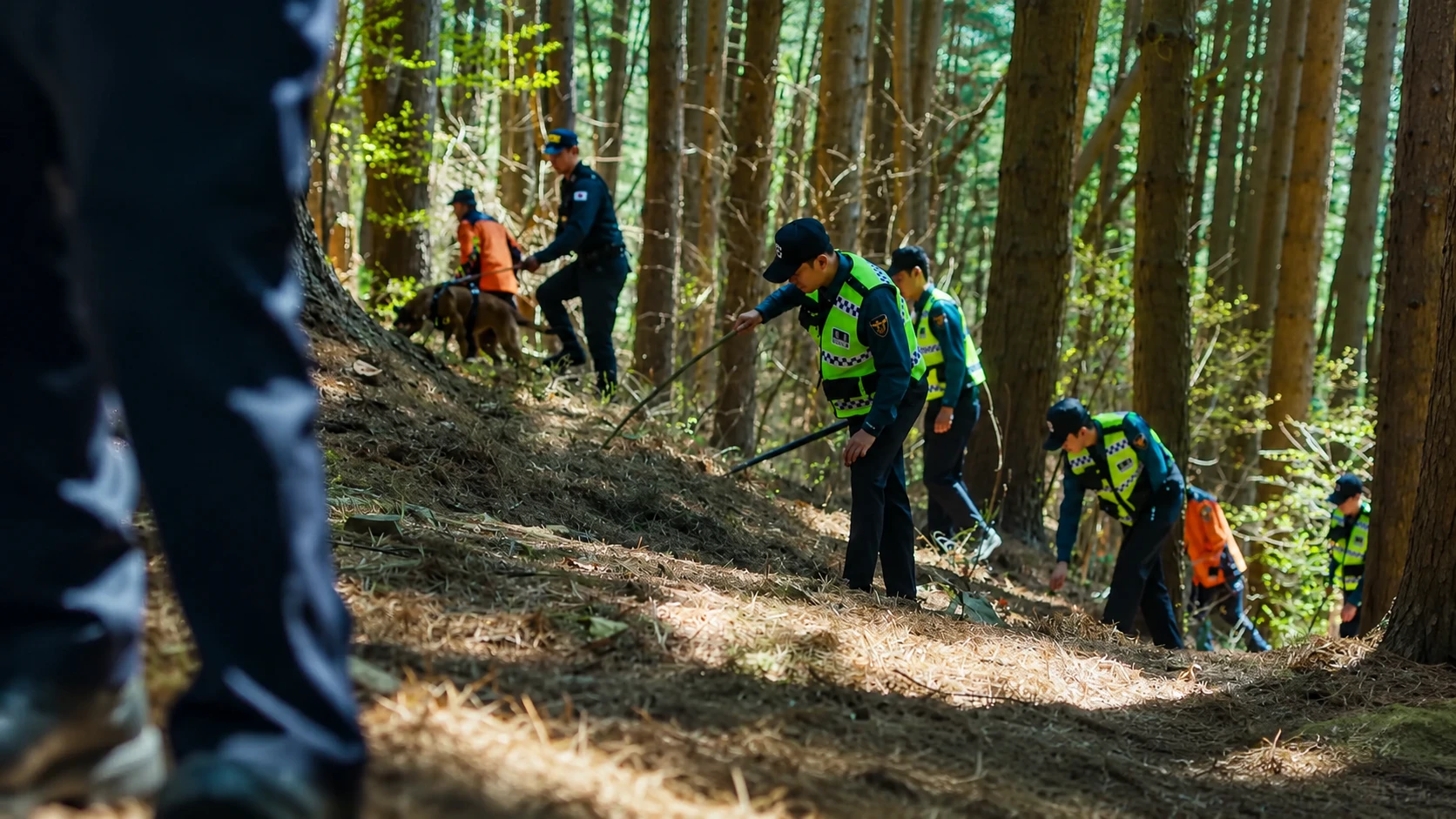
The hunt builds with compressed energy — two trajectories that have been converging for a long time without meeting. Jae-hwan is getting closer. Jin-hyeok knows it. The film earns the tension of that approach without releasing it prematurely; the confrontation feels inevitable well before it arrives, and the audience senses that when these two men finally collide, it will not go the way Jae-hwan has planned.
The collision does not go the way either man expects. Jae-hwan closes in, the confrontation turns brutal, and an accident intervenes — the kind that changes the terms of a story rather than ending it. When both men regain consciousness, they are no longer inside their own lives. The manhunt becomes something stranger and more dangerous: a survival scenario where the most important weapon either man possesses is the ability to convincingly perform being someone else.
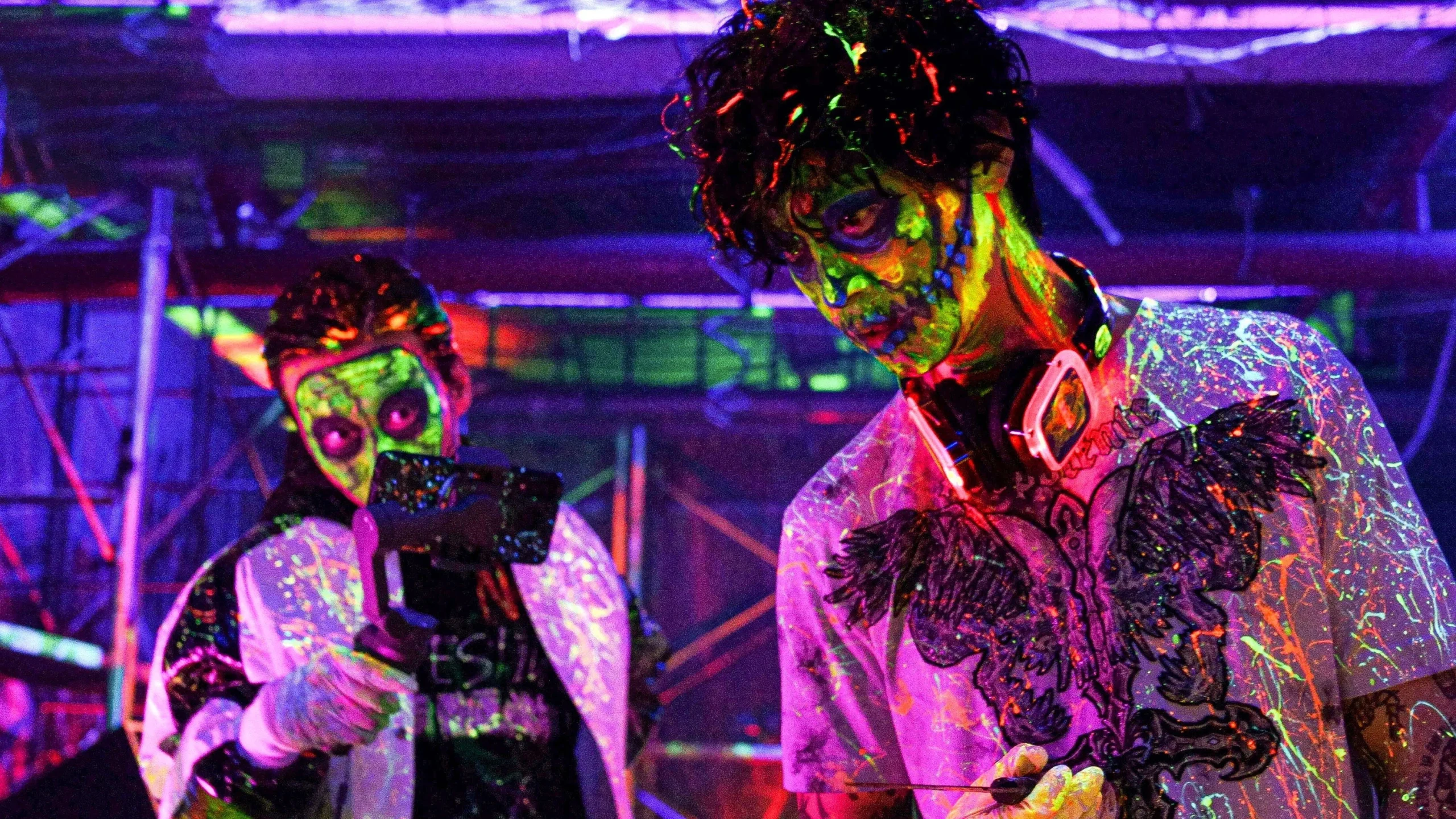
The body-swap mechanics are the film’s explicit premise, but the horror underneath them is quieter. Jae-hwan must now act like Jin-hyeok well enough to fool everyone around them — colleagues, strangers, and the killer’s own network — which requires him to inhabit a predatory worldview from the inside. Devils is honest about what that kind of understanding costs the person doing it.
Jae-hwan’s family is the axis everything rotates around. They are why he cannot simply walk away from his body, his name, and the life he is no longer living. Protecting them means exposing Jin-hyeok’s crimes while wearing his face, which means becoming — for as long as it takes — someone he has spent his career trying to put in prison. The film does not treat this as a clever plot device. It treats it as a moral problem.
🏁 Ending Explained
The ending, unpacked in full. Consider yourself warned.
Full Spoilers Ahead — This section covers the complete ending of Devils. Stop here if you haven’t watched.
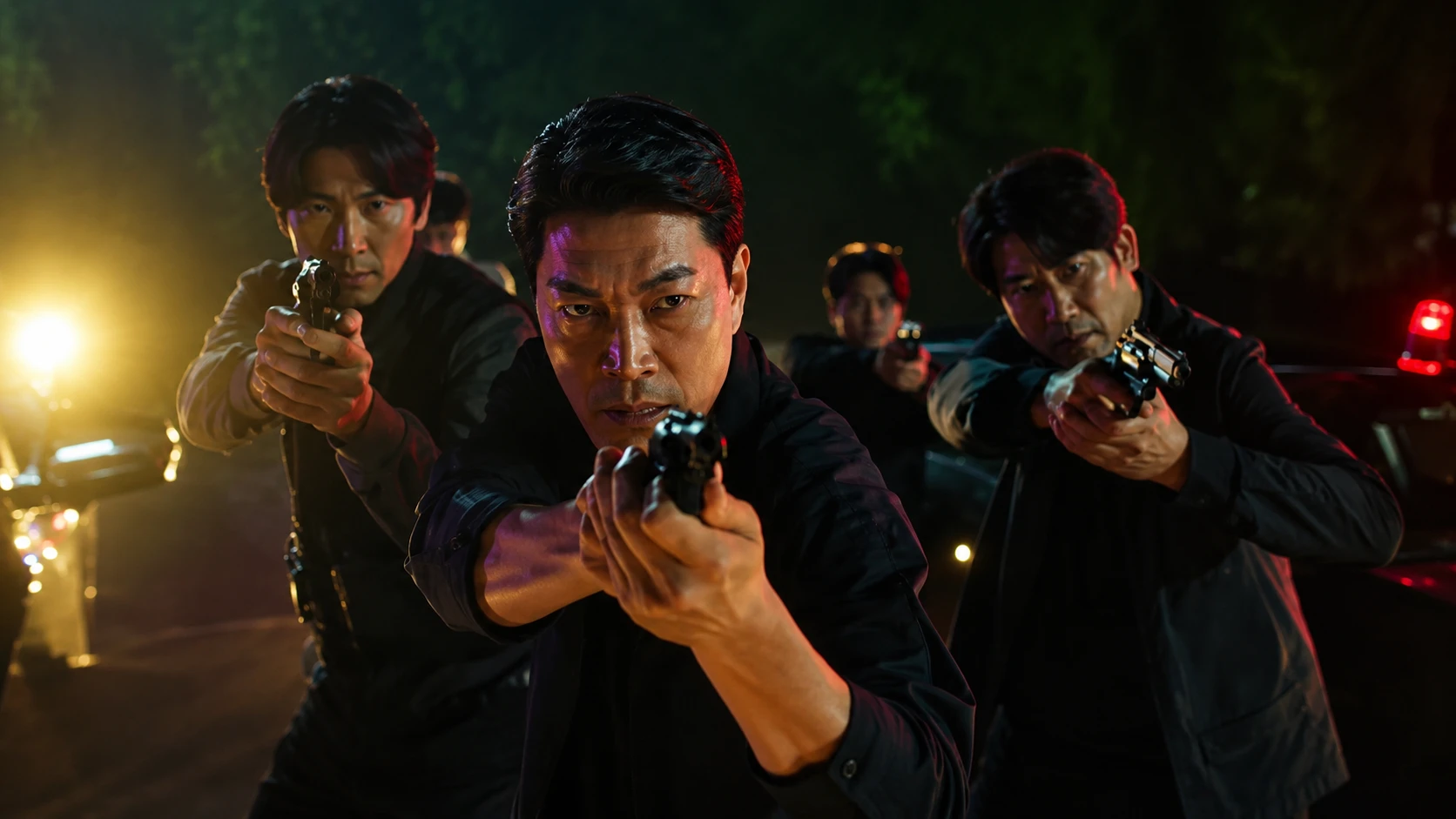
What happens in the finale The physical conflict between Jae-hwan and Jin-hyeok reaches its final stage through a confrontation that is brutal and earned. Jae-hwan succeeds in exposing the truth, protecting his family, and ending the serial killer’s threat. The police case closes. Jin-hyeok is stopped. The plot mechanics reach their conclusion. What the ending refuses to do is let any of that feel uncomplicated.
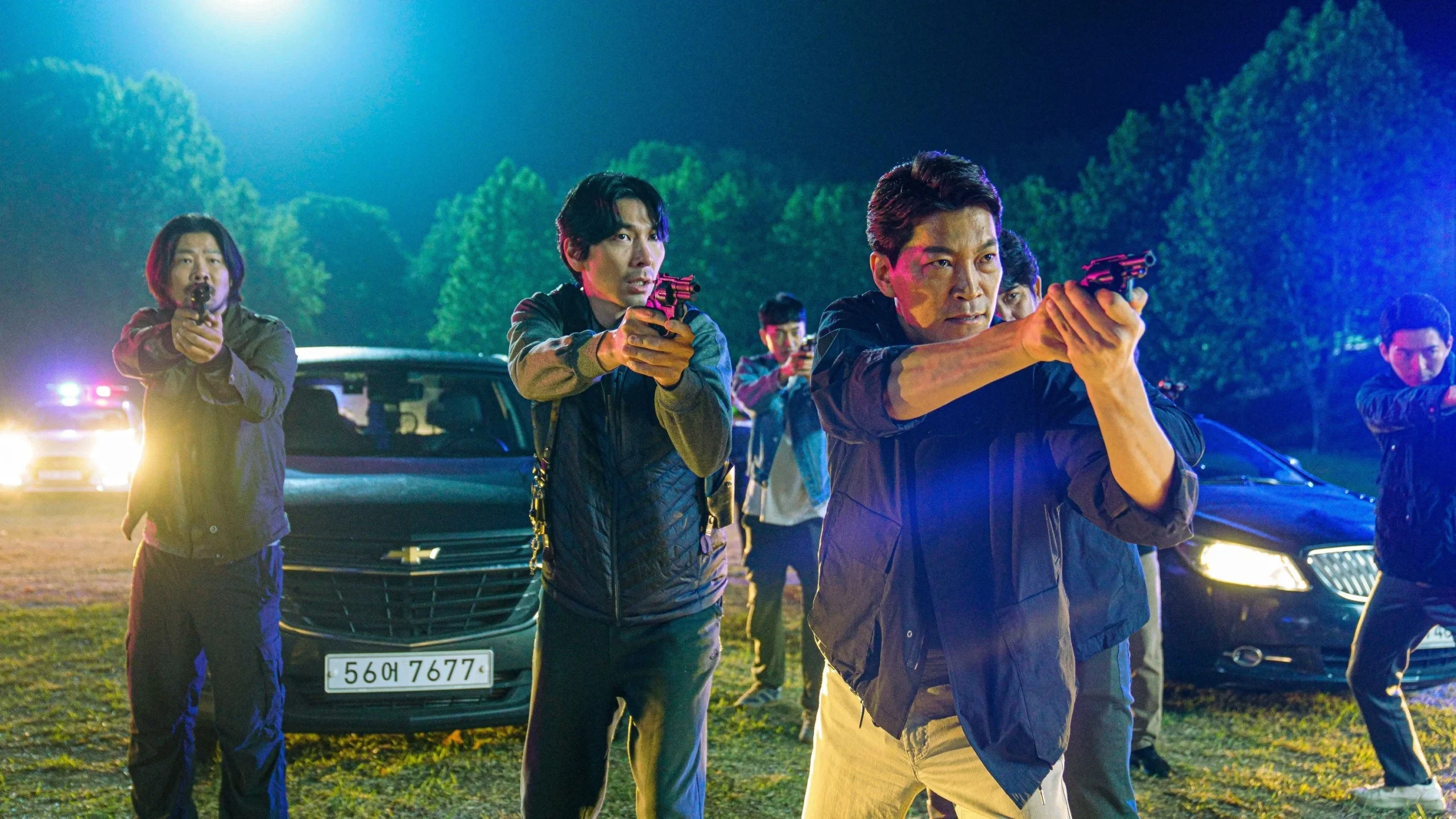
Who failed and who chose to look away The secondary characters — colleagues and family members who had to navigate the chaos of the swap — are left with questions about what they saw and believed, and the ending doesn’t resolve those questions neatly. Their confusion is the point: everyone around Jae-hwan and Jin-hyeok becomes a test case for how easily identity can be manipulated when authority is wearing the right face. The system that is supposed to catch killers nearly protected one.
What the body swap actually means By the finale, Devils has spent its entire runtime building to one argument: what survives when the wrong person is living inside your life? Jae-hwan wins, but the film’s thesis is that winning required entering the same darkness he swore to destroy. He survived by acting like Jin-hyeok — effectively, convincingly, with the same cold efficiency. The body swap is not a plot device. It is the film’s moral horror made physical.
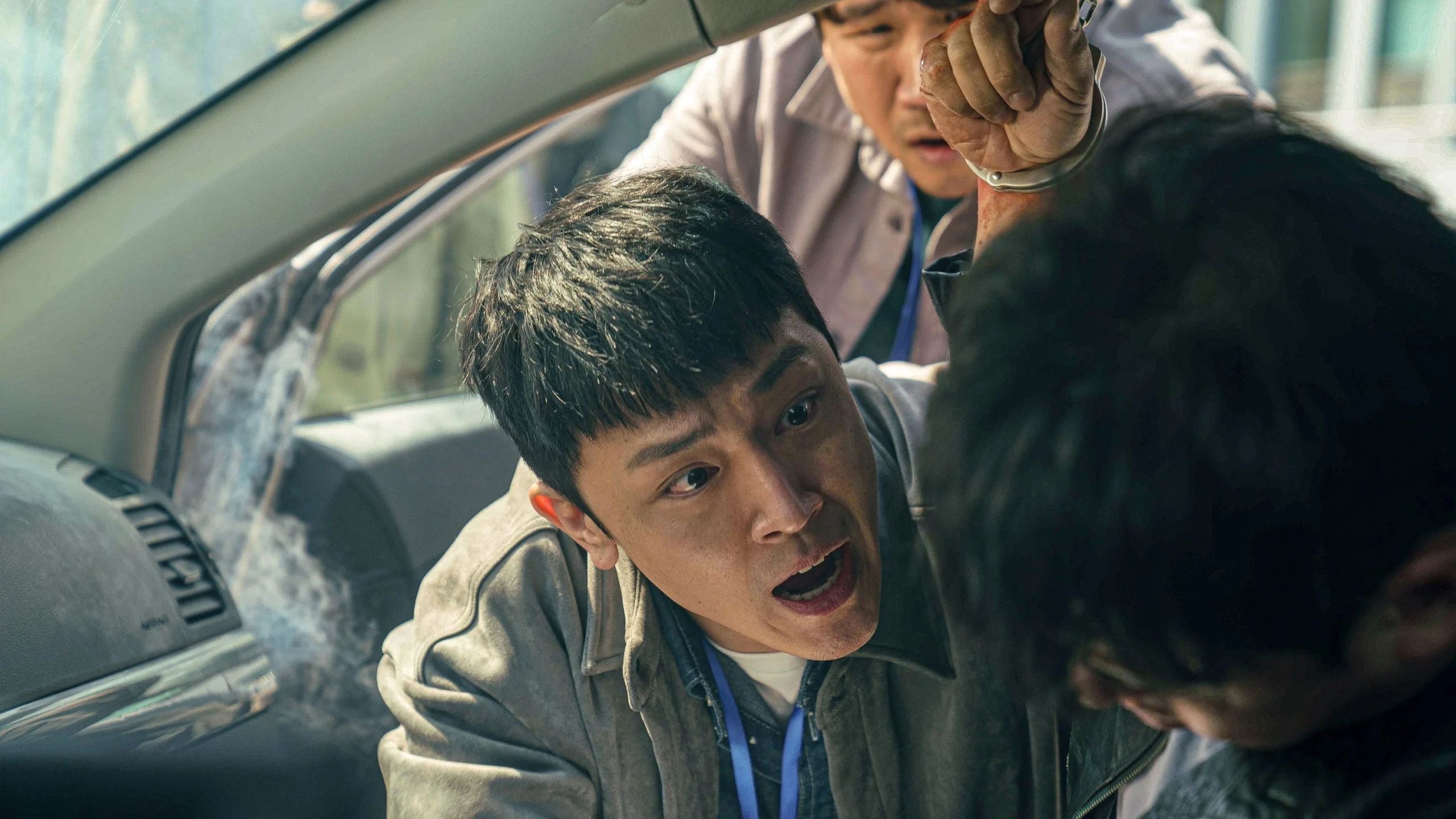
Jae-hwan’s arc Jae-hwan’s ending sits at the intersection of victory and moral ruin. He gets his life back. He does not get to walk away from what he did inside Jin-hyeok’s life to accomplish that. The film frames this not as tragedy but as consequence — the inevitable cost of obsession that was never purely about justice but about grief that needed somewhere to land. He survives. Whether what survives is still the man his family needed him to be is the question the film leaves open.
The KDW verdict on the ending Devils ends where the best Korean crime films always end — not with a verdict but with an exhaustion. The final impression isn’t triumph; it’s a man standing in a life he has reclaimed, knowing exactly what it cost him to get it back. Kim Jae-hoon’s debut doesn’t offer the relief of uncomplicated justice. That restraint, more than the body-swap mechanics, is what makes the film’s final stretch linger. It is a movie about contamination, and it lets you feel contaminated.
✍️ KDramaWorlds Editor’s Take
Is it worth your time? Here’s our honest take, and who it suits best.
Kim Jae-hoon
Known for: Kim Jae-hoon arrives in Korean cinema with a debut that punches harder than most first features have any right to. Devils channels the unhinged energy of Face/Off through a specifically Korean lens of police obsession and moral collapse — grim, viscerally uncomfortable, and absolutely committed to its central conceit. His background as an assistant director on The Pirates and Don’t Cry Mommy shows in the technical confidence; what is harder to predict from an AD credit is the willingness to let a film get genuinely ugly about what revenge does to the person seeking it. His second feature, The Desperate Chase (2024), suggests a director building a body of work around extreme situations and compromised men. Worth tracking.
Oh Dae-hwan’s performance is where Devils earns its place in the conversation about Korean crime cinema. He has to play Jae-hwan playing Jin-hyeok — not the killer’s surface mannerisms but the full cost of inhabiting a predatory life — and he does it without tipping into caricature. There is a specific kind of scene in the second half where Jae-hwan must perform Jin-hyeok’s confidence in a situation where any crack in the performance means death. Those scenes are the film’s peak, and they are good enough to remind you why this actor has been quietly essential to Korean genre work for years. The moral contamination running through them is in the same territory as Flower of Evil — the same interest in what happens to a man’s identity when he is forced to live inside a fiction about who he is.
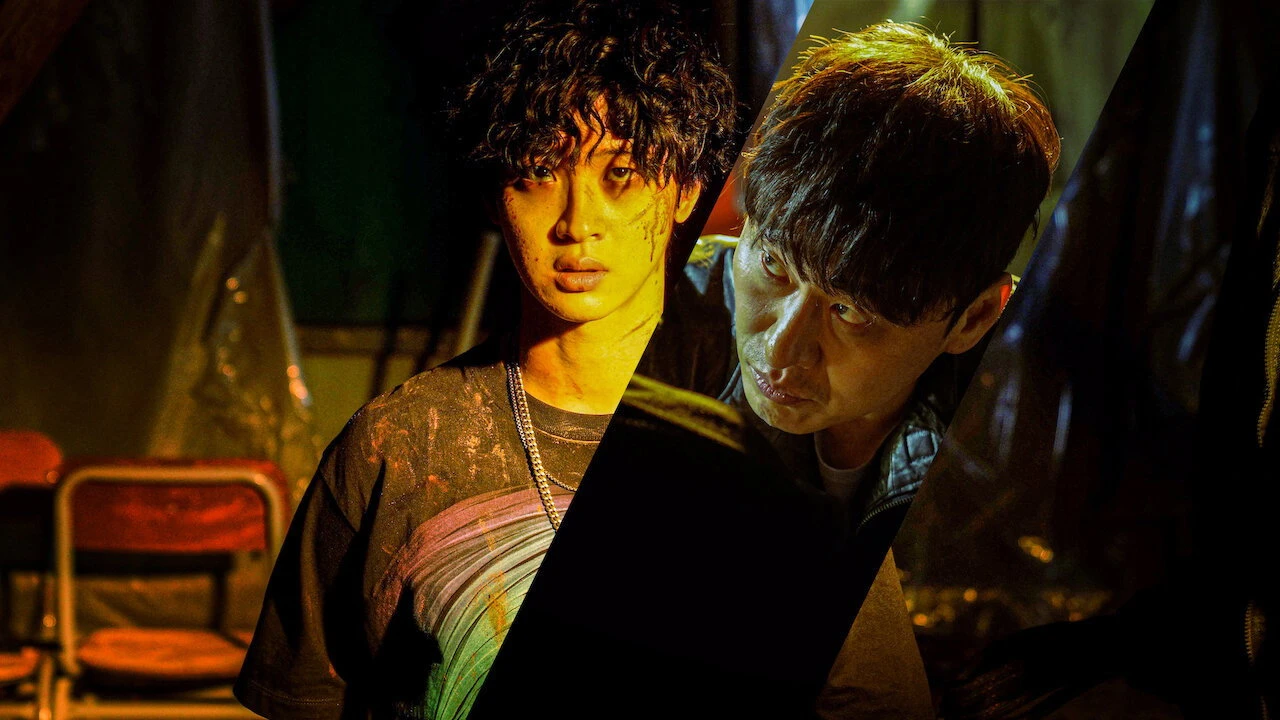
Kim Jae-hoon’s interest is not really in the body swap as genre novelty — it is in the body swap as moral horror. The central question Devils keeps returning to is not ‘how do they swap back’ but ‘what does it mean that Jae-hwan can do this so effectively?’ The film shares territory with The Call in its willingness to use an extreme premise to get at something genuinely uncomfortable about human psychology — in this case, the unsettling proximity between hunter and hunted when the hunter has been obsessed long enough.
Jang Dong-yoon as Jin-hyeok does the harder job with less screen time in his own body — he has to suggest, in the film’s brief stretches where we see the killer from the outside, an interiority that justifies the threat he poses. He manages it. The film’s weakest link is its supporting ensemble, which functions more as pressure on Jae-hwan than as people in their own right. That is the budget showing, not the ambition. For a debut feature from a director working with limited resources and a genuinely difficult premise, Devils lands more than it fumbles.
🎬 You Might Also Like
If you liked Devils, these are your next three watches.
 The Light in Your Eyes
Alzheimer'sfamily
Read Full Review →
|
 Suspicious Partner
comedyJi Chang-wook
Read Full Review →
|
 Spice Up Our Love
Body Swapfantasy
Read Full Review →
|








Keep it kind, skip the harsh language, and please — no spoilers. Everyone's taste is different, and that's perfectly fine.
This space is for real reactions and discussion from other viewers. Help keep it comfortable for everyone by not giving away major plot details.
What do you think of this drama?
Login to share your review or leave a comment.
No email needed — just pick a username & password.