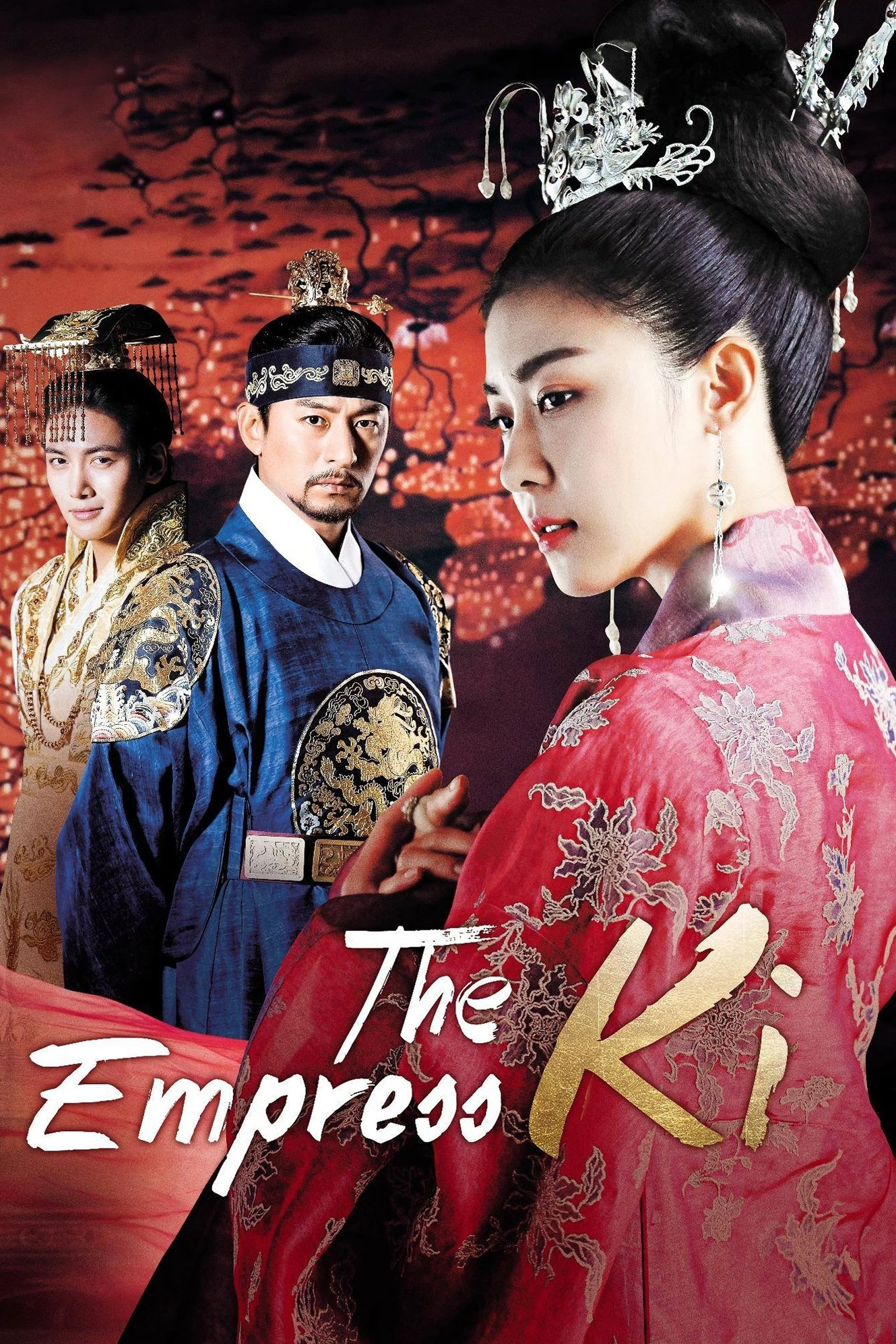
Empress Ki
📋 Drama Overview
Before you hit play, here’s the lay of the land.
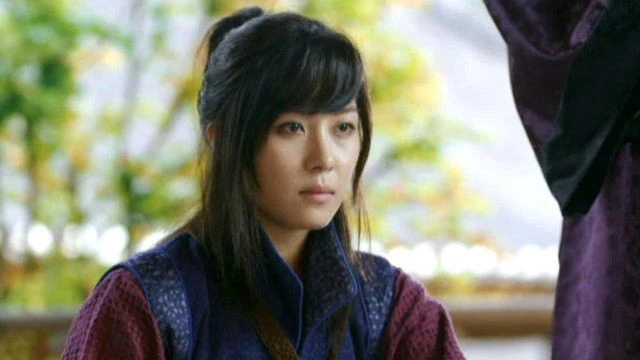
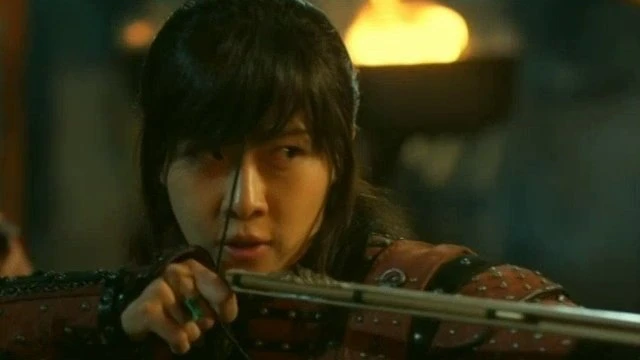
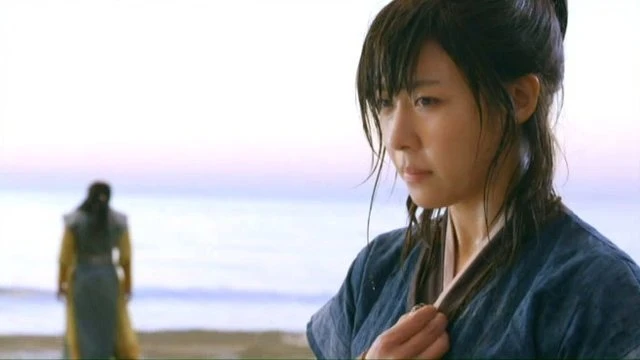
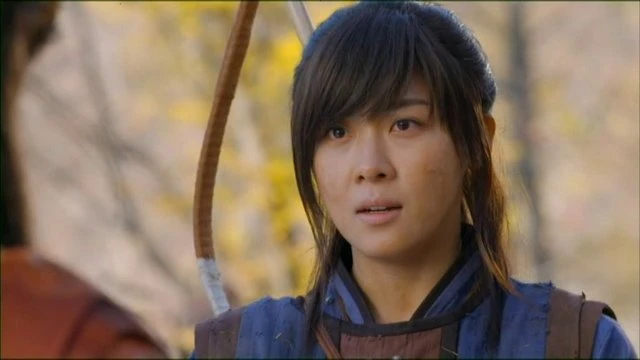
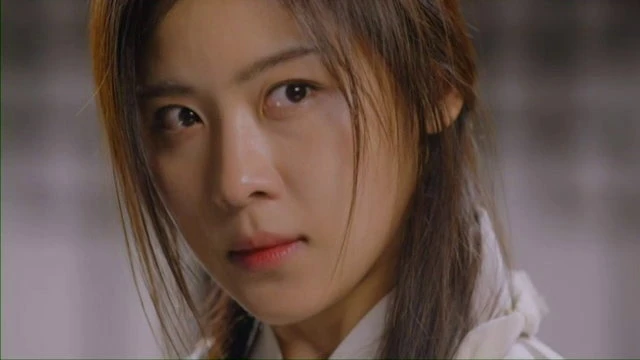
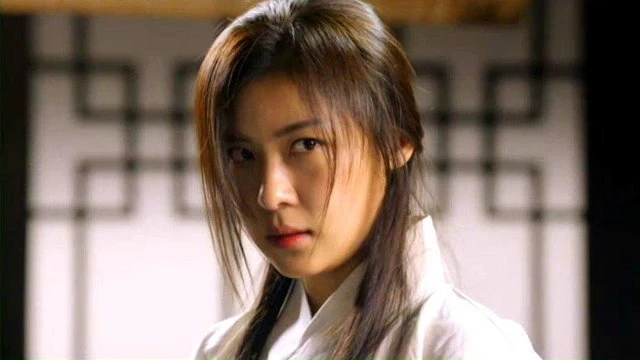
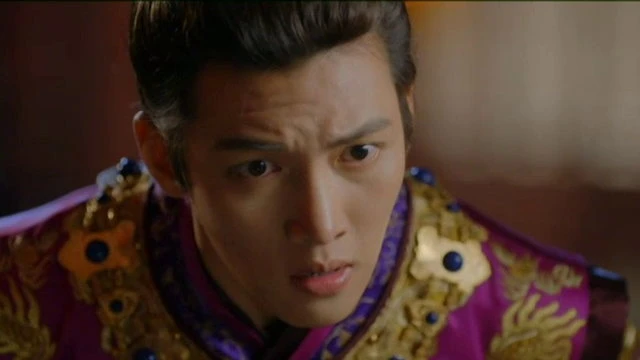
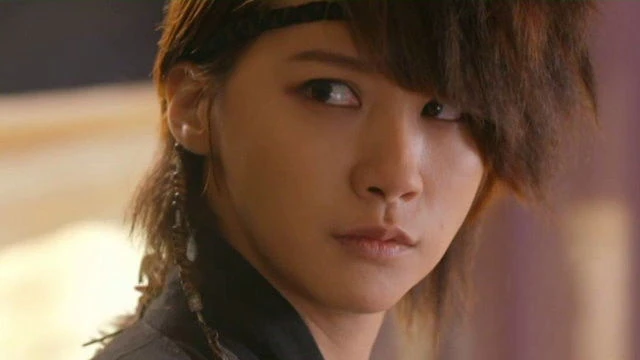
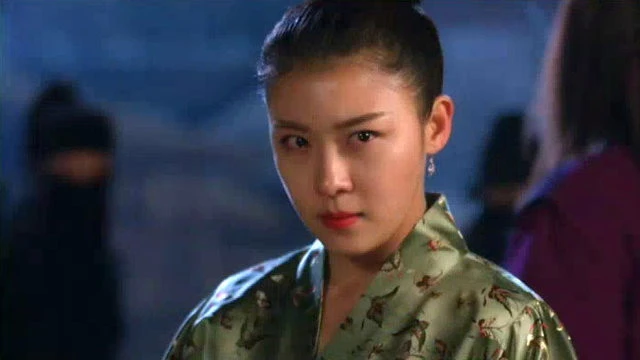
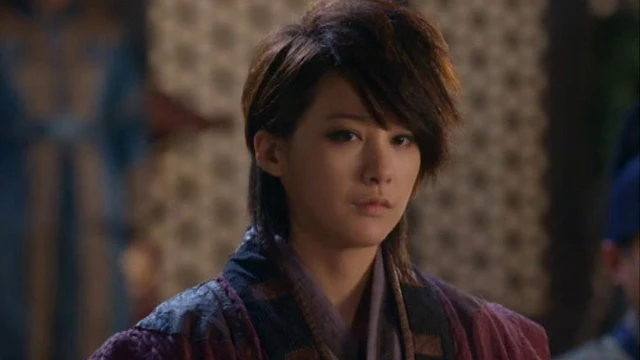
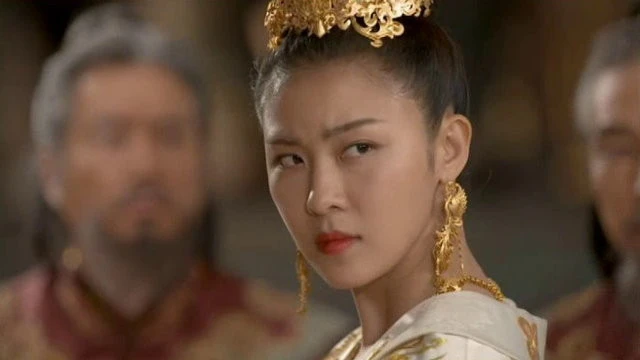
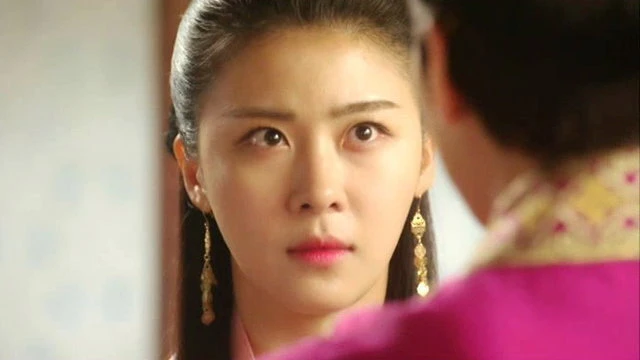
Ki Seung-nyang starts this story disguised as a man, running a band of Goryeo outlaws who exist for one purpose: stopping women like her from being shipped off to Yuan as tribute. That mission collides with two men who will define the next fifty-one episodes — Goryeo’s own King Wang Yu, and a frightened, exiled Yuan prince named Togon she initially mistakes for a coward. Her father’s torture and death at the hands of the regent El Temur turns a rescue mission into a revenge plot, and by the time she’s smuggling a future emperor into the capital inside a coffin, the show has made its intentions clear: nothing about her rise is going to be easy or clean.
Empress Ki spends its back half doing something few historical dramas attempt at this scale — building an actual empire-spanning political thriller around a woman working every angle available to her, from palace poisonings to a hidden fortune to a secret son she can’t publicly claim. MBC’s 2013–2014 run never lets the love triangle between Sungnyang, Wang Yu, and Emperor Ta-hwan resolve the way genre convention promises, which is exactly why it became one of the most-watched — and most argued-about — Korean historical dramas of its decade.
⚡ Quick Verdict
The short version — everything that matters, boxed up.
▶ Official Trailer
🎭 Cast & Characters
A disguised rebel, a wronged king, and a frightened emperor — the triangle that runs an empire.

Lead
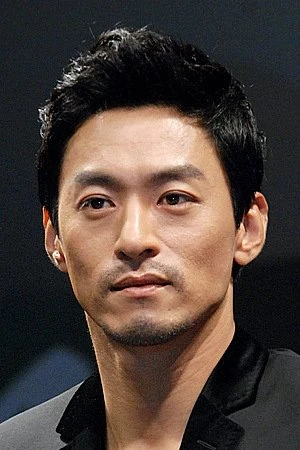
Lead

Lead
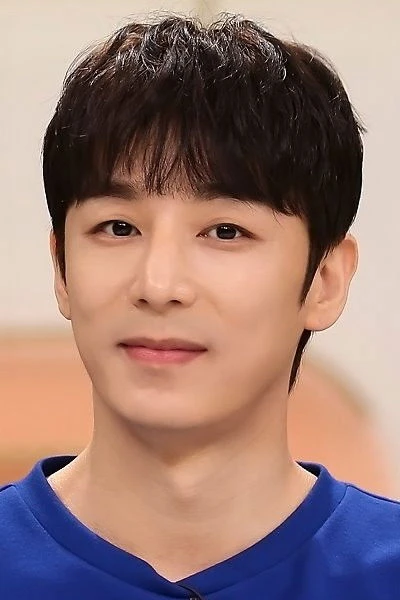
Supporting

Supporting
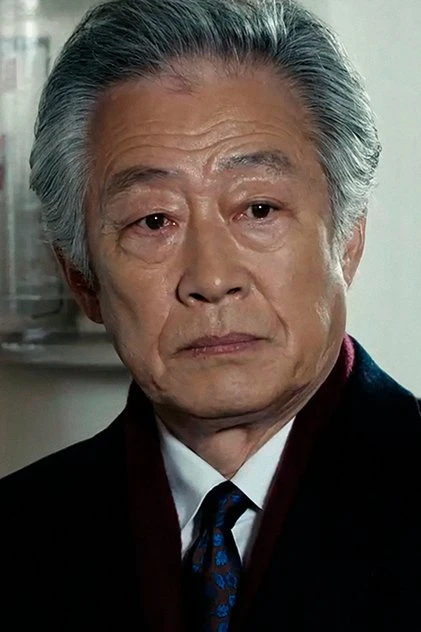
Supporting

Supporting
Supporting

Supporting
Supporting

Supporting

Supporting
🍿 Where to Watch
Stream Empress Ki on these platforms.
📺 Episode Guide
Quick recaps per episode — just enough to stay caught up.
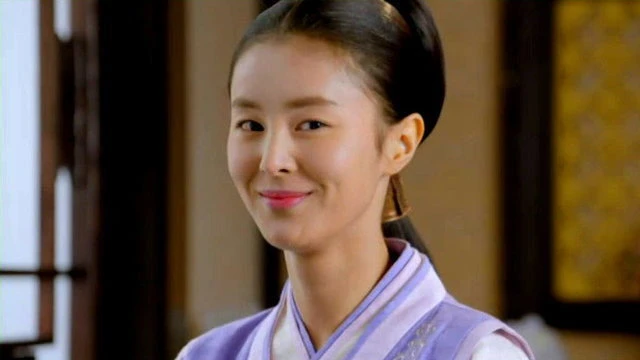
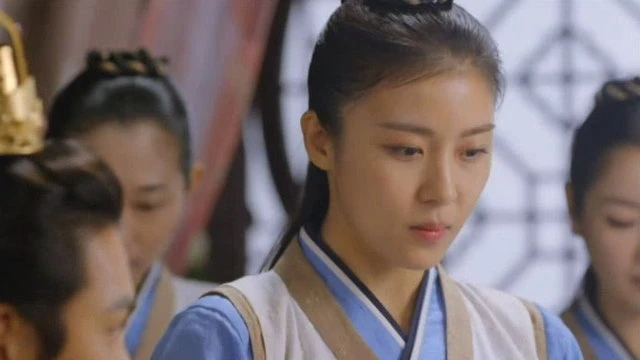
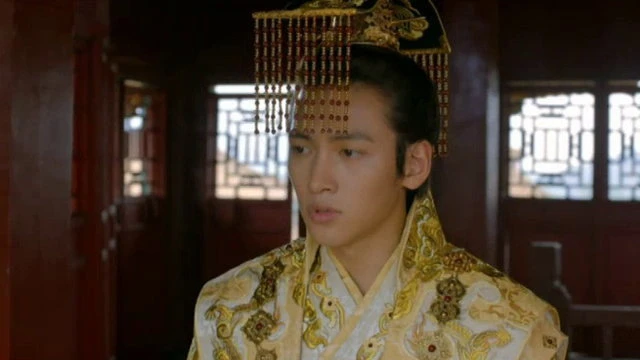
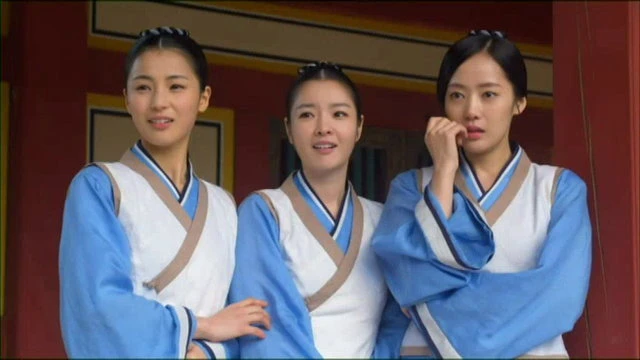
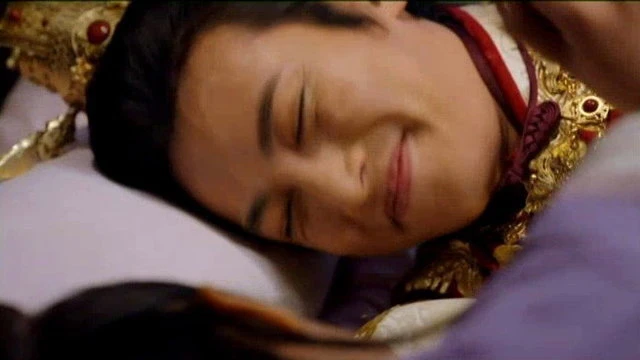
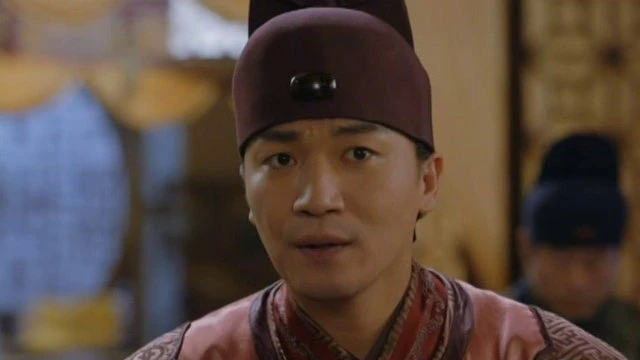
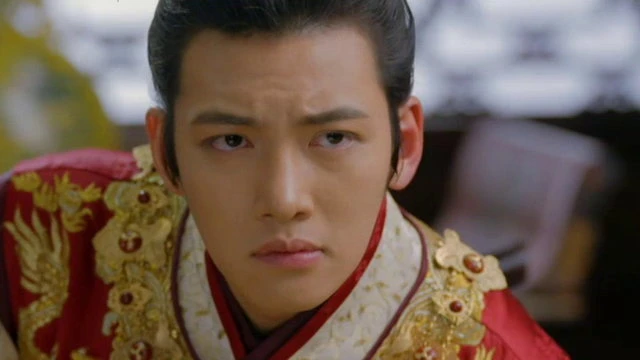
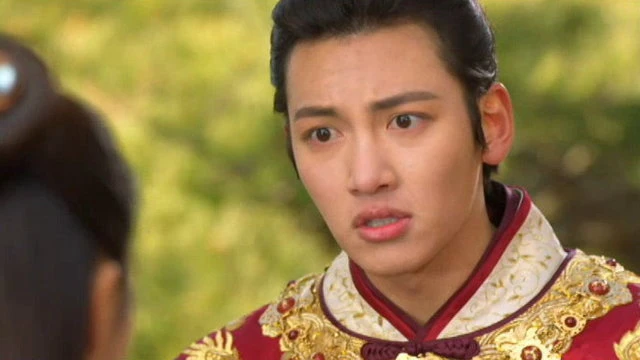
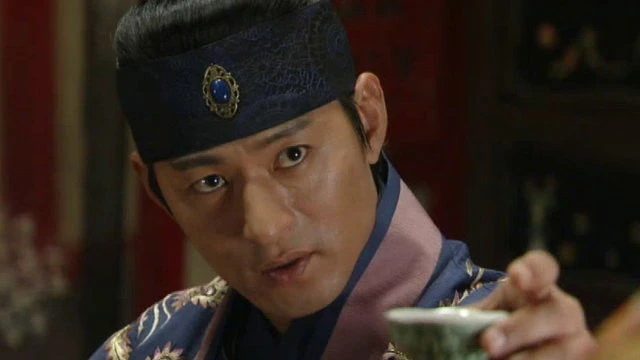
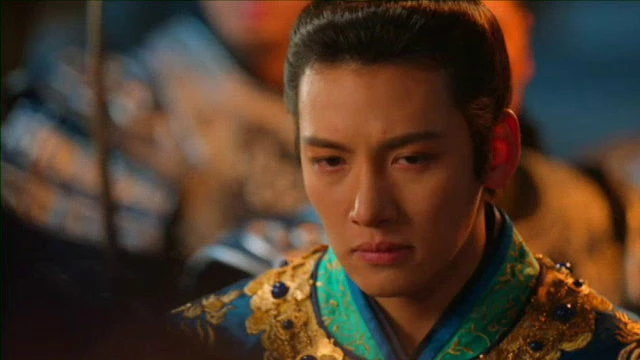
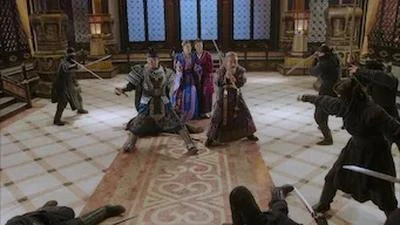
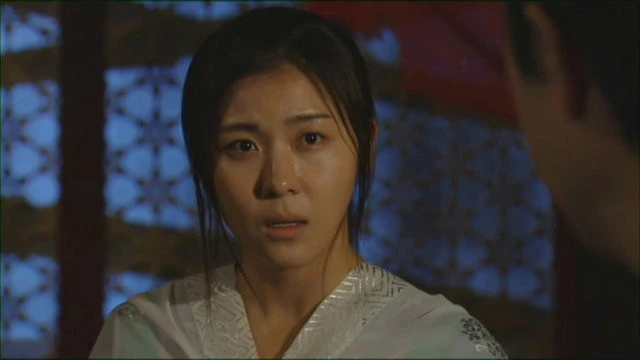
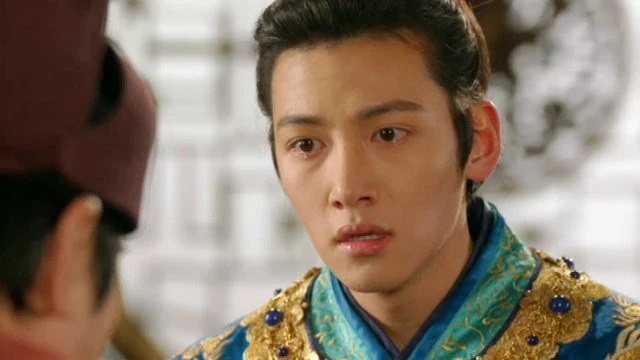
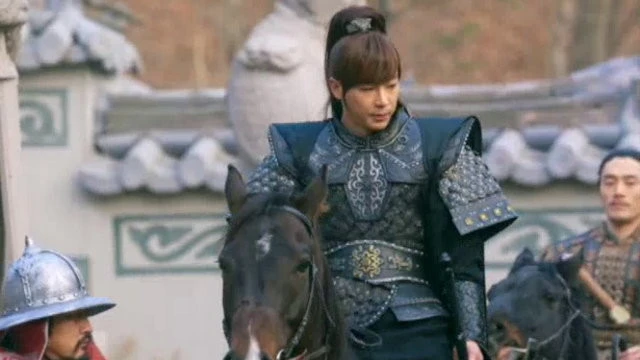
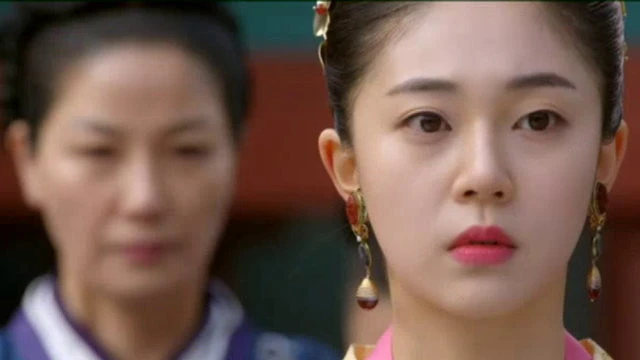
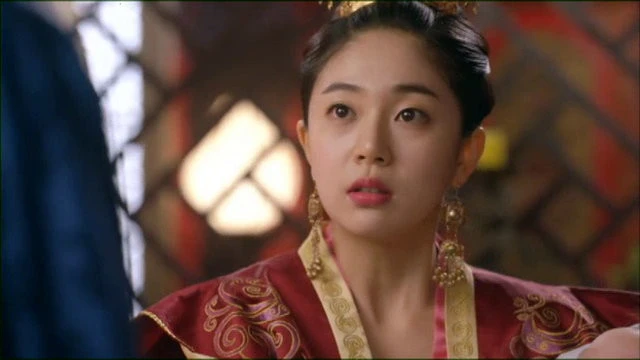
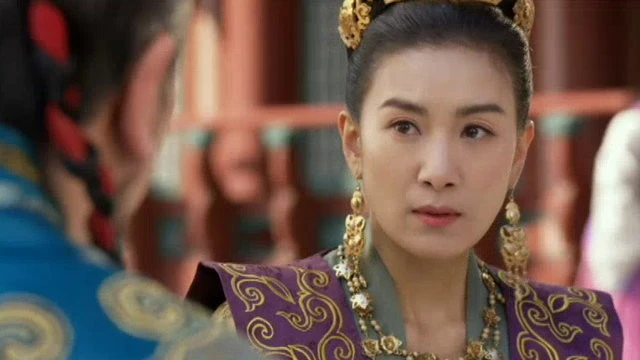
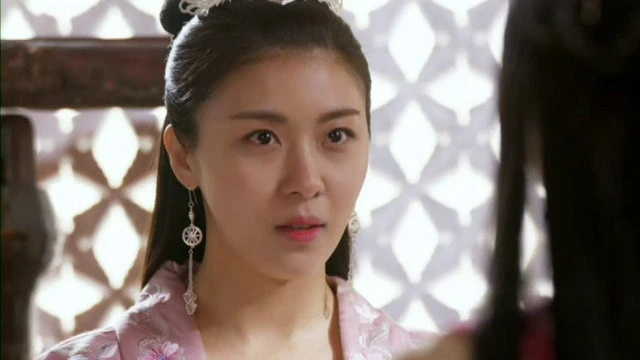
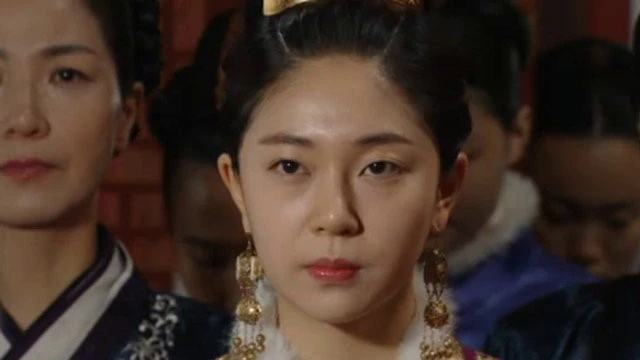
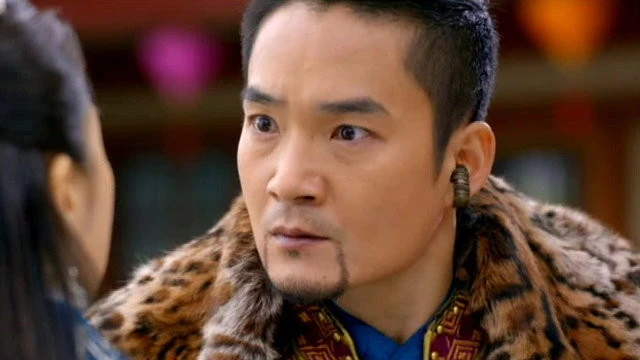
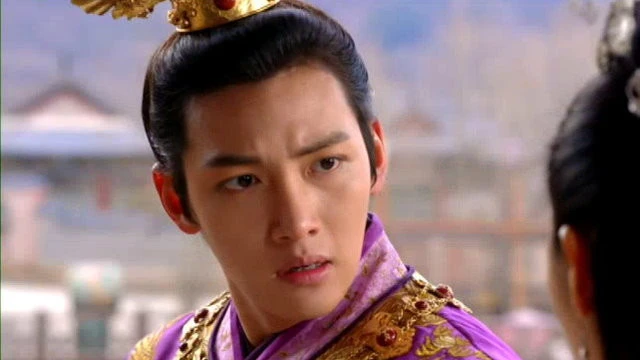
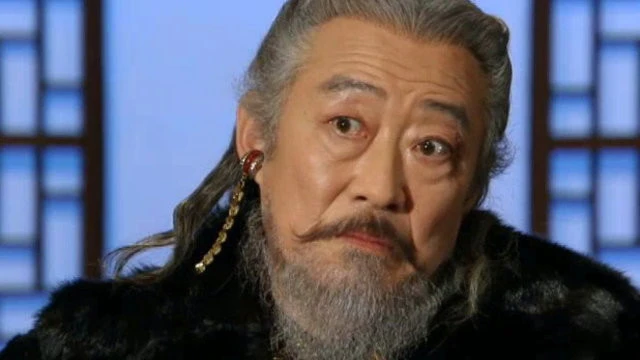
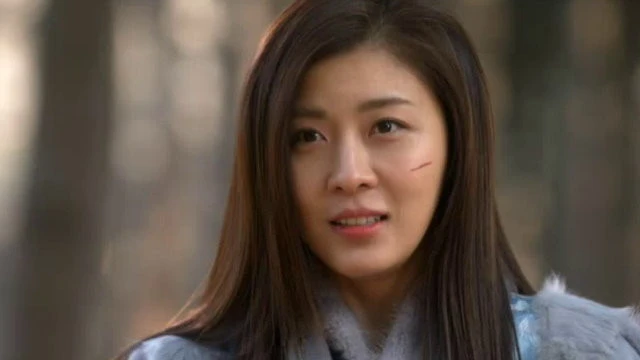
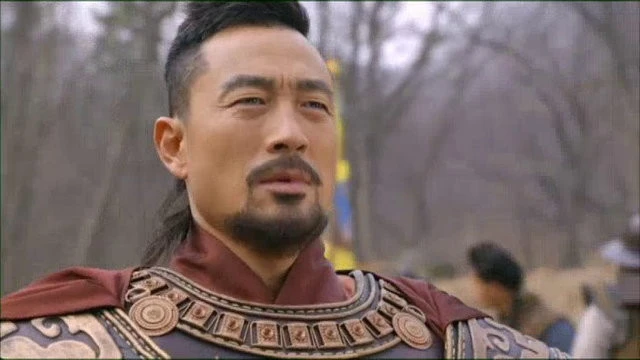
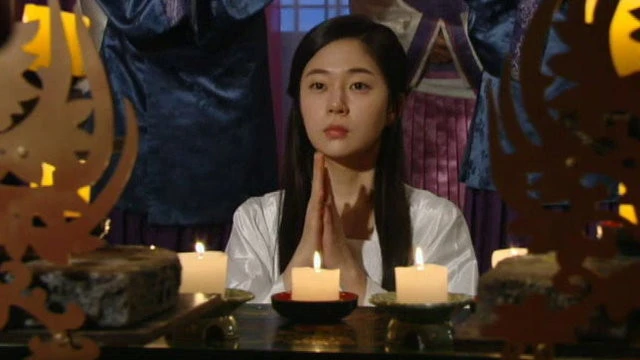
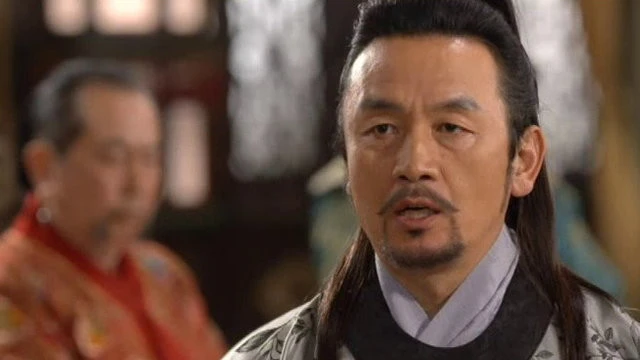
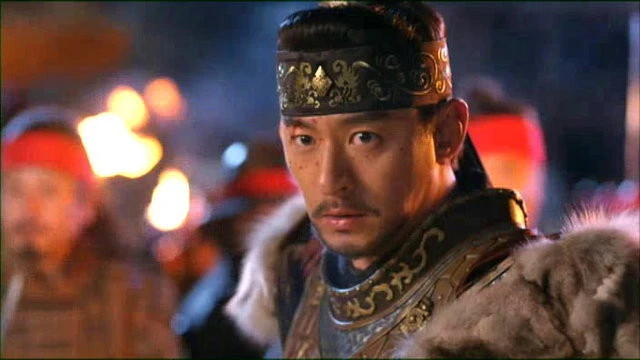
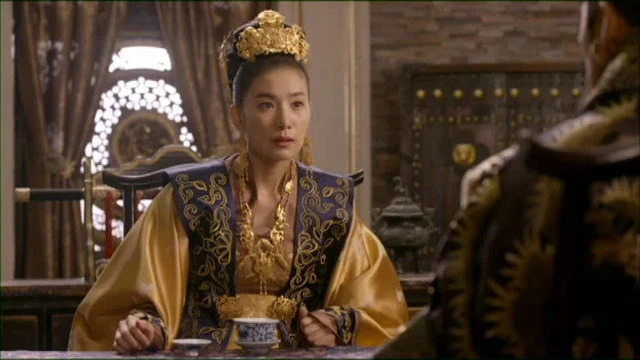
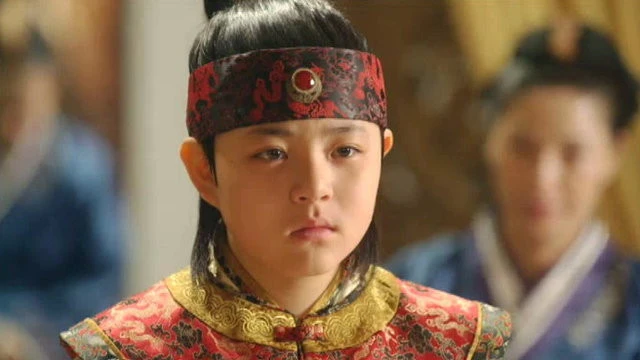
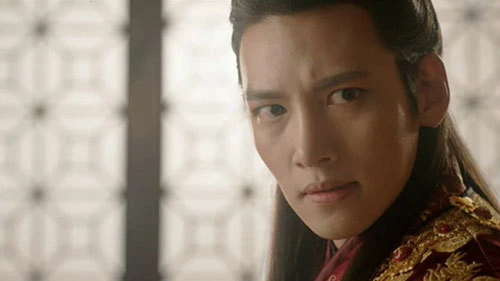
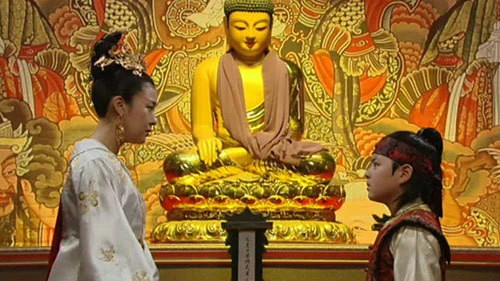
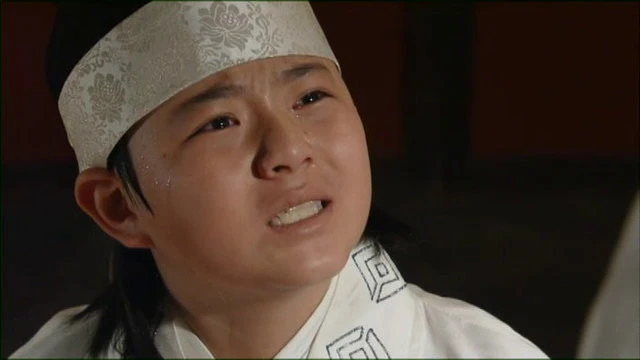

🏁 Ending Explained
The finale, explained in full. Spoilers ahead.
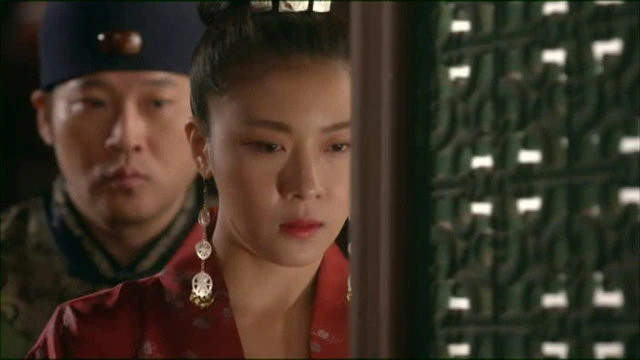
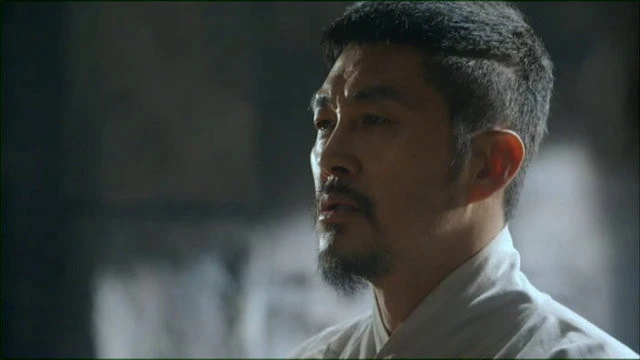
What actually happened The finale answers its two big questions in the same breath: Sungnyang ascends as Empress of Yuan, and Wang Yu reclaims the Goryeo throne, both wins arriving on the same day Ta-hwan is dying by his own hand. His last act isn’t heroic in any traditional sense — he keeps drinking poison that’s already killing him, maintaining the appearance of suspicion toward Sungnyang so the remaining Eagle House conspirators never realize she’s safe. He kills the eunuch who’s been slowly murdering him and confronts the Empress Dowager’s decades of treachery, only for her to choose poison over banishment rather than face what she’s done. The show ends with its title’s promise kept literally: nobody gets an uncomplicated happy ending, least of all the man who sacrifices the most to protect it.
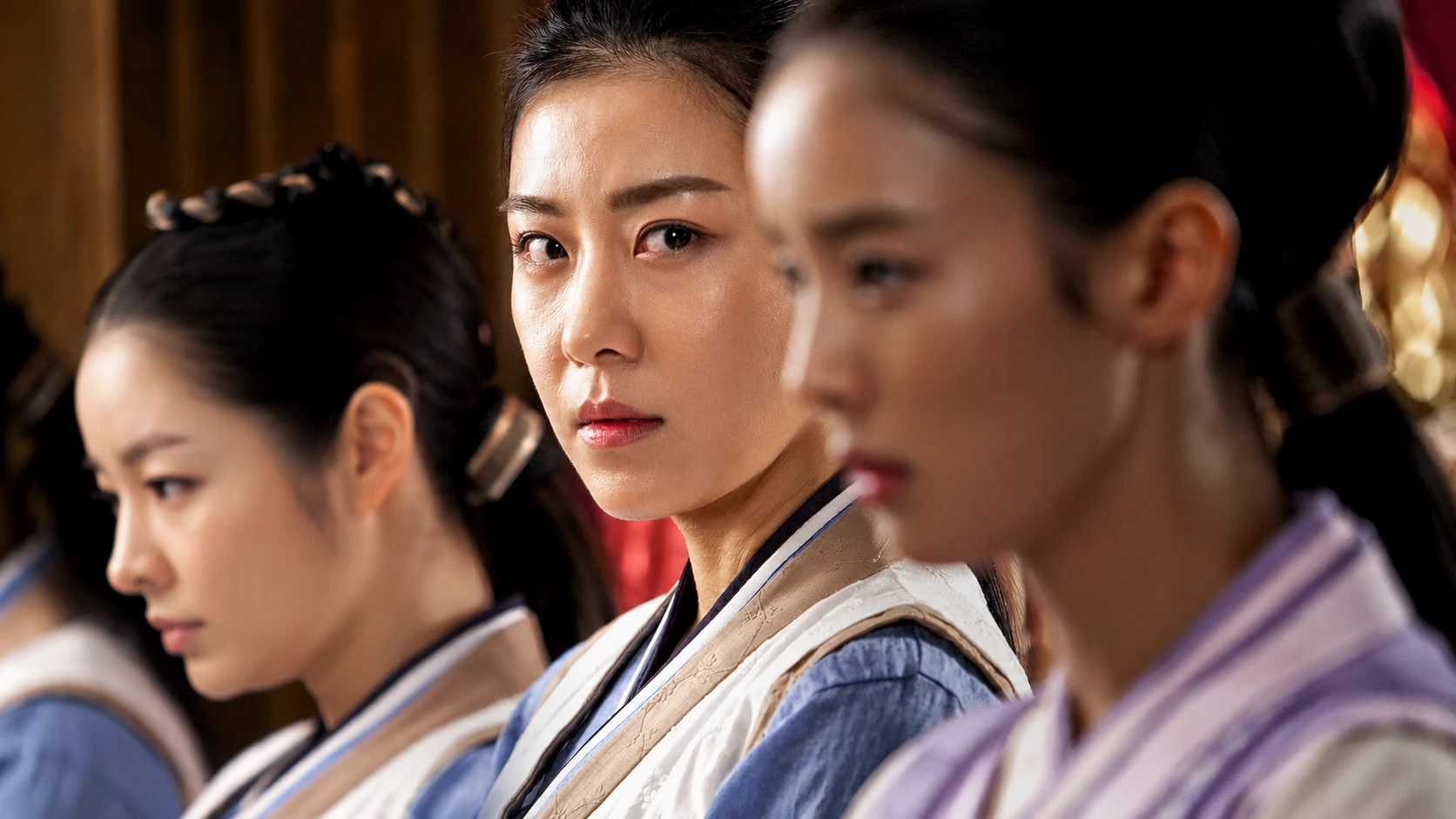
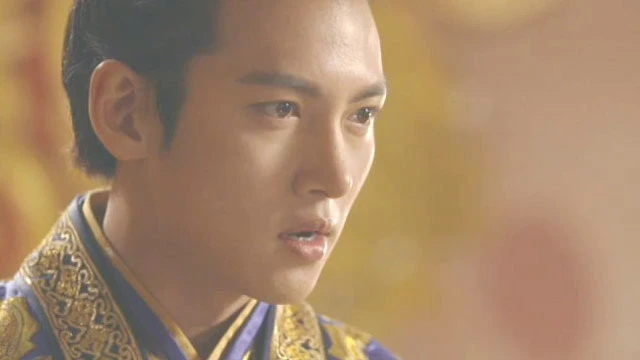
Why Ta-hwan’s death has to look like suspicion, not sacrifice If Ta-hwan died looking noble, it would undercut the entire arc the show has built around him — a boy-emperor who never got to choose anything for himself, right up to how he’s remembered. Making his final act deliberately illegible, protective disguised as paranoid, is the show’s way of saying his love for Sungnyang was never going to be rewarded with recognition. It’s a harder ending than the genre usually allows itself, and it’s the right one for a character who spent fifty episodes losing every fight that actually mattered to him personally.
Empress Dowager’s poison is the last word in a season-long argument about accountability Every major villain in this show gets a version of the same choice eventually: confess and possibly survive, or deny and definitely fall. The Empress Dowager, implicated in the Eagle House’s treason to the end, picks poison over the humiliation of banishment, a final, consistent act from a woman who’s spent the whole series protecting her own power over anyone she claimed to love. It’s a fittingly cold death for a character who was never really capable of a warm one.
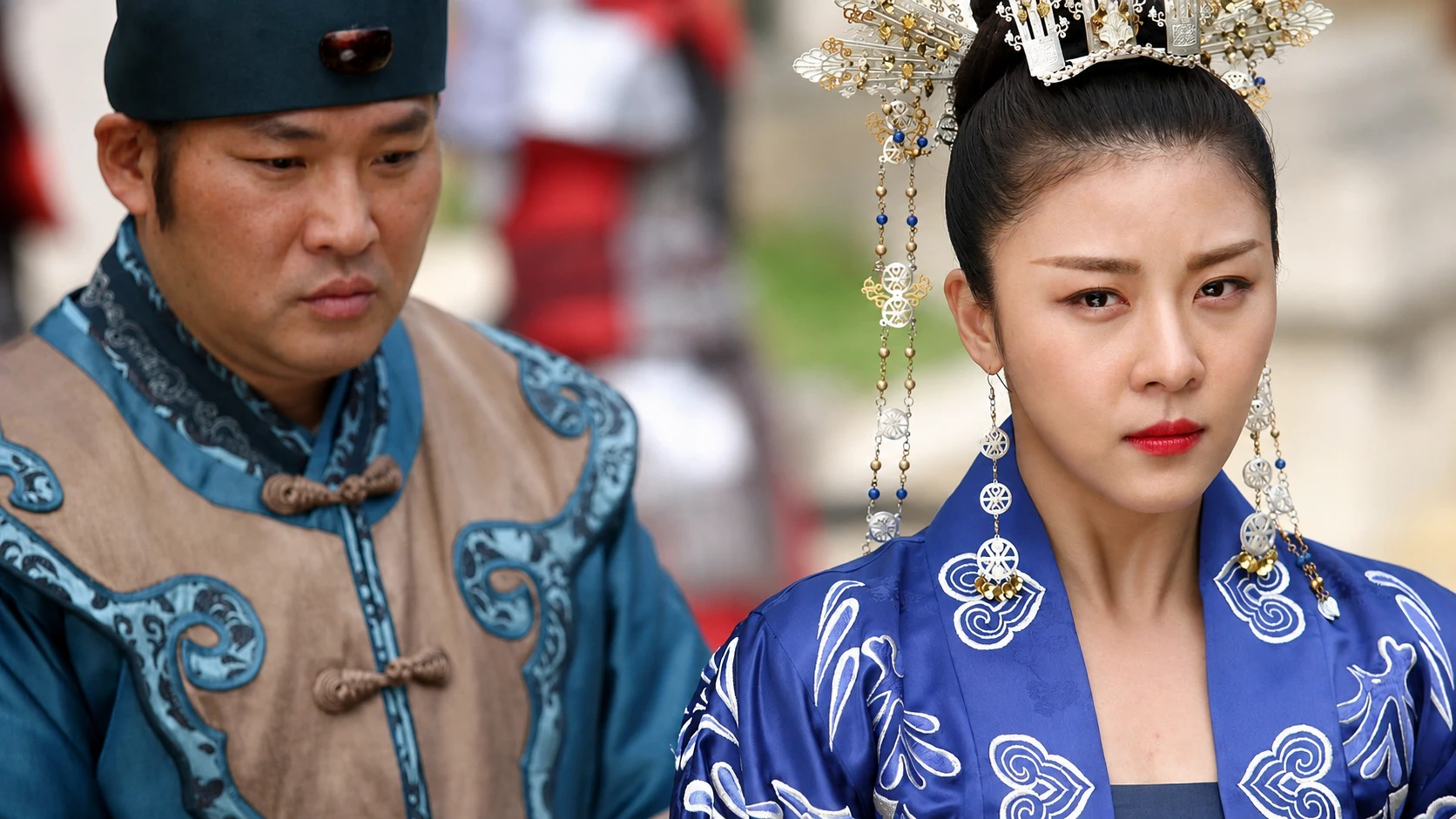
Sungnyang’s coronation is a victory measured against everything it cost Becoming Empress was the goal from episode one, and the show delivers it, but only after taking her father, her firstborn’s childhood, her marriage to the man she actually loved, and now Ta-hwan’s life in exchange. It’s not a hollow ending exactly, but it refuses to pretend the throne was worth what it took to get there, which is a more honest note than most revenge dramas manage at the finish line.
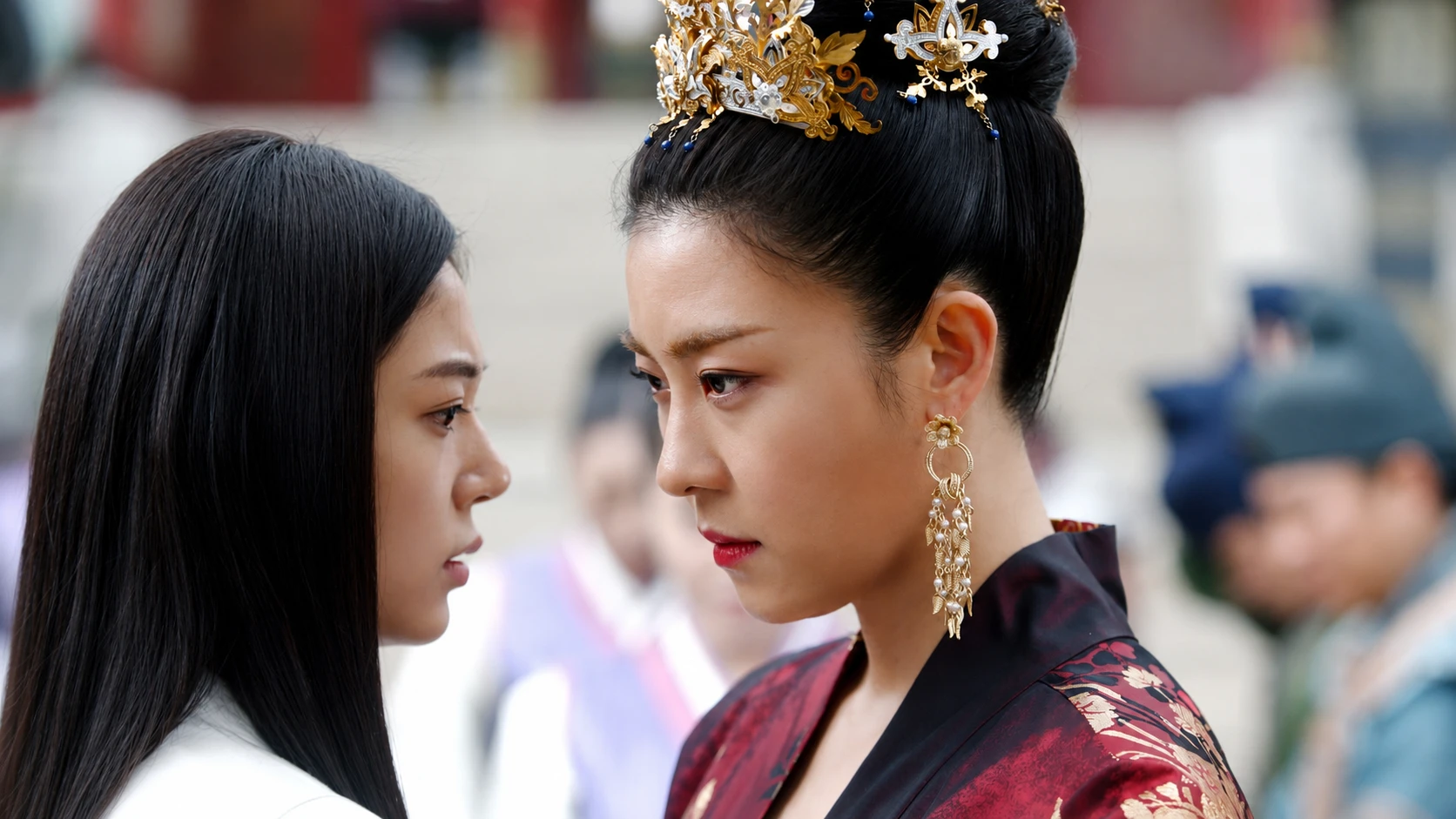
The KDW verdict Fifty-one episodes is a genuine commitment, but Empress Ki earns most of that runtime by never letting its central woman become passive, even when the plot keeps trying to make her a victim. It’s melodrama at its most maximalist — poison, disguise, a decades-spanning love triangle, actual empire-building — and it mostly holds together because Ha Ji-won never lets Sungnyang’s ambition curdle into simple villainy, even in a finale that asks her to survive on very little left to survive for.
✍️ KDramaWorlds Editor’s Take
Our real opinion — worth the watch, and for who exactly.
Ha Ji-won spends fifty-one episodes proving that ambition and grief can share the same face without canceling each other out — Sungnyang wants the throne and wants her father back, and the show never asks her to pick one motivation over the other. The Red Sleeve found a quieter version of the same tension a few years later, a woman inside the palace choosing duty over a love the institution was never going to let her keep; Empress Ki just makes that choice louder, bloodier, and considerably longer.
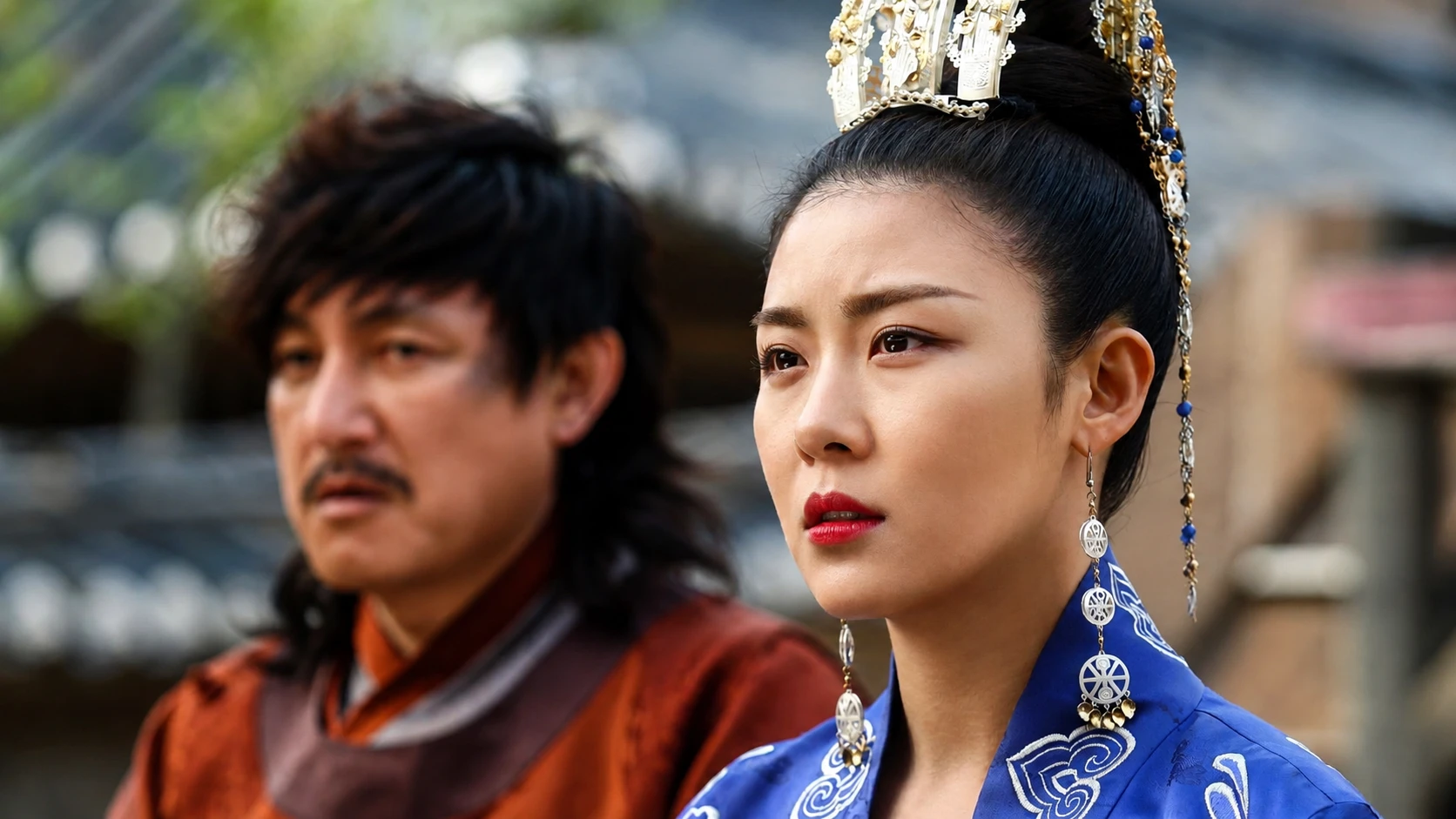
What keeps the love triangle from curdling into melodrama for its own sake is that both men actually cost Sungnyang something specific — Wang Yu takes a knife meant for her and never gets credit, Ta-hwan burns her one chance at freedom out of fear of losing her. Under the Queen’s Umbrella later proved a mother’s palace warfare could carry a whole show on its own; Empress Ki got there first by fusing that instinct to a genuine political epic instead of a domestic one.
The back half of this show is essentially a masterclass in how to keep raising stakes without running out of road — poisonings, coups, a hidden son, a fortune buried in a secret room — and it rarely feels like padding because Sungnyang is always the one engineering the next move, not reacting to someone else’s.
🎬 You Might Also Like
If you liked Empress Ki, these are your next three watches.
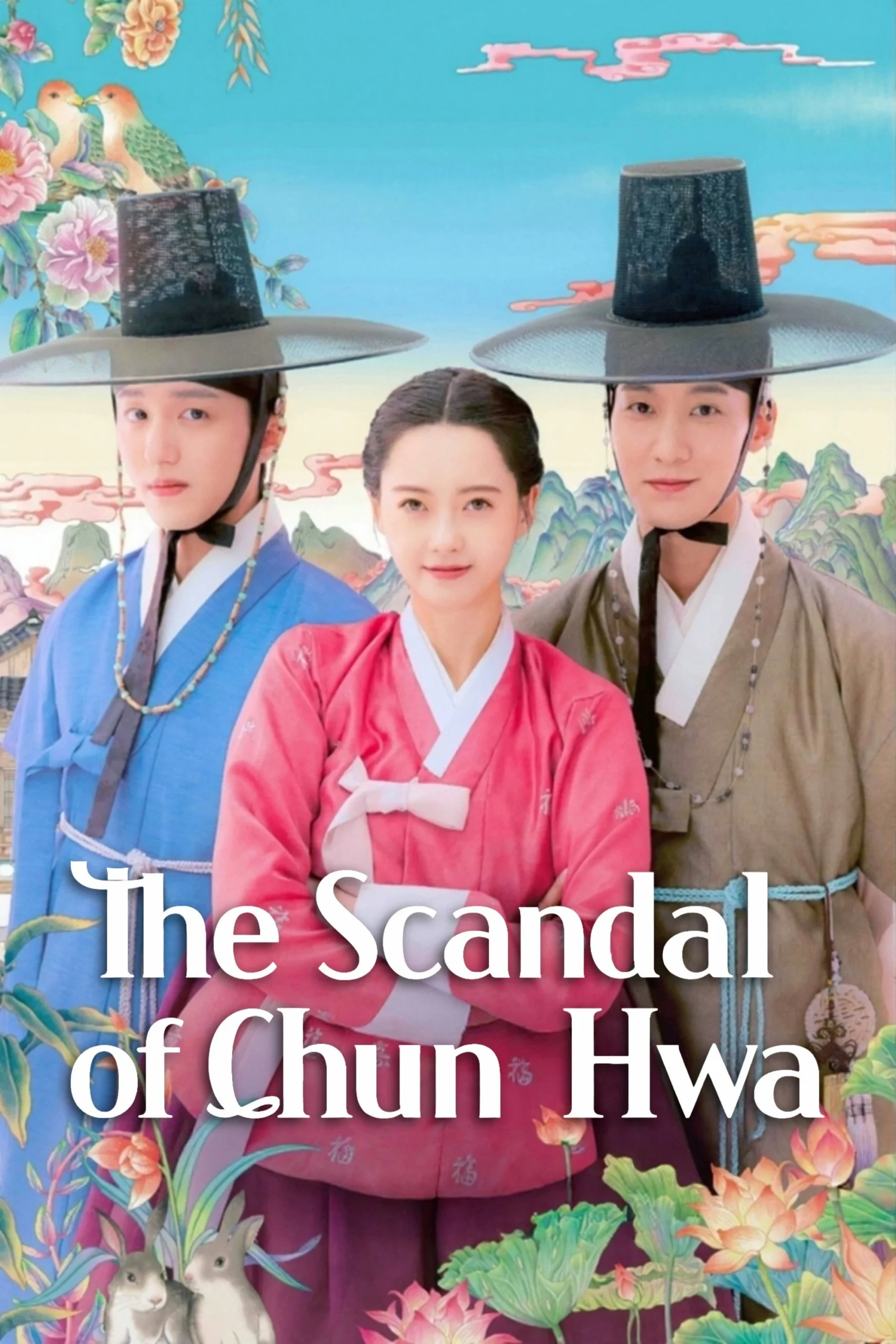
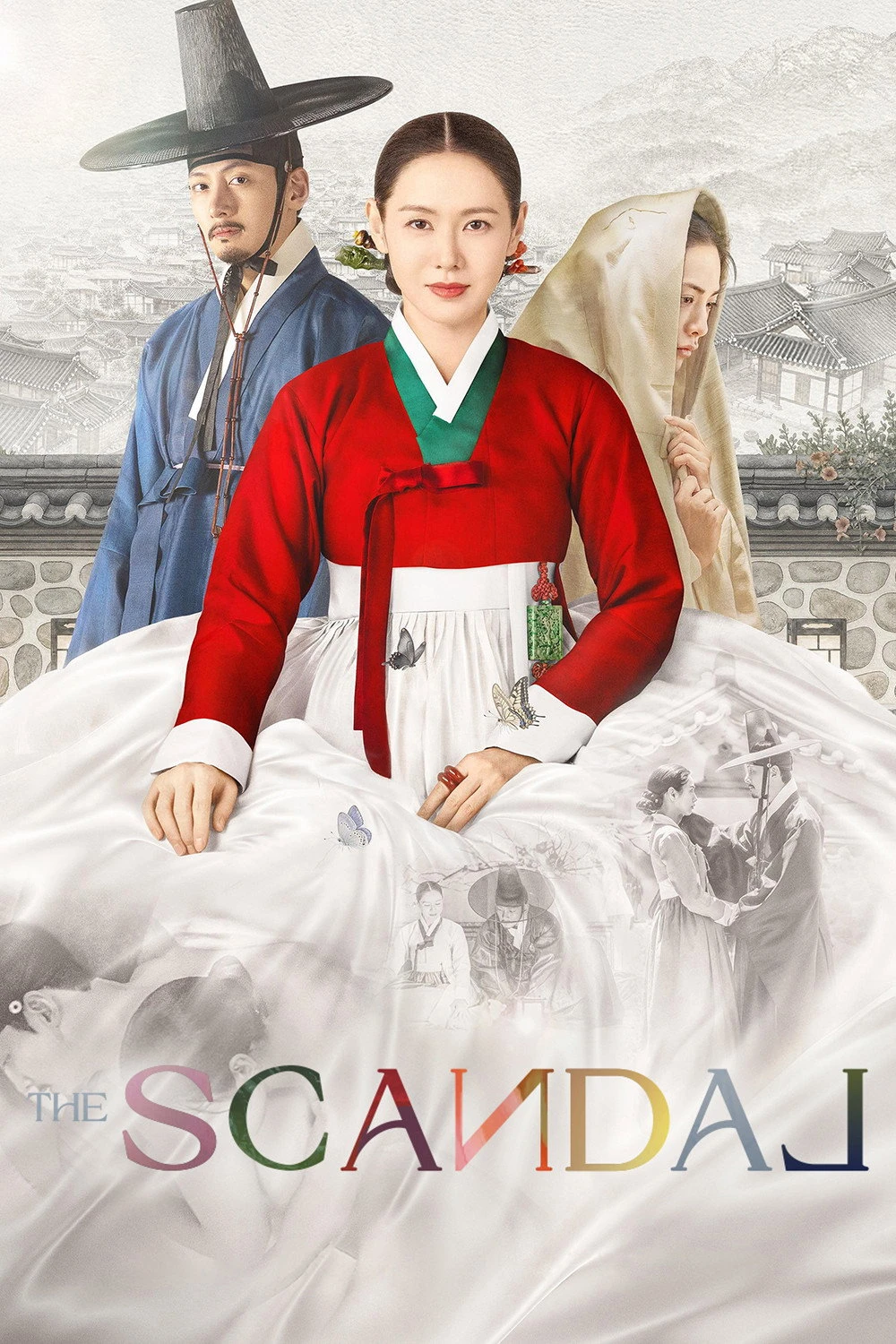 The Scandal
Dangerous LiaisonsDrama
Read Full Review →
|
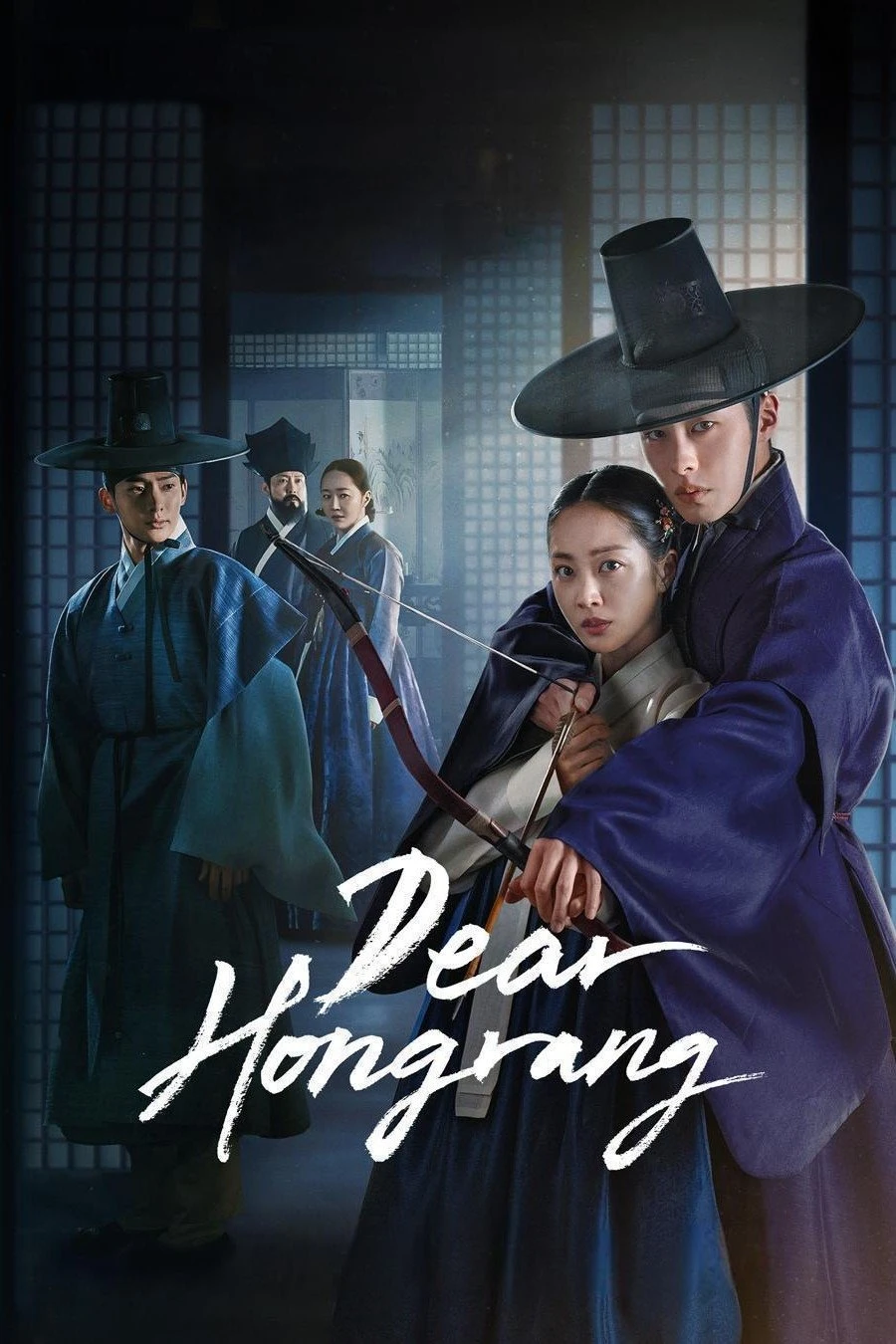 Dear Hongrang
Family SecretsHistorical
Read Full Review →
|
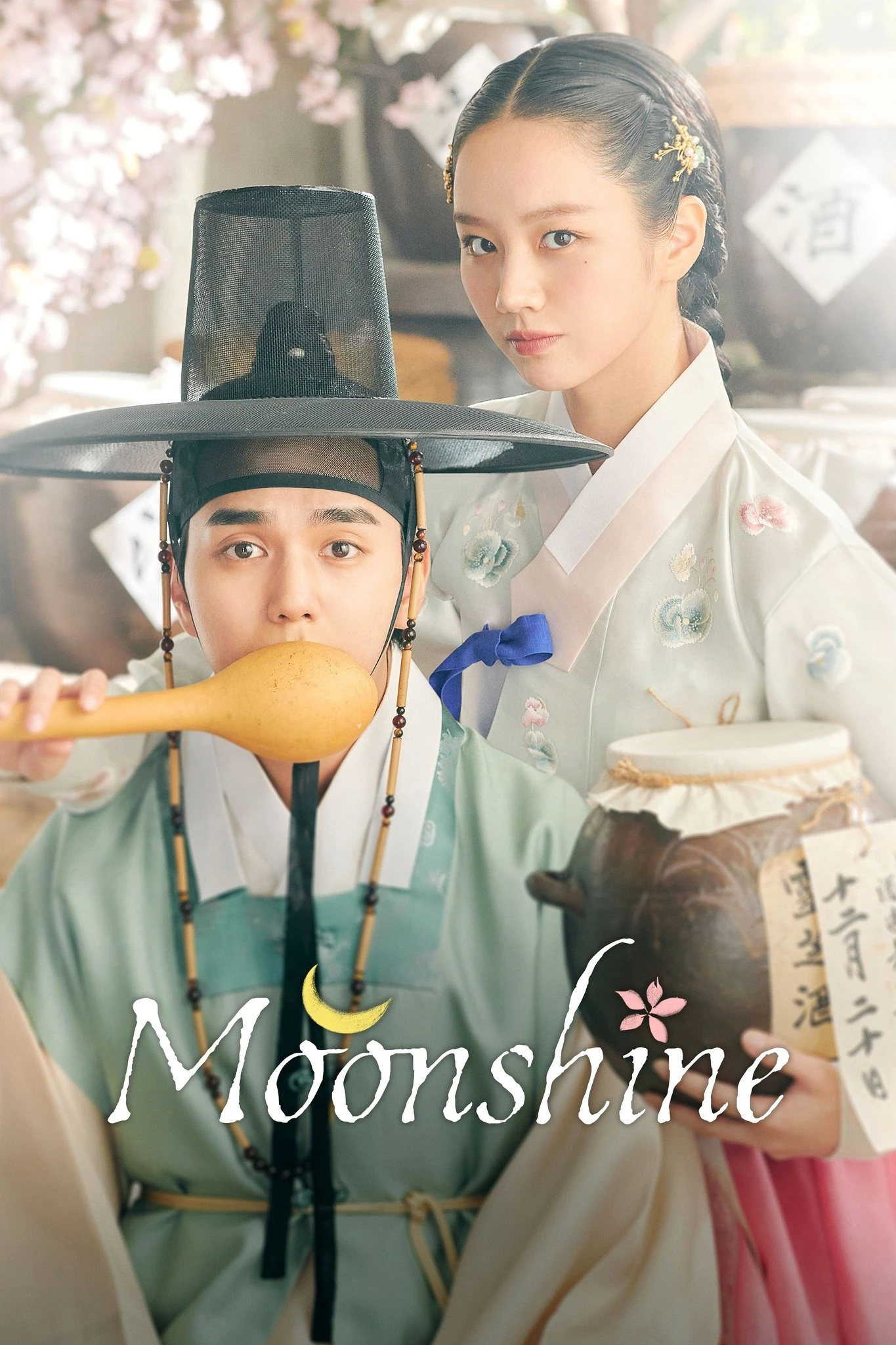 Moonshine
Cohabitationcomedy
Read Full Review →
|














Keep it kind, skip the harsh language, and please — no spoilers. Everyone's taste is different, and that's perfectly fine.
This space is for real reactions and discussion from other viewers. Help keep it comfortable for everyone by not giving away major plot details.
What do you think of this drama?
Login to share your review or leave a comment.
No email needed — just pick a username & password.