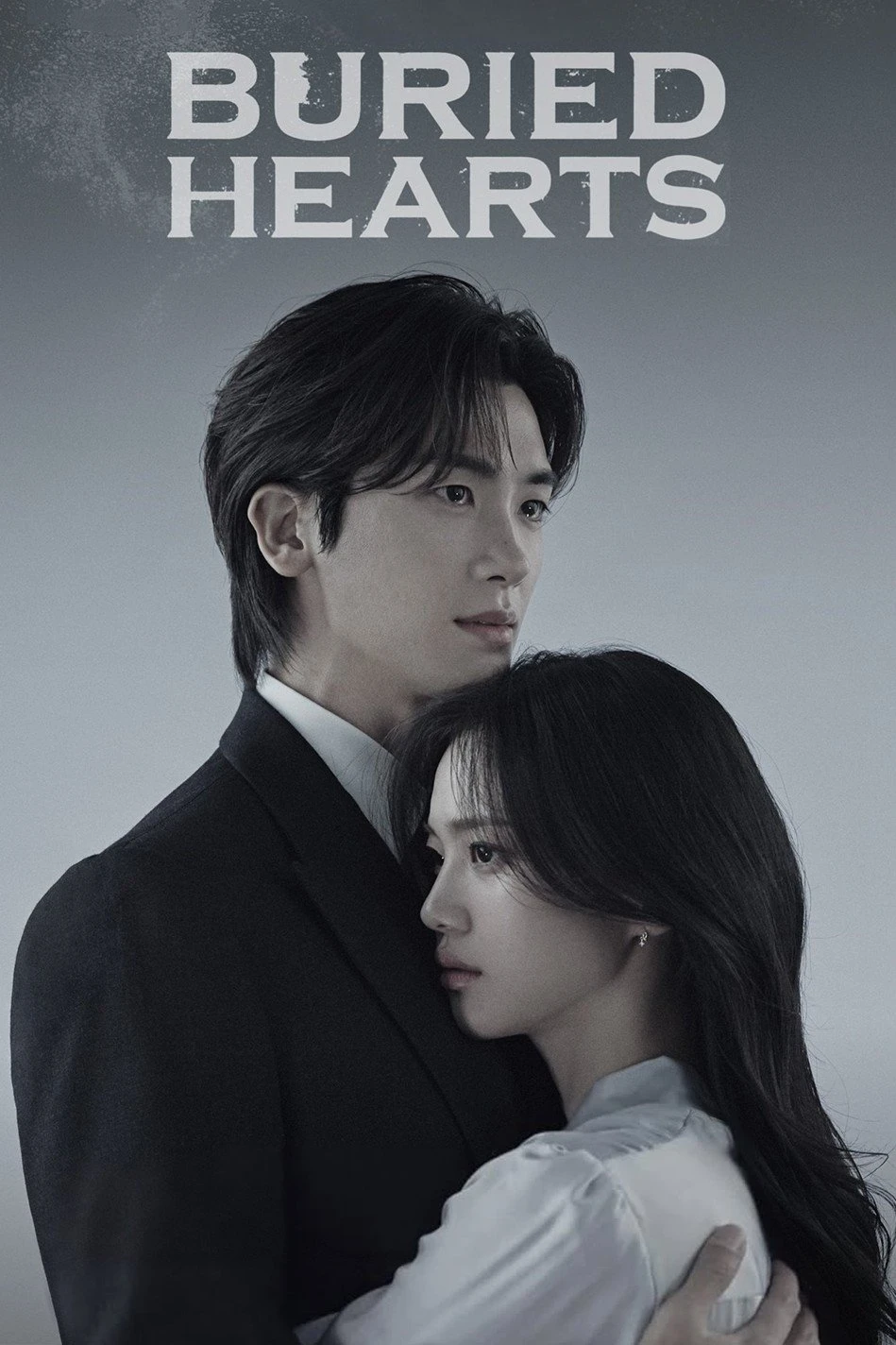
Buried Hearts
🎬 Disney+ · Hulu
⭐ 8.0 / 10 MDL
🔞 15+
📋 Drama Overview
Everything you need to know before you hit play.
🔥 Thriller Must-Watch
Hulu
Wavve
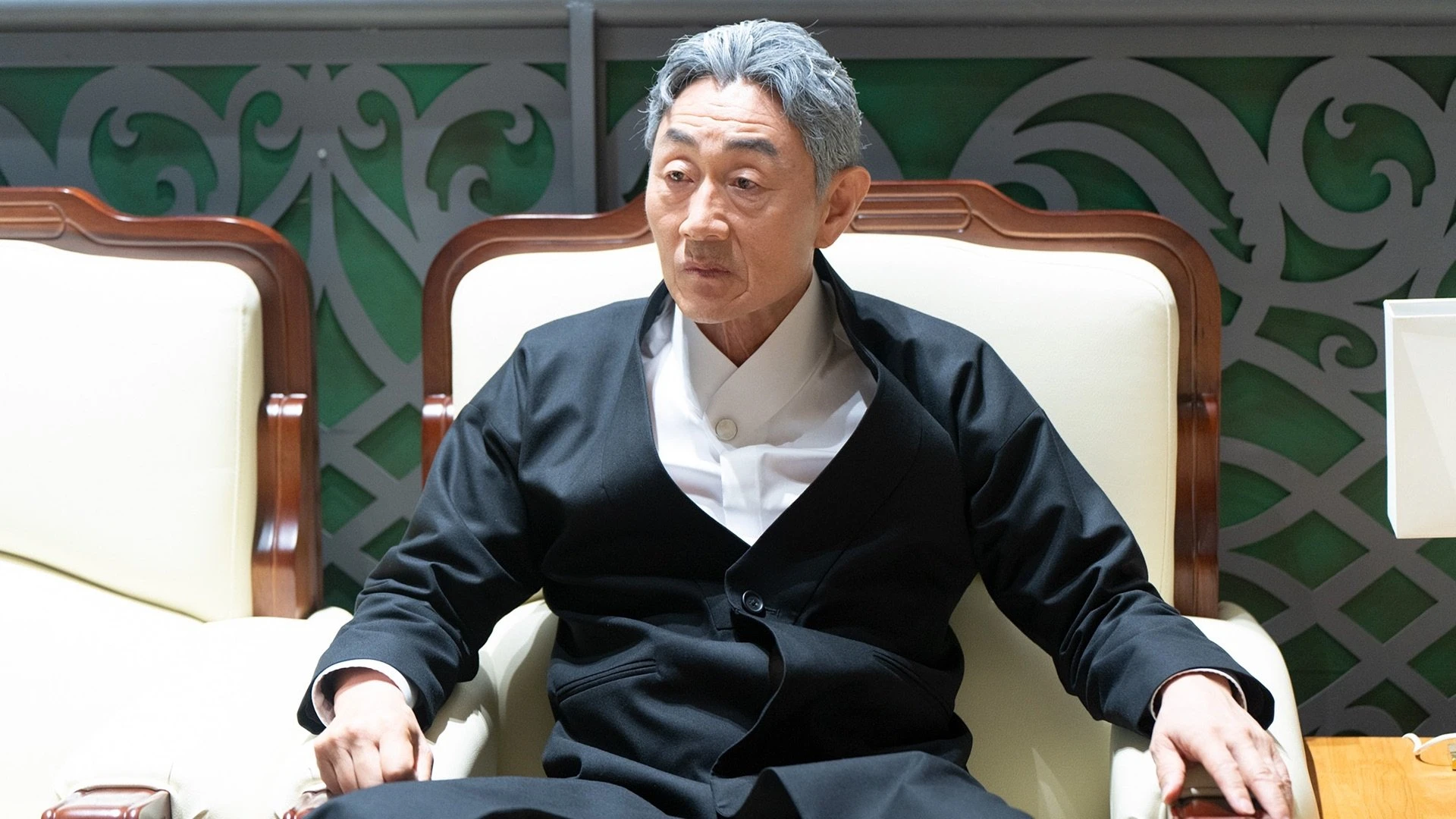
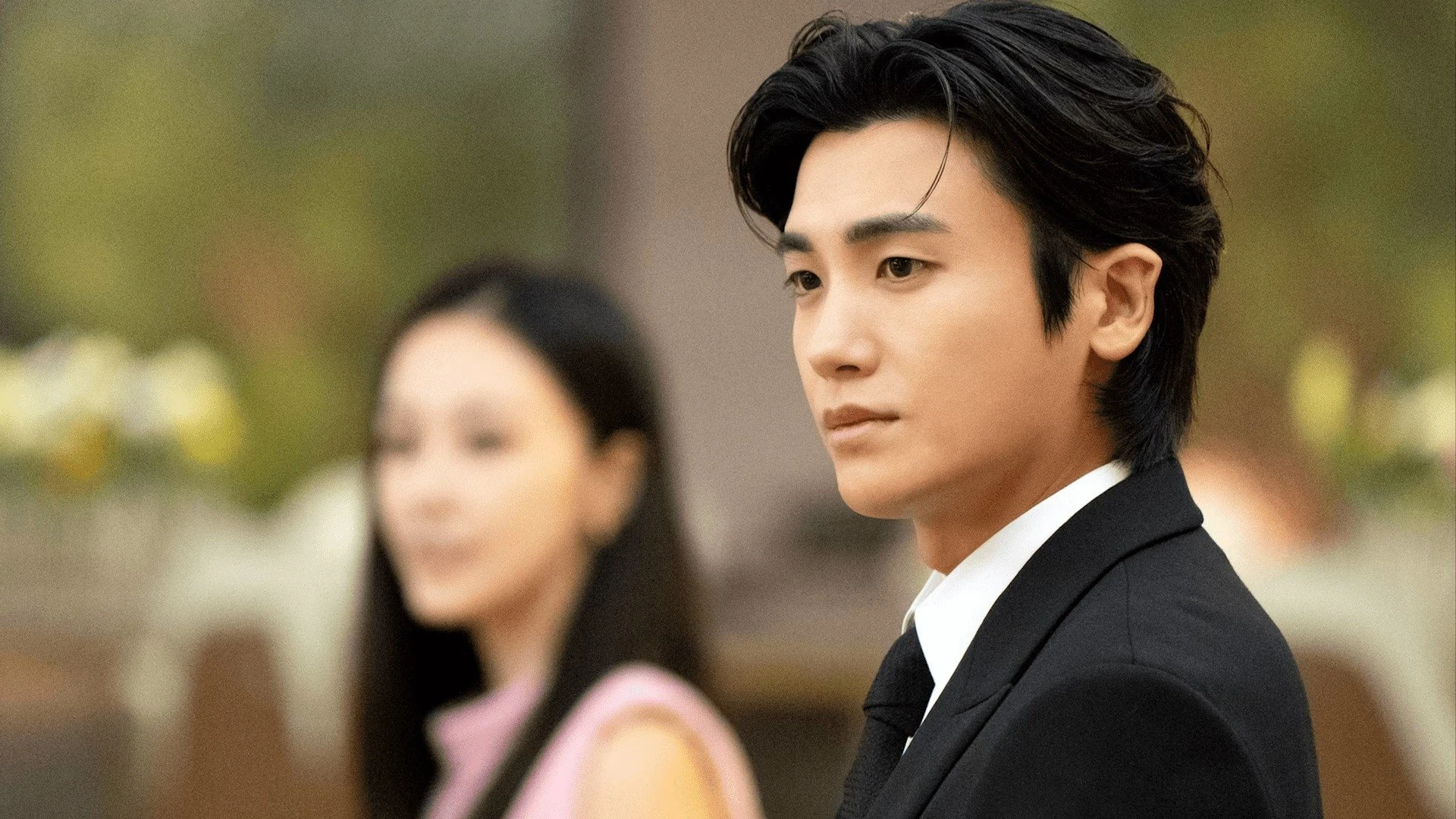
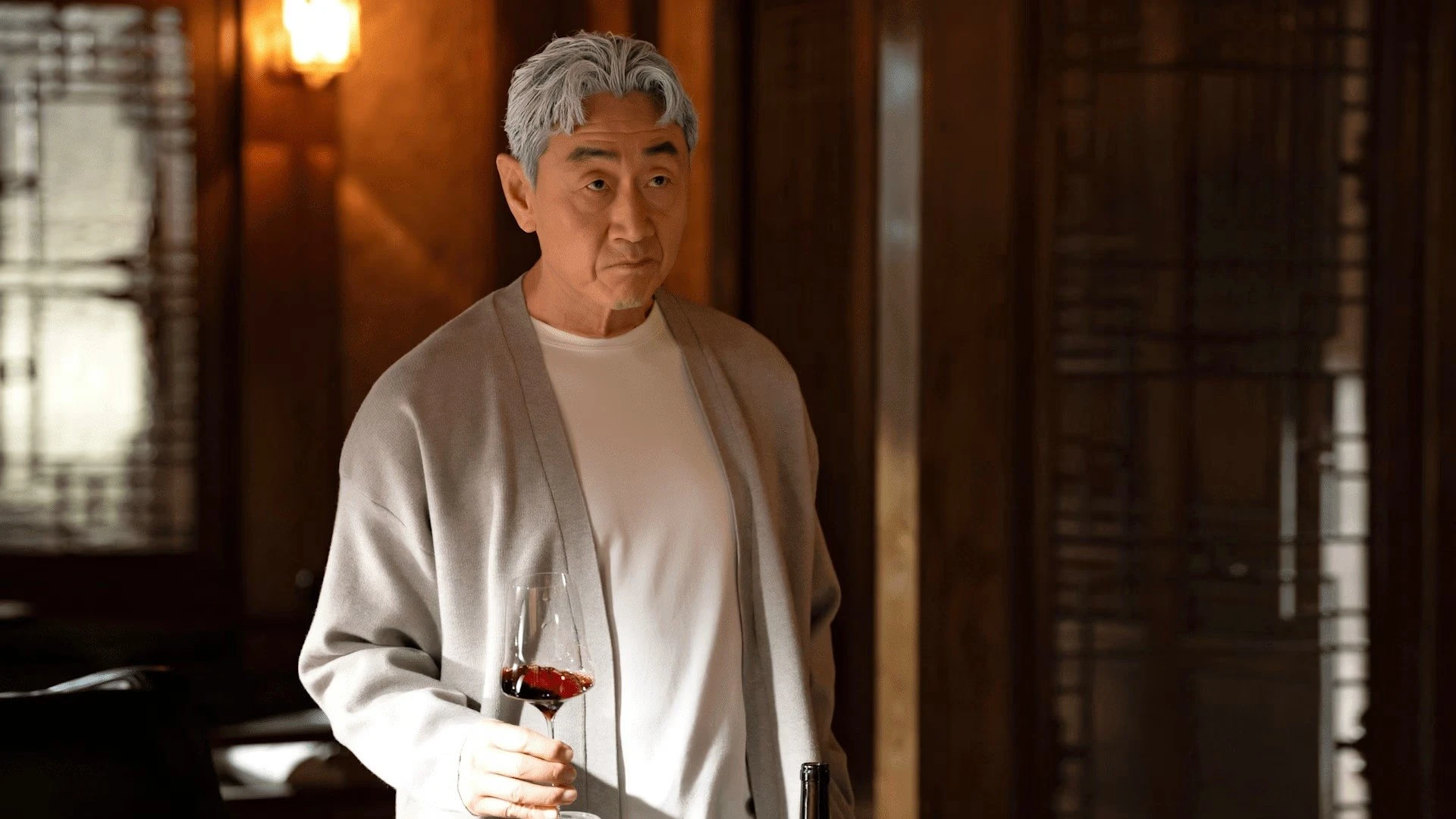
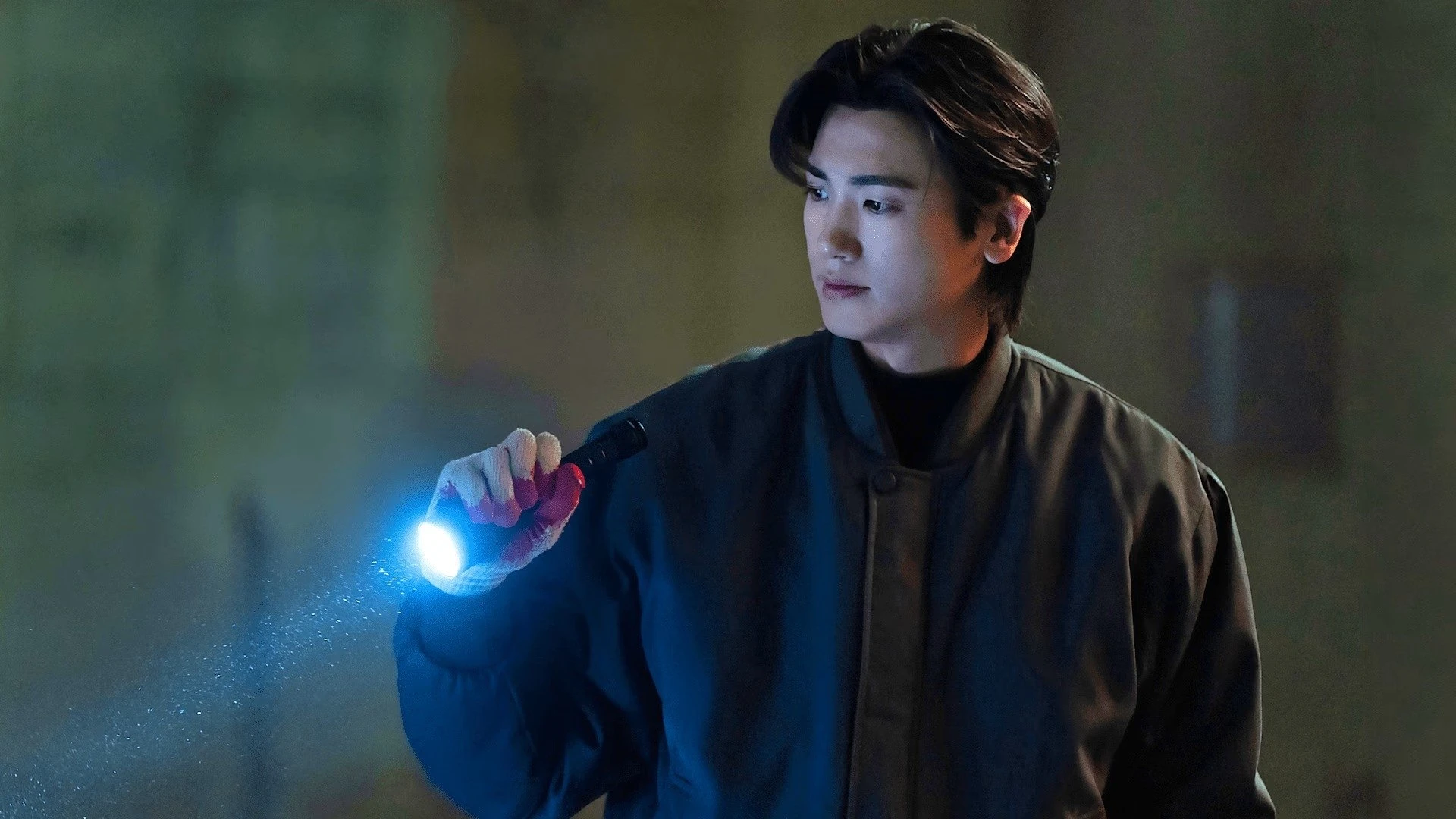
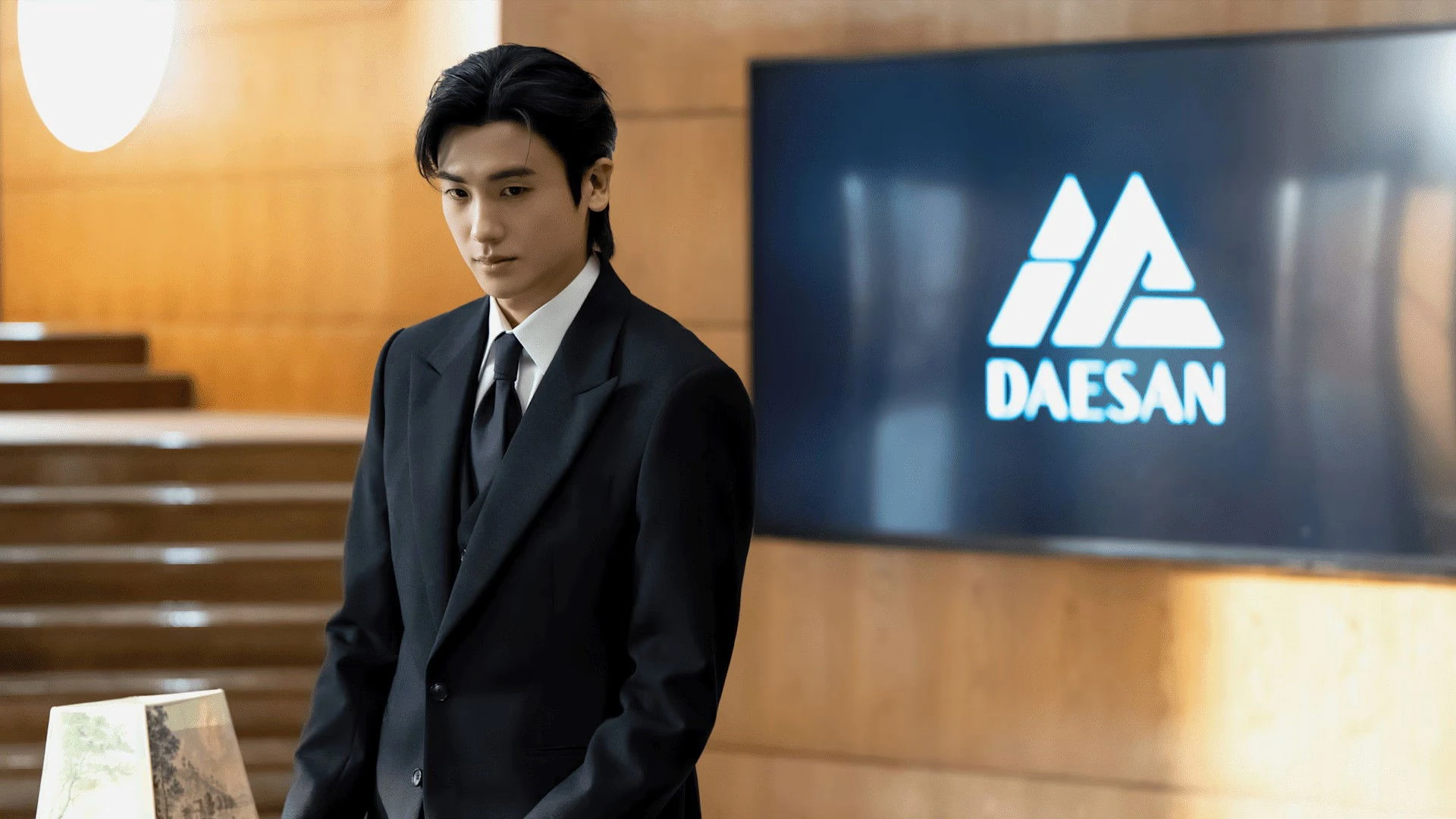
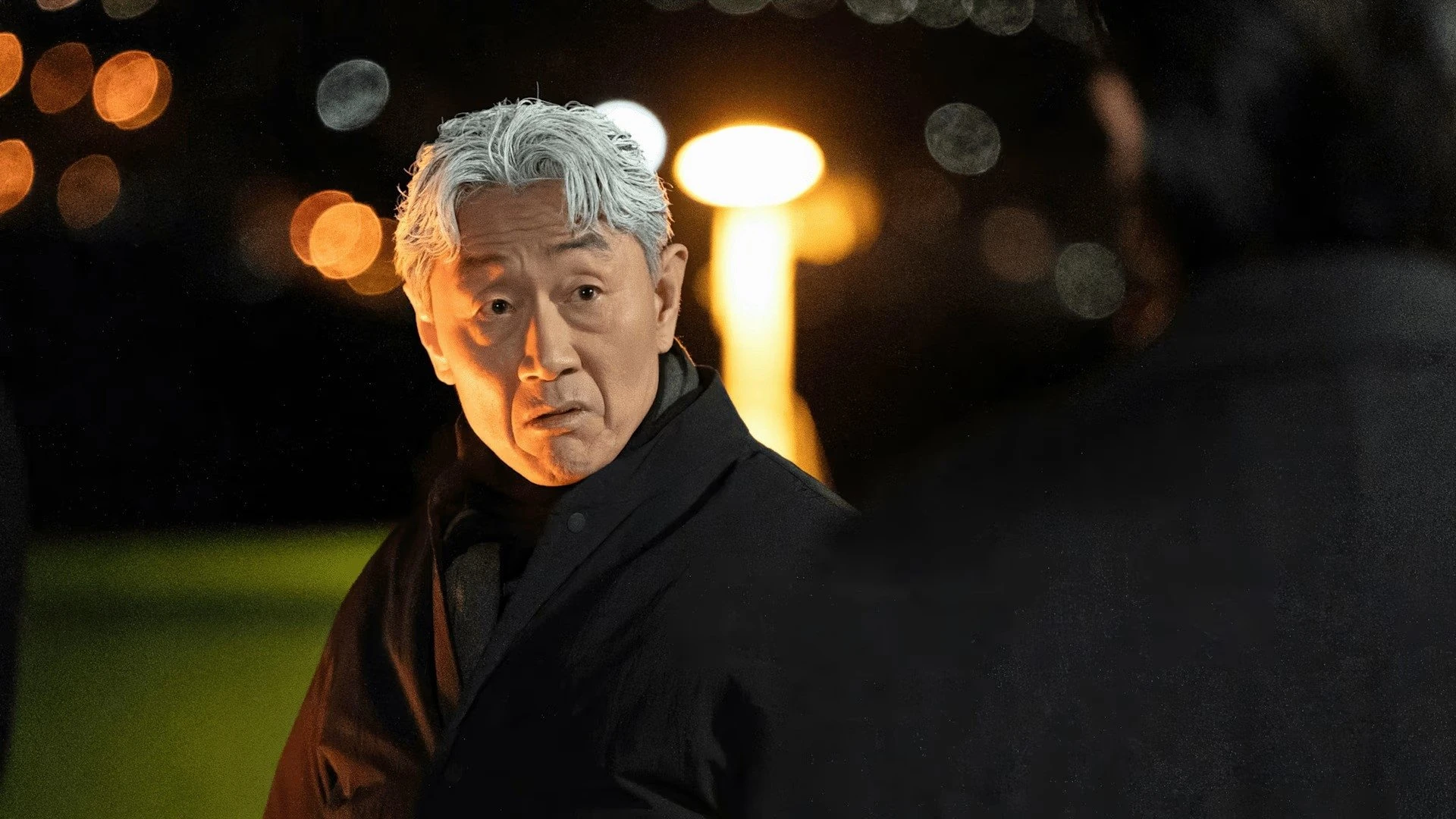
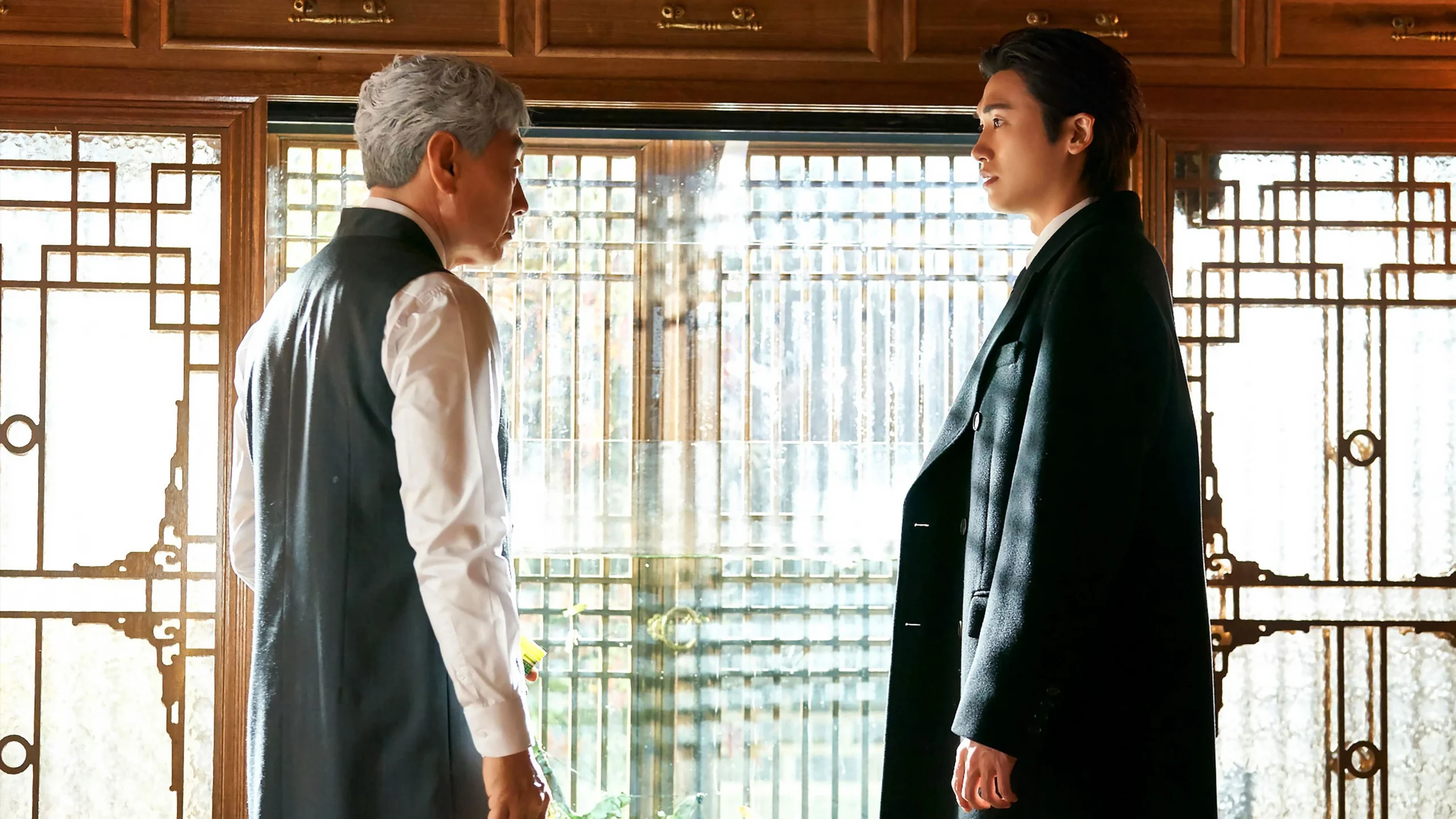
Seo Dong-ju (Park Hyung-sik) is a fiercely ambitious executive at the powerful Daesan Group — a man who has clawed his way up from nothing and intends to claim the company presidency as his own. When he discovers that his closest allies have been using him as a pawn, he makes a desperate move: he hacks into the secret 2 trillion won political slush fund of Yeom Jang-seon (Huh Joon-ho), a former National Intelligence Service director who controls South Korea’s power structures from the shadows. Jang-seon, unaware of the breach, has Dong-ju eliminated — and in doing so, inadvertently locks himself out of the entire fortune.
Dong-ju miraculously survives the assassination attempt but wakes up with severe amnesia, retaining only the name “Seong Hyeon.” As fragmented memories slowly return, he finds himself drawn back into the dangerous world he barely escaped — walking a knife’s edge between exposure and survival, while quietly assembling a plan of calculated revenge against the man who tried to destroy him and the corrupt empire he built.
16 / 16 ✅ Completed
⚡ Quick Verdict
One box. Everything you need to decide.
· MDL Score · 11,267 ratings
▶ Official Trailer
🎭 Cast & Characters
Twelve performances powering a story of power, betrayal, and survival in the shadows of Korean corporate life.
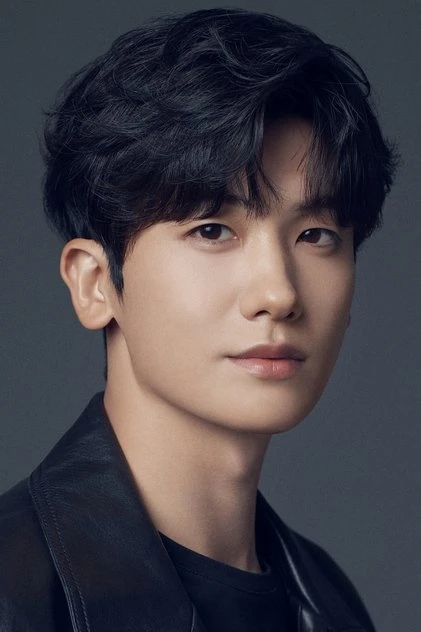
Lead
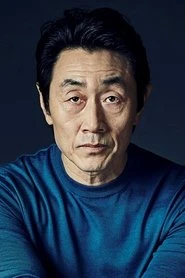
Villain

Lead

Supporting
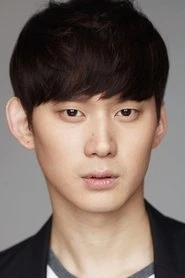
Antagonist
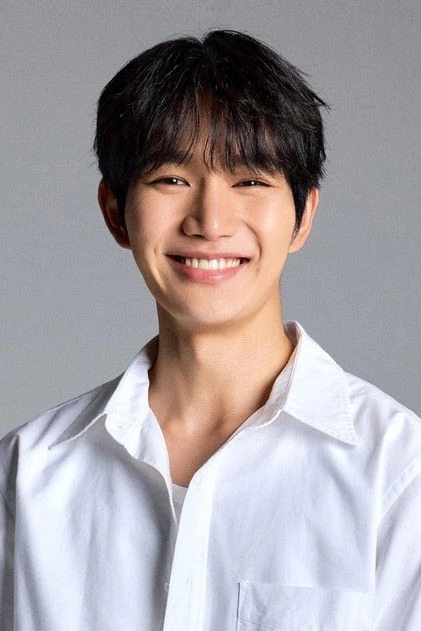
Supporting
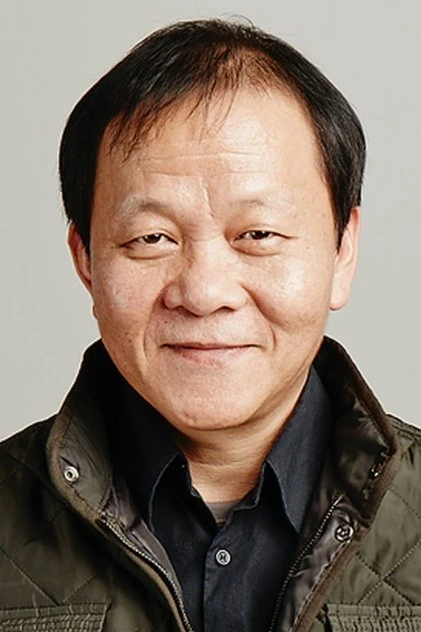
Antagonist
Antagonist
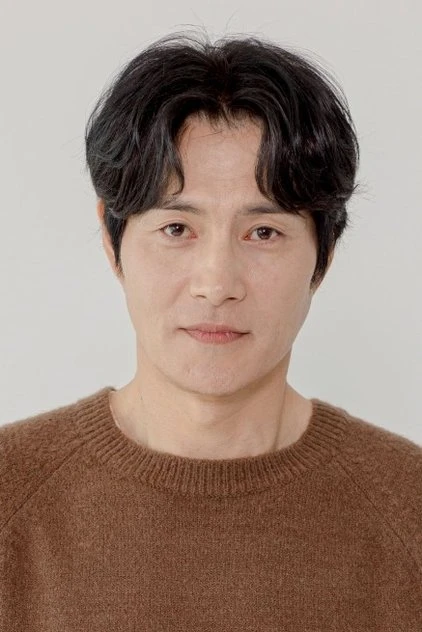
Supporting

Supporting

Supporting
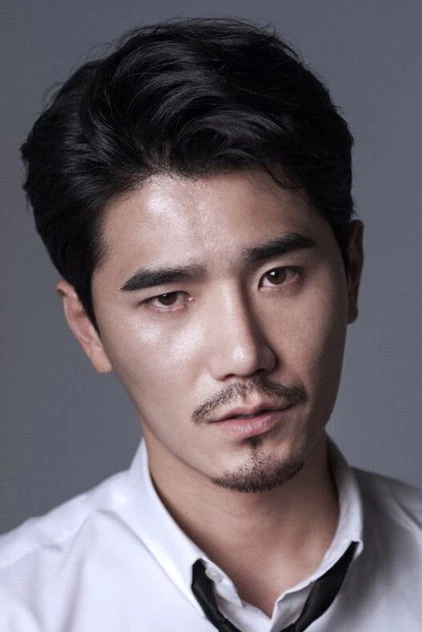
Supporting
📺 Episode Guide
Spoiler-light recaps — enough to remember where you left off, nothing that ruins the ride.

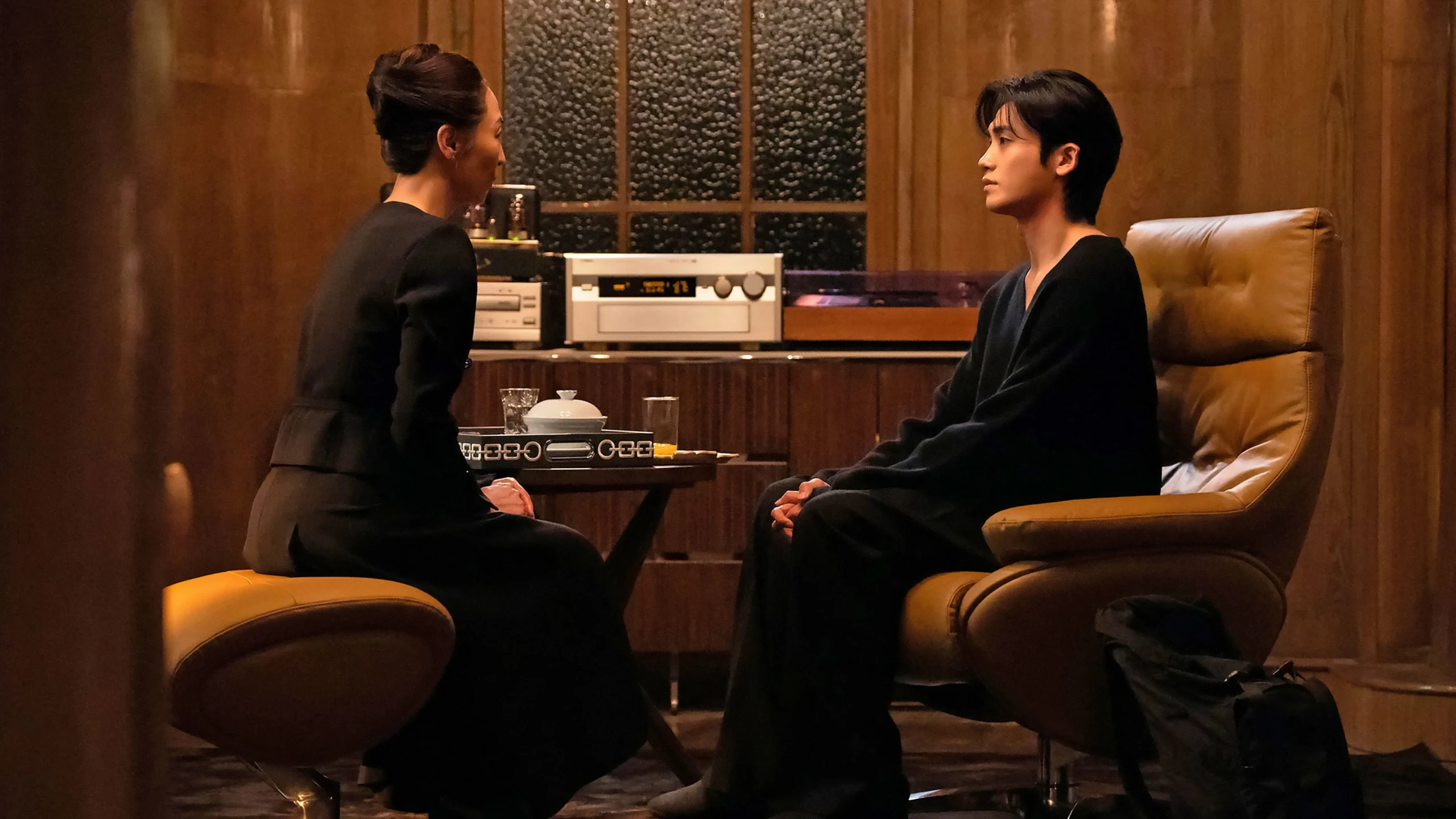

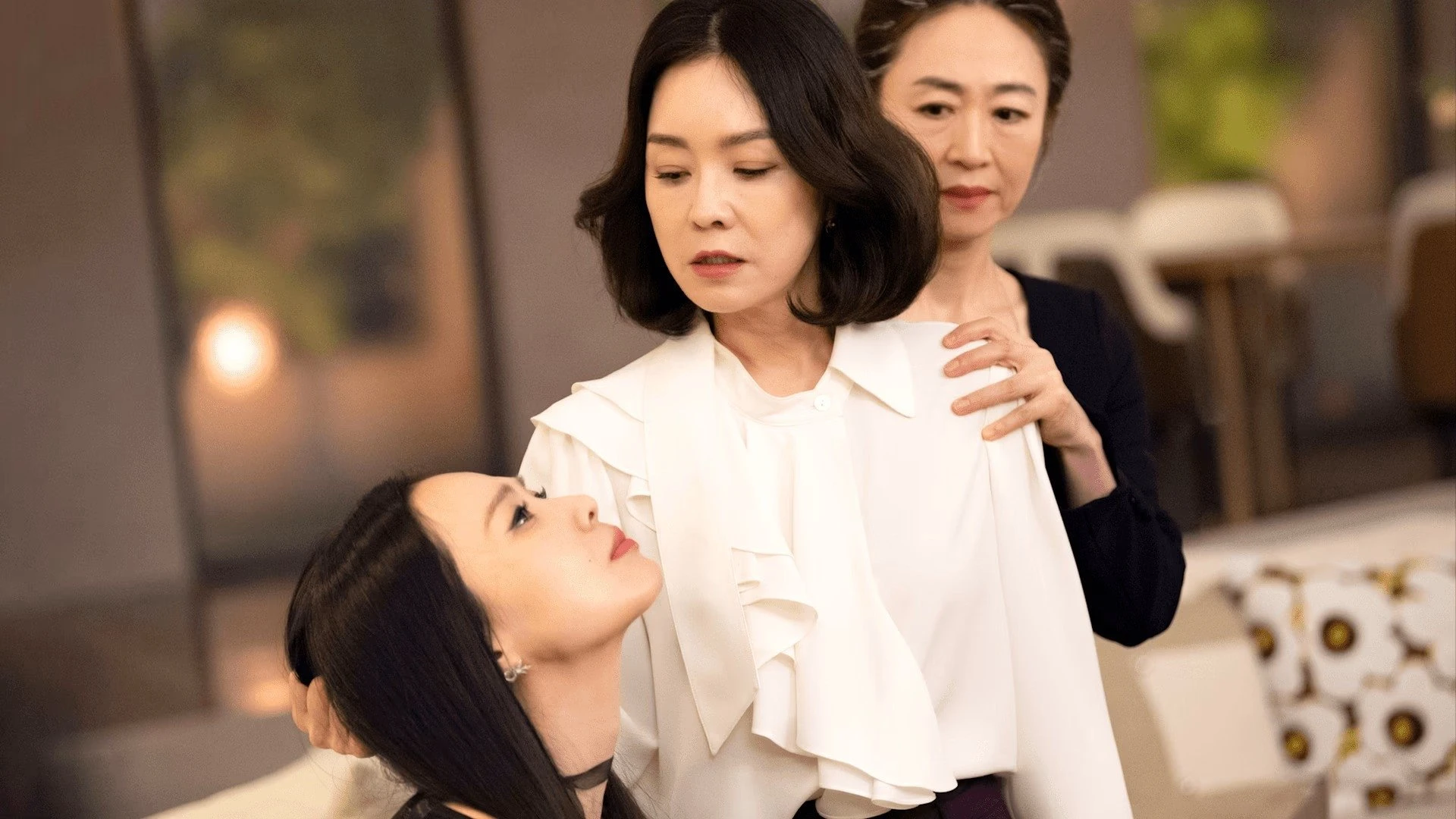
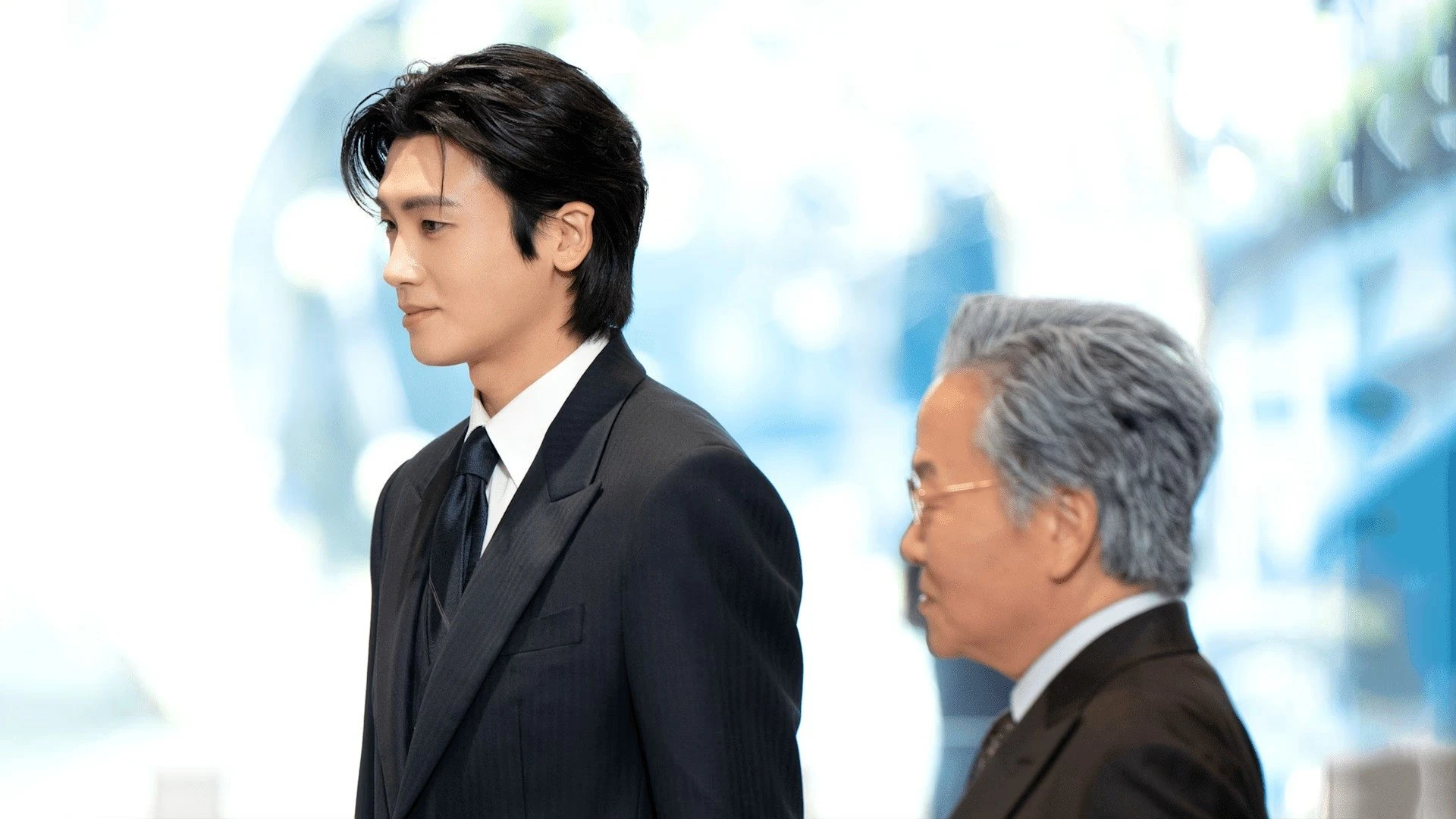
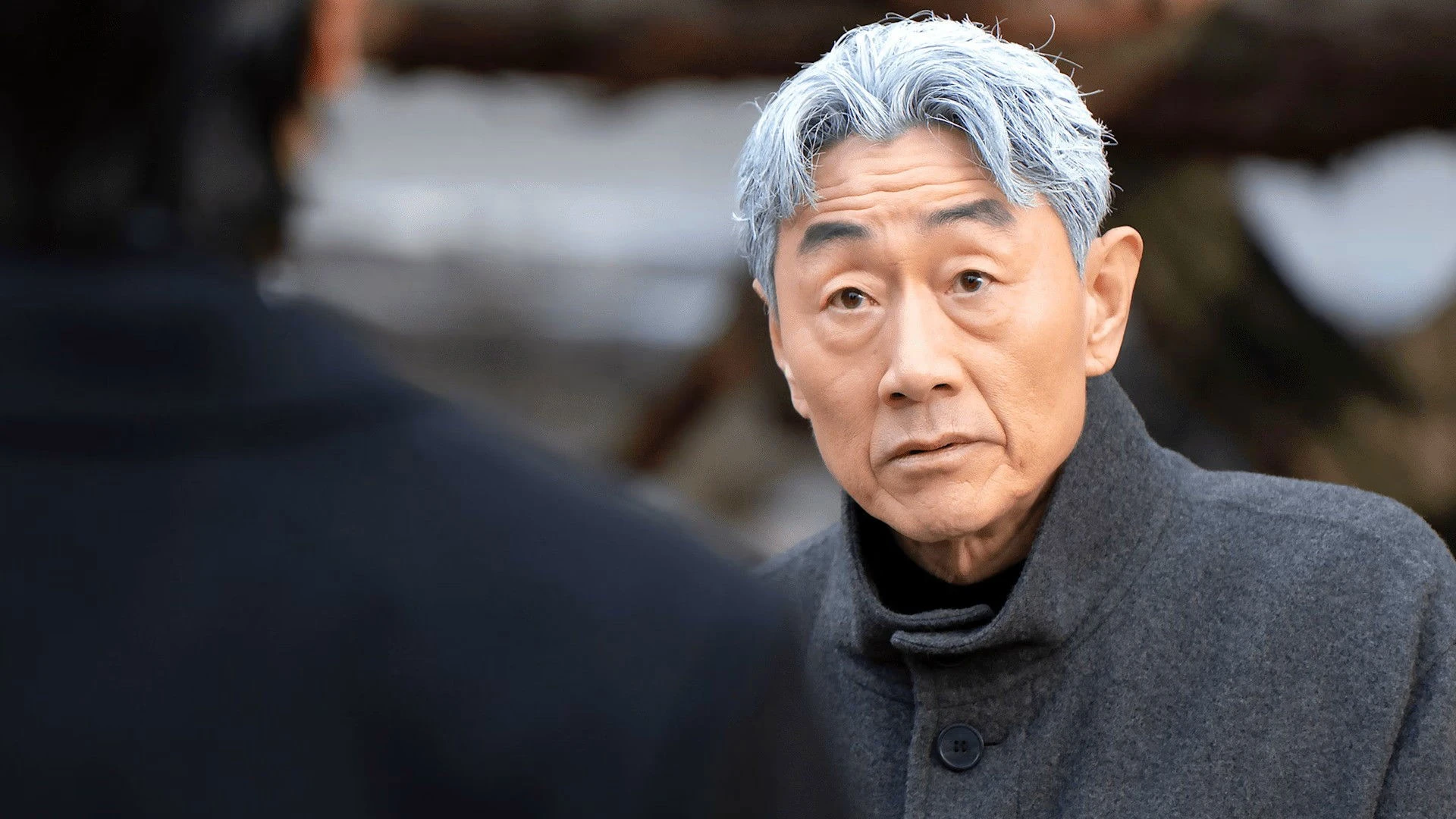
🏁 Ending Explained
Full spoilers ahead — everything that happens in the finale and what it all means.
Spoiler Warning — This section covers the full finale of Buried Hearts. Stop here if you haven’t finished the series.
The revenge Dong-ju planned delivers exactly what it promised — and costs more than he expected. In the finale, Dong-ju moves against Jang-seon on every front simultaneously: he seizes control of the slush fund remainder, holds Jang-seon captive long enough to strip away every last piece of leverage, and then — in a gesture that reveals how deeply the show understands the emptiness of pure vengeance — releases him into disgrace rather than into a cell. Jang-seon returns home to find that his wife Bo-yeon has transformed his prized mansion into a kindergarten, dismantling his last private symbol of power without a single court order. The humiliation is complete.
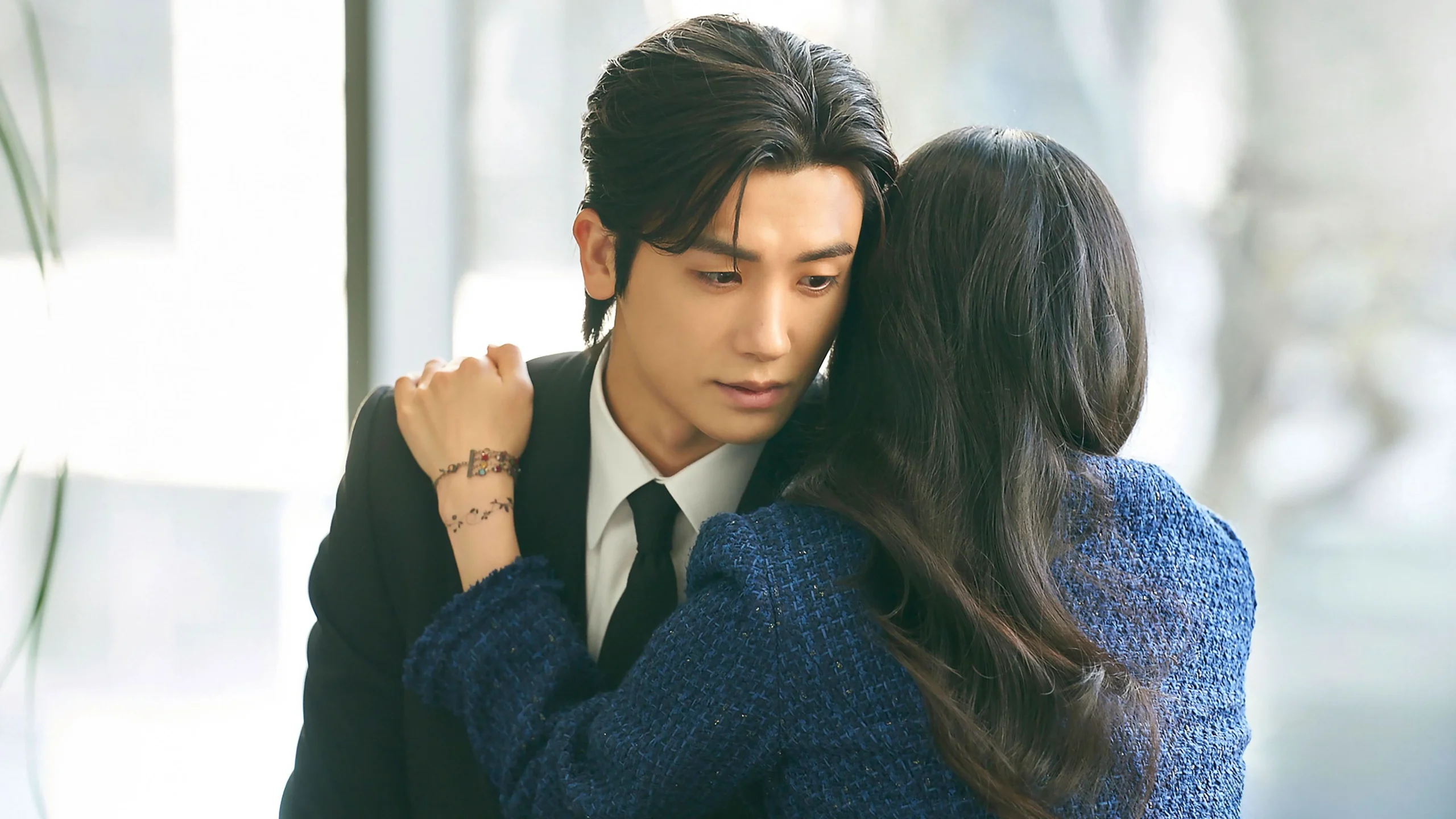
Jang-seon’s legal reckoning is swift and public. He is arrested shortly after and returned to prison — the empire he spent decades building through manipulation, blackmail, and murder fully dismantled. The drama is careful not to stage this as triumphant. Jang-seon doesn’t go to prison broken — he goes there still calculating, still watching, still a man who believes he can outlast any cage. Whether he’s right is left unresolved, and that ambiguity is intentional. The show isn’t interested in complete closure. It’s interested in aftermath.
The finale’s darkest hour belongs not to Jang-seon but to the people around him. Ji Seon-u — the drama’s other villain, colder and more ruthless than his patron — murders Heo Tae-yoon to eliminate a potential rival for Daesan control. Tae-yoon was the drama’s most genuinely sympathetic character: a man trapped between institutional corruption and a private conscience, who ultimately chose the right side too late. His death sends Deok-hui into a mental breakdown and hospitalization, and the scene lands with the full weight of everything that the revenge thriller structure has been quietly building toward — the body count of a power struggle extends far beyond the men who chose to fight in it.
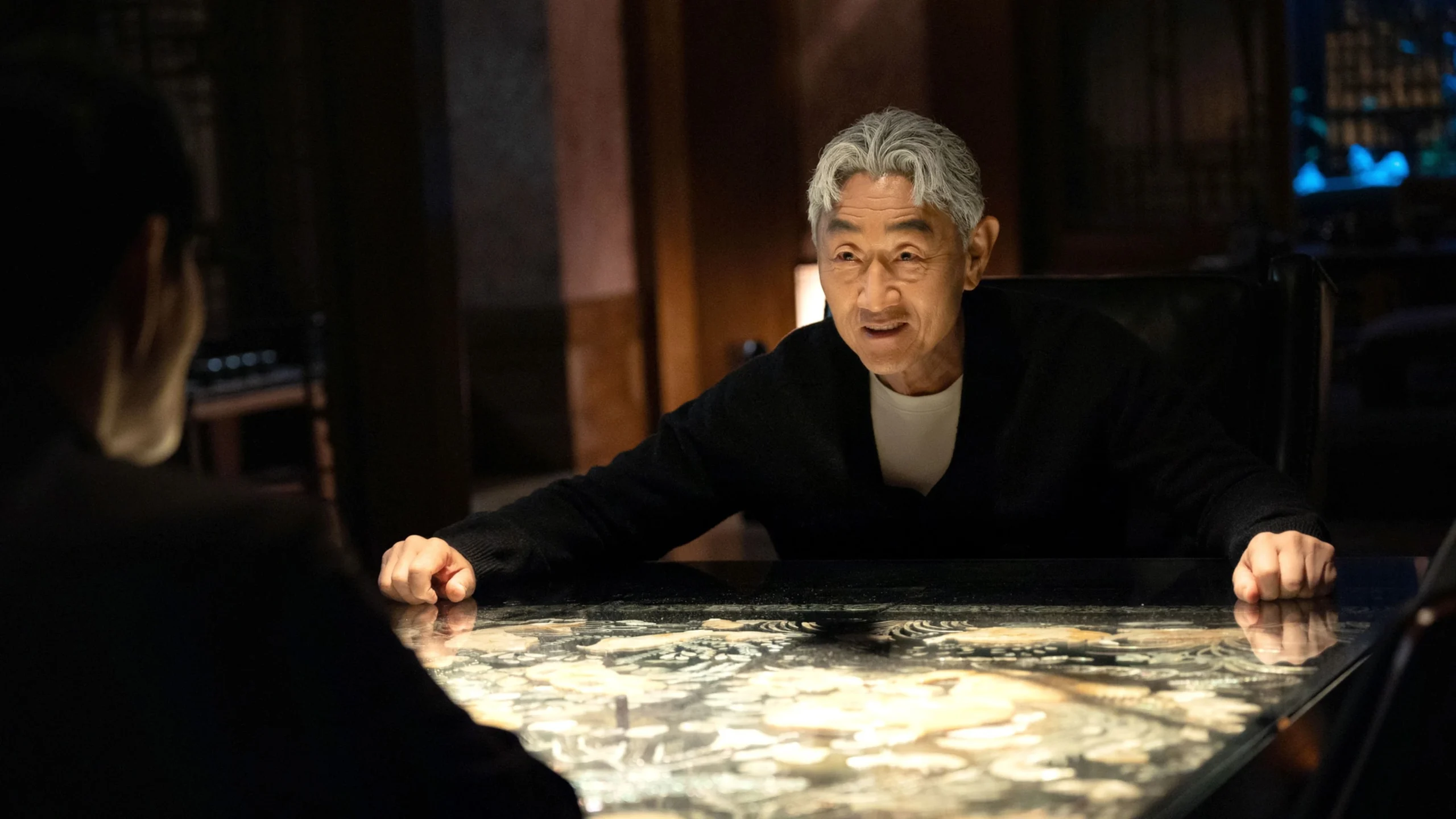
Dong-ju achieves the Daesan presidency — and walks away from it. It is the single most important choice the drama makes. After sixteen episodes of fighting to reach the top of an institution, Dong-ju stands at its summit and finds nothing there worth keeping. He hands control to Eun-nam — quietly, without ceremony — and leaves. The gesture is not cynical about her capabilities; it’s an acknowledgement that the fight was never really about the company. It was about proving something to himself and to the people who tried to destroy him. That proof obtained, the thing itself means nothing.
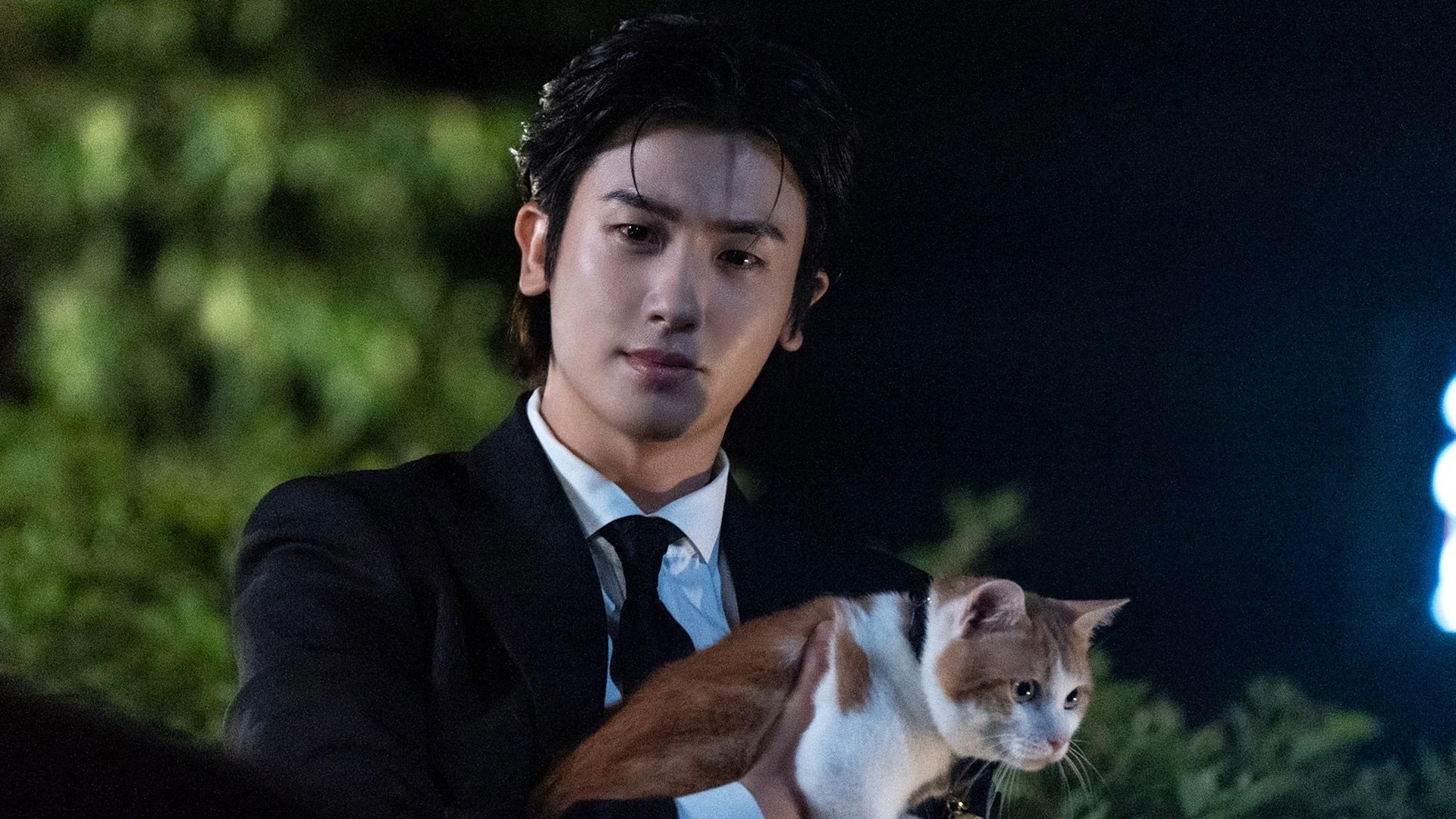
The final scene is the one audiences are still talking about. Dong-ju carries out Heo Il-do’s dying wish and scatters his ashes, then sits with two guns — his father’s — and his violin, in a composition that refuses to resolve. Is this a man preparing to end his own life, exhausted by the weight of everything he has carried? Or is it a man choosing music over violence for the first time — the violin as a path back toward a self that existed before Daesan, before the slush fund, before all of it? The show does not answer, and the refusal to answer is the point. Not every wound that drives a revenge story gets healed when the revenge is finished — and Buried Hearts is honest enough to let that truth stand without flinching.
✍️ KDramaWorlds Editor’s Take
Our honest read on why this drama is worth your time — and who it’s for.
Buried Hearts earns its runtime — but it asks you to trust it before it earns that trust back. The first four episodes are deliberately unhurried, establishing a world of chaebol ambition and political shadow-play with a patience that some viewers will find rewarding and others will find exhausting. The gamble pays off. By episode seven, when the drama pivots from corporate scheming to something genuinely personal — grief, identity, the buried damage of what other people’s choices did to a child — it becomes clear that the slow build was load-bearing. Everything that lands in the second half lands because the foundation was laid carefully. Park Hyung-sik, previously best known for roles that played to his warmth, finds something harder and more complicated in Dong-ju: a man whose ambition was always partly self-defense, and whose revenge is as much about understanding himself as it is about punishing anyone else. It is his best dramatic work.
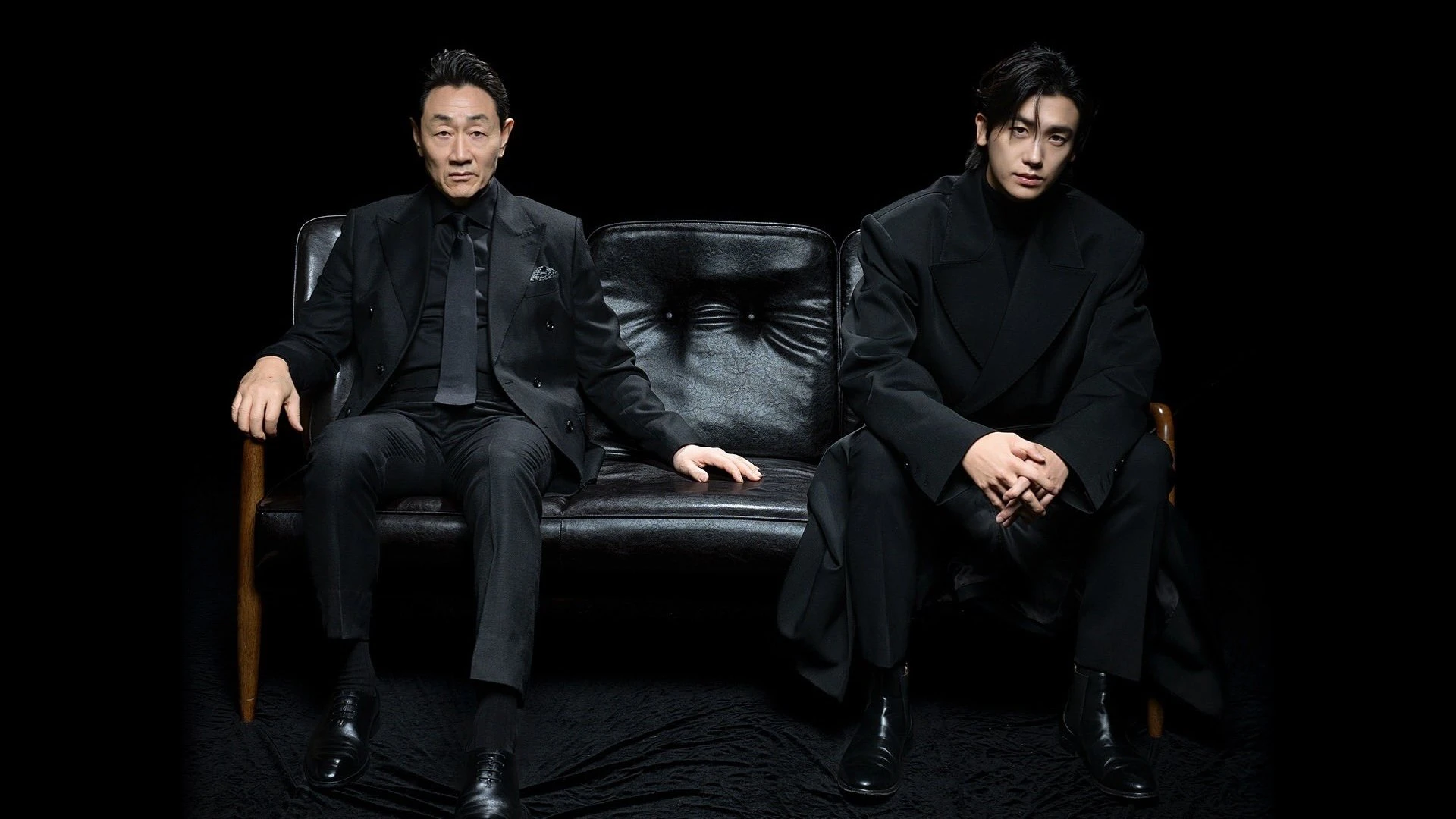
Huh Joon-ho’s Yeom Jang-seon is the kind of villain who is more frightening for what he doesn’t do than what he does. He doesn’t shout. He doesn’t threaten. He simply reconfigures the world around a person until they have no good options left, and then watches them make the bad one. The performance is suffocatingly controlled — every small smile, every gesture of apparent generosity concealing something that would horrify you if you could see it clearly. The drama’s ensemble is occasionally too crowded in the middle stretch, and a few supporting threads feel underdeveloped by the finale, but the central triangle of Dong-ju, Jang-seon, and Heo Il-do gives the show a structural spine that holds through even its most tangled episodes. This is a revenge drama that understands revenge — that it is not a solution, only a form of conclusion, and that the people most hurt by it are often the ones who weren’t the intended targets. On that level, compared with similarly themed dramas like Flower of Evil or Beyond Evil, Buried Hearts holds its own.
The finale is divisive — as ambiguous endings always are — but it is exactly right for what this drama was actually about. Dong-ju doesn’t ride off into the sunset. He doesn’t get the girl back. He doesn’t rebuild. He scatters ashes in a field and sits with the two guns his father left and the violin he never stopped carrying, and the drama ends not with resolution but with a question mark. Is that healing or a different kind of ending? The show trusts its audience to sit with the uncertainty. For a K-drama that began as a corporate thriller and arrived somewhere much closer to tragedy, that trust feels like the only honest way to close.
Viewers who want to see Park Hyung-sik in a genuinely complex dramatic role
K-drama fans who appreciate ambiguous endings over neat resolutions
🎬 You Might Also Like
If you liked Buried Hearts, these are your next three watches.
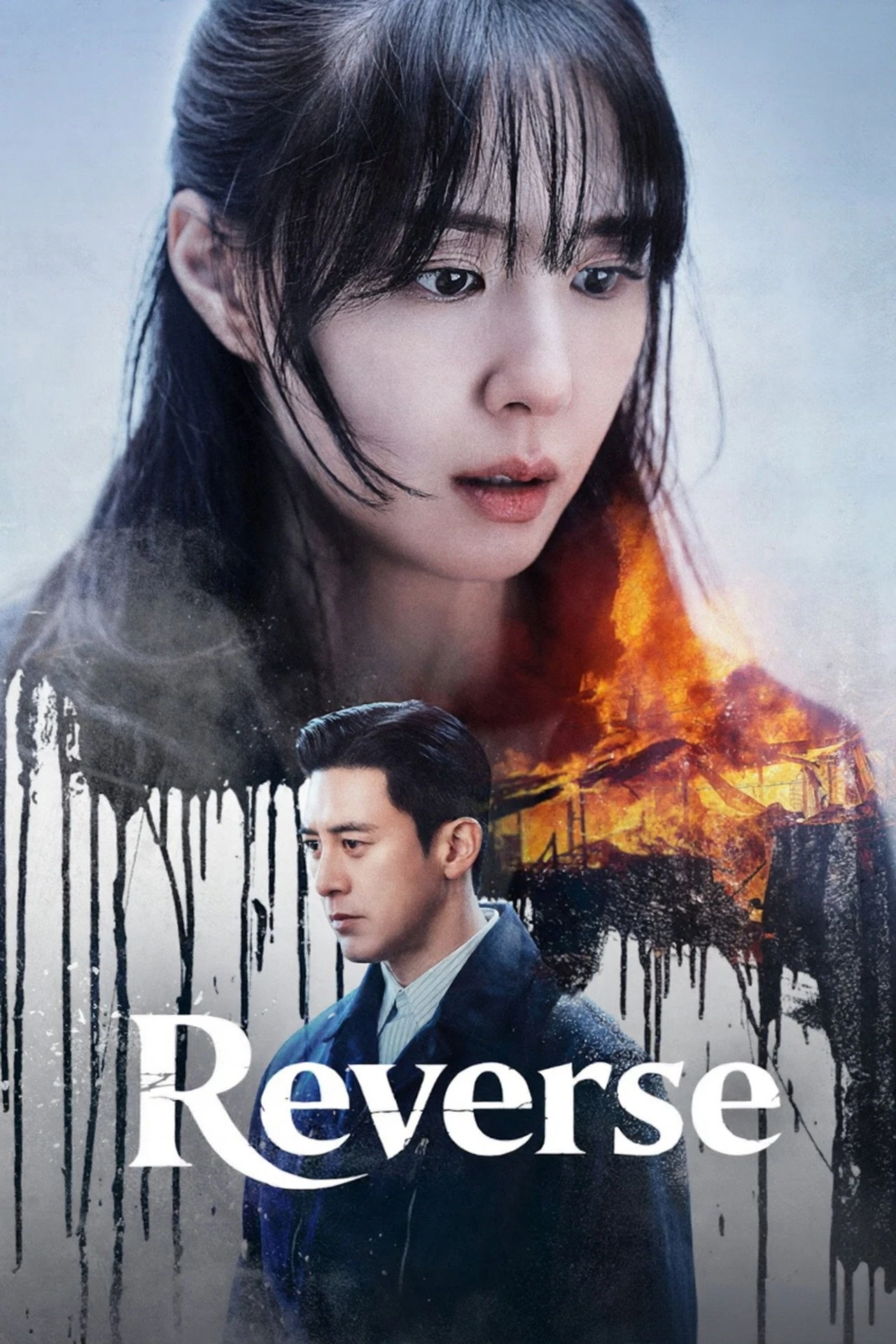 Reverse
AmnesiaChaebol
Read Full Review →
|
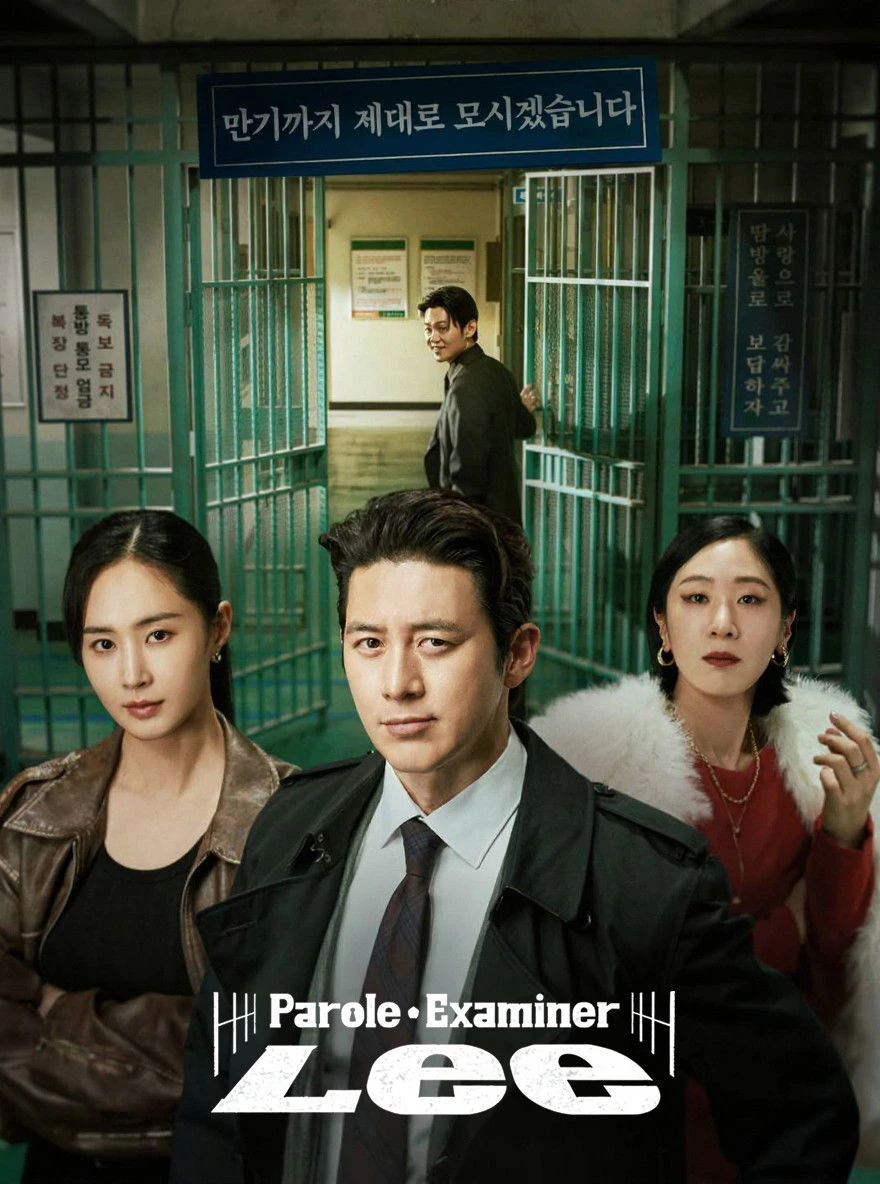 Parole Examiner Lee
ChaebolCorruption
Read Full Review →
|
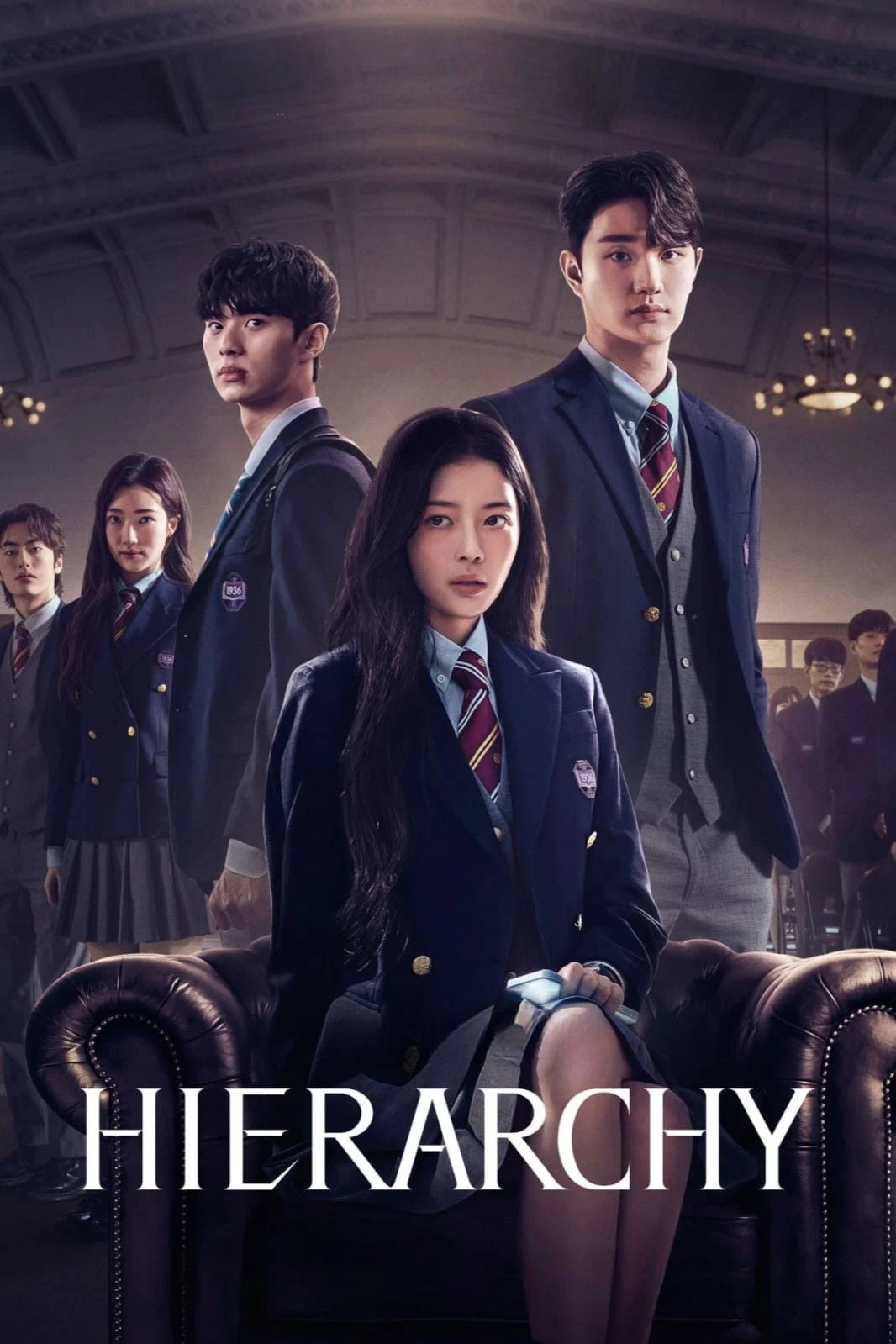 Hierarchy
BullyingChaebol
Read Full Review →
|





Keep it kind, skip the harsh language, and please — no spoilers. Everyone's taste is different, and that's perfectly fine.
This space is for real reactions and discussion from other viewers. Help keep it comfortable for everyone by not giving away major plot details.
What do you think of this drama?
Login to share your review or leave a comment.
No email needed — just pick a username & password.