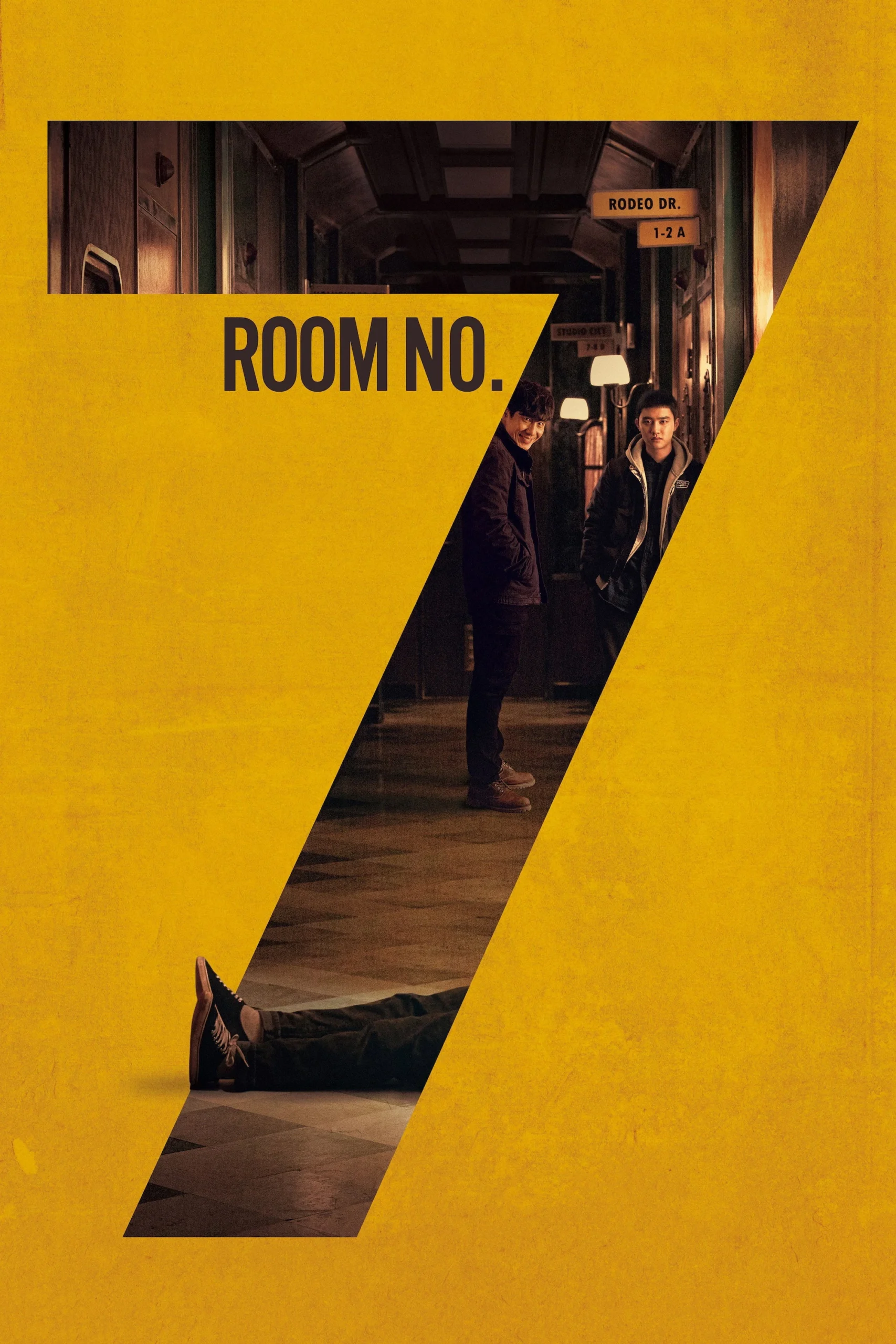
Room No.7
🎬 Viki · Viu · OnDemandKorea · Tubi · Prime Video
⭐ 7.5 MDL
🔞 15+
🎬 Film Overview
BLACK COMEDY PICK
Doo-sik has been trying to unload his failing DVD screening room for months, fielding indifferent buyers while the bills keep stacking up. His part-timer Tae-jung is drowning in a different kind of debt — the kind that comes with threats attached — and has quietly stashed a bag of someone else’s drugs inside the shop’s smallest viewing booth as a stopgap. Neither man has any idea what the other is protecting.
Then a new hire is electrocuted on the job, and Doo-sik’s solution is to drag the body into that same booth and padlock the door shut. What follows plays less like a thriller and more like two increasingly frantic men trying to out-maneuver each other over access to one locked room, each one convinced the other is simply being difficult about a DVD closet. Room No.7 plays its premise completely straight, and that commitment is exactly where the film’s nervous, off-kilter comedy comes from.
⚡ Quick Verdict
No scrolling required — the verdict’s right here.
· MDL · 1,868 ratings
▶ Official Trailer
🎭 Cast & Characters
Two men, one locked door, and a lot of reasons to lie to each other.

Lead

Lead

Supporting

Supporting

Supporting

Supporting

Supporting

Supporting

Supporting

Supporting

Supporting

Supporting
📖 The Story
No spoilers ahead — just enough to see if it fits your taste.
Doo-sik is the kind of guy who has been one bad month away from bankruptcy for so long it barely registers as a crisis anymore. He runs a dilapidated DVD screening room in a corner of Seoul nobody visits by accident, and he spends his nights driving other people’s cars home for cash just to keep the lights on. Selling the place is his only real plan, and he’s been chasing it without much hope for a while.

His part-timer Tae-jung has his own version of the same problem. Student debt has put him in front of loan sharks who don’t do polite reminders, and he’s found a solution he thinks is temporary: a bag of someone else’s drugs, hidden inside the shop’s smallest private booth, Room No.7. Neither man tells the other anything.
Then Han-wook, a new part-timer barely a few shifts into the job, is killed by a faulty electrical fault on the premises. Doo-sik panics — not about grief, but about what a body on his property does to a sale he’s been chasing for months — and drags the corpse into Room No.7, sealing the door with padlock after padlock.
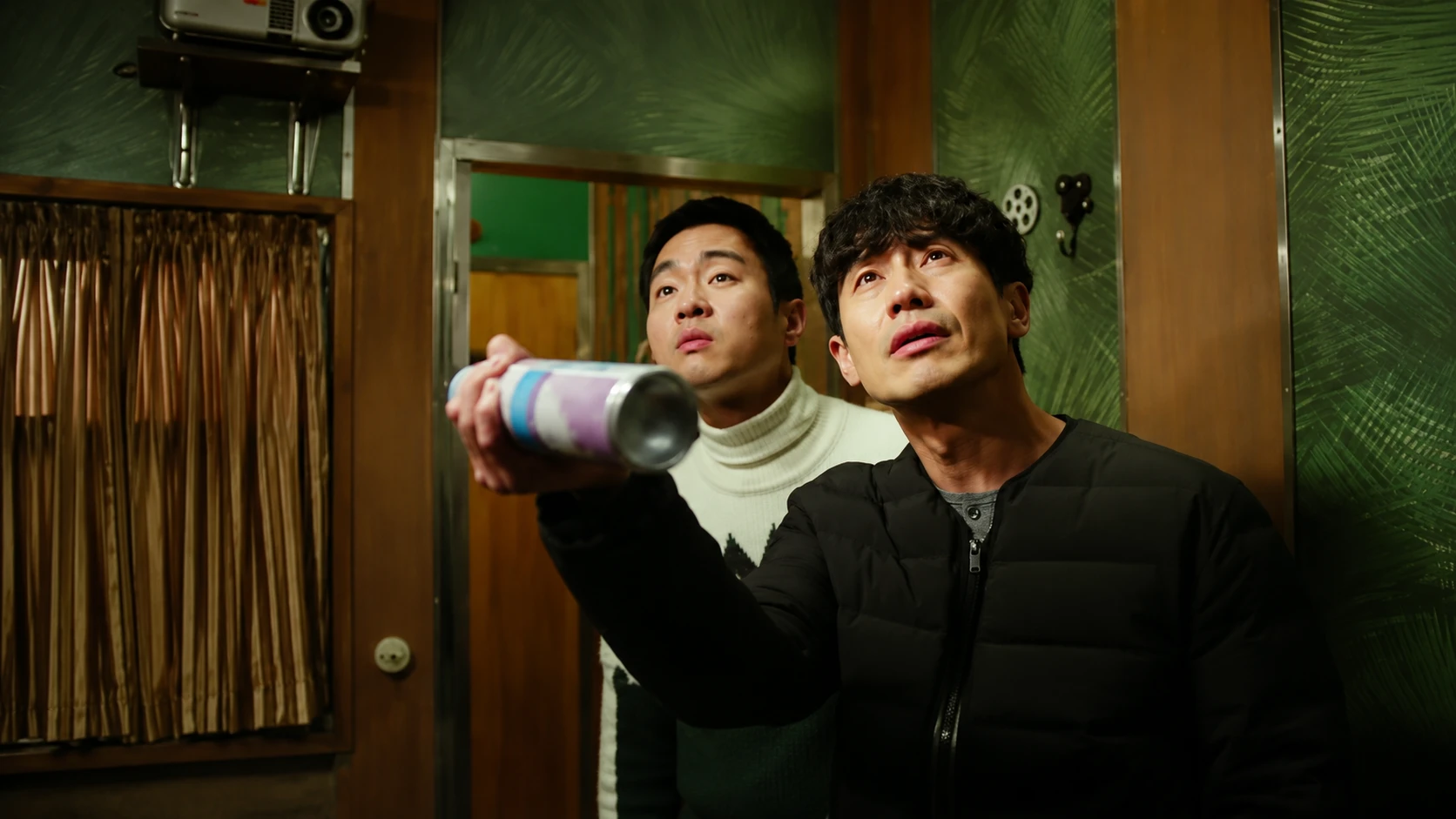
Now the same locked booth is holding two separate secrets that neither man knows the other has a stake in. Tae-jung needs back into that room to retrieve the drugs before his creditors run out of patience. Doo-sik needs it to stay locked forever. Each one reads the other’s odd behavior as suspicion, sabotage, anything but the actual, much stranger truth.
Outside pressure doesn’t let up long enough for either man to think straight. The real estate agent handling Doo-sik’s sale keeps scheduling walkthroughs at the worst possible moments, poking around a shop that now contains a corpse. Tae-jung’s creditors get louder and less patient by the day, showing up in person to make their point.
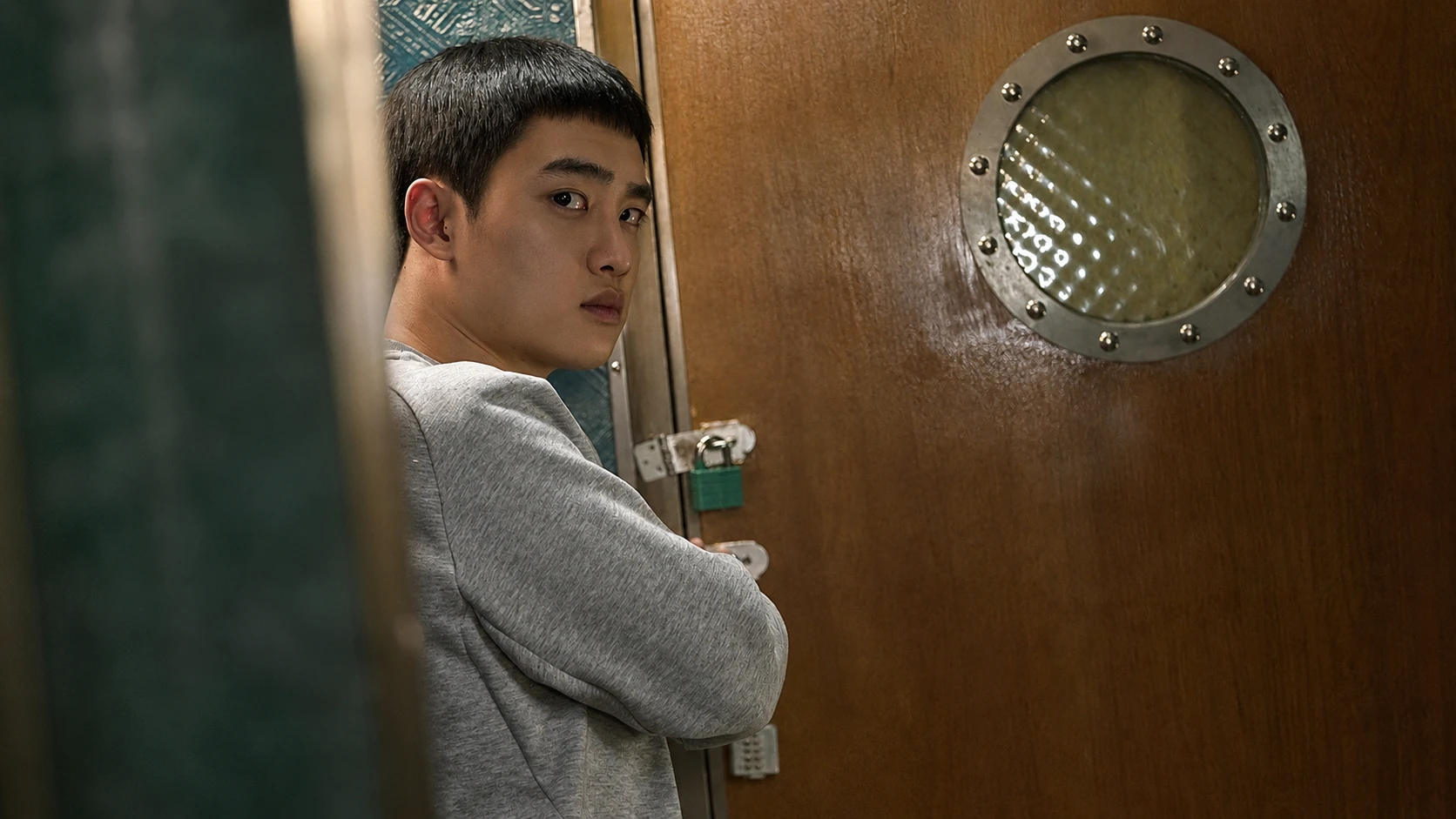
What makes the film work is how seriously it treats an inherently ridiculous situation. Nobody here is winking at the camera. The cramped, fluorescent-lit DVD bang becomes a pressure cooker almost by accident — every hallway conversation, every near-discovery, plays with the tension of an actual crime thriller even though the underlying comedy never really lets up.
By the time both men’s problems collide directly — the sale, the drugs, the body, all converging on the same locked door within days of each other — the film has stopped being about a DVD bang at all. It’s become a study of exactly how far two ordinary, broke men will go to protect secrets that are, in their own ways, equally desperate.
🏁 Ending Explained
Full spoilers from this point — what happened, and why.
Full Spoilers Ahead — This section covers the complete ending of Room No.7. Stop here if you haven’t watched.
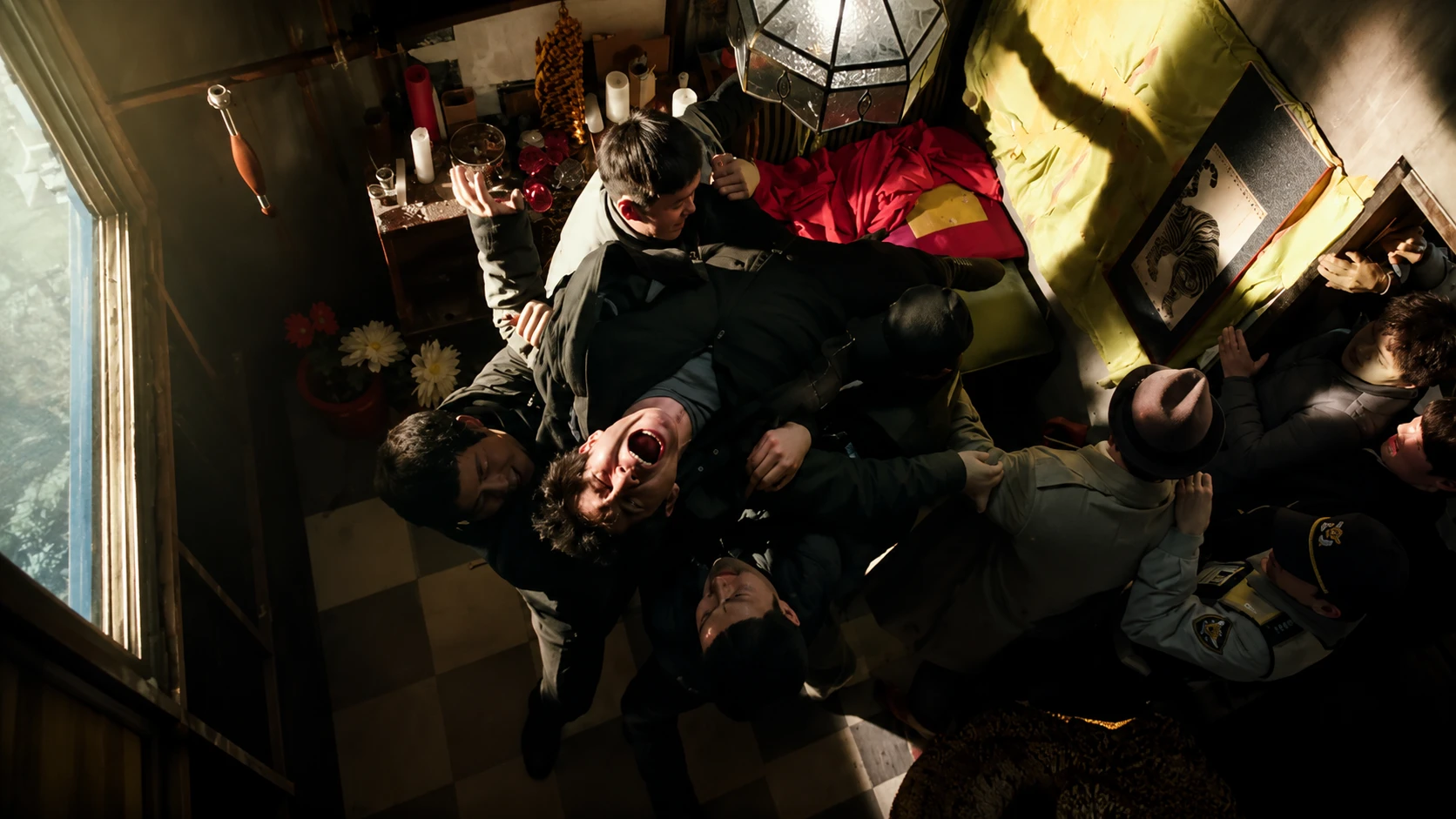
What actually happens Nothing gets cleanly resolved. In the finale, Doo-sik is still juggling buyer walkthroughs while trying to keep the body concealed, and Tae-jung gets cornered by the dealers demanding their product back, which spills into open confrontation inside the shop itself. The film never confirms whether the body is discovered, whether the drugs make it back to their owners, or whether the sale ever goes through.
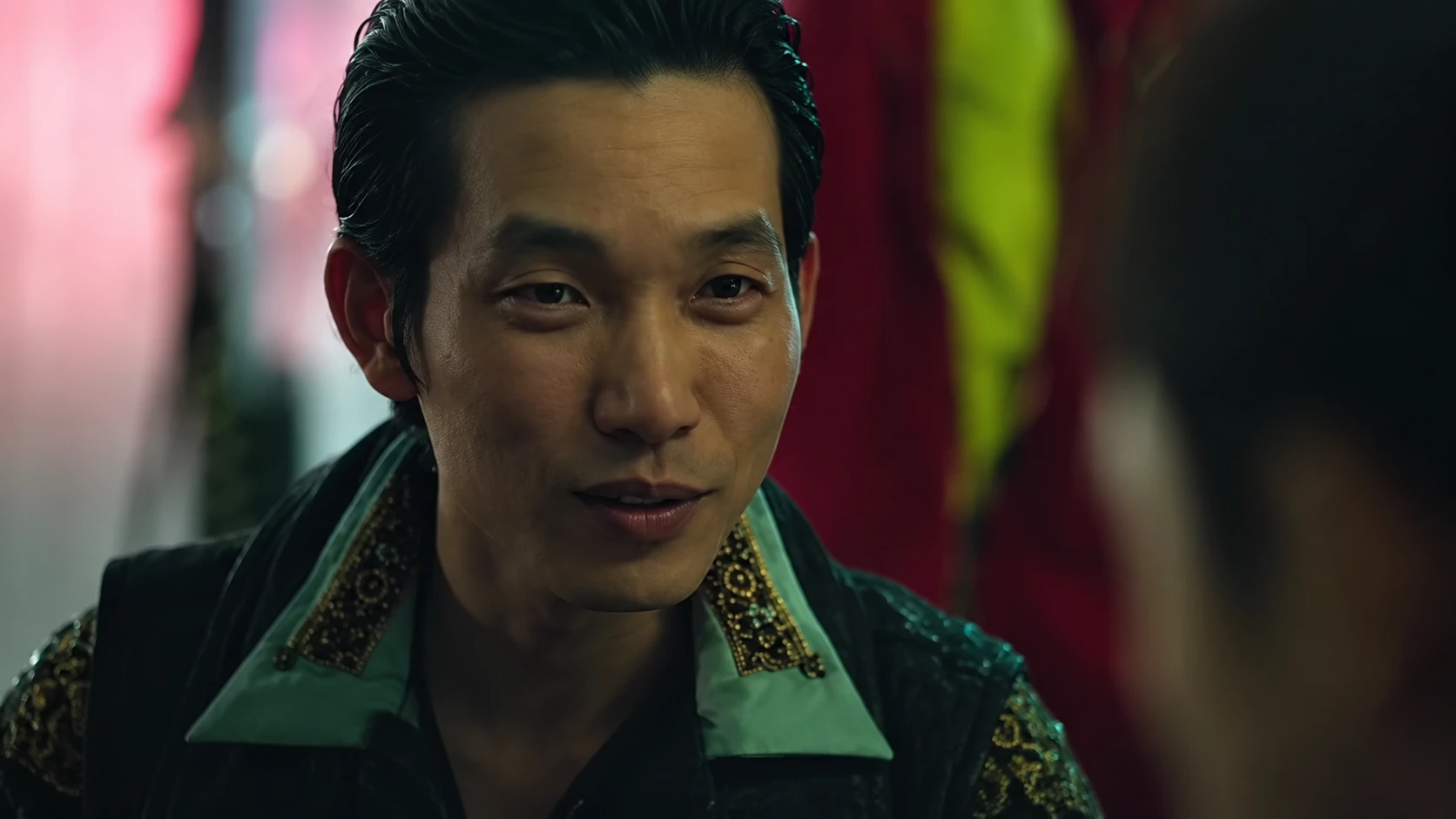
That’s a deliberate choice, not a loose thread. Both men spend the entire film convinced that solving their immediate problem — sell the shop, retrieve the drugs — will fix everything underneath it. The ending refuses to hand either of them that relief, which is arguably the most honest thing the film does.
Why the ending stays unresolved Read as a comment on economic desperation, the ambiguity makes more sense. Doo-sik and Tae-jung aren’t fighting a villain — they’re fighting circumstances that don’t have a tidy exit. Letting the plot stay open mirrors the reality the film keeps pointing at: for people already this far underwater, there usually isn’t a clean ending waiting for them either.
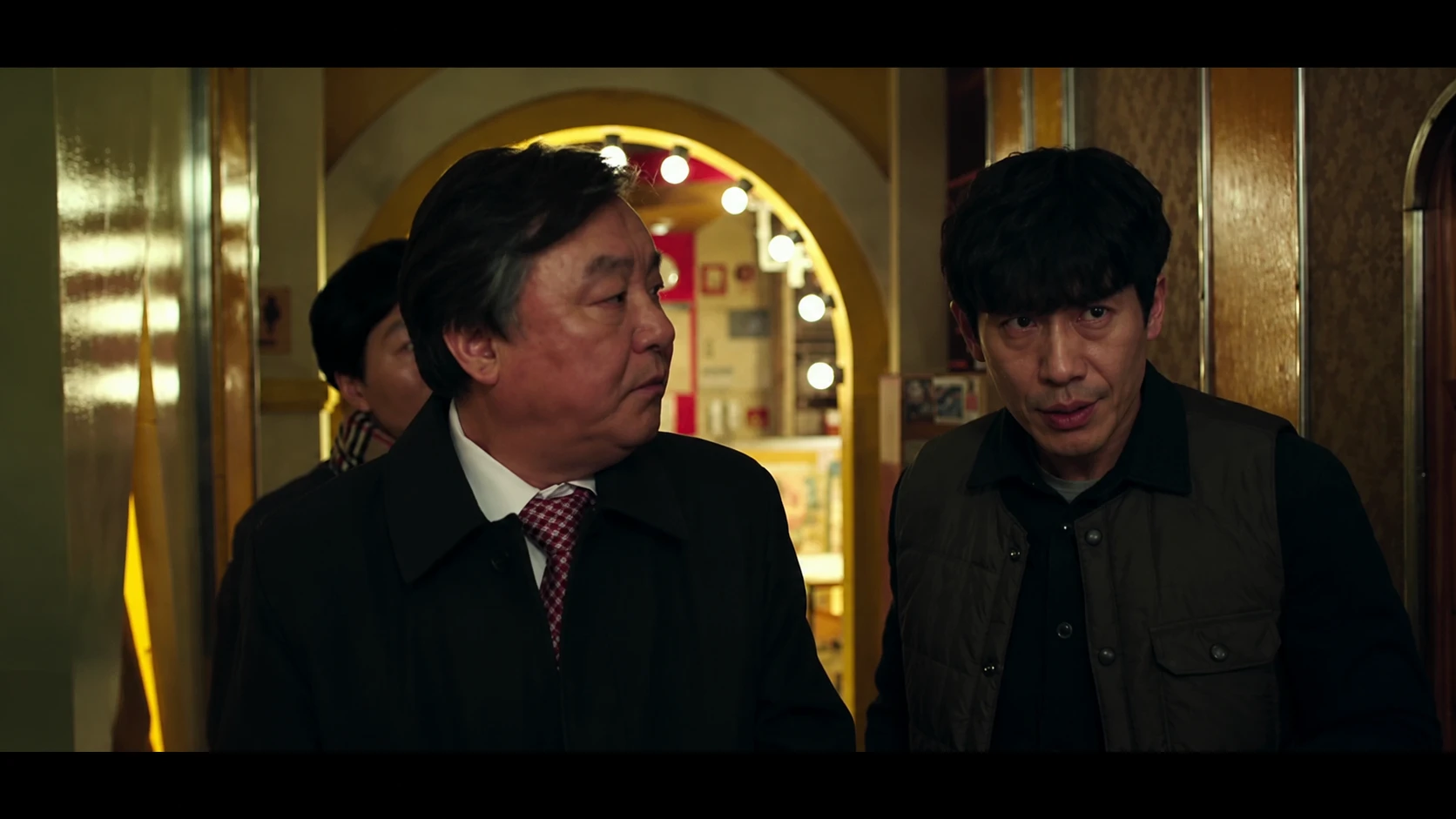
It also recontextualizes the opening stretch. What looked like two unrelated men with two unrelated problems turns out to be the same story told twice — both cornered by debt, both making one bad decision that snowballs, both locked in a room that was never really about a room at all.
The KDW verdict Room No.7 ends up being less about what’s behind the door and more about what it costs to keep it shut. The film’s refusal to give either man a win is the joke and the tragedy at the same time — a black comedy that means exactly what it says by never letting anyone off the hook.
✍️ KDramaWorlds Editor’s Take
Worth watching or not — our honest read, and who it’s for.
Lee Yong-seung
Known for: Lee Yong-seung wrote and directed Room No.7 off the real decline of Seoul’s DVD bang industry, using a single dying business as the setting for a much bigger story about debt. It’s a premise that lives or dies on tone control — funny enough to sell the absurdity, tense enough to sell the stakes, frequently within the same scene — and the film mostly pulls that balancing act off.
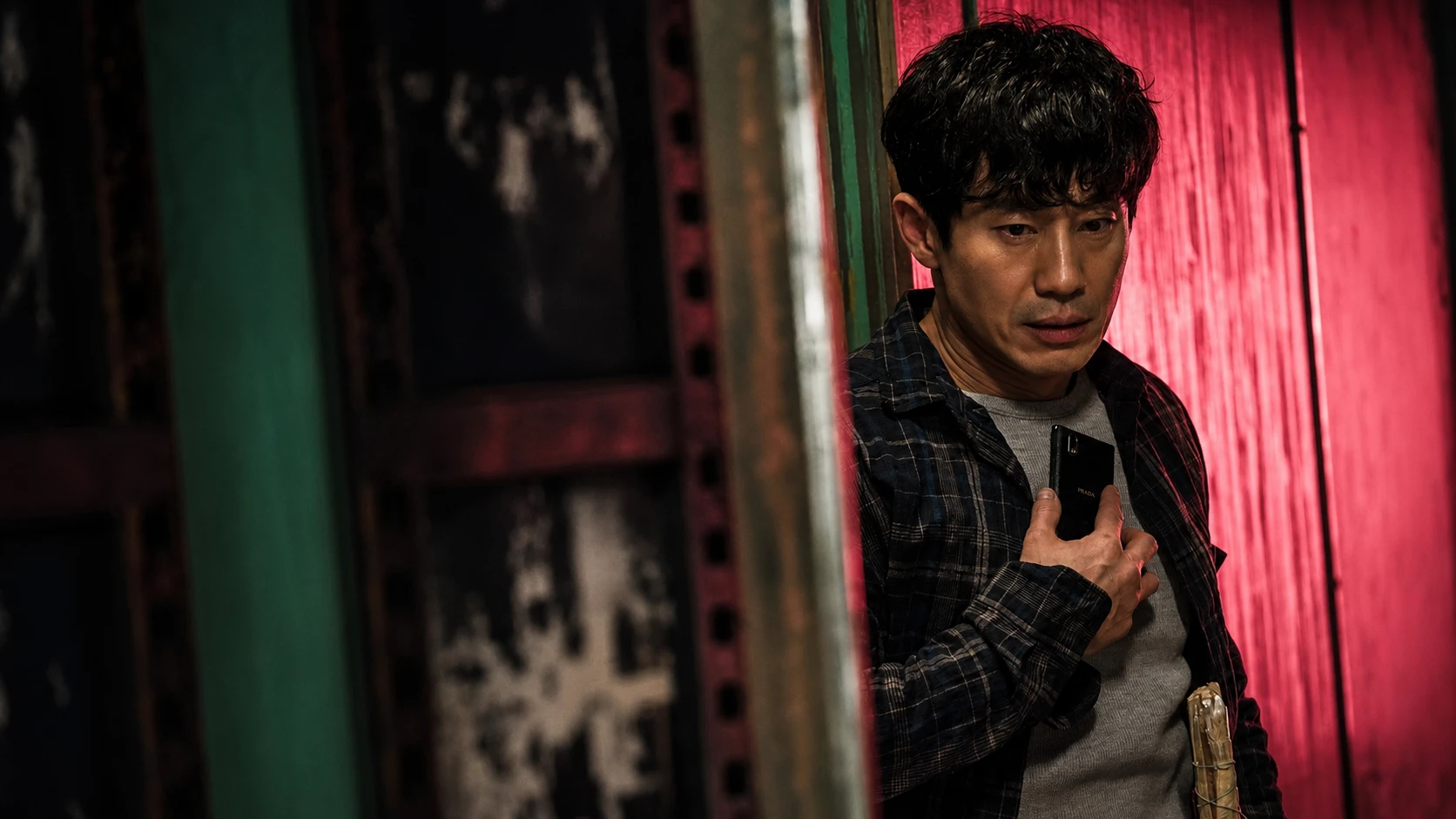
Shin Ha-kyun plays Doo-sik with a kind of exhausted stubbornness that sells the whole premise — he never plays the body-hiding as shocking, just as one more logistical headache on top of a pile he was already drowning in. Doh Kyung-soo matches him with a jitterier, more physical kind of panic as Tae-jung, all darting eyes and bad excuses. If you want a comparison point for that same trapped-by-circumstance energy played for higher stakes, No Other Choice mines a similar vein of an ordinary man pushed into extremes by money he doesn’t have.
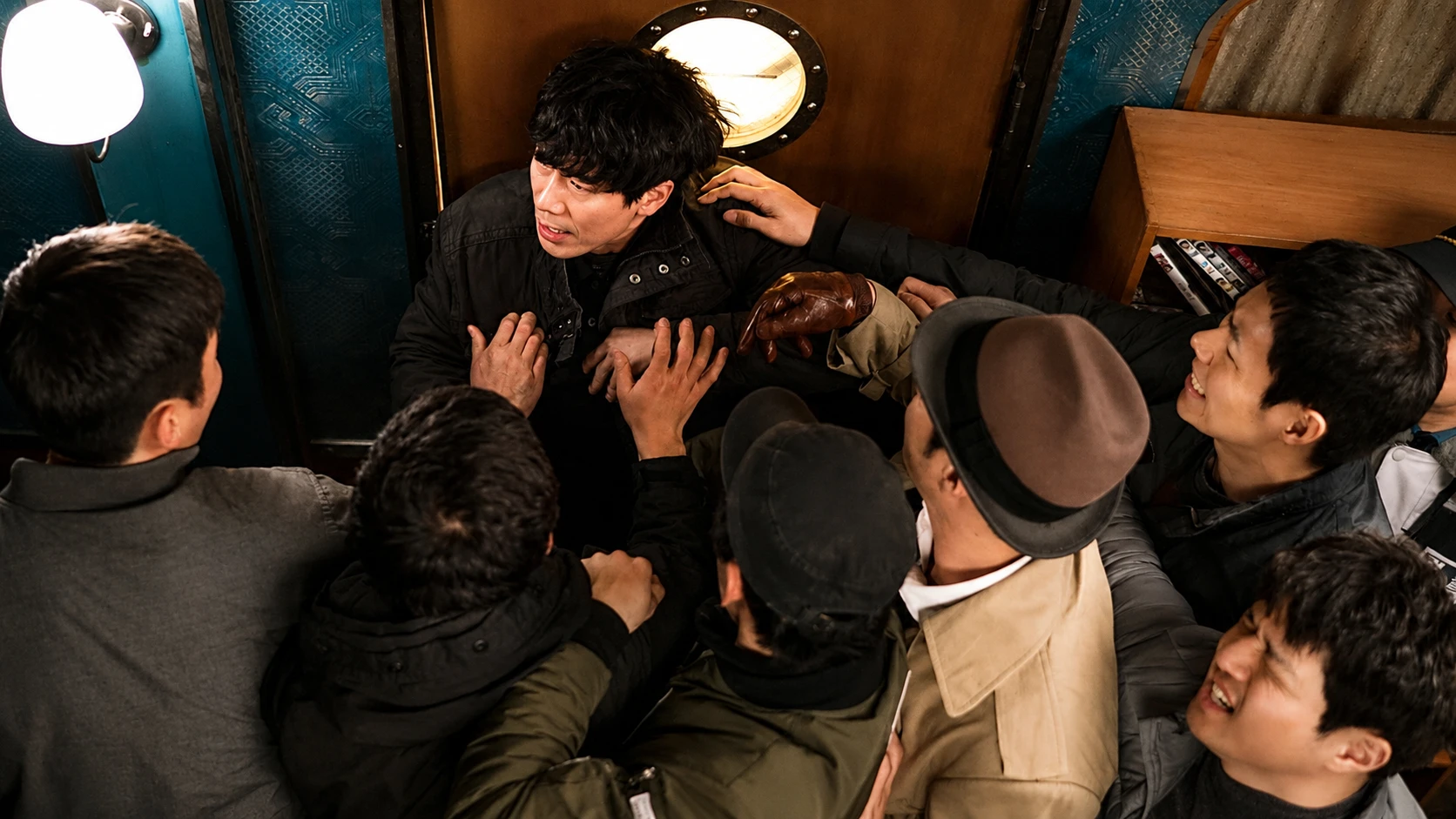
The direction leans hard on the DVD bang’s cramped geography, and it works — every hallway and booth door becomes a potential exposure point, which keeps the film’s energy up even in the stretches where the plot itself is just circling. It’s not as slick as an ensemble crime comedy like Smugglers, but it doesn’t need to be — the low-budget, single-location scrappiness is part of the joke.
This isn’t a film chasing prestige. It’s a tight, weird little B-movie that knows exactly what it is, and eight years after release it still has a small but loyal following of people who bring it up specifically because nothing else quite does what it does.
🎬 You Might Also Like
If you liked Room No.7, these are your next three watches.
 Under the Gun
coming of ageFamily Crisis
Read Full Review →
|
 Bitter Sweet Hell
Black Comedyblackmail
Read Full Review →
|
 My Happy Ending
ChaebolJang Na-ra
Read Full Review →
|

















Keep it kind, skip the harsh language, and please — no spoilers. Everyone's taste is different, and that's perfectly fine.
This space is for real reactions and discussion from other viewers. Help keep it comfortable for everyone by not giving away major plot details.
What do you think of this drama?
Login to share your review or leave a comment.
No email needed — just pick a username & password.