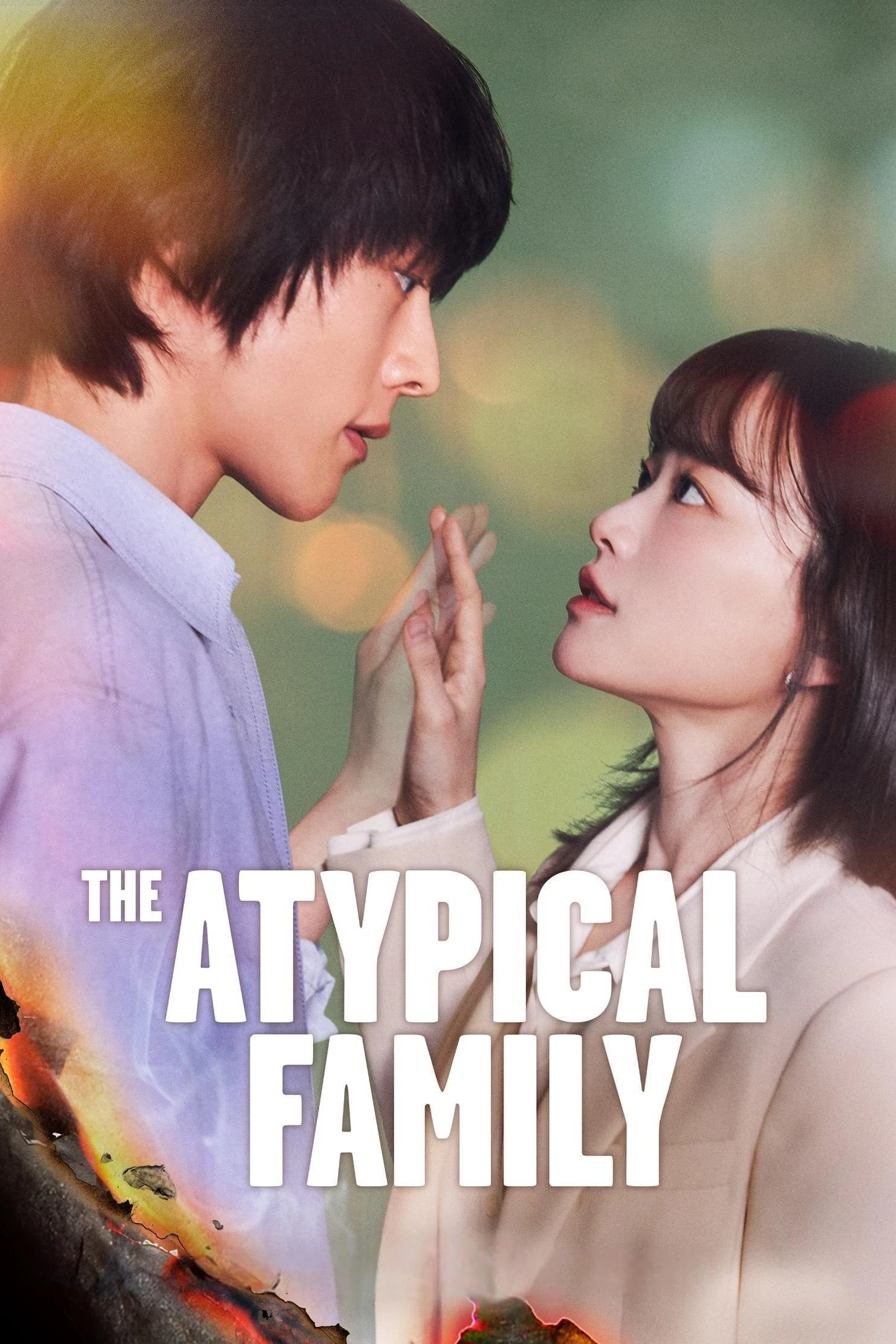
The Atypical Family
🎬 Netflix · TVING
⭐ 8.4 / 10 MDL
🔞 15+
📋 Drama Overview
Start here — the basics before the first scene.
💛 Fantasy Romance
TVING
The Bok family has long inherited extraordinary supernatural powers — Gwi-ju can travel back to his happiest memories, his mother dreams the future, his sister can fly, and his daughter can read minds through eye contact. But modern life has gutted every one of them: Gwi-ju (Jang Ki-yong) is paralyzed by depression after losing his wife, his mother can’t sleep, his sister can’t fly, and his daughter can’t look up from her phone. The family is rich, haunted, and quietly falling apart.
Into this wreckage walks Do Da-hae (Chun Woo-hee) — a seasoned con artist sent by her scheming family to extract money from the Bok fortune. She is sharp, calculating, and very good at reading people. What she isn’t prepared for is actually liking them. What unfolds is less a romance in the traditional sense and more a story about two broken people figuring out what they owe themselves — and each other.
12 / 12 ✅ Completed
⚡ Quick Verdict
The TL;DR, boxed and ready.
· MDL Score · 40,186 ratings
▶ Official Trailer
🎭 Cast & Characters
A superpowered family, a con artist with a plan, and the feelings nobody budgeted for.

Lead
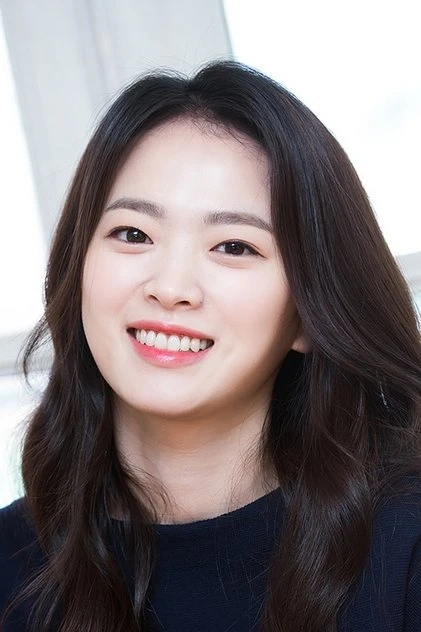
Lead

Supporting

Supporting

Supporting

Supporting
📺 Episode Guide
Spoiler-light recaps — enough to remember where you left off, nothing that ruins the surprise.
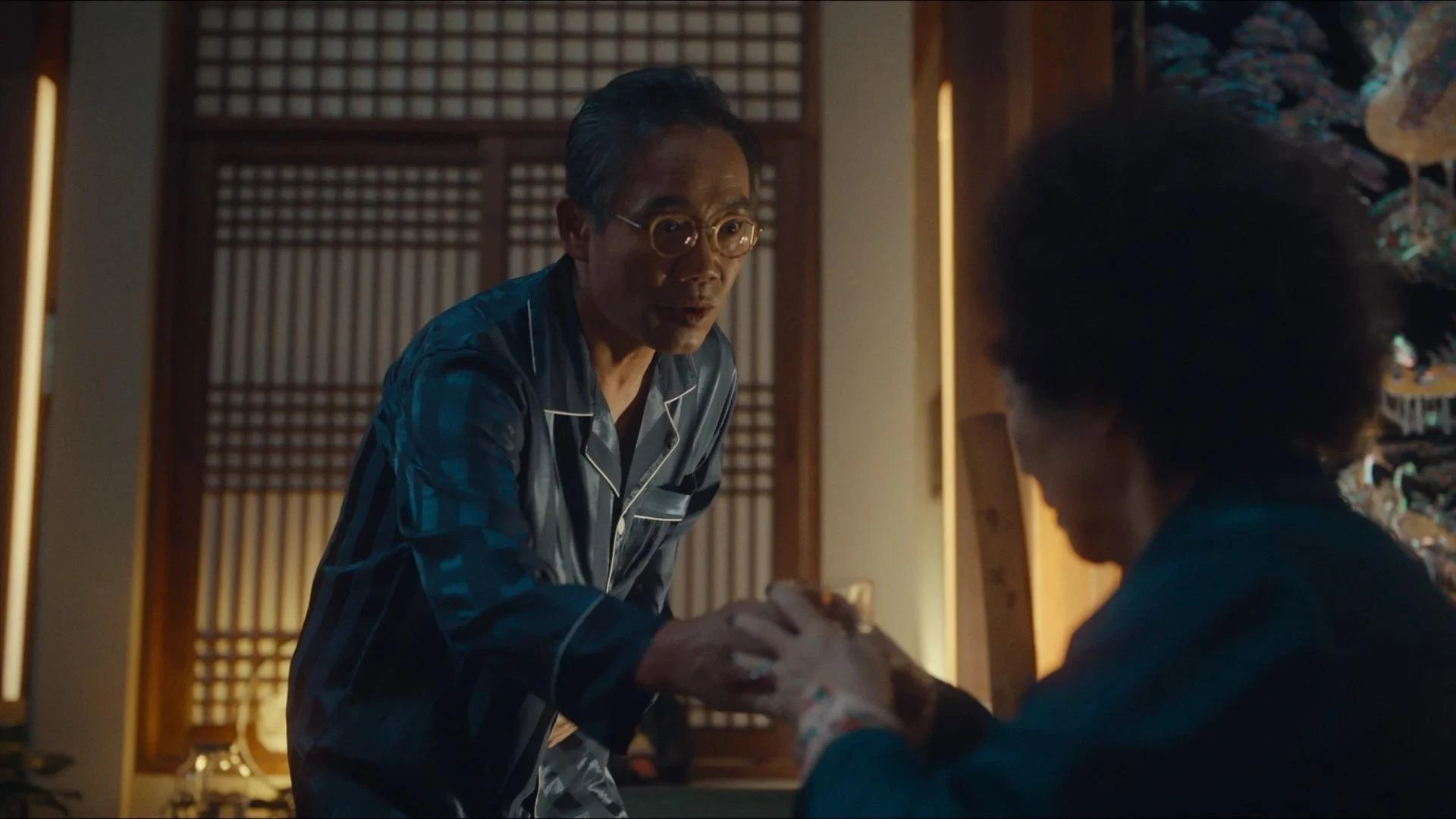
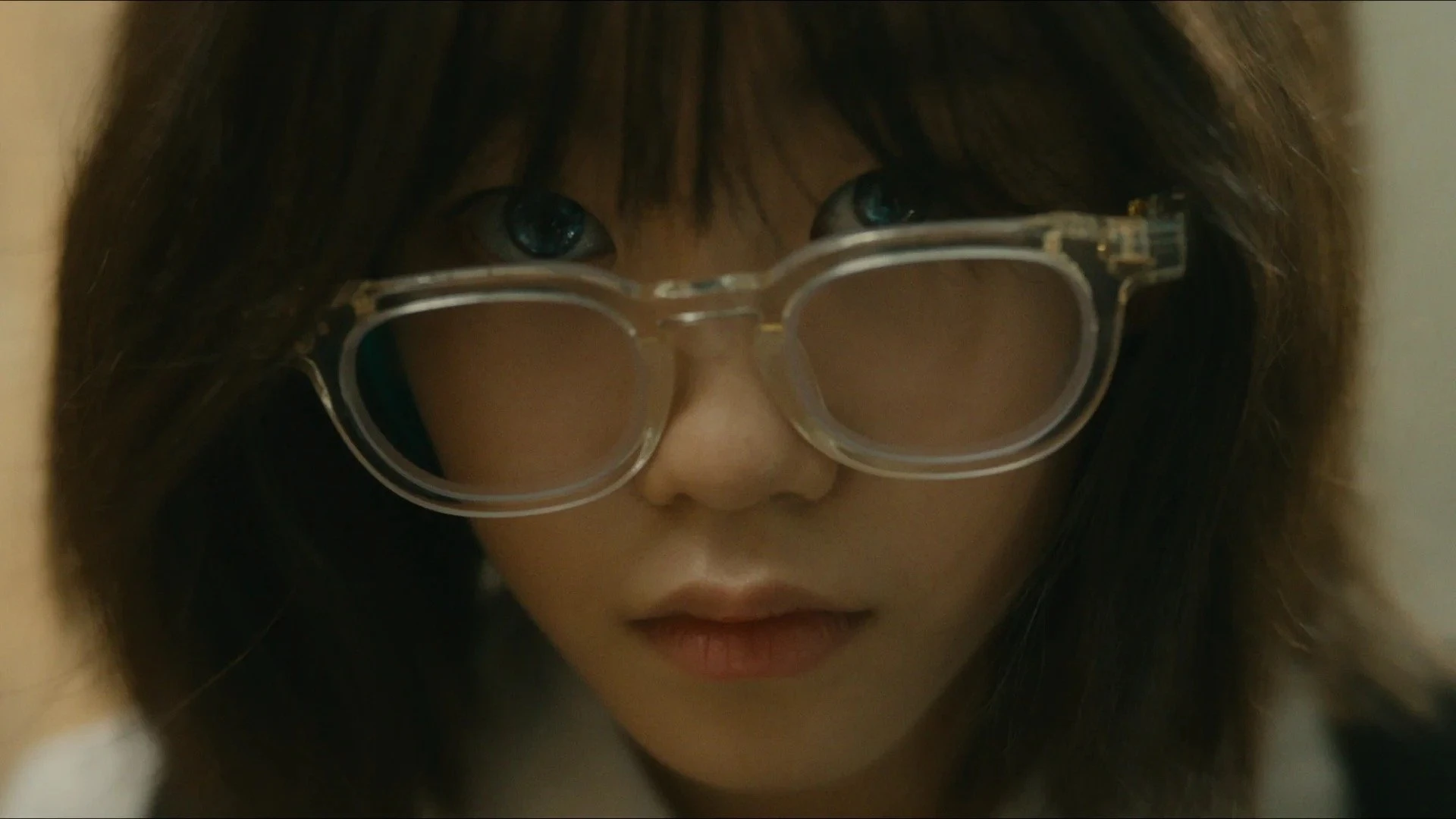
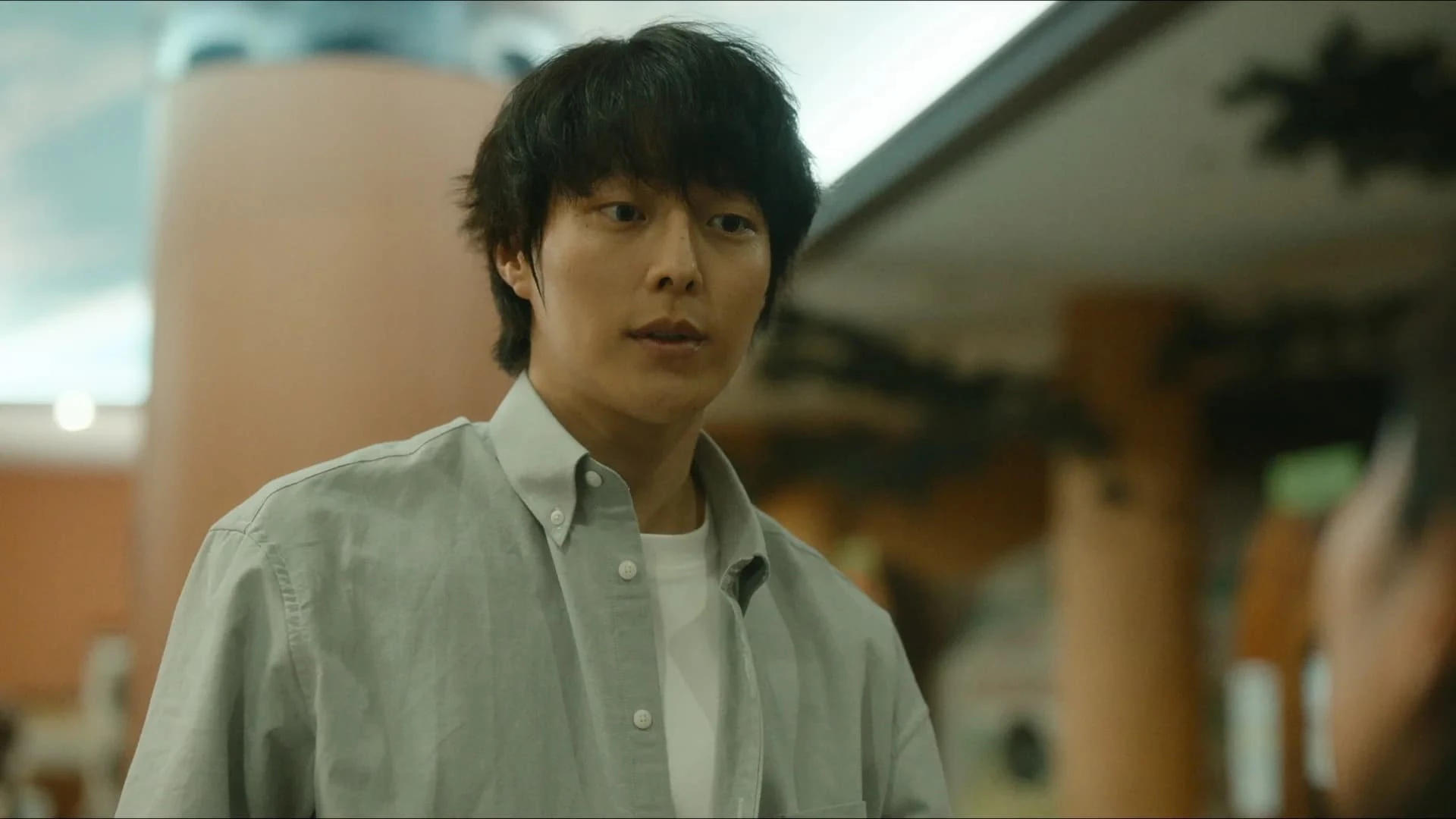
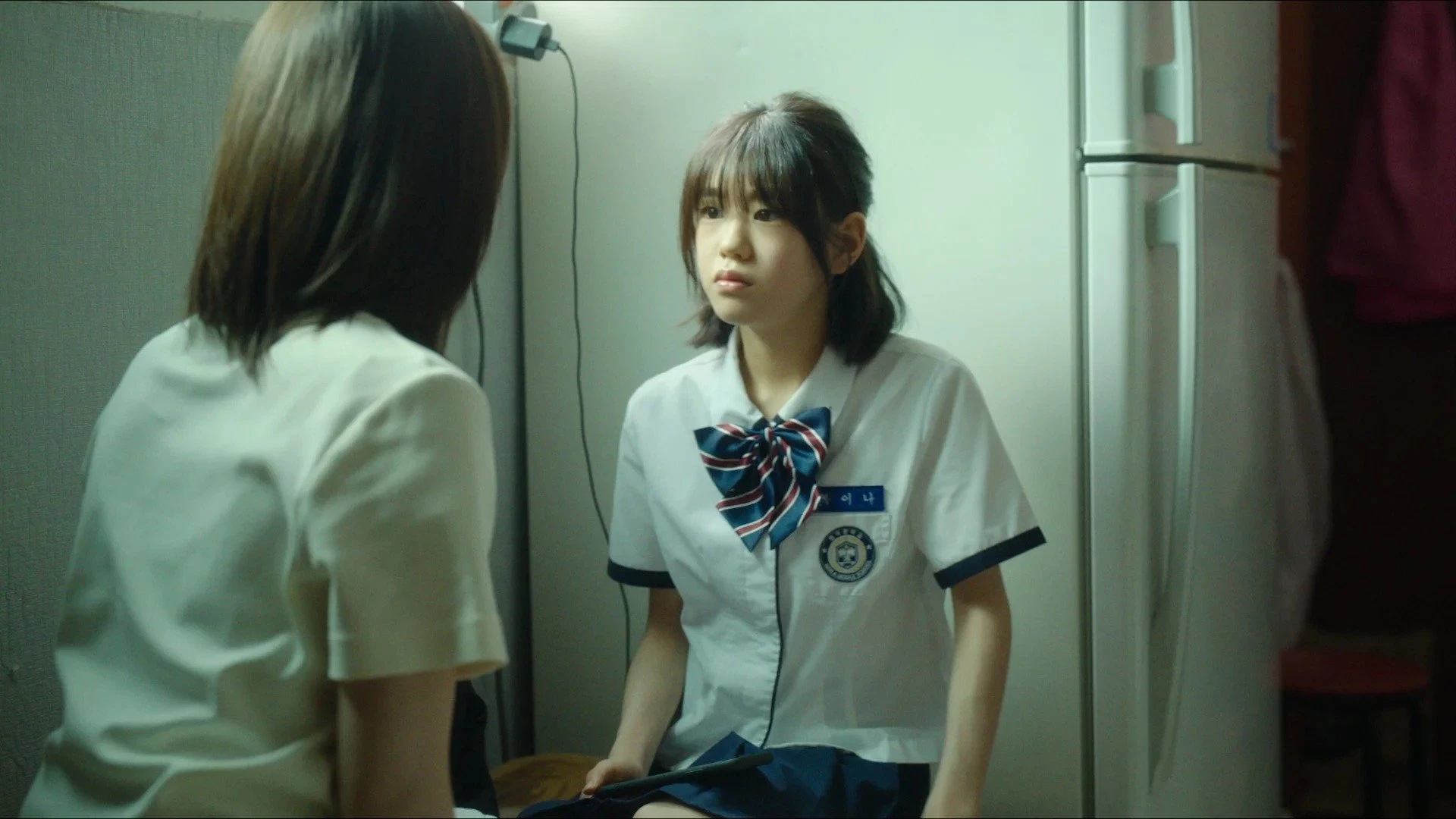
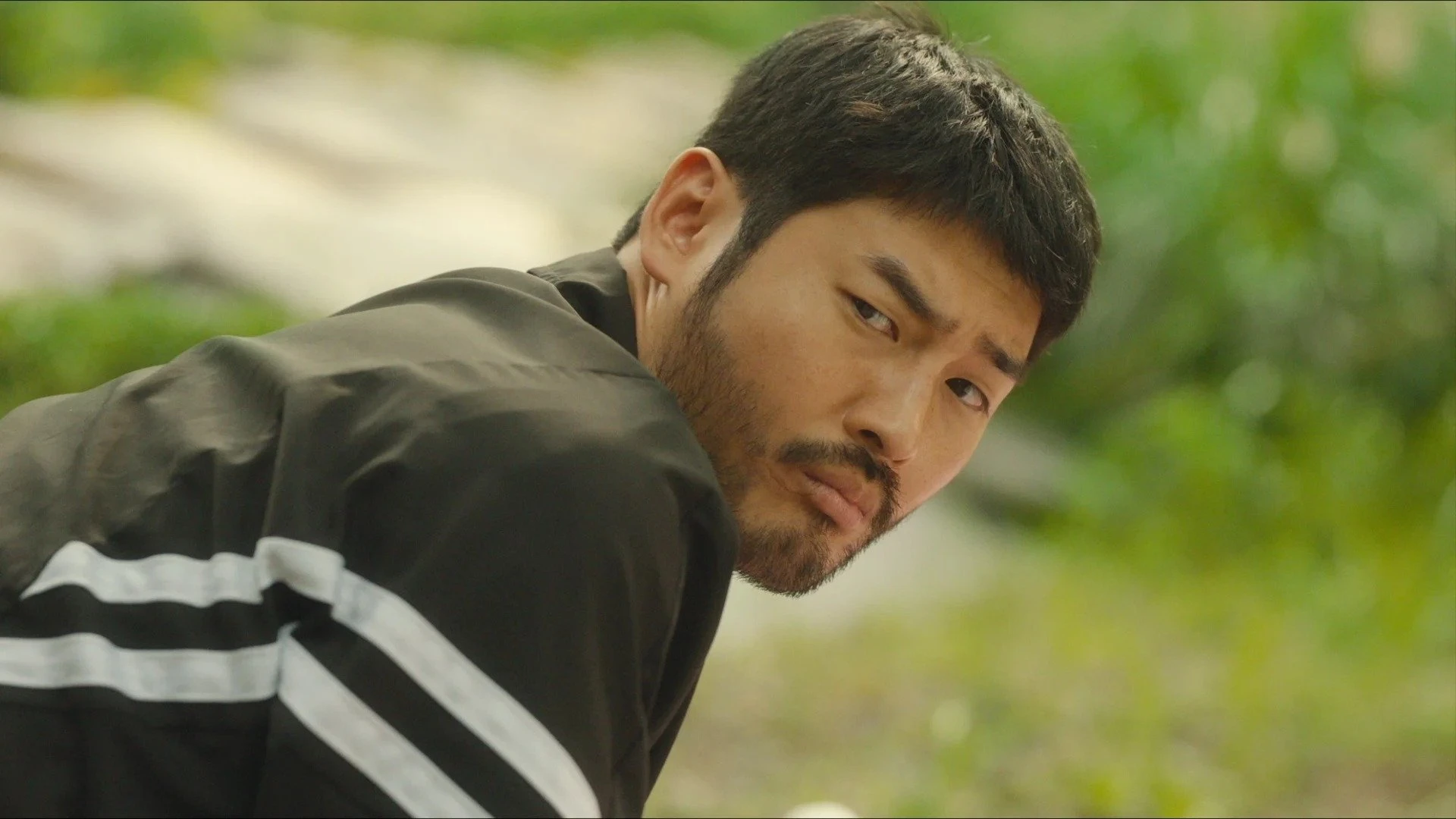
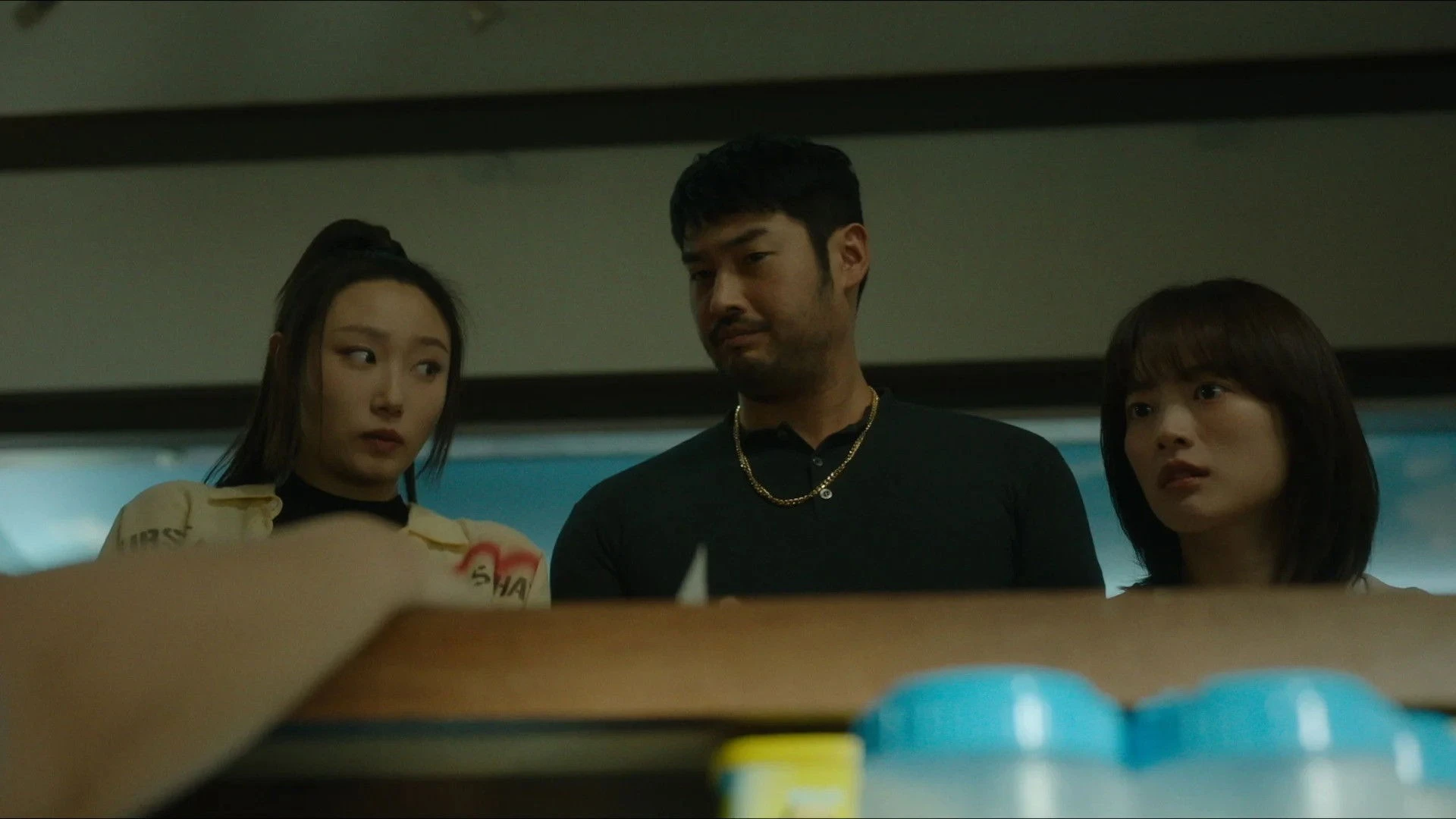
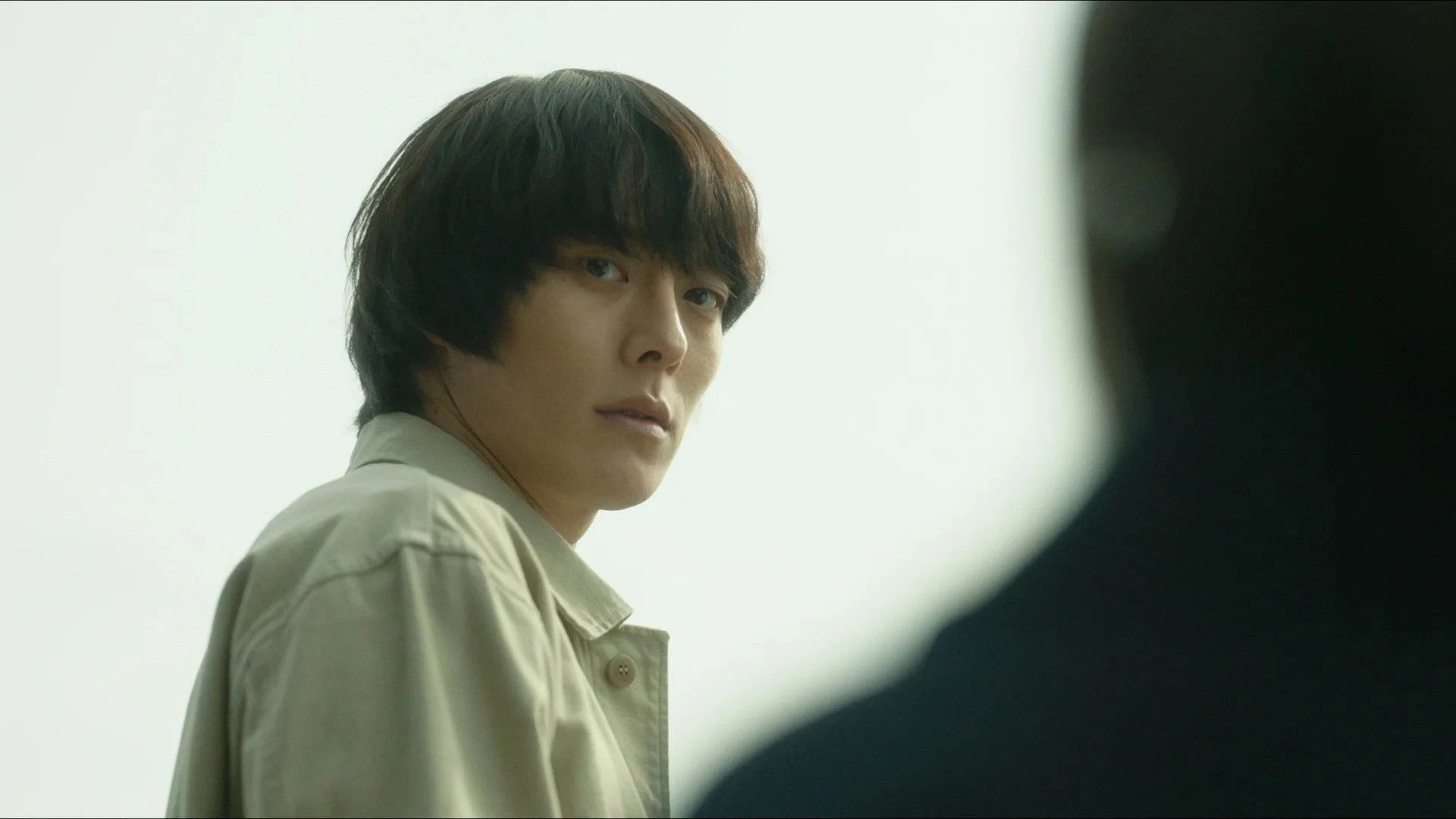
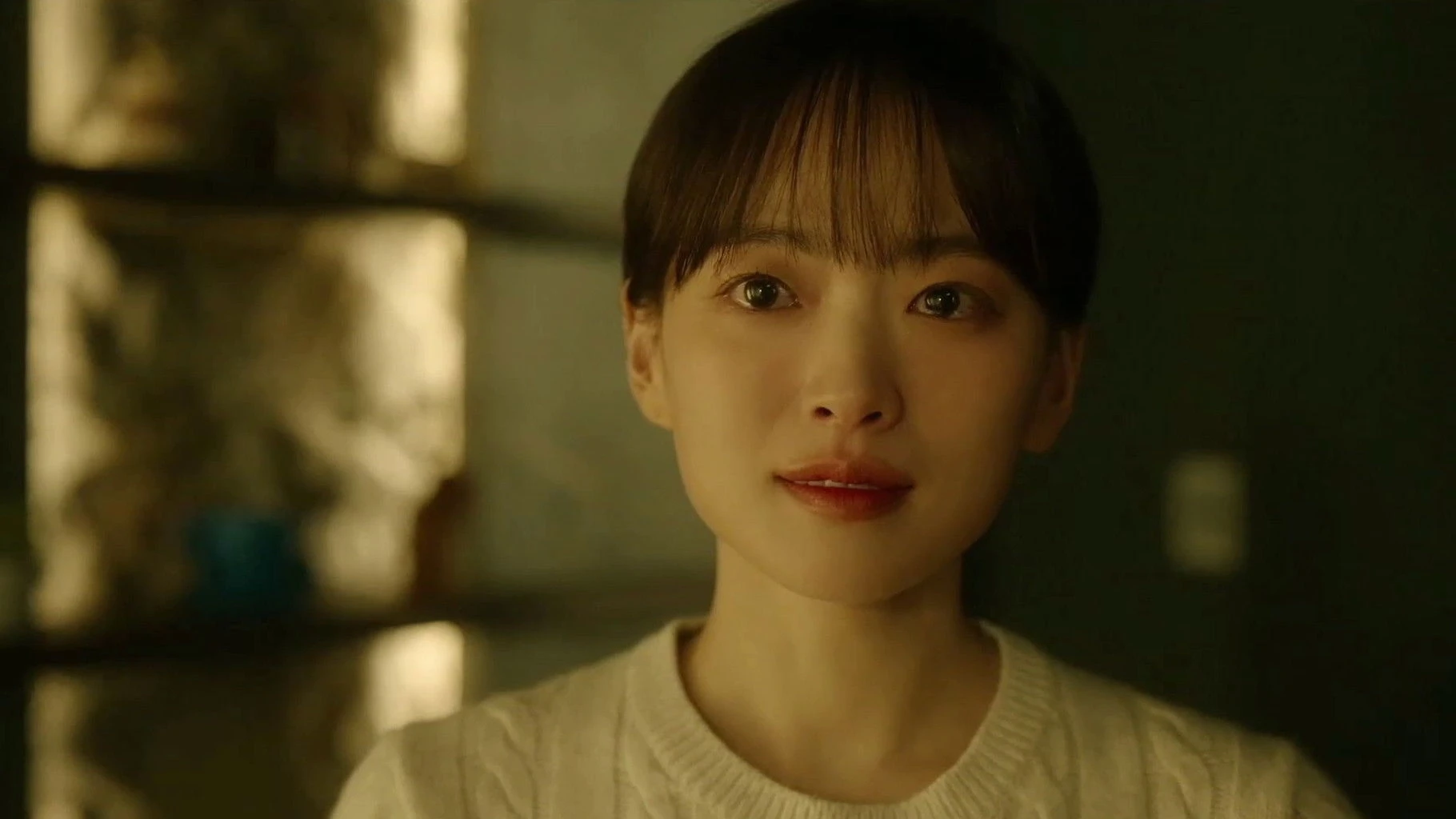
🏁 Ending Explained
Spoiler territory from here — the finale, fully unpacked.
Spoiler Warning — This section covers the full finale of The Atypical Family. Stop here if you haven’t finished the series.
The finale is built around a single idea: that the superpowers the Bok family lost weren’t taken by modern life — they were surrendered to it. Each character’s inability to use their gift was never a physical limitation. It was emotional. Depression, grief, shame, and disconnection had closed the door on abilities that are, at their core, expressions of love and intuition. The finale earns its resolution by making this explicit: the powers don’t return because circumstances improve. They return because the people holding them finally decide to come back to themselves.
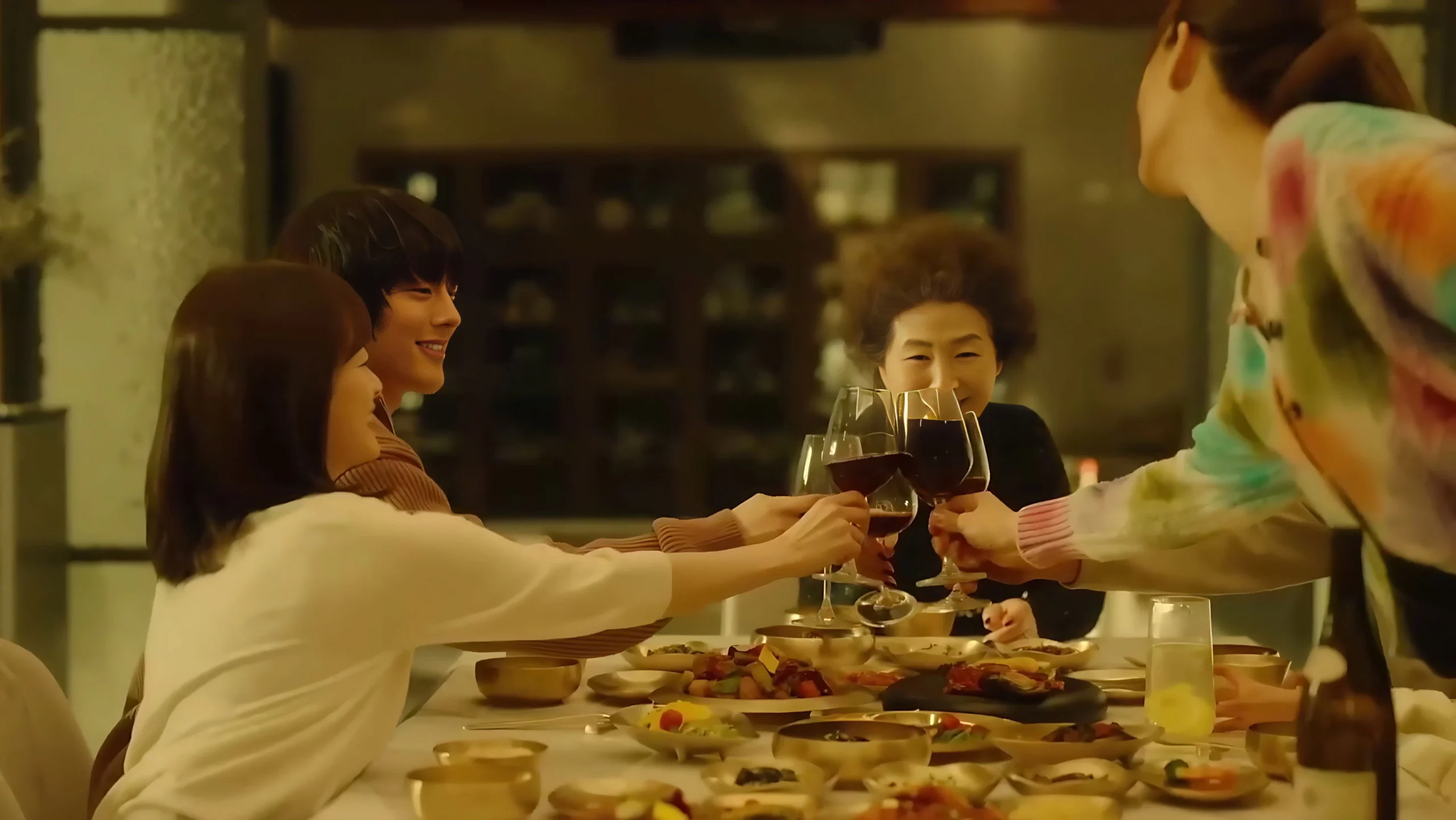
Gwi-ju’s resolution is the most complex: he travels back in time one final time — but not to change anything or to linger in a happier moment the way he used to. He goes back to understand it. The time-travel ability, which began as an escape mechanism and became his prison, is finally used as a tool for clarity. He sees his late wife’s death for what it was, without the guilt that had calcified around the memory for years. He comes back to the present — to Da-hae, to I-na, to a life that exists now rather than then. It’s a small distinction, and the drama is smart enough to know that small distinctions are the ones that actually save people.
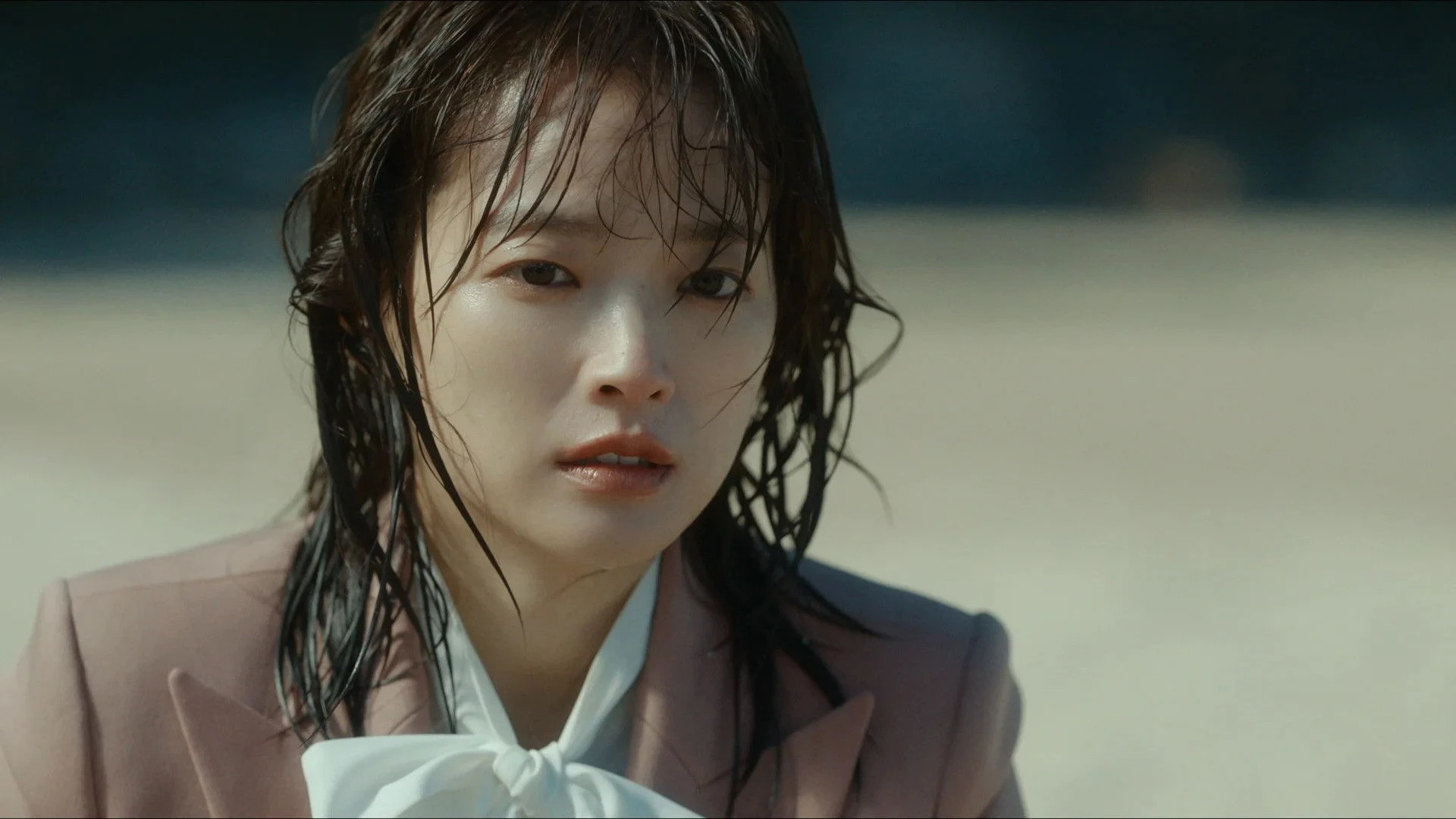
Da-hae’s arc pays off precisely because the drama never simplified her. She doesn’t abandon the con because love reformed her — she abandons it because she chose, clearly and deliberately, who she wanted to be. Her step-mother Baek Il-hong is exposed and loses her leverage, but the meaningful moment comes before that: Da-hae walking away of her own volition, not rescued, not cornered. Dong-hee discovers she can fly again — and crucially, the show makes clear it has nothing to do with her weight. It was always about the emotional block she’d been living inside, not her body. I-na stops hiding her mind-reading behind glasses and uses it openly, as something she owns rather than something that isolates her. Man-heum’s precognitive dreams return, quieter and more settled than before.
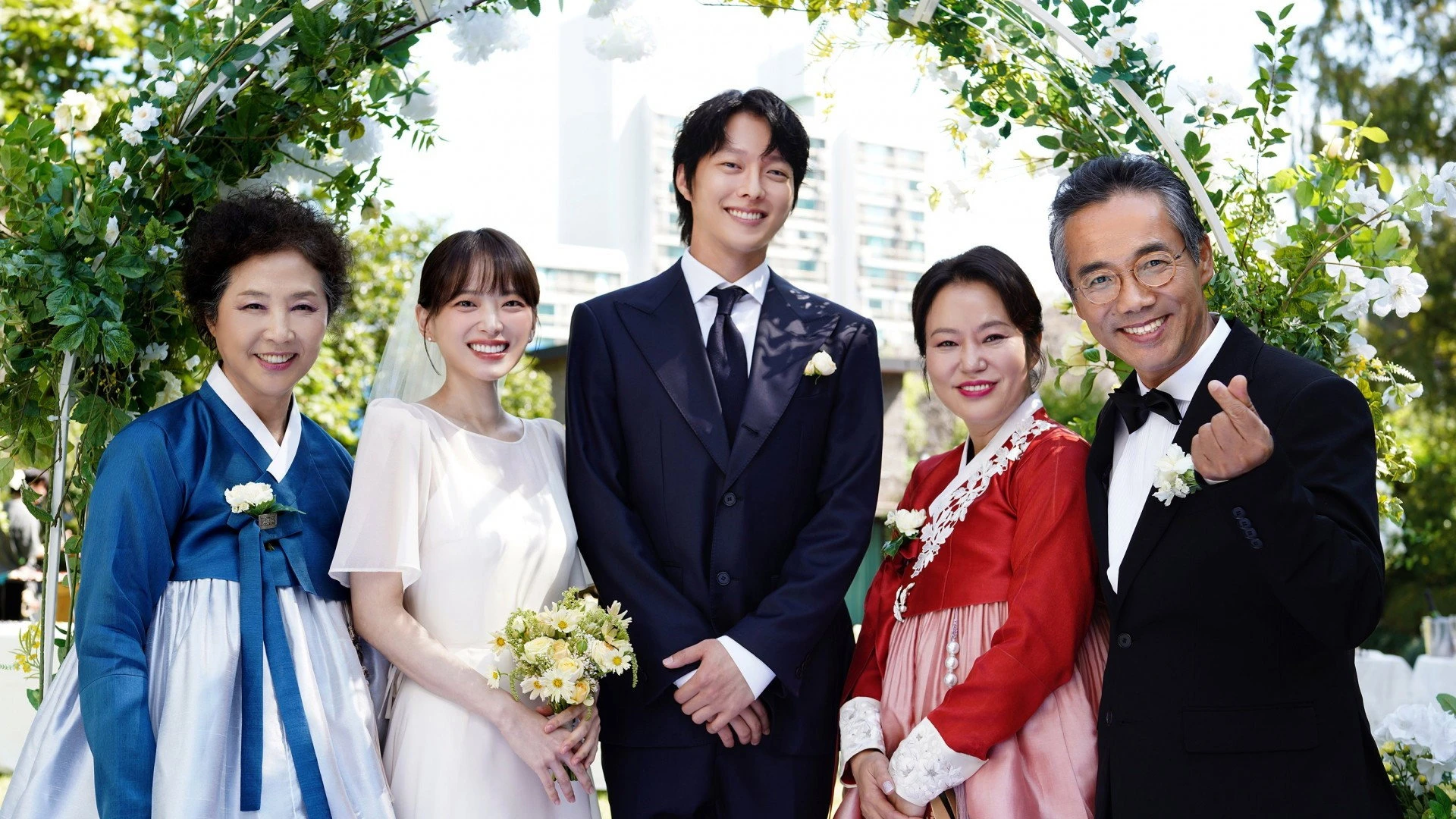
The final image of the Bok family — restored, reconnected, and quietly extraordinary — is genuinely moving because the drama spent twelve episodes making sure it would be. Nothing about the resolution is surprise-dependent; we knew this family was capable of this. What the finale gives us is the confirmation. Gwi-ju and Da-hae confess and commit without fanfare. The Bok house, which opened the series feeling like a beautiful tomb, now feels inhabited. The Atypical Family ends the way the best healing dramas do — not with a miracle, but with a choice.
✍️ KDramaWorlds Editor’s Take
The drama that The Atypical Family most wants to be — and mostly succeeds at being — is something like a Korean Encanto for adults: a story where magical gifts are really about the emotional lives of the people who carry them, and where healing is communal rather than individual. Director Jo Hyun-tak leans hard into atmosphere over plot mechanics, and that is both the show’s greatest asset and the source of its most common complaint. If you come for the con-artist romance, you’ll get it. If you come for the fantasy logic, you’ll eventually be disappointed. The show is interested in people, not puzzles, and it never pretends otherwise.
Chun Woo-hee is doing something genuinely difficult here. Do Da-hae is a con artist who is never fully redeemed and never fully condemned — she operates in the moral middle ground where most interesting characters live, and Chun plays her without softening the edges. Her performance in episodes 5 through 7, when Da-hae is simultaneously falling for a family she came to rob and trying to pretend she isn’t, is among the best work of her career. Jang Ki-yong’s Gwi-ju is a quieter creation — a man so deep inside his depression that his emotions register in millimeters rather than inches — and while that restraint is the point, it does occasionally make the romance feel asymmetric. The relationship works best when the drama lets Da-hae do the emotional heavy lifting and trusts Gwi-ju to follow. It also helps that Moving (2023), which explores a remarkably similar premise of inherited superpowers and family trauma, takes the more action-driven route — The Atypical Family earns its place as the gentler, more introspective version of that story.
The middle stretch (episodes 7 through 9) is where the drama loses its footing temporarily — not because anything goes wrong, but because the show slows to a pace that tests patience before the final act snaps everything back into place. The supporting cast earns its runtime: Park Soi as the quietly observant I-na is a revelation, and Claudia Kim’s Dong-hee arc — which handles themes of body image with more care than most dramas attempt — gives the show genuine emotional range. The finale’s fantasy logic asks for a certain amount of faith, but by that point the drama has built enough goodwill that most viewers will extend it. Watch it if you want a fantasy romance that actually means something. Skip it if you need your superpowers to have rules.
Viewers who love found-family stories with real stakes
Anyone who thought Encanto needed a con artist subplot
🎬 You Might Also Like
If you liked The Atypical Family, these are your next three watches.
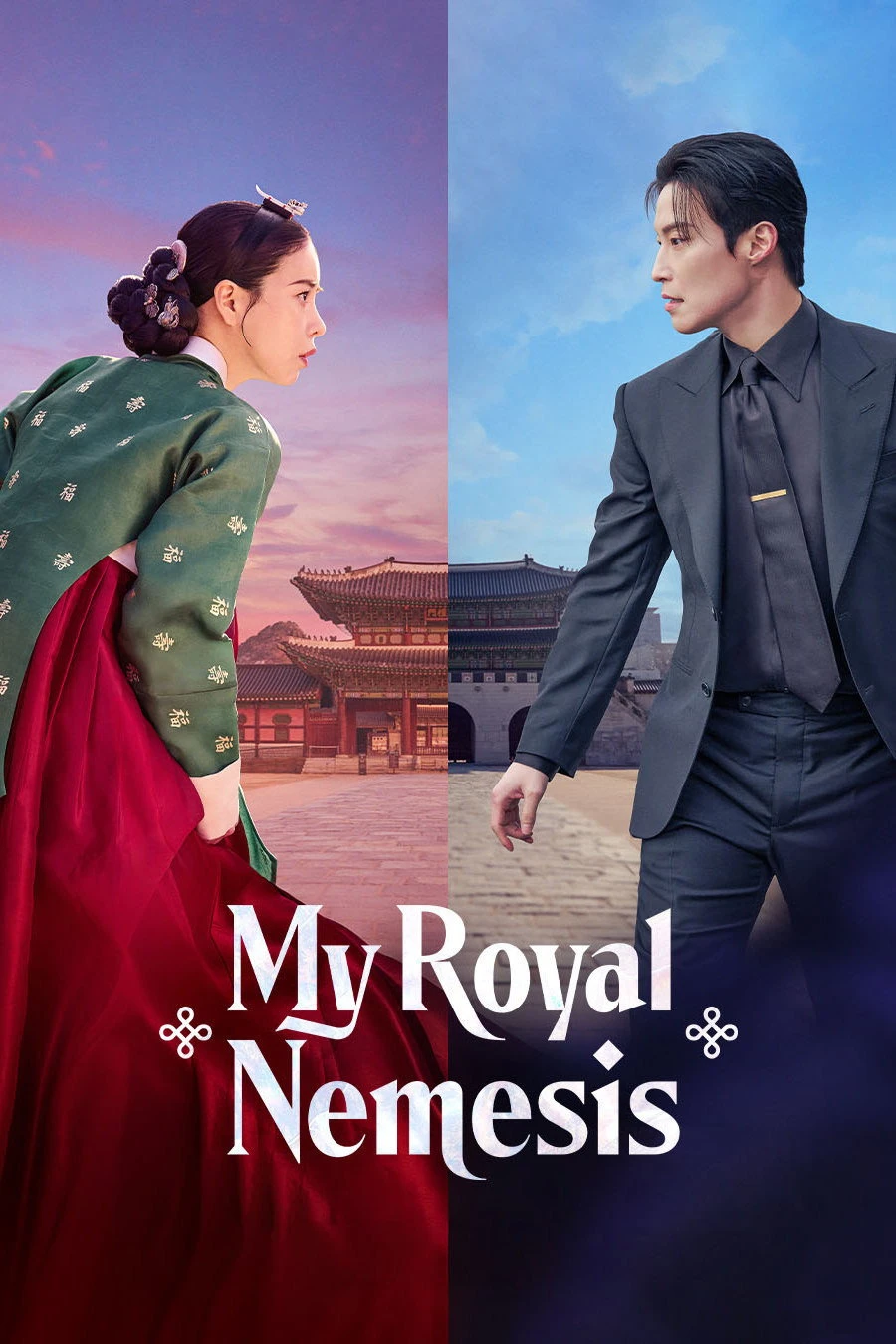 My Royal Nemesis
ChaebolEnemies to Lovers
Read Full Review →
|
 The WONDERfools
action comedyCha Eun Woo
Read Full Review →
|
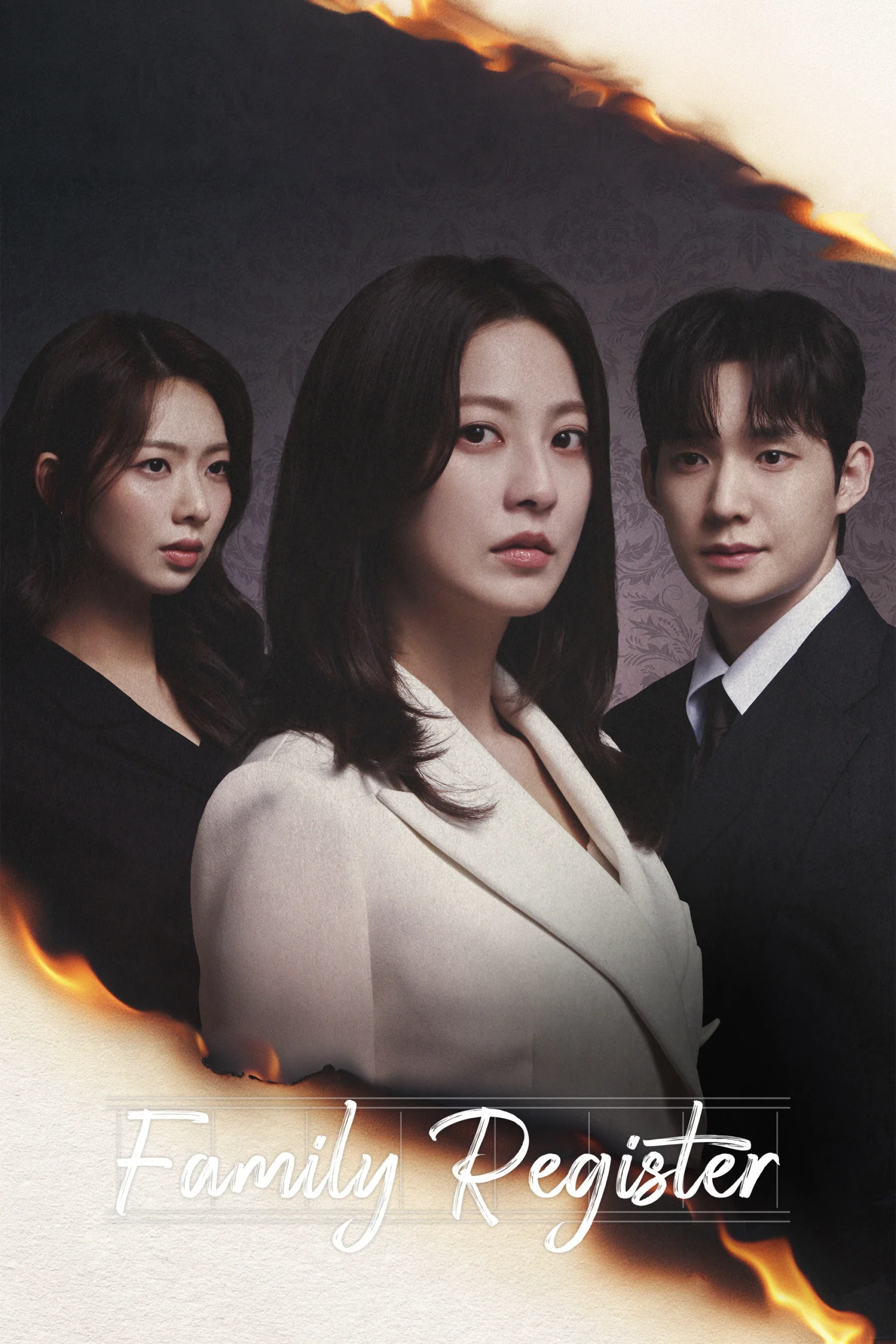 Family Register
Daily Dramafamily drama
Read Full Review →
|








Keep it kind, skip the harsh language, and please — no spoilers. Everyone's taste is different, and that's perfectly fine.
This space is for real reactions and discussion from other viewers. Help keep it comfortable for everyone by not giving away major plot details.
What do you think of this drama?
Login to share your review or leave a comment.
No email needed — just pick a username & password.