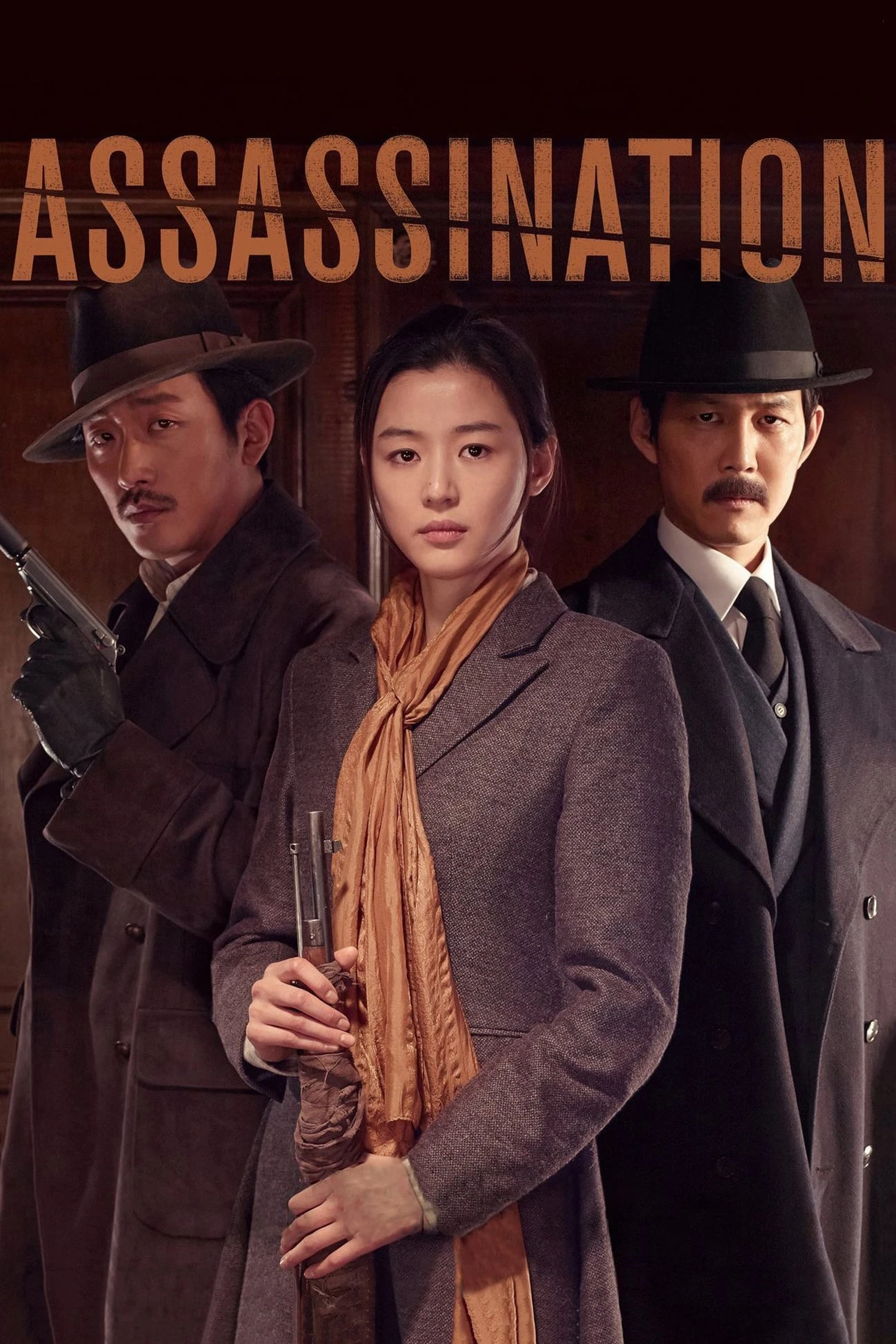
Assassination
🎬 Film Overview
A film about an assassination that nearly everyone in the story wants to stop. In 1933, the Korean Provisional Government sends three misfits, a sniper, a weapons dealer and an explosives expert, to kill a Japanese general and the wealthy collaborator Kang In-guk. The man who recruited them is secretly selling the plan to the Japanese, and the contract killer he hires to hunt them down, Hawaii Pistol, cannot stop looking at the sniper he is supposed to shoot. Choi Dong-hoon mixes caper rhythms, a twin-sisters secret and a Shanghai-to-Seoul chase, and the result is a heist movie wearing a freedom-fighter’s coat. It won Best Film at both the Blue Dragon and Baeksang awards.
⚡ Quick Verdict
Everything you need to decide, in one place.
Watch Assassination Free (US Only)
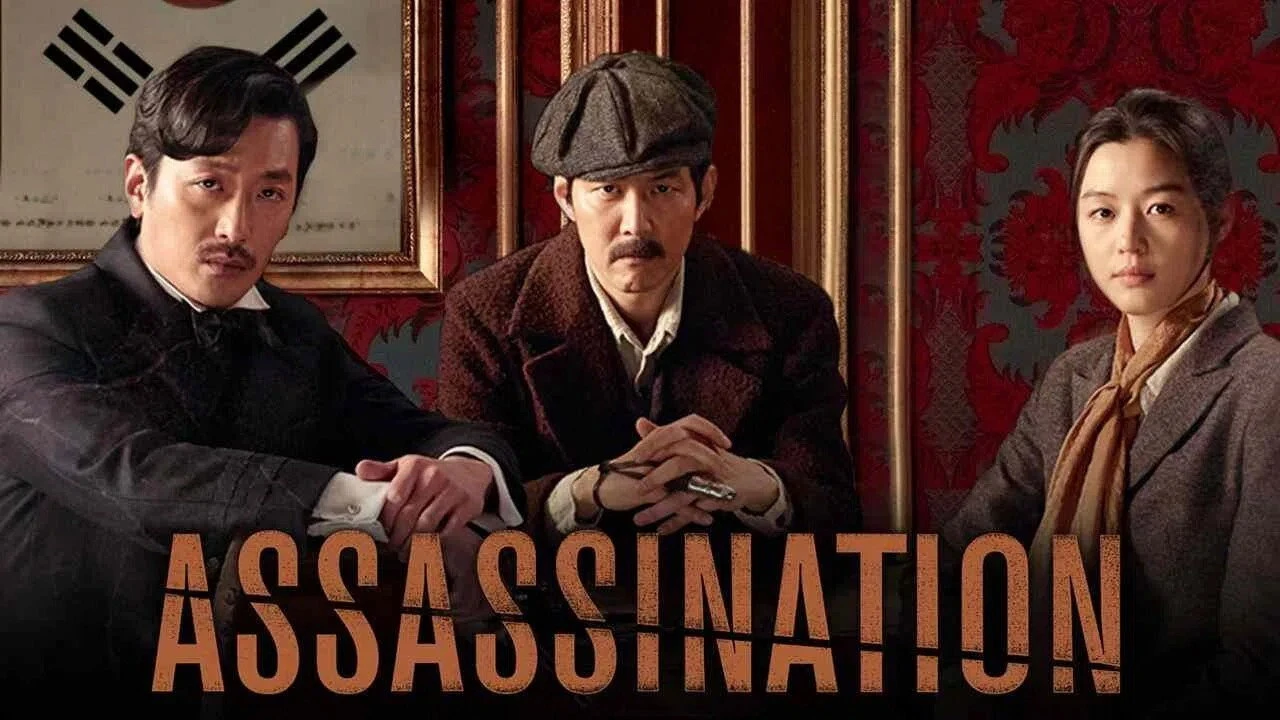
Free to watch - US only. Its owner makes this movie available only in the United States. If it doesn't play in your country, you may need a VPN with a server in an allowed country to watch it.
Region limits are set by the video owner, not by KDramaWorlds. Please make sure VPN use is allowed where you live and by YouTube's terms.
This film is free with ads, but the stream is currently available only in certain regions, mainly the United States. If the player shows “not available in your country,” the film can’t be played from your location.
Official Videos
 TRAILER
🎭 Cast & Characters
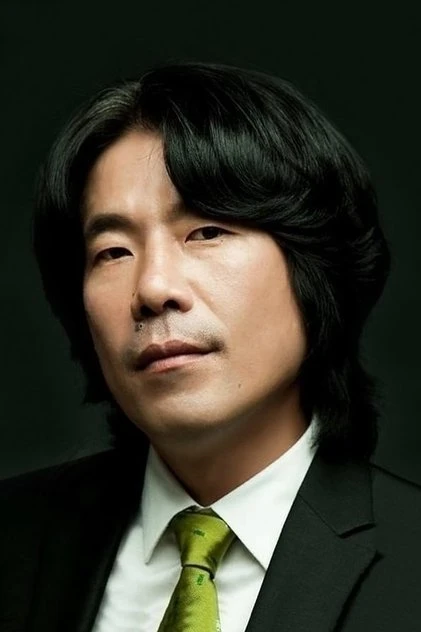
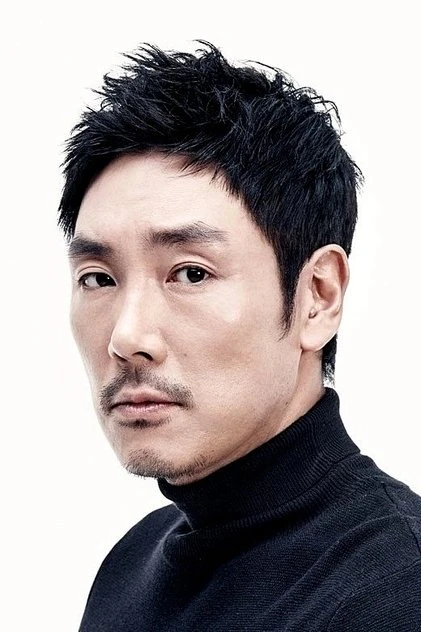
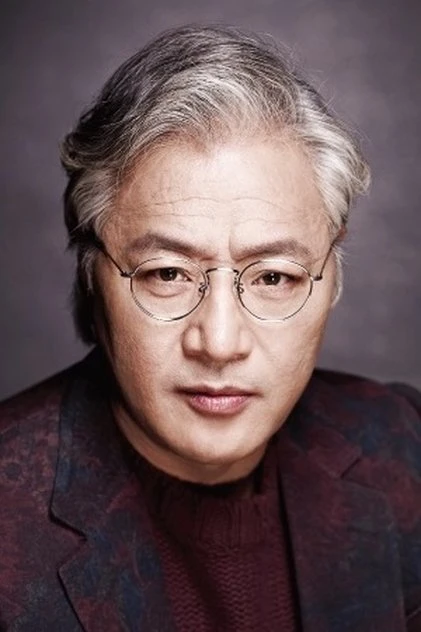
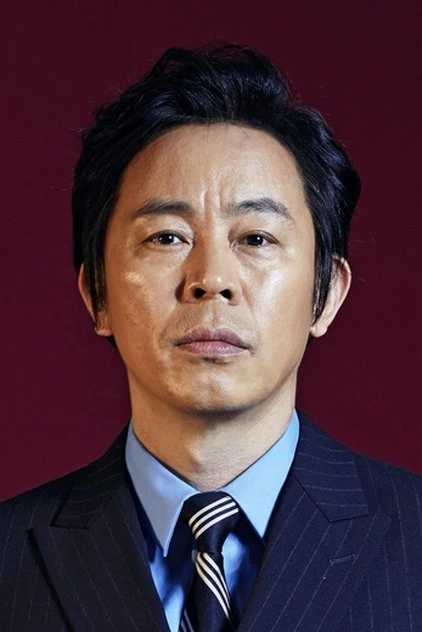
A sniper, two contract killers and a traitor in a captain’s uniform.

Lead
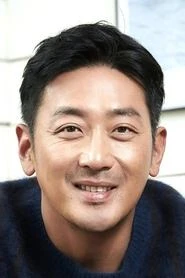
Lead
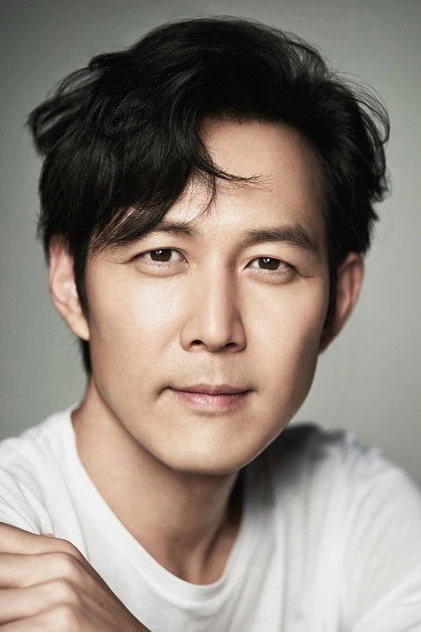
Supporting
Supporting
Supporting
Supporting
Supporting

Supporting
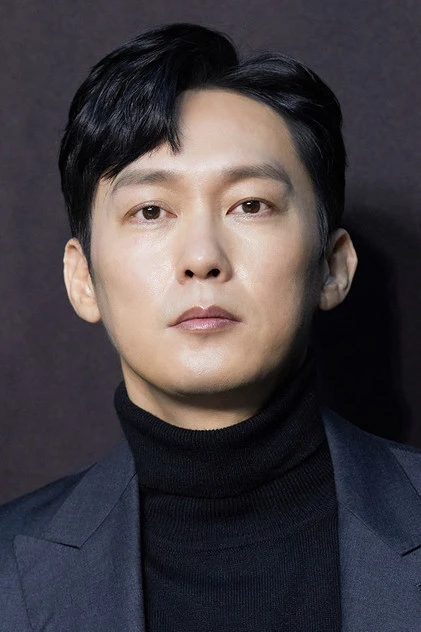
Supporting

Supporting
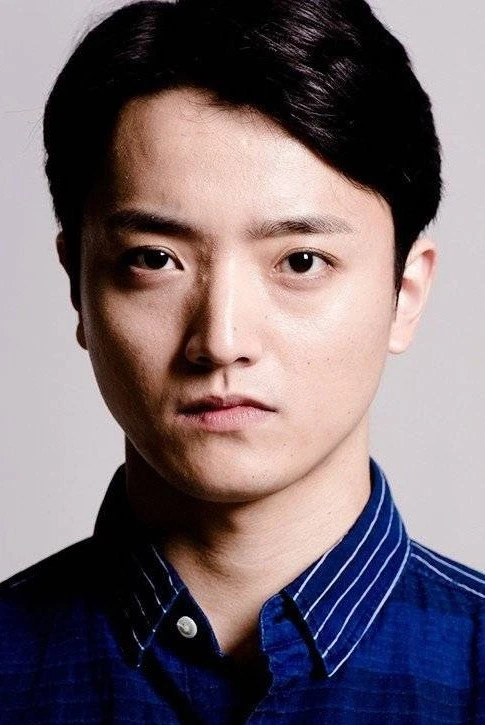
Supporting
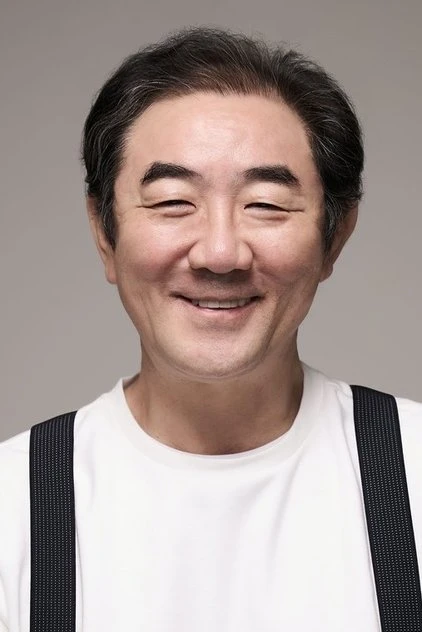
Supporting
📖 The Story
A quick, spoiler-free look at what you’re in for.
The film opens in 1911, with a failure. A young resistance fighter named Yeom Seok-jin tries to kill the Japanese governor-general and a pro-Japanese businessman, Kang In-guk, and does not manage it. Wounded, he hides, and Kang’s wife promises to help him slip away under cover of darkness. Kang finds out. By Hangul Celluloid’s account he is shown from the first minutes as a man who cares only for the wealth collaboration brings him, and he has his henchmen hunt down his own wife and the fugitive, asking only that his twin daughters be brought home safe. That one request is the seed of everything the film does with blood and family later.
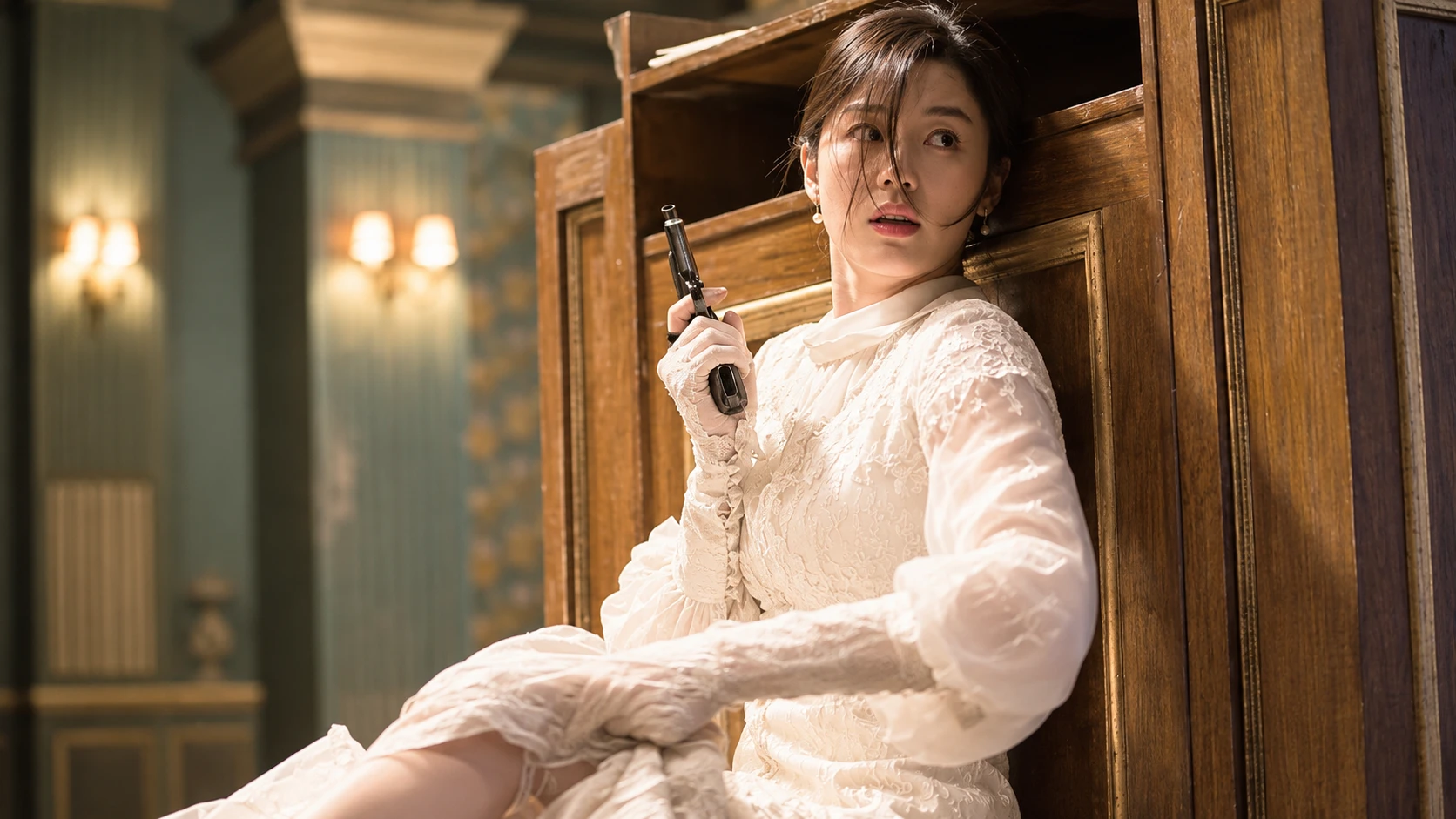
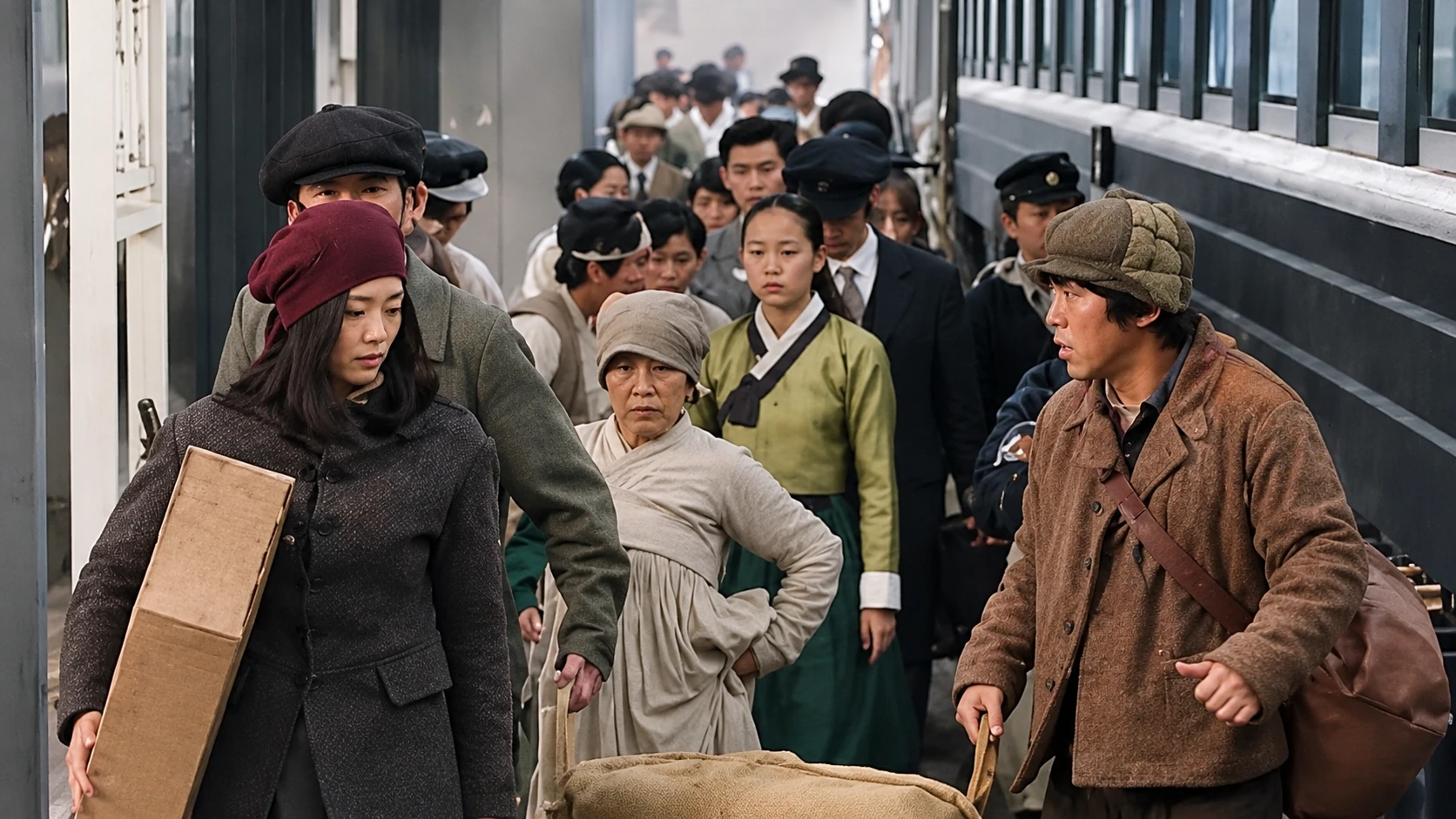
Jump to 1933. Korea is under Japanese rule, and, as Wikipedia puts it, more than thirty independence factions are working across Korea, China and Manchuria. Seok-jin is now a captain in one of them, widely trusted, the veteran who survived 1911. In Hangzhou he is asked by Kim Koo and Kim Won-bong to gather three resistance members who are, for various reasons, on the margins: Ahn Ok-yun, a sniper who is in prison for killing her own commanding officer; Chu Sang-ok, a weapons dealer nicknamed Big Gun; and Hwang Deok-sam, an explosives expert who keeps asking about the fee. Their targets are Kawaguchi Mamoru, a Japanese general, and Kang In-guk, now a powerful collaborator in Seoul.
What the Provisional Government does not know is that Seok-jin was tortured into submission years ago and has been reporting to the Japanese ever since. Once the three assassins are assembled in Shanghai, he sells their plan. The Japanese try to catch Ahn, and she is saved by a stranger’s quick lie: a contract killer called Hawaii Pistol decides on the spur of the moment to treat her as his wife, which lets her walk past the soldiers. Neither of them knows yet how much that moment will cost. Seok-jin, meanwhile, is hoping for a reward, and he needs a way to finish the job without his own hands showing.
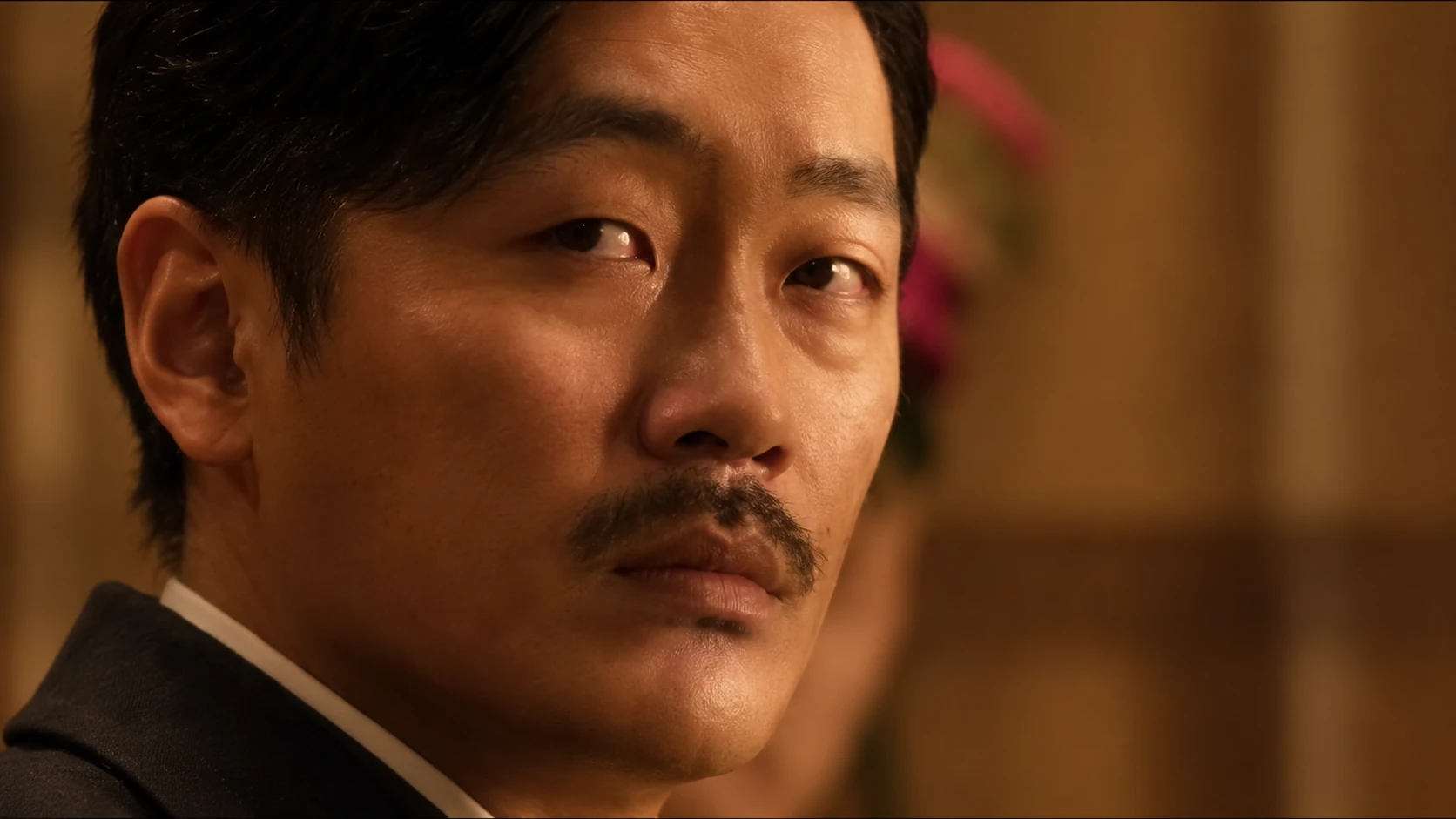
Kim Koo is not convinced. He orders two younger members, Myung-woo and Se-gwang, to follow Seok-jin and kill him if he turns out to be a spy. They trail him to a meeting with Hawaii Pistol, and a gunfight erupts in which Seok-jin kills them both. Then he hires Hawaii Pistol himself, telling him the three travelers are Japanese spies, and sends him and his partner Buddy toward Seoul. The film already has more factions, aliases and double dealings than a first viewing can easily hold, a problem Hangul Celluloid and Asian Movie Pulse both note when they say the sheer number of characters leaves little room for depth.
In Seoul Hawaii Pistol and Buddy befriend the son of General Kawaguchi, a lieutenant in the Kwantung Army, which gives them access that the resistance could never buy. Hawaii Pistol finds Big Gun and shoots him as he runs. Without him, Deok-sam and Ahn push on with the plan, planning to ambush their targets at a gas station. The car turns out to be a decoy. The attack collapses, and Deok-sam and a Korean sympathizer named Kimura are killed. Within a few scenes the team that was supposed to be the film’s engine has lost two of its three members, one to a bullet and one to a trap.
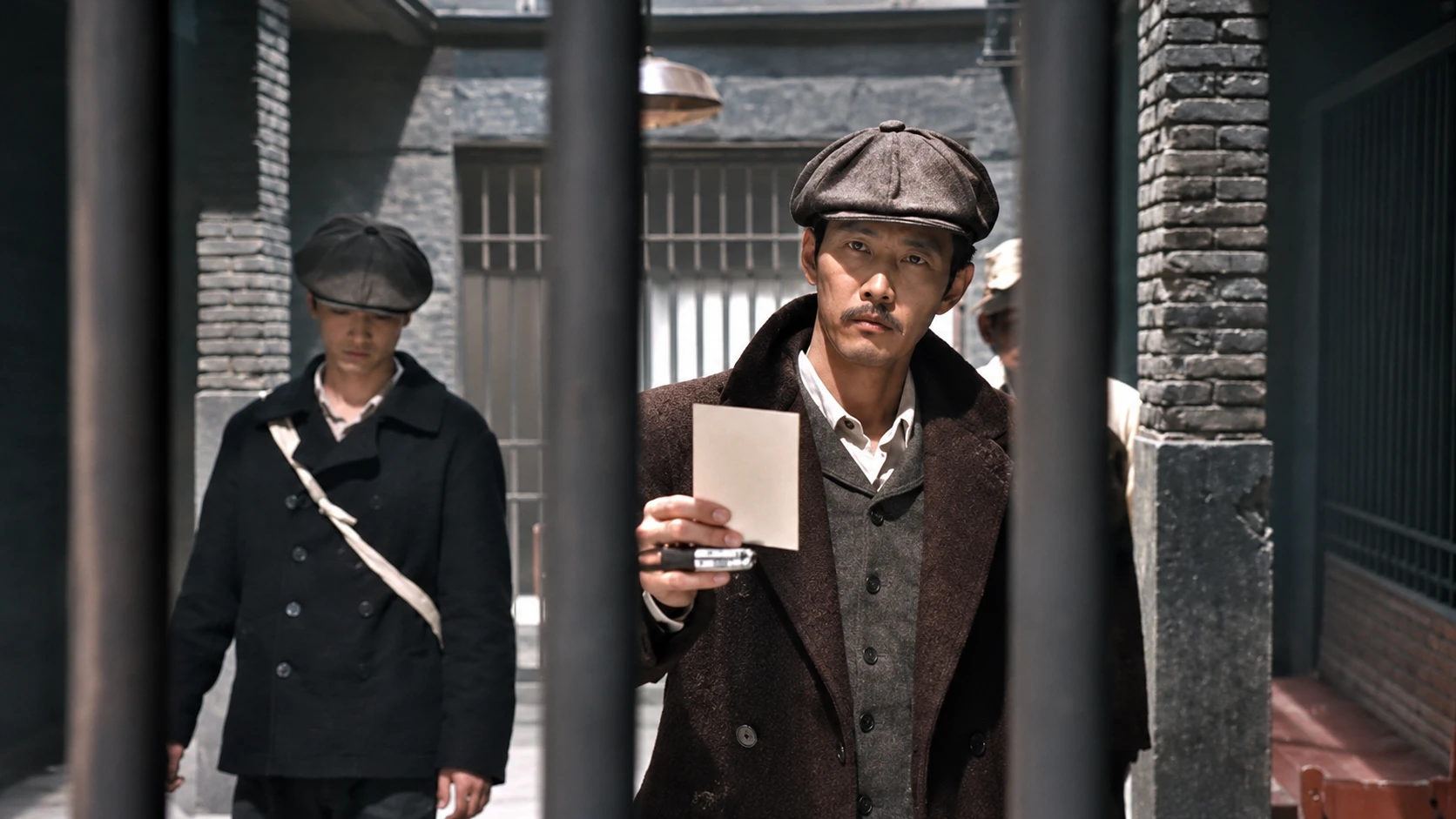
Then comes the turn the whole story has been preparing. Hawaii Pistol corners Ahn, recognizes who she is, and does not fire; as a Korean himself he sympathizes with her mission. Ahn learns that she is Kang’s missing twin daughter, the child the wet nurse carried away in 1911. The other twin, who lives a comfortable life and is engaged to Kawaguchi’s son, recognizes Ahn and visits her apartment. She is killed there by her own father, Kang, together with Seok-jin and a group of soldiers, who believe they have finally killed Ahn. J.B. Spins puts the stakes plainly: one sister grew up in the free Korean diaspora, the other in blood-money luxury.
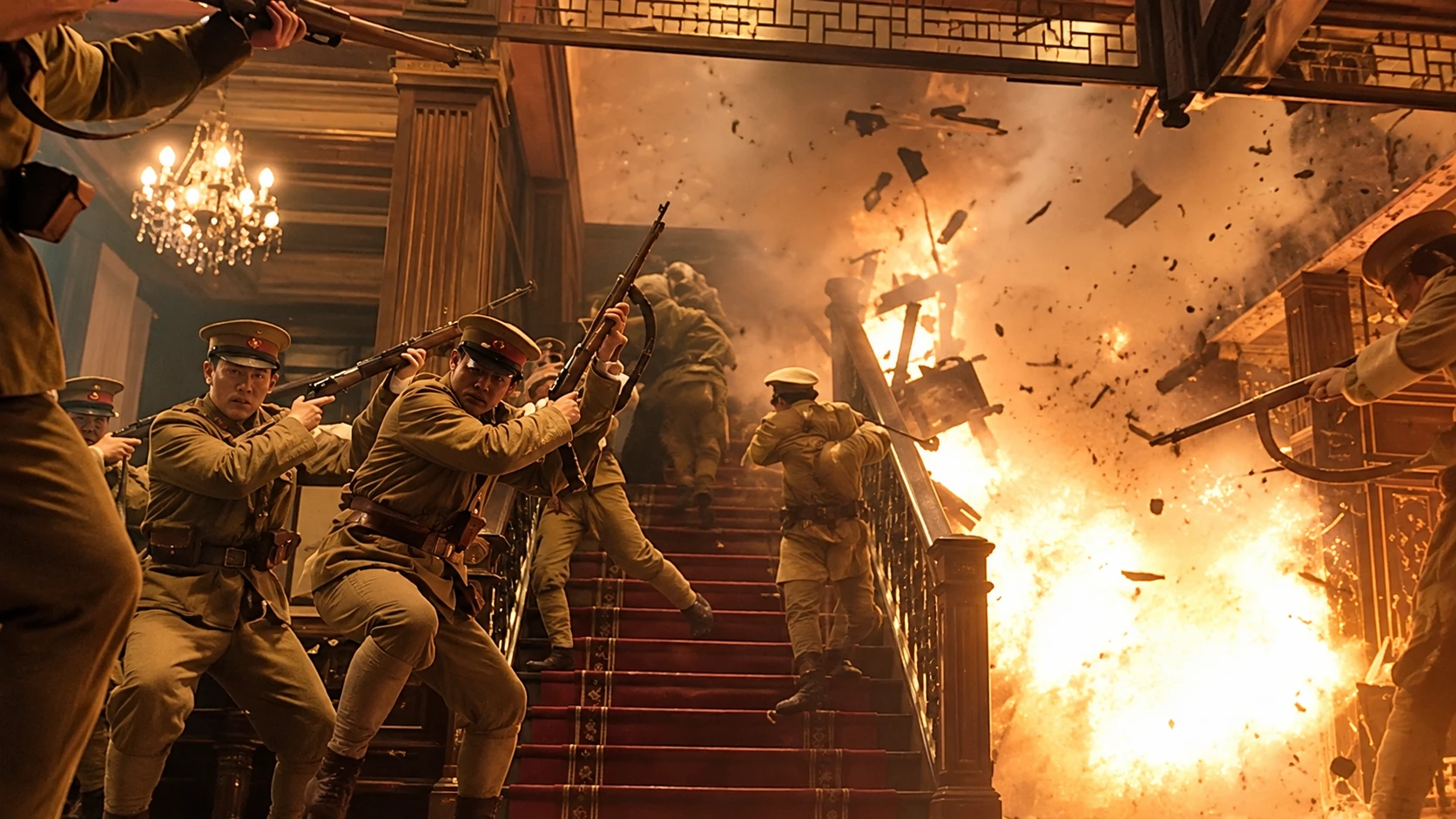
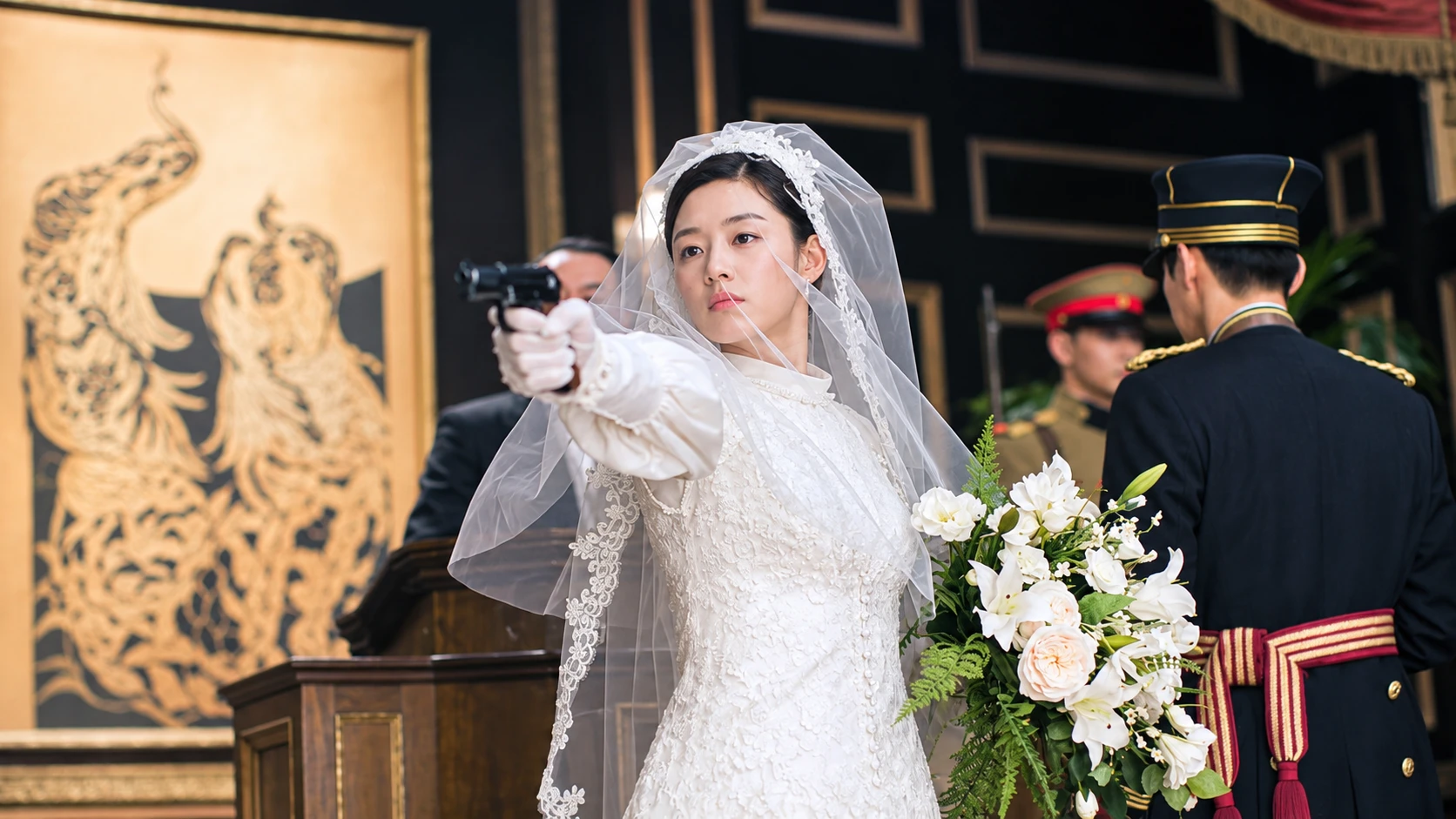
Ahn takes the decision that the plot has been tilting toward. A few days later, she steps into the dead twin’s place and enters the wedding as the bride. Hawaii Pistol and Buddy now help the people they were hired to kill, and Big Gun, who survived being shot, rejoins them. The wedding hall holds Kawaguchi, Kang and half the Japanese leadership in Seoul. Critics have singled out what happens there as the film’s centerpiece, and Hollywood Reporter’s Clarence Tsui, who is hard on the film’s characterization, still admired its production values. The Ahn who raised a rifle in the first act is about to cross the room in a bridal gown with a pistol hidden somewhere beneath.
🏁 Ending Explained
The ending, unpacked in full. Consider yourself warned.
What actually happened At the wedding Ahn kills Kawaguchi. When she hesitates over her father, Hawaii Pistol shoots Kang instead. He tells her he once killed his own father, a Japanese sympathizer, and that he did not want her to carry that and end up a mercenary like him. Big Gun dies covering their escape, Kawaguchi’s son is taken hostage, and the group is soon boxed in by army reinforcements. Hawaii Pistol realizes Ahn can still pass for her twin, kisses her and promises to meet her again at the cafe where they first met in Shanghai. Ahn walks out and is taken in by Japanese soldiers, who think she is the bride, and slips back to Shanghai afterwards.
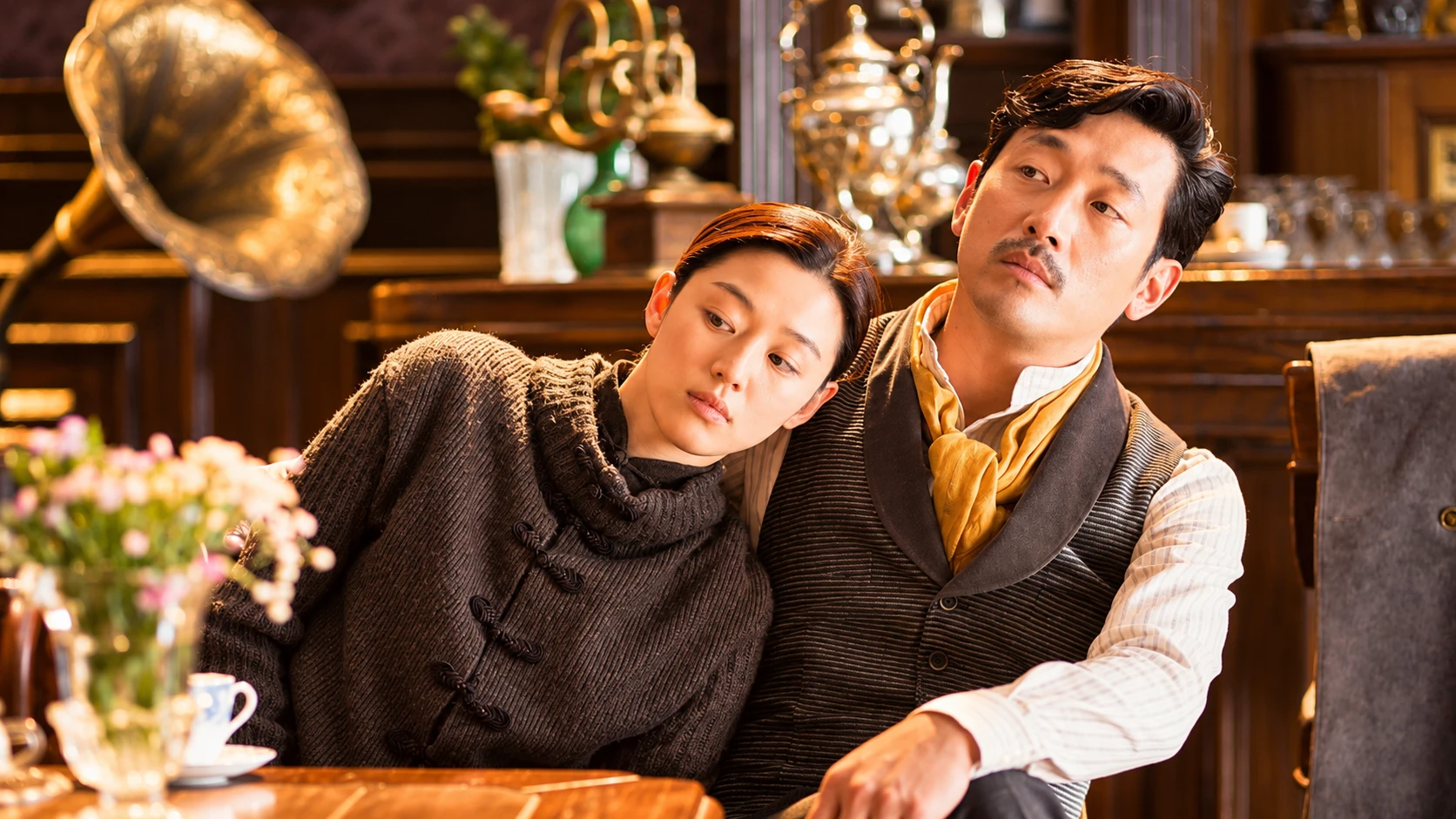
Hawaii Pistol and Buddy do not get out. They try to escape and Seok-jin kills them, which is the cruelest beat in the film because the two men were hired killers who changed sides for the cause, and they die at the hands of the supposed hero who recruited them under a lie. Hawaii Pistol’s last promise, the cafe in Shanghai, is the only thing Ahn is left with. Some viewers read that promise as the romance the film never quite pays off. We read it as the cost of the decision he made in the street, when he lied to the soldiers and claimed her as his wife.
What happens to Seok-jin The Japanese reward him by making him head of the secret police, and then the war ends and Korea is liberated. In 1949, a commission investigating war crimes calls in Seok-jin, who is by then a senior officer in the Korean police, and he protests his innocence and points to his resistance record. The only witness to his guilt is found murdered, and the charges are dropped. That does not save him. Cornered on the street by Ahn and by Myung-woo, who survived the earlier shooting but is now mute and slightly disfigured, he is shot and dies. Ahn then remembers Hawaii Pistol and Buddy, and the screen fades.
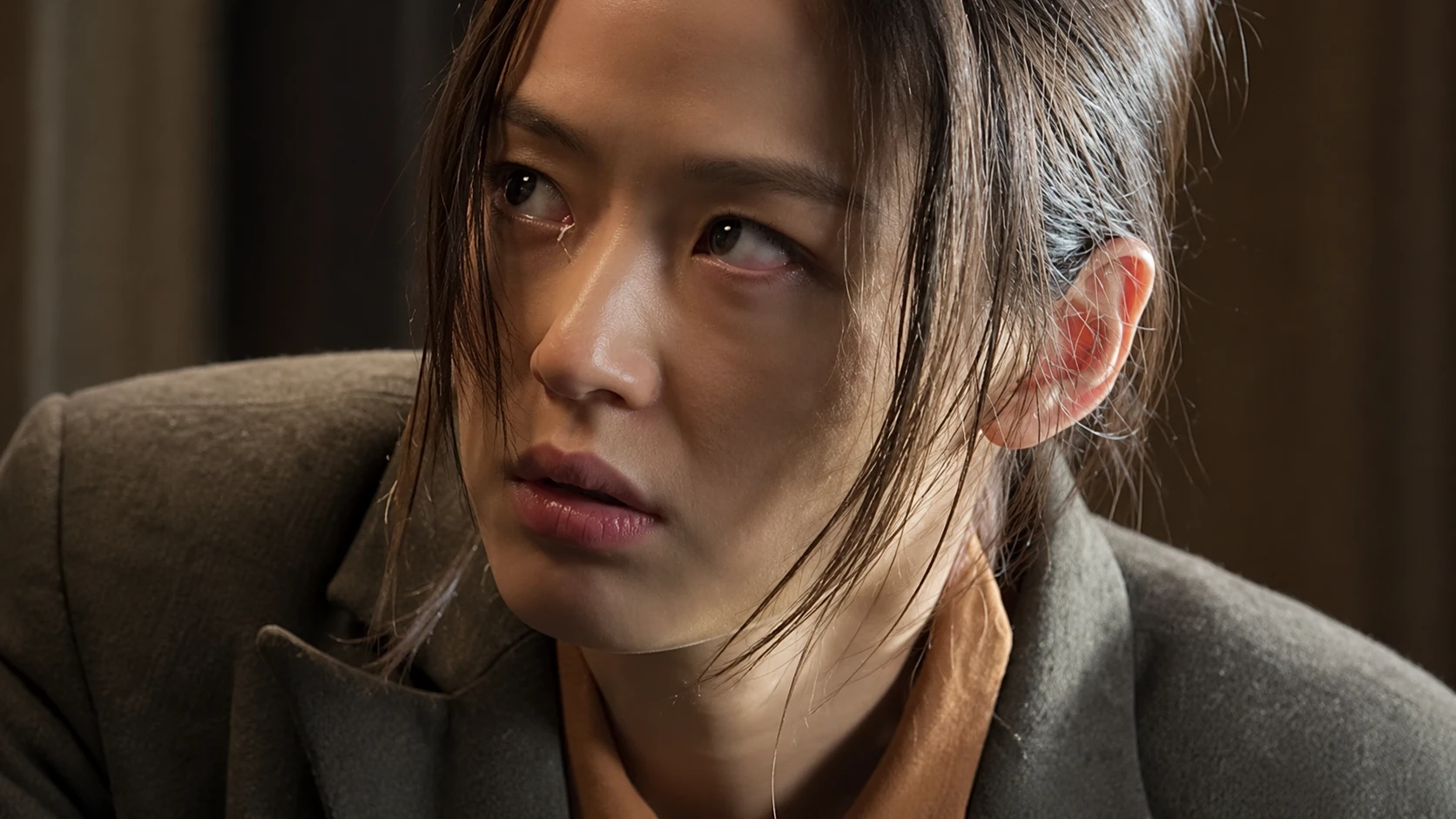
Why he did it None of the reviews we read gives Seok-jin a clear motive. Asian Movie Pulse notes that the reasons for his betrayal are never explained, and the one hint, that he was tortured in 1911, comes from a plot summary rather than from a speech in the film. That omission is a choice. The 1949 sequence, which High on Films calls pointless apart from showing how ruthless and cowardly the villain is, makes the same point from the other side: a man who sold out in 1933 survives in the new Korea precisely because the witnesses are gone. Clarence Tsui of The Hollywood Reporter called the ending a half-baked commentary on the period, so the film’s attempt at a larger moral lesson has not convinced everybody.
What it means The finale answers the literal questions. Both targets die, the traitor dies, and the sniper lives. It leaves open what the sacrifice bought. Big Gun, Hawaii Pistol and Buddy never see 1945, and the only person to enjoy the liberation is the one who spent the film pretending to be somebody else. Ahn closes the story alone with a memory, and the film does not tell us whether she ever went to the cafe. Sources differ on small details, and the plot here follows Wikipedia’s summary and the reviews we have listed in our notes, so treat the exact order of the final shootout as reported rather than watched.
✍️ KDramaWorlds Editor’s Take
Worth watching or not — our honest read, and who it’s for.
Assassination is built around a beautiful problem: how do you stage a film about a national cause when the person leading the cause is working for the other side? Choi Dong-hoon answers with three moods layered on top of each other, a resistance drama, a mercenary road trip and a heist. Gianna Jun carries the first, Ha Jung-woo and Oh Dal-su the second, and Lee Jung-jae, hateful and smooth, ties them together. Viewers who liked the independence-era stakes in Harbin will find a much louder cousin here, with the same sense that every handshake could be a betrayal. Hangul Celluloid called it rip-roaring entertainment, and that is the correct level of ambition.
The flaws are the flaws of a big film. Hangul Celluloid and Asian Movie Pulse both say the cast is so large that character depth is thin, and Asian Movie Pulse adds that Seok-jin’s reasons for betraying everyone are never explained. The runtime and the 1949 coda test patience; Wikipedia’s critical summary quotes Rotten Tomatoes at 88% while noting the complaints about length and a complicated story. Those who prefer espionage with a colder temperature should try Hunt, which trades romance for paranoia. Assassination gives you both, and the second half is the better trade.
Acting is the film’s quiet strength. Jun commands scenes without the film leaning on her looks, as Asian Movie Pulse puts it, and she won the Grand Bell for Best Actress. Ha Jung-woo makes Hawaii Pistol a swaggering cynic who is plainly falling for the person he is meant to shoot, while Lee Jung-jae took Best Actor at the Buil Film Awards for playing a coward. TMDB users give it 7.3 from 295 votes, a small sample, and the film took Best Film at the Blue Dragon and Baeksang awards, so critics and audiences largely agree. It runs 140 minutes. If you can spare an evening, the wedding sequence alone is worth the ticket.
🎬 You Might Also Like
If you liked Assassination, these are your next three watches.
 Voice (Season 4)
Crime Thrillercult
Read Full Review →
|
 Teach You a Lesson
ChamgyoyukERPA
Read Full Review →
|
 Delightfully Deceitful
Chun Woo-heeCon Artist
Read Full Review →
|








Keep it kind, skip the harsh language, and please — no spoilers. Everyone's taste is different, and that's perfectly fine.
This space is for real reactions and discussion from other viewers. Help keep it comfortable for everyone by not giving away major plot details.
What do you think of this drama?
Login to share your review or leave a comment.
No email needed — just pick a username & password.