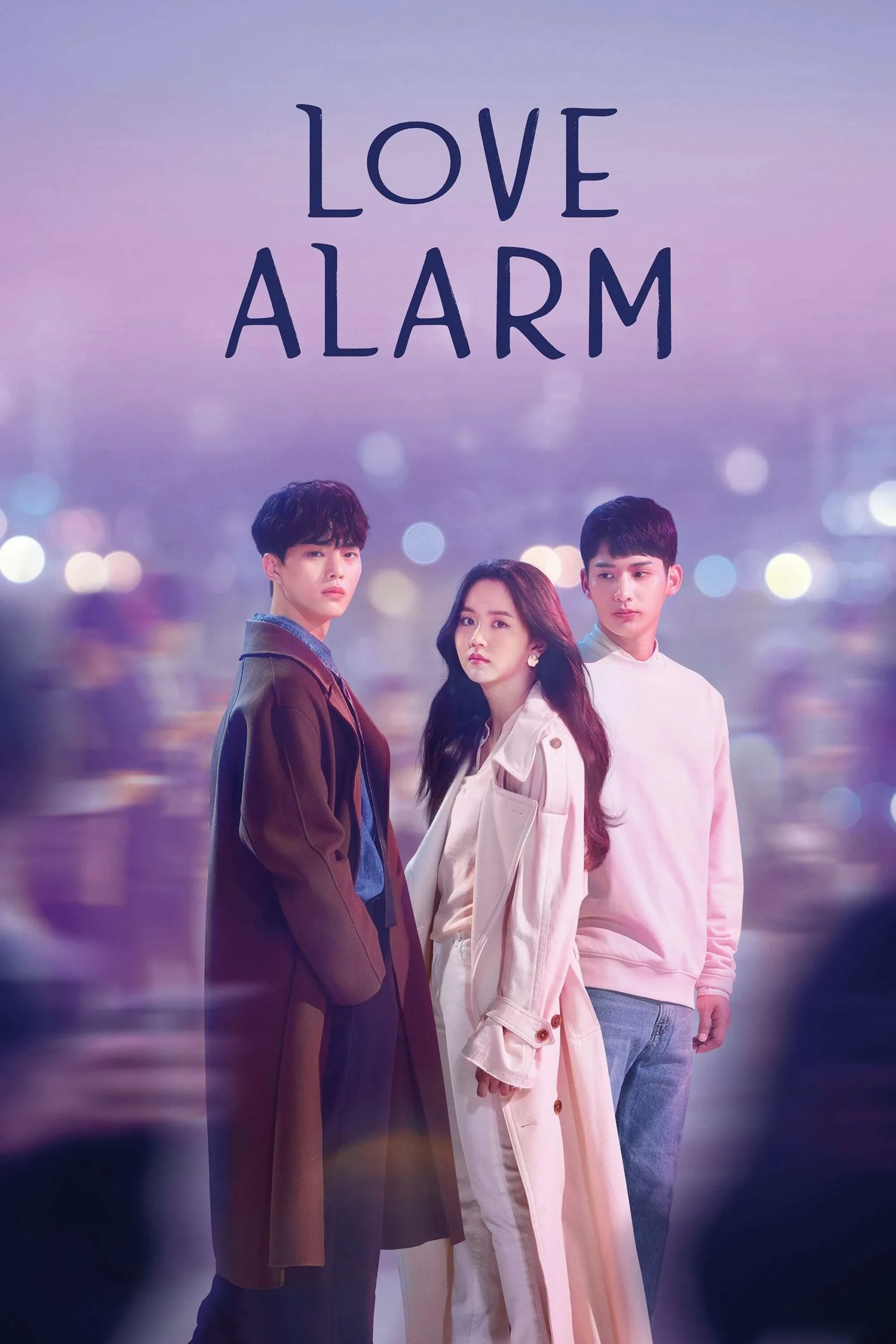
Love Alarm (Season 1)
🎬 Netflix
⭐ 6.9 / 10 MDL 🔞 TV-MA
📋 Drama Overview
The setup, the stakes, and where to watch — all in one place.
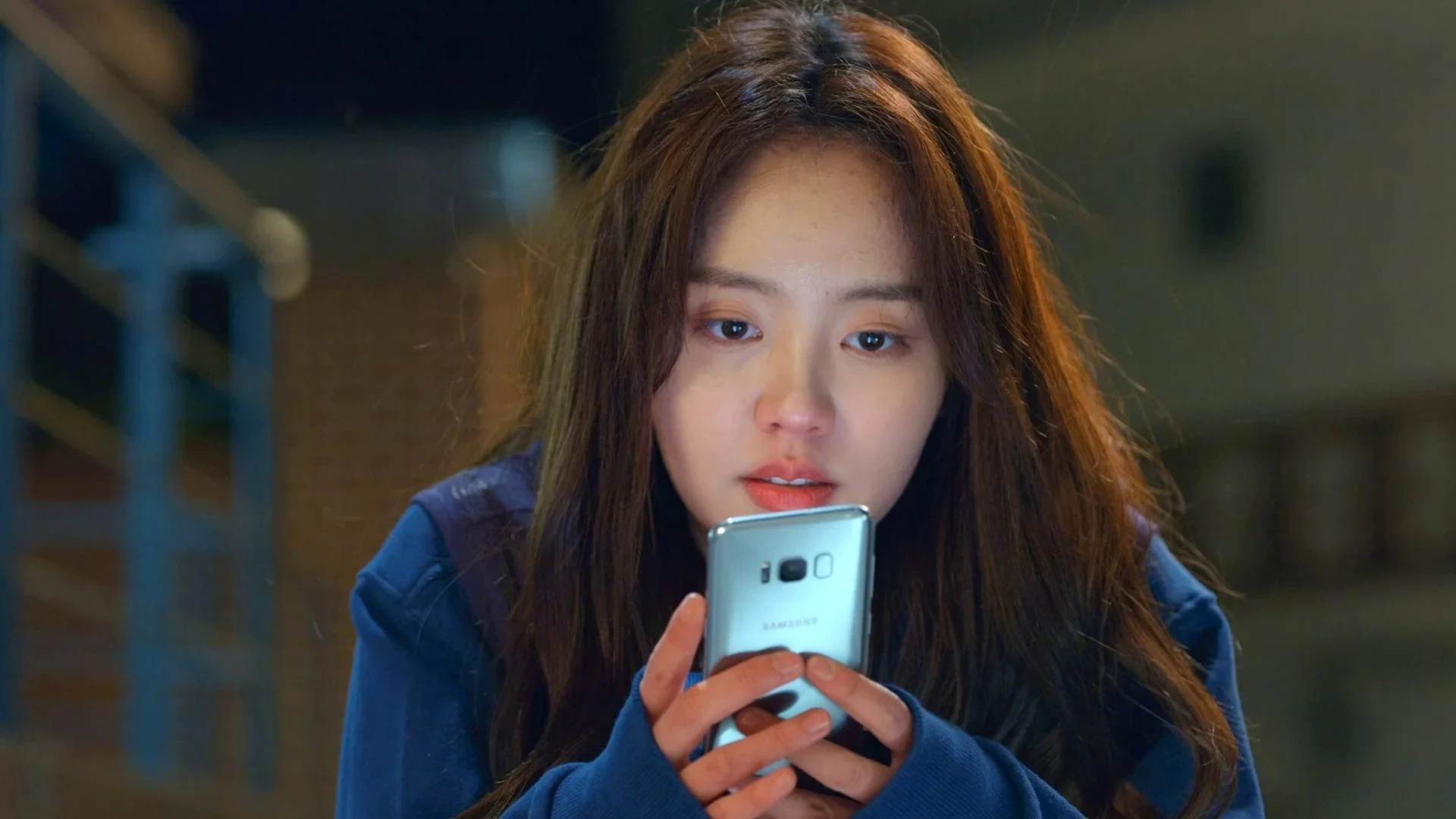
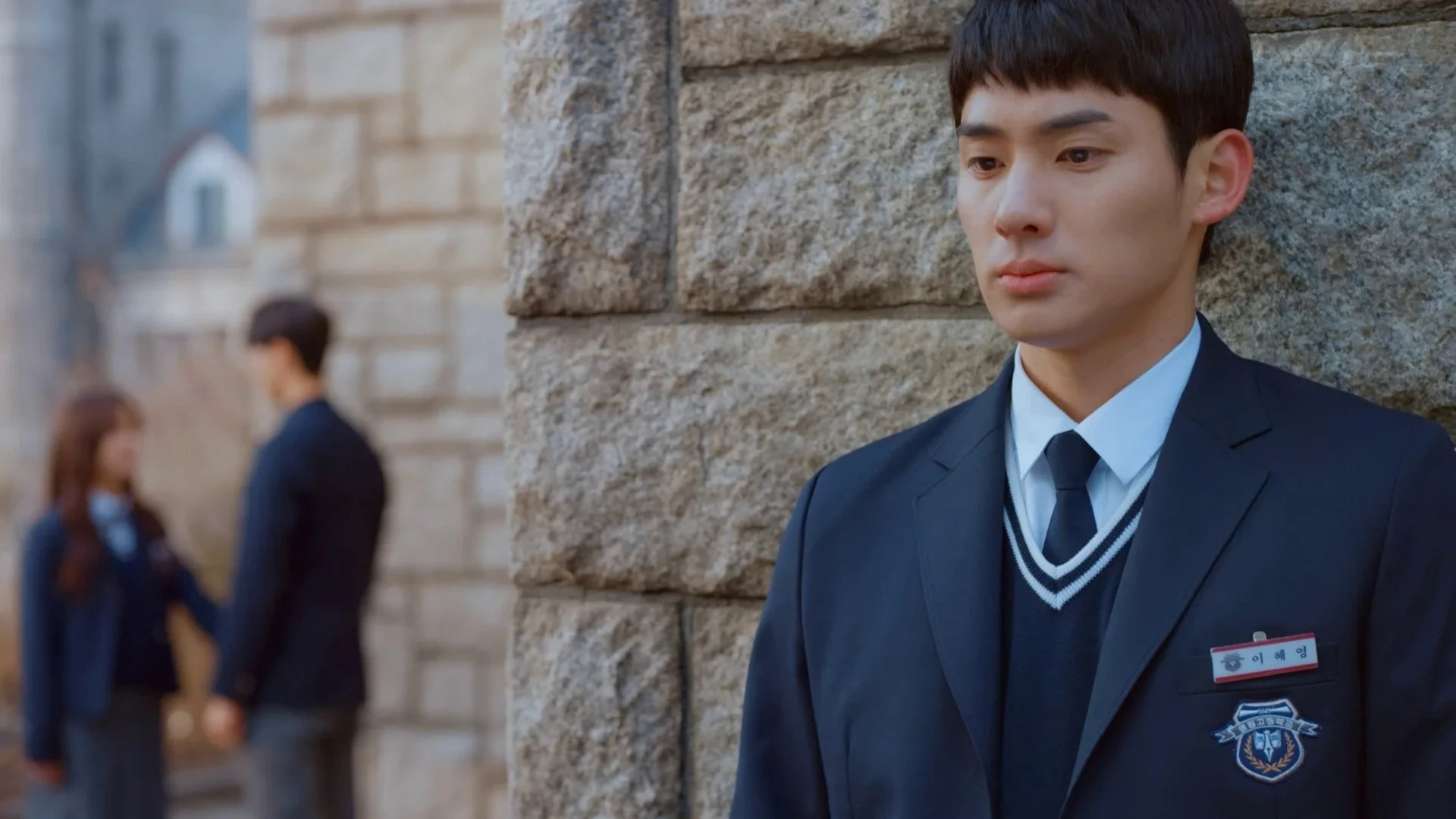
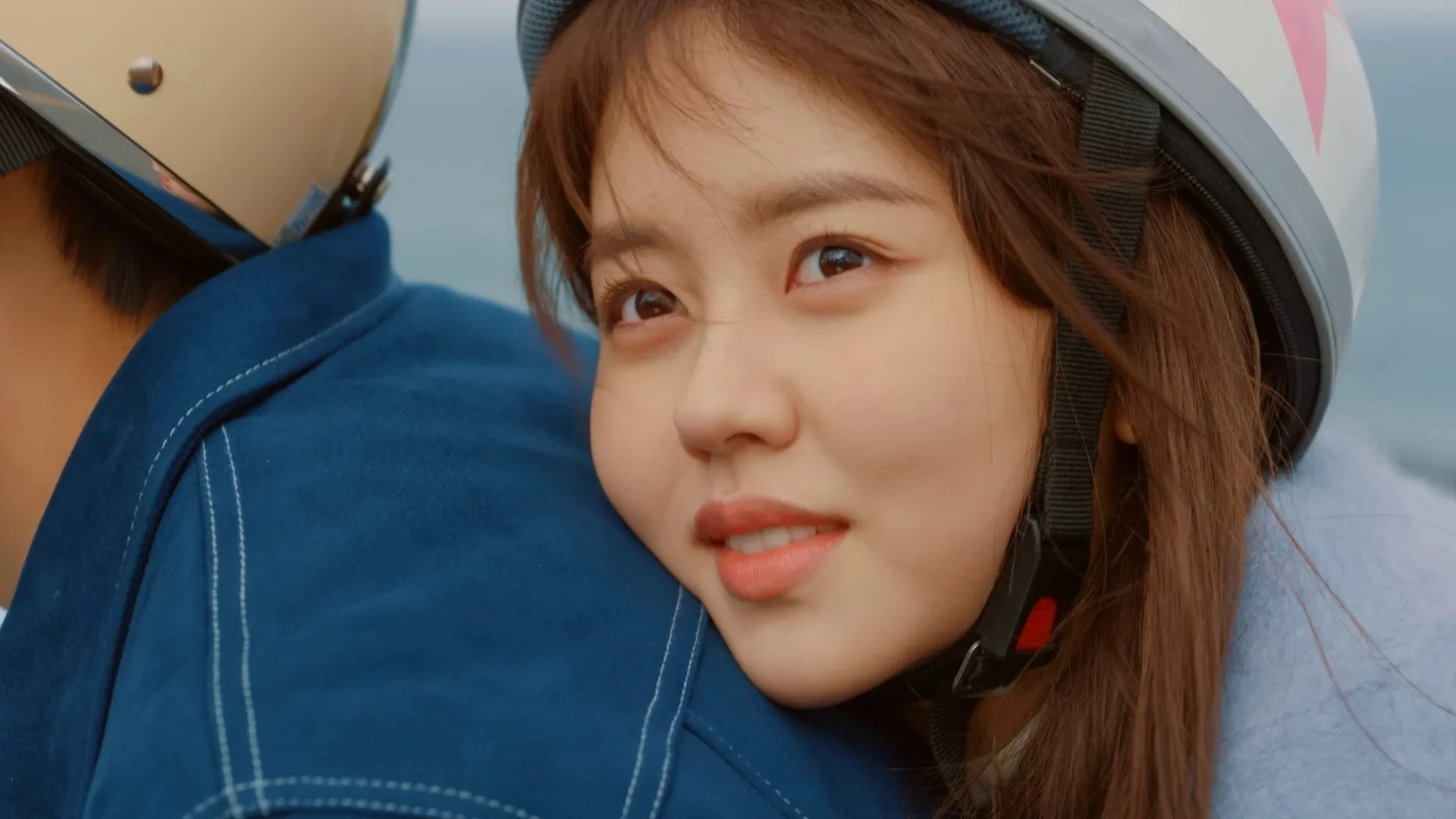
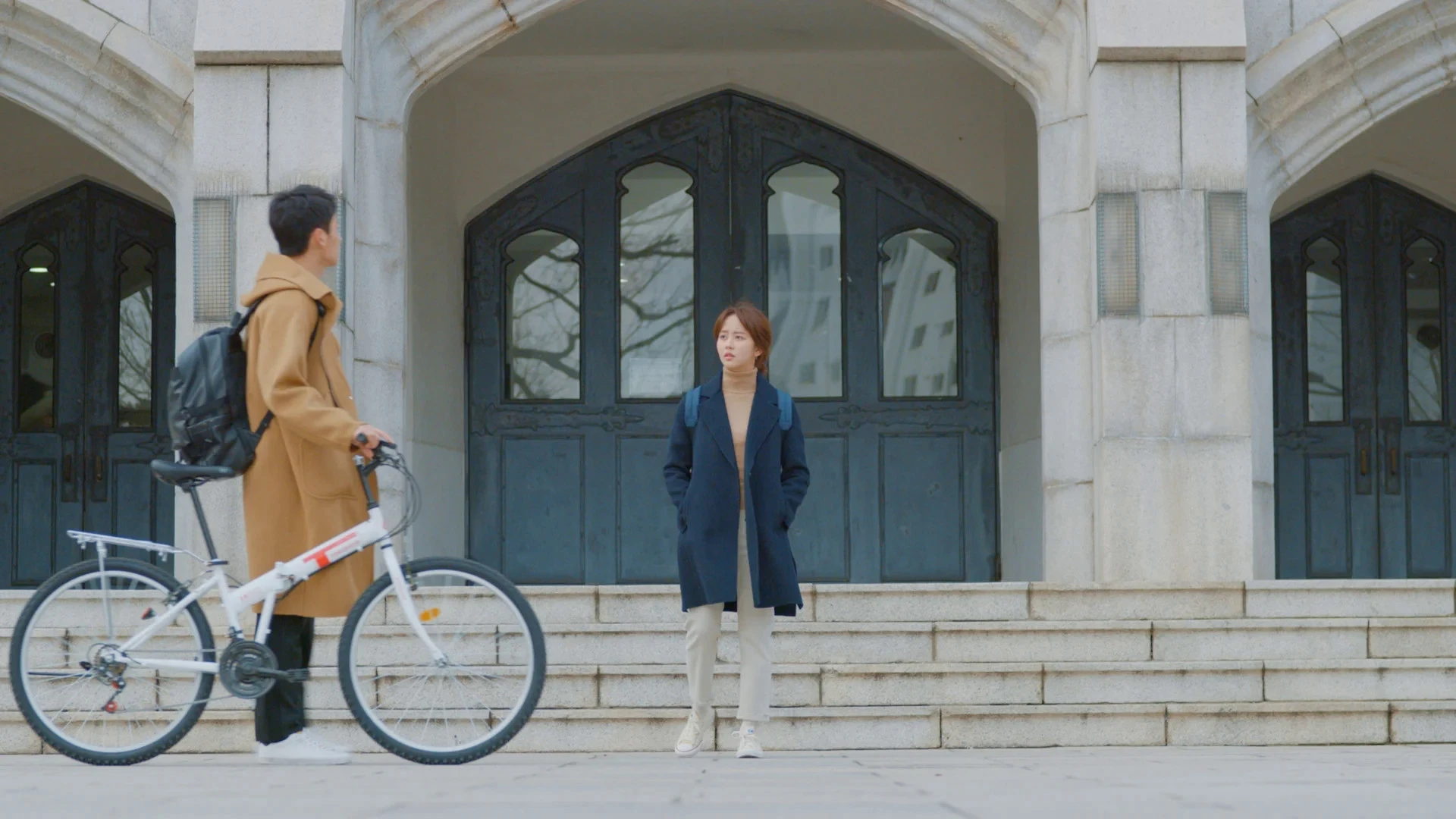
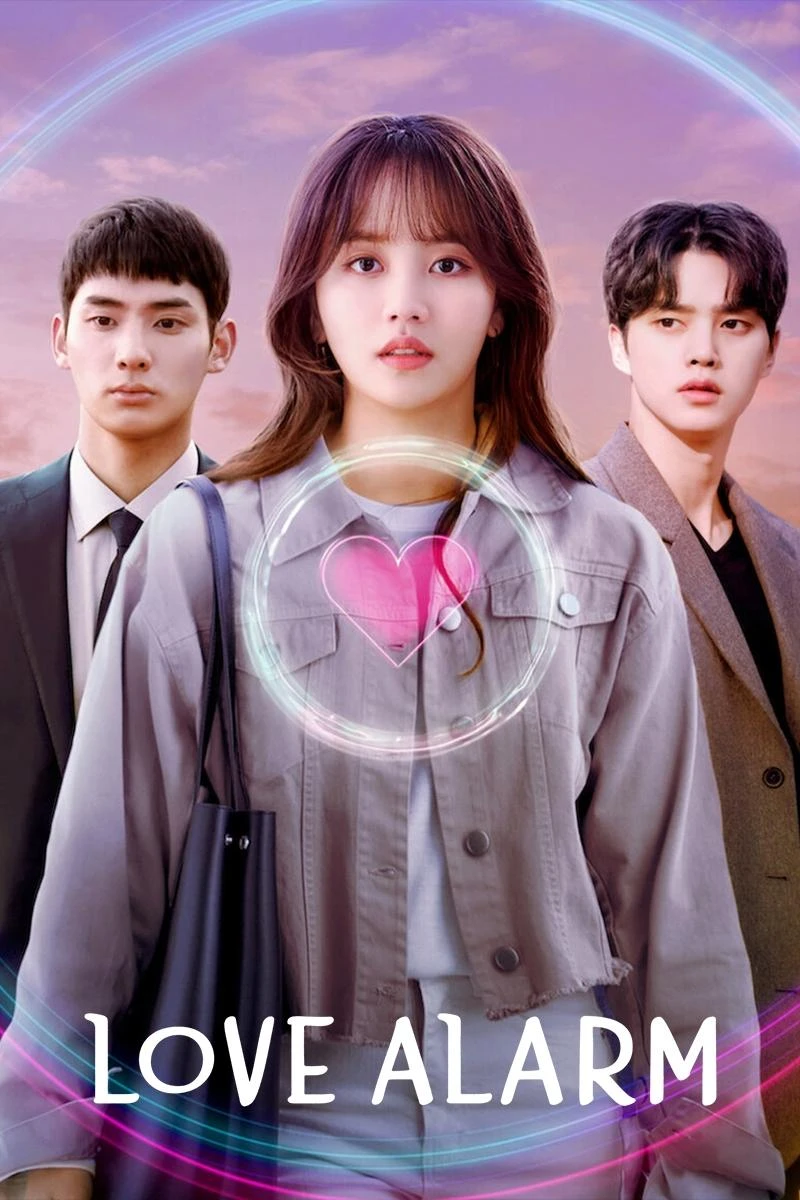
Picture a hallway where everyone’s phone can go off at once, announcing exactly who in a ten-meter radius has feelings for you — that’s the entire premise Love Alarm builds a functioning dystopia out of, and it does it without ever feeling like science fiction. Kim Jojo (Kim So-hyun) is the rare holdout who can’t even participate; her phone is too old to run the app that’s rewired how an entire generation performs romance. Then Hwang Sun-oh (Song Kang) transfers in, notices her immediately, and kisses her before either of them has said much of anything — which complicates the years Lee Hye-yeong (Jung Ga-ram) has spent quietly loving her from exactly one step away.
What elevates Love Alarm past a straightforward love-triangle premise is how literally it takes the metaphor: feelings, here, are public data, and the show is fundamentally about what happens to people who’d rather keep theirs private. Jojo’s guardedness isn’t romantic hesitation, it’s trauma, built from a genuinely difficult family history the show doesn’t rush to explain. Eight episodes is a tight, almost novella-like runtime for a story this emotionally dense, and Love Alarm spends every one of them asking a sharper question than who she chooses: what does it cost a person to have their most private feeling turned into a notification.
8 / 8 ✅ Completed
⚡ Quick Verdict
No scrolling required — the verdict’s right here.
· MDL Score · 91,294 ratings
▶ Official Trailer
🎭 Cast & Characters
A love triangle built on an app that makes hiding your feelings the hardest thing anyone can do.

Lead

Lead

Lead

Supporting
Supporting

Supporting

Supporting

Supporting
Supporting

Supporting

Supporting

Supporting
📺 Episode Guide
Quick recaps per episode — just enough to stay caught up.


🏁 Ending Explained
Full spoilers from this point — what happened, and why.
Spoiler Warning — This section covers the full finale of Love Alarm (Season 1). Stop here if you haven’t finished the series.
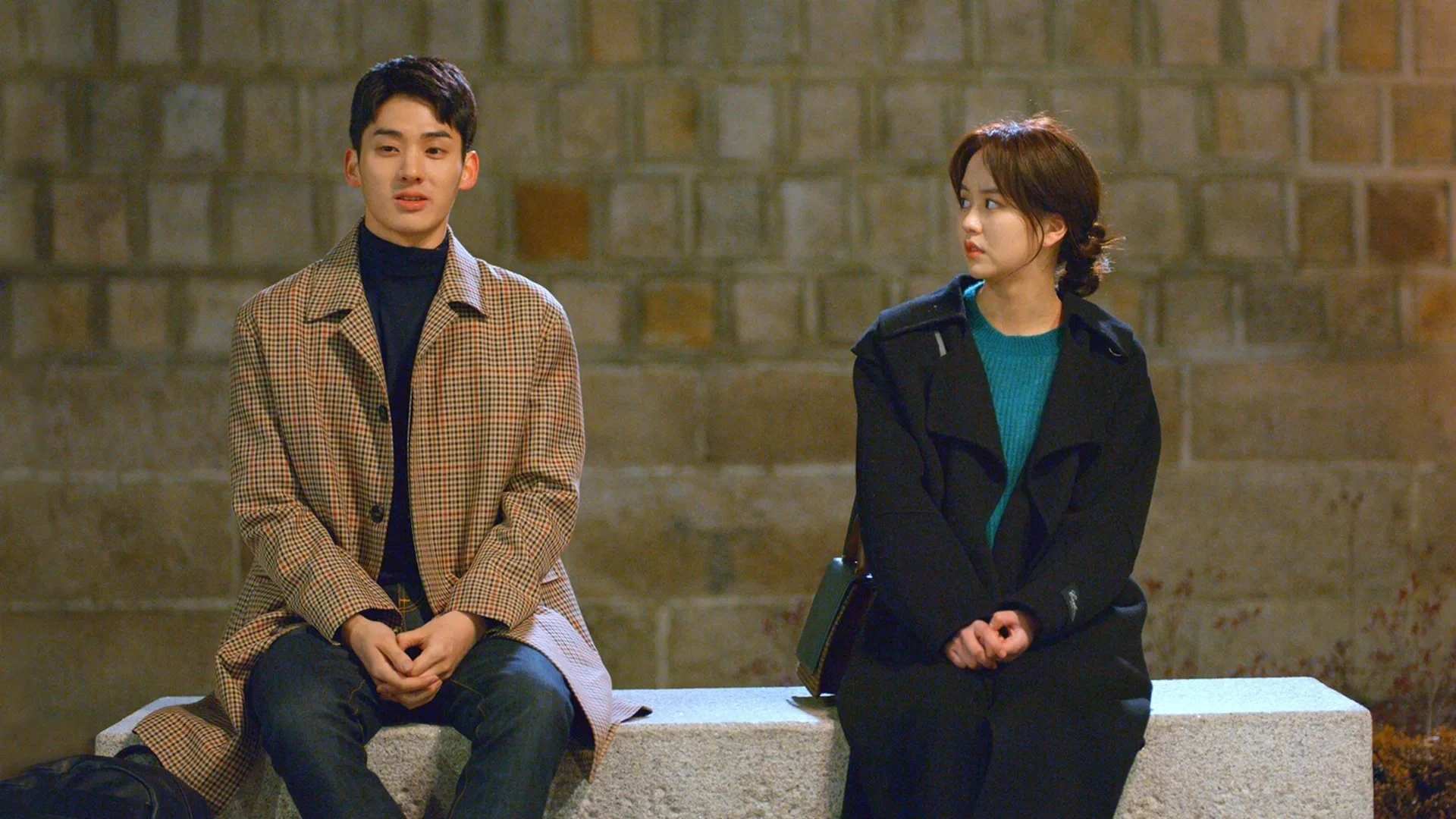
What literally happens Jojo attends the Love Alarm 2.0 launch still wearing her shield, watching a new feature promise to predict feelings before they even happen. Hye-yeong’s alarm rings for her again, plainly and without ambiguity, while Sun-oh confronts her, certain she’s hiding leftover feelings for him. Rather than choosing between them, Jojo goes to Cheon Duk-gu and removes the shield — the season ends with her decision to actually find out what she feels, not with a couple forming.

Why the ending doesn’t pick a winner Season 1 was never structured to hand Jojo a decision — it was structured to strip away the mechanism she was using to avoid making one. The shield let her opt out of being read, which meant it also let her opt out of knowing her own feelings. Taking it off is the actual climax; anything the show could have added about Sun-oh or Hye-yeong afterward would have been a different, smaller story.
What the shield really represents The shield is the clearest version of the show’s central metaphor: an app-based fix for the same problem Jojo has had since her parents died — control over what other people get to see of her. Using it to hide from Sun-oh and Hye-yeong both isn’t cowardice so much as self-preservation carried past its useful point. Removing it in the finale isn’t about being ready for romance; it’s about being willing to be known again.
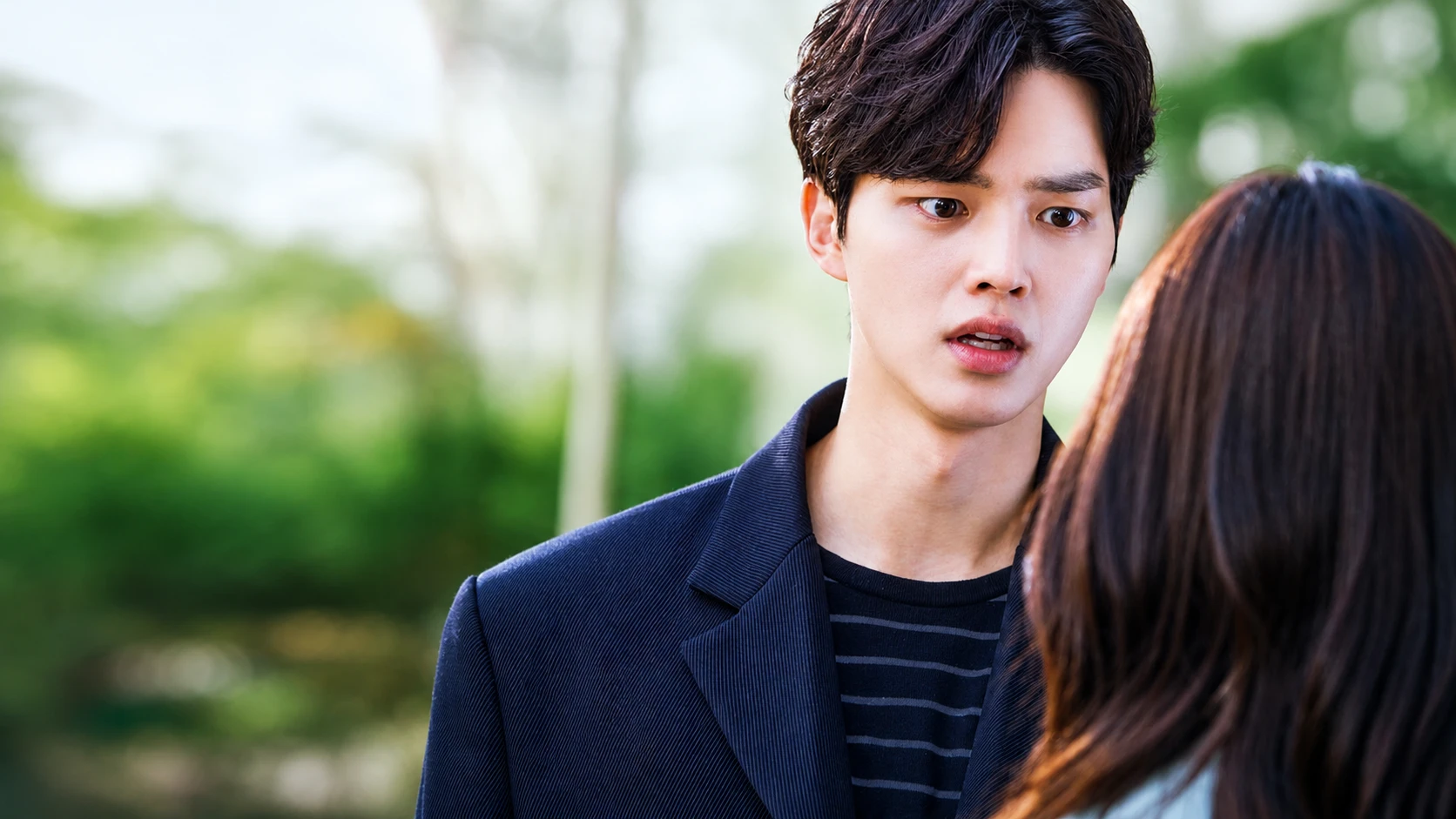
Three ways to read the finale One reading treats this as a straightforward romantic cliffhanger, designed to sell Season 2 on the question of who Jojo picks. A second, more character-driven reading argues the real ending already happened — Jojo choosing honesty over control — and the love triangle was just the vehicle for getting her there. A third, bleaker reading points back to the mass-suicide subplot from episode six and asks whether a world this dependent on public emotional data was ever going to end well for anyone, winner included.
Why the early episodes read differently once you know this Go back to episode one, where Jojo can’t even afford to participate in the app everyone else takes for granted, and her later choice to remove the shield looks like a mirror image of that same powerlessness — except this time, chosen rather than forced on her. Love Alarm spends eight episodes arguing that the opposite of being surveilled isn’t privacy. It’s trust, given on purpose, to someone who might not deserve it yet.
✍️ KDramaWorlds Editor’s Take
Worth the watch? Our honest answer, and who it’s aimed at.
🔺 Three-Sided, Not Two
💔 Bittersweet by Design
🌑 Youth Romance With Teeth
Kim So-hyun’s best moment isn’t a big confession scene — it’s a small one, early on, where Jojo does basic math out loud about whether she can afford to feel anything for anyone right now. She never plays the trauma for pity; she plays it as logistics, which is a much harder and much more interesting choice. It’s the same instinct that made Our Beloved Summer work as bittersweet romance rather than tragedy — grief and love sharing the same scene without one canceling out the other.
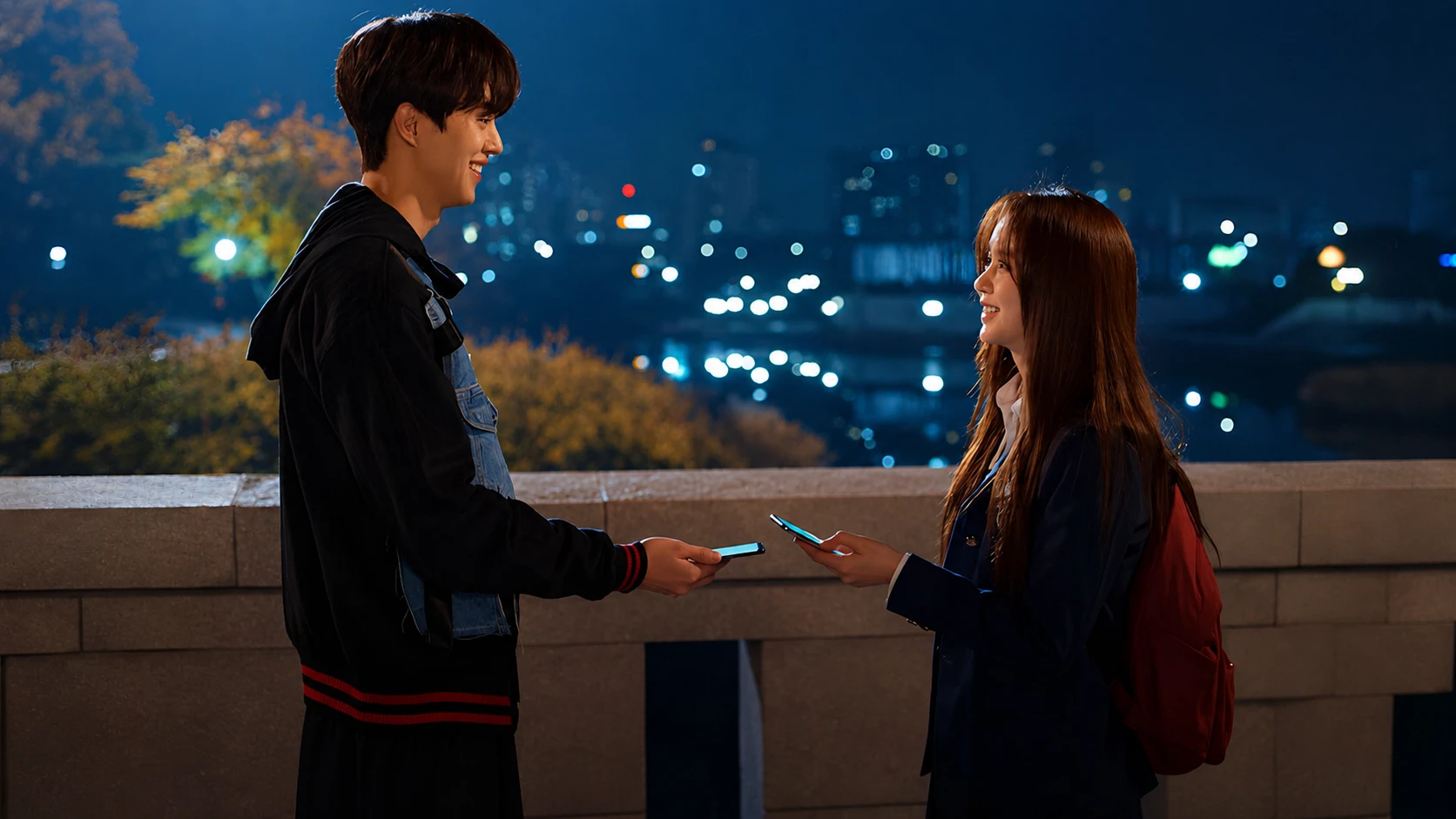
Song Kang and Jung Ga-ram split the love triangle’s emotional labor almost evenly, which is rarer than it should be in this genre — Sun-oh gets to be genuinely generous and genuinely clumsy about it in the same breath, and Hye-yeong’s silence reads as devotion rather than passivity because Jung Ga-ram never once plays it as martyrdom. Both men come across as full people rather than options on a chart, which is the difference between a love triangle that feels alive and one that’s just a delivery mechanism for angst. Nevertheless tried something similar with messier, more ambivalent results; Love Alarm’s version is cleaner because nobody here is actually lying to anyone but themselves.
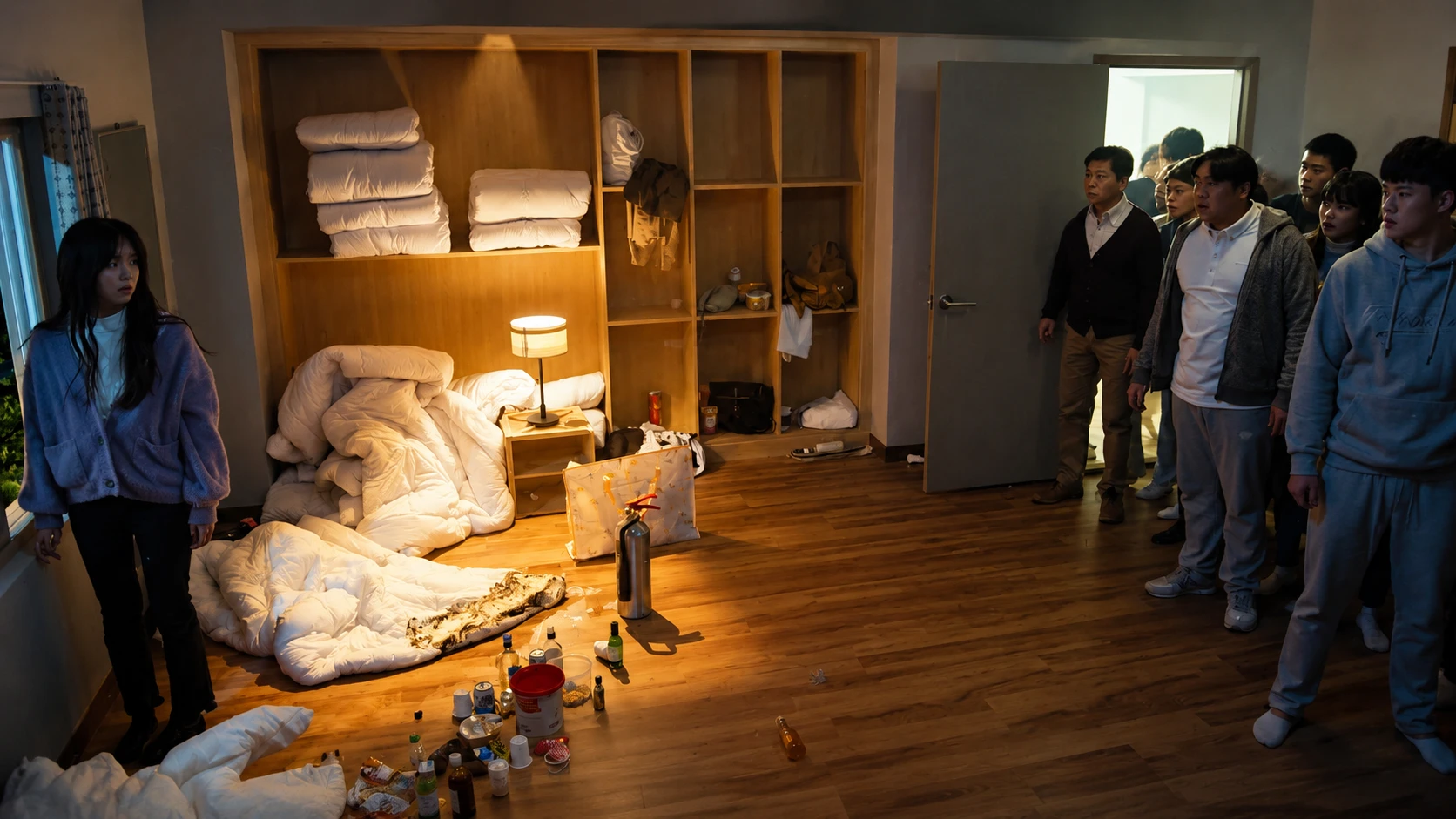
Eight episodes is short enough that the mass-suicide subplot in episode six lands like a gut-punch rather than a gimmick, and the show never fully cashes in the darker implications it raises about a world engineered around public emotional data. That restraint is mostly a strength — Love Alarm trusts the central relationship more than the high concept — but it also means the finale’s open ending will frustrate anyone who came for closure instead of a question. This is a show built to be argued about after the credits roll, and it succeeds specifically because it refuses to settle the argument itself.
Anyone interested in technology-as-metaphor premises that actually commit to the metaphor
Viewers who want a love triangle where every side gets to be a real person
🎬 You Might Also Like
If you liked Love Alarm (Season 1), these are your next three watches.
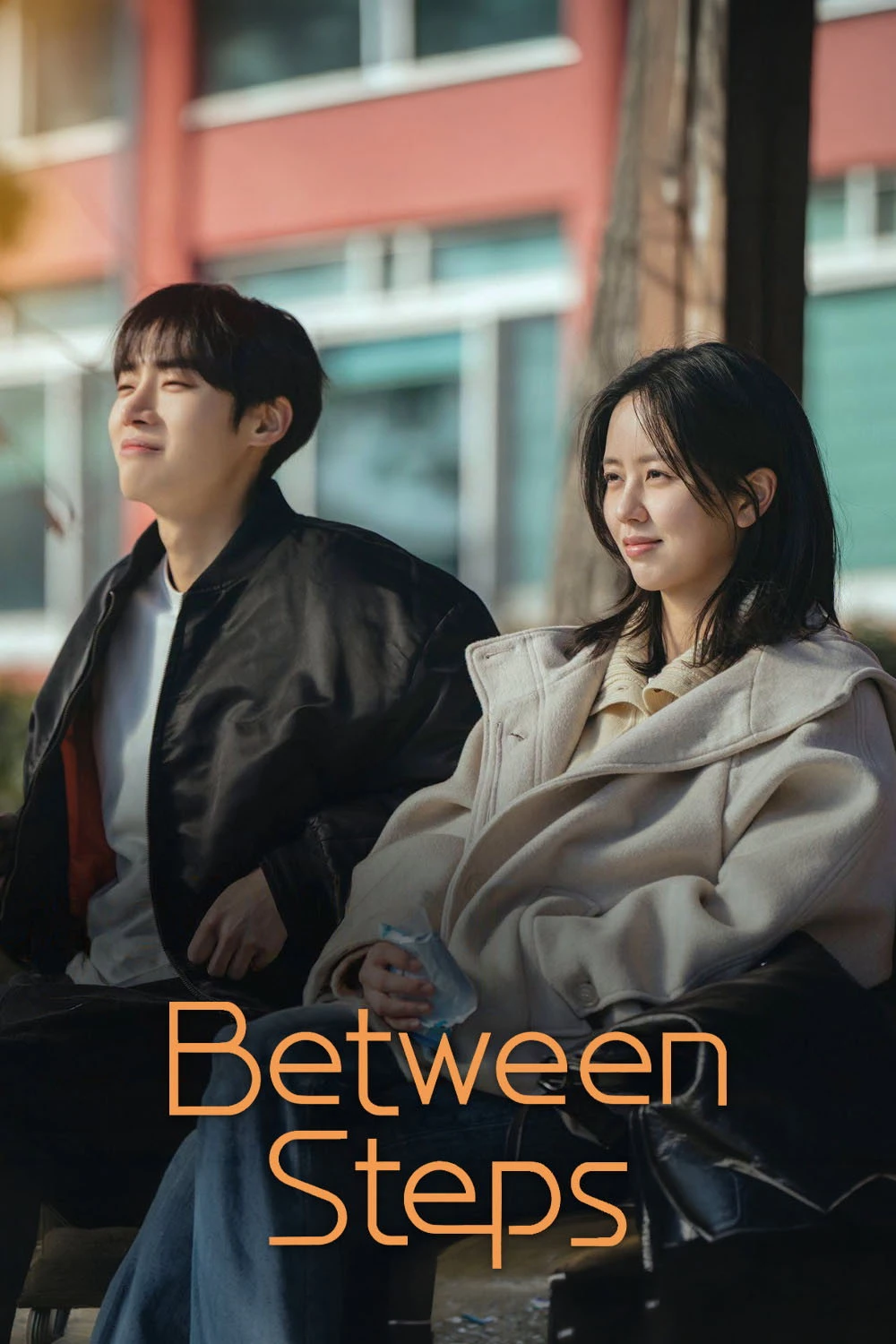 Between Steps
Ahn Pan-seok's Final Drama
Read Full Review →
|
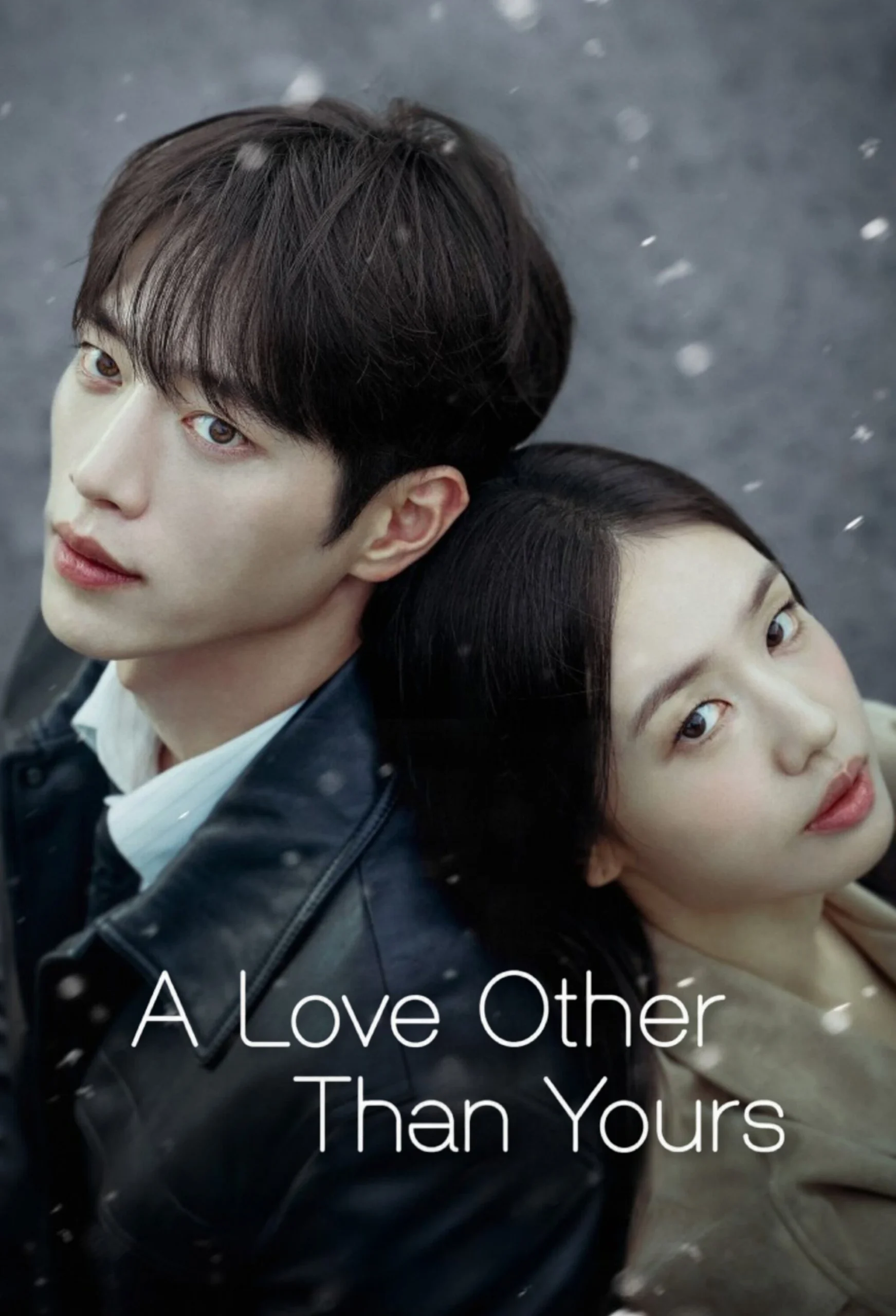 A Love Other Than Yours
Ahn Eun-jinEmotional Drama
Read Full Review →
|
 Welcome to Waikiki (Season 1)
comedyFound Family
Read Full Review →
|






Keep it kind, skip the harsh language, and please — no spoilers. Everyone's taste is different, and that's perfectly fine.
This space is for real reactions and discussion from other viewers. Help keep it comfortable for everyone by not giving away major plot details.
What do you think of this drama?
Login to share your review or leave a comment.
No email needed — just pick a username & password.